Welcome to Sheridan Memorial Hospital
1401 West 5th St. Sheridan, WY — 307.672.1000
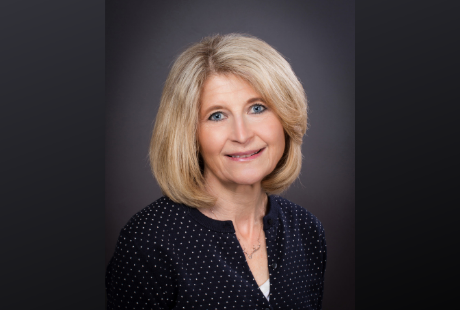
Congratulations to Kimberly George, RN in Nursery/Women’s Health for being selected at the June Working on Wellness Employee of the Month! Kim is a knowledgeable wellness role model for her peers, friends, and family.
About Kim
Kim is originally from Pocatello, Idaho where she grew up as an athlete playing volleyball, basketball, and tennis. After high school, she studied Exercise Physiology, combining her education with what she loved to do most, be physically active. Kim’s passion for Exercise Physiology lead her to become a personal trainer and health educator at Campbell County Hospital. She didn’t stop there. Over time, she became interested in a career in nursing and ended up at the University of Wyoming studying for her Bachelors of Science in Nursing. Today, Kim works as a nurse in Nursery and Women’s Health at Sheridan Memorial Hospital.
Even though she is thoroughly educated in the concepts of health promotion, Kim is still motivated to improve her personal wellness more every day so that she can keep up with her two young daughters and set the example of what a healthy lifestyle looks like. Kim’s lifestyle is centered on maintaining a healthy mind, body, and attitude.
Balanced Lifestyle
Each morning, Kim starts the day with some Foundation Training to wake up her mind and set her body up to move in the best way all day long. On days when she’s not working hard to take care of patients, she does one of her favorite activities, going to the gym. Kim actually met her husband at the gym, so they obviously encourage each other to stay active and strong. Kim’s focus at the gym isn’t about what she looks like, but about staying strong as well as pain and injury free. At meal times, Kim tries to teach her daughters to have a balanced diet, with lots of fruits and veggies instead of processed foods. Before having kids, Kim struggled with this concept herself, but she tries to stay consistent, and remind herself and her family that eating nourishing foods is beneficial to all parts of the body and mind.

Kim’s advice to others:
Resources Kim loves:
If you see Kim around town or at the hospital, congratulate her on setting an excellent example of living a simplified, wellness-focused lifestyle.
May 23, 2019
In an effort to educate the community about the risks associated with heart failure, Sheridan Memorial Hospital will hold a series of education sessions and free screenings for the public. This education includes risk factors that lead to heart failure, how to manage the complexities of Heart Failure and other associated diseases, and the lifestyle modifications needed to optimize one’s health status.
According to Kristi Ramsey, Cath Lab Manager, SMH will have sessions in June, August, and October.
“This is one way we can reach out and offer education on these topics,” Ramsey said. “This is for the entire community.”
The next education session, which will be offered Tuesday, June 4 from 7 am to 1 pm in Conference Room B at SMH (adjacent to the SMH cafeteria), will focus on diabetes.
“We will offer free blood glucose screenings with immediate results and the opportunity to visit with our staff about healthy eating tips to lower blood glucose and how to limit sodium intake,” Ramsey added.
Heart Failure Education Sessions for 2019
June 4 Diabetes: Free blood glucose screenings – Education on healthy eating and lifestyle modifications on how to limit sodium intake
August 6 Know Your Numbers: Free blood pressure screenings – Education on heart failure and how it is diagnosed and lifestyle modification of how to lower stress
October 8 BMI: Free Body Mass Index (BMI) screenings – Education on weight management and lifestyle modification on setting goals to get active
The education sessions are also part of a year-long effort by SMH to gain a Center of Excellence in Heart Failure Care accreditation from the American College of Cardiology (ACC).
“By following the criteria for this accreditation, it will help us streamline our processes and build robust community education and outreach, resulting in decreased mortality rates for heart failure patients,” Ramsey explained. “The ACC wants communities and institutions to understand there are many other diseases that can lead to heart failure. That is why we have chosen these topics for the education sessions being offered this year.” The accreditation is for three years and covers the entire hospital.
“All nursing staff and physicians will be educated through this process in heart failure care,” Ramsey added.Quick Facts
– Heart failure is the leading cause of hospitalization for those over 65.
– 6 million people are diagnosed with heart failure every year in the US alone.
– Approximately 50% of those diagnosed will die within 5 years of their initial diagnosis.
For more details about these educational events and screenings, click HERE.
May 22, 2019
Congratulations to Jenny Heuck, RN Case Manager for being selected as the May Working on Wellness Employee of the Month! Jenny exhibits wellness and balance in every way.
Jenny grew up in Eastern Montana on a cattle ranch and she lived and breathed cattle ranching until she moved to Sheridan in 2001 to teach nursing at Sheridan College. She retired for a short time but decided to go into nurse case management part time last August.
Jenny grew up in a family that was very physically active, but it wasn’t until she started a family of her own and moved next door to an avid runner that she decided to take up purposeful, daily exercise. She has been running and exercising consistently since then and one thing that motivates her are the words of that neighbor- “there are always going to be days when it is too_____ for a run. It will either be too rainy, too hot, or too early for a run. It shouldn’t be a matter of the conditions, but a matter of when.”
When it comes to nutritional wellness, Jenny shares, “when I think about wellness I think about every aspect. A healthy diet is the most important part for me.”
Jenny maintains a healthy diet by following these words, “Eat food, not too much, mostly plants” from Michael Pollen’s book “The Omnivore’s Dilemma.”
When it comes to mental wellness, feeling creative, involved and satisfaction is of high importance.
“I have made sure to live a satisfying life that contributes to others. Working gives me satisfaction and a happy, healthy mentality. I also love to be part of a community. I believe people are healthier when they have a good support system.”
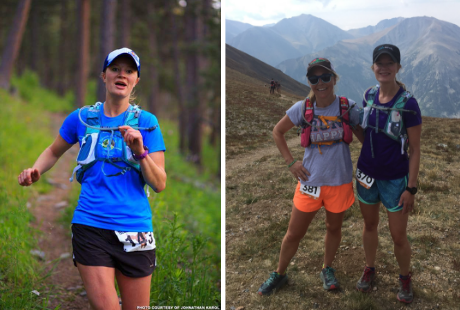
Jenny certainly has a great support system. Most days her daughter Sarah Jo and son-in-law Cody show up at her door to pick her up for an early morning CrossFit class or to go for a run. She appreciates the support and loves to challenge herself right alongside her family. In fact, she plans to climb Cloud Peak this summer with three generations of family members and the run the Michelson Trail Half Marathon with her daughter. Talk about challenging one another!

Jenny Heuck (left) and her daughter Sarah Jo (right).
Jenny’s advice to others looking to have a balanced lifestyle:
Some resources Jenny uses to stay well are:
Written by Kristopher Schamber, MD – Sheridan Memorial Hospital’s Internal Medicine Practice
April 17, 2019
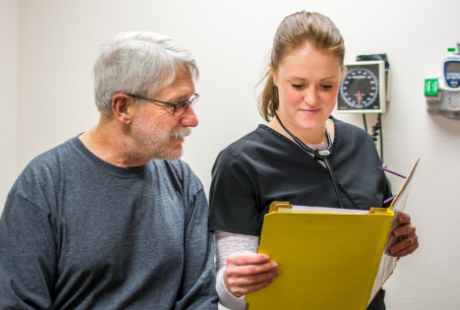
A medical appointment is one of the most important interactions a person has in any given day, and most visits are complicated with a great deal of information flowing from the patient, to the physician or other provider, and back. The list below provides important tips to help you prepare for your visit and take an active role once it is upon you, so that you get the most out of the appointment.
April 17, 2019
Congratulations to Lisa Mohatt, Physical Therapist at Wyoming Rehab for being selected as the April Working on Wellness Employee of the Month!
Lisa Mohatt is a Physical Therapist at Sheridan Memorial Hospital’s Wyoming Rehab and is an outstanding example of someone who knows how to maintain a healthy balance in all areas of life. Lisa has been passionate about wellness from a young age. She grew up in Sheridan, playing sports, played basketball during her undergraduate program at Gonzaga, and then finished her graduate studies in Physical Therapy. Even though she was immersed in health science study materials in college, Lisa continues to be a student today, learning how to maintain a healthy, balanced lifestyle for herself and her family.
Lisa’s greatest motivation to be well so she can enjoy life to its fullest. Her four and half-year-old son JP helps her do that. Since she and her husband had their son later in life, she shares, “We knew that he would make us feel older or he would keep us young.” Lisa wants to make sure she can keep up with JP and show him what exceptional spiritual, physical and mental wellness looks like.

Lisa keeps her focus on three central ideals when it comes to wellness:
1. Spiritual wellness is of the utmost importance to her. Spiritual wellness means that she centers herself with Bible reading, and respects, loves and uses her body as the incredible gift that it is to honor God.
2. Physical wellness is another focus for Lisa. She consciously chooses to move in a way that makes her body function well for the moment and for the future.
3. Preventing illness and injury is her third focus. She tries to eat foods, exercise, and rest in a way that will help her enjoy a long, healthy, life.
Lisa’s advice to those interested in living a similar lifestyle are:
– Set your exercise clothes and shoes out the night before. “This way you can throw your clothes on before your brain even realizes you’re going to exercise,” Lisa says.
– Schedule your exercise. You have to think of exercise like brushing your teeth. Brushing your teeth prevents cavities. Wellness prevents you from being injured or sick.
– Listen to your body and your mind for what it’s asking from you. Rest when you need to rest, move when you need to move.
– Treat your body as your most prized possession. Lisa says, “God gave us this body, and it is something we are responsible for our entire life.”
Some resources that Lisa uses to stay well are:
– The Bible – It helps Lisa with her spiritual well-being.
– YMCA – This provides Lisa with lots of wellness activities for herself and her family
– Community trail system – This is a great place to get outside, enjoy nature and be active.
– Apple Watch – Lisa says her husband keeps her up to date on the latest tech with her Apple Watch. She likes it because it gives her reminders to get up and move if she has been sitting for too long.
– Physical Therapy training, books, seminars, etc. to stay current on illness and injury prevention and health promotion.
Congratulations to Lisa Mohatt for being selected as the April Working on Wellness Employee of the Month!
March 20, 2019
What is the most important thing you need to know about colon cancer? It is mostly preventable, through screening.
March is Colon Cancer Awareness Month, and while it may not be the most glamorous topic for your upcoming dinner party, your trusted team at Sheridan Memorial Hospital (SMH) wants to make sure you know the facts about colon cancer and how to get help.
We all have stories of family members, friends or acquaintances who have been diagnosed with some form of cancer only to find out later it might have been prevented with regular checkups and screenings. Fortunately, there are multiple screening test optionsfor colon cancer, and most insurance plans cover these screenings.
What You Can Do
– If you’re age 50-75, get screened for colon cancer regularly. If you are younger than 50 and think you may be at high risk, or if you are older than 75, ask your doctor if you should get a screening.
– Be physically active
– Maintain a healthy weight
– Don’t drink excessive amounts of alcohol
– Don’t smoke or use tobacco products
Colon Cancer Facts
– Of the cancers that affect both men and women, it is the second leading cause of cancer deaths in the US according to the Centers for Disease Control (CDC).
– Each year, about 140,000 Americans get colon cancer and more than 50,000 die from it.
– Risk increase with age. More than 90% of this type of cancer occurs in people who are age 50 or older.
– It is possible to have precancerous polyps or colon cancer and not have any symptoms at first. This is why the screening is so important.
– If you have symptoms, they could include:
o Blood in the stool
o Stomach pains, aches, or cramps that don’t go away
o Losing weight and you don’t know why
(These symptoms may also be caused by something other than cancer. If you have them, consult your physician.)
The CDC estimates that 66% of Americans age 50-75 are screened according to national guidelines. This is up from 41% in 1997. Progress is being made, but millions still haven’t been screened as recommended.
Treatment
If you find yourself with a colon cancer diagnosis, finding a trusted and reputable cancer treatment center is essential. At the Sheridan Memorial Hospital Welch Cancer Center, we have hand-picked our expert team of dedicated staff. You will also find the latest treatment technologies in a state-of-the-art facility. The Welch Cancer Center is one of the most comprehensive cancer programs in Wyoming right here, close to home.
For more information on screenings and treatment, please click here or call the Welch Cancer Center at 307.674.6022.
March 20, 2019
To Dr. Addlesperger, wellness encompasses doing a myriad of activities that help you feel good, stress less, sleep better, and connect with others. He says, “Incorporating a healthy lifestyle can have a hugely positive effect on our health. I stay active and eat well to decrease the effects of aging so that I can be healthy and enjoy life to its fullest when I retire.”
Dr. Addlesperger has always enjoyed being active. When he was young, he aspired to be a professional football player. It wasn’t until he was older that he realized that no matter how good he was, he was too small to play. He started finding other activities like climbing, backpacking, skiing, and hiking that he could enjoy and help him stay in great shape. “I would have people ask me to go climbing or skiing with them and I wanted to be in shape so that I could do whatever anyone asked me to do.”
Now, Dr. Addlesperger maintains that discipline and commitment are what it takes to stay active and maintain an effective exercise program. He uses himself as an example.
“If I find myself too busy to exercise, I need to take a step back and assess why I’m not doing it and then figure out how to make it happen.”
He likes to diversify his workouts incorporating climbing, skiing, biking skiing, and even the elliptical machine to keep it fun and interesting. To maintain a good balance, you have to begin making good judgment calls. Ask yourself, “Am I going to work more or do I do what I need to do to stay healthy and more productive?”
Dr. Addlesperger gives this advice:
-Enhance your wellness by hanging out with wellness-minded people
-Say “yes” to wellness-centered activities
-Invest in a good pair of running shoes and a bike, and you’ll be able to go anywhere.
Wellness Goals
His aspiration for wellness has led him to engage in an exciting adventure with his daughter. This summer they hope to start an Organic Farm and eventually turn it into a productive business. “There is a huge demand for locally sourced fruits and vegetables within our community, and we hope that we could encourage the farm-to-table movement with local businesses.” Flowers are something that they are also considering to help sustain their farm.
Favorite Resources
Favorite wellness book: Younger Next Year: Live Strong, Fit, and Sexy by Henry S. Lodge and Chris Crowley. The book highlights that by staying well you can turn back your biological clock. Dr. Addlesperger jokes, “When you hit 50, and you’re not healthy, life can be difficult.”
Favorite Tech: He loves his Fitbit. “I have a small competition with my daughter.” The two of them keep track of their steps and work just a little harder when one is leading the other. It keeps them motivated and challenged to keep up with the other. “I’ve got to have my data….It gives me the motivation to get up and get out the door.” He keeps a monthly calendar and marks the days when he is active and when he is not active. “It helps me visualize my accomplishments.”

Congratulations to Dr. Addlesperger for earning the honor of being the Working on Wellness Employee of the Month. He certainly sets a great example for both employees and patients at SMH.
February 19, 2019
By Darrin Goyn, Physical Therapist at Sheridan Memorial Hospital’s Wyoming Rehab.
Parkinson’s disease is a progressive neurological disease. The disease is due to a loss of dopamine, which is a chemical messenger responsible for transmitting signals within the brain. With Parkinson’s, movement becomes slower and smaller over time. The more notable symptoms include hand tremors, slowness of movement, problems with balance, or a shuffling gait. In addition, the voice becomes weaker, and the ability to function in everyday life becomes limited.
There is no cure for Parkinson’s disease. However, there is help for those who suffer from its effects, regardless of the stage or severity of a person’s condition. Treatment for the disease includes medications, deep brain stimulation, and exercise.
Wyoming Rehab uses two evidence-based treatment programs called LSVT (Lee Silverman Voice Treatment) BIG and LSVT LOUD proven to promote strength, motor learning, functional movement and voice quality. The LSVT BIG program improves an individual’s ability to accomplish tasks in everyday life and boosts independence. The LSVT LOUD program enhances the ability to speak at a more normal volume. It makes living with Parkinson’s easier. Another great thing about LSVT BIG and LSVT LOUD is that it is never too late to get started!
LSVT BIG combines physical therapy with a home exercise plan to help Parkinson’s patients regain function. Treatment plans take each person’s individual needs and goals into account. The program focuses on the issues patients face on a daily basis.

In the physical therapy sessions, we reteach functional movement patterns to accommodate any activity. We train how and when to apply bigger motions to mimic normal body movements. Basic motor skills for self-care, such as the ability to button clothing, get up from a seated position and get in or out of bed becomes easier. Walking and balance improve.
Once a person completes LVST BIG, they can join our LSVT BIG FOR LIFE, which is a community-based exercise group for those people who want to stay active and fit.
Our speech therapist provides LSVT LOUD, the treatment program that improves voice and speech quality. Frequently, people with Parkinson’s may think their voice volume is normal when they may actually be speaking quietly. The LSVT LOUD program teaches the person to know how loud or soft they sound to other people and works to restore their ability to vocalize at a more normal volume.
A person with Parkinson’s will typically not realize their movement patterns are becoming slower and smaller. Family members or caregivers are often the ones who notice the signs of functional limitations. It is best then to seek advice from a medical professional.
Wyoming Rehab offers the full continuum of therapy services:
• Prehab prepares you for surgery
• Inpatient rehab supports your hospital recovery
• Transitional Care assures your return home is safe and successful
• Outpatient rehab optimizes your function
• Health and Fitness keeps you going strong
https://www.sheridanhospital.org/medical-services/rehabilitation-services
Wyoming Rehab: 307.674.1632
February 15, 2019
At Sheridan Memorial Hospital, it is part of our vision for this organization to maintain a Culture of Kindness. From interactions with patients we aid or the community members, we interact with while having lunch; it’s the little things that make a huge impact. February 17th was Random Acts of Kindness Day and we hope you made a conscious effort to participate and acknowledge the small acts of kindness you experience every day.
As the temperatures dropped and the snow piled up, many of us would walk out after an appointment or long day and see the snow all over our cars. While our Maintenance, Facilities and Grounds team does an incredible job of taking care of our lots and sidewalks all year round, it truly is winter when their acts of kindness go above and beyond the call of duty. Daily, our teams were found in freezing temperatures jump starting cars, digging out vehicles that got wedged in just right or helping to push them out of the unforeseen drifts! Along with many other, it isn’t in their job description, but they take such good care of this facility many of us visit every single day.
From the nurses that escort patients and their families outside upon discharge to the friendly patient access staff that will help you grab the door when your hands are just too full, we are surrounded by random acts of kindness every day.
How you can practice random acts of kindness:
January 23, 2019
By Jennifer Graslie, a Physician Assistant with Sheridan Memorial Hospital Big Horn Heart Center
Heart failure is a prevalent disease affecting 3.7 million Americans. It is more prevalent than all forms of cancer combined. Heart failure occurs when fluid accumulates in the body because the heart is not able to pump efficiently. High blood pressure, diabetes, coronary artery disease, and age can all contribute to causing this illness. Symptoms of heart failure can include fatigue, shortness of breath and swelling. As our population becomes older and more sedentary, we expect heart failure to become more widespread.
Prevention is the most effective measure for counteracting the risk factors that can lead to developing heart failure. There is ample medical evidence proving that a person can lower or prevent such risk factors as high blood pressure, diabetes, and coronary artery disease. It requires maintaining a healthy weight and diet and modifying certain lifestyle habits. If a person already has one or more risk factors, tight control of blood pressure or blood sugar and coronary artery disease can help prevent or delay the onset of heart failure. Even modest weight loss and an increase in cardio-respiratory fitness can significantly improve heart health.
There is some good news for those patients with a diagnosis of heart failure. Many medications, including certain beta-blockers, ACE inhibitors, angiotensin receptor blockers, aldosterone antagonists and Entresto, are producing wonderful results. Patients with heart failure are experiencing fewer symptoms, and some are living longer. Other patients are benefiting from special pacemakers that synchronize the heart, allowing it to beat more efficiently. These special pacemakers can further reduce patient symptoms and improve survival.
When heart failure progresses to an advanced stage or warrants hospitalization, it becomes an identifying marker for patients who will require more intensive follow up care for the rest of their life. As a cardiology office, we routinely see patients with a heart failure diagnosis. In the past year, Sheridan Memorial Hospital implemented several initiatives to improve heart failure care in its clinics and inpatient setting. Our focus is on providing up-to-date medical management for heart failure. The program involves providing in-depth patient education and having patients monitor their weight, blood pressure and sodium intake daily. Patients must also watch for and report these early warning signs: feet and ankles swelling more than usual, breathing that becomes more difficult, or a weight gain of 3 pounds in two days. These signs might indicate that fluid is building up in the body. Early intervention ensures on-going symptom management and overall wellbeing.
With heart failure becoming more widespread over the next few decades, our understanding of how to prevent and treat this disease will also continuously improve.
January 23, 2019
Many people in this community know the name, Mark Ferries and recall him as a fourth generation undertaker with the former Ferries Funeral Home. However, there are fewer who realize he is a competitive team roper. Mark was a latecomer to the cowboy arena; he started roping just 16 years ago after he turned 50.
“Becoming a cowboy was what I always wanted to do,” says Mark. “I grew up around farming and livestock – we always played at being cowboys when I was little. I had ponies when I was in junior high school. I finally bought my first roping horse in 2000.”
As is often the case with competitive sports involving horses and riders, Mark is no stranger to Sheridan Memorial Hospital’s Emergency Department. His last trip to the Emergency Department involved a serious accident, which occurred while he was starting a three-year-old colt.

Watch the video interview with Mark here.
“I was out working with the colt in the early morning on July 1, 2016,” says Mark. “The colt had been making good progress. I was riding him around inside the round pen when he turned skittish and bucked me off. When I hit the ground, my right shoulder dislocated, and my rotator cuff and bicep were completely torn off.”
At the time of the accident, there was no one around except Mark’s 11-year old grandson who was still sleeping. Fortunately, his wife, Colleen was volunteering in the surgical waiting room at the hospital that morning. Pushed onward by that knowledge, Mark removed tack and saddle from the colt and let all of his horses out to pasture entirely on his own. He then rustled his grandson who got Mark buckled into the driver’s seat and started the truck’s engine for him. Together they made the longer-than-ever-before five-mile journey into town.
By the time Mark got to Sheridan Memorial Hospital’s Emergency Department, his pain was intolerable. Morphine was administered, but it didn’t even faze Mark’s pain. It wasn’t until X-rays were completed and doctors popped the shoulder back in place that he began to feel a measure of relief. Mark’s injury still required surgery.
The anesthesiologist assigned to Mark’s case used an interscalene nerve block under ultrasound guidance with Exparel, a long-acting anesthetic and the most advanced form of anesthesia available today. The use of a long-acting pain anesthetic reduces the amount of oral narcotic medicines a patient would typically receive, resulting in a much more comfortable experience after surgery. Anthony Quinn, MD, board-certified orthopedic surgeon with Sheridan Orthopaedic Associates performed Mark’s surgery at Sheridan Memorial Hospital.

“Mark’s injury was much more involved than the average rotator cuff tear,” says Dr. Quinn. “It is not uncommon for us to treat rotator cuffs with one, two or three torn tendons. Mark’s injury was a complete disruption of all four of the rotator cuff tendons in conjunction with a shoulder dislocation. There was nothing attached to his humeral head.”
A few days after surgery, Mark began outpatient rehabilitation at Sheridan Memorial Hospital’s Wyoming Rehab Department with Physical Therapist, Tony Smith. From the start, Mark told Tony that he wasn’t going to stop rehab until he got his roping shoulder back.
“I’ll admit that I was somewhat skeptical that Mark’s goal was achievable,” says Tony. “It’s not always possible to regain full function after a severe injury like his. However, Dr. Quinn did a remarkable job repairing Mark’s injury, and Mark was dedicated and committed to complying with the physical therapy program that we designed for him. Those two factors made all the difference.”
An upper extremity injury with a small tear typically takes about four months of rehab to regain full function. Due to the degree of Mark’s injury and repair, Mark was in rehab three times a week for ten months.
“Rehabilitation for a bad tear involves some pain and a lot of hard work,” says Tony. “I admire Mark for his determination and perseverance.”
Mark is back to swinging a rope again and plans to competitively rope in the future.
“I don’t want to quit because I was thrown from a horse. I’ve been thrown by a horse on more than one occasion – accidents that could have potentially been deadly,” says Mark. “I just appreciate that God always seems to be watching out for me.”
January 23, 2019
The ups and downs of life happen to everyone and at times it can bring us a lot of stress. For Nury Quevedo, an Administrative Assistant at Big Horn Mountain Medicine and Nursing Student, her biggest stress reliever is focusing on her personal wellness. In 2016 Nury had surgery on both of her feet. She was unable to walk for 6 weeks and had to depend on her children to help her. During this time she realized how difficult it was not to be able to walk and take care of her kids and so she promised herself that when she was cleared to walk again, she was going to stay as active as possible. After 20 weeks of recovery she was able to run 6 miles in 41.42 minutes (under 7 minute mile). Nury used running as big stress reliever until she met a friend who was a power lifter and introduced her to the weight room. He introduced her to a nutritionist and also a mind and body strategist who both helped her create specific wellness goals.
Before setting wellness goals, Nury would run 30-42 miles per week with the mentality that she could run in order to eat whatever she wanted. After setting wellness goals she now eats to nourish her body and perform well. I eat according to my goals. If I want to lose fat, gain muscle or just maintain my weight I can do that now. “I do love pizza and chocolate caramel cake so I treat myself once in a while.” Now Nury competes in body-building competitions. At first it took a lot of guidance, but she worked hard to learn the science behind fitness and nutrition and she is able to plan her own nutrition, workouts, and rest on her own. Her hard work paid off because she has won every body-building competition that she has entered in.

Now that she’s been working hard at those wellness goals for a few years now, she is primarily motivated by her kids. “I have four kids. I need to be emotionally, mentally, and physically healthy for them,” she said. Nury still exercises as a stress reliever but she’s gained a broader perspective: that eating well, exercising hard, and resting enough will improve all areas of her life. She hopes that when her children are older they will be able to use that same perspective to take care of their stress.
Nury’s advice to others is:
Wellness Resources that Nury uses:
Congratulations to Nury for earning the honor of being the Working on Wellness Employee of the Month. If you see Nury around the hospital or Big Horn Mountain Medicine, congratulate her and wish her the best as she works to get her Associate’s and Bachelor’s degrees in Nursing at Sheridan College.