Welcome to Sheridan Memorial Hospital
1401 West 5th St. Sheridan, WY — 307.672.1000

Health and Wellness

Summer weather calls many of us to spend more time outdoors. While this time of year brings a welcome respite from our cold Wyoming winters,
Sheridan Memorial Hospital announces the late summer opening of a new Primary Care practice to serve patients of all ages in downtown Sheridan
A patient tells us …  “I was diagnosed with Type II diabetes (or prediabetes) and my doctor told me to exercise. What now?” Bring told you have Type II
Sheridan Memorial Hospital (SMH) is pleased to offer convenient, secure, online access to your personal health information through our patient
Better Hearing & Speech Month is an annual occasion designed to raise awareness of hearing loss and speech problems. The American Speech-
On May 12, 2022 Governor Gordon signed a proclamation recognizing May as Trauma Awareness Month in Wyoming. Every year in May,
What can you do?  Know the risk factors.  Free Drive-up Stroke Awareness Event May 24, 2022. Every 40 seconds in the United States, someone
Newsworthy stories about pharmaceutical misuse and abuse can add an extra layer of complexity to our daily doctor-patient
March is “National Nutrition Month.” Each year we celebrate healthy eating with a theme. This year’s theme is “Celebrate a World of

Robert Kessler has led a full life for sure. He has lived in Buffalo, WY, since 1964. He has been in the Navy, run his own business in Buffalo, and then
It may not be the most glamorous subject, but talking about colorectal cancer saves lives. Unlike many cancers, we have effective tools to help
On average, Americans spend $27.4 billion each year on Valentine’s Day, and $1.8 billion is for
The challenges that come with a debilitating injury are more than physical.  The mental challenges of not being able to do things that came easy prior
The Cardiopulmonary Rehabilitation staff at Sheridan Memorial Hospital are excited to announce the opening of a new rehabilitation
We often look at the New Year as an opportunity to make changes within our lives in some way, shape, or form.  That change could be financial, personal growth, how free time is spent, or a
The holidays can be a joyful time, filled with laughter, fun, and togetherness. However, the holidays can bring despair to those who have lost
Providing care for patients in their own home, has shown to be a very effective way to treat many ailments and post-operative situations.
November is National Diabetes Month.   There are different types of Diabetes; however, the rise in Type 2 diabetes (T2DM) and Prediabetes in our

By David Nickerson, MD – Medical Director of Sheridan Memorial Hospital’s Urgent Care

Summer weather calls many of us to spend more time outdoors. While this time of year brings a welcome respite from our cold Wyoming winters, it also brings higher temperatures and a greater risk of dehydration. Dehydration is the loss of too much water from the body and can disrupt its normal processes. While mild dehydration is easily treated by drinking fluids, severe dehydration can lead to organ dysfunction and is a medical emergency that requires prompt treatment. 

Although dehydration can also occur with increased fluid loss from vomiting, diarrhea, fever, or certain medications, an additional risk in the summer comes from warmer outdoor temperatures.    Heat-related dehydration is a risk for any age group. For example, infants do not have the ability to move themselves to a cooler environment or increase their fluid intake. High school football players, who sometimes practice twice a day in the intense August heat, are also at risk. Working adults such as roofers and firefighters exert themselves in hot environments. In fact, with physical exertion in hot, dry conditions, the human body can lose 1-2 liters of fluid per hour. 

Dehydration can be prevented or treated with self-monitoring and oral rehydration. Early symptoms to watch for include increased thirst and dry mouth, lips, or eyes. Additional fluid loss can progress to fatigue, confusion, dizziness, and organ dysfunction. The well-hydrated body produces pale to clear urine, which becomes progressively darker to yellow and then brown with increasing dehydration.

You can avoid dehydration by drinking plenty of fluids such as water or sports drinks and avoiding caffeine and alcohol. Keep in mind that diarrhea, vomiting, and fever all increase your water loss and can also predispose you to dehydration and heat-related illnesses. Hydrate to the point that your urine is pale yellow or clear.

As an additional preventative measure, be mindful of the weather forecast and be willing to adjust your plans for the day. If it is going to be hot, don’t make big plans for exertion, and be sure to bring plenty of water. Plan any exercise, hikes, or outdoor work earlier in the day, when it is not as hot and you will lose less fluid through sweating.

However, if you or someone else begin to experience dark urine, fatigue, confusion, or dizziness despite attempts to rehydrate orally, seek medical attention immediately. Our emergency department or urgent care can quickly check your hydration status, electrolytes, and organ function and give IV fluids if necessary. Enjoy the summer weather, but do so safely!

If you or someone you love needs medical attention, we can help! Visit SheridanUrgentCare.com or click HERE to save your spot online at Sheridan Memorial Hospital’s Urgent Care or call us at 307.675.5850.

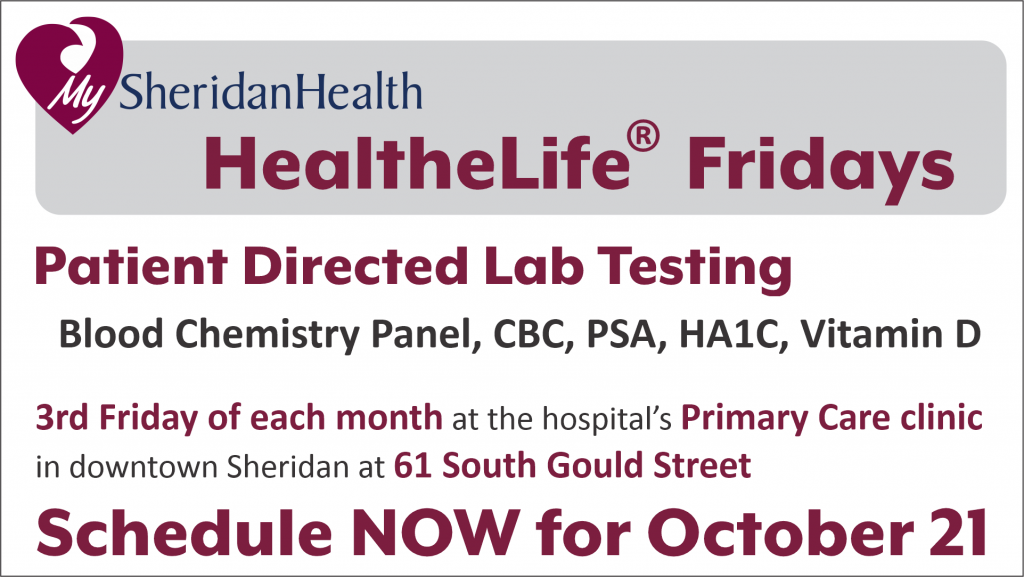
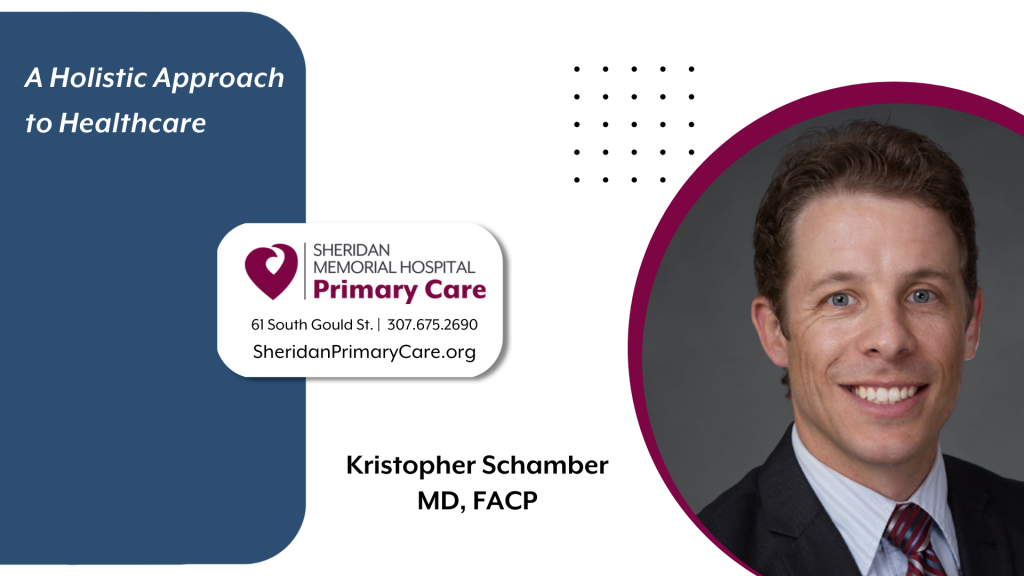
Sheridan Memorial Hospital announces the late summer opening of a new Primary Care practice to serve patients of all ages in downtown Sheridan at 61 South Gould Street. The office will open with six providers who are currently part of the SMH staff in the Internal Medicine clinic, including Dr. Kristopher Schamber, Dr. Chris Prior, Diana Charlson FNP-BC, Jeffrey Shideman FNP-C DNP, Jessica Neau PA-C, and Rebekah Montgomery FNP-C DNP.  Two additional providers are scheduled to start by September- Dr. Erica Rinker, a family physician currently working in Buffalo, and Dr. Derek Redinger, an internist who will be returning home from Idaho.

"Primary care is not a specific specialty, but rather a style of medical practice with a focus on addressing a majority of personal health care needs, through long-term relationships with patients and their families, and practicing in the context of family and community." Dr. Kristopher SchamberDr. Hannah Hall, Dr. Juli Ackerman, Dr. Sierra Gross, Dr. David Walker, Erin Strahan PA-C, and Jason Otto PA-C will remain with SMH Internal Medicine and continue to see patients in their current location in the Outpatient Center.

According to Dr. Kristopher Schamber, Medical Director for SMH’s new Primary Care practice, “Primary care is not a specific specialty, but rather a style of medical practice with a focus on addressing a majority of personal health care needs, through long-term relationships with patients and their families, and practicing in the context of family and community.  This includes initial diagnosis of acute and chronic problems, management of chronic illness, health and wellness promotion, disease prevention, and appropriate referral to specialists as needed.  Primary care practices generally serve all age groups, often caring for multiple generations of the same family, from grandparents, to grandchildren.”

Primary Care ideally serves as the entry point to the health system.  “In essence, primary care providers are the first responders for the community’s non-emergent medical needs. They create strong, holistic patient relationships which provide access to the information and resources required for optimal health outcomes for our patients,” says Holly Zajic, Chief Ambulatory Officer.

Traditionally, Primary Care practice includes Family Practice (caring for all ages), Internal Medicine (caring for adults only), and Pediatrics (caring for children only).  Sheridan Memorial Hospital Primary Care will focus on Family Practice, supported by our own Internal medicine providers caring for adults with more complex medical problems, and in collaboration with Northeast Wyoming Pediatric Associates for children with more complex medical problems.

If your current provider is moving to the new Primary Care clinic, you will simply have your appointments downtown going forward.  Prior to any upcoming appointments at the new location, you will be reminded of this change.

Patients with immediate questions about this transition can contact Tyler Crossley, Primary Care Manager, at 307.672.1162.  You may also visit the SMH Primary Care webpage at SheridanPrimaryCare.org for additional information.  SMH anticipates scheduling in the downtown Primary Care practice to begin early August.

“We are excited to bring the new Primary Care practice to the community and provide a critical resource to gain access to care quickly and efficiently,” Zajic said.

Learn more at SheridanPrimaryCare.org

By Whitney Weborg, PT, DPT

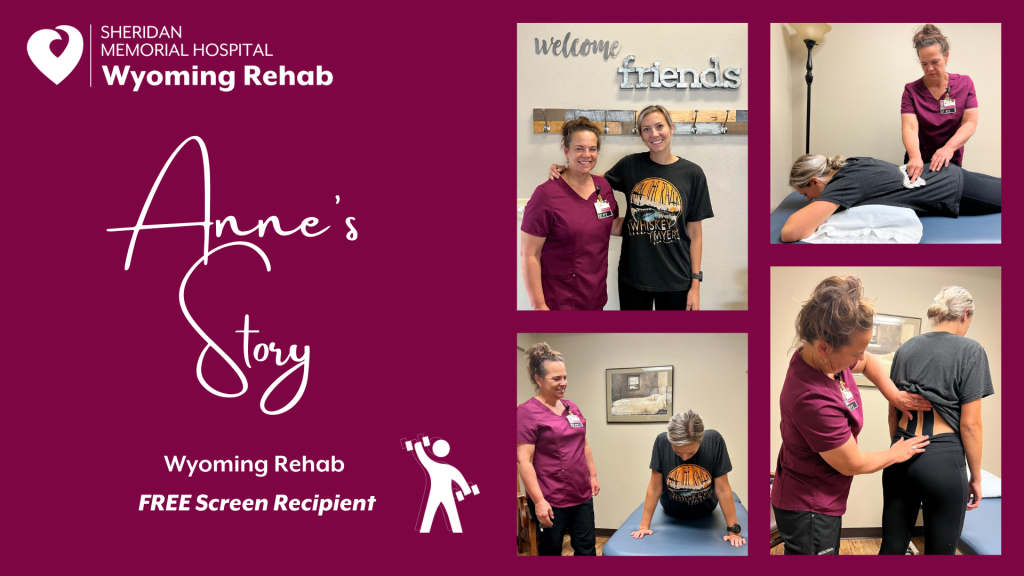
A patient tells us …  “I was diagnosed with Type II diabetes (or prediabetes) and my doctor told me to exercise. What now?” Being told you have Type II Diabetes can be daunting. We are happy to help people “ease” into exercise.

The Why – Studies show that exercise affects carbohydrate metabolism in both the short- and long-term. In the short-term, exercise can improve insulin sensitivity following a meal. In the long term, regular aerobic exercise can improve glycemic control, among other benefits. In fact, A1C may be reduced by 0.5-0.7 percentage points! In addition, some studies suggest that combining both resistance training and aerobic exercises could have an even more significant effect. Higher exercise intensity can also lead to larger reductions in A1C.

The How – Before we get into exercise recommendations, the best exercise is the one you enjoy and can maintain long-term. The American College of Sports Medicine (ACSM) recommends aerobic exercise and resistance training. When it comes to aerobic training, we should strive for 30 minutes of moderate-intensity exercise five days per week or 20 minutes of vigorous-intensity exercise 3 days per week. This might sound like a lot, but you don’t have to jump into it immediately. At Wyoming Rehab, we recommend a gradual build-up to allow your body to adapt to the new activity! When it comes to resistance training, ACSM recommendations are to train for at least two days a week and to work all major muscle groups to improve muscle strength and endurance.

Not sure how to get started? The ACSM has a helpful and informative website. You can check it out here: https://www.acsm.org/education-resources/trending-topics-resources/physical-activity-guidelines.

For more guidance on exercise and type II diabetes, call Wyoming Rehab today at 307.674.1632 to schedule a FREE screen. We can help you get started! 

By Brady Shoemaker, Information Services Manager at Sheridan Memorial Hospital

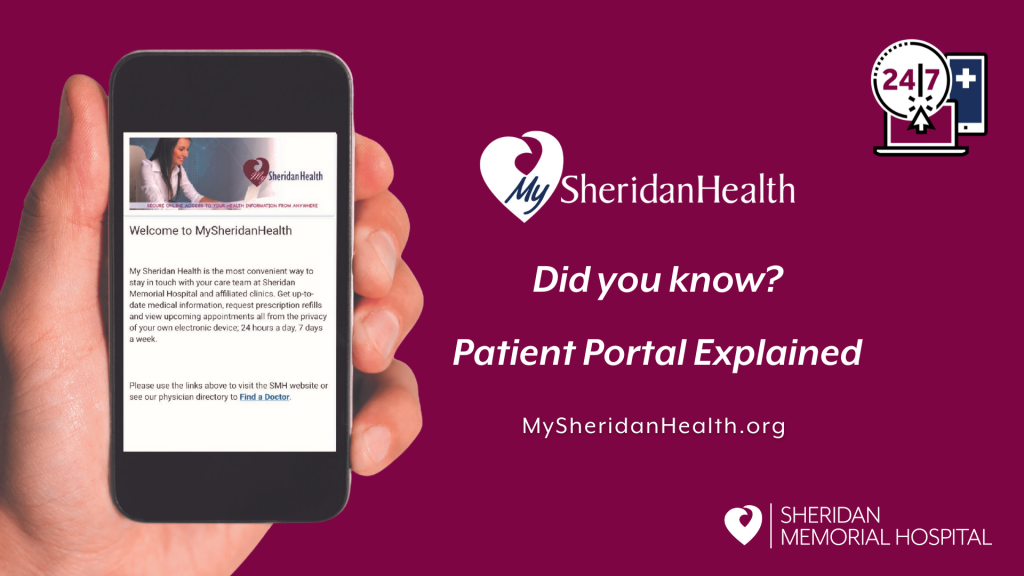
Sheridan Memorial Hospital (SMH) is pleased to offer convenient, secure, online access to your personal health information through our patient portal: MySheridanHealth. Once enrolled, patients can easily access their medical information 24 hours a day via an app on their cell phone or via computer at sheridanhospital.org.

MySheridanHealth is available to all patients at no cost. Originally implemented at the hospital in 2014,over the last year our team has been working to optimize the portal to make even more information available to our patients. 

Patients of SMH, and its affiliated clinics, including Big Horn Surgical; Ear, Nose & Throat; Heart Center; Internal Medicine, Rheumatology; and the Women’s Clinic, can view appointments, request medication refills, communicate with healthcare providers and much more from MySheridanHealth.

Many options are available to our patients to access their medical records, including viewing lab results, medication lists, allergies and immunization records. In today’s world, MySheridanHealth can even be considered a mobile COVID-19 Vaccination card. When you have a COVID-19 or influenza test through the hospital – those lab results are posted in the patient portal as soon as testing is completed.

Patients can review summaries of recent office or hospital visits, surgeries or procedures.   For example, patients can easily view the dates, history and results of tests and procedures, including colonoscopy, mammography, x-rays, provider visits, and more.

Other conveniences of MySheridanHealth include communication with staff via secure messaging, requesting an appointment, conducting a scheduled video visit or appointment with a provider, accessing forms needed for an upcoming appointment, tracking health conditions and wellness goals, and much more.

Granting access to others

Under certain conditions, you may grant access to your MySheridanHealth account, as in the case of a caregiver needing access in order to manage a patient’s care. This would also apply to parents or legal guardians of children under the age of 18 or those who care for individuals with mental or physical impairments. Or if an individual gives their permission for another person to have access to their medical records.

Enrollment

Signing up for the patient portal is easy. We are offering online enrollment to the patient portal by visiting MySheridanHealth.org on the internet – Required information includes:

  • Full Name
  • Date of Birth
  • Medical Record Number (This can be found on a copy of a recent hospital bill, or by contacting SMH Health Information department at 307-672-1070)
  • Your Email Address

An invitation email will be sent to the patient after online enrollment has been completed.

Those who want to access MySheridanHealth on their mobile phone can download the Heathelife app to obtain quick access. 

Privacy

SMH takes great care to protect your health information. MySheridanHealth is completely confidential and meets all federal HIPAA guidelines designed to protect your personal health information.

For more information, go to MySheridanHealth or call the hospital at 307.672.1000.

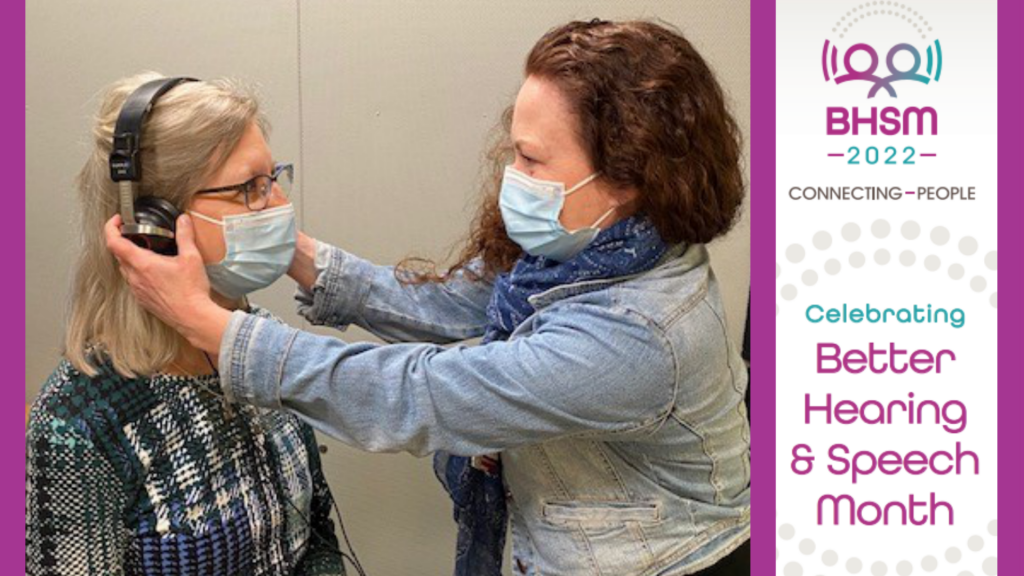
Better Hearing & Speech Month is an annual occasion designed to raise awareness of hearing loss and speech problems. The American Speech-Language-Hearing Association (ASHA) created Better Hearing & Speech Month in 1927, and President Reagan issued a formal proclamation designating May as the official month in 1986. The goal of Better Hearing & Speech Month is to encourage people to take action if they believe there might be a problem with their hearing or speech.

Hearing loss is common. An estimated 48 million Americans suffer from it and this is a number that continues to grow as the condition increasingly affects a younger demographic. One out of three adults 65 and older experiences some degree of hearing loss; by 75, that number jumps to one out of two. Other factors that contribute to hearing loss include ear infections, impacted earwax and ototoxic medications.

Hearing evaluations are the best way to detect hearing loss early. It is important to identify problems before they worsen and recommend treatment to those who might otherwise suffer debilitating social and emotional effects of hearing loss, including depression, isolation, memory loss and cognitive decline.

Hearing loss is not just a condition that affects older people. Hearing is the cornerstone of a child’s language and social skills; any degree of hearing loss can result in developmental delays. Early detection can ensure a child develops at a normal rate alongside their peers.

At Sheridan Memorial Hospital’s Ear, Nose and Throat (ENT) Clinic, our Audiology team provides comprehensive hearing evaluations for patients of all ages and they can also monitor patients’ hearing and investigate the need for hearing devices.  The team includes audiologists: Pattie Visscher, Au.D., CCC-A, our newest addition, Shayln Ballew, Au.D., CCC-A and our audiology office coordinator, Sonia Coleman, who all work closely with Dr. Cheryl Varner, the otolaryngologist at the ENT clinic.  Please join us in raising awareness and promoting healthy hearing!

To find out more about our Ear, Nose and Throat practice and Audiology services, click here. https://www.sheridanhospital.org/medical-services/clinics/ear-nose-throat/

By Toni Schoonover, BSN, RN – Trauma Coordinator at Sheridan Memorial Hospital

On May 12, 2022 Governor Gordon signed a proclamation recognizing May as Trauma Awareness Month in Wyoming. Every year in May, the American Trauma Society (ATS) and Society of Trauma Nurses (STN) join with other trauma organizations to celebrate National Trauma Awareness month by sharing injury prevention and education to highlight and prevent major causes of injury and death from trauma. This all started in 1988 when Ronald Reagan acknowledged the need for better trauma awareness and designated this month to focus time and resources into increasing education and prevention activities.

This year Sheridan Memorial Hospital (SMH) is doing its part to help raise awareness and provide education to our community. During May, you will see Emergency Department Staff wearing Trauma Awareness shirts with the quote “Prevention is Cure.” Trauma Awareness is all about prevention: 94% of trauma patients seen at SMH in 2021 were due to blunt injuries such as falls and motor vehicle crashes. Many of these injuries could have been prevented with simple interventions such as wearing a seatbelt, not driving under the influence of drugs or alcohol, fall prevention including home safety and eliminating fall hazards in your home, and maintaining good physical health.

This year’s theme for Trauma Awareness Month is “Safe Surroundings: Preventing Violence and Promoting Peace Community by Community.” Topics for prevention are: intimate partner violence, firearm injury prevention, mental health awareness and community violence intervention. To find free webinars related to these topics, go to sheridanhospital.org and click on the Emergency Department page.

SMH has been an Area Trauma Hospital (ATH) since 2001. An ATH, by definition, is an acute care facility with the commitment, medical staff, personnel, and specialty training necessary to provide primary care to the trauma patient. An ATH provides initial resuscitation, immediate operative intervention and ensures stabilization prior to transferring a patient to a higher level of care if indicated. In order for SMH to maintain this designation, we go through an extensive Wyoming Trauma Facility Site Review every 3 years. Our review, which takes place this week, ensures our hospital is providing the best possible care to our trauma patients. We are continually reassessing the care we are providing and implementing performance improvement processes as needed. Maintaining trauma designation holds several benefits for our hospital, patients and community. Research has shown it leads to better patient outcomes with decreased incidence of death. Maintaining the designation holds us to a higher standard of care, helps keep care local, and ultimately it can save lives. 

To learn more about our Emergency Department and access the Trauma Awareness Month webinars click HERE or visit: https://www.sheridanhospital.org/medical-services/emergency/


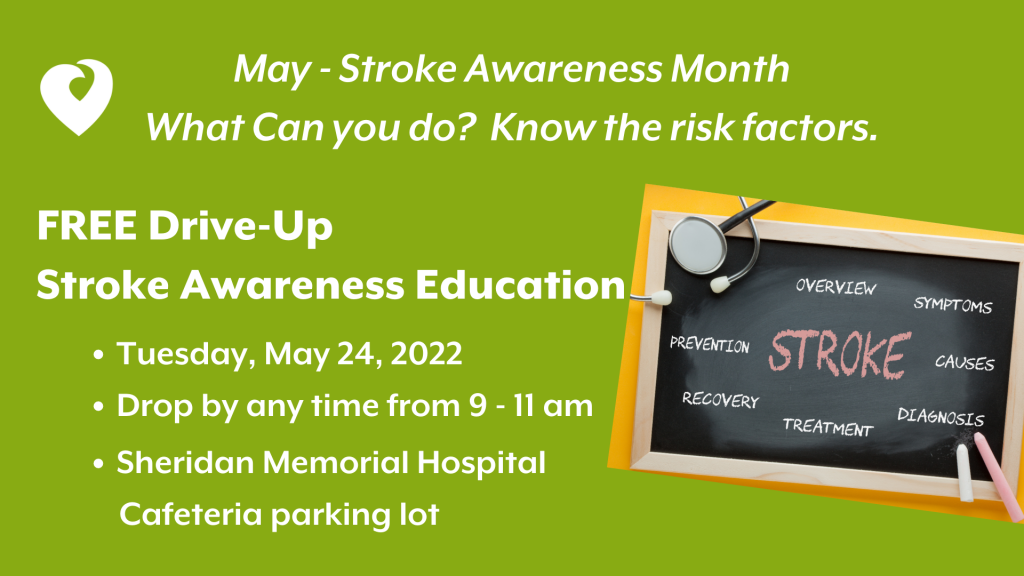
What can you do?  Know the risk factors.  Free Drive-up Stroke Awareness Event on May 24th

Every 40 seconds in the United States, someone experiences a stroke. Stroke is a debilitating and deadly injury to the brain that causes a death every 3.5 minutes in this country.  Often the death follows a lengthy illness that limits a person’s participation in the daily activities of life.

Fortunately, there are several things you can do to minimize the risk factors of experiencing a stroke. Managing health conditions such as atrial fibrillation, high blood pressure, high cholesterol, diabetes, and eliminating lifestyle risk factors such as smoking can significantly decrease your risk of experiencing a stroke. Other lifestyle changes one can make to decrease the risk of stroke include maintaining a healthy weight by eating a healthy diet and engaging in regular exercise regimens, minimizing alcohol consumption, reducing personal stress levels, and maintaining regular appointments with one’s healthcare provider.

If you do experience signs and symptoms of a stroke, such as sudden numbness in the face, arm, or leg, especially on one side of the body, or sudden confusion, difficulty speaking, or loss of coordination, call 911 immediately or immediately get to the Emergency Department. If someone you know is experiencing these symptoms, a quick and easy way to determine if this person may be experiencing a stroke is the F.A.S.T. mnemonic.

F – Face: Ask the person to smile. Does one side of the face droop?

A – Arms: Ask the person to raise both arms. Does one arm drift downward?

S – Speech: Ask the person to repeat a simple phrase. Is the speech slurred or strange?

T – Time: If you see any of these signs, call 911 right away.

Stroke Awareness Drive-Up

You can find out more at the hospital’s Stroke Awareness Education Drive-Up on Tuesday, May 24th, from 9 to 11 am.  Just come to the parking lot on the north side of the hospital, near the cafeteria entrance.  Look for the tent and be sure to wear a face covering.  Healthcare professionals will be there with more information on F.A.S.T. and lifestyle changes you can make to help prevent a stroke. They will also provide education on healthy habits to protect your heart and understand heart failure symptoms.

If you have any questions regarding your potential stroke risk factors, you are highly encouraged to schedule an appointment with your primary care provider to address these concerns.  If you don’t have one, check out Sheridan Memorial Hospital’s Internal Medicine practice or call: 307.675.2650

By Erik Smith, MD – physician at Sheridan Memorial Hospital’s Emergency Department
Newsworthy stories about pharmaceutical misuse and abuse can add an extra layer of complexity to our daily doctor-patient interactions in the emergency department.

Take these real exchanges for example:

Doctor to patient: Your heart is stuck in a very fast, abnormal rhythm. The treatment is to shock it back into a normal rhythm. Since this is uncomfortable, we will briefly sedate you with a medication called propofol.

Patient: Wait. Propofol? Isn’t that the “Michael Jackson drug?”


Doctor to patient: There is a very good chance you broke several bones around your ankle. Let’s get some xrays and start an IV so we can give you some pain medication.

Doctor to nurse: Would you please start an IV and give 50 micrograms of fentanyl.

Patient: Fentanyl? Oh no… not that dangerous drug. Absolutely not!

Doctor: It sounds like you keep up on the news…


Medications such as ketamine, propofol, and certainly fentanyl have been to blame for many tragic deaths over recent years, giving them infamous notoriety. The CDC, for example, reports as much as ⅔ of the 100,000 overdose deaths over a 12 month period ending a year ago are believed to be due to fentanyl. This has caused some in the general public to perceive these pharmaceuticals as very dangerous drugs of abuse without legitimate utility, similar to schedule I drugs like methamphetamine or heroin. Unlike methamphetamine and heroin, however, these agents are very commonly used class II and III medicines. They are used on a daily basis in every emergency department and operating room in the country. Chances are if you broke a bone, ruptured a vessel in your brain, or suffered a bad burn, you would be given fentanyl in the emergency department. If you needed further sedation, you would be given ketamine or propofol.

Is Fentanyl dangerous?

Fentanyl can be compared to fire. When in a fireplace, fire can bring warmth, comfort, and security. It can even save your life. When blazing through a structure or neighborhood, however, fire can have catastrophic effects on property and life.

Recreational, or otherwise abused, fentanyl is certainly dangerous. It is classified as an opioid, similar to morphine or oxycodone. It is more potent than other opioids. Therapeutic doses are in micrograms and the lethal dose is considered to be around 2 milligrams. The adverse effects that contribute to death are shallow breathing (respiratory depression) and low blood pressure (cardiovascular collapse). Abuse potential is relatively high as there is a dependence formed with prolonged use. Withdrawal can be very uncomfortable. One trend that has contributed to the increase in unintentional deaths is the addition of unknown quantities of fentanyl to other substances. Drugs or counterfeit pills obtained on the street could have lethal doses of fentanyl added.

Fentanyl, when administered appropriately in the emergency department, on the other hand, is actually safe and preferred over similar pain medications. It is fast acting and has less side effects than other opioids. It is even frequently given by nasal spray to children who need quick pain management, typically following trauma. It was developed over 60 years ago and has been used extensively in healthcare facilities for decades. Fentanyl is a preferred pain medication for paramedics as well.

Many safety precautions are in place when fentanyl is given by a professional. Nurses and paramedics verify the dosing and administer from small vials or prefilled syringes. For an errant high dosing to occur, multiple vials would be required, which would raise warning flags. Patients are typically monitored closely following administration. Equipment to assist with breathing and reversal medication (naloxone) are on hand if there are any signs of adverse effects.

My twofold recommendation:

  1. Fentanyl associated deaths are beyond epidemic levels and continue to rise. If you, or someone near you, use recreational drugs or opioids beyond the recommendation of a physician, please consider quitting. The Addiction Medicine Clinic through Sheridan Memorial Hospital may be of help. Also, consider keeping naloxone (Narcan) on hand if you or someone near you is at high risk of opioid overdose.
  2. If you have the misfortune of seeing us in the emergency department, there is a good chance that a newsworthy medication will be ordered. You are encouraged to discuss any medication choice, especially if a certain medication makes you uncomfortable. Please know, however, that the medications that we use are considered standard of care, typically proven safe over decades of testing and use.

Learn more about our Emergency Department and services by following the link:  https://www.sheridanhospital.org/medical-services/emergency/


Written by: Jennifer Larson MS, RD, LDN, CNSC (Registered Dietitian at Sheridan Memorial Hospital)

March is “National Nutrition Month.” Each year we celebrate healthy eating with a theme. This year’s theme is “Celebrate a World of Flavor!” By trying to incorporate foods from a variety of different cultures, you can incorporate new flavors into your healthy eating pattern. Many different cuisines offer beverages, sides and meals rich in fruits, vegetables, and protein which are increasingly more important for seniors. By including some of these items in your meal plan, you are able to plan meals that are full of nutrition and full of delicious flavor. Many of them are simple to prepare!

Breakfast, often thought of as the “most important meal of the day,” is a great place to add some alternative ingredients to create an amazing beverage or meal. It could be as simple as creating a smoothie with low-fat yogurt and tropical fruits such as mango, papaya or pineapple. Another great option is to make a Spanish omelet filled with potatoes, onions, bell peppers and a small amount of cheese. It is also easy to make a skillet if you prefer. If it is a cold day and you are looking for some hot cereal, try some Scottish oatmeal with low-fat milk topped with fruit and unsalted or lightly salted nuts.

For a meal starter, try to incorporate seasonal ingredients and healthful recipes from a variety of cultures. If you are interested in a hot soup, try Mexican Sopa (soup) Azteca (tortilla soup) with vitamin C-rich tomato and potassium-rich avocado. Another great soup is Tuscan bean soup which is rich in fiber, promoting healthy cholesterol levels. If you are looking for a tasty salad, try a Greek Horiatiki Salad, which consists of tomatoes, cucumber, onion, feta and olives with a garnish of oregano, salt and olive oil – providing heart-healthy fats. Another tasty salad is Jicama salad which has jicama, tomato, avocado, lime and feta cheese. Jicama is a delicious low carbohydrate vegetable.

Perhaps most exciting is to plan a lunch or dinner entrée that you haven’t tried before. Or you could try Arroz con Pollo which consists of chicken thighs, rice, tomatoes, green olives and spices. Another great choice is Lamb Tagine, an African lamb dish traditionally served with couscous – a protein-rich grain. Lamb is a lean protein that easily fits into a heart-healthy diet. Another tasty choice is Egyptian koshary which consists of rice, macaroni, lentils and spices. Lentils and rice form a complete protein making it an excellent meatless meal!

Many people like to end a meal with a sweet treat. Try making a parfait with Skyr (Icelandic yogurt), granola and strawberries-higher in protein and fiber than a standard sundae. Another option is Marak Perot, an Eastern European Jewish dessert consisting of apples, dried plums, dried apricots and raisins – rich in vitamin A and C (recipe can be modified to reduce or eliminate added sugar).

Options outside of the home

Some people may be excited to try these ideas but have physical limitations that prevent them from spending a lot of time shopping, preparing and cooking the foods. However, Sheridan has quite a few options in town that can remedy that problem. Here are a few suggestions:

The Hub at 211 Smith Street: Creamy Tuscan Pork Pasta, chicken enchiladas, carrots with leeks

Frackelton’s at 55 North Main : Vindaloo salad (originating from India), edamame, mushroom udon (Japanese inspired noodle and pork dish). Soy products like edamame are high in protein and low in fat. Curry, found in the Vinadloo salad, also has anti-inflammatory properties.

The Daily Grind at 169 ½ Coffeen Ave: Chai tea latte- this beverage includes natural cinnamon, clove, cardamom, anise and ginger for the perfect spiced chai flavor (originating from East Asia). Many of these spices also have anti-inflammatory properties.

Celebrate National Nutritional Month with us by trying something new. Invite some friends or family to join you. Celebrate a world of flavor!

If you would like to schedule an appointment with one of our dietitians, please call 307.675.2640.

Robert Kessler has led a full life for sure. He has lived in Buffalo, WY, since 1964. He has been in the Navy, run his own business in Buffalo, and then went back to school for a teaching degree and taught school in Ranchester and Buffalo for 20 years. To say he is always on the move is an understatement.

But in 1972, Robert “broke his knee” and a little lump developed behind his knee that never went away. Then, recently while traveling in Australia, his knee became very painful. Once home, he went to the VA Hospital in Sheridan and in May of 2019 received a diagnosis of soft tissue sarcoma (cancer) in that lump.

After radiation and surgery, additional cancer was found in the lymph nodes of his thigh . That’s when the chemotherapy started.

“It was a pretty tough regimen and I know now why people hate chemo,” Robert stated. “You get to a point where you wonder if it’s worth it.”

After receiving the first round of chemo in Salt Lake City, Robert was able to transition his care to the Welch Cancer Center (Welch) in Sheridan for the next round.

“It’s 30 minutes away instead of eight hours,” Robert said, “and it meant a lot.”

Robert started the second regimen at the Welch in 2020 after a PET scan revealed the first round had not done its job. Having his treatment close to home made it much more palatable.

“This time, I was able to be home and that was very helpful and comforting,” he said.

However, after the second round of chemo, he was told by his doctors in Salt Lake that the cancer was still progressing and the prognosis was dim.

“I asked them how long I had, and they told me 12 months. So I started to get my affairs in order, as they say, to make sure my family was taken care of. I even bought a stone and put my name on it. I cried all the way home from Salt Lake,” Robert said.

Lucky for Robert, shortly after that hard-to-swallow conversation, a new drug hit the market. Robert and his cancer care teams agreed it would be good to try.

“And after visiting with Dr. Ratterman, it was determined I could get the treatment at the Welch,” he added. “The coordination between the team in Salt Lake and the Welch was amazing. Very professional.”

The new treatment began in October of 2020 and the following April, another PET scan revealed a significant improvement, so additional treatment was in order. Another scan after that showed even more improvement.

“We pretty much have it on the run, but cancer is diabolically sneaky,” Robert said. “This coming February, I will have my 17th treatment of the new drug regimen. We will keep going as long as it keeps working and my immune system continues to tolerate it.”

There are a few lingering effects from all the cancer care, but he says things are good now, “I feel good and it isn’t slowing me down. I do everything I used to do, only a little slower. I have no after-effects from the treatments. After my last infusion, we got in the car and drove to Arizona.”

Robert has high praise for the teams that continue to keep him going. He says the coordination of care between all the teams was professional and the level of respect was very evident. He adds that he felt the knowledge base of the Welch team was great and he never had to wait for an answer.

“The level of care at the Welch was fantastic and I would encourage anyone needing cancer care to visit with the team at the Welch,” he said emphatically.

With a little chuckle, he adds, “They have done a great job of keeping me alive two years after my expiration date. But in all seriousness, I have nothing but glowing respect and admiration for Dr. Ratterman and Nurse Practitioner Nina Beach and the whole team of nurses at the Welch. I always feel like they are treating one of their own family when I see them. They are very caring people and they never treated me as if I was going to die.”

Anyone wanting to learn more about services provided at The Welch Cancer Center please visit https://www.sheridanhospital.org/medical-services/welch-cancer-center/ or call 307.674.6022.

By Sara C. Smith Maguire, MD, FACS, of Sheridan Memorial Hospital’s Big Horn Surgical Practice

It may not be the most glamorous subject, but talking about colorectal cancer saves lives. Unlike many cancers, we have effective tools to help decrease the development of colorectal cancer and identify its presence at an earlier stage.

The risk of colorectal cancer increases with age, with more than 90% of the cases we see being diagnosed in people age 50 or older. Most colorectal cancers are diagnosed in people who do not have a family history of colon cancer. There are many factors that are associated with an increased risk of colorectal cancer. Some of these risk factors are related to lifestyle choices and are therefore modifiable. Maintaining a healthy weight, being physically active, not smoking or chewing tobacco, avoiding heavy alcohol intake and eating a balanced diet that limits intake of red or processed meat can all help decrease your risk of colorectal cancer.

Some risk factors can’t be changed. Colorectal cancer is more common as we age. It is also more common in people with a personal history of adenomatous colorectal polyps or a previous colon cancer. Being diagnosed with an inflammatory bowel disease, particularly ulcerative colitis, increases your risk.

Colorectal cancer may cause symptoms as it grows. These symptoms include seeing blood in or on your stool, unintentional weight loss, a change in bowel habits and weakness or fatigue caused by a low blood count.

Screening is the practice of looking for cancer or pre-cancer in individuals without symptoms. Screening is incredibly effective when it comes to colorectal cancer because from the time the first abnormal cells start to develop, it takes on average 10-15 years for those cells to become a colorectal cancer. Screening is one of our most effective tools for preventing colorectal cancer because it allows us to identify precancerous polyps and identify people who would benefit from more frequent screening. Screening can also identify small cancers that aren’t yet big enough to produce symptoms.

There are several screening tools for colorectal cancer, including colonoscopy which allows us to both find polyps and remove them at the same time. Talking to your doctor about your risk factors can help identify the most effective and appropriate screening test for you. In general, screening is recommended between the ages of 45 and 75, though there are reasons to start earlier or stop later for some people.

If you are 45 or older, it’s time to talk to your doctor about Colorectal Cancer Screening.  It can save your life.  If you have questions,  the staff at Big Horn Surgical would be happy to assist you – call 307.673.3181.

By Allison Harper, BSN, RN – Registered Nurse at Sheridan Memorial Hospital’s Heart Center

On average, Americans spend $27.4 billion each year on Valentine’s Day, and $1.8 billion is for candy, with 58 million pounds being chocolate. Although many people associate Valentine’s Day with February, most do not realize that national Heart Health Month also occurs in February. In December 1963, President Lyndon B. Johnson declared February 1964 as the first American Heart Health Month. He urged “the people of the United States to give heed to the nationwide problem of heart and blood-vessel diseases, and to support the programs required to bring about its solution.”  This February marks the 58th consecutive year in celebrating American Heart Health Month.

Throughout these ensuing years, public, private, and governmental organizations have worked on programs and initiatives to reduce the risk of heart attack and stroke. Currently, approximately 647,000 Americans die each year from heart and blood vessel disease, continuing to make this the number one cause of death. The yearly cost of heart disease in the form of healthcare services, medicines, and lost productivity due to death is $363 billion.

There are many factors that contribute to the development of heart disease, including advanced age (65 years old and over), gender (males tend to have earlier heart attacks than women), genetics, smoking, low physical activity, being overweight or obese, stress, alcohol, poor diet, and particular disease processes (such as diabetes), high blood pressure, and high cholesterol.

Symptoms to watch for that are suggestive of heart disease are fatigue with simple activities, decreased appetite, heartburn-like symptoms (especially with exertion), gradual shortness of breath, or swelling in your legs. If you experience these symptoms, talk with your doctor to discuss these concerns. Symptoms that start suddenly and do not go away quickly may include: shortness of breath, tightness or a squeezing sensation in the chest, nausea, vomiting, jaw or back pain, left arm pain, sudden vision loss or blurry vision, inability to speak, profuse sweating, and/or sudden dizziness.    Early and prompt evaluation of these symptoms is critical! The emergency room nearest to you is the most appropriate place to start if you are experiencing any of these symptoms.

Management of heart disease starts with lifestyle changes. Becoming more physically active and eating healthier is a great starting point. Challenge yourself to start walking at least 30-45 minutes each day. Educate yourself on reading food labels and become aware of hidden added sodium content. Consider monitoring your blood pressure and pulse routinely. Technology can be your friend! Many smartphones, watches, and other wearable trackers have the capability to help you monitor this. Manage your stress levels. Don’t be afraid to practice mindfulness or meditation to help decrease your stress.

Quit tobacco. Ask your doctor for help if you have difficulty quitting on your own. Nicotine hardens the arteries over time, making them less flexible, thus increasing your chance of plaque buildup.

Over time, the plaque can break off or crack the artery wall, causing it to bleed and creating a blood clot that will partially or completely obstruct your artery. When this happens, the blood flow ceases, and the heart becomes “irritated” due to the lack of blood supply. It is at this point when a myocardial infarction (aka heart attack) begins. TIME IS TISSUE! The earlier you are evaluated, the sooner treatment begins in re-establishing blood flow to the heart, and the smaller the amount of irreversible heart muscle death occurs.

What can you do? Be proactive! Make an appointment with your primary care provider to discuss your chances of developing heart disease and what you can do to decrease your risk. Medications may be prescribed to help lower your cholesterol levels, decreasing the amount of plaque buildup. Blood pressure medications may also be added to your regimen. This will reduce the workload on your heart, allowing it not to strain or work as hard to pump out the blood efficiently throughout your body.

Heart Health Month kicks off on February 4th with National Wear Red Day, raising awareness of heart disease in women. February 13th – 19th is National Heart Failure Awareness Week.

Sheridan Memorial Hospital will be offering a free blood pressure check drive-up event on February 22nd from 9:00 am – 11:00 am in the employee parking lot just north of the hospital. Staff will be on hand to provide information on improving your health, administer blood pressure checks and answer your questions.

Challenge yourself, and have your new year’s resolution include taking the first step toward a healthier you this year. Your heart will thank you.

Click here to find out more about the Free Blood Pressure Screening on February 22nd. Or call Sheridan Memorial Hospital’s Internal Medicine at 307.675.2620 to schedule an appointment with a provider.

By Lisa Mohatt, MS PT, CWS, CLT, Physical Therapist with Sheridan Memorial Hospital’s Wyoming Rehab

The term “Pelvic Floor Health” encompasses several important functions.  It relates to urinary and bowel dysfunctions, including incontinence, pain anywhere in the pelvic area, pain or problems during and after pregnancy, and problems related to prostate cancer and surgery in men.

Urinary incontinence affects over 200 million people worldwide and is considered a public health problem.  “Stress Urinary Incontinence” can result from weak muscles in the bottom of the pelvis – the pelvic floor muscles – that are not strong enough to withstand sudden increases in abdominal pressure, such as with coughing, sneezing, jumping, and other exertions.  “Urge Urinary Incontinence” occurs before a person is able to reach the bathroom, usually before a strong urge is felt.  Eating and drinking a lot of bladder irritants and not enough water, as well as overtight pelvic floor muscles, can cause this incontinence.  Some people may have one or both of these types of incontinence, referred to as “Mixed Urinary Incontinence.”  Physical therapists trained in pelvic health can determine the underlying factors of each type of incontinence by assessing lifestyle, medical history, and musculoskeletal factors and tailor a program accordingly.  Most patients find this rehab extremely effective, empowering them to have control over a problem previously thought of as “normal” after a certain age, surgery, or childbearing.

Pelvic pain affects up to 25% of women in their lifetime.  This type of pain affects primarily younger women and then women around menopause and can be from many different causes.  Physical therapists trained in treating pelvic pain will look at past medical history, lifestyle, posture/ergonomics, and any contributing musculoskeletal factors.  Many women avoid seeking help with pelvic pain since it can be debilitating, frustrating, life-changing, and emotional.  Physical therapy can help with a private, individualized program that aims to help women gain control over this pain and be able to self-manage or eliminate it.

Bowel dysfunctions, specifically fecal incontinence, can affect up to 15% of people and up to a whopping 46% in nursing homes.  Most people do not discuss this with their physicians unless directly asked due to embarrassment.  Pelvic health physical therapists trained in bowel dysfunctions can help minimize this embarrassing issue with sensory training, pelvic floor muscle training/strengthening, behavioral modifications, dietary education, and other strategies aimed to increase awareness and control.

Lastly, benign prostate hypertrophy, prostatitis, and prostate cancer can all lead to urinary incontinence and erectile dysfunctions.  This can affect up to 44% of men in the U.S.  Physical therapy can help with pelvic floor muscle training, modalities to encourage muscle contractions, lifestyle/behavioral changes, education and use of external devices, as well as education before any surgical interventions.

Pelvic health physical therapy plays a role in a multidisciplinary team approach to treating pelvic problems in both women and men.  It’s important to realize that treatment for pelvic problems is available and can be very effective and empowering.

Ask your medical provider for a referral to Wyoming Rehab to start managing this today!  Or give us a call at 307.674.1632 to find out more.

The challenges that come with a debilitating injury are more than physical.  The mental challenges of not being able to do things that came easy prior to the injury can be beyond frustrating. And the baby steps it sometimes takes to get back to “normal” can seem to take forever.

Matt Kemerling’s shoulder injury from a workplace mishap took him through some very challenging times. “I separated my biceps from my shoulder is how the doctor described it to me,” Kemerling stated. “The news that I had to have surgery just shattered me. But the doctor assured me that the surgery followed by a strong physical therapy regimen I could get back to normal.”

Kemerling admits his first thoughts about physical therapy were “that it’s a waste of time. I wasn’t a big believer in it.” But he was willing to give it a try and after the surgery he got to work with Charlotte Walter and Mike Duncan at Wyoming Rehab.

“I don’t think I could have been more fortunate to work with two people who fit my personality better,” Kemerling said. “I was super impressed with them both. They are super motivators and helped drive me to get done what I needed to get done.”

The regimen was three days a week to start and slowed to two days as progress was made.

“As we started doing therapy at the (Wyoming Rehab) facility and I did my homework, I saw improvements and that was a huge factor in my motivation,” Kemerling added. “Just the way Charlotte and Mike listened and talked to me really raised my spirits and helped with the mental aspect of dealing with this injury. That was so important.”

Kemerling was impressed with Walter and Duncan’s approach to therapy, the way they kept his goals in front of him and how they were invested in his success.

“The relationships I developed with the team at Wyoming Rehab were amazing and it was a little sad when I was done with my therapy and had to tell Charlotte and Mike good-bye,” Kemerling said. “It was an awesome experience, with a very professional team and I would recommend them to anyone.”

Learn more about Wyoming Rehab services by following the link sheridanhospital.org/medical-services/rehabilitation-services/  Specific exercises and stretches from a qualified professional at Wyoming Rehab will alleviate and can prevent common health problems.  Call Wyoming Rehab  today to set up a free screening for non-emergent physical impairments or injuries – 307.674.1632.

Did you know that breast cancer is one of the few cancers where early detection can literally be the difference between life and death? Yet, Wyoming ranks among the worst in the nation for breast cancer early detection screenings. Add to that, every single day a Wyoming resident is diagnosed with breast cancer, according to the Department of Health. Enter the Wyoming Breast Cancer Initiative (WBCI).

Started in 2016, WBCI is one of the only non-profits in Wyoming solely dedicated to increasing early detection, decreasing late-stage diagnosis, and supporting breast cancer survivors. Through year-round fundraising efforts, WBCI raises, then disperses funds to local Wyoming programs through grants. WBCI Community Grants are awarded to programs that provide services in one of four funding priority areas: education and awareness, screening and early detection testing, patient navigation and providing support to breast cancer patients and survivors.

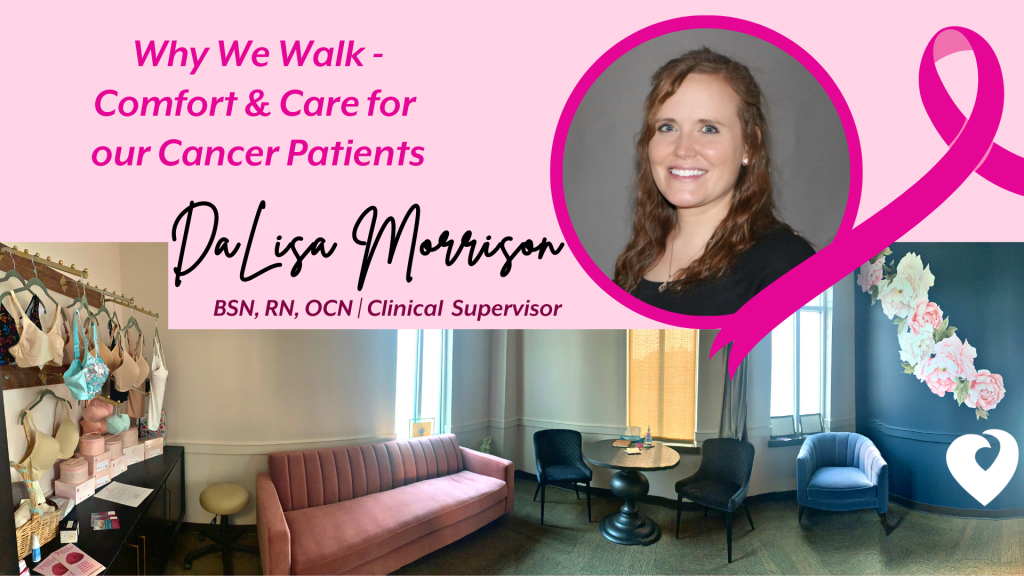
The Sheridan Memorial Hospital Foundation is proud to announce it has been chosen as a recipient of a 2022 WBCI Community Grant to provide vital services to the Sheridan community through Sheridan Memorial Hospital’s Welch Cancer Center (WCC). The grant was written and approved to provide patient navigation services throughout diagnosis, treatment and survivorship, personalized essential care for breast cancer patients, and dedicated funds for the WCC’s Breast Boutique. The boutique is an experience complete with compassionate highly trained staff who provide post breast cancer care options including post-op camisoles, breast prosthesis, and bra fittings in a comfortable, private setting. All of the services in the boutique are free of charge.

According to Foundation Director of Donor Relations, Ada Kirven, “We are extremely grateful to receive this successful grant notification. The additional funding plays a major role in allowing the WCC to grow and expand the reach for early breast cancer detection and treatment for better patient outcomes. We want to encourage screening and then work to change the Wyoming breast cancer statistics. Our patients and their families are appreciative to have personalized, exceptional breast cancer care close to home and in a comfortable, safe environment with providers they trust at the WCC.”

Cara Nett, Wyoming Breast Cancer Initiative’s Board President, states, “Since WBCI started, we have granted nearly seven hundred thousand dollars to local Wyoming projects. It’s truly incredible when you stop to think about it. Our funds don’t come from big foundations or businesses, they really come from local Wyoming residents and businesses, many of who have felt the devastation of breast cancer personally. Nothing makes us more proud than knowing we are being good stewards of our donors’ hard earned money. The Welch Cancer Center Navigation Program and Breast Boutique serve as only one example of eighteen other projects in Wyoming we are able to fund. Every funded project brings us closer to our mission of increasing early detection, decreasing late-stage diagnosis and supporting those in the fight of their lives.”

Anyone wanting to learn more about services provided at The Welch Cancer Center and The Breast Boutique should visit https://www.sheridanhospital.org/medical-services/welch-cancer-center/ or call 307.674.6022. To learn more about the Wyoming Breast Cancer Initiative and how you can help support breast cancer projects in Wyoming, please visit www.wyomingbreastcancer.org or like WBCI on social media.

By Cassie Mullins, RN, BSN –Sheridan Memorial Hospital Cardiopulmonary Rehab Supervisor

The Cardiopulmonary Rehabilitation staff at Sheridan Memorial Hospital are excited to announce the opening of a new rehabilitation space.  The 3,000 square-foot facility provides the space and equipment to aid in the treatment of patients with cardiac and pulmonary diseases.  The new space allows patients to access an abundance of cardiovascular equipment, including treadmills, recumbent bikes, ellipticals, an arm ergometer as well as a full complement of weight training equipment.  With several pieces of seated cardiovascular equipment, we can accommodate patients along a broad spectrum of needs and abilities.

Our compassionate and knowledgeable team of registered nurses, respiratory therapists, and exercise physiologists all set the stage for patients to reach their full potential in this spacious, modern facility located on the lower level of the main hospital building. 

We’ve been working on this move for some time and believe the new space will allow us to serve more patients more comfortably.

We have two different programs that work hand in hand – Cardiac Rehab, for those with heart disease, and Pulmonary Rehab, for those with lung disease.  We also offer a maintenance program for patients who have completed their sessions but wish to continue using our facility to exercise and have the support of our staff.

Cardiac Rehab

Cardiac Rehab is a medically supervised exercise program designed to improve a person’s cardiovascular health if they have experienced a heart attack, heart failure, angioplasty, or heart surgery.  In cardiac rehab, patients see other people like themselves exercising, socializing, and learning how to manage their heart disease.  We monitor heart rate and rhythm with a heart monitor worn during exercise and check vital signs before, during, and after exercise.  This information ensures that staff can see how the person’s heart reacts to physical activity in real-time.  We work with patients to encourage a slow and safe increase in physical activity.  In addition to exercise, at Sheridan Memorial Hospital’s Cardiac Rehab program, we also provide education on cardiac disease, exercise safety, a heart-healthy diet, stress management, and medications.

Pulmonary Rehab

Pulmonary Rehab is also a supervised education and exercise program designed to help people with chronic lung diseases such as COPD, Pulmonary Fibrosis, and, more recently, those experiencing ongoing breathing issues after a COVID-19 diagnosis.  Patients in Pulmonary Rehab participate in an exercise program designed to strengthen the muscles involved in breathing and in moving.  They also begin an education program focused on learning how to better manage their lung condition.

The Patient’s Perspective

Tom McClain has been in the program since 2019.  After completing his cardiac rehab sessions, he has continued to participate in the maintenance program, logging over 200 sessions in the last two years.  He has also participated in the educational classes offered to patients in the Pulmonary Rehab program.

Considering himself one of our “regulars,” Tom says:  “I come twice a week.  Socialization is really important to me – there is a group of us who come at the same time, and it makes exercising fun.  We have a lot in common and encourage each other to do our best.  I live alone and really look forward to spending time here.”

Tom adds, “What I particularly like about the hospital program is that there is always a nurse who monitors me – taking my blood pressure and checking my oxygen levels as I go about my workout.  It’s comforting to have a professional on hand, observing me and making sure I’m doing ok.   Besides that, I’m on oxygen, and it is so convenient that I can just plug my oxygen line into the wall as I exercise.”

Tom has seen many changes and likes the new larger space.  “Particularly in the pandemic – it’s great that we can spread out.  While most of the equipment is the same, there are some new machines I can try out.  I have been able to work on strengthening my shoulder in addition to my regular workouts.”

Tom is committed to his health, and exercise is important to him, so committed in fact that he doesn’t just work out at the hospital – he goes to the Y three times a week as well.  Going to both the Y and the hospital’s Cardiopulmonary area are just part of his weekly routine.

The Caring Staff

Because our patients come so often, the Cardiopulmonary staff really gets to know each individual.  A typical program runs from 18-36 sessions, so we learn a lot about our patients: their likes and dislikes, what they care about, and the goals they have.  This also helps us develop a plan together with the patient, to reduce their risk of developing worsening heart disease.  It can also help us provide continued encouragement for the individual to accomplish a health goal like quitting smoking.  If our patients don’t show up, we call to check on them and encourage them to continue their workouts. 

A physician order is required to participate in cardiac or pulmonary rehab.  If you have had a heart attack, heart failure, or heart surgery, or if you have a chronic lung condition, ask your doctor if you could be eligible to be enrolled in cardiac or pulmonary rehab.  For more information, call Cardiopulmonary Rehab at Sheridan Memorial Hospital 307.672.1062.

By Jordan McCoy MS, RDN, LD
Registered Dietitian Nutritionist at Internal Medicine
and
Whitney Weborg PT, DPT
Physical Therapist at Wyoming Rehab

We often look at the New Year as an opportunity to make changes within our lives in some way, shape, or form.  That change could be financial, personal growth, how free time is spent, or a health-related change.  If you are making changes to your health in the New Year, make 2022 the year of ADDING rather than subtracting!

If you’re planning to make a fitness goal, you’re already taking the first step towards making a change. What if, instead of making weight loss goals, we make goals centered around feeling strong, capable, and confident? What if we make goals with the simple purpose of ADDING joy to our lives? This year, We challenge you to table that ambiguous weight loss goal. Take a moment to think about an activity that you would like to do this year that seems out of reach to you right now. Your goal may be to be able to push your grandchild’s stroller to the park and play for an hour, or maybe to be able to get onto the floor to play with them. Maybe your goal is to complete a 5k or the Big Horn Mountain Run. Other examples include completing a hike in the mountains or being able to climb the stairs at War Memorial Stadium to watch a game. Whatever meaningful goal you choose, make sure it ADDS to your life.

If you are ADDING a health and fitness goal to 2022, you should also look to ADD in quality food choices to properly fuel for them.  Over the next few months, focus on ADDING whole foods that are nutrient-rich rather than calorie-rich and nutrient-poor.  ADD whole foods in their natural forms such as meats, vegetables, fruits, naturally occurring carbohydrates such as sweet potatoes, regular potatoes, quinoa and rice (not instant), wholesome dairy products, and healthy fats.  By focusing on ADDING these foods to your daily intake, you most likely will minimize some of the more unhealthy processed foods.  So, where do you start?  Start by ADDING in a whole, nutrient-rich protein at breakfast, such as 2% or 5% Greek yogurt or two scrambled eggs.  ADD in hard-boiled eggs or ADD a handful of raw almonds to a daily snack, rather than the vending machine choice of the day.  Soon, by ADDING in some of these higher-quality foods, your food choices will transform into those nutrient-dense and real foods!

Happy New Year!  Make the year 2022 a year of ADDING health, fitness, and quality food to your daily life.

Interested in learning more? Ask your primary provider about your healthcare concerns and if you could benefit from meeting with a registered dietitian.  If you don’t have a primary provider, check out Sheridan Memorial Hospital’s Internal Medicine practice or call: 307.675.2650

Do you need help with ADDING a fitness goal?  Learn More about Wyoming Rehab and their services by following the link: https://www.sheridanhospital.org/wyomingrehab  or call: 307.674.1632

Sheridan Press Senior Page Column

December 2021

By:

Kristopher Schamber, MD FACP, is a physician with Sheridan Memorial Hospital Internal Medicine and medical director of the SMH Hospice Program. 

and

Cindy Baker is the social worker and bereavement counselor for the SMH Hospice Program and owns a wellness studio where she teaches Ayurveda and yoga.

The holidays can be a joyful time, filled with laughter, fun, and togetherness.  However, the holidays can bring despair to those who have lost loved ones around the same time, are alone, suffering from chronic mental health disorders, struggling with money or illness, and many other situations.

First and foremost, depression is a real disease, just like high blood pressure, diabetes, or any other medical illness.  Depression is not a weakness.

One can experience a short bout of depression or develop new or worsening clinical depression.  

It is important for us all to recognize the symptoms of depression in ourselves and others.  Admittedly, it is often easier for others to see one’s depression.  Depression is more than simply a down or depressed mood.  There are often physical or cognitive symptoms as well, and can include: hopelessness; feeling bad about yourself – or that you are a failure or have let yourself or your family down; little interest or pleasure in doing things; trouble falling or staying asleep, or sleeping too much; feeling tired or having low energy; poor appetite or overeating; trouble concentrating; lack of attention; moving or speaking so slowly that other people noticed; and being forgetful.  

If you are experiencing depression, whether it just came up or is long-standing, be sure to seek out help.   In general, treatment consists of counseling with a licensed professional, medications, or a combination of the two.  Medications are typically reserved for more severe or longer-lasting cases. And medications do not take effect immediately, and in fact, can take many weeks or months for effect.  Counseling, or therapy as it may be called, may have a more immediate effect and can be used when a difficult occasion such as a holiday, anniversary of a death or significant trauma, or similar event may come up for a short period of time.  

If a holiday or anniversary is approaching, it can be helpful to plan something to do on that day to commemorate, acknowledge it or even distract.  It could be something familiar or entirely different, such as planning a hike, planting a tree, lighting a candle, journaling, spending time with a friend who understands, or even scheduling an extra appointment with your therapist. Be sure to practice self-care, making a point to do the things that bring you joy or relieve stress:  take a walk, exercise, call your family and friends, connect with an old friend, or do other activities.

Some people may feel so depressed and helpless that they believe the only way out is to take their own life.  Be sure to tell love-ones or close friends how you feel so they can help support you through the difficult time. Be as honest as you can about how you are feeling, even if suicidal.  This should include a safety plan so that you and your close confidants know what to do if your depression is severe enough that you are considering ending your life.  A safety plan should include consideration of who you call first.  This can include 911, the Wyoming Suicide Prevention Hotline, your primary doctor, the ER, or others.  Ideally, this should include at least one emergency service (i.e., the ER) and a close confidant who knows you and your illness well, one who can stay with you until emergency services arrive, and who can tell your story if you are unable to do so.

If you are supporting someone with depression, your main job is to support and not necessarily heal.  You should recognize that what they are feeling is real and let them know you understand. Our natural instinct is to fix, and often someone who is depressed instead needs a friend who can be a listening presence for their emotions and thoughts to be heard and validated. Make sure you have a clear understanding of their safety plan and confirm that you are a support for them.

By: Ann Aksamit, BSN, RN, CHPN — Home Care and Hospice Manager

Providing care for patients in their own home, has shown to be a very effective way to treat many ailments and post-operative situations. In the last year, Sheridan Memorial Hospital (SMH) Home Care clinicians took care of 245 patients making 4,865 visits to patient homes with great results.

Each November, we celebrate the millions of nurses, home care aides, therapists, social workers, chaplains and volunteers who make a remarkable difference for the patients and families they serve. These heroic caregivers play a central role in our health care system and in homes across the nation.

To recognize their efforts, we call upon all Americans to commemorate the power of caring, both in the home and in their local communities, and join with SMH Homecare and Hospice and the National Association for Home Care & Hospice (NAHC) by celebrating November as National Home Care and Hospice Month.

I can’t say enough about our caring, dedicated home care staff – they do so much for our patients – going above and beyond every day.  During the past 20 months they have tirelessy traveled throughout our community caring for people in their homes.

Home care is the preferred patient setting for health care since the home is the best setting for providing health care to increasing numbers of patients. Not only can care be provided less expensively in the home, but evidence also suggests that home care is a key step toward achieving optimal health outcomes for many patients.  Studies show that patients who have home health visits have improved quality of care.  These visits can also reduce hospitalizations due to chronic conditions or adverse events.

Home Care services are high-tech and the workers are very skilled.  An added benefit is that the home tends to be a more relaxed, less restricted environment where patients can feel comfortable and more in control.

Home Care Services through SMH

SMH Home Care provides care tailored to an individual’s needs.

Some of our skilled services include-

  • Skilled Nursing and Home Health Aide services:
    Pain and symptom management, medication management, IV infusion therapy, central line care, wound and ostomy care, observation and assessment of the patients’ condition, training and education for patients and their families.
  • Physical and Occupational Therapy:
    Assisting home care patients to attain their maximum level of safety and independence. Therapy can follow orthopedic surgery or be done after an acute, chronic illness when a person becomes weak or experiences a decline in functional status
  • Speech Therapy:
    For patients with speech and swallowing problems and cognitive therapy, this can be follow-up after a stroke or other brain injury.

To receive SMH Home care, individuals must meet certain eligibility requirements to qualify for insurance coverage. Patients may also elect to private pay for Home Care services. A person’s eligibility and individual circumstances will be assessed to determine the appropriate level of home care services.

Home care services may be requested by: physicians and healthcare providers, patients, family members, friends, representatives of other healthcare service providers, as well as hospital discharge planners and case managers.

Home care services are often covered by Medicare, Medicaid, and Commercial Insurance while the patient qualifies for the skilled service.

Hospice Services through SMH

When a person has a serious illness or disease and is nearing the end of life’s journey, hospice care can be the support needed. Hospice care focuses on assuring the quality of life that remains rather than providing treatment to prolong life.

When treatment goals change from cure to relief of symptoms, SMH Hospice is here to take care of you and your family. If the time comes for you or your loved one to need hospice services, you can expect a high level of compassion from our staff and volunteers. The services we offer include:

  • Basic medical care with a focus on pain and symptom control
  • Assistance with medication, medical supplies & equipment as needed and appropriate
  • Support with the psychological, emotional, and spiritual end-of-life aspects
  • A break (respite care) for caregivers, family, and others providing care
  • Bereavement support & counseling

For more information about these services, go to our website or call our Home Care and Hospice team at
307-672-1083.

By Jordan McCoy, MS, RDN, LD—Outpatient Dietitian, Diabetes Educator at Sheridan Memorial Hospital’s Internal Medicine

November is National Diabetes Month.   There are different types of Diabetes; however, the rise in Type 2 diabetes (T2DM) and Prediabetes in our community, state and nation continues to exponentially increase.  The good news is, this disease can be prevented!

Diabetes affects major organs in the body, including the heart, blood vessels, nerves, eyes, kidneys and more.  Don’t wait till 2022 to take charge of your health.  Start by getting an easy blood screen for prediabetes and T2DM and make your health a priority today! 

Type 2 Diabetes Mellitus (T2DM) is a disease where a person’s blood glucose or blood sugar is too high. This disease causes a very important hormone in the body called insulin to work incorrectly.  As a result, the insulin is unable to bring the blood sugar into the cells properly.  Prediabetes is a disease where blood sugar levels are higher than normal, but are not yet to the extent of being diagnosed as T2DM.  Some individuals who have been diagnosed with T2DM have a genetic predisposition; however, obesity and habitual inactivity are generally the cause. 

The first line of defense is always lifestyle changes.  Focus on what you can change in your everyday life, such as nutritional choices, physical activity and fitness, better sleep, and decreased alcohol and tobacco use.  Here are some tips to help you along:

  • Decrease your intake of processed foods that are boxed, bagged, and wrapped. Pick whole foods that are nutrient-dense such as meat, eggs, vegetables, whole fruits, whole grains such as brown rice and quinoa, nutrient-dense dairy products (Greek yogurt, cheese, and cottage cheese, etc.), and healthy fats (Olive oil, nuts, and avocados, etc.).  Skip the cold cereal and grab a hardboiled egg.  
  • Start Moving! Prioritize purposeful activity! 
  • Get Adequate Sleep!
  • Get hydrated with water!

Don’t let prediabetes progress to T2DM.  Make those lifestyle changes noted above and take the steps to change your nutrition and get active!

According to the most recent Center for Disease Control Data: 

  • 2 million people of all ages have diabetes, that is 10.5% of the US population
  • 4% of men and 29.2% of women have prediabetes (>18 years)
  • Adolescent’s ages 12-18 years, 1 in 6 have prediabetes who are overweight or obese

Ask your health care provider what kind of diabetes screening is best for you or call SMH Diabetes Education Department at 307-675-2640 with your questions.