Welcome to Sheridan Memorial Hospital
1401 West 5th St. Sheridan, WY — 307.672.1000

Health and Wellness

Ever since high school, Dr. Allison Dawson has known Sheridan boasts something special. Now, as she begins seeing patients in Sheridan
It’s that time of year. The school year is underway, days have become cooler and flu season has begun. While scheduling time to receive your
September is National Recovery Month.  I hope this column is helpful to you in understanding addiction and recovery. Mr. B is a polite, quiet
There are a number of different respiratory diseases and associated treatments in adults, though a few are much more common than
Listen to what Christopher Prior, Family Physician at Sheridan Memorial Hospital’s Primary Care
As we progress through life, our food choices are formed and molded by many different factors. Food choices are dictated by habit, preferences,
Having a baby can be overwhelming. That is the reason why Sheridan Memorial Hospital (SMH) has offered childbirth education classes to help
Summertime in Sheridan! Time for hikes, bikes, fishing, swimming, and all the outdoor recreation
Listen to what Charlotte Walter, Physical Therapist
While we never wish for a person to need the services offered at the Welch Cancer Center
National Certified Nursing Assistant (CNA) week is June 14-20, 2023. This week is a way to honor those who work in this demanding
Listen to Kelly Lieb, Director of Patient Experience at Sheridan Memorial Hospital talk about
Conveniences of Urgent Care: Listen to Dr. David Nickerson talk about how Sheridan Memorial
May is National Stroke Awareness Month with a goal to increase awareness around this very important public health problem. It is estimated
Jade Stanley, a local Sheridan resident, is the first Sheridan Memorial Hospital (SMH) patient to undergo hysterectomy surgery using state-
It's Women's Health Month, and the Sheridan Memorial Hospital Women's Clinic is here to help answer any questions you have about women's
The Patient Portal: Knowledge is Power…but knowledge is more powerful when we put it into

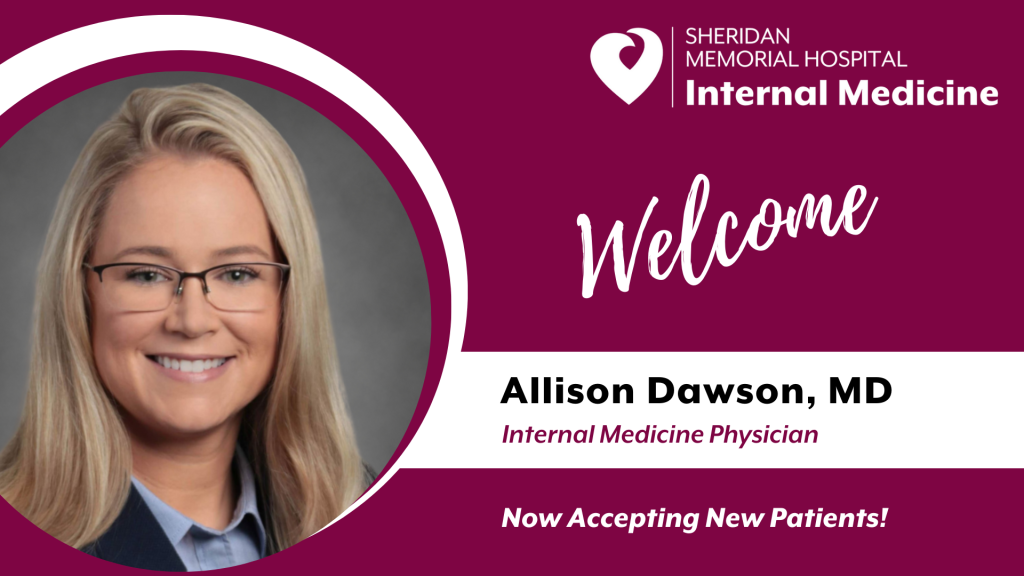
Ever since high school, Dr. Allison Dawson has known Sheridan boasts something special. Now, as she begins seeing patients in Sheridan Memorial Hospital’s Internal Medicine Clinic, Dawson said she’s excited to call Sheridan home.

“In high school, I remember coming to Sheridan to compete,” Dawson said, adding that she attended Cheyenne Central High School. “Even back then I always thought Sheridan was the prettiest part of the state.”

Dawson joined the team at Sheridan Memorial Hospital in October. She specializes in internal medicine and is trained in palliative care and hospice medicine. Palliative care aims to treat not only the health condition a person faces, but the symptoms of that condition as well, with the goal of increasing the individual’s quality of life. Similarly, hospice care focuses on the care, comfort and quality of life for a person approaching the end of their life.

Dawson’s family history informed her decision to pursue those specialties. When Dawson was just 9 years old, her mother passed away. She had been diagnosed with breast cancer and died within one year of the diagnosis.

“Watching her suffering and the challenges she faced, it made me believe there has to be a better way,” Dawson said.

While initially Dawson had dreamed of becoming an Olympic diver, an injury late in her high school career prevented that pursuit. Dawson switched gears, spending a few years in Hawaii and Las Vegas before attending undergraduate school in Laramie then joining the WWAMI program for medical school. She completed her residency in Chicago, working at both Cook County Hospital and Rush University Medical Center. Following residency, she completed a fellowship at the University of Texas Southwestern Medical Center for palliative care and hospice.

“I knew I wanted to come back to Wyoming,” Dawson said. “I never thought it was fair that just because we live here, a more rural state, that we don’t have access to every type of healthcare that we need.”

She added that if she can bring her knowledge and experiences to Wyoming and help even one person, the hours of training and traveling for medical school would prove worth it.

WWAMI – a multi-state medical education program that includes Washington, Wyoming, Alaska, Montana and Idaho – requires its students to return to their home states for at least three years following graduation, boosting the number of primary care physicians in rural states. Dawson interviewed around Wyoming, but said Sheridan stood out for its beauty and sense of community – both inside SMH and more broadly.

“I want community in my workplace and my life,” Dawson said. “Sheridan presented the opportunity to have both and while I was interviewing it was clear the providers at Sheridan Memorial Hospital not only worked well together but enjoyed what they do and the people with whom they work.”

Having worked in large hospitals, Dawson said she looks forward to getting to know the patients in a facility like SMH.

“I hope that in time they see me as somebody they can trust, that they can come to with issues or problems and know that I will do what I can to help them, both medically and just as a person,” she said.

Outside of the office, Dawson enjoys spending time with her husband, Logan, and their 1-year-old son. The family spends time camping, hiking, skiing and snowboarding. In addition, especially in the winter months, Dawson enjoys baking.

To make an appointment with Dr. Dawson or learn more about Sheridan Memorial Hospital’s Internal Medicine, go to https://www.sheridanhospital.org/medical-services/clinics/internal-medicine/ or call 307.675.2650.

It’s that time of year. The school year is underway, days have become cooler and flu season has begun. While scheduling time to receive your flu shot may seem like one more task to complete during a busy time of year, local healthcare providers emphasize the benefits of receiving the vaccination.

“We know that this time of year in particular, families are busy with activities,” said Dr. Benjamin Widener, a Sheridan Memorial Hospital rheumatologist. “But being sick takes away far more time from all of those activities than the time it takes to schedule and get your flu vaccinations.”

The flu vaccine prevents millions of illnesses and flu-related doctor visits each year. Multiple studies have also shown the flu vaccination can reduce the severity of illness for those who have been vaccinated but still get sick. This means the vaccination can reduce the risk of flu-related hospitalizations as well.

“When considering whether the flu shot is right for you or your family, one consideration is also those with whom you spend your time,” Dr. Widener said. “If you spend a lot of time with individuals at high risk for severe cases of the flu, like grandparents or pregnant family members, a vaccination can help not only protect you, but those you love.”

The flu vaccination is an important preventative tool for people with certain health conditions such as those with heart disease, chronic lung disease or diabetes. Flu vaccinations can also protect pregnant people from flu during and after pregnancies and protect their infants from flu in the first few months of life.

Flu shots are available at any Sheridan Memorial Hospital clinic including Internal Medicine, Primary Care and Urgent Care, as well as at most local pharmacies and Sheridan County Public Health. Most insurance plans cover the cost of vaccinations, so flu vaccinations can often be received without incurring any out-of-pocket expenses.

Sheridan Memorial Hospital and its clinics will also offer COVID vaccinations as they become available.

To schedule your flu vaccination with a Sheridan Memorial Hospital clinic, call your provider or ask for the vaccination at your next scheduled appointment.

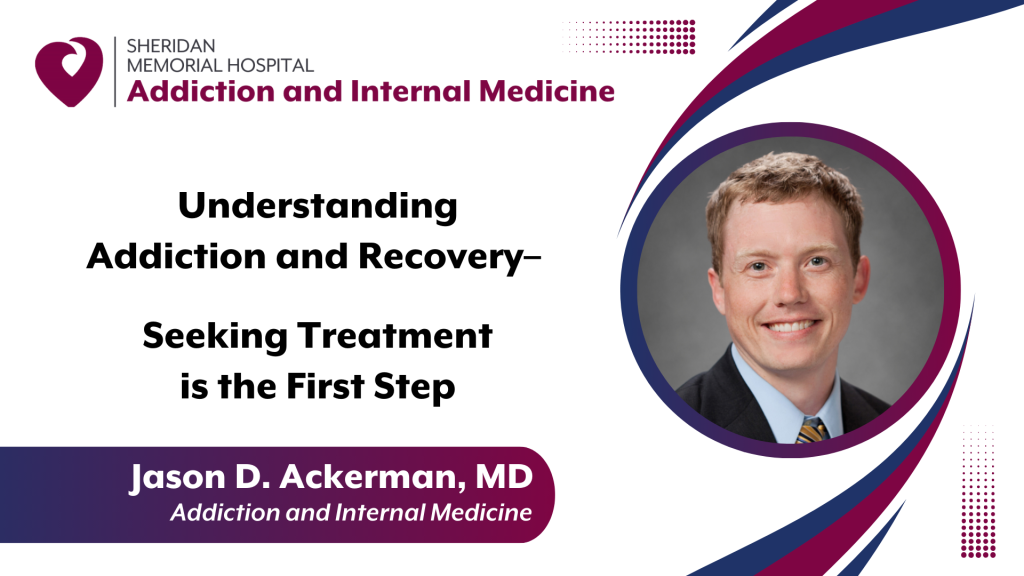
By Jason Ackerman, MD – Sheridan Memorial Hospital Addiction and Internal Medicine Clinic

September is National Recovery Month.  I hope this column is helpful to you in understanding addiction and recovery.

Mr. B is a polite, quiet carpenter with a slow southern drawl. The work he does is intricate and precise, his services are in such demand that he can barely take days off and is considering expanding his company. He and his wife are looking toward buying their first home soon. But, he is quite certain he would not be here without a life-saving medication that helped him overcome his addiction.

He moved to Sheridan 5 years ago. He had been using various drugs since he was 13, and that had become a way of life for him. Prescription opioids were his drug of choice, but he would use heroin and methamphetamines or anything else he could find. A brief stint in prison was not enough to stop using. But his wife had also struggled with substance use and had moved to Sheridan to be with family. She managed to get sober with the help of a medication called buprenorphine; she had done so well that he decided to follow her and see if he could get things turned around.

After the first week of buprenorphine treatment, he had completely stopped using opiates. He had no cravings, no desire to use them. Within the first year, he had also stopped using marijuana and even kicked his cigarette habit. The substances that had been his way of life for nearly 20 years were now a thing of the past. Triggers that would have previously sent him spiraling were dealt with, coped with, and forgotten. He went from barely holding down jobs to starting his own company.

Buprenorphine is a medication used to treat opioid use disorder (OUD). It eliminates withdrawal symptoms for patients who are coming off of drugs. By binding to the same opioid receptors in the brain that are targeted by opioids like oxycodone and heroin and fentanyl, buprenorphine can also reduce or eliminate cravings. This allows patients with OUD to stop using the drugs that have come to rule their lives.

Our medical understanding of addictions and substance use disorders has come a long way in the last 10 years or so. Fortunately, with the increased knowledge and understanding of the disease process of addiction, more treatments are emerging. Unfortunately, not everybody has access to or is offered treatment. In the current fentanyl epidemic, there have been measures enacted and pushes to make treatment more understood and available at nearly every level. Unfortunately, overdose deaths across the country continue to climb.

While addiction is a terrible, destructive disease, many afflicted people are too ashamed to seek treatment. Others aren’t aware that there are medications that can help them in recovery. And others are contemplating making the change but waiting for a nudge in the right direction. For people suffering from addiction, whether it is opioids or alcohol, or even stimulants like methamphetamine, the first step in recovery can be making an appointment with a trusted doctor and asking about available treatments.

To learn more about the Addiction and Internal Medicine Clinic at
Sheridan Memorial Hospital, click on the link or
call 307.675.2674.

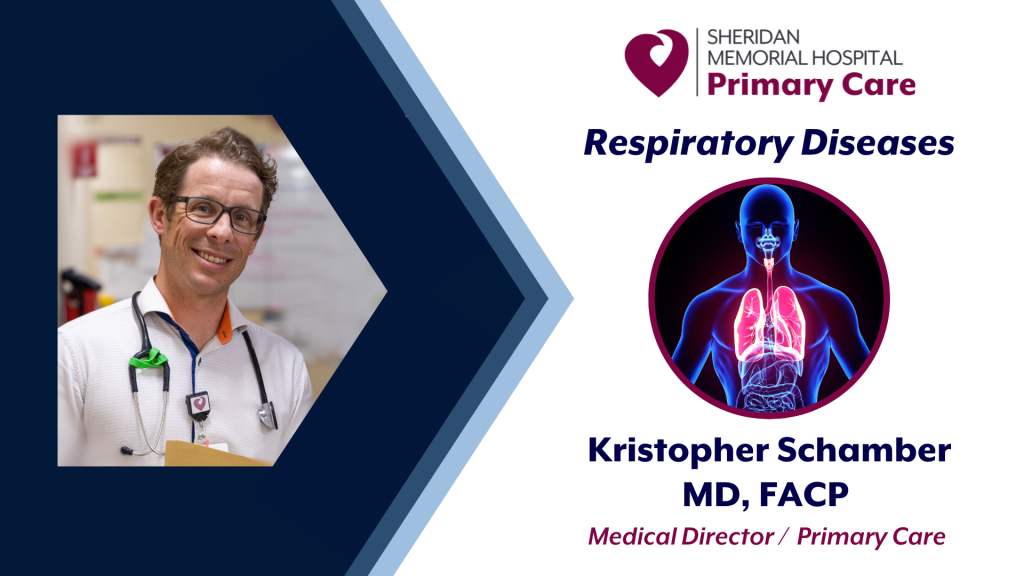
By Kristopher Schamber, MD, FACP – Medical Director, SMH Primary Care

There are a number of different respiratory diseases and associated treatments in adults, though a few are much more common than others. Here’s a look at six common respiratory diseases, their symptoms, causes and treatments.

Chronic obstructive pulmonary disease (COPD)

COPD is caused by damage to the lung tissue and the airways into and through the lungs, typically from tobacco smoke or exposure to substances such as coal dust, silica dust, welding fumes and caustic chemicals. There is a rare genetic disorder by the name of alpha-1 antitrypsin deficiency that can also cause this disease. Typical symptoms include shortness of breath, cough with phlegm and tightness or heaviness in the chest. COPD flares occasionally and can be triggered by tobacco smoke, wildfire smoke, pollen and other allergens, strong odors, cold air, pneumonia or bronchitis. Treatment includes cessation of smoking, oxygen if needed, and inhaled medications. Smoking cessation and oxygen use are the only things that prolong life in this disease, and everything else is geared toward symptom improvement and preventing hospitalization.

Asthma

Asthma is a lung disease similar to COPD in which the airways are inflamed. It is caused by a combination of genetic and environmental factors, including smoke and others. Asthma tends to be more severe in younger patients and can be very dangerous very quickly.  It is treated similarly to COPD. Triggers are also very similar to COPD.

Pneumonia

Pneumonia is a term that indicates infection in the lungs.  Pneumonia is caused by many different bacteria (staph, strep and others) and viruses (influenza, RSV, rhinovirus, COVID and others). Pneumonia can occur randomly, but certain factors increase the risk, including underlying lung disease like COPD, asthma or cystic fibrosis; history of childhood lung infections; or a depressed immune system from medications or certain medical conditions.  Treatment is tailored to the specific cause. For example, antibiotics are used to treat bacterial pneumonia. Only a few viral pneumonias have specific treatments, including influenza and COVID. Treatment may also include oxygen, if needed, inhalers and fluids to help treat dehydration. Certain types of pneumonia can be prevented with vaccination. The most common type of bacterial pneumonia has a vaccine that is given typically after the age of 65.  There are also COVID and influenza vaccinations that can help prevent pneumonia from these viruses.

Lung cancer

Lung cancer is most commonly associated with tobacco smoke and coal dust in this country. However, it can occur without these risk factors. A person with lung cancer may have no symptoms early in the disease process. Symptoms, when present, include cough, shortness of breath, chest pain, fevers, chills, sweats, weight loss and others if the cancer has spread to other areas of the body. Screening for lung cancer occurs primarily in adults age 50–80 who have smoked one pack per day or more for 20 years or more, and who are currently smoking or quit within the last 15 years. Coalminers also have access to specific lung cancer evaluation through the NOWCAP Black Lung Clinic.

Pulmonary embolism

Pulmonary embolism, or blood clots in the lungs, occur primarily in people who had recent surgery, long travel without any movement (more than three hours), active cancer, leg injuries, estrogen or testosterone therapy or blood clotting disorders. Symptoms include shortness of breath, chest pain particularly with deep breathing, and a racing heart. Pulmonary embolism is diagnosed with a CT scan and is treated with blood thinning medications.

Pulmonary edema

Pulmonary edema, or fluid in the lungs, occurs primarily as a consequence of heart failure.  When a heart pump is not working, fluid backs up into and around the lungs. Symptoms include shortness of breath, especially with activity and lying down to heavy chest, and cough.  Treatment includes diuretics (“water pills”) and treatment of the underlying heart disease.

Safe oxygen use

If you are on oxygen for a lung or a heart condition, it is important that you follow certain safety procedures. You should not smoke or be near any open flame, including campfires or cooking sources. Do not use electrical appliances such as hair dryers, curling irons, heating pads or electric razors. Use only cotton sheets to limit static electricity. Do not use aerosol sprays near the oxygen unit; do not use petroleum-based products or ointments as these are flammable; and do not use alcohol-based hand sanitizers. Also, always have a fire extinguisher nearby.

Listen to the latest Doc Talk as Dr. Schamber discusses
Respiratory Diseases in person at The Hub.


To learn more about the hospital’s Primary Care Clinic and Dr. Schamber, go to their webpage: https://www.sheridanhospital.org/medical-services/clinics/primary-care/

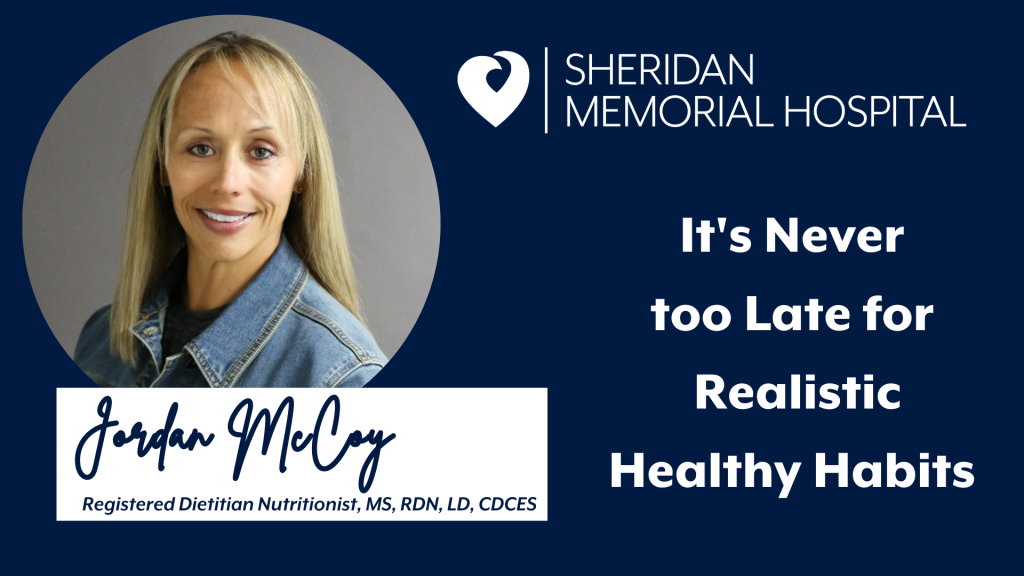
By Jordan McCoy, MS, RDN, LD—Outpatient Dietitian, Diabetes Educator at Sheridan Memorial Hospital’s Internal Medicine

As we progress through life, our food choices are formed and molded by many different factors. Food choices are dictated by habit, preferences, heritage, family dynamics, ability to obtain and cook certain foods, budget, social aspects, nutrition education, and the physical aspect of what we can taste and smell. Decreased appetite and thirst will also play a role in aging.

Each of us is different regarding our food preferences and choices; typically, they become more concrete as we grow. In other words, we tend to become stubborn and set in our ways as we get older! In all honesty, I hope my persistent behavior helps my husband, and I have longevity as we mature by keeping up with our nutrition, hydration, and physical activity. So how do we maneuver through these changes? We start early and begin making changes to develop those realistic healthy habits before it is too late.

Creating Healthy Habits

To maintain lean body mass and motor function, you have to create habits such as consuming adequate protein (primarily animal-based), appropriate hydration (mostly water), fiber in the forms of fruits and vegetables, healthy fats, and carbohydrates from foods in natural form (potato, rice, quinoa, fruits). Examples of a well-balanced meal include:

  • Meatloaf and a baked potato.
  • Salmon with rice and butter.
  • A piece of whole wheat toast with some scrambled eggs and cheese.

Age plays dirty tricks on our taste buds, and typically taste is diminished. Due to this, most of us add more sugar and salt to make foods taste better. Unfortunately, these usually aren’t the best sources of sugar and salt. Here are some of my favorite ways to add more natural flavors:

  • Use herbs and spices, such as garlic, onion, paprika, cumin, rosemary, and thyme, to add robust flavor!
  • Add good sources of salt like sea salt, Celtic salt, and pink Himalayan salt to keep your taste buds happy.
  • Utilize healthy fats from meats, olive oil, butter, dairy products, avocados, and nuts to increase fullness and flavor.
  • Sweeten your foods with whole fruits and small amounts of local honey or maple syrup.

Strengthen Your Appetite with Fitness

Along with a change in taste, age also diminishes appetite and our thirst mechanism. By staying active with activities of daily living and participating in physical fitness, your appetite will remain strong, and you will continue to consume the water you need. Locally, there are numerous opportunities to get involved with hikes and activities through The Hub, get a personalized therapy regimen based on your body’s needs through a Wyoming Rehab Free Screening, meet with local gyms, and find the right environment or classes for you. Regardless of your daily activity, it is pivotal to stay hydrated. Your intake of water and electrolytes impacts not only your organ functions, but can play a part in your overall sleep quality, cognition, and mood. A good check for hydration is if your urine is bright yellow, you need more water!

Local Options

These are all excellent ideas, as I say them out loud, but sometimes easier said than done. What about the ability or motivation to cook these foods?

Some excellent spots in our area provide well-balanced meals for when life gets busy. The Hub offers breakfast to order, lunches, Home Delivered Meals, and their coffee shop’s grab-and-go items. Sheridan Memorial Hospital is also an excellent place to grab a nourishing meal from the Sidewalk Cafe or the Cafeteria at breakfast or lunch. Other options like Designing Dinners have excellent soups and sandwiches that are portioned for those who don’t have big appetites. Make it a social event and bring your friends who also would benefit from a good home-cooked meal. Make it extra special and have a fun dessert when eating—just not every time.

Snacks & On-The-Go Options

It’s also important to keep convenient, healthy snacks on hand for when you’re on the go. Protein bars and shakes can be beneficial to keeping your energy high. When picking a bar, shake, or powder, look for high proteins and fiber and avoid sugars and carbohydrates. We all have different dietary restrictions when it comes to choosing what we consume. Try different things and ask for support when you need it.

In Conclusion

For success, make small changes first. Pick one meal that you prioritize and make sure it’s a well-balanced meal with protein, healthy fats, and good sources of carbohydrates. Focus on maintaining that lean body mass by eating regularly with nourishing foods, exercising, and drinking plenty of water.

If you are interested in meeting with a dietitian, please call your provider and ask for a referral. A dietitian can help troubleshoot the changes we all face, help with quality of life, and increase longevity. It’s still possible to make changes!


Having a baby can be overwhelming.  That is the reason why Sheridan Memorial Hospital (SMH) has offered childbirth education classes to help expectant parents learn what is ahead of them for well over 30 years.

“We want to help parents have the very best start with their baby. Parents may have an idea of what to expect, but attending these classes helps bring their birth plan to life – alleviating fears and misconceptions. The better-prepared parents are for the birth and the more they know what’s ahead of them, the more they will be able to relax and enjoy their new baby,” according to Josie Fagerland, Women’s Health Registered Nurse and Prenatal Class instructor.

Childbirth Education Classes offered year-round

Specially trained nurses teach two different classes year-round at no charge. They discuss common fears, concerns, problems, and myths surrounding the wonder of childbirth. There is a specific focus on labor, birthing, and breastfeeding. Since the classes are held all year, expectant parents can attend a class whenever it is convenient for them. Often, they choose to attend when they are in the 2nd or 3rd trimester of their pregnancy.

Prenatal Classes

In the Prenatal Class, a nurse talks expectant parents through the stages of labor, vaginal and cesarean delivery as well as how to care for themselves after the baby is born. Some of the topics covered include: changes your body might go through, when to come to the hospital, what to bring, signs of labor, pain management, cervical exams, fetal monitoring, and what to expect during labor. The class culminates with a tour of the hospital’s birthing unit, which provides an opportunity to meet the caring, compassionate staff in the Women’s Health Department.

The Prenatal Class is typically held on the first Monday of each month.

Breastfeeding and Newborn Care Class

Jazz Scott - Charge NurseDanielle BaylissIn this class, a Certified Lactation Counselor (CLC) from the Women’s Health Department talks through the basics of breastfeeding and care of the newborn. Though breastfeeding is natural it is not always naturally easy. Latching a baby onto the breast and caring for a newborn is learned and requires an immense amount of support early on. The CLC will provide clear and accurate breastfeeding and newborn care information for the “soon-to-be” mother and her support. By doing so, we hope parents feel better prepared and more empowered to care for themselves and their newborn(s). We cover breastfeeding expectations, strategies for success, and how to avoid or navigate complications. Topics include lactation processes, latch and latching techniques, nipple and breast care, breast pumps and pumping, diet considerations, transition of the newborn after delivery, newborn behavior, newborn screenings, elective procedures, diaper care, and basic car seat safety. During this 2-hour class, we will answer questions, ease fears and/or reinforce and build upon what you may already know.

The Breastfeeding and Newborn Care Class is typically held on the third Monday of each month.

How to Attend

Pre-registration for the childbirth education classes is required. To sign up online for either class, go to sheridanhospital.org and search for “I’m having a baby.”  Once you sign up, an instructor will contact you via email before the class with instructions. Classes are free and recommended for parents expecting their first baby and as a refresher class for those parents expecting again. Both partners are encouraged to attend the classes, which are held in the Hospital’s Outpatient Center, 1333 W. 5th Street.

Learn more about our Women’s Health Department, take a video tour and sign-up for classes HERE, or by visiting https://www.sheridanhospital.org/medical-services/womens-health/im-having-baby/

By Charlotte Walter, PT, DPT, ATC – Pelvic Floor Physical Therapist at Sheridan Memorial Hospital’s  Wyoming Rehab

Embrace Outdoor Recreation and Overcome Pelvic Floor Dysfunction

Summertime in Sheridan! Time for hikes, bikes, fishing, swimming, and all the outdoor recreation the area has to offer this time of year. But wait – are you shortening your hikes because you need to stay close to a bathroom? Are you not chasing your kids through the sprinkler because you might leak urine? Are you saying no to that fishing trip because you don’t want to worry about your bladder? Are you easing off your mountain biking because every time you hit a bump, you pee your pants?

Understanding Pelvic Floor Dysfunction: It's Common, Yet Treatable

If any of these situations sound familiar, you are not alone! Pelvic floor dysfunction such as urinary incontinence, bladder urgency, or pelvic pain is what I like to call “common not normal.” So many individuals suffer in silence because they are embarrassed to talk to their doctor or don’t think anything can be done about their pelvic floor symptoms. I’m here to tell you there is!

The Role of Pelvic Floor Physical Therapy: Restoring Balance

Pelvic floor physical therapy can address all of the symptoms above and more. Often these issues are related to a dysfunction of the pelvic floor muscles – the muscles may be tense and guarded, weak with poor endurance, or recovering from pregnancy or hysterectomy. It’s helpful to understand that your pelvic floor muscles are just like the muscles in your shoulder or your knee. Pelvic floor muscles are skeletal muscle: they contract or relax on your signal, and they can get stronger with appropriate stimulus and loading. They can also be affected after an injury during childbirth or surgery and need specific exercises to return to full function.

Exploring the Role of Pelvic Floor Muscles: How They Impact Your Quality of Life

Pelvic floor physical therapy is similar to other physical therapy. A pelvic floor physical therapist (PT) will ask questions about your symptoms, evaluate the muscles and structures involved, and work with you to create a treatment plan to achieve your goals. Unfortunately, since the topic and area involved can be sensitive, most people delay being seen by a PT. Over time symptoms can continue to get worse until they are significantly impacting your quality of life and limiting your activity.

Seeking Help: Why Pelvic Floor Physical Therapy Matters

Pelvic floor health is a specialty area, and not all physical therapists have this specific training. If you’re experiencing any of the symptoms described above, it’s important to see a pelvic floor PT who can fully assess and understand your symptoms.

Empowering Yourself through Pelvic Health Education in Sheridan

We are fortunate to have various pelvic health education opportunities offered in Sheridan, including the hospital’s prenatal class, YMCA prenatal workshop, YMCA infant/toddler workshop, and the YMCA Pelvic Health and Exercise workshop.

Take the First Step: Contact a Pelvic Floor PT for a Vibrant Summer

If pelvic floor dysfunction is limiting your summer movement, say “No more!” Contact a pelvic floor PT to keep your summer active and healthy.

Listen to what Charlotte Walter, Physical Therapist at Sheridan Memorial Hospital’s Wyoming Rehab, shares about the many services and community partnerships through Wyoming Rehab

Listen to what Charlotte Walter, Physical Therapist at Sheridan Memorial Hospital’s Wyoming Rehab, shares about the many services and community partnerships through Wyoming Rehab

Learn more about the many services provided through Wyoming Rehab by visiting https://www.sheridanhospital.org/medical-services/rehabilitation-services/

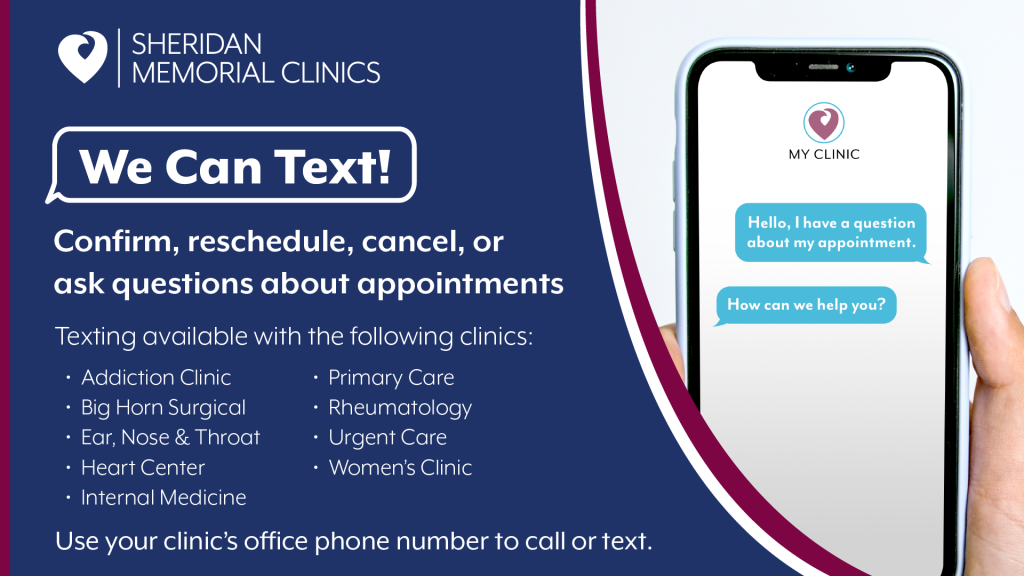
Sheridan Memorial Clinics now offer text messaging. Patients can confirm, reschedule, cancel, or ask questions about appointments. Use a clinic’s office phone number to call or text.

While we never wish for a person to need the services offered at the Welch Cancer Center (WCC), it is the role of Sheridan Memorial Hospital and our Clinics that we are there when you need us most. Cancer care is a team approach including many medical specialists and areas of expertise to offer excellent care. From care and support to resources and education, the Welch Cancer Center team has Cancer Support Services for your entire journey. During a patient’s journey, one of the first questions asked is, “What now?” This is the moment we introduce Lori Karajanis, RN, OCN – Oncology Nurse Navigator, and the resource you need to help you throughout the continuum of care with oncology.

Our oncology nurse navigator helps each patient understand their journey and supports them in identifying gaps, barriers, or needs along the way. “I have been employed here at SMH for 15 years and in the role of Nurse Navigator for a year and a half. I am here to help in any way that I can. After diagnosis, I am the first person a patient sees and will let the patient know what’s happening next. I know that there are a lot of emotions involved in this process, but I love what I do and the patients I am able to help every single day.”

It is no secret that healthcare can be overwhelming. Nurse Navigators are there for you during medical intake and the clinical journey, to being an emotional support system and sounding board for the patient and their entire family. “A big part of my job is education, providing and finding resources at Sheridan Memorial Hospital and in the community, even helping coordinate insurance questions and financial assistance. I am similar to a Case Manager or Social Worker in other healthcare settings but with clinical knowledge and education. I am a certified Oncology Certified Nurse here and previously worked as an Infusion Nurse at WCC.”

Along with individualized care plans and support, Lori helps to coordinate and maintain resources within the WCC, like our Breast Boutique and Resource Room, Monthly Survivorship Courses, and Group Talks. She also has access to countless other community programs.

The Breast Boutique and Resource Room house entirely complimentary products and services for our community. “We are so proud to provide these items and fittings services to our community, thanks to the generosity and support of so many people supporting the comfort and healing of our patients. But, we also understand treatments might have to be undergone elsewhere for numerous reasons. This free service is available to anyone in our community that may benefit, and I am here to help in any way that I can, supporting in the journey to all those who need it.” Between the Breast Boutique and Resource Room are mastectomy bras, equalizer forms, and non-surgical breast prosthetics. Complimentary wigs, scarves, and hats are available. You will find the environment comfortable and welcoming in our renovated Breast Boutique. In addition, Lori is a certified mastectomy fitter and will fit you individually for the items that best match your specific needs. Patients can find additional assistance with wig fittings, measuring, and recommendations for wig care can be found in coordination with the nurse navigator and inside our resource room.

Monthly Survivorship Courses & Group Talks are also part of the work Lori does to help care for our community. “This is an emotional journey, and we work very hard to connect our patients to the resources available not only here at SMH but throughout the entire community. Through partnerships with other organizations, individuals having mutual experiences, or businesses who want to help – these dedicated groups allow for reflection and support of our patients.”

Above all else, Lori is a warm welcome and a listening ear for our patients and their families. She answers questions and concerns about their diagnosis and treatment options, and she makes sure to keep them informed throughout the process. She is a comfort to those struggling with their diagnoses, and she can be counted on to always be there for her patients when they need her. She is a constant in a world of the unknown. Lori’s compassionate care and dedication have earned her the trust and respect of both patients and staff members alike. After years of service, she is well-known and beloved by everyone at the Welch Cancer Center and in our region. While the circumstances of our introduction may not be ideal, we are fortunate to have Lori providing excellent patient-centered care for some of our most vulnerable patients who need it most.

To learn more about our Nurse Navigator and Cancer Support Services, visit https://www.sheridanhospital.org/medical-services/welch-cancer-center/cancer-support-services/ or call our Welch Cancer Center at 307.674.6022.

National Certified Nursing Assistant (CNA) week is June 14-20, 2023. This week is a way to honor those who work in this demanding profession, which requires meeting the basic care needs of patients in hospitals, skilled nursing facilities, assisted living, and patients’ homes.

“At Sheridan Memorial Hospital (SMH), we have 64 CNAs who are at the center of our patient care areas. They provide bedside, hands-on care to our patients – assisting the nurses with multiple responsibilities. CNAs play a critical and valuable role in the patient care team – answering the patient’s questions and responding to their care needs 24 hours a day,” according to Cathy Bealer, Chief Nursing Officer at SMH.

The most common duties that CNAs provide to patients under the direction of Registered Nurses (RN) include:

  • Assisting patients with daily needs such as cleaning, bathing, helping with dressing, and toileting needs
  • Turning, repositioning, and ambulating patients to keep skin healthy and prevent skin breakdown
  • Serving meals and assisting with eating as needed
  • Completing and documenting Vital Signs (Blood pressure, Temperature, Pulse Rate, Respiratory Rate, and Oxygen Saturation readings)

These duties are clearly very important to patients, as are the CNA’s behavioral skills, including having a high level of patience, compassion, empathy, attention to detail, communication skills, a sense of humor, and physical strength. All of these characteristics of CNAs ensure that patients receive outstanding care while in hospitals, long-term care facilities, or in their own homes.

The CNA career is a rewarding and fulfilling one, and these skills are in high demand with the expanding healthcare needs of our aging population. A CNA can make this a life-long career, or they can build on the learning and experience and expand their schooling into another healthcare field.

According to Bealer, “Our CNAs are excellent in the quality care they provide and are focused on a positive patient experience.”

Bealer adds, “Please take time this week to thank a CNA for all of the care that they provide to our patients. We are proud of all our nursing assistants and wish them a happy CNA week!”

Are you looking for a rewarding career? We have positions available!
Check out the hospital’s job opportunities at
SheridanHospital.org/Careers/

By Luke Goddard, MD – Emergency Department Physician and Chief Medical Officer at Sheridan Memorial Hospital

May is National Stroke Awareness Month with a goal to increase awareness around this very important public health problem. It is estimated that up to 150,000 deaths related to stroke occur each year in the US. That equates to 1 in 19 deaths, making it the 5th leading cause of death in our country.

Because many of the available treatments for stroke are time-dependent, a stroke is a medical emergency, and it is important to seek care as soon as you or someone you know develops signs or symptoms of a stroke.

A simple acronym to remember the most common signs of stroke is FAST.
   F – Face drooping: ask the person to smile, does one side droop?
   A – Arm weakness: ask the person to raise both arms, does one side drift downward?
   S – Speech difficulty: ask the person to repeat a simple sentence, are the words slurred?
   T – Time: if the person demonstrates any of these symptoms, call 911.
Other common symptoms include sudden dizziness, trouble walking, loss of vision, or sudden headache.

It is important to know that if you or someone with you is experiencing stroke symptoms, you should call 911 right away. The prehospital professionals at our ambulance service: Wyoming Regional EMS, have extensive training in the recognition of strokes and are able to activate resources at the hospital very quickly – even from your home. Because of this communication with EMS, we can anticipate your arrival at the hospital and be ready to care for you.

Once stroke patients arrive at the Sheridan Memorial Hospital, they are greeted by our team of professionals who are specifically trained in the diagnosis and treatment of stroke. When necessary, we also have the ability to connect via telemedicine with a stroke neurologist (a doctor who specializes in treating strokes) 24 hours per day to help make treatment decisions. In recent years there has been significant progress made in treating strokes using intravascular therapies performed by specialized physicians in larger hospitals, which may require a transfer outside of Sheridan.

Strokes cause brain tissue to die, which leads to brain damage, disability, and even death. Stroke is the leading cause of serious long-term disability. It is, however, estimated that up to 80% of strokes are preventable. You can greatly reduce your risk of stroke by making lifestyle changes such as stopping smoking, drinking alcohol in moderation, getting exercise, and controlling your blood pressure and cholesterol. Work with your doctor to discuss prevention or treatment strategies to lower your risk of stroke.

Let’s Talk Strokes – Free Community Presentation

Want to learn more? I would like to invite anyone who is interested to attend a free community presentation on Tuesday, May 23, beginning at 10:30 AM at The Hub on Smith, 211 Smith Street. Some of the topics I will be covering include: what a stroke is, the symptoms of a stroke, stroke therapies, and how to prevent a stroke. Be sure to bring your questions. This presentation is brought to you by the Stroke Team at Sheridan Memorial Hospital.

Jade Stanley, a local Sheridan resident, is the first Sheridan Memorial Hospital (SMH) patient to undergo hysterectomy surgery using state-of-the-art da Vinci® robotics. Stanley underwent the hysterectomy at the hospital in December and has been sharing of her positive experience since.

When asked why she chose SMH to perform her hysterectomy, Stanley said, “Our local hospital has great services, and I feel very comfortable there. The staff are all friendly, and the doctors are very knowledgeable. The SMH Women’s Clinic also delivered my child, so I wanted to stick with the people that knew my history.”

Rebecca Krzyminski, DO, one of the physicians at the Women’s Clinic who is specially trained in robotic-assisted surgery, performed the operation. Stanley had previously worked with Dr. Krzyminski, having glowing words for the staff and doctor, calling them “very knowledgeable,” “professional,” and “down to earth.” Stanley continued to share that the team at SMH “are all friendly and eager to assist. Dr. Krzyminski’s confidence is contagious.”

Stanley also spoke positively of her recovery, saying, “It’s been great.” She was able to walk out of the hospital the same day as her surgery and has been going ever since.

When asked if she would recommend SMH and robotic surgery to potential patients, Stanley said, “If you’ve got a hospital as great as this one in your neck of the woods, why go anywhere else? I would tell them not to be afraid. My recovery was virtually painless. It’s definitely the way to go.”

SMH is committed to providing excellent, patient-centered care with an outstanding healthcare team and state-of-the-art technology right here at home. Robotic-assisted surgeries are now available for anyone needing procedures such as hysterectomies, hernia repair, endometriosis, gall bladder removal, ovary removal, and prostate biopsy/removal.

To learn more about Sheridan Memorial Hospital’s minimally invasive robotic-assisted surgery, visit SheridanRoboticSurgery.com and Robotic-Assisted Surgery FAQs.

Listen to what Dr. Jason Ackerman shares about Sheridan Memorial Hospital’s Addiction and Internal Medicine Clinic, who they are, what they do, what addiction is, and MORE!
Learn more at Sheridan Memorial Hospital Addiction and Internal Medicine Clinic or call today for an appointment at 307.675.2674.

It’s Women’s Health Month, and the Sheridan Memorial Hospital Women’s Clinic is here to help answer any questions you have about women’s health. Whether you have questions about common conditions, preventative care, or anything else related to women’s health, we have the answers. This month, we’d like to share a few of the most common questions we receive about OB/GYN and pregnancy care to help women get the answers they need to take charge of their wellness.

OB/GYN Care

What is the difference between gynecology and obstetrics?

In general terms, gynecology focuses on women’s medical issues, specifically those related to the reproductive or urological organs. Obstetrics, on the other hand, is concerned with prenatal care, pregnancy, and labor and delivery. Because these two fields are so closely related, many physicians will study both and provide both types of care.

When should I have my first gynecological exam?

The answer to this question will depend. If you are experiencing problems or become sexual activity, you should see a gynecologist regardless of your age. Otherwise, you should consider scheduling your first pelvic exam around age 21.

What should I expect during my first visit to the gynecologist?

Typically, during your first exam, you will be asked to provide a detailed medical history and be given a few simple screening tests.

Pregnancy Care

When should I have my first prenatal visit?

If you suspect that you may be pregnant—if you have tested positive with a home pregnancy test, for example—you should call to set up an appointment right away. We will schedule a visit about eight weeks from your last menstrual period.

Are there any options for treating morning sickness?

Absolutely. Non-medical treatments may include eating something bland, like dry toast or crackers, before getting out of bed in the mornings. Foods that may be particularly difficult on the digestive system, such as greasy or spicy foods, should be avoided as they can exacerbate nausea. Try to take any medications with food rather than on an empty stomach, and drink plenty of water!

Sheridan Women’s Clinic has a great team of providers ready to take care of you. Our Clinicians offer comprehensive services for complete women’s health, from preventative well women’s exams to specialized OB/GYN care. If you have any questions regarding women’s care, from puberty through menopause and beyond, please don’t hesitate to reach out. We are here to help!

To learn more, visit SheridanWomensClinic.org or call us at 307.672.2522.

By Kelly Lieb, DMSc, PA-C – Director of Patient Experience at Sheridan Memorial Hospital

The Patient Portal: Knowledge is Power…but knowledge is more powerful when we put it into use
Research tells us there are positive relationships between patient engagement and shared-decision making when we evaluate health outcomes for our patients. With this comes the opportunity for patients to be empowered and positively impact their care. The Patient Experience Department at Sheridan Memorial Hospital values effective communication through a human experience and interaction with your care teams. We believe that the simple acts of connection, listening, and understanding of the patient’s journey contribute to the highest quality of care.

Not only are we living in a world of human connections but also digital interactions, which is also part of the patient journey. Providing a digital experience where patients can positively impact their care and, ultimately, health outcomes is a priority of our care team as we move even further into a digital world.

Improved timeliness of responses
The MySheridanHealth patient portal provides a digital opportunity for effective communication with clinical teams and improved timeliness of responses. We want to provide patients with care that respects their time, and supports improved access and decreased wait times. We recognize that your time is valuable, and the desire for quality and timely access to care is a priority for our patients. When we optimize the technology provided, we can connect and effectively empower the patient-provider relationship in real-time and at our fingertips. Knowledge is power, but knowledge is more powerful when we put it into use.

Most efficient way to communicate with your medical team
Did you know that MySheridanHealth is available at no cost to all patients receiving care at Sheridan Memorial Hospital and its affiliated clinics, including Internal Medicine, Primary Care, Big Horn Surgical, Ear, Nose and Throat, Heart Center, Rheumatology, Wound Care, and Women’s Clinic? Here, you can review your appointments, request medication refills, conveniently communicate with your healthcare provider, track health conditions, view results, and much more. “Using the patient portal is the most efficient way to connect with your medical team in any one of our clinics. You can request medication refills, discuss concerns, and feel connected to your care team,” according to Kristopher Schamber, MD.

It is also possible to review summaries of recent visits, surgeries, and procedures. The awareness and understanding of the information the portal provides can help you track your health conditions, manage your goals, and communicate directly with your provider. “Patient portal messaging is a great way to communicate with us, no waiting on the phone, direct communication, and no phone tag,” shares Hannah Hall, MD. It also allows for more effective human connections so that when you and your provider are face-to-face, you are on the same page and can move your care forward together.

Convenient and Confidential
The patient portal is not only convenient but also confidential, secure, and easily accessed 24 hours a day via an app on your cell phone (HealtheLife on the Apple App/Google Play Stores) or through a computer by accessing the MySheridanHealth.org website. We invite you to participate in the patient portal at Sheridan Memorial Hospital and work with us to optimize your knowledge and management of your healthcare. Welcome to the digital experience.

Learn more or get signed up on the patient portal at MySheridanHealth.org. Our SMH Records is here to help! Please reach out with questions at 307.672.1070 today!