Welcome to Sheridan Memorial Hospital
1401 West 5th St. Sheridan, WY — 307.672.1000

SMH Friendly Faces

Our volunteers and community members turned out to celebrate the Sheridan Memorial Hospital
Obstructive sleep apnea (OSA) is the most common type of sleep-disordered breathing. It is
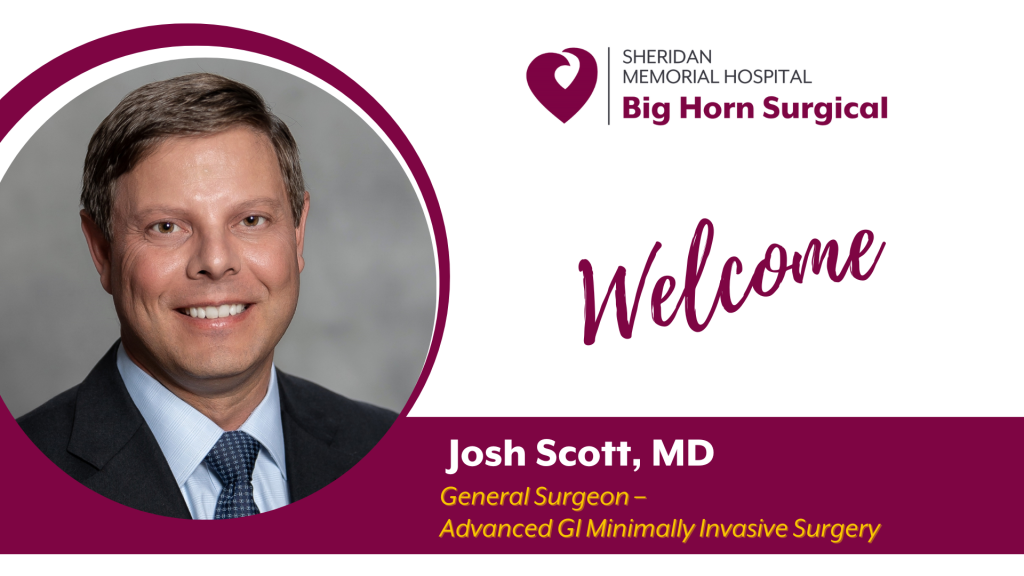
Sheridan Memorial Hospital (SMH) and Big Horn Surgical welcome Josh Scott, MD. Dr. Scott joins Corey Jost, MD, Barry Mangus, MD and Sara
As we approach World Heart Day, September 29, a day created to spread awareness about
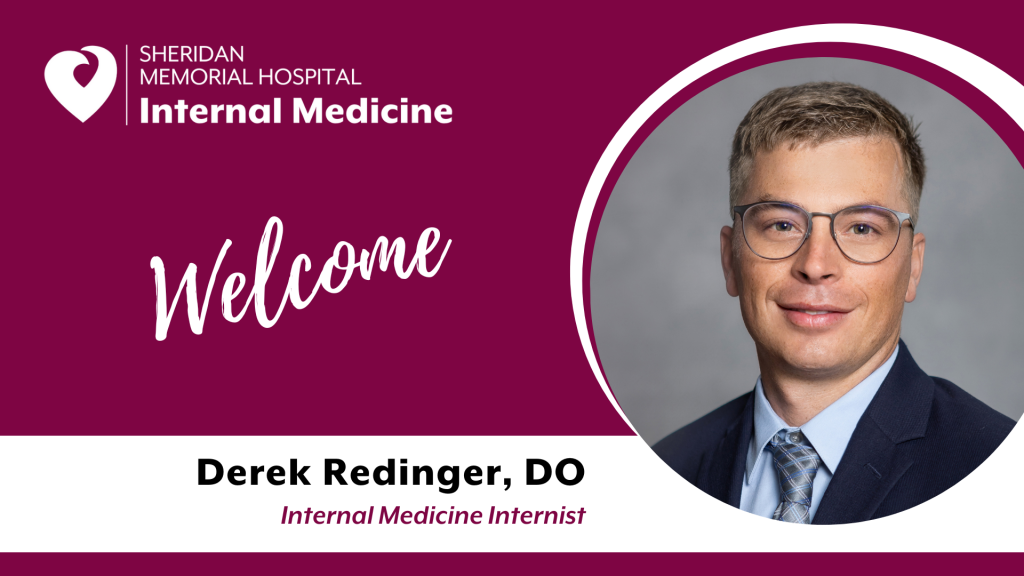
Sheridan Memorial Hospital (SMH) is pleased to welcome Derek Redinger, DO, to the Internal Medicine Clinic in the hospital’s Outpatient Center.
Anne Hinman was kind enough to leave this 5 star google review about Sheridan Memorial Hospital’s Wyoming Rehab:  “I could not have been happier
The Sheridan County Sportsmen’s Association (SCSA) presented a check for $10,000 to the Sheridan Memorial Hospital (SMH) Foundation
On Friday, July 1, over 120 golfers and hospital volunteers gathered at The Powder Horn Golf Club to raise awareness and funds for patient
Sheridan Memorial Hospital is proud to welcome Dr. Erica Rinker, board-certified family medicine physician, to our new Primary Care practice
As an internist and primary care physician, I’m focused on delivering the highest level of care to all patients throughout their lives. I joined
From changes to one's daily schedule to the adjustments necessary to return home – Sheridan Memorial Hospital's transitional care
Julie Boyd, RN and Emergency Department Manager, didn't plan to play the part of a hero at the Sheridan WYO Rodeo earlier this month. But
Come see our hospital Trauma Squad at 3rd Thursday, July 21st beginning at 5 pm. We will be handing out important safety information,
Sheridan Memorial Hospital (SMH) is thrilled to welcome Rebecca Krzyminski, DO, a board-certified OB/GYN physician, to the Women’s Clinic
Summer weather calls many of us to spend more time outdoors. While this time of year brings a welcome respite from our cold Wyoming winters,
Sheridan Memorial Hospital announces the late summer opening of a new Primary Care practice to serve patients of all ages in downtown Sheridan
A patient tells us …  “I was diagnosed with Type II diabetes (or prediabetes) and my doctor told me to exercise. What now?” Bring told you have Type II
Cathy Bealer, Sheridan Memorial Hospital's new Chief Nursing Officer (CNO), had a deep desire to
On May 12, 2022 Governor Gordon signed a proclamation recognizing May as Trauma Awareness Month in Wyoming. Every year in May,

Our volunteers and community members turned out to celebrate the Sheridan Memorial Hospital Auxiliary’s 63rd annual 5-Year-Old Birthday Party! We had the best time with all of the 5-year-olds (60 of them!) & families who came to celebrate with us at this year’s Birthday Party. From all of our Disney Friends & Story Book Characters, too, we wish a very Happy Birthday to all of you!

To get involved with The Auxiliary and next year’s 5-Year-Old Birthday Party visit https://www.sheridanhospital.org/community/volunteer-opportunities/ or contact Jasmine Slater at jasmineslater@sheridanhospital.org | 675.2620.

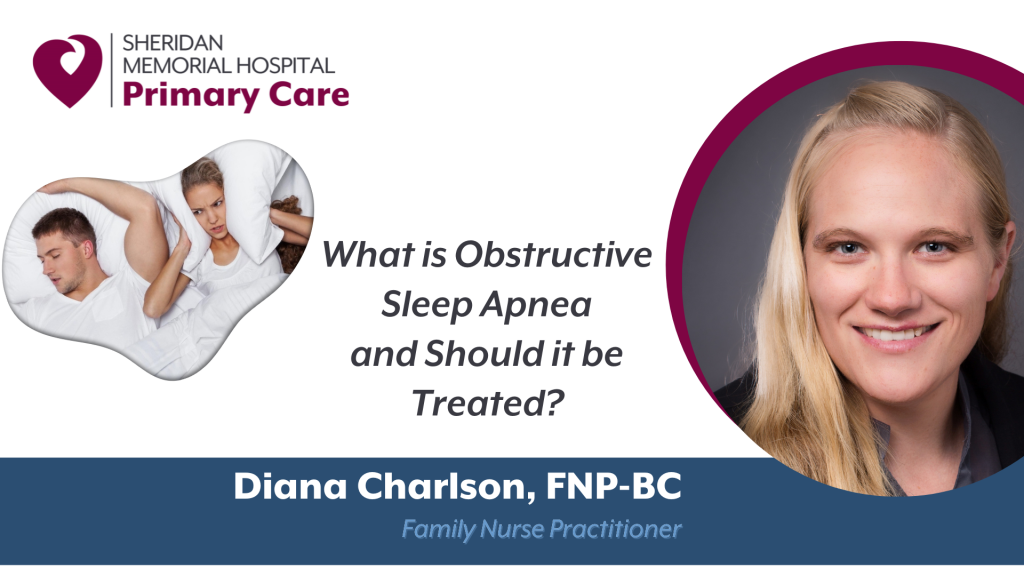
By Diana Charlson, FNP-BC, Family Nurse Practitioner at Sheridan Memorial Hospital’s Primary Care

Obstructive sleep apnea (OSA) is the most common type of sleep-disordered breathing. It is caused when the upper airway temporarily closes or collapses. When this happens, the person either doesn’t breathe deep enough (hypopnea) or doesn’t breathe at all (apnea). These are brief episodes that typically happen multiple times throughout the night. During these episodes, the body is not getting appropriate oxygenation, which in turn impacts the entire body, and can cause various problems for people over time.

Because the episodes happen throughout the night, people often don’t know they have a problem. This can cause a delay in the condition getting diagnosed in a timely fashion. Many times, a person won’t get diagnosed for many years. Over time, a person will often begin experiencing symptoms secondary to the ongoing lack of appropriate oxygenation throughout the night. Some indications of OSA include snoring, witnessed apneic events during sleep, waking with headaches in the morning, feeling tired throughout the day, waking up gasping during the night, poor quality of sleep, not feeling rested upon waking, decreased vigilance, high blood pressure, anxiety, and depression.

Some risk factors for OSA include older age (prevalence increases from youth through the sixth to seventh decade), obesity, enlarged neck circumference, having a narrowed airway, family history, and using alcohol or other sedatives.

OSA is diagnosed with a sleep study. This is an overnight test that monitors breathing. In the past, a person needed to go to a formal sleep lab/office to perform a sleep study. However, newer technology allows some people to get a sleep study at home, in the comfort of their own bed! Although the home sleep study is not as comprehensive as the formal sleep lab study, it is still a valid test for many individuals.

The gold standard treatment for sleep apnea is a CPAP (continuous positive airway pressure) machine. Basically, this machine delivers air pressure through a mask, keeping the upper airway open throughout the night and thus preventing hypopnea or apnea. There are other treatment options available, as well.

Long-term, if OSA is not treated, it can lead to many complications. Sometimes a person is diagnosed with OSA after they have been treated for high blood pressure and despite treatment, their blood pressure remains high, which then prompts evaluation into OSA. Other long-term complications include heart arrhythmias such as atrial fibrillation, stroke, and heart failure. It is also linked to insulin resistance, which is a concern for the development of type 2 diabetes. A person with OSA may have more complications with certain medications and major surgeries due to their breathing difficulties and being more prone to breathing problems. Cognition can also be impacted by difficulties with inattention, memory, depression, and anxiety.

Because the presentation of OSA is slow and symptoms may develop over time, it is often not diagnosed for many years. But again, over time, the complications from untreated OSA steadily increase. As we age, we are more prone to complications and often OSA is identified in older individuals. It is important to treat OSA to prevent complications and improve the overall quality of life for both you and anyone who must sleep in the same room as you (as often a person with OSA keeps other people awake at night!)


According to CardioSmart from the American College of Cardiology:

Sleep Apnea by the Numbers

  • More than 18 million adults Americans have sleep apnea.
  • One in four older people has some degree of sleep apnea.
  • 4 out of 5 cases go undiagnosed.
  • It occurs in about half of people with heart failure or atrial fibrillation and one-third of people with hypertension and coronary artery disease.

OSA has also been linked to a host of serious cardiovascular problems, including:

  • Coronary artery disease (CAD), a narrowing of the blood vessels to supply oxygen to your heart
  • Heart attack – people with untreated OSA are twice as likely to have a heart attack
  • Stroke
  • Sudden cardiac death
  • High blood pressure, a major risk factor for heart disease and other medical problems
  • Abnormal heart rhythms, especially atrial fibrillation; people with OSA are four times more likely to have a-fib than those without OSA.

If you have questions or concerns about the possibility of having Obstructive Sleep Apnea, please discuss this further with your healthcare provider.

Sheridan Memorial Hospital (SMH) and Big Horn Surgical welcome Josh Scott, MD. Dr. Scott joins Corey Jost, MD, Barry Mangus, MD and Sara Maguire, MD, in the hospital’s Big Horn Surgical practice.

Dr. Scott grew up in Sheridan and is happy to be back in a community that feels simultaneously new and familiar. “Much has changed in 25 years,” Dr. Scott said, “but there are so many great things that feel exactly the same.”

Dr. Scott didn’t realize he wanted to be a doctor until he was out of college, working in a research center and laboratory in Boston; he loved the science of his work but missed the people. He was deeply affected by the events of September 11, 2001, and realized the best next move for him was to become an army doctor, allowing him to give back in multiple ways. Dr. Scott was on active duty for eleven years and enjoyed the combination of medicine and the military.

Surgery pulled Dr. Scott in during medical school rotations, and he knew it was best suited for him because it allowed him to use his hands each day. He is drawn to the active atmosphere of the operating room, where he is on his feet and working in close connection with a team to help his patients.

His father, Dr. Tim Scott, practiced medicine for decades in Sheridan and is excited about what his son’s return means personally as well as for the people in the community. “Of course, we love having Josh, our daughter-in-law, and our grandchildren close by and what that will mean for our family,” the senior Dr. Scott said, “but we are also excited about what he brings to the people of Sheridan as a surgeon. His skillset in robotic general surgery, using minimally invasive techniques, will allow this program to grow.”

According to Holly Zajic, SMH Chief Ambulatory Officer, “We are so fortunate that Dr. Scott has chosen to come home to our community. His knowledge and expertise are huge assets; by teaching others, he will help us lead and grow the robotic-assisted surgery program.”

He is focused on doing the best job possible for the community of his youth, now the community of his children’s youth. Dr. Scott and his wife have two children, and on days off they can be found outdoors enjoying the wilds of Wyoming.

To find out more about Dr. Scott or the hospital’s Big Horn Surgical practice follow the respective link.

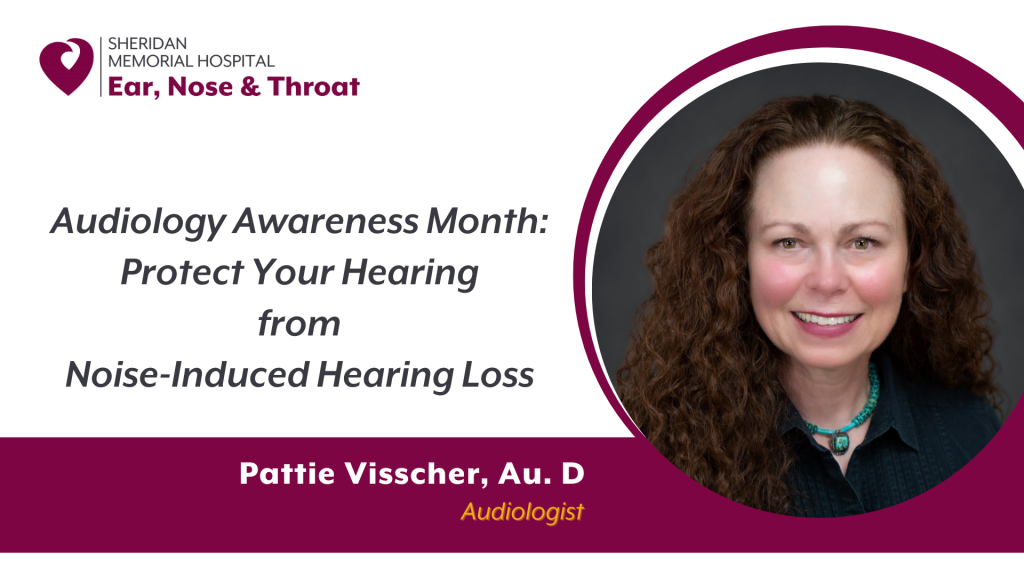
Audiology - Ivan point lionSheridan Memorial Hospital’s Audiology team is gearing up for National Audiology Awareness Month this October. This campaign was created to raise awareness of audiology and the importance of hearing protection in preventing noise-induced hearing loss. Noise-induced hearing loss (NIHL) affects many Americans. An estimated 12.5% of children and adolescents aged 6–19 years and 17% of adults aged 20–69 years have permanent damage to their hearing from excessive noise exposure.
Several autumn activities can cause noise-induced hearing loss without proper hearing protection. Prolonged exposure to the sounds of yard work tools, gunshots and motorized vehicles can all lead to irreversible hearing damage. Fortunately, you can take steps to keep your ears safe and prevent permanent hearing loss.

Leave Yard Care to the Professionals 

Lawnmowers can create noise at 95 decibels, and leaf blowers produce 95 to 115 decibels of sound. Chainsaws are even noisier, with 106 to 120 decibels of sound. All emit unsafe noise levels (anything over 85 decibels can harm your hearing). Always wear hearing protection while doing yard work and consider investing in lawn tools with low decibel outputs.

Don’t Kill Your Hearing While Hunting

When you’re out in the wild, you’re focusing on the thrill of the elk/deer hunt, not on your ears. However, the noise from a gunshot, which measures between 120 and 130 decibels, is extremely hazardous to your hearing. Specially designed hunting earplugs or earmuffs are your best shot at preventing hearing loss.

Stay Away from Souped-Up Snowmobiles  

Current snowmobiles are manufactured to emit 73 decibels, but modifying your snowmobile’s exhaust system can increase the decibel count to an unsafe level. It’s best to keep the original manufacturer’s exhaust system on a snowmobile to protect your hearing.

Be Aware While Enjoying Your ATV
ATV noise can reach around 92 decibels. Make your ride safer by remembering to wear hearing protection while engaging in any four-wheeling fun.

Preserve Your Hearing Health

Audiology Awareness Month is a great reminder to take care of your hearing. Consider getting a hearing test to confirm your hearing health or detect hearing loss. Shalyn “Shay” Ballew, AuD, has joined our audiology team within the past two months. We are here to keep your ears safe while you enjoy noisy activities—we offer custom hearing protection for maximum comfort and peace of mind. The Audiology office is located within the hospital’s Ear, Nose, and Throat Clinic in the Outpatient Center.

If you have questions or want to set up an appointment, please call Sheridan Memorial Hospital’s Ear, Nose & Throat Clinic at 307.675.4646.

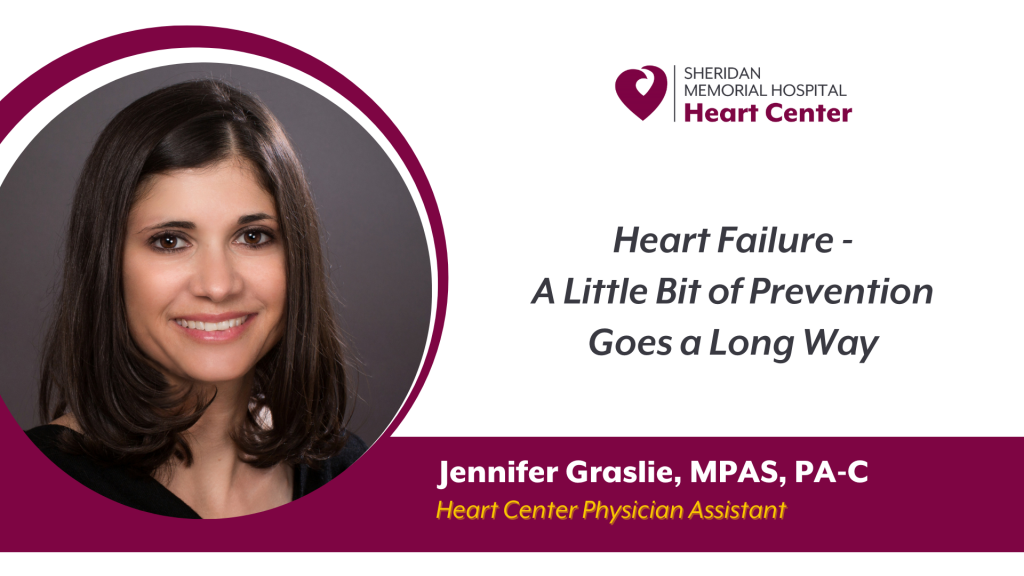
As we approach World Heart Day, September 29, a day created to spread awareness about cardiovascular disease, we find it fitting to address ways to combat it. Here at Sheridan Memorial Hospital, we diagnose and treat many forms of heart disease. This article addresses Heart Failure, what it is, risk factors, diagnosis and self-care.
Heart failure is a very common disease affecting 6.2 million Americans (CDC September 8, 2020). It is more prevalent than all forms of cancer combined. Heart failure occurs when fluid accumulates in the body because the heart cannot pump efficiently. High blood pressure, diabetes, coronary artery disease and age can all contribute to causing this illness. Symptoms of heart failure can include fatigue, shortness of breath and swelling. As our population becomes older and more sedentary, we expect heart failure to become more widespread.

Prevention is the most effective measure for counteracting the risk factors that can lead to developing heart failure. There is ample medical evidence proving that a person can lower or prevent such risk factors as high blood pressure, diabetes, and coronary artery disease. It requires maintaining a healthy weight and diet and modifying certain lifestyle habits. If a person already has one or more risk factors, tight control of blood pressure or blood sugar and coronary artery disease can help prevent or delay the onset of heart failure. Even modest weight loss and increased cardio-respiratory fitness can significantly improve heart health.

There is some good news for those patients with a diagnosis of heart failure. Several medications produce wonderful results, including certain beta-blockers, ACE inhibitors, angiotensin receptor blockers, aldosterone antagonists, and Entresto. Patients with heart failure are experiencing fewer symptoms and some are living longer. Other patients are benefiting from special pacemakers that synchronize the heart, allowing it to beat more efficiently. These special pacemakers can further reduce patient symptoms and improve survival.

When heart failure progresses to an advanced stage or warrants hospitalization, it becomes an identifying marker for patients who will require more intensive follow-up care for the rest of their life. As a cardiology office, we routinely see patients with a heart failure diagnosis. Our focus is on providing up-to-date medical management for heart failure. The program involves providing in-depth patient education and having patients monitor their weight, blood pressure and sodium intake daily. Patients must also watch for and report these early warning signs: feet and ankles swelling more than usual, breathing that becomes more difficult, or a weight gain of 3 pounds in two days. These signs might indicate that fluid is building up in the body. Early intervention ensures ongoing symptom management and overall well-being.

With heart failure becoming more widespread over the next few decades, our understanding of preventing and treating this disease will also continuously improve.

To learn more about Cardiology at Sheridan Memorial Hospital, plan to attend our Doc Talk at The Hub on Smith on Thursday, September 22, from 11:30 am to 12:30 pm. We will have representatives from our Heart Center and our Cardiac Catheterization Lab on hand to show you devices, including stents, implantable pacemakers, and defibrillators. They will explain when and how they are used, what they do, and how they can save a life. Bring your questions to this free public event. The Hub is located at 211 Smith Street.

Sheridan Memorial Hospital (SMH) is pleased to welcome Derek Redinger, DO, to the Internal Medicine Clinic in the hospital’s Outpatient Center. Dr. Redinger grew up in Big Horn and was drawn to return to SMH first and foremost because of the people of Sheridan. Dr. Redinger became interested in a career in medicine after his first high school Anatomy & Physiology class led him to volunteer at Sheridan Memorial. It felt natural for him to return to SMH to begin his career in medicine after building so many connections at the hospital throughout his childhood and adolescence.
While Dr. Redinger’s initial interest was in surgery, he decided to specialize in Internal Medicine because he is dedicated to building strong relationships with his patients and knows that in this setting, he will be able to spend enough time with people to do so. One of his biggest goals is to get to know his patients when they are well so he can understand their desires for health and well-being, in addition to helping them recover when they are ill or struggling.

Dr. Redinger was mentored during his residency by Dr. Kristopher Schamber, Internal Medicine physician and he is excited to begin his career working with the Internal Medicine team. “I felt welcomed by the team immediately,” he said, “and I know I will be supported by the other physicians as we work together to provide excellent patient-centered care to the people of Sheridan.”

When he’s not at work, Dr. Redinger and his wife can enjoy the great outdoors hiking, mountain biking, fishing and camping. He looks forward to returning to Wyoming hunting this fall after being away for years.

To find out more about Dr. Redinger or our Internal Medicine practice, follow the respective link, or to schedule an appointment, call 307.675.2650.


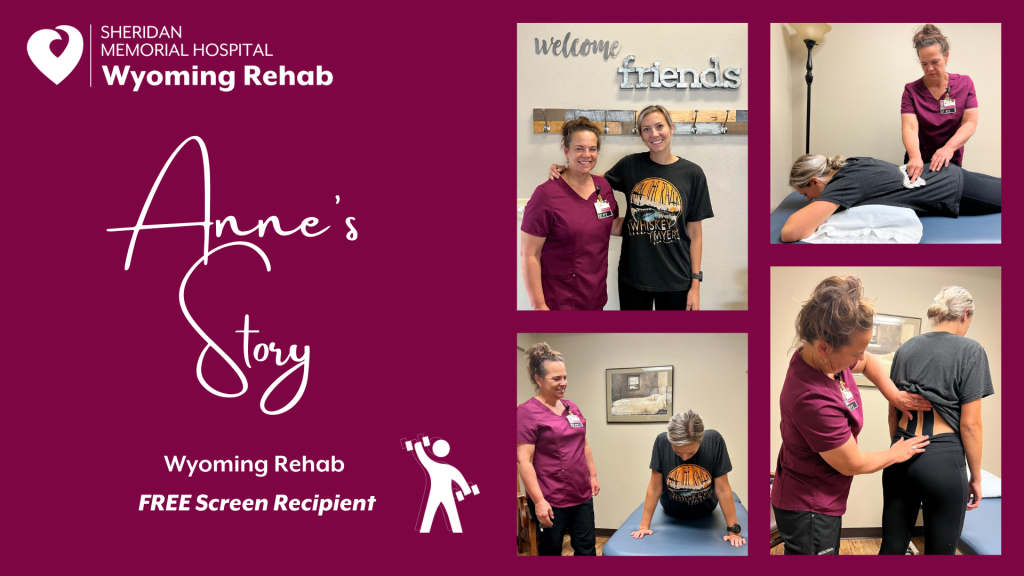
Anne Hinman was kind enough to leave this 5 star google review about Sheridan Memorial Hospital’s Wyoming Rehab:  “I could not have been happier with the treatment and personal care of this team!  I messed up my back and was in a lot of pain.  Jeanne was able to squeeze me in for a consultation and really took the time to figure out where my pain was coming from and how to treat it.  Highly recommend this clinic.”

Anne said a friend of hers recommended Wyoming Rehab – so she went to the hospital’s website and learned about the Free Screenings for non-emergent issues. 

“I am a bit embarrassed to say that I had begun lifting weights and was experiencing “very much” pain – I’m 27 and was scared that I had really done something bad to my back and I hoped that physical therapy might help.  It was awesome that Jeanne Brooks could fit me in the same day as I called Wyoming Rehab.

Jeanne checked out my back and walked me through some activities and motions that helped loosen up my back.  It was a lot more help than I was expecting on a screening visit. Jeanne also gave me a list of things that I could do on my own to help alleviate the pain and relax my back.

Jeanne also said that I was welcome to come back for more help if need be, but I am doing fine on my own now.  If I ever have an injury, I know I would go back to Wyoming Rehab.”

If you have nagging aches or pains, give Wyoming Rehab a call today to schedule a non-emergent free screening – 307.674.1632.


The Sheridan County Sportsmen’s Association (SCSA) presented a check for $10,000 to the Sheridan Memorial Hospital (SMH) Foundation for the Welch Cancer Center. The funds are proceeds from the June 2022 Cancer Benefit Trap Shoot. Tracy Landeis, Trap Director at SCSA says, “The shoot was an enormous success with 70 shooters and many volunteers helping to make it all possible.”

According to Ada Kirven, SMH Foundation Director of Donor Relations, “This event was a huge success, and the funds raised will directly support our patient comfort care program at the Welch Cancer Center. This fund helps our patients and their families, and it’s designed to make the cancer journey more comfortable for those facing treatment and survivorship.”

With this latest donation, over the last several years, the Sportsmen’s Association has raised more than $26,000 for the Cancer Center. According to Landeis, “The hospital foundation partnered with the trap shooters. Without all the volunteers, shooters, and sponsors, we would never have been able to pull off this event. The committee members who coordinated the event include Tracy Landeis, Sally Labore, Jerry Reed, Lyle Brice, Trudy Brice, Ada Kirven, and Cecile Pattison. Many others joined in to help before, during, and after the event.”

Kirven also stressed that “Cancer Screening and Early Detection Saves Lives. Our medical team encourages everyone to visit their doctor and follow the recommended screening guidelines, and prevention lifestyle behaviors. Sheridan is quite fortunate to have the Welch Cancer Center available for our loved ones to access treatment and supportive care right here at home.”

Pictured left to right above:  Tracy Landeis presents Ada Kirven with the $10,000 check.  Cody Sinclair, Chief Development Officer; Cathy Bealer, Chief Nursing Officer; DaLisa Morrison, Welch Cancer Center Clinical Nurse Supervisor and Lori Karajanis, Welch Cancer Center Nurse Navigator.

To learn more about the Welch Cancer Center, click HERE.

On Friday, July 1, over 120 golfers and hospital volunteers gathered at The Powder Horn Golf Club to raise awareness and funds for patient care programs at Sheridan Memorial Hospital. The Foundation’s 13th Annual Golf Tournament focused on raising funds that will go toward Sheridan Memorial Hospital’s Patient GAP Fund, which helps ensure successful recovery for patients after a hospital stay. It’s thanks to generous contributions from the golfers and sponsors of the event that help Sheridan Memorial Hospital provide excellent patient-centered care for everyone.
This year’s event was hugely successful, raising over $20,000 for our hospital’s Gap Fund. Over its 13 years, the golf tournament has raised over $285,000 in support of excellent patient care for our community. Projects funded include the Transitional Care Expansion, COVID-19 Care Fund, Intensive Care Unit, Cardiac Care, The Cath Lab, and various other department projects.

GAP Funds from the 2022 tournament have been put to work through the diligent coordination between our Case Management team and department staff. Compression garments were recently purchased through the GAP Fund for a patient undergoing therapy treatments to make the transition back to everyday life more successful. This is just one example of the immediate patient-centered care provided to our community through this unique funding.

Winners of this year’s Tournament included:

1st Place Team – Team Eliason Financial: Erica, Mike, Troy, and Wendy May

Others who received recognition for their excellent play included Matt Ebzery, Garrett Dotson, Tiffani Mowry, and Erica May.

According to The Foundation, First Federal Bank and Trust, First Interstate Bank, Ebzery Family Foundation, O’Dell Construction, D.A. Davidson, Kennon, and SCL Health St. Vincent were this year’s major tournament sponsors.

Cody Sinclair, Chief Development Officer, wrapped up the event, “It was a great day of golf and philanthropy with funds raised to support continued care for the patients in our community. Thank you to all of our wonderful tournament sponsors, participants, and volunteers for helping make this a great event!”

To join The Foundation and support future events, visit https://www.sheridanhospital.org/foundation/

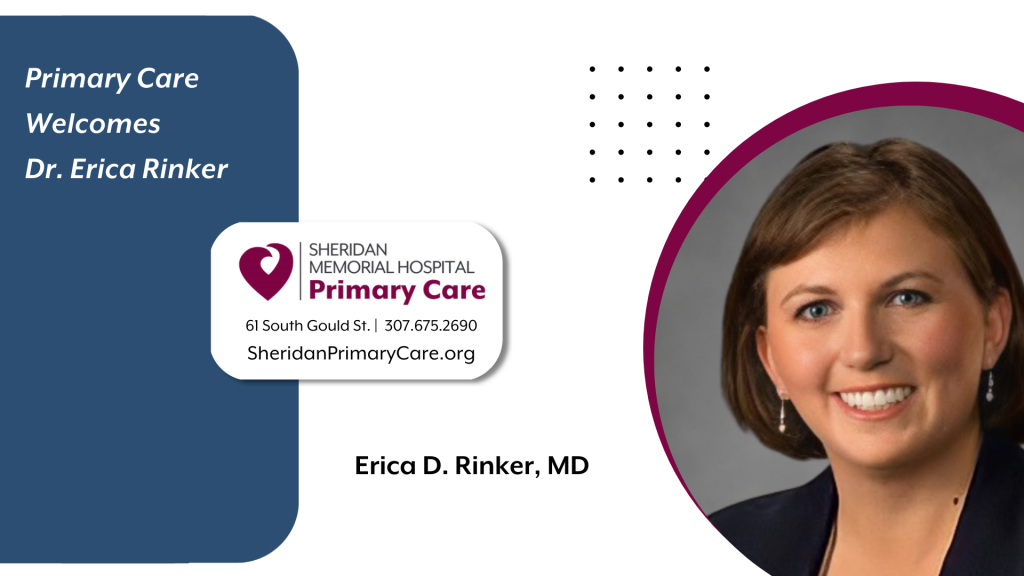
Sheridan Memorial Hospital is proud to welcome Dr. Erica Rinker, board-certified family medicine physician, to our new Primary Care practice at 61 South Gould Street in the heart of downtown Sheridan.
Originally from rural Montana, Dr. Rinker is happy to return to a small-town environment with her children.

Dr. Rinker was drawn to the medical profession growing up because it was the ideal blend of two passions. “I wanted to be a scientist, and I wanted to serve others. I shadowed people in many different professions, including a school nurse and a veterinarian, trying to decide what the best combination of science and service would be for me.”

She kept returning to medicine, eventually enrolling in WWAMI, a medical education program through universities in Washington, Wyoming, Alaska, Montana, and Idaho committed to sending providers into rural communities. She completed her medical degree in 2011 and fulfilled her Family Medicine Residency in Des Moines, IA, the same year. 

Dr. Rinker’s interest in family medicine developed during her work with an internist in Billings. “I watched how a particular physician interacted with not only the patients but with their families as well, and I realized that while I enjoyed every part of medical school, I am most passionate about working with people in a long-term, integrated way,” she says. “I want to develop relationships that grow over the years, and I want to be involved in every aspect of care; if they need a specialist, I want to be the one who connects them with the right person and who follows up with them along the way.” Dr. Rinker is excited to be part of the hospital’s Primary Care practice, where she can begin to develop these relationships with Sheridan residents.

Dr. Rinker and her children settled in Buffalo about a year ago; their favorite family activities are bike rides and movie nights with plenty of popcorn. She has formed close ties with current Buffalo and Sheridan physicians who also went through the WWAMI program and has been providing care to patients in Gillette and Buffalo for the past five years. Dr. Rinker’s dedication to providing compassionate, involved care will be the perfect addition to the downtown Primary Care practice.

To make an appointment with Dr. Rinker, call 307.675.2690, or to learn more about Sheridan Memorial Hospital’s new Primary Care practice, go to  SheridanPrimaryCare.org. You can learn more about Dr. Rinker by visiting her provider profile HERE.

By Kristopher C. Schamber, MD, FACP, Medical Director at Sheridan Memorial Hospital Primary Care

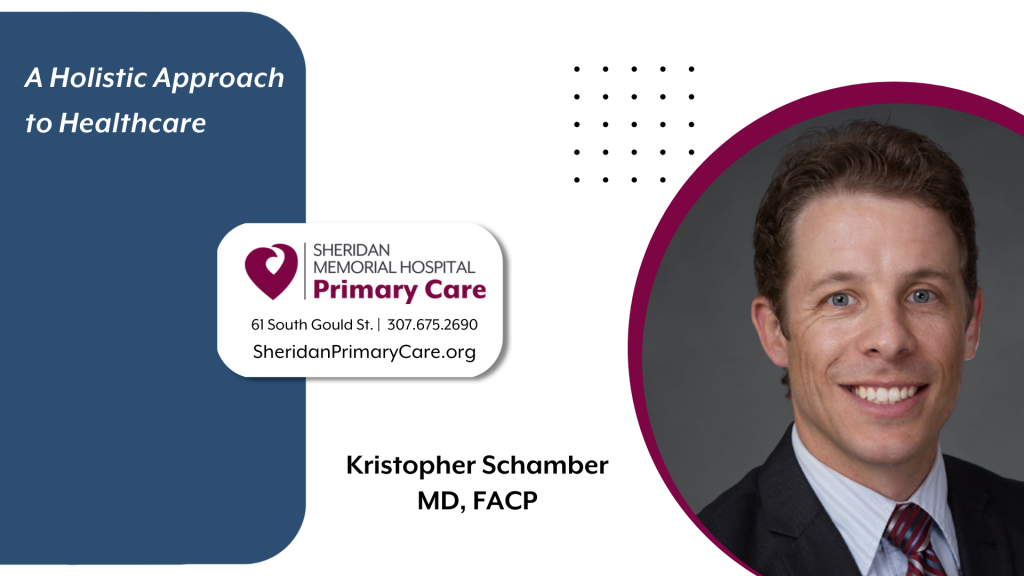
As an internist and primary care physician, I’m focused on delivering the highest level of care to all patients throughout their lives. I joined Sheridan Memorial Hospital because they share and support this healthcare philosophy. Now, as the medical director of our new Primary Care practice downtown, I have the privilege of leading a team of seven – three physicians, one physician assistant and three nurse practitioners – who have been demonstrating this patient-centered, mission-driven style of practice for years.
The team serving you in our new Primary Care practice downtown includes:

Internal Medicine (Adults Only)

Family Medicine

Our goal with the new Primary Care clinic is to expand healthcare services for the entire community. In addition to providing traditional adult medical care with our internal medicine providers, our new practice is an opportunity to re-establish family medicine in Sheridan. Here, we strive for a holistic approach for families, where multiple generations can build relationships with the same provider to make the healthcare process easier to maintain over time. For instance, family members can make appointments together and even see the same provider. Building relationships with our physicians, physician assistants and nurse practitioners as a family unit can improve healthcare outcomes for each member of the family. Increased access, same-day appointments, and extensive online healthcare tools are all part of our new practice and are designed to exceed patient needs and expectations.

As a healthcare consumer, one of the most important steps you can take is establishing a Primary Care provider relationship. As we get to know you, your medical history, and your family’s medical history, we will provide timely, proactive, relevant healthcare. This relationship translates to major health benefits, including a decrease in hospital and emergency department visits, more effective management of chronic diseases throughout your life, lower overall healthcare costs, and improved quality of life.

In advance of your next appointment, and ongoing, I encourage you to take advantage of our patient portal (www.mysheridanhealth.org), also found on the Sheridan Memorial Hospital website. It offers 24-hour secure access to your personal health information as well as allowing you to:

  • View upcoming appointments
  • Communicate securely and privately with their provider
  • Request prescription refills
  • Conduct video telehealth visits
  • Access and complete forms necessary for upcoming appointments
  • View and print:
    • Test results (including COVID-19 test results)
    • Immunization records

Our new downtown practice is an important investment in Sheridan, a community that means so much to my family and me. We look forward to meeting you and your family, and of course, seeing familiar faces in our brand new space.

Kristopher C. Schamber, MD, FACP
Medical Director, SMH Primary Care

To Learn More – Click here or give us a call to make an appointment today –  307.675.2690

By Tiffany Sutton, PT, DPT, TCU Rehabilitation Coordinator at Sheridan Memorial Hospital

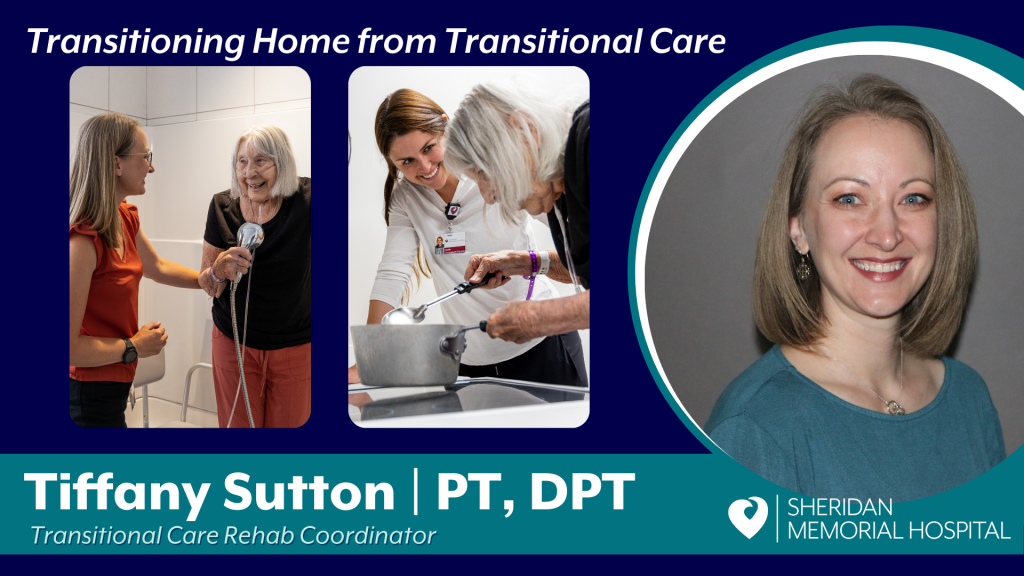
From changes to one’s daily schedule to the adjustments necessary to return home – Sheridan Memorial Hospital’s transitional care team of nurses, doctors, and therapists manage transitions and help you or your family member regain a level of independence for a safe return home following an injury, surgery, or serious illness. From daily rehabilitation to 24/7 nursing care, our multi-disciplinary team will work to keep you close to your community, friends, family, and the one place we plan to transition back to – home. After varying lengths of stay, patients are headed home, but how do we prepare them? Two invaluable tools our Transitional Care Team takes advantage of are our newly improved ADL Suite and Home Evaluations.

Activities for Daily Living Suite
Sheridan Memorial Hospital’s ADL (Activities for Daily Living) Suite is set up to emulate a home environment with a kitchen and bathroom where patients can practice skills before returning home. Simple tasks such as reaching for clothes in their closet, preparing a meal using various appliances, and taking a shower are practiced in our home-like suite with our care team’s guidance.

Completing sessions within the ADL Suite under the team’s guidance allows for “failure” in a safe environment. By putting our patients in real-life scenarios in a safe, controlled setting, we can motivate them toward their goals while quickly making modifications. Being in a hospital for an extended period can create a new set of habits because patients become used to delivered meals, showers without tubs, and a schedule made for them. The time with our therapy team in the suite allows one to better prepare for the transition back into their daily life and decision-making.

Tasks within ADL sessions allow for a collaborative and efficient approach among therapists. Cooking a patient’s favorite dish is one of the most common activities between therapist and patient, as it allows for observation of occupational, physical, and speech therapy progress. For example, physical therapists review one’s ability to stand at the stove and their overall balance and stability, occupational therapists watch for their ability to reach and turn things on/off, and speech therapists observe the ability to follow a recipe and swallow the food one makes.

Home Evaluations
The home evaluation is an invaluable tool for our team to ensure a safe and triumphant return to their living situation. The key to a successful transition is the personalization our team focuses on for each patient, their diagnosis, rehabilitation, and home environment. A vital part of patient care is meeting them where they’re at and keeping them safe. Sheridan Memorial Hospital prioritizes the home evaluation and is one of the few transitional care facilities in the area that takes the time to travel to the home with our patients to ensure it is in the best shape to transition back into the space.

A home evaluation isn’t a judgment of cleanliness or décor choices. This time is for a rehab therapist to evaluate the setup, the patient performing tasks, and their mobility throughout the home. This exercise helps to dispel the misconception that “when I go home, I will be able to do ______.” It presents a realistic picture of current levels of functioning and goal setting. A home evaluation is also a time for family members to learn about the adjustments needing to be made in the home, based on what is most important to our patients or additional services that might be required to provide proper care moving forward.

From simple adjustments like moving a rug and furniture which allows space for a walker to navigating life with a beloved pet that can be a tripping hazard, evaluations provide insight to the care team on how to serve our patients best. Home evaluations also decrease quick returns to TCU by eliminating dangers and determining issues a person might have when returning home.

Along with the visit within the home, there are discussions about daily living and the patient’s need for additional support. For patients who are alone in the home or only have a support system from afar, our team will familiarize them with community resources that specialize in providing these services. Home Care, Grocery Delivery, Goose Creek Transportation, and Home Delivered Meals through The Hub are just a few of the services our team familiarizes patients with, ensuring they’re able to return to a safe and fulfilling home life.

The newly improved ADL Suite, along with the many other amenities of the Transitional Care Expansion, will allow for enhanced care and even stronger transitions home for our patients. Our care team is looking forward to transitioning into the newly renovated space on the hospital’s 2nd and 3rd floors in the coming months, providing the opportunity to better serve our growing community with excellent patient-centered care.

Learn more about Transitional Care

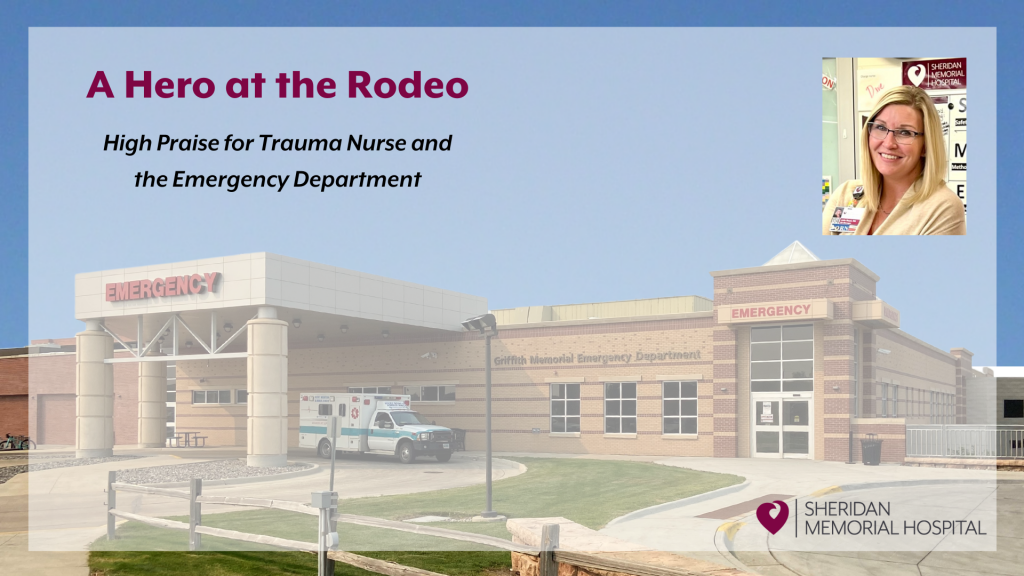
Julie Boyd, RN and Emergency Department Manager, didn’t plan to play the part of a hero at the Sheridan WYO Rodeo earlier this month. But when there was a horse wreck during the Friday night Indian Relay Races – she sprang into action – literally.
18 year-old Bryson Rogers, a rider for the SM Express Relay team out of Lodge Grass, Montana had a horse fall on him and was unresponsive – so Julie jumped over fences and into the arena to help. She helped get him stabilized and put on a backboard so he could be taken to the hospital via ambulance. Then she made a call to Dr. Borg in the Emergency Department to let him know that Bryson was coming and relayed all necessary situational information.

The good news is that Bryson came out of it all ok. An athlete, he is set to go off to college this fall on scholarship to run cross country and play basketball in Lawrence, Kansas.

Bryson’s mother, Patricia Rogers, is thankful to Julie, noting that the “Trauma Nurse” made sure she and her husband could get down in the arena to be near their son. Then Julie kept the parents apprised of each step taken in their son’s care. “I thank God she let us be close to our son.”

In addition to high praise for Julie, Patricia also commended the Emergency Department on the care her son received. “They were so nice to our family and let us all come in and see Bryson. I am so happy about that. The doctors and nurses kept us informed on what they were going to do.”

“I am so surprised at how well he is doing – he has no broken bones, and I thought he would be more sore. Bryson is a very tough young man. We are so thankful to everyone.”

Would you like to leave a message of gratitude to a Sheridan Memorial Hospital employee(s)? If so, follow the link to Heartwarming Messages or visit https://www.sheridanhospital.org/community/heartwarming-messages/ to thank the Sheridan Memorial Hospital employee(s) who has made an impact on your life. 

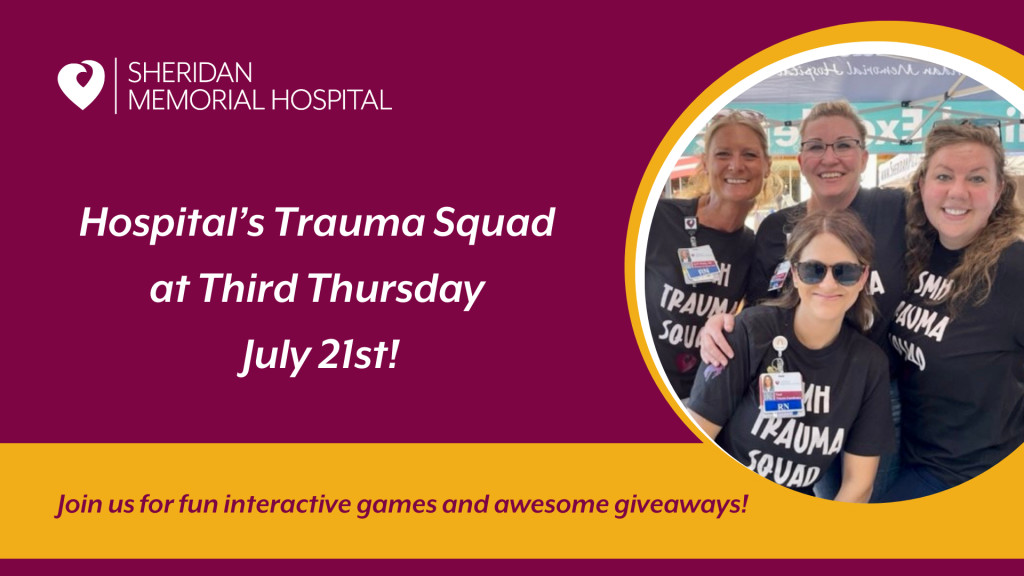
Come see our hospital Trauma Squad at 3rd Thursday, July 21st beginning at 5 pm. We will be handing out important safety information, including Top Tips for Kids and Bicycle Safety advice. Join us for fun interactive games and awesome giveaways!
SMH Trauma Squad at Third Thursday  Lynn Grady fitting a life jacket on child

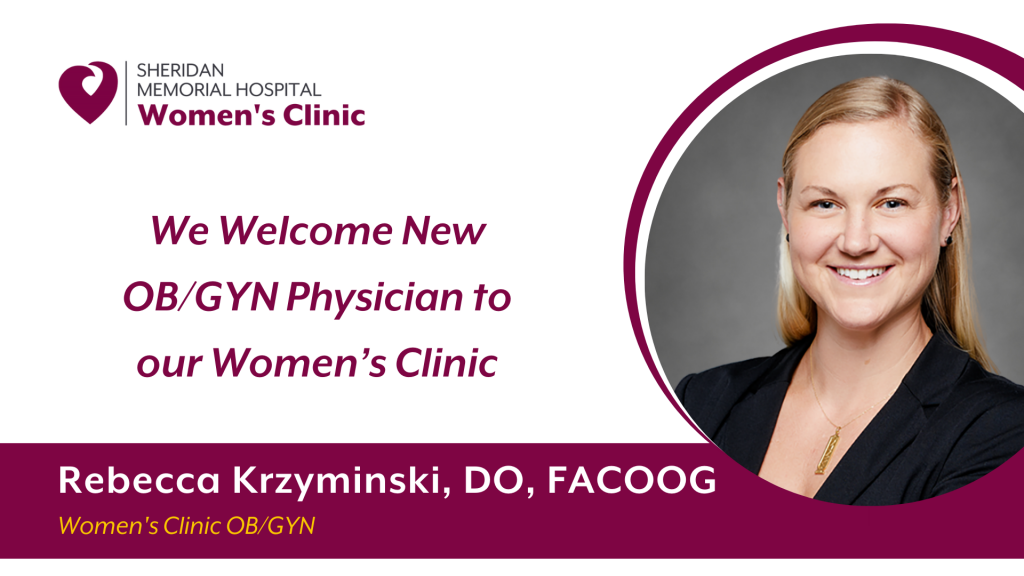
Sheridan Memorial Hospital (SMH) is thrilled to welcome Rebecca Krzyminski, DO, a board-certified OB/GYN physician, to the Women’s Clinic team. Dr. Krzyminski found Sheridan by way of a mutual colleague of the Women’s Clinic OB/GYN staff and started working for SMH on July 1. 
Dr. Krzyminski has always wanted to be a doctor, from the time she was a little girl. “I was fortunate to grow up in a family that always supported my dream of going to medical school,” she says, “I am the first in my family to become a doctor.”

Dr. Krzyminski’s expertise includes the full scope of OB/GYN care in both inpatient and outpatient settings as well as being a skilled robotic surgeon. She chose OB/GYN because she enjoys providing the range of care given to women in this field of practice, from primary to preventative to procedures. “I want to care for women in all phases of their lives and support them as needed no matter what stage they are in currently.”

She grew up and completed all of her schooling and residency in Michigan and brings over 6 years of experience to Sheridan. Dr. Krzyminski and her husband decided to relocate to Sheridan because they are ready to settle down and become a permanent part of a community as they raise their two children. “We were drawn to Sheridan because of the group at the hospital and because of the area itself. I am thrilled to work with the other women in the office, and this town seems like a good fit for our family.”

Dr. Krzyminski and her husband were college athletes, playing volleyball and basketball respectively.  She adds, “I am a proud Spartan and cheer for Michigan State with no qualms to cheer for the Cowboys since they are not in the big 10.” The couple enjoys spending time outside during every season of the year with their nine-year-old daughter and six-year-old son. They enjoy swimming, hiking, and skiing with their children and are looking forward to the first soccer season.

More than anything, Dr. Krzyminski and her family are excited to settle into Sheridan and become part of the community in as many ways as possible.

According to Holly Zajic, SMH Chief Ambulatory Officer, “Dr. Krzyminski will be a fabulous addition to the Women’s Clinic team and will continue the tradition of providing excellent patient-centered care to women of all ages.”

To make an appointment with Dr. Krzyminski or learn more about Sheridan Memorial Hospital’s Women’s Clinic, go to  https://www.sheridanhospital.org/medical-services/clinics/womens-clinic/ or call 307.672.2522.

By David Nickerson, MD – Medical Director of Sheridan Memorial Hospital’s Urgent Care

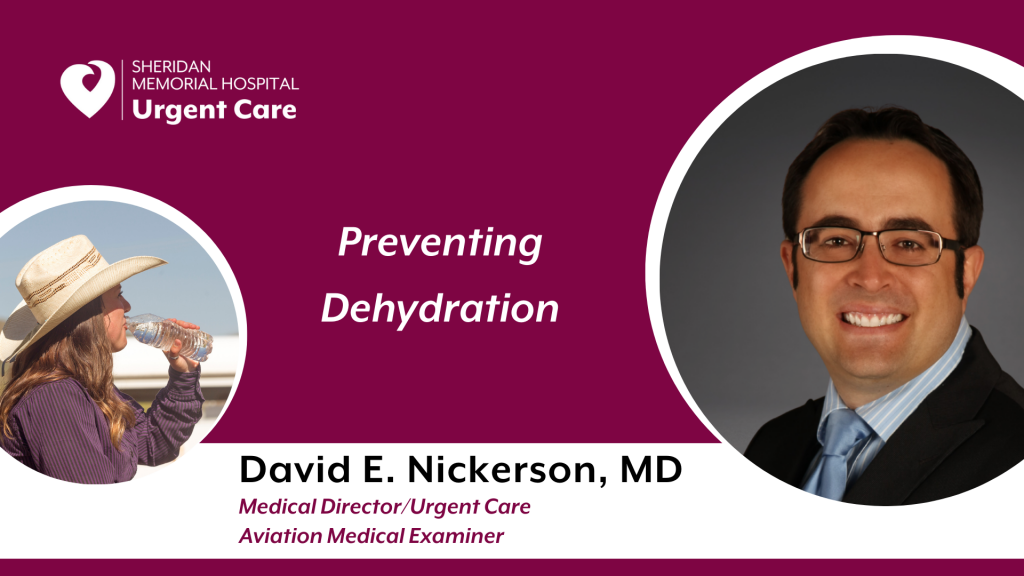
Summer weather calls many of us to spend more time outdoors. While this time of year brings a welcome respite from our cold Wyoming winters, it also brings higher temperatures and a greater risk of dehydration. Dehydration is the loss of too much water from the body and can disrupt its normal processes. While mild dehydration is easily treated by drinking fluids, severe dehydration can lead to organ dysfunction and is a medical emergency that requires prompt treatment. 
Although dehydration can also occur with increased fluid loss from vomiting, diarrhea, fever, or certain medications, an additional risk in the summer comes from warmer outdoor temperatures.    Heat-related dehydration is a risk for any age group. For example, infants do not have the ability to move themselves to a cooler environment or increase their fluid intake. High school football players, who sometimes practice twice a day in the intense August heat, are also at risk. Working adults such as roofers and firefighters exert themselves in hot environments. In fact, with physical exertion in hot, dry conditions, the human body can lose 1-2 liters of fluid per hour. 

Dehydration can be prevented or treated with self-monitoring and oral rehydration. Early symptoms to watch for include increased thirst and dry mouth, lips, or eyes. Additional fluid loss can progress to fatigue, confusion, dizziness, and organ dysfunction. The well-hydrated body produces pale to clear urine, which becomes progressively darker to yellow and then brown with increasing dehydration.

You can avoid dehydration by drinking plenty of fluids such as water or sports drinks and avoiding caffeine and alcohol. Keep in mind that diarrhea, vomiting, and fever all increase your water loss and can also predispose you to dehydration and heat-related illnesses. Hydrate to the point that your urine is pale yellow or clear.

As an additional preventative measure, be mindful of the weather forecast and be willing to adjust your plans for the day. If it is going to be hot, don’t make big plans for exertion, and be sure to bring plenty of water. Plan any exercise, hikes, or outdoor work earlier in the day, when it is not as hot and you will lose less fluid through sweating.

However, if you or someone else begin to experience dark urine, fatigue, confusion, or dizziness despite attempts to rehydrate orally, seek medical attention immediately. Our emergency department or urgent care can quickly check your hydration status, electrolytes, and organ function and give IV fluids if necessary. Enjoy the summer weather, but do so safely!

If you or someone you love needs medical attention, we can help! Visit SheridanUrgentCare.com or click HERE to save your spot online at Sheridan Memorial Hospital’s Urgent Care or call us at 307.675.5850.

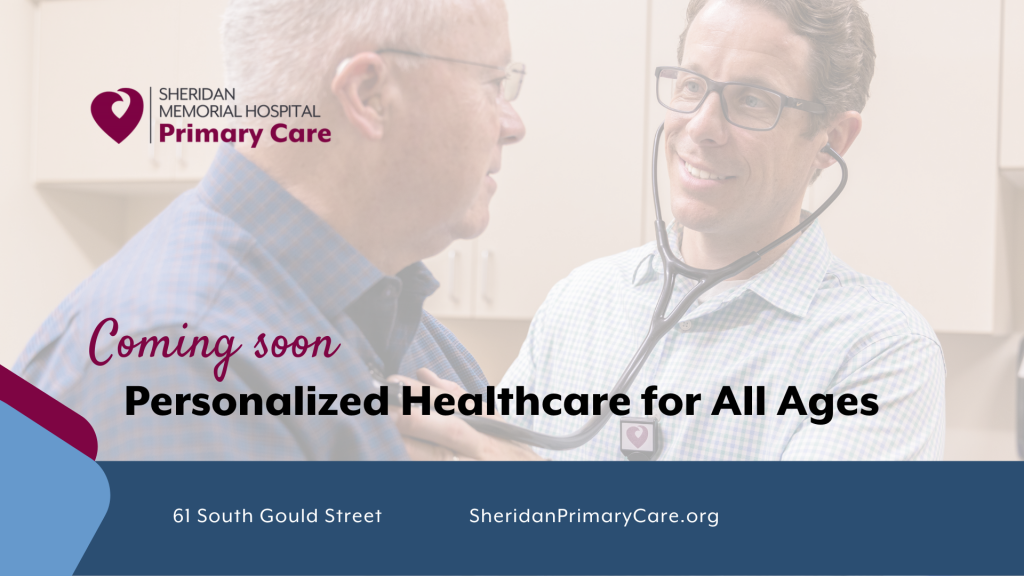
Sheridan Memorial Hospital announces the late summer opening of a new Primary Care practice to serve patients of all ages in downtown Sheridan at 61 South Gould Street. The office will open with six providers who are currently part of the SMH staff in the Internal Medicine clinic, including Dr. Kristopher Schamber, Dr. Chris Prior, Diana Charlson FNP-BC, Jeffrey Shideman FNP-C DNP, Jessica Neau PA-C, and Rebekah Montgomery FNP-C DNP.  Two additional providers are scheduled to start by September- Dr. Erica Rinker, a family physician currently working in Buffalo, and Dr. Derek Redinger, an internist who will be returning home from Idaho.
"Primary care is not a specific specialty, but rather a style of medical practice with a focus on addressing a majority of personal health care needs, through long-term relationships with patients and their families, and practicing in the context of family and community." Dr. Kristopher SchamberDr. Hannah Hall, Dr. Juli Ackerman, Dr. Sierra Gross, Dr. David Walker, Erin Strahan PA-C, and Jason Otto PA-C will remain with SMH Internal Medicine and continue to see patients in their current location in the Outpatient Center.

According to Dr. Kristopher Schamber, Medical Director for SMH’s new Primary Care practice, “Primary care is not a specific specialty, but rather a style of medical practice with a focus on addressing a majority of personal health care needs, through long-term relationships with patients and their families, and practicing in the context of family and community.  This includes initial diagnosis of acute and chronic problems, management of chronic illness, health and wellness promotion, disease prevention, and appropriate referral to specialists as needed.  Primary care practices generally serve all age groups, often caring for multiple generations of the same family, from grandparents, to grandchildren.”

Primary Care ideally serves as the entry point to the health system.  “In essence, primary care providers are the first responders for the community’s non-emergent medical needs. They create strong, holistic patient relationships which provide access to the information and resources required for optimal health outcomes for our patients,” says Holly Zajic, Chief Ambulatory Officer.

Traditionally, Primary Care practice includes Family Practice (caring for all ages), Internal Medicine (caring for adults only), and Pediatrics (caring for children only).  Sheridan Memorial Hospital Primary Care will focus on Family Practice, supported by our own Internal medicine providers caring for adults with more complex medical problems, and in collaboration with Northeast Wyoming Pediatric Associates for children with more complex medical problems.

If your current provider is moving to the new Primary Care clinic, you will simply have your appointments downtown going forward.  Prior to any upcoming appointments at the new location, you will be reminded of this change.

Patients with immediate questions about this transition can contact Tyler Crossley, Primary Care Manager, at 307.672.1162.  You may also visit the SMH Primary Care webpage at SheridanPrimaryCare.org for additional information.  SMH anticipates scheduling in the downtown Primary Care practice to begin early August.

“We are excited to bring the new Primary Care practice to the community and provide a critical resource to gain access to care quickly and efficiently,” Zajic said.

Learn more at SheridanPrimaryCare.org

By Whitney Weborg, PT, DPT

A patient tells us …  “I was diagnosed with Type II diabetes (or prediabetes) and my doctor told me to exercise. What now?” Being told you have Type II Diabetes can be daunting. We are happy to help people “ease” into exercise.

The Why – Studies show that exercise affects carbohydrate metabolism in both the short- and long-term. In the short-term, exercise can improve insulin sensitivity following a meal. In the long term, regular aerobic exercise can improve glycemic control, among other benefits. In fact, A1C may be reduced by 0.5-0.7 percentage points! In addition, some studies suggest that combining both resistance training and aerobic exercises could have an even more significant effect. Higher exercise intensity can also lead to larger reductions in A1C.

The How – Before we get into exercise recommendations, the best exercise is the one you enjoy and can maintain long-term. The American College of Sports Medicine (ACSM) recommends aerobic exercise and resistance training. When it comes to aerobic training, we should strive for 30 minutes of moderate-intensity exercise five days per week or 20 minutes of vigorous-intensity exercise 3 days per week. This might sound like a lot, but you don’t have to jump into it immediately. At Wyoming Rehab, we recommend a gradual build-up to allow your body to adapt to the new activity! When it comes to resistance training, ACSM recommendations are to train for at least two days a week and to work all major muscle groups to improve muscle strength and endurance.

Not sure how to get started? The ACSM has a helpful and informative website. You can check it out here: https://www.acsm.org/education-resources/trending-topics-resources/physical-activity-guidelines.

For more guidance on exercise and type II diabetes, call Wyoming Rehab today at 307.674.1632 to schedule a FREE screen. We can help you get started! 

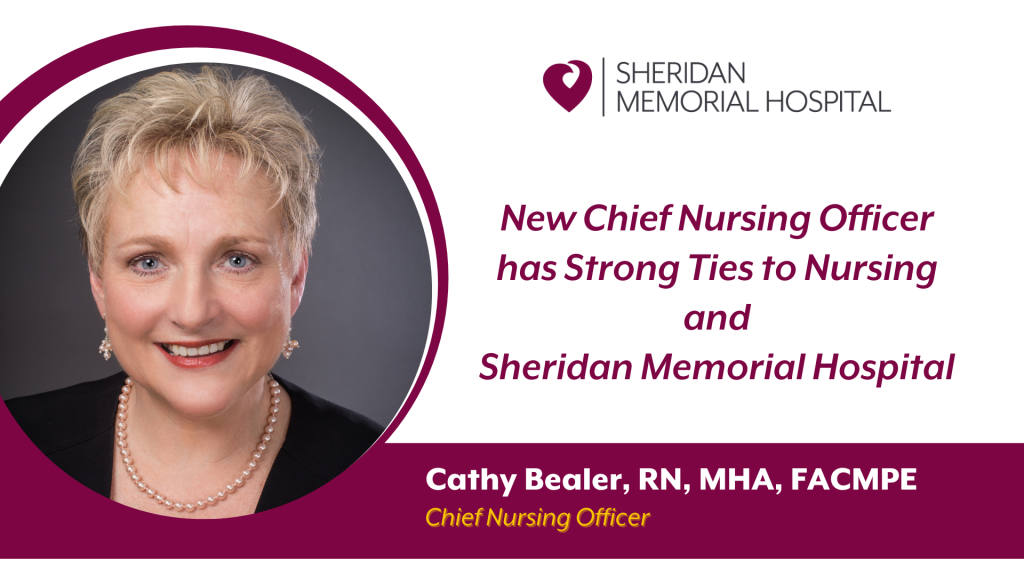
Cathy Bealer, Sheridan Memorial Hospital’s new Chief Nursing Officer (CNO), had a deep desire to go into nursing since early childhood. It stemmed from watching and learning from her mother, Esther Kawulok, who was a nurse at Sheridan Memorial Hospital (SMH) for over 40 years.

Cathy remembers, “As a little girl, I would watch my mom get ready putting on her all-white uniform – including stockings and white cap. She even had one of those navy blue nurse’s cloaks. My mom worked all those years on the night shift on the second floor of our hospital. She was the best nurse and the doctors loved her. I always wanted to be just like her and have always been so proud of her and how she loved her patients.”

Following her heart, Cathy earned her Associate Nursing degree from Casper College, a Bachelor of Nursing degree from the University of Wyoming, a Master of Healthcare Administration from Montana State University, and a Fellowship from the American College of Medical Practice Executives.

She and her husband, Greg, lived in Casper for 8 years and Billings for 25 years, where Cathy served in different roles, including an Emergency Department charge nurse at St. Vincent’s Healthcare and Chief Executive Officer for Frontier Cancer Center Clinics in Wyoming and MT.

She loved her jobs in Montana, but in 2015, as her mother aged and her father needed help, Cathy decided to return to Sheridan and pursue the Director of Professional Services position at SMH. She and Greg relocated to Sheridan and went about helping her parents. “I was able to be with my mother for the last year of her life. A few years later my father passed away. I’m so thankful to have spent those last years with them.”

Speaking about her new position, Cathy says, “I love Sheridan Memorial Hospital and I love what I do. We have excellent medical care here locally. When the CNO position was announced, I knew I wanted to pursue it. We have new nursing managers here with so much enthusiasm and such potential to grow – I get caught up in the excitement. I love to help caregivers grow.”

“My goal for the remainder of my career is to mentor the next generation of leaders and to showcase our talented nursing staff.   I like to bring out the best in people when actually, they already have it in them. I feel so blessed and honored and humbled to be here,” Cathy adds.

Cathy’s leadership covers multiple areas within the hospital, including ICU, Medical/ Surgical Units, Women’s Health, Homecare, Hospice, Respiratory Therapy, Surgical Services, Cath Lab, Welch Cancer Center, Transitional Care Unit and Employee Health. Cathy’s husband, Greg, also works at SMH in Grounds keeping.

More about Esther Kawulok
Esther Kawulok - Cathy Bealer's Mother and a nurse at Sheridan Memorial Hospital for over 40 yearsFor those of you who might remember Cathy’s mother, Esther Kawulok, she graduated from nursing school in Montana in the early 1950s. Esther was the first and only child in her family to earn a college degree and she did so because she didn’t want her children to struggle as she had:  growing up in a two-room home with a dirt floor. After graduating, Esther and two other single nurses moved to Sheridan to work at the hospital. Cathy’s mom married her dad and the couple worked tirelessly to raise Cathy and her 5 siblings. Esther worked for over 40 years at Sheridan Memorial Hospital while her dad worked two jobs. Her parents’ strong work ethic and compassion for others have been driving forces in Cathy’s life.

To learn more about career opportunities in nursing, go to www.sheridanhospital.org/careers or reach out to Sheridan Memorial Hospital’s Human Resources Recruiter Holly Hofer at 307.673.4296 or by email at recruiting@sheridanhospital.org

By Toni Schoonover, BSN, RN – Trauma Coordinator at Sheridan Memorial Hospital

On May 12, 2022 Governor Gordon signed a proclamation recognizing May as Trauma Awareness Month in Wyoming. Every year in May, the American Trauma Society (ATS) and Society of Trauma Nurses (STN) join with other trauma organizations to celebrate National Trauma Awareness month by sharing injury prevention and education to highlight and prevent major causes of injury and death from trauma. This all started in 1988 when Ronald Reagan acknowledged the need for better trauma awareness and designated this month to focus time and resources into increasing education and prevention activities.

This year Sheridan Memorial Hospital (SMH) is doing its part to help raise awareness and provide education to our community. During May, you will see Emergency Department Staff wearing Trauma Awareness shirts with the quote “Prevention is Cure.” Trauma Awareness is all about prevention: 94% of trauma patients seen at SMH in 2021 were due to blunt injuries such as falls and motor vehicle crashes. Many of these injuries could have been prevented with simple interventions such as wearing a seatbelt, not driving under the influence of drugs or alcohol, fall prevention including home safety and eliminating fall hazards in your home, and maintaining good physical health.

This year’s theme for Trauma Awareness Month is “Safe Surroundings: Preventing Violence and Promoting Peace Community by Community.” Topics for prevention are: intimate partner violence, firearm injury prevention, mental health awareness and community violence intervention. To find free webinars related to these topics, go to sheridanhospital.org and click on the Emergency Department page.

SMH has been an Area Trauma Hospital (ATH) since 2001. An ATH, by definition, is an acute care facility with the commitment, medical staff, personnel, and specialty training necessary to provide primary care to the trauma patient. An ATH provides initial resuscitation, immediate operative intervention and ensures stabilization prior to transferring a patient to a higher level of care if indicated. In order for SMH to maintain this designation, we go through an extensive Wyoming Trauma Facility Site Review every 3 years. Our review, which takes place this week, ensures our hospital is providing the best possible care to our trauma patients. We are continually reassessing the care we are providing and implementing performance improvement processes as needed. Maintaining trauma designation holds several benefits for our hospital, patients and community. Research has shown it leads to better patient outcomes with decreased incidence of death. Maintaining the designation holds us to a higher standard of care, helps keep care local, and ultimately it can save lives. 

To learn more about our Emergency Department and access the Trauma Awareness Month webinars click HERE or visit: https://www.sheridanhospital.org/medical-services/emergency/