Welcome to Sheridan Memorial Hospital
1401 West 5th St. Sheridan, WY — 307.672.1000

News and Community

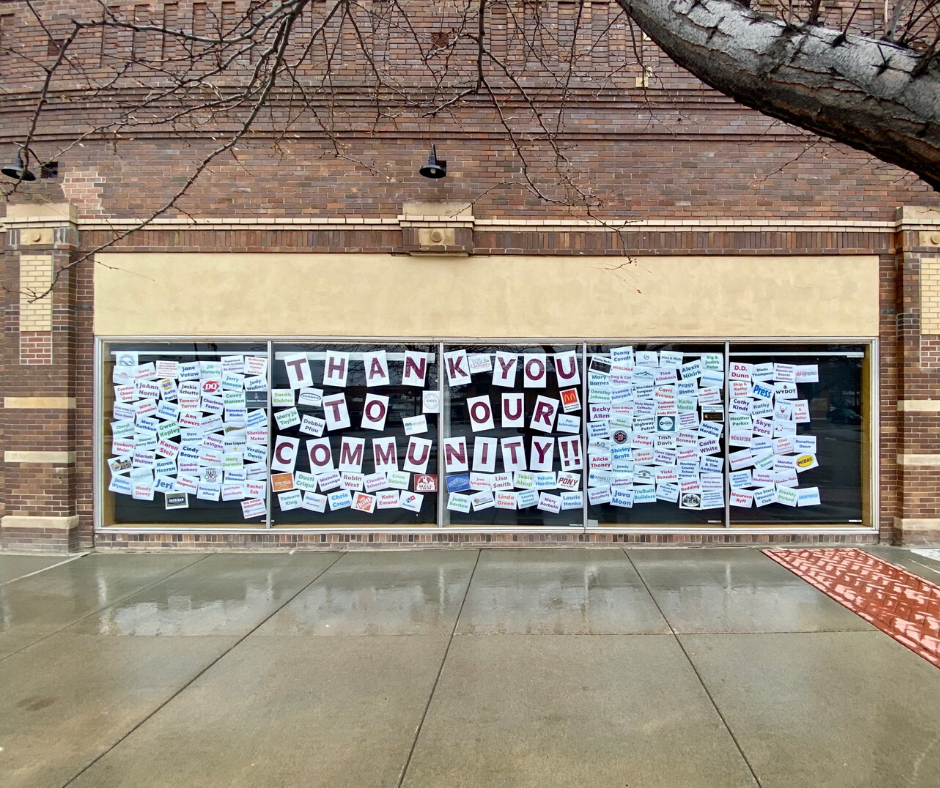
Why do we celebrate Doctor’s Day each year? Learn more about celebrating Doctors in our community and how you can contribute a message of thanks from the comforts of your own home.

National Doctors’ Day falls every year on March 30, and it is our time to say thank you for the passion, dedication, commitment, and excellent healthcare doctors offer to our community. It is a day to celebrate the contribution of physicians who serve our country by caring for its’ citizens in all areas of medicine. 

Living in a rural community, we are lucky to have doctors who will work tirelessly better themselves to ensure patients receive medical excellence – right here at home. From the certifications, they continue to renew and receive; to the advancements in medicine and technology, our Doctor’s study and practice, their profession demands constant innovation to better the lives of one’s patients. 

This Doctor’s Day, share a Thank You with your Doctor as they keep our community safe and healthy. Be it a smile at your next appointment or comment here, let the Medical Staff of Sheridan Memorial Hospital and this community know that we appreciate their hard work and dedication.

Future Business Leaders of America have been busy this year with countless projects and efforts as they prepare for careers in business through their efforts in academic competitions, leadership development, and educational programs. The Sheridan High School Chapter members have taken it upon themselves to work towards bettering the community they live in through their philanthropic efforts throughout Sheridan.

Last fall, the group sold Breast Cancer Awareness T-Shirts for the 11th year, to raise funds for The Welch Cancer Center at Sheridan Memorial Hospital. In November, FBLA organized fundraising efforts to collect change within homeroom classes and contribute funds to the Pediatric Unit at your community hospital.

This year, these driven students raised $2,000 for the Welch Cancer Center and an additional $2,000 for Pediatrics to donate to The Foundation and these respective departments! The donations are already being put to work at Welch Cancer Center in the areas of Comfort Care, Screening and Prevention. The Pediatric Funds immediately helped the pediatric unit purchase “toddler” cars to ease children’s anxiety during the travels of their hospital stay, as well as, purchasing the supplies to revamp the Pediatric Department with fun and welcoming murals for our tiny patients.

At the game to accept FBLA’s generous donation on behalf of the Sheridan Memorial Hospital and The Foundation were Tommi Ritterbusch – Welch Cancer Center Manager, Nina Beach – Advanced Oncology Certified Nurse Practitioner, Tandie Garland – Women’s Health and Pediatrics Manager, Cody Sinclair – Chief Development Officer, and Rochelle Pratte – Women’s Health & Pediatric Nurse.

Sheridan Memorial Hospital is grateful for the student’s dedication to increasing contributions in both areas this past year. Thank You to Sharon Deutscher and her outstanding FBLA students. Your hard work and philanthropic efforts truly exemplify leadership and what it means to contribute to our community, at any age.

February is American Heart Month and there’s no better time to learn about women’s heart health. Heart Disease is the number one killer of women causing more deaths than cancer, including breast cancer. Heart Disease is on the rise in Wyoming and throughout the country.

Sheridan Memorial Hospital invites you to join us on Tuesday, February 18th at 12:00 pm in the Community Conference Room located at 61 S Gould St, for our Health Talk on Women and Cardiovascular Disease. Enjoy lunch on us and learn from SMH Heart Failure Coordinator, Kristi Ramsey BSN, RCIS, CVRN on how Heart Disease affects women in Wyoming and the United States.

At the Health Talk you’ll learn about the common signs and symptoms of different kinds of Heart Disease and how to spot them. You’ll also learn how to optimize heart health and what treatment options are available.

This February protect your heart and join us for our Health Talk: Women and Cardiovascular Disease.

On Friday, February 7, 2020, the Sheridan Memorial Hospital Auxiliary presented donations totaling $37,000 to The Sheridan Memorial Hospital Foundation at its annual meeting and luncheon. With this gift, the Auxiliary has given $674,000 to Sheridan Memorial Hospital since 1991.

With a mission “to provide comfort to and better the welfare of Sheridan Memorial Hospital’s patients,” The Auxiliary Board members voted on the opportunity that best exemplified their purpose. Their funds will enhance patient care in several departments including Respiratory Therapy, Urgent Care, and Patient and Family Waiting Rooms.

Hospital leaders – Barb Hespen, Dee Gilson, Lacey Johnson, and Dr. David Nickerson gratefully accepted the gift presented on behalf of the numerous departments who will be positively impacted by this contribution. Also joining in the presentation were elated Foundation Staff and Board Members Richard Garber, Cody Sinclair, Dr. William Doughty, Ada Kirven, and Stella Montano. Auxiliary Board President Karen Steir and Trees of Love Chairwoman Joan Kalasinksy presented this year’s donation check to the department leaders and The Foundation on behalf of The Auxiliary Board and their membership.

“We appreciate the time spent coordinating and working alongside this generous and passionate board of volunteers,” explains Chief Development Officer Cody Sinclair. “This year’s donation is going to help enhance the patient experience throughout the entire organization and we are so fortunate to be able collaborate with such an incredible group.”

To learn more about getting involved in The Sheridan Memorial Hospital Auxiliary Board or Volunteering, please reach out to Development Coordinator Jasmine Slater at 675-2620 or by clicking here.

If you have had cancer, are receiving on-going cancer treatment or are closely connected to someone who is a cancer survivor, we invite you to join us.

The courses are designed to help those affected by cancer adjust to the challenges of “living well after cancer treatment”.

Let us partner with you by teaching you some tools to help you manage the distinct psychological, emotional and physical effects that often accompany cancer treatment.

These courses are open to anyone free of charge, no reservations needed and are held on the first Tuesday of each month from 6-7pm in the Welch Cancer Center Conference Room – 1585 West 5th Street.

Check out the schedule for the first quarter of 2020 which is attached to this story – you may attend any or all of the courses.

Questions: call 307.674.6022

Wyoming Rehab’s Cancer Rehabilitation Program can help patients before, during, and after cancer treatment. The program is a comprehensive treatment approach aimed at improving the physical function of individuals who have experienced cancer.

“It’s incredible how important cancer rehab can be in the life of someone who has or has had that diagnosis,” said the head of Wyoming Rehab’s Cancer Rehab Program, Charlotte Walter, DPT. “There are so many things cancer can effect in your physical functioning.”

In the past, patients with cancer were told to “take it easy” but this is no longer the case. Research shows that exercise is a safe and effective addition to an individual’s cancer treatment plan. Patients participating in supervised and structured exercise programs have been shown to have increases in aerobic capacity, leg strength, bone mineral density at the spine, and lean body mass superior to individuals only treated with usual care.

The Cancer Rehab Program is for anyone who has been diagnosed with cancer. An individualized starting point is determined for each patient depending on needs and diagnosis. When patients first come in an initial evaluation is done looking at their strength, balance, endurance, and pain and fatigue levels. Individuals are asked about their current levels of function and anything they’re having trouble with at home, work, and during recreation.

“We try to find things that the patients enjoy. For example I have a patient who enjoys walking and used to walk multiple times a day with her husband. That’s something she wants to get back to, so we focus a lot on walking, pacing, and energy conservation,” said Walter, a Physical Therapist. “The program starts with the initial evaluation, then we come up with an individualized plan to help reach the patient’s goals. The final step is either the transition to a home exercise plan or to a community based exercise program.”

Apart from the many physical benefits patients of the Cancer Rehab Program can see, there are also mental and emotional benefits.

“My favorite part is to see the emotional blossoming. These individuals have gone through an enormous treatment experience. They can come in sad, anxious, and nervous. We can show them this isn’t over yet. We can get them back and show them they don’t have to give up all of the things they used to do. Seeing that hope, confidence, and independence is so rewarding for me when I work with these patients,” said Walter.

Walter also discussed how incredible it is to have a program like this in a small town like Sheridan.

“I’ve had many patients tell me how happy and blessed they feel that they can get this kind of treatment, starting at the Welch Cancer Center, right here in Sheridan. They say how they were so encouraged when they didn’t have to go Billings or Denver to get that treatment. When patients see they can continue and complement that treatment here, with our trained health professionals and get the guidance they need, it’s a really special thing,” said Walter.

If you or someone you know is interested in the Cancer Rehabilitation Program at Wyoming Rehab, all you need to do is get a prescription for physical therapy from your oncologist or primary care physician. Cancer rehab sessions are billed through insurance and can differ based on an individual’s insurance plan.

For more information on the Cancer Rehabilitation Program, call Wyoming Rehab at 307-674-1632 or stop by 135 N Gould St, Sheridan, WY.

By Joseph Garcia, MD – Cardiologist from Sheridan Memorial Hospital’s Heart Center

February is Heart Month and it is particularly fitting that Sheridan Memorial Hospital has accomplished Accreditation by the American College of Cardiology (ACC) for the treatment of congestive heart failure.

What exactly does this mean?

It means that Sheridan Memorial Hospital has made management and treatment of congestive heart failure a major priority to improve patient quality of life, improve survival rates, reduce hospitalizations, keep patients employed (or doing as much of their daily activities as possible) within the limitations of their heart.

Congestive heart failure occurs when your heart muscle is unable to pump blood efficiently because the heart pump is either too weak or too stiff to be able to function. When the heart is unable to pump efficiently, the pressures inside the heart start to rise and the circulation starts to back up to the point where, in severe cases, you develop fluid in your lungs as well as swelling of your lower extremities.

Persons who start developing heart failure usually begin with symptoms such as shortness of breath on exertion or inability to breathe comfortably while lying flat ad having to prop themselves up to breathe better. Most persons develop fatigue, weakness, a faster than normal heartbeat, reduced exercise tolerance and increased urge to urinate at night. As heart failure symptoms worsen, persons may experience swelling of the abdomen and lower extremities, resulting in rapid weight gain from fluid retention.

Major conditions, which can result in heart failure, include significant obesity, poorly controlled high blood pressure, poorly controlled diabetes and coronary artery disease. Excessive alcohol and tobacco use also contribute to heart disease. Some medications, both prescription and over the counter, can also result in heart damage.

Not all conditions that lead to heart failure can be reversed, but there are treatments that can improve the signs and symptoms of heart failure and help you live longer. A person can undergo lifestyle modifications such as not smoking, controlling diabetes and blood pressure, staying physically active, eating healthy foods, maintaining healthy weight and controlling stress. By reducing these risk factors or undergoing necessary surgical options, heart failure can be minimized. The stronger your heart pump is, the longer the overall life expectancy will be for the patient.

The ultimate goal for diagnosing and managing heart failure is early recognition and intervention.  Patients that receive a new diagnosis of heart failure in our facility leave the hospital with a heart failure specific bundle.  This bundle consists of a scale, pulse oximeter, blood pressure cuff, a calendar, a recipe book for heart heathy cooking, and an education booklet on living with heart failure.  By increasing heart failure education and providing useful tools for success, patients will have a greater awareness and appreciation for their health.

Sheridan Memorial Hospital is proud to announce that the American College of Cardiology (ACC) has awarded SMH the Heart Failure Accreditation based on the hospital’s competence and specific standards that are in place to provide excellent care to patients with heart failure.

The mission of the ACC is to transform cardiovascular care and to improve heart health. Heart failure is a condition where the heart is unable to pump enough blood to meet the body’s needs for blood and oxygen.

“This is not an easy accreditation to obtain,” said Cath Lab and Interventional Radiology Manager, Kristi Ramsey, RN.

The accreditation is awarded after a rigorous onsite review by the ACC. The yearlong process is a review of 73 mandatory components that focus on the hospital’s policies, standards, protocols, and education related to heart failure. SMH staff reviewed policies and ensured that the ACC heart failure guidelines for patient care were met or exceeded.

“This is not a one and done process. It’s an ongoing internal look at how we care for the specific population of our community that has this disease,” Ramsey added. “It’s a constant rigorous look at policies, protocols, and standards and making the appropriate adjustments needed to evolve with the constant changes and improvements in the care of the heart failure patient.”

The ACC requires the hospital to submit documentation to show its continual process of improvement in heart failure care, including education offerings to providers, staff, EMS and the community; benchmarking and improvement in specific metrics showing a continual improvement over a six-month period; and tracking patient education and follow up post hospitalization.  

The Accreditation is for three years and then SMH will be re-reviewed on all 73 mandatory components for re-accreditation.

“We are honored to have earned this accreditation,” Ramsey added. “It took a lot of work on the part of many physicians and employees. It will definitely help us in our mission to provide excellent patient-centered care for our community.”

Small actions make a big difference. As we close the chapter on 2019 and open to the opportunities ahead in 2020, our community made countless efforts to ensure that the past year’s legacy continues to live on. Read more about the generosity that came in at the finish line and how it will make the difference to you in the New Year.

…And The Beat Goes On

You did it! The generous people of this community have yet again ensured that our patients, co-workers, friends, and family members will continue to have access to medical excellence – right here at home. We rejoice in celebration as we officially announced earlier this month that our community has matched and exceeded the initial campaign goal of $300,000 to support Project Heartbeat.

Thank You to every donor, contributor, and employee partner for the pivotal role they played in this campaign’s success. With the Project Heartbeat now complete, these state-of-the-art cardiac upgrades are in the beginning phases of purchase and will be in place at our rural hospital in the coming months.

A Woman’s Journey and Personal Message Influences the Health of Friends, Family & Community

On December 23, 2019, with friends and family by her side, Dana Arney Dent gave the extraordinary gift of cancer screenings and early detection for community members in need. As the founder of a local non-profit, Dana’s Hope, Dana presented $6,500 on behalf of the organization.

The Sheridan Memorial Hospital Foundation received this generous gift to help provide cancer screening and early detection of all types of cancer, with an emphasis on Colon Cancer. Dana’s Hope began in 2011 after Dana faced her journey with Colon Cancer at a young age. Once she successfully completed her treatment, she was determined to share her message with the Sheridan community through an event called the Bottom’s Up Bash. According to Dana, “Colon cancer is a preventable disease, and curable if caught early. In the past, colon cancer has been one of those health issues you never want to discuss. For me, it became my mission to make sure people were talking about it and doing something too. There are screening guidelines in place. People also have a responsibility to talk with their doctors if they notice changes or have a specific concern.”

One-of-a-Kind Quilts Made with Love Bring Joy to Little Patients at the Hospital

Since its inception in 2014, “Love in Stitches” quilters have shared their time and talents to create cuddly quilts for seriously ill children at Sheridan Memorial Hospital. Along with other organizations throughout the community, Sheridan Memorial Hospital patients in the Pediatric and Emergency Department are gifted these one-of-a-kind quilts to create comfort and support through difficult times.

On December 20, 2019, Penny Covalt and Cynthia Whiteman delivered a donation of beautiful quilts that bring their total contribution to over 115 quilts to your community Hospital. We thank them for their talents, kindness, and continued partnership with Sheridan Memorial Hospital.

Every year the employees of Sheridan Memorial Hospital find ways to give back by raising money for, or partnering with, good causes for the Sheridan Community. 2019 was no exception, this year SMH employees raised around $ 46,000 and donated hundreds of food items, clothing, and toys to several efforts throughout the community.

“We work hard to promote a culture of kindness and that shows when it comes to the amount of time and money our employees give back to the community.” Said SMH Community Relations Coordinator, Cecile Pattison.

Of the nearly $46,000 raised in 2019, $43,000 was from the SMH Employee Partner Program. In 2019, 516 employees participated in this unique philanthropic program through volunteer biweekly payroll deductions. Each year employee partners vote on a project to fund and this year multiple projects were able to be funded including, Project Heart Beat, Musculoskeletal Ultrasound Equipment, and Respiratory Therapy. Over the past 16 years partners have contributed $455,000 to improvement projects at our community hospital.

Another major giving effort throughout the year is Jean Fridays. On designated Fridays each month SMH employees can donate a minimum of $5 for the privilege of wearing jeans to work that day.

“We average one Jeans Friday a month depending on the cause and the money raised goes to various efforts,” said Pattison. “This year the money helped with The Link – Partners in Pink, a Thanksgiving Food Drive that fed 7 local families, Relay for Life, Out of the Darkness Walk, and the Sheridan Media Christmas Wish Campaign. Nearly $3,000 was raised through Jeans Fridays in 2019.”

SMH employees also took advantage of several other opportunities to give back in 2019 including:

  • Kozy Korner Gifts of Kindness – Employees donate cash to the Kozy Korner Gift Shop, and those funds are used to purchase gifts for patients in the hospital over Christmas. This year 13 presents were given to patients on Christmas Eve.
  • Aid stations at the Dead Swede Hundo Bike Ride, Bike MS Bighorn Country Classic, and the Bighorn Trail Run.
  • American Foundation for Suicide Prevention- Out of the Darkness Walk – information and support station.
  • Relay for Life – Employee teams raised funds through a bake sale and daffodil sales.
  • Toys for Tots Toy Drive – 2 large boxes of toys were donated this year.
  • Christmas Carolers – Each year the hospital invites carolers from various schools to come carol over the holiday season. This December over 230 students helped spread cheer to our patients, visitors, and staff.

“When you look at the efforts over the entire year, it is easy to see how much our employees care about our community,” Pattison said. “We want to help people and make a difference. Every day we care for people in the hospital as part of our jobs, but these efforts show that our people want to go far above and beyond that to help others.”

L-R – Nicole Opitz, RN; Brandie Neufer, RN;Lacy Slusser, RN; Angel Vielhauer, RN; Teara Leibee, RN and Megan Perkins, RN.

Six new registered nurses successfully completed the hospital’s six-month Nurse Residency Program. Their graduation ceremony was held last week.  This is the seventh cohort to graduate from this unique program designed to support the transition of new RNs to the practice environment.    

Key areas of focus in this program are not only clinical competencies necessary to care for patients and families, but the confidence needed to translate their learning and knowledge into clinical practice.  

This year’s group was selected from a large number of applicants.  Each participant is granted the opportunity to work one-on-one with an experienced nurse preceptor. They complete additional specialized training using a systems based approach to reinforce their education with real world hands-on nursing.  

Clinical Educator Tricia Colson and Director of Nursing Lacey Johnson congratulated the cohort and welcomed guests.  Tricia expressed the hospital’s excitement about welcoming the new nurses, “Working with this group has been such a wonderful experience for the education staff.  As educators, we work hard to provide these RN’s with the skills they will need to be successful and provide great patient care. We thank the managers, supervisors and preceptors for all their work to ensure the success of these residents. We also want to recognize and thank their families for supporting them during the past 6 months.”

By Christopher M. Prior, D.O. Sheridan Memorial Hospital Internal Medicine

Have you ever had a bad fall, felt like you were going down from being light headed or dizzy, or due to clutter in your surroundings? If so, then you know how scary it can be to feel out of control as you think about falling. 

For almost 20 years now falls have been the leading cause of fatal injury and the most common cause of nonfatal trauma related hospital admissions among older adults. Twenty five percent of people over the age of 65 fall every year.  One out of four fall victims will be admitted to the hospital and, on the extreme end, approximately 1% of those admitted to the hospital will die as a direct result of their fall. The financial cost of falls will surpass $67 billion annually next year according to the National Council on Aging.

There are many reasons why older adults may experience a fall.  Potential causes for the increased number of falls in the elderly may be in part due to: 

  • people living longer
  • living longer independently
  • living longer with chronic conditions
  • certain medication use
  • neurological deficit
  • cognitive impairment
  • lower extremity weakness
  • malnutrition
  • social isolation  

Fear of the cost of assisted living and poorly reimbursed home health may also contribute to placing the elderly at risk. Studies show a fear of falling and a sensation of gait unsteadiness are indications for interventions to reduce fall risk. 

Some interventions that have proven to decrease fall and fall injury risk include: 

  • limiting some medications 
  • regular exercise
  • proper diet 
  • vitamin D supplementation in those with low vitamin D 
  • correcting visual problems 
  • appropriate footwear 
  • removing environmental hazards

Studies show that for every medication taken more than 4/day the risk of fall increases by 14%.  Certain medications that affect balance, vision, and alertness may increase risk of falls. While it may be necessary to take certain medications due to individual medical problems (such as Parkinson’s disease, diabetes, or hypertension) a discussion with your medical provider and pharmacist can help with determining  the advantages and disadvantages of continuing medications that may increase the risk of falls.

Numerous studies show weight bearing and balance exercise can reduce the risk of falls in the elderly.  Neuromuscular training such as Tai Chi reduces the risk of recurrent falls by greater than 50%. While there are no specific guidelines as to the type or duration of exercise, the United States Preventative Task Force recommends exercise to reduce fall risk in those over 65 years old.

Elderly with low vitamin D concentrations are at a greater risk of loss of muscle mass, decreased strength, and hip fractures.  Vitamin D supplementation in patients with low vitamin D has shown to reduce risk of falls. The American Geriatric Society recommends supplementing with 1000 international units of vitamin D a day for adults at risk for falls with total vitamin D concentrations less than 30.

Visual problems such as cataracts, glaucoma, and macular degeneration contribute to fall risk.

Users of multifocal glasses had a reduced fall risk when wearing single focal length glasses for outside activities.  In addition, delays in second eye cataract surgery place patients at a greater risk of fall with injury at that time.

Environmental hazards such as broken or uneven steps, poor lighting, throw rugs or clutter increased risk of falls.  Handrails, slip resistant decking, and grab bars have proven to help reduce fall risk. Proper training and appropriate use of assistive devices such as canes or walkers may also help.  Appropriate footwear and orthotic devices to reduce foot pain have shown benefit in fall rate reduction as well.

It is impossible to prevent every fall and fall induced injury.  Intervention to identify elderly at risk for falls should include a history of falls, medication review, gait, balance, mobility, and environmental assessments. Multifactorial fall risk assessment has shown reduction in fall risk but no change in fall related morbidity and mortality.  The American Geriatric Society recommends a multifactorial approach to identify at risk elderly.

…And The Beat Goes On | Hospital Foundation Exceeds Matching Gift Challenge from the William F. and Lorene W. Welch Foundation to Support Project Heartbeat – Cardiac Care Equipment
 
It is with great pleasure that The Sheridan Memorial Hospital Foundation announces that our community has matched, and exceeded, the initial campaign goal of $300,000 to support Project Heartbeat. In early September, The Sheridan Memorial Hospital Foundation announced the kick-off to Project Heartbeat. This equipment campaign transpired due to the generous $150,000 challenge gift from the William F. and Lorene W. Welch Foundation to enhance care and technological innovation for the Interventional Cardiology team at your community hospital. 

The aforementioned state-of-the-art technology upgrade will be used by the cardiologists at Sheridan Memorial Hospital for accurate diagnosis and prompt treatment for patients. The IntraSight 5 allows the cardiologists to see pictures of the heart that are not well seen by other methods.  The Intra-Aortic Balloon Pump helps the heart pump more blood and supports a regular rhythm.  It is vital for patients during surgery and if transportation to a higher level of care is needed, it converts to a mobile unit which fits in the helicopter. With the recent campaign completed, these state-of-the-art cardiac upgrades are in the beginning phases of purchase and will be in place at our rural hospital in the coming months.

According to Cody Sinclair, Chief Development Officer, “The generosity and support of our community never ceases to amaze me. I am grateful to all 580 contributors and their ability to rise to the challenge in less than five months. Their overwhelming support for the best cardiovascular care, right here at home, will save the lives of many neighbors, friends, and family members.  Within The Foundation, we appreciate any chance to facilitate these opportunities and bring together leaders like The Welch Foundation and our incredible donors who believe in ensuring medical excellence and patient centered care are available to everyone.”

“The Welch Foundation has supported community health care for many years—since the first gift for the Patient Wing expansion in 1996,” said Welch Board Member Bill Ebzery.  He added “We made this contribution with great certainty that our community would meet and exceed the challenge! Ensuring everyone in our community has access to high level health care right here close to home is a priority for the board when looking at funding opportunities and we were confident that the community would also see the need to ensure excellent health care. We are proud to be a contributing philanthropic partner with the Sheridan Memorial Hospital Foundation and want to thank all the partners who joined alongside us in Project Heartbeat.”

For more information on Project Heart Beat and the Sheridan Memorial Hospital Foundation, contact Director of Donor Relations, Ada Kirven at 307-673-2417.

From Left to Right Hospital Staff & Quilters:  Love in Stitches Quilter Cynthia Whiteman, Pediatrics Manager Tandie Garland and Kenya Stewart RN, and Quilter Penny Covalt pictured in the hospital’s lobby with a new quilt delivery.

On December 20, Sheridan Memorial Hospital staff met in the lobby to receive a donation of handmade quilts from a local non-profit, Love in Stitches.  The handmade blankets were specially made for seriously ill children who have to visit the hospital for a variety of reasons.  The Pediatric and Emergency Departments distribute the blankets to their young patients.

Love in Stitches has delivered these soft and cuddly handmade quilts to many throughout our community since 2014.  The collaboration with Sheridan Memorial Hospital has been very successful and appreciated over the years.  The quilters love this project and according to Penny Covalt and Cynthia Whiteman, who made the delivery, “We especially love delivering quilts at Christmas time.  It’s very important for us to give back and support children who are going through a difficult time.  Hopefully, this brings some comfort and joy to those needing care.” 

Love in Stitches plans to continue the project.  Penny said, “As long as there are kids in need and we can sew, we’ll make our deliveries, with this batch we have given over 115 quilts to Sheridan Memorial Hospital—it’s a great partnership!”

Visit sheridanhospital.org or call The Foundation for information about how you can make a difference for a family in need, 307.673.2417.

From Left to Right: Welch Cancer Center (WCC) Nurse Practitioner Nina Beach, Dana’s Hope Committee Members Renea Parker, Amy LeDoux, Stacey Rozman, Dana Arney Dent, Hospital Foundation Ada Kirven, Dana’s Hope Committee Members Anita Schamber, Joanne Garnett, and Connie Goodwin, and WCC Manager Tommi Ritterbusch, and WCC Oncologist Dr. Megan Ratterman

January 3, 2020

The Sheridan Memorial Hospital Foundation received an extraordinary gift to help provide cancer screening and early detection for community members in need. The $6,500 was from Dana’s Hope, a local non-profit. Dana Arney Dent, the organization’s founder, delivered this contribution along with an awesome group of friends and family on December 23, 2019.

Dana’s Hope began in 2011 after Dana faced her journey with Colon Cancer at a young age. Once she successfully completed her treatment, she was determined to share her message with the Sheridan community through an event called the Bottom’s Up Bash. According to Dana, “Colon cancer is a preventable disease, and curable if caught early. In the past, colon cancer has been one of those health issues you never want to talk about. For me, it became my mission to make sure people were talking about it and doing something too. There are screening guidelines in place. People also have a responsibility to talk with their doctors if they notice changes or have a specific concern.”

According to the Colon Cancer Prevention Project, everyone is at risk for colon cancer. Colon cancer occurs most often in men and women age 50 and older, though 10% of cases (and growing) are in people under 50. Timely screenings save lives. Colon cancer usually starts from polyps in the colon or rectum. Screening finds polyps so that they can be removed before they turn into cancer. Screening tests also find colon cancer early when it is most treatable.

Hospital Foundation Director of Donor Relations, Ada Kirven, spoke about the hospital efforts to help those in need of screening, “For two years our Link-Partners in Pink event has raised funds specifically to help those with special financial needs access all kinds of cancer screening. Screenings include breast, colon, lung, prostate, and others. We encourage our patients to call one of the Hospital’s Financial Advocates to see how to qualify and access these funds. These efforts are a pivotal step in taking healthcare into your own hands. No one should feel they can’t afford to have a screening, and our community, business sponsors, and racers have made funding for screening a top priority.”

Visit sheridanhospital.org or call The Foundation for information about how you can make a difference and support healthcare for our community, 307.673.2417.

December 18, 2019

Our Gratitude tells the story of how your gifts are responsible for ensuring excellent patient care for our community.  Our Board President’s account of the kindness and care her family received is just one of the many examples in the Gratitude Report.  Click here to read more about and experience The Foundation’s 2019 Gratitude Report.

Each day, we at the Sheridan Memorial Hospital Foundation find ourselves in a unique position to support experiences, opportunities, and innovation at your community hospital. The last year is full of stories that we are proud to tell and excited to share in this year’s Annual Report. You will see pictures and read stories about your gifts that support excellent patient care. You will find Kristi Von Krosigk, our Board President’s account of the kindness and care her family received. This year’s Annual Report shares with you the story of The Foundation at Sheridan Memorial Hospital, and all the people we are grateful to call our members.

We appreciate the donations you made to last year’s projects and membership gifts to meet the hospital’s greatest needs. It is because of your ongoing campaign support; our team now provides 3D mammography and other cancer screenings to support the early detection of cancer for our community. You have changed the course of care for Radiology Patients by keeping MRI procedures and care, right here at home in our new MRI Suite. Thank you for the touching gifts you made to honor and those you wish to remember for the years to come. It is because of the vision, mission, and passion behind this organization that we find ourselves overwhelmed with gratitude as we near the finish line of 2019.

Foundation Members, Sponsors, Board Members, Volunteers, Employee Partners, Donors, and Sheridan Memorial Hospital Staff instrumental in carrying out the many positive enhancements to patient-centered care and utilizing life-saving equipment here at your community hospital. As we prepare to embark in 2020, we wish health for all of our friends near and far.  We also find ourselves grateful for the remarkable generosity and culture of kindness we are surrounded by here at Sheridan Memorial Hospital.

We invite you to share in our 2019 Gratitude Report by experiencing it here. From The Foundation at Sheridan Memorial Hospital, we wish everyone a happy, healthy new year – with much to be grateful for.

December 2019

On Thursday, December 12, Sheridan Memorial Hospital employees gathered for a special breakfast and celebrated their contributions to the hospital’s Foundation.  Currently over 516 staff members participate in this unique philanthropic program and donate through biweekly payroll deductions. 

In 2004 the idea for Partner giving program began with a few faithful employees.  It has steadily increased year over year.  Over the past 16 years, Partners have contributed $455,000 toward patient care improvement projects at our community hospital.  Annually in December The Foundation hosts a holiday breakfast to honor and celebrate the Employee Partners.  During the event, Partners vote to fund a strategic hospital project with the monies accumulated over the past year. 

This year, the hospital’s Employee Partners voted, and will put their $43,000 toward multiple hospital projects in the coming year. Part of this year’s funds will go towards fully funding the Musculoskeletal Ultrasound Equipment, MSK-US, to welcome back Dr. Widener and support the hospital’s Rheumatology Practice, opening in 2020. Contributions will also go to fund equipment for our Respiratory Therapy team, allowing for enhanced patient care throughout our hospital.

Along with these two projects, we are ecstatic that our partners will ensure that Project Heartbeat will be fully funded by the end of this year. This campaign kicked off in the fall to raise funds for Cardiology and Cath Lab, set forth as a matching opportunity through the William F. and Lorene W. Welch Foundation.

According to the hospital’s Chief Development Officer Cody Sinclair, “Our employee support is impressive on so many levels.  They provide excellent care for our patients and their families every day, and on top of their work they continue to make donations which support the mission and vision of healthcare for our community.  It’s an honor to work with the entire team.”

For more information about The Foundation, please contact Ada Kirven at 673-2417.

2019 Christmas Card Art Contest Winners:  Izzy Dennee (left) and Faith Hetzer (right)

December 2019

Congratulations to 5th graders Faith Hetzer from Meadowlark Elementary and Izzy Dennee from Sagebrush Elementary. They’re the winners of the Sheridan Memorial Hospital Christmas Card contest and will have their spectacular artwork showcased on the 2019 hospital Christmas card.

Sheridan Memorial Hospital would like to thank all of the talented Sheridan County 3rd, 4th, and 5th graders who submitted their artwork this year. Students were asked to design artwork that captured the theme of The Birth of Jesus, or as many know it, The Nativity Story.

All of the entries are on display now through the holiday season in the hospital lobby for everyone to enjoy. Come see all of the incredible artistry and imagination for yourselves.

New Family Nurse Practitioner

December 2019

Jeff Shideman is a new Family Nurse Practitioner (FNP) at Sheridan Memorial Hospital’s Internal Medicine Practice, but he’s no stranger to Sheridan or Wyoming.

Originally from Minneapolis, Shideman moved out West for a position in Buffalo. Utilizing his first degree in wildlife biology, he took a job doing seasonal field work. While in Buffalo Shideman was introduced to his wife through a mutual friend and has been in Wyoming ever since.

“It’s my 14th year in Wyoming and my family and I have bounced around,” said Shideman, “We’ve lived in Sheridan, Pinedale, and we’ve been in Cody for the past 10 years.”

Healthcare has always been an interest to Shideman. He took first aid classes in high school and college, and had the opportunity to turn it into a career in Wyoming.

“While working in Pinedale I had the opportunity to volunteer with an ambulance service and fell in love with healthcare at that point,” Said Shideman. “I turned it into a fulltime job and went back to school to be a paramedic, then to nursing school, and it worked out to me being a nurse practitioner.”

Shideman recently graduated from the University of Wyoming with his Nurse Practitioner degree and before that he graduated with his second Bachelors degree in nursing. Before going back to school for nursing, he was a paramedic for 10 years in Cody. He then did primary care nursing at a clinic for 3 years in Cody. Shideman did his Nurse Practitioner internship at Sheridan Memorial Hospital this past Summer and was immediately drawn to the culture.

“I really liked everyone I worked with and the culture here. Everyone was very friendly and supportive of me when I was here as a student. The way the staff worked really well together isn’t something you see everywhere,” Said Shideman. “That was one of the big draws for me.”

A father to two boys, he loves spending time with them in the outdoors. Whether it’s hunting, fishing, or camping. As both a family man and an outdoor lover, Shideman is excited to be in Sheridan.

“I’m excited to able to spend time with my family, and to live in an area where we can do everything we enjoy as a family,” Shideman said. “Sheridan offers a lot of what we like to do and it’s a good place for my boys to grow up and go to school.”

***
Jeff A. Shideman
Undergraduate, BS Wildlife Biology: University of Minnesota – Minneapolis, MN
St. Anthony’s Hospital Paramedic Academy, Cycle 85 – Denver, CO
Undergraduate, BS Nursing-BRAND: University of Wyoming – Laramie, WY
Doctorate of Nursing Practice, Family Nurse Practitioner – University of Wyoming – Laramie, WY

by Kristopher Schamber, MD at Sheridan Memorial Hospital’s Internal Medicine Practice

November 2019

Transitions of care from one’s current living environment to another often is one of the biggest decisions a person or their care partner must make. Transitions can be thought of in two different categories: living arrangements and types of care.

Living Arrangments

Independent Living, also known as Senior Housing, is an apartment for Seniors, age 55 or older, paid for by the resident, and may be government subsidized. Examples include Heritage Towers, Covey Run, and Sheridan Square.

An Assisted Living is apartment style living with added services, including 24-Hour emergency call systems, medication management, wellness programs, life enrichment activities, three meals daily, and others. It is paid for by the individual. To qualify, one must be independent with eating, drinking, bathing, and toileting, and not have active medical conditions that require the help of medical personnel on a daily basis. Examples include Elmcroft of Sugarland Ridge and Willow Creek

A long-term care facility, also known as nursing home, is the type of care situation that almost all older folks fear. It is a place of living that provides the following: medical visits in the facility, coordination of medical care outside of the facility, medication management, all meals, therapy, and help with bathing, toileting, and feeding. It is generally paid for by the resident and may also be covered by long term care insurance. A person may qualify for long term care Medicaid coverage, but all assets must first be exhausted (house, savings, etc). Examples include Sheridan Manor and Westview.

Types Of Care

A skilled nursing facility, also known as a rehab facility, provides care focused on rehabilitation after an acute illness or surgery. It may be part of a facility that also provides long term care. Physical and occupational therapy, nursing services, medication management, and meals are provided for. To qualify, one must have a medical condition that requires a specific type of medical help being offered at the facility (ex. Physical Therapy), must be able and willing to participate in therapy, and for Medicare, must have a qualifying hospital stay within the last 30 days (3 nights or more as “inpatient” status). Care is paid for by the patient and insurance. Coverage with private insurance is variable depending on the plan. Medicare covers 100 days per qualifying period, where the first 20 days is paid 100% by Medicare, and days 21-100 paid by the patient at $164 per day co-pay with the remainder picked up by Medicare. A supplemental insurance plan may cover costs as well.

Home health care is short term skilled nursing care provided in the home. Services include therapy, nursing, aid services, medication management, and social work. To qualify, the person receiving care must be safe and independent at home, must have a medical condition that requires a specific type of medical service, must be able and willing to participate in therapy, and must not be able to leave the home without assistance.

Hospice is a specific type of palliative care. It is a philosophy of care for patients with a terminal illness who have a life expectancy of six months or less and who choose not to seek curative treatment for their illness. The goal of hospice care is to make the patient as comfortable as possible by relieving symptoms of the disease and to support the patient and family emotionally and spiritually during the final months of life. Hospice is provided primarily in the home and is covered entirely by Medicare and most private insurance plans.

Difficult Conversations

When having a difficult conversation with a loved one about transitioning to a different living or care situation, try to remember this is their life. Discuss health goals, life goals, hopes and fears, and what is important to them. Discuss possible benefits and be honest about your concerns. Try to genuinely understand.

Older adults value their independence above almost anything else. Most, if given the choice, wish to stay in their own home. This may not always be possible due to a number of different factors, however we as a community, as family members, as care providers, owe it to these folks to try and preserve their autonomy and allow them to live independently as long as possible.

Click here to learn more about Internal Medicine at Sheridan Memorial Hospital.