Welcome to Sheridan Memorial Hospital
1401 West 5th St. Sheridan, WY — 307.672.1000

News and Community

It's Women's Health Month, and the Sheridan Memorial Hospital Women's Clinic is here to help answer any questions you have about women's
The Patient Portal: Knowledge is Power…but knowledge is more powerful when we put it into
Every April, organizations throughout our community and country pause to recognize and
April is Testicular Cancer awareness month. Testicular cancer is the most common solid tumor among males age 15-34 years old. The American Cancer Society estimates almost 10,000
Listen to what Dr. Emily Denney & Dr. Erica Rinker share about Healthcare for All Ages at SMH Primary Care!
Sheridan Memorial Hospital (SMH) has been recognized as one of the Top 100 Rural &
The Sheridan Memorial Hospital Foundation Staff and Board of Directors are pleased to welcome
March is National Colon Cancer Awareness Month, an appropriate time to explore this topic. Colon or Colorectal Cancer (CRC) is one of the
What is National Nutrition Month? Every March, this annual campaign invites people to learn more about making informed food choices and
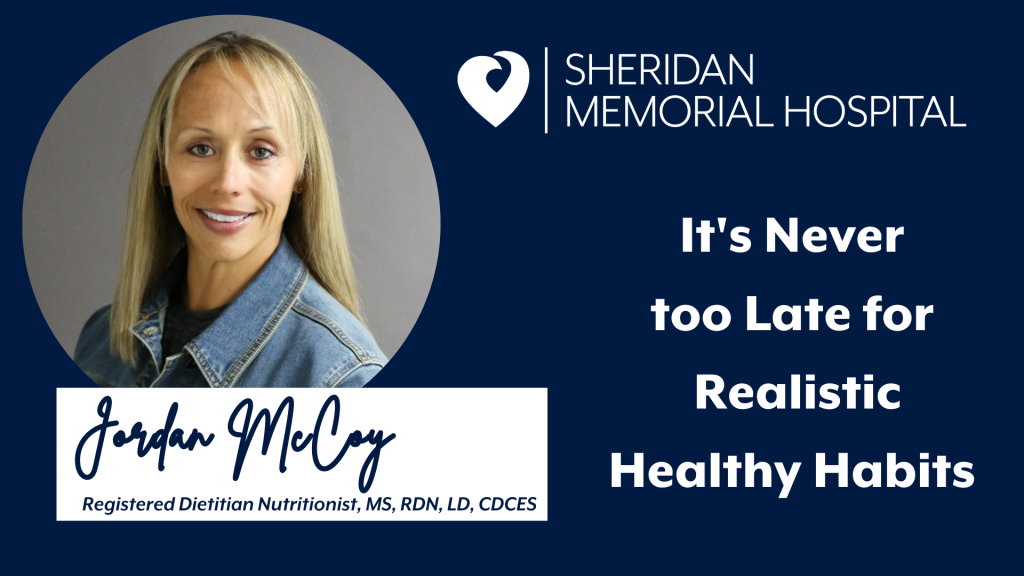
Listen to what Registered Dietitian Nutritionist Jordan McCoy, MS, RDN, LD, CDCES from Sheridan Memorial Hospital shares about SMH's
Sheridan Memorial Hospital is excited to welcome Dr. Emily Denney, DO, to the Primary Care
Today we will be talking about gut health. The gut, or gastrointestinal (G.I.) tract, generally refers to the stomach, through the small and
On Wednesday, December 8, 2022, Sheridan Memorial Hospital Foundation hosted their annual holiday breakfast to honor and celebrate
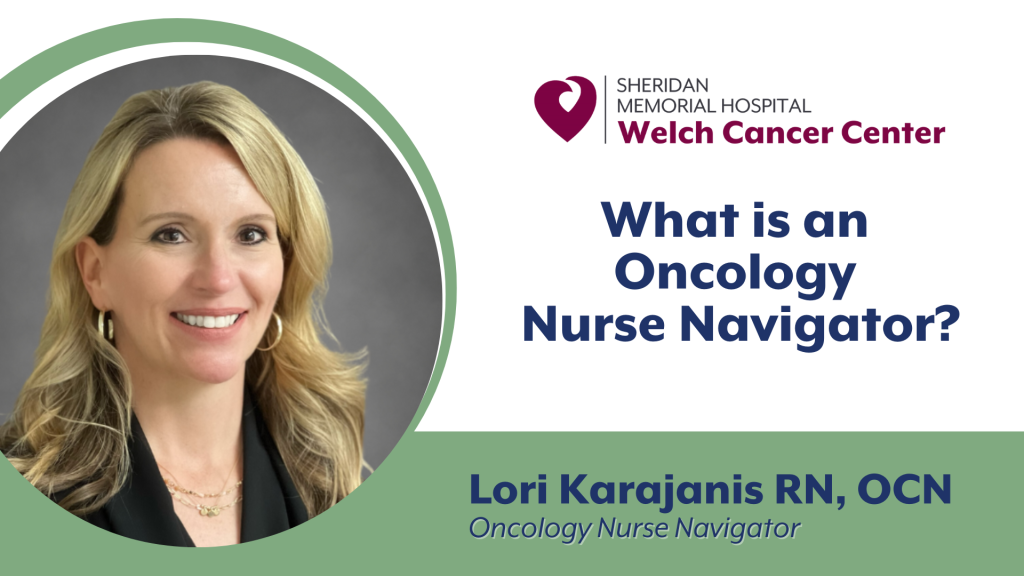
I am a nurse at the Welch Cancer Center, and I love my job. Every day my incredible coworkers and I come together with the same goal- to give
Each year in February, we celebrate National Cardiac Rehabilitation Week to draw attention to the role of cardiac rehab in reducing the
In September 2022, Sheridan Memorial Hospital (SMH) opened up the new, expanded Transitional Care Unit (TCU) on the 2nd and 3rd floors of the
Each year, Sheridan Memorial Hospital (SMH) employees find ways to give back to the community. “Our community is so supportive of
The Sheridan Memorial Hospital (SMH) Foundation was honored to host a memorial unveiling for a

It’s Women’s Health Month, and the Sheridan Memorial Hospital Women’s Clinic is here to help answer any questions you have about women’s health. Whether you have questions about common conditions, preventative care, or anything else related to women’s health, we have the answers. This month, we’d like to share a few of the most common questions we receive about OB/GYN and pregnancy care to help women get the answers they need to take charge of their wellness.

OB/GYN Care

What is the difference between gynecology and obstetrics?

In general terms, gynecology focuses on women’s medical issues, specifically those related to the reproductive or urological organs. Obstetrics, on the other hand, is concerned with prenatal care, pregnancy, and labor and delivery. Because these two fields are so closely related, many physicians will study both and provide both types of care.

When should I have my first gynecological exam?

The answer to this question will depend. If you are experiencing problems or become sexual activity, you should see a gynecologist regardless of your age. Otherwise, you should consider scheduling your first pelvic exam around age 21.

What should I expect during my first visit to the gynecologist?

Typically, during your first exam, you will be asked to provide a detailed medical history and be given a few simple screening tests.

Pregnancy Care

When should I have my first prenatal visit?

If you suspect that you may be pregnant—if you have tested positive with a home pregnancy test, for example—you should call to set up an appointment right away. We will schedule a visit about eight weeks from your last menstrual period.

Are there any options for treating morning sickness?

Absolutely. Non-medical treatments may include eating something bland, like dry toast or crackers, before getting out of bed in the mornings. Foods that may be particularly difficult on the digestive system, such as greasy or spicy foods, should be avoided as they can exacerbate nausea. Try to take any medications with food rather than on an empty stomach, and drink plenty of water!

Sheridan Women’s Clinic has a great team of providers ready to take care of you. Our Clinicians offer comprehensive services for complete women’s health, from preventative well women’s exams to specialized OB/GYN care. If you have any questions regarding women’s care, from puberty through menopause and beyond, please don’t hesitate to reach out. We are here to help!

To learn more, visit SheridanWomensClinic.org or call us at 307.672.2522.

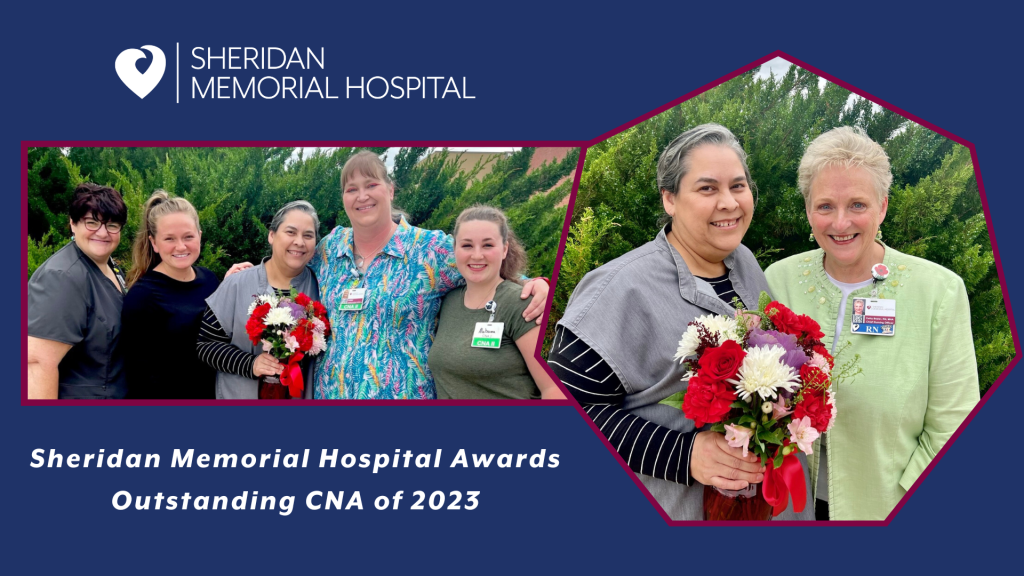
Each year, Sheridan Memorial Hospital (SMH) celebrates Nurses Week with several traditions.  One of them is presenting awards to outstanding staff:  Nurse of the Year and Friend of Nursing.  Chief Nursing Officer, Cathy Bealer presented the awards at the ceremony on May 9.

Nominations for both awards are submitted by employees who want to recognize their peers.  The announcement of these awards is timed to be just in time for Florence Nightingale’s Birthday, May 12 – which is the culmination of National Nurses Week.

The Friend of Nursing Award, which recognizes non-nursing staff for their work in communication, attitude, responsiveness and engagement as it relates to nursing, was given to Hailey Blaney, Administrative Assistant at the hospital’s Addiction and Internal Medicine Clinic.

According to the nominations written by some of her peers: “Hailey is a fantastic addition to our team – a great team member – she is able to communicate effectively using multiple modes of communication. She is always timely, precise and kind in her approach. Hailey also is a friendly face for patients; she is kind in her interactions and is able to meet patient needs very well. Hailey has a great smile and is always calm and pleasant. Hailey never has a negative thing to say, she is very helpful and always works around the office to make sure that things are running smoothly. She always works hard to make sure everyone has everything they need to get their tasks completed and makes great suggestions to help improve workflow and patient care. Even on the most hectic days, Hailey greets each patient by name and ensures that they receive the time and attention they deserve.”

“If I had a quarter for every time I asked Hailey to help with a task and she already had it done I would be a millionaire! Hailey has a great ability to anticipate needs and takes the initiative to complete tasks. Hailey is a fast learner and gladly accepts new tasks regularly, then completes them effectively and efficiently. She is very organized and has a great work ethic; she makes sure that clinical staff is well informed about processes that affect patients across the continuum of care.  She definitely keeps our clinic running smoothly and makes working together a joy.”

“Hailey single-handedly implemented an improvement process for our patients to meet with the financial advocate department which is now a model for other departments. She is in-tune with every single patient, building relationships with them, knowing their names and their children’s names.  During Christmas, when doing collections for families, she knew what gift to give out to each child because she knew them so well.”

She is a great coworker and we could not take care of our patients as well as we do without Hailey’s help!”

Additional nominees for the award included:  Melissa Dominguez, Information Systems Analyst; Sarah Schneider, Ultrasound Technician; Yolanda Petermann, Welch Cancer Center CNA;

Dr. Mary Bowers, Goose Creek Pediatrician; Laura Powell-Rousey, Social Worker/Case Manager; and Drew Worman, Biomedical Engineer.

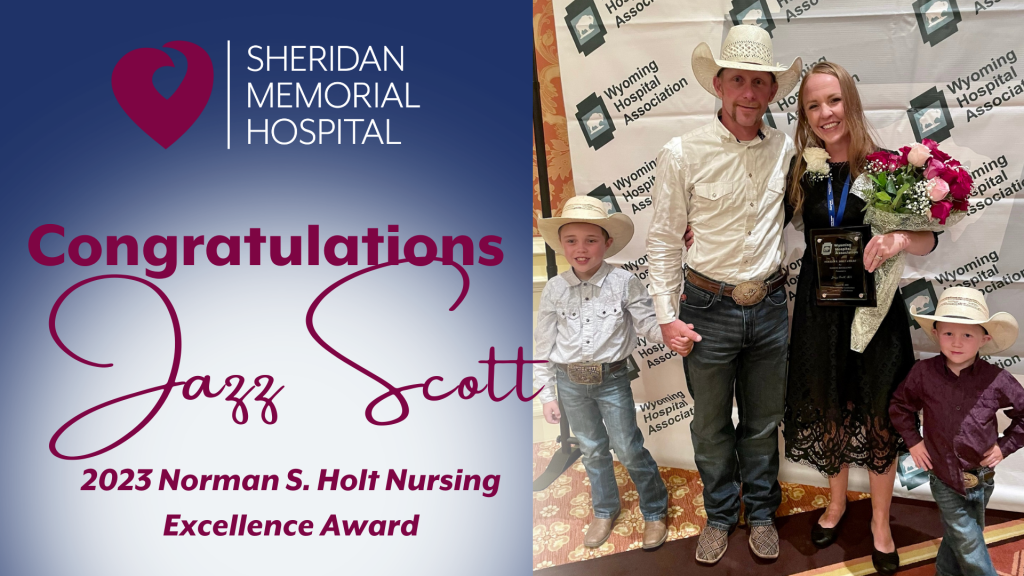
The Nurse of the Year Award acknowledges a nurse who demonstrates exemplary dedication to the profession, to patients and to the hospital.  This award was presented to Jazz Scott, Registered Nurse in the hospital’s Women’s Health Department.

Jacy Todd’s peers had this to say: “Jazz never wavers in the face of difficulty and exemplifies many qualities of an outstanding nurse and colleague.  Over the past year, she has been a key player in managing an extremely complex pediatric infusion process.  She demonstrates the qualities of a team player and has developed a wonderful rapport with other departments. She can be relied on at any time to assist with any questions that arise.  She never hesitates to find the right resources to take care of patients.  Without her positive attitude and high standard of professionalism, she would face barriers and instead, in every situation, she is calm, cool, collected and is extremely organized and proactive with her processes, prioritizes the patient at all times and delivers high-quality care not only to the patient but the family.  An example of her patient-centered care was when she helped organize a birthday party for a pediatric patient.  This patient was flooded with love and care, which they deserved.  She is what “good” looks like when it comes to being a nurse.  Her care and thoughtfulness truly exemplify our mission to serve our community with excellent patient-centered care.”

A patient had this to say about Jazz:  “These are the things that separate a great nurse from an extraordinary nurse when they know what to say when things don’t go as planned.  She helped me manage through a difficult time.  When faced with the reality that my son had deformities, Jazz let me know it was ok to acknowledge he was different, but what matters is what is inside, his heart and his head.”

As the patient slowly introduced her son into the world with the advice Jazz gave her, she was able to see the progress in her son.  Part of this patient’s happiness about the things her son has overcome was due to Jazz helping her during an overwhelming day.  She has had a huge impact on patients.

Additional nominees for the award were:  Amanda Stach, Medical/Surgical RN; Chali Dobrenz, Intensive Care RN; Jacy Todd, ICU RN; Grace Stump; Patient Safety/Regulatory Specialist RN; and Kara Sampey, Transitional Care RN.

According to Cathy Bealer, Chief Nursing Officer, “These award winners and all our nominees deserve recognition and appreciation for all they accomplish to bring care to our patients and community.  They exemplify quality in nursing and set the standard for organizational excellence.  Their outstanding contributions and dedicated work makes Sheridan Memorial Hospital the best place to go for patients, their families and our community.”

By Kelly Lieb, DMSc, PA-C – Director of Patient Experience at Sheridan Memorial Hospital

The Patient Portal: Knowledge is Power…but knowledge is more powerful when we put it into use
Research tells us there are positive relationships between patient engagement and shared-decision making when we evaluate health outcomes for our patients. With this comes the opportunity for patients to be empowered and positively impact their care. The Patient Experience Department at Sheridan Memorial Hospital values effective communication through a human experience and interaction with your care teams. We believe that the simple acts of connection, listening, and understanding of the patient’s journey contribute to the highest quality of care.

Not only are we living in a world of human connections but also digital interactions, which is also part of the patient journey. Providing a digital experience where patients can positively impact their care and, ultimately, health outcomes is a priority of our care team as we move even further into a digital world.

Improved timeliness of responses
The MySheridanHealth patient portal provides a digital opportunity for effective communication with clinical teams and improved timeliness of responses. We want to provide patients with care that respects their time, and supports improved access and decreased wait times. We recognize that your time is valuable, and the desire for quality and timely access to care is a priority for our patients. When we optimize the technology provided, we can connect and effectively empower the patient-provider relationship in real-time and at our fingertips. Knowledge is power, but knowledge is more powerful when we put it into use.

Most efficient way to communicate with your medical team
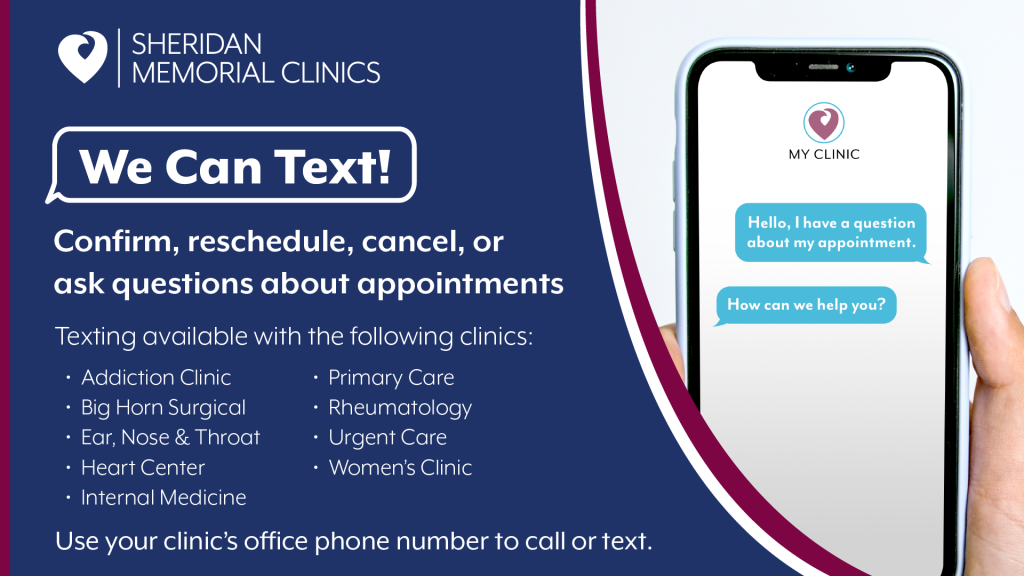
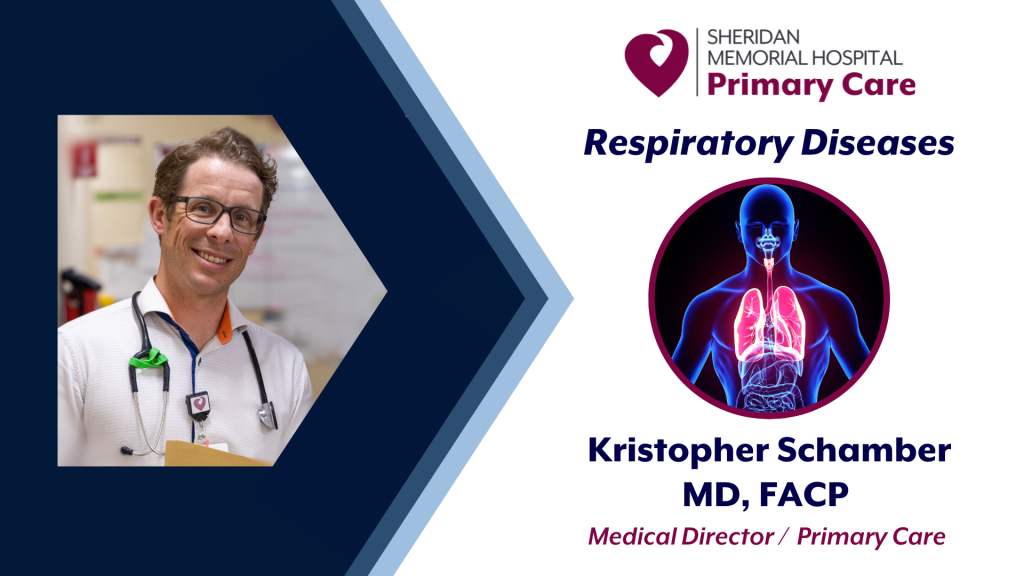
Did you know that MySheridanHealth is available at no cost to all patients receiving care at Sheridan Memorial Hospital and its affiliated clinics, including Internal Medicine, Primary Care, Big Horn Surgical, Ear, Nose and Throat, Heart Center, Rheumatology, Wound Care, and Women’s Clinic? Here, you can review your appointments, request medication refills, conveniently communicate with your healthcare provider, track health conditions, view results, and much more. “Using the patient portal is the most efficient way to connect with your medical team in any one of our clinics. You can request medication refills, discuss concerns, and feel connected to your care team,” according to Kristopher Schamber, MD.

It is also possible to review summaries of recent visits, surgeries, and procedures. The awareness and understanding of the information the portal provides can help you track your health conditions, manage your goals, and communicate directly with your provider. “Patient portal messaging is a great way to communicate with us, no waiting on the phone, direct communication, and no phone tag,” shares Hannah Hall, MD. It also allows for more effective human connections so that when you and your provider are face-to-face, you are on the same page and can move your care forward together.

Convenient and Confidential
The patient portal is not only convenient but also confidential, secure, and easily accessed 24 hours a day via an app on your cell phone (HealtheLife on the Apple App/Google Play Stores) or through a computer by accessing the MySheridanHealth.org website. We invite you to participate in the patient portal at Sheridan Memorial Hospital and work with us to optimize your knowledge and management of your healthcare. Welcome to the digital experience.

Learn more or get signed up on the patient portal at MySheridanHealth.org. Our SMH Records is here to help! Please reach out with questions at 307.672.1070 today!

Every April, organizations throughout our community and country pause to recognize and appreciate some of their most selfless team members. The teammates who show up without traditional pay, the ones without your typical form of benefits, and those who will show up far earlier for a shift than many others  – we pause to celebrate and thank our volunteers. We take this opportunity to showcase and show gratitude for their invaluable impact and the culture we strive to create at your community hospital. At Sheridan Memorial Hospital (SMH), our volunteers are the heart of our organization. Every service given to our hospital is another chance to further our mission and provide excellent patient-centered care to everyone in our community.

For numerous reasons and in thousands of instances, people choose to volunteer. Many will tell you it’s great to get involved in your community and feel a part of something after their well-earned retirement. It’s a beautiful opportunity to give back to the place you call home. Volunteering allows you the space to fuel your passions and share your favorite pastimes with others. You can learn new things, develop new skills, and meet new people. It will get you out of the house, help you build a new routine, and give you something to look forward to throughout the day. It can help those of all ages learn the value of philanthropy in their community. Volunteering can be anything you want when doing it in the best space for you.

At SMH, we are lucky to work alongside unique, talented, and genuine volunteers who are irreplaceable resources to our organization. We are gifted with a group of individuals dedicated to SMH and the health and wellness of our entire community. Our volunteers make an effort to create an environment of comfort and cultivate a Culture of Kindness in everything they do. It wouldn’t be possible without them.

It is humbling to work alongside so many selfless individuals who choose to take the time to serve their community through numerous volunteer activities. I am fortunate to have the opportunity to get to know these individuals, share in their experiences, learning about their loved ones, and I’m honored to be part of their stories.

Thousands of interactions take place within our hospital every day. Many vulnerable patients and visitors, countless grateful new parents and families, passionate staff and professionals all making connections big and small. SMH volunteers are at the core of these interactions in our waiting room, gift shop, cafeteria, hallways – everywhere. Our volunteers are part of our culture, our patient experience, our family. Their friendly greetings, genuine smiles, kind hearts, and overwhelming support for all they encounter complete the heart of Sheridan Memorial Hospital. We appreciate the smiles in their eyes and welcoming demeanor and feel their warm presence in the hallways of our hospital. The past few years have taught us how truly invaluable our volunteers are.

Thank you for every book you’ve donated to our newborn babies. We appreciate all of the shelves you’ve stocked with exceptional inventory in our Kozy Korner Gift Shop, so we are the best dressed, and our homes and offices stay well decorated. We are grateful for all the Blood Drives you continue to coordinate, ensuring our blood supplies are stocked and replenished when SMH patients and neighbors need them.

We are thankful for every tiny patient you comforted with your scrubby bears before and after surgery, every 5-year-old you have celebrated in the last 63 years, and every time you guided us to our next appointment or relocated office on our hospital’s growing campus.

Our team can’t even begin to count how many people you’ve gifted a piece of home with the cards you’ve sold visitors for our patients, a kind note, or the sweet tooth you cured with our favorite candy bar in the late afternoons.

Thank you for joining us for all the meetings and phone calls, being present, sharing your thoughts and ideas, and all the events you have attended because you, too, believe in medical excellence – right here at home.

It’s impossible to measure how many times you’ve warmed our hearts and hallways and the number of people who have been positively affected by your generosity. It’s incomprehensible where Sheridan Memorial Hospital and I would be without you.

Jasmine Slater
Volunteer and Development Coordinator

To learn more about Sheridan Memorial Hospital’s volunteer program, go to www.sheridanhospital.org/community/volunteer-opportunities/ or
contact Jasmine Slater at
 jasmineslater@sheridanhospital.org or call 307.675.2620

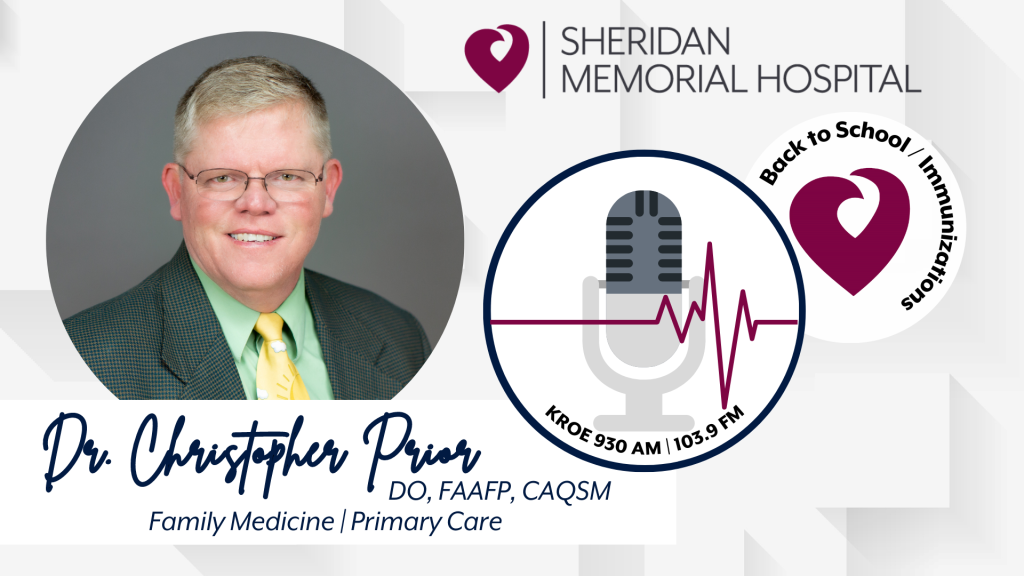
By Christopher M. Prior, DO, FAAFP, CAQSM– physician at Sheridan Memorial Hospital’s Primary Care practice
April is Testicular Cancer awareness month. Testicular cancer is the most common solid tumor among males age 15-34 years old. The American Cancer Society estimates almost 10,000 new cases will be diagnosed this year and about 460 deaths. The incidence of testicular cancer is about one per 250 young men, with a peak incidence between ages 30-34 years old. Testicular cancer has an overall five-year survival rate of 97%.

Risk factors include undescended testis, personal or family history of testicular cancer, age, ethnicity, HIV infection, and infertility. Whites, Hispanics, and American Indian/Alaska Natives have the highest rates of testicular cancer. The incidence of testicular cancer has increased over the past several decades for unclear reasons.

Symptoms of testicular cancer include:

  • Acute pain in the scrotum or testicles
  • Dull ache in the scrotum or abdomen
  • Firmness of the testicle
  • Painless solid testicular mass
  • Scrotal heaviness
  • Swelling

Epididymitis is another ailment that can present with similar symptoms to testicular cancer in the same age group. While a clinical exam can help differentiate the epididymitis from testicular cancer, an ultrasound of the scrotum is the imaging test of choice to diagnose these conditions.

The US Preventative Services Task Force recommends against routine screening in asymptomatic men by clinician and patient self-exams. The British Journal of Cancer reports that muscle-building supplements containing creatine, protein, and testosterone enhancing androstenedione increase the risk of testicular cancer by 65%.

Congress passed the PACT Act in August 2022. It included “reproductive cancers of any kind” on the list of presumed conditions for qualifying Gulf War and post-9/11 veterans exposed to toxins from burn pits. In this case, if you were exposed to burn pit toxins and now have testicular cancer, you do not need to prove the exposure caused the cancer because the VA has already established this connection. A claim may be initiated on your own, with the aid of the American Legion, DAV, VFW, or your local Veteran Service Officer Lisa Griffith 307.620.0884 or lisa.griffith@wyo.gov.

Young men must see their medical provider if they have symptoms related to testicular cancer. Survival rates have improved significantly as a result of increased surveillance and improved patient-specific or targeted therapies. Survivors need continued surveillance for possible re-occurrence, cardiovascular disease, infertility, as well complications of therapy.

Talk to your primary care provider about your healthcare concerns. If you don’t have one, check out Sheridan Memorial Hospital’s Primary Care practice or call: 307.675.2690.

Sheridan Memorial Hospital (SMH) has been recognized as one of the Top 100 Rural & Community Hospitals in the country for 2023, according to the Chartis Group. This is the eighth year in a row SMH has earned this honor. Over 800 hospitals were included in the study, with the Top 100 list developed using the Chartis Rural Hospital Performance INDEX®. The index assesses performance utilizing 37 independent indicators across eight areas of performance including quality, outcomes, patient perspective, cost, charges and finance.

SMH Chief Executive Officer Mike McCafferty said, “This honor is directly attributable to the expertise and commitment of our medical staff, our clinical care teams, and all of our supporting staff in all aspects of our health system. The culture that they create through our shared principles of respect for every individual, our focus on continuous process improvement and alignment across all areas of service, shapes the environment to provide value and an outstanding experience for our patients. Their commitment to these principles helps us to continually strive for operational excellence.”

According to a release from the Chartis Group, hospitals making the list serve as a benchmark for other rural facilities across the country. Michael Topchick, National Leader of The Chartis Center for Rural Health, had this to say about the hospitals making the list, “Across the nation, top 100 rural providers continue to serve as a source of inspiration for hospital leadership teams and staff working diligently every day to improve the delivery of care within their local communities. The list of award winners in each category is as geographically diverse as we’ve seen in some time, which is wonderful to see. We’re thrilled to be able to honor the outstanding efforts of these top-performing rural hospitals.”

The Chartis Rural Hospital Performance INDEX® is a trusted source for measuring and monitoring performance across a variety of areas impacting hospital operations and finance for rural hospitals and healthcare systems across the country.

Learn more about the hospital’s awards and accomplishments by following the link https://www.sheridanhospital.org/about-us/awards/

The Sheridan Memorial Hospital Foundation Staff and Board of Directors are pleased to welcome Chuck Burgess as their newest Foundation Board Director.

Chuck brings with him a high level of financial expertise. He has over 15 years of experience overseeing investment portfolios, including the right to use the Chartered Financial Analyst (CFA) Designation. His experience includes over 11 years as a senior portfolio manager at Frontier Asset Management, 3.5 years as the director of finance and supply chain at Sheridan Memorial Hospital, and he has been in his current role as a portfolio analyst with Eliason Financial since 2020.

Having grown up in Big Horn, family, and community are values instilled in Chuck. So, together with his wife, Nicki, they became licensed foster parents in 2016. This selfless and heartfelt decision has led to more than a dozen foster children having a place to stay at their home. They have had foster children as little as a newborn and as old as ten and have kept them for as little as 24 hours to as long as forever. Their two youngest children were foster children they eventually adopted.

Beyond spending time with his beautiful family, Chuck enjoys reading, coaching his kids, and watching sports.

With all the challenging work ahead of The Foundation, Chuck’s leadership, competence, and community spirit is a welcome addition to The Foundation Board. The Foundation looks forward to the experience, enthusiasm, and perspective Chuck will bring in the coming year and all we will accomplish for healthcare in our community – together.

To get the most up-to-date Foundation information and learn more about The Board of Directors, visit sheridanhospital.org/foundation or call Director of Donor Relations – Ada Kirven at 673.2417.

By Joshua Scott, MD – General Surgeon – Advanced GI Minimally Invasive Surgery – Big Horn Surgical

March is National Colon Cancer Awareness Month, an appropriate time to explore this topic. Colon or Colorectal Cancer (CRC) is one of the most common cancers in the United States and the second leading cause of cancer death behind lung cancer.

Screening is recommended simply because it can detect colorectal cancer early and prevent unnecessary deaths. Colorectal cancer incidence and mortality rates have been declining in the US, likely due to the increasing screening uptake.

Since colorectal cancers typically don’t produce symptoms, the practice of screening enables us to look for cancer or precancerous lesions in individuals without symptoms. Screening is incredibly effective when it comes to colorectal cancer because, from the time the first abnormal cells start to develop, it takes an average of 10-15 years for those cells to become a colorectal cancer. Therefore, as one of the most effective tools for preventing colorectal cancer, screening allows us to find and remove precancerous lesions such as polyps and help identify people who would benefit from more frequent screenings. In addition, small cancers that aren’t yet big enough to produce symptoms can also be identified.

The US Preventive Services Task Force recommends adults between the ages of 45 and 75 be screened for colorectal cancer. Although most cases of CRC occur over the age of 50, initiating screening at age 45 balances the benefits of detection and prevention with the burden on the patient and the risk of harm from screening. If you are older than 75, it is recommended that you talk to your doctor about the necessity of continued screening.

There are reasons to start screening earlier or stop later for some people. It is estimated that only about two-thirds of adults in the US are up to date with colorectal cancer screening. Every year, about 140,000 people in the US will be diagnosed with colorectal cancer, and 50,000 people will die from it. Our best tool to decrease both of these numbers is screening.

Risk Factors
The risk of colorectal cancer increases with age, with more than 90% of the cases we see being diagnosed in people age 50 or older. Many factors are associated with an increased risk of colorectal cancer. Some of these risk factors are related to lifestyle choices and are, therefore, modifiable. Maintaining a healthy weight, being physically active, not smoking or chewing tobacco, avoiding heavy alcohol intake, and eating a balanced diet that limits red or processed meat intake can all help decrease your risk of colorectal cancer.

Colorectal cancer can cause symptoms as it grows. These symptoms include seeing blood in or on your stool, unintentional weight loss, a change in bowel habits and weakness or fatigue caused by a low blood count.

Types of CRC Screenings
There are several screening tools for colorectal cancer, including tests done on your stool and colonoscopy. The stool-based studies either look for evidence of trace blood that can’t be seen by the naked eye or look for altered DNA that can be associated with abnormal cells in the colon. Stool-based studies that look for blood must be repeated annually if negative. A negative stool DNA test needs to be repeated every three years. However, if a stool-based test results with a positive outcome, it will need to be followed up with a colonoscopy. Stool-based studies are only appropriate for patients with an average risk of colorectal cancer. Average-risk individuals are those who have no personal or family history of adenomatous polyps or colorectal cancer or other risk factors such as inflammatory bowel disease like ulcerative colitis or a genetic predisposition.

A colonoscopy is a procedure that uses a fiber-optic tube and air to examine the colon’s lining. Colonoscopy allows for the identification of polyps and their removal, or biopsy if the polyp is too large, at the same time as the procedure.

Depending on the findings during the procedure and individual risk factors, a colonoscopy may be repeated every year for high-risk individuals to a more typical range of 7 to 10 years.

For many, the worst part of a colonoscopy is the bowel prep, which is done at home the evening and morning before the procedure. The bowel prep cleans out the colon so it can be adequately examined during the colonoscopy. A good bowel prep is essential to getting a good colonoscopy as it helps the doctor detect and remove polyps more easily.

The colonoscopy itself doesn’t hurt. Patients are given sedating medication, which helps with discomfort, and many patients won’t remember having the procedure once it’s complete. Colonoscopy patients will need a friend or family member to drive them home after the procedure. Typically a patient will be able to eat and drink normally afterward.

Reach out to your physician or provider to talk about your risk factors. Discussing these factors in advance can help identify the most effective and appropriate screening test for you.

To Find a Doctor and their contact information click HEREhttps://www.sheridanhospital.org/find-a-doctor/.

By Alexandria Poisel, Dietetic Intern at Sheridan Memorial Hospital

What is National Nutrition Month? Every March, this annual campaign invites people to learn more about making informed food choices and developing healthful eating and physical activity habits. This year’s theme is “FUEL FOR THE FUTURE.” The intention is to eat with sustainability in mind. What does that look like at Sheridan Memorial Hospital?

For us, it means buying local. The Sidewalk Cafe serves Manchester Street Coffee, roasted right here in Sheridan, Wyoming. What can you do at the hospital? Opt for a glass plate and metal silverware instead of Styrofoam to-go boxes if you eat in the cafeteria. Be aware of how much food you take, take what you will eat, and ask for a smaller portion if you need to. This can help cut down on food waste.

How can you “Fuel for the Future” at home? You can buy local! This is a great way to get high-quality products that are within the season, and it also supports the local economy, fueling the future of our town. Unsure where to start? Check out Landon’s Saturday Farmer’s Market for many local food vendors.

“Fuel for the Future” isn’t just about how we can take care of the Earth and our town, but also how we take care of ourselves for the future. Nutrition is a major component of a long and healthy life. It’s important to eat meals that have variety. Taste the rainbow! The colors of our foods are often associated with the different vitamins we need. The most colorful foods? Fruits and Vegetables. You should eat 2 cups of fruit and 2.5 cups of vegetables daily. Not everything has to be fresh; we know it is hard here! Frozen and canned fruits and vegetables are part of a healthful diet.

Pair your healthy eating habits with intentional activity. 150 minutes of exercise a week is recommended for adults. If you don’t enjoy the gym, don’t worry. There are many more options for you! Go for a walk with a friend, swim with your kids, try YouTube at-home yoga, or throw a dance party! Extra movement is good for strengthening bones, building muscle, and keeping your heart healthy.

How will you “Fuel for the Future?”

If you would like to schedule an appointment with one of our dietitians, please call 307.675.2640.

Note:  Sheridan Memorial Hospital is committed to supporting the professional development of students and young professionals in our community. Experience in the form of an internship can be a fantastic way to apply knowledge and skills learned in the classroom, to expand on that knowledge, and to gain real-life experience in the healthcare industry. SMH is proud to provide this opportunity, helping educate more people in our community about each facet of the patient experience, and partnering with organizations to provide this experience in countless hospital departments.  

Sheridan Memorial Hospital is excited to welcome Emily Denney, DO, to the Primary Care downtown practice at 61 South Gould Street. Dr. Denney is an Air Force veteran who made family practice her focus because she is passionate about working with people of all ages.

Dr. Denney’s desire to create lasting connections drew her to the medical profession: “I love talking with people, learning about them, and trying to help them live their healthiest lives.” After completing her degree in Texas and a residency in Maine, Dr. Denney joined the Air Force. She managed the healthcare of military personnel and their families at Dover Air Force Base, where she also mentored new clinicians.

Dr. Denney comes to Sheridan from a rural community in Montana, where she worked for over five years in a primary care practice. She was drawn to Sheridan in part because of her desire to continue working and serving in a small town. She feels the “supportive atmosphere and collegial environment” that SMH provides are essential to her success as a board-certified Family Medicine Physician.

When she isn’t working, Dr. Denney can be found spending time with her family; she enjoys reading, cooking, gardening, and getting outside with her husband and their two daughters, who are her “daily source of inspiration.” They are excited about all of the local recreation opportunities available and feel welcomed into Sheridan’s family-friendly atmosphere. “I want the people of Sheridan to know I love working with patients to meet their health goals, I am flexible in how we get there, and I am always learning new ways of doing things.”

Follow the respective link to learn more about Dr. Denney or the hospital’s Primary Care practice.

By Kristopher Schamber, MD, FACP – Medical Director, SMH Primary Care

Today we will be talking about gut health. The gut, or gastrointestinal (GI) tract, generally refers to the stomach, through the small and large intestines, and out the rectum and anus. I will include some discussion of the upper GI tract, or esophagus, as well.

I think it is important first to review some definitions. The term bowel refers to the intestines below the stomach. A bowel movement = poop. Stool = poop. Constipation, while different for everybody, signifies harder, less frequent bowel movements that require straining. Diarrhea, also different between individuals, signifies looser, more frequent bowel movements, typically very watery.

The perfect poop is soft but formed, comes out easily and does not leave any residue on your bottom or the toilet bowl. This is achieved with a healthy amount of dietary fiber, the type of fiber that does not get absorbed through your gut (like the stringy stuff in celery or the rind on an apple).

Constipation, while generally not severe, can cause significant illness, including severe pain, confusion, and even a ruptured colon, in addition to the more common hemorrhoids and diverticulosis. It may increase the risk of colon cancer as well. There are many different causes, including multiple medications, neurologic conditions, cancer, not drinking enough water, and poor diet. Treatment ideally targets the underlying cause. Increasing fiber intake, ideally with vegetables or using a fiber supplement, and drinking plenty of water (for most people, 64 ounces per day) is a must. Laxatives and stool softeners should only be used under the direction of your medical provider.

Diarrhea is generally less common than constipation and has a number of different causes, including infections, medications, tobacco, caffeine, alcohol and artificial sweeteners (Splenda, sweet and low, etc.). Treatment, as above, targets the underlying cause, and fiber can also help. Over-the-counter anti-diarrheals should be used under the direction of your medical provider.

Acid reflux, also known as GERD, typically causes stomach pain just below the breastbone, a burning sensation in the esophagus just beneath the breastbone, or an acid taste in the mouth with belching. It can rarely cause esophageal cancer. Common causes include a number of different foods: Acidic foods like tomatoes or citrus fruits, tomato-based sauces, and greasy and fatty foods. Coffee, alcohol, and tobacco are also common causes. Occasionally someone’s genetic makeup causes an increase in acid production.

Screening for colon cancer is an important part of GI health. A screening test is used to diagnose disease prior to it causing any symptoms. Colon cancer, if found early, can be cured. The screening begins between ages 45–50 and continues until at least age 75. A colonoscopy is the standard study in this community, though there are other tests as well that require a small stool sample.

Diet is very important to GI health, and as you read above, dietary factors play a role in many GI conditions. Generally speaking, a balanced diet with 25% whole grains, 25% healthy proteins (white meat, fish, legumes, etc.), 40% veggies with some fruit, and 10% healthy fats and oils (olive oil, avocado, etc.) is healthy for the gut, in addition to known benefits with the cardiovascular system, weight, and other benefits. As noted above, certain specific foods or beverages can contribute to constipation, diarrhea, or GERD. Diets heavy in smoked meats are linked to certain types of GI cancer.

Probiotics can also be helpful for gut health. Our intestines have good bacteria that help in digestion and other processes. This is known as the gut microbiome, and there is much ongoing research into various effects of this microbiome on the GI tract and throughout the body. Taking a probiotic daily can benefit your gut and the rest of your body with very little risk.

Learn more about Dr. Kristopher Schamber and Sheridan Memorial Hospital’s Primary Care practice and the professionals caring for patients by visiting the respective links.

On Wednesday, December 8, 2022, Sheridan Memorial Hospital Foundation hosted their annual holiday breakfast to honor and celebrate Employee Partners for their contributions to the hospital’s Foundation. During the event, Partners vote to fund a strategic project in the hospital’s area of greatest need, with the monies accumulated over the past year. In 2022, 518 employee partners participated in this unique philanthropic program and donated $40,781 through biweekly payroll deductions.

This year at the Annual Partner Celebration, Employee Partners voted to support the hospital’s GAP Program Fund, which provides one-time assistance to patients for hotel rooms, meals, gas cards, and more. The GAP Program Funds help ensure a successful patient recovery and/or safe discharge from the hospital.

The idea for Employee Partner giving program began with a few faithful employees in 2004. It has steadily increased year over year, with new employees joining the generous and passionate hospital team. Over the past 19 years, Employee Partners have contributed over half a million dollars toward patient care improvement projects at your community hospital.

“We are so grateful for our employees each and every day,” expresses Chief Development Officer Cody Sinclair. “This funding opportunity is just another example of how our employees contribute to our culture of kindness and care deeply for our patients. We are fortunate to have such a supportive and caring team at the hospital. Every day they are focused on improving the care and experience of every patient.”

For more information about The Foundation, please contact our team at 307.673.2418 or visit sheridanhospital.org/foundation.

Thank you to Welch Cancer Center Registered Nurse Amber Moseman for letting us post the beautiful photograph she took and her following thoughts.

I am a nurse at the Welch Cancer Center, and I love my job. Every day my incredible coworkers and I come together with the same goal- to give the best care possible to each person who crosses our path and do it with a smile.
An early January morning, I took this picture; I remember thinking how defeated I felt because it had been a very difficult week, and I was not sure how I could give of myself anymore. As I got out of my car and began to walk down the path, a deer spooked in front of me and ran across the road. I turned to watch the deer run, and the sunrise stopped me in my tracks. I stood there for the longest time, watching the light dance on the clouds and treetops. The scene was so beautiful. As I stood there, the cool breeze brushed against my cheeks, and the sun fought to break through the chill, and peace came over me. I snapped the picture and worked the rest of the day with a smile on my face and hope in my heart.

Amber Moseman, RN

Each year in February, we celebrate National Cardiac Rehabilitation Week to draw attention to the role of cardiac rehab in reducing the potentially devastating effects of heart disease. In Sheridan, we are lucky to have many exceptional services to support heart health, from the cardiology team at the Heart Center, to our Cardiac Catheterization Lab and state-of-the-art ICU at Sheridan Memorial Hospital. After having a heart attack, being diagnosed with heart failure, or after a heart procedure like a coronary artery bypass, coronary stent placement, or valve replacement, Sheridan Memorial Hospital’s nationally accredited Cardiopulmonary Rehab program provides support to help you recover. 

Checking in on Tom McClain, Cardiopulmonary Rehab patient

Just over a year ago, we told you about Tom McClain, who has been in the SMH Cardiopulmonary Rehab program since 2019. We thought we would check in on him and learned that he continues to participate in the maintenance program, now logging over 320 sessions over the last three years!  

Tom says that since we last talked to him, he had cardiac ablation, a procedure to block his heart from producing irregular or abnormal rhythms, and also had his pacemaker replaced. 

He is very grateful to have the program and the beautiful space to work out in. “This is a safe place for cardiac and pulmonary patients, and that’s why I come here. It makes me feel better, and it’s not hard to make myself come because there are people here who are expecting me. Coming to exercise here is just part of my weekly routine.”

He still considers himself one of our “regulars,” saying: “I come twice a week. Socialization is really important to me – there are three of us who come at the same time, and it makes exercising fun. We have a lot in common and encourage each other to do our best. I live alone and really look forward to spending time here.”

“What I particularly like about the hospital program is that there is always a nurse or staff member who monitors me – taking my blood pressure and checking my oxygen levels as I go about my workout. It’s comforting to have a professional on hand, observing me and making sure I’m doing ok. Besides that, I’m on oxygen, and it is so convenient that I can just plug my oxygen line into the wall as I exercise,” Tom adds.

He has also participated in the educational classes offered to patients in the Pulmonary Rehab program.

According to Cassie Mullins, RN, SMH Cardiopulmonary Rehab Supervisor, “Because our patients come so often, the Cardiopulmonary staff really gets to know each individual. A typical program runs from 18-36 sessions, so we learn a lot about our patients: their likes and dislikes, what they care about, and the goals they have. This also helps us develop a plan together with the patient, to reduce their risk of developing worsening heart disease. It can also help us provide continued encouragement for the individual to accomplish a health goal like quitting smoking. If our patients don’t show up, we call to check on them and encourage them to continue their workouts.”  

More about the program

Our Cardiac Rehab program has two phases. The first phase of cardiac rehab is the monitored exercise phase. During this time, your doctor can order up to 36 closely monitored exercise sessions for you to complete. We encourage our patients to work up to exercising 3 times a week with us. After graduating from the monitored exercise program, we encourage our patients to continue to exercise! During the maintenance phase, we provide the opportunity for our patients to continue exercising in our gym with less monitoring. The ultimate goal is for our patients to feel safe and confident participating in whatever kind of exercise they enjoy, whether in a cardiac rehab setting, at home, or in the community.

If you have had a heart attack, heart failure, or a heart procedure, ask your doctor if you could be eligible to be enrolled in cardiac rehab. For more information, call Cardiopulmonary Rehab at Sheridan Memorial Hospital at 307.672.1062.

By Tommi Ritterbusch, MSN, RN – Sheridan Memorial Hospital Manager of Transitional Care Unit, Welch Cancer Center and Case Management — In December 2022, Tommi was selected by the Wyoming Business Report as one of the “30 under 40” – a program that recognizes young people who are shaping and will continue to shape the future of Wyoming.

In September 2022, Sheridan Memorial Hospital (SMH) opened up the new, expanded Transitional Care Unit (TCU) on the 2nd and 3rd floors of the original 1954 hospital building for Transitional Care Patients. These floors have been completely renovated and repurposed from their initial state.   Each comfortable private suite has its own bathroom, large windows and ample space for visitors.

What is Transitional Care?

The hospital’s TCU is a hospital-based short-term care unit for medically complex patients who are transitioning after a hospital stay. Requiring a physician referral, this type of care is referred to as sub-acute care or skilled care. It is an excellent option for patients who have completed acute medical treatment but still need therapy and assistance to regain their fullest functionality before going home or to the next level of care. We help patients recover from a variety of diagnoses—pneumonia, joint surgeries, congestive heart failure, COPD, and strokes, to name a few examples.

Our entire team prioritizes each patient with their own plan of care to help them improve and safely discharge.

The TCU Team

Our TCU has been designed to help our patients meet their healthcare goals by providing rehabilitation and skilled nursing care. It offers coordination and continuity between various providers, services and settings. Our outstanding team of professionals serving these patients includes physical, occupational, speech, and respiratory therapists; nurses; case managers; dietitians; pharmacists; and providers.

Our interdisciplinary team is clearly the most beneficial component to a patient’s successful transition from a hospital stay to their home or the next level of care. The team meets regularly with each patient, and as applicable, family and caregivers throughout their stay to ensure the TCU care is on track with individualized established goals. After a serious illness or injury, it can be challenging to transition back to normal life, especially if the “new normal” is different. That is where TCU care also steps in. It allows patients to take their time adjusting to a new quality of life, emotionally and physically. Depending on individual patient circumstances and healthcare guidelines, days of care in the TCU can range anywhere from three to 100 days.

Our hospital’s case managers assist patients and their families as needed to determine the most appropriate setting for the next step or level of care. Individual needs are reviewed, discussed and assessed by the team in conjunction with each patient.

This process may often include a visit to the patient’s home to ensure it is safe and set up correctly for success. Or it may be an opportunity to connect and introduce patients to other support services available in our area.

We have two dedicated providers who care exclusively for our TCU patients. Rita Cherni-Smith, MD, a board-certified internal medicine physician, was born and raised in Sheridan. Dr. Cherni-Smith enjoys bedside care and has expertise in non-interventional pain management and palliative care. She is joined by Brenda Fischer, FNP, the family nurse practitioner who also provides care for TCU patients. Dr. Derek Redinger of our Internal Medicine practice has also begun assisting in the TCU.


Quality Care and Safety are Highest Priorities

While TCU care is extensive in its approach, its main focus is ensuring quality, safe care and helping patients return to daily environments with the highest levels of strength and functionality possible. The TCU helps minimize the chance of a patient’s return visit to the hospital.

The expansion of our hospital’s TCU combines this unique care and the patient experience, ensuring a quality stay for patients in a separate area of the hospital. Patient goals vary but may include learning new skills, participating in activities, and socialization. This daily routine is also a significant component of preparing for the transition back home. Some of the activities include: cooking and baking in the TCU kitchen, completing laundry tasks, improving mobility through exercise either in the spacious therapy gym or outside on the beautiful SMH campus, practicing entering and exiting a vehicle, and a beautiful group dining and activity area with a cozy fireplace.

A bit of History

The hospital’s first TCU opened in 2005 in what was then our newly-built patient wing. The unit gained substantial support from the hospital Foundation. Since then, our patients’ needs have continually grown. In 2017, the hospital cared for an average of four patients per day. Last summer, the hospital averaged ten Transitional Care patients per day.

Fortunately, through the support of The Foundation and generous contributions from our community, SMH has now expanded Transitional Care to fully meet the need for care close to home. Over the past few years, the SMH Foundation raised $5 million for the $8.3 million project. We look forward to caring for and serving our community.

To learn more about our Transitional Care at Sheridan Memorial Hospital – click HERE or visit https://www.sheridanhospital.org/medical-services/transitional-care/

Each year, Sheridan Memorial Hospital (SMH) employees find ways to give back to the community.

“Our community is so supportive of the hospital. Each hospital staff member works hard caring for the community in their routine job tasks.  I am humbled to learn about the efforts made by our staff to help others outside of their normal job duties.  I am so proud to share this year’s contributions with our community,” according to Cody Sinclair, SMH Chief Development Officer.

Here are some of the various efforts that hospital staff and departments participated in or initiated this past year.

SMH Foundation Employee Partner Program – 518 employee partners raised $40,781 in 2022. After an opportunity to select a project at the Annual Partner Celebration in December, Partners voted to support the hospital’s GAP Program Fund, which provides one-time assistance to patients for things like hotel rooms, meals, gas cards, and more – helping to ensure a successful patient recovery and/or safe discharge from the hospital. Over the past 19 years, SMH Employee Partners have contributed nearly $600,000 to a variety of significant patient care improvement projects at our community hospital.

Patient Access and Admissions Department – collected food prior to Thanksgiving for the Salvation Army shelves for their annual Harvest Food Drive.

Intensive Care Unit staff – came together and donated several gifts and made a cash donation to a single mother of 3 young girls who was going through a hard time this season.

Women’s Health Department – conducted a toy drive for Christmas, and toys were donated to Toys for Tots.

Addiction and Internal Medicine Clinic – Spearheaded the “Santa Kids” project, where SMH employees provided gifts for 55 children (ages baby to 17) of patients in the Addiction and Internal Medicine Clinic for Christmas. Each child sponsored was given a large gift bag of presents. The outpouring of support for this project was amazing and the families were so appreciative.

All SMH Employees – Specific Fridays throughout the year are designated as “Jeans Friday” at SMH. Employees are encouraged to donate $5 for the privilege of wearing jeans on that day; over $1,680 was raised from this effort. The funds were distributed among the following causes:

  • The Link Partners in Pink – for comfort and care for Welch Cancer Center patients and families
  • The hospital’s Gap Program
  • Sheridan Media Christmas Wish Campaign
  • Salvation Army

SMH Kozy Korner Gift Shop Volunteers  As part of their annual “Gifts of Kindness” project, our wonderful volunteers gave out 30 neck pillows to patients who were in the hospital on Christmas Eve along with a few special baby gifts to new parents and babies in Women’s Health.

Human Resources and Nurses — on several occasions throughout the year Human Resources and several SMH nurses have supported High School juniors and seniors from Sheridan, Big Horn and Tongue River by conducting mock employment interviews and HR-related roundtable discussions in preparation for their careers of interest.

Urgent Care – Staff chose to do special things for the Wyoming Girls School students on holidays throughout the year. Cash donations from the staff at Urgent Care went to these gifts for the girls: Candy “Poppers” on the 4th of July, handmade bunnies with treats for Easter, bookmarkers with treats for Back to School, witches brooms for Halloween and at Chrismas purchased stockings and stuffed them with goodies. These are only some of the treats and gifts that were given over the year.

SMH Trauma Program – The group gave away 204 life jackets, 240 bike helmets, over 50 Clifford pedestrian safety books, and 200 reflective bags with bracelets to children at 3rd Thursdays last summer. The giveaways had a huge impact in promoting safety in our community.  The SMH Foundation assisted in obtaining all of these safety items.

Primary Scare  – SMH Trauma and our Primary Care clinic held Primary Scare at the Gould Street location just before Halloween and gave trick-or-treaters safety swag and treats.

Welch Cancer Center – the Cancer Resource Center gave out wigs and other items free of charge to local people battling cancer.

Internal Medicine staff and providers – collected and gave a cash donation to the HUB in December.

Pictured from left to right: T.R. Shelby and his railroad friends: Kirk Petty, Gary Meece, Tom Morris, Kelly Legg, T.R. Shelby, John Yeager, and Bruce Drummond in front of Peacock carving at Sheridan Memorial Hospital.

The Sheridan Memorial Hospital (SMH) Foundation was honored to host a memorial unveiling for a Gift of Love on November 17, 2022. This beautiful collection was generously gifted to the hospital by T.R. Shelby in loving memory of his wife, Emily Stone Shelby, who passed away in 2020. The exquisite pieces were acquired by T.R. and Emily from the personal Chinese Furniture collection of Ling Tung.

T.R. and Emily met Ling Tung during their retirement years in Jackson Hole, where their love for classical music led them to the Grand Teton Music Festival, of which Ling was the conductor. This led to a friendship formed with him and his wife, Margo, and eventually the Shelby’s procurement of the exhibition-quality Chinese collection of carved furnishings.

A part of this collection at the hospital is the Wooden Peacock Carving, which was created from a giant tree-root ball and maintains the integrity of the natural root form. With a striking symbolic meaning, the Peacock has been associated with the goddess Guan Yin and, in this sense, represents protection and holiness. Birds are also compelling symbols in Chinese Culture because they can fly with freedom from the Earth, connecting us to the heavens. Birds are thought of as divine messengers to communicate our humble requests to the god above. It is also recorded in Chinese folklore that peacock feathers are welcome because they bring an extra set of eyes for protection.

“This Gift of Love honors Emily’s talents and memories. The Sheridan Memorial Hospital Foundation is incredibly grateful and honored to have this beautiful carving with such symbolic meaning behind it on exhibit for all to see. We look forward to all of the comforts this exhibit will provide to patients, families, and our community for years to come,” according to Ada Kirven, SMH Foundation Director of Donor Relations.

To get the most up-to-date Foundation information and learn more about gift opportunities, visit sheridanhospital.org/foundation.