Welcome to Sheridan Memorial Hospital
1401 West 5th St. Sheridan, WY — 307.672.1000

Health and Wellness

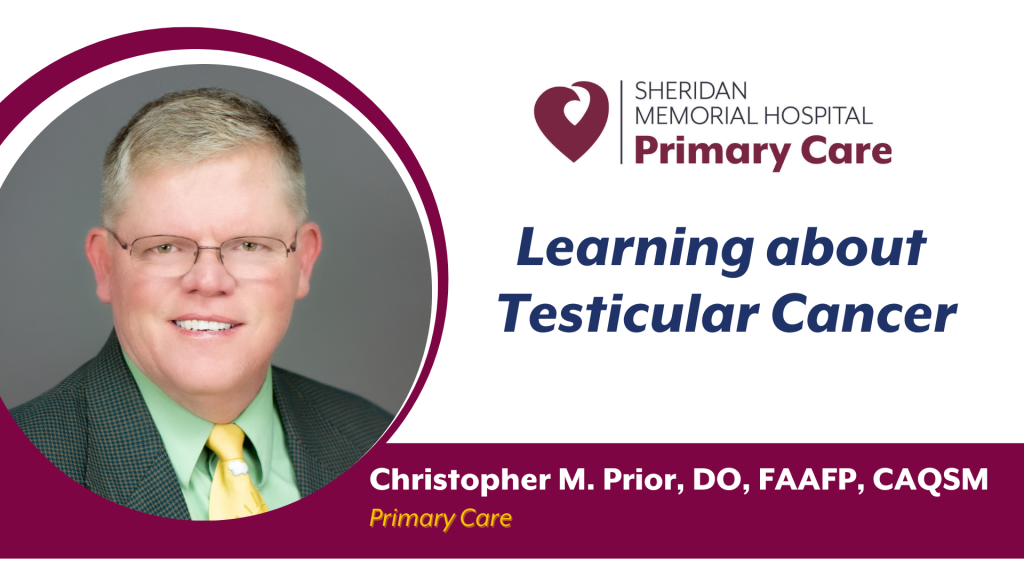
April is Testicular Cancer awareness month. Testicular cancer is the most common solid tumor among males age 15-34 years old. The American Cancer Society estimates almost 10,000
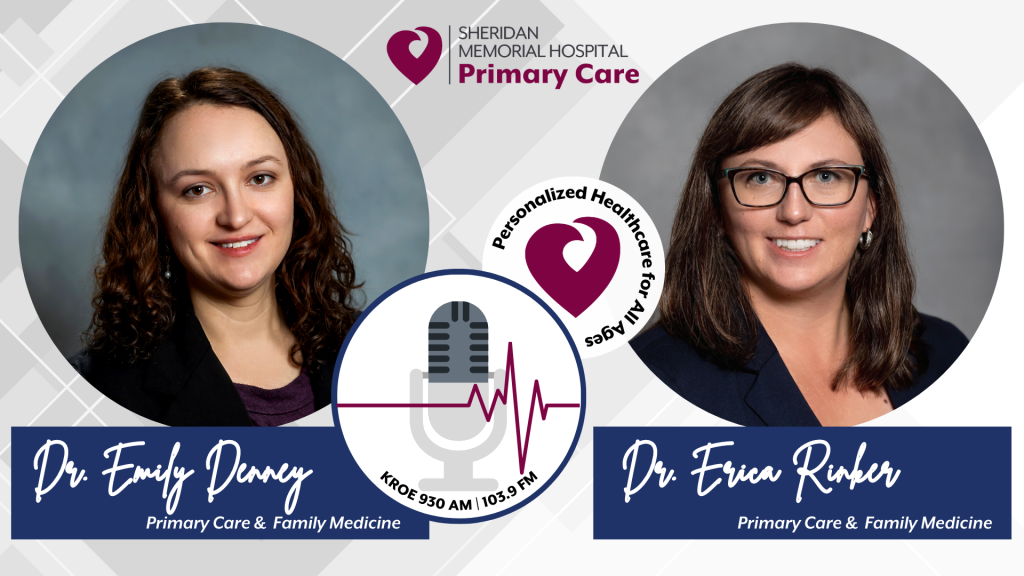
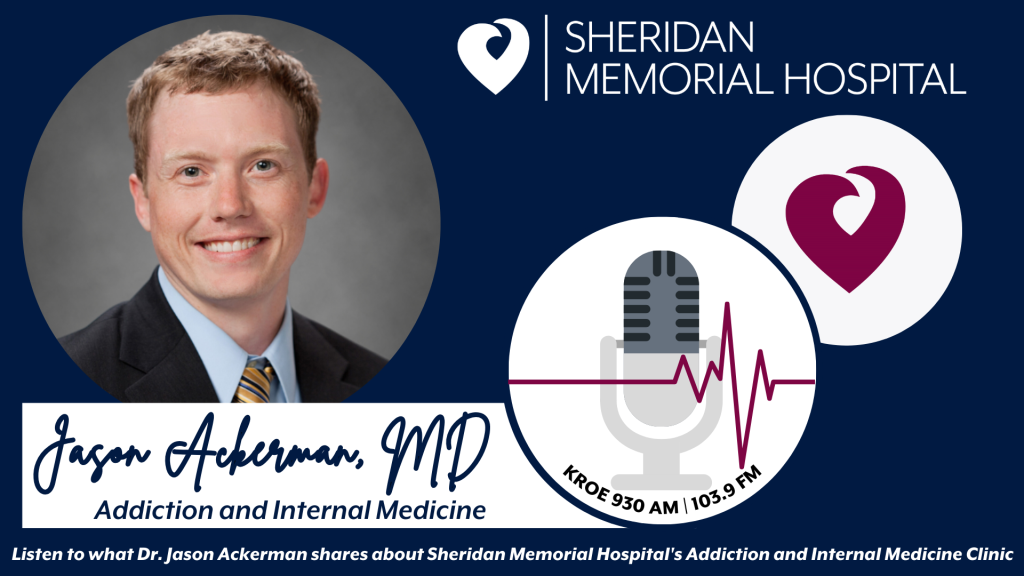
Listen to what Dr. Emily Denney & Dr. Erica Rinker share about Healthcare for All Ages at SMH Primary Care!
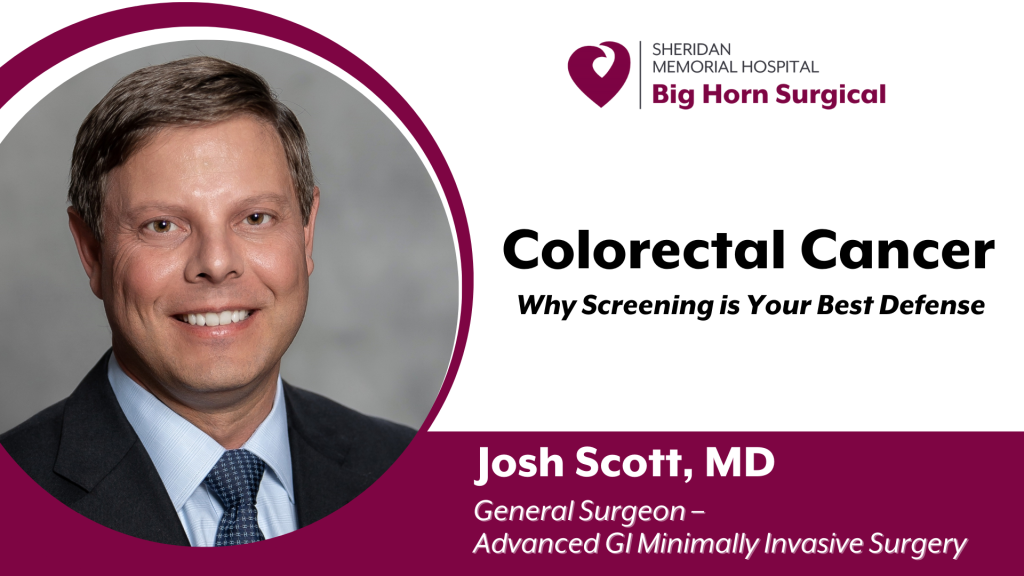
March is National Colon Cancer Awareness Month, an appropriate time to explore this topic. Colon or Colorectal Cancer (CRC) is one of the

What is National Nutrition Month? Every March, this annual campaign invites people to learn more about making informed food choices and
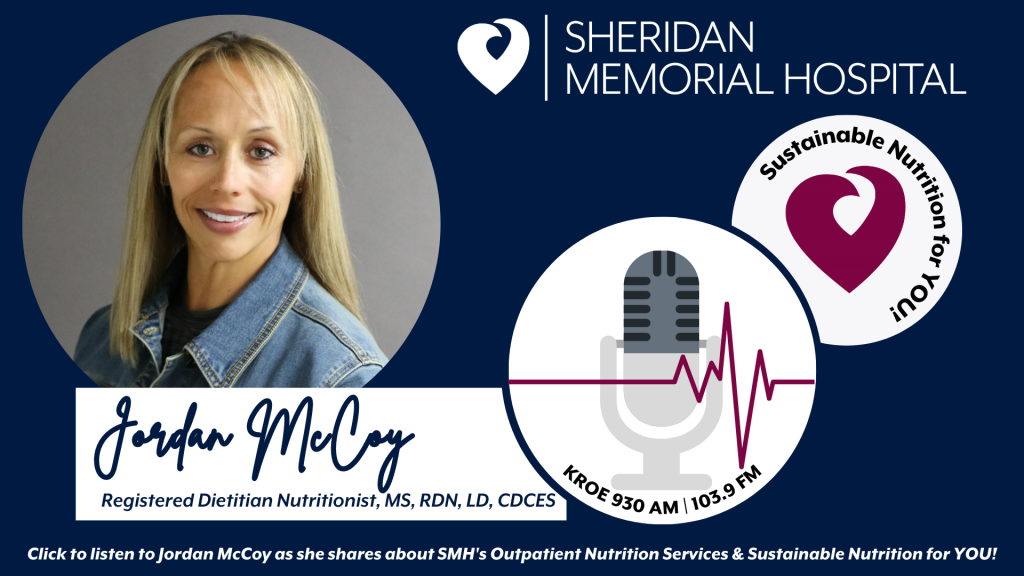
Listen to what Registered Dietitian Nutritionist Jordan McCoy, MS, RDN, LD, CDCES from Sheridan Memorial Hospital shares about SMH's
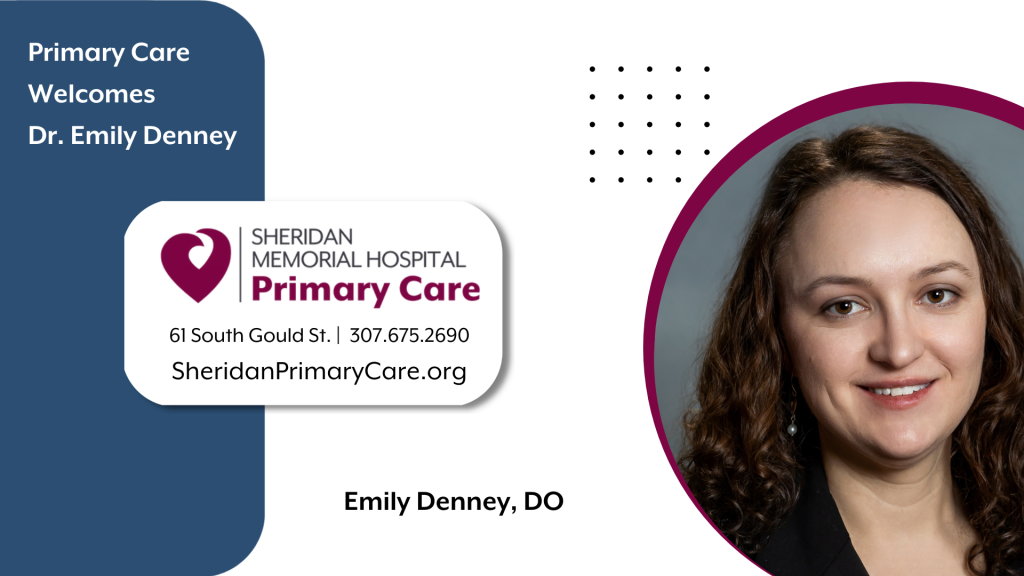
Sheridan Memorial Hospital is excited to welcome Dr. Emily Denney, DO, to the Primary Care
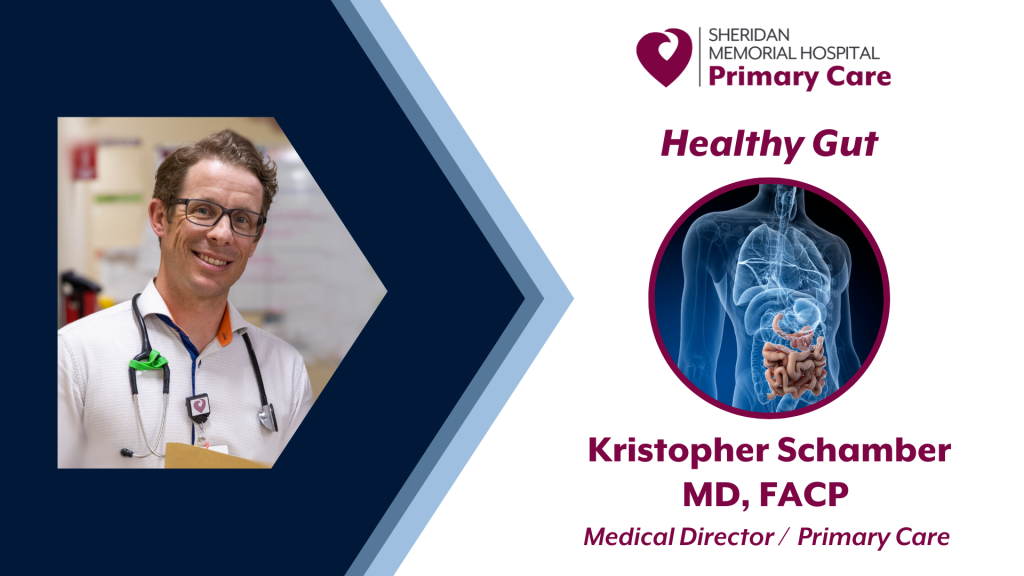
Today we will be talking about gut health. The gut, or gastrointestinal (G.I.) tract, generally refers to the stomach, through the small and
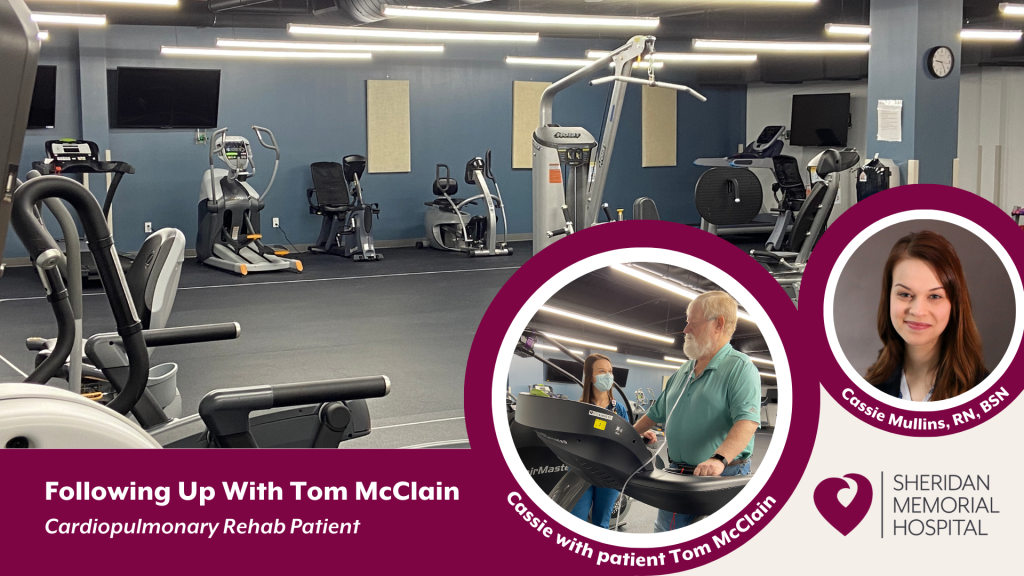
Each year in February, we celebrate National Cardiac Rehabilitation Week to draw attention to the role of cardiac rehab in reducing the
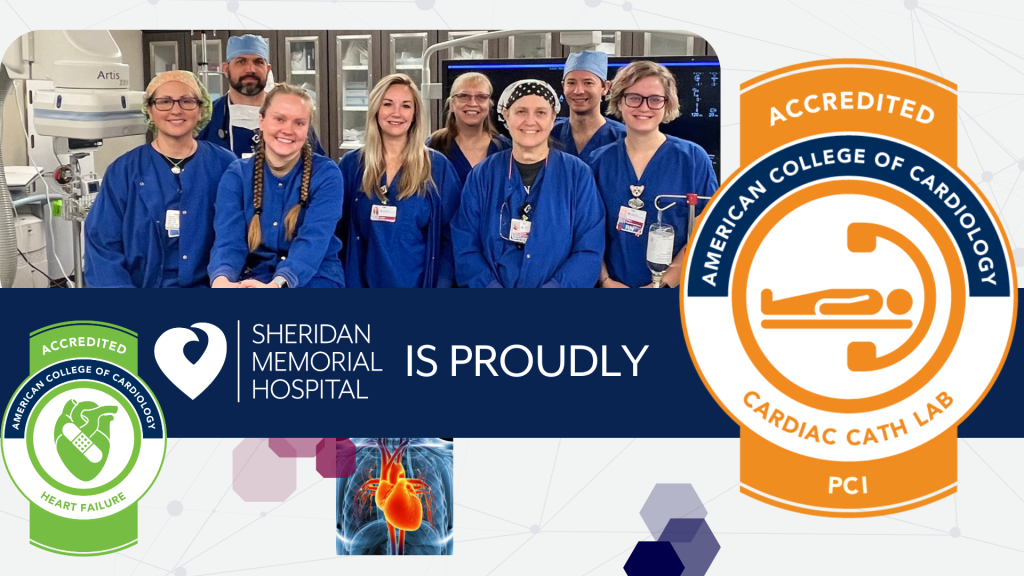
The American College of Cardiology (ACC) has recognized Sheridan Memorial Hospital (SMH)
In our community, the most common causes of injury for ages 65 and older are injuries from falls – falling is not a normal part of aging.

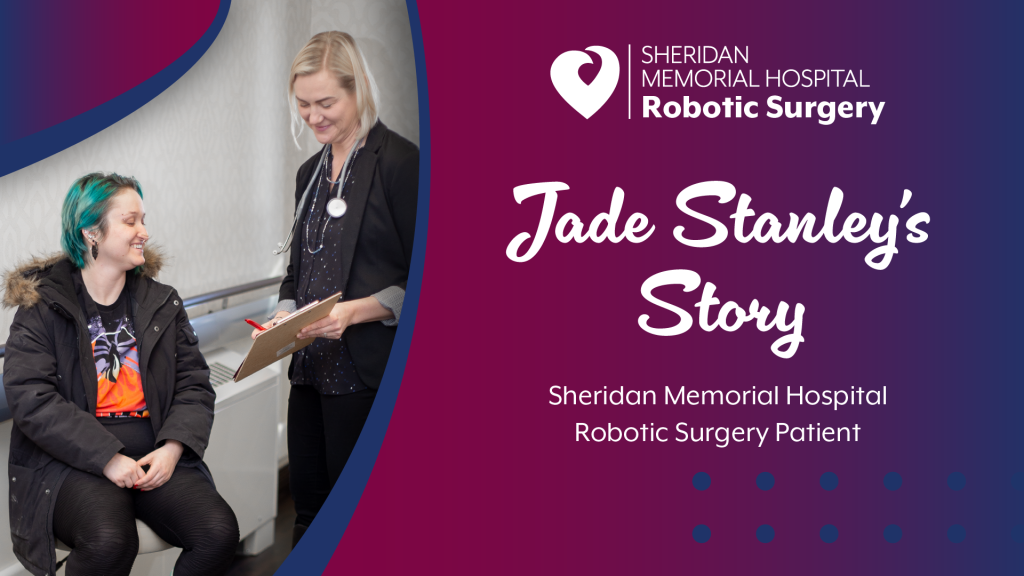
Patients can now access state-of-the-art, minimally invasive surgical technology right here
SMH Awarded $5.9 Million State Grant to Enhance Mental Healthcare in Sheridan County - Hospital to
This Friday, October 21, Sheridan Memorial Hospital (SMH) launches an expanded
With October often comes the colors changing not only on the grass and trees, but pink is often
Obstructive sleep apnea (OSA) is the most common type of sleep-disordered breathing. It is
As we approach World Heart Day, September 29, a day created to spread awareness about
Anne Hinman was kind enough to leave this 5 star google review about Sheridan Memorial Hospital’s Wyoming Rehab:  “I could not have been happier
As an internist and primary care physician, I’m focused on delivering the highest level of care to all patients throughout their lives. I joined
From changes to one's daily schedule to the adjustments necessary to return home – Sheridan Memorial Hospital's transitional care

By Christopher M. Prior, DO, FAAFP, CAQSM– physician at Sheridan Memorial Hospital’s Primary Care practice

April is Testicular Cancer awareness month. Testicular cancer is the most common solid tumor among males age 15-34 years old. The American Cancer Society estimates almost 10,000 new cases will be diagnosed this year and about 460 deaths. The incidence of testicular cancer is about one per 250 young men, with a peak incidence between ages 30-34 years old. Testicular cancer has an overall five-year survival rate of 97%.

Risk factors include undescended testis, personal or family history of testicular cancer, age, ethnicity, HIV infection, and infertility. Whites, Hispanics, and American Indian/Alaska Natives have the highest rates of testicular cancer. The incidence of testicular cancer has increased over the past several decades for unclear reasons.

Symptoms of testicular cancer include:

  • Acute pain in the scrotum or testicles
  • Dull ache in the scrotum or abdomen
  • Firmness of the testicle
  • Painless solid testicular mass
  • Scrotal heaviness
  • Swelling

Epididymitis is another ailment that can present with similar symptoms to testicular cancer in the same age group. While a clinical exam can help differentiate the epididymitis from testicular cancer, an ultrasound of the scrotum is the imaging test of choice to diagnose these conditions.

The US Preventative Services Task Force recommends against routine screening in asymptomatic men by clinician and patient self-exams. The British Journal of Cancer reports that muscle-building supplements containing creatine, protein, and testosterone enhancing androstenedione increase the risk of testicular cancer by 65%.

Congress passed the PACT Act in August 2022. It included “reproductive cancers of any kind” on the list of presumed conditions for qualifying Gulf War and post-9/11 veterans exposed to toxins from burn pits. In this case, if you were exposed to burn pit toxins and now have testicular cancer, you do not need to prove the exposure caused the cancer because the VA has already established this connection. A claim may be initiated on your own, with the aid of the American Legion, DAV, VFW, or your local Veteran Service Officer Lisa Griffith 307.620.0884 or lisa.griffith@wyo.gov.

Young men must see their medical provider if they have symptoms related to testicular cancer. Survival rates have improved significantly as a result of increased surveillance and improved patient-specific or targeted therapies. Survivors need continued surveillance for possible re-occurrence, cardiovascular disease, infertility, as well complications of therapy.

Talk to your primary care provider about your healthcare concerns. If you don’t have one, check out Sheridan Memorial Hospital’s Primary Care practice or call: 307.675.2690.

By Joshua Scott, MD – General Surgeon – Advanced GI Minimally Invasive Surgery – Big Horn Surgical

March is National Colon Cancer Awareness Month, an appropriate time to explore this topic. Colon or Colorectal Cancer (CRC) is one of the most common cancers in the United States and the second leading cause of cancer death behind lung cancer.

Screening is recommended simply because it can detect colorectal cancer early and prevent unnecessary deaths. Colorectal cancer incidence and mortality rates have been declining in the US, likely due to the increasing screening uptake.

Since colorectal cancers typically don’t produce symptoms, the practice of screening enables us to look for cancer or precancerous lesions in individuals without symptoms. Screening is incredibly effective when it comes to colorectal cancer because, from the time the first abnormal cells start to develop, it takes an average of 10-15 years for those cells to become a colorectal cancer. Therefore, as one of the most effective tools for preventing colorectal cancer, screening allows us to find and remove precancerous lesions such as polyps and help identify people who would benefit from more frequent screenings. In addition, small cancers that aren’t yet big enough to produce symptoms can also be identified.

The US Preventive Services Task Force recommends adults between the ages of 45 and 75 be screened for colorectal cancer. Although most cases of CRC occur over the age of 50, initiating screening at age 45 balances the benefits of detection and prevention with the burden on the patient and the risk of harm from screening. If you are older than 75, it is recommended that you talk to your doctor about the necessity of continued screening.

There are reasons to start screening earlier or stop later for some people. It is estimated that only about two-thirds of adults in the US are up to date with colorectal cancer screening. Every year, about 140,000 people in the US will be diagnosed with colorectal cancer, and 50,000 people will die from it. Our best tool to decrease both of these numbers is screening.

Risk Factors
The risk of colorectal cancer increases with age, with more than 90% of the cases we see being diagnosed in people age 50 or older. Many factors are associated with an increased risk of colorectal cancer. Some of these risk factors are related to lifestyle choices and are, therefore, modifiable. Maintaining a healthy weight, being physically active, not smoking or chewing tobacco, avoiding heavy alcohol intake, and eating a balanced diet that limits red or processed meat intake can all help decrease your risk of colorectal cancer.

Colorectal cancer can cause symptoms as it grows. These symptoms include seeing blood in or on your stool, unintentional weight loss, a change in bowel habits and weakness or fatigue caused by a low blood count.

Types of CRC Screenings
There are several screening tools for colorectal cancer, including tests done on your stool and colonoscopy. The stool-based studies either look for evidence of trace blood that can’t be seen by the naked eye or look for altered DNA that can be associated with abnormal cells in the colon. Stool-based studies that look for blood must be repeated annually if negative. A negative stool DNA test needs to be repeated every three years. However, if a stool-based test results with a positive outcome, it will need to be followed up with a colonoscopy. Stool-based studies are only appropriate for patients with an average risk of colorectal cancer. Average-risk individuals are those who have no personal or family history of adenomatous polyps or colorectal cancer or other risk factors such as inflammatory bowel disease like ulcerative colitis or a genetic predisposition.

A colonoscopy is a procedure that uses a fiber-optic tube and air to examine the colon’s lining. Colonoscopy allows for the identification of polyps and their removal, or biopsy if the polyp is too large, at the same time as the procedure.

Depending on the findings during the procedure and individual risk factors, a colonoscopy may be repeated every year for high-risk individuals to a more typical range of 7 to 10 years.

For many, the worst part of a colonoscopy is the bowel prep, which is done at home the evening and morning before the procedure. The bowel prep cleans out the colon so it can be adequately examined during the colonoscopy. A good bowel prep is essential to getting a good colonoscopy as it helps the doctor detect and remove polyps more easily.

The colonoscopy itself doesn’t hurt. Patients are given sedating medication, which helps with discomfort, and many patients won’t remember having the procedure once it’s complete. Colonoscopy patients will need a friend or family member to drive them home after the procedure. Typically a patient will be able to eat and drink normally afterward.

Reach out to your physician or provider to talk about your risk factors. Discussing these factors in advance can help identify the most effective and appropriate screening test for you.

To Find a Doctor and their contact information click HEREhttps://www.sheridanhospital.org/find-a-doctor/.

By Alexandria Poisel, Dietetic Intern at Sheridan Memorial Hospital

What is National Nutrition Month? Every March, this annual campaign invites people to learn more about making informed food choices and developing healthful eating and physical activity habits. This year’s theme is “FUEL FOR THE FUTURE.” The intention is to eat with sustainability in mind. What does that look like at Sheridan Memorial Hospital?

For us, it means buying local. The Sidewalk Cafe serves Manchester Street Coffee, roasted right here in Sheridan, Wyoming. What can you do at the hospital? Opt for a glass plate and metal silverware instead of Styrofoam to-go boxes if you eat in the cafeteria. Be aware of how much food you take, take what you will eat, and ask for a smaller portion if you need to. This can help cut down on food waste.

How can you “Fuel for the Future” at home? You can buy local! This is a great way to get high-quality products that are within the season, and it also supports the local economy, fueling the future of our town. Unsure where to start? Check out Landon’s Saturday Farmer’s Market for many local food vendors.

“Fuel for the Future” isn’t just about how we can take care of the Earth and our town, but also how we take care of ourselves for the future. Nutrition is a major component of a long and healthy life. It’s important to eat meals that have variety. Taste the rainbow! The colors of our foods are often associated with the different vitamins we need. The most colorful foods? Fruits and Vegetables. You should eat 2 cups of fruit and 2.5 cups of vegetables daily. Not everything has to be fresh; we know it is hard here! Frozen and canned fruits and vegetables are part of a healthful diet.

Pair your healthy eating habits with intentional activity. 150 minutes of exercise a week is recommended for adults. If you don’t enjoy the gym, don’t worry. There are many more options for you! Go for a walk with a friend, swim with your kids, try YouTube at-home yoga, or throw a dance party! Extra movement is good for strengthening bones, building muscle, and keeping your heart healthy.

How will you “Fuel for the Future?”

If you would like to schedule an appointment with one of our dietitians, please call 307.675.2640.

Note:  Sheridan Memorial Hospital is committed to supporting the professional development of students and young professionals in our community. Experience in the form of an internship can be a fantastic way to apply knowledge and skills learned in the classroom, to expand on that knowledge, and to gain real-life experience in the healthcare industry. SMH is proud to provide this opportunity, helping educate more people in our community about each facet of the patient experience, and partnering with organizations to provide this experience in countless hospital departments.  

Sheridan Memorial Hospital is excited to welcome Emily Denney, DO, to the Primary Care downtown practice at 61 South Gould Street. Dr. Denney is an Air Force veteran who made family practice her focus because she is passionate about working with people of all ages.

Dr. Denney’s desire to create lasting connections drew her to the medical profession: “I love talking with people, learning about them, and trying to help them live their healthiest lives.” After completing her degree in Texas and a residency in Maine, Dr. Denney joined the Air Force. She managed the healthcare of military personnel and their families at Dover Air Force Base, where she also mentored new clinicians.

Dr. Denney comes to Sheridan from a rural community in Montana, where she worked for over five years in a primary care practice. She was drawn to Sheridan in part because of her desire to continue working and serving in a small town. She feels the “supportive atmosphere and collegial environment” that SMH provides are essential to her success as a board-certified Family Medicine Physician.

When she isn’t working, Dr. Denney can be found spending time with her family; she enjoys reading, cooking, gardening, and getting outside with her husband and their two daughters, who are her “daily source of inspiration.” They are excited about all of the local recreation opportunities available and feel welcomed into Sheridan’s family-friendly atmosphere. “I want the people of Sheridan to know I love working with patients to meet their health goals, I am flexible in how we get there, and I am always learning new ways of doing things.”

Follow the respective link to learn more about Dr. Denney or the hospital’s Primary Care practice.

By Kristopher Schamber, MD, FACP – Medical Director, SMH Primary Care

Today we will be talking about gut health. The gut, or gastrointestinal (GI) tract, generally refers to the stomach, through the small and large intestines, and out the rectum and anus. I will include some discussion of the upper GI tract, or esophagus, as well.

I think it is important first to review some definitions. The term bowel refers to the intestines below the stomach. A bowel movement = poop. Stool = poop. Constipation, while different for everybody, signifies harder, less frequent bowel movements that require straining. Diarrhea, also different between individuals, signifies looser, more frequent bowel movements, typically very watery.

The perfect poop is soft but formed, comes out easily and does not leave any residue on your bottom or the toilet bowl. This is achieved with a healthy amount of dietary fiber, the type of fiber that does not get absorbed through your gut (like the stringy stuff in celery or the rind on an apple).

Constipation, while generally not severe, can cause significant illness, including severe pain, confusion, and even a ruptured colon, in addition to the more common hemorrhoids and diverticulosis. It may increase the risk of colon cancer as well. There are many different causes, including multiple medications, neurologic conditions, cancer, not drinking enough water, and poor diet. Treatment ideally targets the underlying cause. Increasing fiber intake, ideally with vegetables or using a fiber supplement, and drinking plenty of water (for most people, 64 ounces per day) is a must. Laxatives and stool softeners should only be used under the direction of your medical provider.

Diarrhea is generally less common than constipation and has a number of different causes, including infections, medications, tobacco, caffeine, alcohol and artificial sweeteners (Splenda, sweet and low, etc.). Treatment, as above, targets the underlying cause, and fiber can also help. Over-the-counter anti-diarrheals should be used under the direction of your medical provider.

Acid reflux, also known as GERD, typically causes stomach pain just below the breastbone, a burning sensation in the esophagus just beneath the breastbone, or an acid taste in the mouth with belching. It can rarely cause esophageal cancer. Common causes include a number of different foods: Acidic foods like tomatoes or citrus fruits, tomato-based sauces, and greasy and fatty foods. Coffee, alcohol, and tobacco are also common causes. Occasionally someone’s genetic makeup causes an increase in acid production.

Screening for colon cancer is an important part of GI health. A screening test is used to diagnose disease prior to it causing any symptoms. Colon cancer, if found early, can be cured. The screening begins between ages 45–50 and continues until at least age 75. A colonoscopy is the standard study in this community, though there are other tests as well that require a small stool sample.

Diet is very important to GI health, and as you read above, dietary factors play a role in many GI conditions. Generally speaking, a balanced diet with 25% whole grains, 25% healthy proteins (white meat, fish, legumes, etc.), 40% veggies with some fruit, and 10% healthy fats and oils (olive oil, avocado, etc.) is healthy for the gut, in addition to known benefits with the cardiovascular system, weight, and other benefits. As noted above, certain specific foods or beverages can contribute to constipation, diarrhea, or GERD. Diets heavy in smoked meats are linked to certain types of GI cancer.

Probiotics can also be helpful for gut health. Our intestines have good bacteria that help in digestion and other processes. This is known as the gut microbiome, and there is much ongoing research into various effects of this microbiome on the GI tract and throughout the body. Taking a probiotic daily can benefit your gut and the rest of your body with very little risk.

Learn more about Dr. Kristopher Schamber and Sheridan Memorial Hospital’s Primary Care practice and the professionals caring for patients by visiting the respective links.

Each year in February, we celebrate National Cardiac Rehabilitation Week to draw attention to the role of cardiac rehab in reducing the potentially devastating effects of heart disease. In Sheridan, we are lucky to have many exceptional services to support heart health, from the cardiology team at the Heart Center, to our Cardiac Catheterization Lab and state-of-the-art ICU at Sheridan Memorial Hospital. After having a heart attack, being diagnosed with heart failure, or after a heart procedure like a coronary artery bypass, coronary stent placement, or valve replacement, Sheridan Memorial Hospital’s nationally accredited Cardiopulmonary Rehab program provides support to help you recover. 

Checking in on Tom McClain, Cardiopulmonary Rehab patient

Just over a year ago, we told you about Tom McClain, who has been in the SMH Cardiopulmonary Rehab program since 2019. We thought we would check in on him and learned that he continues to participate in the maintenance program, now logging over 320 sessions over the last three years!  

Tom says that since we last talked to him, he had cardiac ablation, a procedure to block his heart from producing irregular or abnormal rhythms, and also had his pacemaker replaced. 

He is very grateful to have the program and the beautiful space to work out in. “This is a safe place for cardiac and pulmonary patients, and that’s why I come here. It makes me feel better, and it’s not hard to make myself come because there are people here who are expecting me. Coming to exercise here is just part of my weekly routine.”

He still considers himself one of our “regulars,” saying: “I come twice a week. Socialization is really important to me – there are three of us who come at the same time, and it makes exercising fun. We have a lot in common and encourage each other to do our best. I live alone and really look forward to spending time here.”

“What I particularly like about the hospital program is that there is always a nurse or staff member who monitors me – taking my blood pressure and checking my oxygen levels as I go about my workout. It’s comforting to have a professional on hand, observing me and making sure I’m doing ok. Besides that, I’m on oxygen, and it is so convenient that I can just plug my oxygen line into the wall as I exercise,” Tom adds.

He has also participated in the educational classes offered to patients in the Pulmonary Rehab program.

According to Cassie Mullins, RN, SMH Cardiopulmonary Rehab Supervisor, “Because our patients come so often, the Cardiopulmonary staff really gets to know each individual. A typical program runs from 18-36 sessions, so we learn a lot about our patients: their likes and dislikes, what they care about, and the goals they have. This also helps us develop a plan together with the patient, to reduce their risk of developing worsening heart disease. It can also help us provide continued encouragement for the individual to accomplish a health goal like quitting smoking. If our patients don’t show up, we call to check on them and encourage them to continue their workouts.”  

More about the program

Our Cardiac Rehab program has two phases. The first phase of cardiac rehab is the monitored exercise phase. During this time, your doctor can order up to 36 closely monitored exercise sessions for you to complete. We encourage our patients to work up to exercising 3 times a week with us. After graduating from the monitored exercise program, we encourage our patients to continue to exercise! During the maintenance phase, we provide the opportunity for our patients to continue exercising in our gym with less monitoring. The ultimate goal is for our patients to feel safe and confident participating in whatever kind of exercise they enjoy, whether in a cardiac rehab setting, at home, or in the community.

If you have had a heart attack, heart failure, or a heart procedure, ask your doctor if you could be eligible to be enrolled in cardiac rehab. For more information, call Cardiopulmonary Rehab at Sheridan Memorial Hospital at 307.672.1062.

by Kristi Ramsey, RN, BSN, RCIS, CVRN – Sheridan Memorial Hospital Cath Lab Manager

February is National Heart Month – so this is a particularly appropriate time to share some great news with all of you. Our Cardiac Cath Lab team has been working hard over the past year to achieve yet another national endorsement. 

Cardiac Cath Lab Accreditation
I am pleased to announce that The American College of Cardiology (ACC) has recognized Sheridan Memorial Hospital (SMH) for its demonstrated expertise and commitment to treating patients who come to SMH’s Cardiac Cath Lab for care, including for diagnostic catheterizations (cath) and percutaneous coronary intervention (PCI) procedures. SMH was awarded Cardiac Cath Lab Accreditation with PCI based on rigorous onsite evaluation of the staff’s ability to evaluate, diagnose and treat patients who come to the cardiac cath lab.

PCI includes procedures such as PTCA, also known as Percutaneous Coronary Angioplasty, Thrombectomy, and Stent placement. It is a non-surgical procedure that opens narrowed or blocked coronary arteries with a balloon to relieve symptoms of heart disease or reduce heart damage during or after a heart attack. Thrombectomy is the removal of a thrombus (blood clot) from the coronary vessel. A coronary stent, a small expandable mesh-like tube, is often placed in the coronary artery once the narrowed or blocked artery is opened. The stent keeps the artery open and allows blood to flow freely to the cardiac muscle.

Cathy Bealer, SMH Chief Nursing Officer says, “In earning this accreditation, our Cath Lab staff and providers have demonstrated their commitment to providing the Sheridan region with consistent excellent heart care. They completed a multi-faceted clinical process that culminated in a rigorous onsite review. They also applied improved methods and strategies of caring for patients, including streamlining processes, implementing quality cardiovascular guidelines and standards, and adopting best practices in caring for cath lab patients.”

She adds, “Because of our team’s diligent work, our patients here in Sheridan have access to the same heart testing and treatment typically found only in regional medical centers.”

According to the ACC, facilities that achieve accreditation meet or exceed stringent criteria and have organized a team of doctors, nurses, clinicians, and other administrative staff that earnestly support the efforts leading to improved patient outcomes. To maintain the accreditation, hospitals must undergo the review process every three years.

Hospitals that have proven exceptional competency in treating patients requiring cardiac catheterization have standardized their assessment process for patients before catheterization to ensure quality and patient safety. They ensure that care in the procedure room for sedation, infection control, radiation safety, universal protocol, and time-out procedures is fully coordinated; and have mastered the appropriate transfer to a cardiac recovery department to better monitor and track complications, enhance physician-to-patient communication, patient family communication, discharge instructions and follow-up information.

Heart Failure Accreditation earned in 2020
This isn’t the first national accreditation that our Cath Lab has earned. Back in 2020, the ACC awarded SMH the Heart Failure Accreditation, which was based on the hospital’s competence and specific standards that were put in place to provide excellent care to patients with heart failure. The ACC evaluated 73 mandatory components that focus on the hospital’s policies, standards, protocols and education related to heart failure. This was also a three-year accreditation which was renewed again this past year. 

Earning these recognitions is not a “one-and-done” process, and both require ongoing internal attention to how we care for members of our community who have heart disease. It’s a constant rigorous look at policies, protocols, and standards and making the appropriate adjustments needed to evolve with the continuous changes and improvements in the care of our cardiac patients.

Thanks to our entire Cardiovascular team for their dedicated focus, extra hours, teamwork and collaboration to achieve both of these outstanding recognitions. All of this means better outcomes for our patients. 

In addition to the mentioned procedures in this article, the following procedures are also performed in the cardiac cath lab.

  • Right and Left Heart Catheterizations
  • Permanent Pacemakers (PPM)
  • Implantable Converter – Defibrillators (ICD)
  • Loop Recorders
  • Cardioversions
  • Trans-esophageal Echo’s
  • Cardiac Stress Testing

Cardiac Cath Lab History at SMH
The SMH Cardiac Cath Lab opened in 2013 and is one of only seven in the state of Wyoming. It was funded through the SMH Foundation – with a significant gift from the Lorraine Husman Trust, designated for cardiac care, and a generous donation from the Sheridan Memorial Hospital Auxiliary. 

2023 Sheridan Memorial Hospital Cath Lab Team Left to right: Yvette Romero RN, Chris Rojo RN, Jackie Ek RN, Lauryn Cleveland RTR, Kristi Ramsey RN, Dawn Morgan RN, Matt Elmore RTR, Megan Wetzel RN. Missing from Photo: Alaina Sottolano RN, James Boulter RTR, Marcus Pedroza RTR

2023 Sheridan Memorial Hospital Cath Lab Team
Left to right: Yvette Romero RN, Chris Rojo RN, Jackie Ek RN, Lauryn Cleveland RTR,
Kristi Ramsey RN, Dawn Morgan RN, Matt Elmore RTR, Megan Wetzel RN.

Missing from Photo: Alaina Sottolano RN, James Boulter RTR, Marcus Pedroza RTR

To learn more about awards Sheridan Memorial Hospital has earned, click HERE or visit https://www.sheridanhospital.org/about-us/awards/.


By Cassidy Camino, Sheridan Memorial Hospital Trauma RN

According to the CDC:

  • More than 1 in 4 people 65 and older in the US fall each year.
  • Falls are the leading cause of injury-related death among adults 65 and older.

In our community, the most common causes of injury for 65 and older are injuries from falls – falling is not a normal part of aging. Per the Sheridan Memorial Hospital (SMH) trauma statistics, from November 2021 to November 2022, 125 of the 138 patients in this age group sustained injuries from falling that were significant enough for hospital admission or transfer to a larger trauma center. Sixty-two of those resulted in hip fractures, and 15 resulted in head injuries.

Seniors are at an increased risk for many types of injuries due to advancing age and decreasing health. As we age, our eyesight, hearing, and reflexes might not be as sharp as they were when we were younger. Certain conditions, such as diabetes, heart disease, or problems with your thyroid, nerves, feet, or blood vessels, can affect your balance and lead to a fall. Certain medications can cause you to feel light-headed and dizzy. Review your medications with your provider.

Falling once increases the chances of falling again. Many people who fall develop a fear of falling again, and this fear causes them to be less active. Being less active causes increased weakness and raises the chance of falling again. This is why it is vital for seniors to keep moving. Many types of exercises or movements can help develop better muscle tone to improve balance and gait.

Many people believe that falls are an inevitable part of aging. However, this is not true, and many falls can be prevented by being aware of hazards and taking some simple steps to correct them. Below are some tips to prevent falls in and out of the home.

Remove home hazards:

  • Remove things you might trip over, such as books/newspapers, cords and shoes.
  • Remove loose rugs or secure them with double-faced tape.
  • Replace worn carpet.
  • Keep areas brightly lit to avoid tripping on hard-to-see objects.
  • Place nightlights in bathrooms and hallways.
  • Turn on the lights before going downstairs.
  • Store flashlights in easy-access places in case of power outages.
  • Consider changing your footwear. Slippers, stocking feet, backless shoes and shoes with slick soles can make you stumble and fall. Wear properly fitted shoes with nonskid soles.
  • Make your bathroom more user-friendly.
    • Install raised toilet seats or one with armrests.
    • Install grab rails near the shower/tub and next to the toilet
    • Use non-slip mats in the bathtub and on shower floors.
    • Use a sturdy plastic seat for the shower or tub and a hand-held shower nozzle for bathing while sitting down.

Staying safe in our Wyoming Weather:

  • For wet, slick or snowy weather, wear shoes with irregular texture on the soles for the best grip possible. Use Yaktrax, which easily slip over your shoes and boost your traction.
  • Clean your boots and shoes after you are inside. Leftover ice and snow can stay on for some time and make the shoes slick the next time you put them on.
  • Give yourself plenty of time to get to where you are going.
  • Use a grip whenever possible. For example, use handrails when available or the door handle when getting out of the car. Utilize gloves to better grip canes, walkers and railings.
  • Keep your hands free of objects, so you’re as stable as possible.
  • Look over your walking options for the safest paths.
  • Check that your walkers and canes are in good shape from top to bottom. Sometimes they have a tip at the bottom with a retractable ice pick.

If you believe you might not be able to get up on your own after a fall, an emergency call system would be highly beneficial. This system enables you to push a button on a special necklace or bracelet to call for help. Some smartwatches also have this feature. Contact your physician for more information.

Injuries among this age group can have devastating consequences, in some cases leading to disability, loss of independence and death. Preventing injuries is the easiest way to protect your health and promote successful aging.

Click here to learn more about Emergency Services at Sheridan Memorial Hospital.

How to Get Up – Tip Sheet

When an older adult falls, they may not be able to get up on their own resulting in laying on the floor for a period of time. In this situation, serious complications can develop such as dehydration, hypothermia, pressure sores and pneumonia.

It is important to know what to do after a fall. Below are some steps to help.

  1. Breathe. Try to stay as calm as possible. Remain still for a few moments and take some deep breaths to try and relax.
  2. Take a few moments to decide if you are hurt. Getting up to quickly could make an injury worse. Try and move your arms and legs slightly to note any areas of pain.

If you are NOT Injured

  1. If you are not injured, try to roll onto your side from your back by rotating from the head down. At this point, take a moment to rest.
  2. Push up to your hands and knees in a crawling position and crawl toward a sturdy piece of furniture, such as a chair. Rest as needed.
  3. Place one hand at a time onto the chair and bring your strongest leg up to a 90-degree angle placing your foot flat on the ground. The other leg will remain in a kneeling position. Push up using your arms and your legs using the support of the chair.
  4. Slowly turn around and sit in the chair for a few moments to catch your breath before doing anything else.

If you ARE Injured

  1. If you are injured from the fall and unable to get up, take a few moments to determine where the pain is located.
  2. If you have an emergency call system, such as an emergency button on a bracelet or watch, push the button to elicit help. If you are close to a phone, you can use it to call 911.
  3. While waiting for help, try to find something that can be used as a pillow and blanket to keep yourself as comfortable as possible.
  4. If you don’t have access to an emergency call system or phone, yell and make noise as you can to get the attention of family, neighbors, etc.

If you believe that you might not be able to get up on your own after a fall, an emergency call system would be highly beneficial. Having these systems enable you to push a button on a special necklace or bracelet to call for help. Some smartwatches also have this feature. Contact your physician for more information.

After a fall without significant injury, it is common for people to not tell their physician about these incidents. Sometimes, there are underlying causes that could be addressed with treatment or correction, so it’s best to keep your physician in the loop. It may also help to learn more about preventing falls because older adults who’ve fallen once are at greater risk of falling again in the future.

Patients can now access state-of-the-art, minimally invasive surgical technology right here in Sheridan. The new da Vinci Xi Robot-Assisted Surgical System at Sheridan Memorial Hospital provides overall better outcomes. Patients experience shorter hospital stays, reduced recovery time, reduced pain/discomfort, reduced scarring, and reduced blood loss. The da Vinci system is designed to be the safest and least invasive option for many surgical interventions. This is the fourth generation of the da Vinci robotic platform and it brings with it over 20 years of learning for enhancing surgical performance.

Dr. Josh Scott recently moved back home to Sheridan and is a surgeon with Big Horn Surgical at SMH. He says patients should be excited about the capabilities of this new system and what it means for them post-surgery.

“As surgeons, we will be able to conduct even less invasive surgeries because this new robot only requires two to four incisions between eight to 13 millimeters long,” Scott says. “Pair that with the post-surgery benefits of shorter hospital stays and reduced recovery time, and it’s a win-win situation for patients. To have this level of technology here in Sheridan is amazing.”

There are many types of surgery that can be performed using this surgical system according to Dr. Scott. Some of those include hernia repair, gall bladder removal, hysterectomies, ovary removal, prostatectomies, and more.

“As our many specialists become more familiar with this technology, other surgical options will become available in the near future,” Dr. Scott added.

While the robot is what makes this surgery less invasive, Dr. Scott went on to say, “It’s very important for patients to know the surgeon is in control of the robot at all times. The robot does nothing without the surgeon directing every movement of the instruments.”

The surgeon uses a console right at the bedside to control the precision instruments with a 3D, high definition camera with 10x magnification allowing access to hard-to-reach areas of the body not normally visible to the human eye.

“This robot will allow our patients to remain closer to home, family and friends and that always provides a better healing environment after surgery,” Dr. Scott added.

To learn more about the New Robotic-Assisted Surgery Program at Sheridan Memorial Hospital visit SheridanRoboticSurgery.com and Robotic-Assisted Surgery FAQs

SMH Awarded $5.9 Million State Grant to Enhance Mental Healthcare in Sheridan County – Hospital to launch capital campaign to raise matching funds for $12.8 Million Project

On November 16, Sheridan Memorial Hospital (SMH) was awarded a $5.9 million grant from the State Land and Investment Board to develop an Emergency Psychiatric Assessment, Treatment, Healing (EmPATH) and Crisis Stabilization Unit to serve the Sheridan County region.

This critical project will help address the growing mental health and behavioral health needs of our community by providing psychiatric urgent care, crisis stabilization, inpatient psychiatric beds, and therapy space. The total cost of the project is $12.8 million and the SLIB grant requires a one-to-one match.

Over the years SMH has invested heavily to provide a safe environment for behavioral health patients and staff. Currently, the hospital provides tele-psych services, security on-site 24 hours/day, patient support staff, additional full-time licensed clinical mental health professionals, and transportation to get patients to appropriate treatment facilities.

The region does not, however, have the appropriate level of treatment and service for behavioral health patients to meet their needs close to home. Many patients must be transported to treatment facilities far outside our community. The development of the EmPATH and Crisis Stabilization Unit is an opportunity to invest in facilities that will support the mental and behavioral health needs here in Sheridan County.

Sheridan Memorial Hospital’s Chief Executive Officer, Mike McCafferty, expressed his gratitude to everyone who’s working on improving mental health in our community. “Addressing the mental and behavioral healthcare needs of our community is a priority for Sheridan Memorial Hospital. We are grateful to our local, regional, and statewide partners who are working with us to provide additional mental and behavioral health care resources that our community deserves.”

Sheridan Memorial Hospital partnered with local, regional and statewide stakeholders to develop its plan to enhance community partnerships addressing mental health care needs for our region. The hospital looks forward to working with partners, foundations, and community members in making this critical project for our community a reality.

This project will launch quickly as the SLIB grant designates that it must be completed by 2026.

This Friday, October 21, Sheridan Memorial Hospital (SMH) launches an expanded preventative health care program called HealtheLife® Fridays. The new program begins with wellness blood screenings, now called Patient Directed Lab Testing. The preventative panels – which do not require a physician order – include a Blood Chemistry Panel, CBC, PSA, HA1C and Vitamin D.

Andrea Paulson, SMH Laboratory Manager, says HealtheLife Fridays at Primary Care’s downtown location will be good for the community; “Moving our Patient Directed Lab Testing downtown and providing it once a month will streamline things for our patients. Our lab phlebotomists will conduct the blood draws in the spacious conference room and there is ample parking in the hospital’s lot across Gould Street.”

HealtheLife® Fridays will be offered on the 3rd Friday of each month at Sheridan Memorial Hospital’s Primary Care clinic located at 61 South Gould Street in downtown Sheridan. Tyler Crossley, SMH Primary Care Manager, says, “This new service is a way for us to bring exciting new preventative health opportunities to our community. At future HealtheLife Fridays, we look forward to offering more tests, screenings, and education – much like a traditional health fair.”

Online scheduling for this new program allows patients to schedule up to 3 months in advance. Patients may schedule appointments from 6:30 am to 11:30 am via the hospital’s website: sheridanhospital.org. Or patients may leave a message requesting an appointment at 675-4675. Hospital staff will return calls to schedule an appointment date and time.

Sign up for your Patient Directed Lab Tests by clicking HERE.

With October often comes the colors changing not only on the grass and trees, but pink is often around every corner you turn. This year marks the 14th Annual Link Partners in Pink for the Sheridan Memorial Hospital Foundation and our community. It was a hugely successful event with hundreds of participants, volunteers and cancer survivors in attendance. This year’s funds raised will go toward the Comfort Care Program at Sheridan Memorial Hospital’s Welch Cancer Center (WCC). These funds are available to cancer patients of all cancer types and providing them with the most comfortable experience during their cancer journey. But what exactly is comfort care and how does it provide needed resources to your neighbors, patients, and family?

Sheridan Memorial Hospital’s Welch Cancer Center Comfort Care Program began with a few gifts to support the journey of cancer patients through their diagnosis and treatment. Now, through thoughtful and generous donations and memorials, Comfort Care provides this needed funding based on criteria set and the patient’s financial needs. These one-time grants enable the WCC team to help our patients and their families on a personal level. Grants may also be used to help with travel expenses associated with unexpected treatments or to aid patients in the region to travel to Sheridan for their necessary treatments. Our patients and staff are grateful for the funds as they cover numerous other resources, support programs, and other comfort-related items, including individual counseling.

Throughout the last year, these funds have provided:

  • 20 Wigs, Caps, & Hats for patients on their journey through cancer treatment
  • 114 bras & camis were provided for women undergoing mastectomy, lumpectomy or reconstructive surgery, each fitted by a specially trained RN for their individual and specific needs.
  • 5 hotel stays have been provided to patients and their families to ensure their safety during winter months, housing for longer periods of treatment, and a home away from home while receiving care at the WCC.
  • 76 bus rides have been paid for so our patients don’t have to worry about the logistics or cost of travel before and after their treatments.
  • 12 gas cards were given to patients and their families for emergency travel when unexpected trips arose for patients with escalated health care needs at other hospital locations.

It is a gift to be able to support this pivotal part of care and healing for some of the most vulnerable patients in our community.

For more information about the WCC’s Patient Comfort Care please contact the Welch Cancer Center at 307.674.6022.

To make a donation to the WCC Patient Comfort Care Program or other vital healthcare programs, please call The Foundation at 307.673.2418.

By Diana Charlson, FNP-BC, Family Nurse Practitioner at Sheridan Memorial Hospital’s Primary Care

Obstructive sleep apnea (OSA) is the most common type of sleep-disordered breathing. It is caused when the upper airway temporarily closes or collapses. When this happens, the person either doesn’t breathe deep enough (hypopnea) or doesn’t breathe at all (apnea). These are brief episodes that typically happen multiple times throughout the night. During these episodes, the body is not getting appropriate oxygenation, which in turn impacts the entire body, and can cause various problems for people over time.

Because the episodes happen throughout the night, people often don’t know they have a problem. This can cause a delay in the condition getting diagnosed in a timely fashion. Many times, a person won’t get diagnosed for many years. Over time, a person will often begin experiencing symptoms secondary to the ongoing lack of appropriate oxygenation throughout the night. Some indications of OSA include snoring, witnessed apneic events during sleep, waking with headaches in the morning, feeling tired throughout the day, waking up gasping during the night, poor quality of sleep, not feeling rested upon waking, decreased vigilance, high blood pressure, anxiety, and depression.

Some risk factors for OSA include older age (prevalence increases from youth through the sixth to seventh decade), obesity, enlarged neck circumference, having a narrowed airway, family history, and using alcohol or other sedatives.

OSA is diagnosed with a sleep study. This is an overnight test that monitors breathing. In the past, a person needed to go to a formal sleep lab/office to perform a sleep study. However, newer technology allows some people to get a sleep study at home, in the comfort of their own bed! Although the home sleep study is not as comprehensive as the formal sleep lab study, it is still a valid test for many individuals.

The gold standard treatment for sleep apnea is a CPAP (continuous positive airway pressure) machine. Basically, this machine delivers air pressure through a mask, keeping the upper airway open throughout the night and thus preventing hypopnea or apnea. There are other treatment options available, as well.

Long-term, if OSA is not treated, it can lead to many complications. Sometimes a person is diagnosed with OSA after they have been treated for high blood pressure and despite treatment, their blood pressure remains high, which then prompts evaluation into OSA. Other long-term complications include heart arrhythmias such as atrial fibrillation, stroke, and heart failure. It is also linked to insulin resistance, which is a concern for the development of type 2 diabetes. A person with OSA may have more complications with certain medications and major surgeries due to their breathing difficulties and being more prone to breathing problems. Cognition can also be impacted by difficulties with inattention, memory, depression, and anxiety.

Because the presentation of OSA is slow and symptoms may develop over time, it is often not diagnosed for many years. But again, over time, the complications from untreated OSA steadily increase. As we age, we are more prone to complications and often OSA is identified in older individuals. It is important to treat OSA to prevent complications and improve the overall quality of life for both you and anyone who must sleep in the same room as you (as often a person with OSA keeps other people awake at night!)


According to CardioSmart from the American College of Cardiology:

Sleep Apnea by the Numbers

  • More than 18 million adults Americans have sleep apnea.
  • One in four older people has some degree of sleep apnea.
  • 4 out of 5 cases go undiagnosed.
  • It occurs in about half of people with heart failure or atrial fibrillation and one-third of people with hypertension and coronary artery disease.

OSA has also been linked to a host of serious cardiovascular problems, including:

  • Coronary artery disease (CAD), a narrowing of the blood vessels to supply oxygen to your heart
  • Heart attack – people with untreated OSA are twice as likely to have a heart attack
  • Stroke
  • Sudden cardiac death
  • High blood pressure, a major risk factor for heart disease and other medical problems
  • Abnormal heart rhythms, especially atrial fibrillation; people with OSA are four times more likely to have a-fib than those without OSA.

If you have questions or concerns about the possibility of having Obstructive Sleep Apnea, please discuss this further with your healthcare provider.

Audiology - Ivan point lionSheridan Memorial Hospital’s Audiology team is gearing up for National Audiology Awareness Month this October. This campaign was created to raise awareness of audiology and the importance of hearing protection in preventing noise-induced hearing loss. Noise-induced hearing loss (NIHL) affects many Americans. An estimated 12.5% of children and adolescents aged 6–19 years and 17% of adults aged 20–69 years have permanent damage to their hearing from excessive noise exposure.

Several autumn activities can cause noise-induced hearing loss without proper hearing protection. Prolonged exposure to the sounds of yard work tools, gunshots and motorized vehicles can all lead to irreversible hearing damage. Fortunately, you can take steps to keep your ears safe and prevent permanent hearing loss.

Leave Yard Care to the Professionals 

Lawnmowers can create noise at 95 decibels, and leaf blowers produce 95 to 115 decibels of sound. Chainsaws are even noisier, with 106 to 120 decibels of sound. All emit unsafe noise levels (anything over 85 decibels can harm your hearing). Always wear hearing protection while doing yard work and consider investing in lawn tools with low decibel outputs.

Don’t Kill Your Hearing While Hunting

When you’re out in the wild, you’re focusing on the thrill of the elk/deer hunt, not on your ears. However, the noise from a gunshot, which measures between 120 and 130 decibels, is extremely hazardous to your hearing. Specially designed hunting earplugs or earmuffs are your best shot at preventing hearing loss.

Stay Away from Souped-Up Snowmobiles  

Current snowmobiles are manufactured to emit 73 decibels, but modifying your snowmobile’s exhaust system can increase the decibel count to an unsafe level. It’s best to keep the original manufacturer’s exhaust system on a snowmobile to protect your hearing.

Be Aware While Enjoying Your ATV
ATV noise can reach around 92 decibels. Make your ride safer by remembering to wear hearing protection while engaging in any four-wheeling fun.

Preserve Your Hearing Health

Audiology Awareness Month is a great reminder to take care of your hearing. Consider getting a hearing test to confirm your hearing health or detect hearing loss. Shalyn “Shay” Ballew, AuD, has joined our audiology team within the past two months. We are here to keep your ears safe while you enjoy noisy activities—we offer custom hearing protection for maximum comfort and peace of mind. The Audiology office is located within the hospital’s Ear, Nose, and Throat Clinic in the Outpatient Center.

If you have questions or want to set up an appointment, please call Sheridan Memorial Hospital’s Ear, Nose & Throat Clinic at 307.675.4646.

As we approach World Heart Day, September 29, a day created to spread awareness about cardiovascular disease, we find it fitting to address ways to combat it. Here at Sheridan Memorial Hospital, we diagnose and treat many forms of heart disease. This article addresses Heart Failure, what it is, risk factors, diagnosis and self-care.

Heart failure is a very common disease affecting 6.2 million Americans (CDC September 8, 2020). It is more prevalent than all forms of cancer combined. Heart failure occurs when fluid accumulates in the body because the heart cannot pump efficiently. High blood pressure, diabetes, coronary artery disease and age can all contribute to causing this illness. Symptoms of heart failure can include fatigue, shortness of breath and swelling. As our population becomes older and more sedentary, we expect heart failure to become more widespread.

Prevention is the most effective measure for counteracting the risk factors that can lead to developing heart failure. There is ample medical evidence proving that a person can lower or prevent such risk factors as high blood pressure, diabetes, and coronary artery disease. It requires maintaining a healthy weight and diet and modifying certain lifestyle habits. If a person already has one or more risk factors, tight control of blood pressure or blood sugar and coronary artery disease can help prevent or delay the onset of heart failure. Even modest weight loss and increased cardio-respiratory fitness can significantly improve heart health.

There is some good news for those patients with a diagnosis of heart failure. Several medications produce wonderful results, including certain beta-blockers, ACE inhibitors, angiotensin receptor blockers, aldosterone antagonists, and Entresto. Patients with heart failure are experiencing fewer symptoms and some are living longer. Other patients are benefiting from special pacemakers that synchronize the heart, allowing it to beat more efficiently. These special pacemakers can further reduce patient symptoms and improve survival.

When heart failure progresses to an advanced stage or warrants hospitalization, it becomes an identifying marker for patients who will require more intensive follow-up care for the rest of their life. As a cardiology office, we routinely see patients with a heart failure diagnosis. Our focus is on providing up-to-date medical management for heart failure. The program involves providing in-depth patient education and having patients monitor their weight, blood pressure and sodium intake daily. Patients must also watch for and report these early warning signs: feet and ankles swelling more than usual, breathing that becomes more difficult, or a weight gain of 3 pounds in two days. These signs might indicate that fluid is building up in the body. Early intervention ensures ongoing symptom management and overall well-being.

With heart failure becoming more widespread over the next few decades, our understanding of preventing and treating this disease will also continuously improve.

To learn more about Cardiology at Sheridan Memorial Hospital, plan to attend our Doc Talk at The Hub on Smith on Thursday, September 22, from 11:30 am to 12:30 pm. We will have representatives from our Heart Center and our Cardiac Catheterization Lab on hand to show you devices, including stents, implantable pacemakers, and defibrillators. They will explain when and how they are used, what they do, and how they can save a life. Bring your questions to this free public event. The Hub is located at 211 Smith Street.


Anne Hinman was kind enough to leave this 5 star google review about Sheridan Memorial Hospital’s Wyoming Rehab:  “I could not have been happier with the treatment and personal care of this team!  I messed up my back and was in a lot of pain.  Jeanne was able to squeeze me in for a consultation and really took the time to figure out where my pain was coming from and how to treat it.  Highly recommend this clinic.”

Anne said a friend of hers recommended Wyoming Rehab – so she went to the hospital’s website and learned about the Free Screenings for non-emergent issues. 

“I am a bit embarrassed to say that I had begun lifting weights and was experiencing “very much” pain – I’m 27 and was scared that I had really done something bad to my back and I hoped that physical therapy might help.  It was awesome that Jeanne Brooks could fit me in the same day as I called Wyoming Rehab.

Jeanne checked out my back and walked me through some activities and motions that helped loosen up my back.  It was a lot more help than I was expecting on a screening visit. Jeanne also gave me a list of things that I could do on my own to help alleviate the pain and relax my back.

Jeanne also said that I was welcome to come back for more help if need be, but I am doing fine on my own now.  If I ever have an injury, I know I would go back to Wyoming Rehab.”

If you have nagging aches or pains, give Wyoming Rehab a call today to schedule a non-emergent free screening – 307.674.1632.


By Kristopher C. Schamber, MD, FACP, Medical Director at Sheridan Memorial Hospital Primary Care

As an internist and primary care physician, I’m focused on delivering the highest level of care to all patients throughout their lives. I joined Sheridan Memorial Hospital because they share and support this healthcare philosophy. Now, as the medical director of our new Primary Care practice downtown, I have the privilege of leading a team of seven – three physicians, one physician assistant and three nurse practitioners – who have been demonstrating this patient-centered, mission-driven style of practice for years.

The team serving you in our new Primary Care practice downtown includes:

Internal Medicine (Adults Only)

Family Medicine

Our goal with the new Primary Care clinic is to expand healthcare services for the entire community. In addition to providing traditional adult medical care with our internal medicine providers, our new practice is an opportunity to re-establish family medicine in Sheridan. Here, we strive for a holistic approach for families, where multiple generations can build relationships with the same provider to make the healthcare process easier to maintain over time. For instance, family members can make appointments together and even see the same provider. Building relationships with our physicians, physician assistants and nurse practitioners as a family unit can improve healthcare outcomes for each member of the family. Increased access, same-day appointments, and extensive online healthcare tools are all part of our new practice and are designed to exceed patient needs and expectations.

As a healthcare consumer, one of the most important steps you can take is establishing a Primary Care provider relationship. As we get to know you, your medical history, and your family’s medical history, we will provide timely, proactive, relevant healthcare. This relationship translates to major health benefits, including a decrease in hospital and emergency department visits, more effective management of chronic diseases throughout your life, lower overall healthcare costs, and improved quality of life.

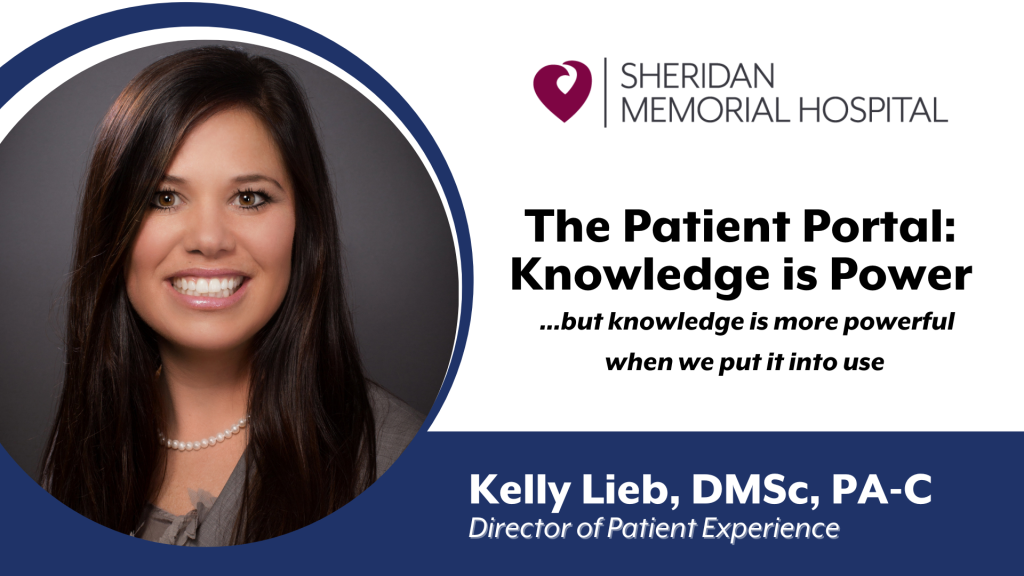
In advance of your next appointment, and ongoing, I encourage you to take advantage of our patient portal (www.mysheridanhealth.org), also found on the Sheridan Memorial Hospital website. It offers 24-hour secure access to your personal health information as well as allowing you to:

  • View upcoming appointments
  • Communicate securely and privately with their provider
  • Request prescription refills
  • Conduct video telehealth visits
  • Access and complete forms necessary for upcoming appointments
  • View and print:
    • Test results (including COVID-19 test results)
    • Immunization records

Our new downtown practice is an important investment in Sheridan, a community that means so much to my family and me. We look forward to meeting you and your family, and of course, seeing familiar faces in our brand new space.

Kristopher C. Schamber, MD, FACP
Medical Director, SMH Primary Care

To Learn More – Click here or give us a call to make an appointment today –  307.675.2690

By Tiffany Sutton, PT, DPT, TCU Rehabilitation Coordinator at Sheridan Memorial Hospital

From changes to one’s daily schedule to the adjustments necessary to return home – Sheridan Memorial Hospital’s transitional care team of nurses, doctors, and therapists manage transitions and help you or your family member regain a level of independence for a safe return home following an injury, surgery, or serious illness. From daily rehabilitation to 24/7 nursing care, our multi-disciplinary team will work to keep you close to your community, friends, family, and the one place we plan to transition back to – home. After varying lengths of stay, patients are headed home, but how do we prepare them? Two invaluable tools our Transitional Care Team takes advantage of are our newly improved ADL Suite and Home Evaluations.

Activities for Daily Living Suite
Sheridan Memorial Hospital’s ADL (Activities for Daily Living) Suite is set up to emulate a home environment with a kitchen and bathroom where patients can practice skills before returning home. Simple tasks such as reaching for clothes in their closet, preparing a meal using various appliances, and taking a shower are practiced in our home-like suite with our care team’s guidance.

Completing sessions within the ADL Suite under the team’s guidance allows for “failure” in a safe environment. By putting our patients in real-life scenarios in a safe, controlled setting, we can motivate them toward their goals while quickly making modifications. Being in a hospital for an extended period can create a new set of habits because patients become used to delivered meals, showers without tubs, and a schedule made for them. The time with our therapy team in the suite allows one to better prepare for the transition back into their daily life and decision-making.

Tasks within ADL sessions allow for a collaborative and efficient approach among therapists. Cooking a patient’s favorite dish is one of the most common activities between therapist and patient, as it allows for observation of occupational, physical, and speech therapy progress. For example, physical therapists review one’s ability to stand at the stove and their overall balance and stability, occupational therapists watch for their ability to reach and turn things on/off, and speech therapists observe the ability to follow a recipe and swallow the food one makes.

Home Evaluations
The home evaluation is an invaluable tool for our team to ensure a safe and triumphant return to their living situation. The key to a successful transition is the personalization our team focuses on for each patient, their diagnosis, rehabilitation, and home environment. A vital part of patient care is meeting them where they’re at and keeping them safe. Sheridan Memorial Hospital prioritizes the home evaluation and is one of the few transitional care facilities in the area that takes the time to travel to the home with our patients to ensure it is in the best shape to transition back into the space.

A home evaluation isn’t a judgment of cleanliness or décor choices. This time is for a rehab therapist to evaluate the setup, the patient performing tasks, and their mobility throughout the home. This exercise helps to dispel the misconception that “when I go home, I will be able to do ______.” It presents a realistic picture of current levels of functioning and goal setting. A home evaluation is also a time for family members to learn about the adjustments needing to be made in the home, based on what is most important to our patients or additional services that might be required to provide proper care moving forward.

From simple adjustments like moving a rug and furniture which allows space for a walker to navigating life with a beloved pet that can be a tripping hazard, evaluations provide insight to the care team on how to serve our patients best. Home evaluations also decrease quick returns to TCU by eliminating dangers and determining issues a person might have when returning home.

Along with the visit within the home, there are discussions about daily living and the patient’s need for additional support. For patients who are alone in the home or only have a support system from afar, our team will familiarize them with community resources that specialize in providing these services. Home Care, Grocery Delivery, Goose Creek Transportation, and Home Delivered Meals through The Hub are just a few of the services our team familiarizes patients with, ensuring they’re able to return to a safe and fulfilling home life.

The newly improved ADL Suite, along with the many other amenities of the Transitional Care Expansion, will allow for enhanced care and even stronger transitions home for our patients. Our care team is looking forward to transitioning into the newly renovated space on the hospital’s 2nd and 3rd floors in the coming months, providing the opportunity to better serve our growing community with excellent patient-centered care.

Learn more about Transitional Care