Welcome to Sheridan Memorial Hospital
1401 West 5th St. Sheridan, WY — 307.672.1000
The Foundation’s successful Clinical Educational Endowment was initiated in 2003 with private donations. Annually it provides nursing scholarships and clinical education opportunities for hospital staff members. The goal of the program has remained the same throughout the years, to strengthen and ensure excellent patient-centered care for our patients and their families. The endowment continues to grow with new gifts, and evolve with the growth of Sheridan Memorial Hospital and healthcare needs of our community.
The Foundation proudly announces Miranda Cone as the recipient of the 2021-2022 Cato Scholar Award. Miranda has been a member of
Sheridan Memorial Hospital’s Medical/Surgical team for over two years and is an active community volunteer with The Food Group in Sheridan. The annual Cato Award is possible because of a generous donation from the Wayland H. Cato, Jr. and Marion R. Cato Foundation.
Miranda expects to graduate with her Associate Degree of Nursing from Sheridan College in spring 2022 and work as an RN while completing her BSN. The Foundation along with our hospital’s Nursing Leadership applaud Miranda on her efforts to achieve her goals. As she stated, “Whether in school or at work, I strive to give my best effort and be successful. Becoming a nurse has been a dream of mine since I was in high school, and receiving this scholarship gets me one step closer to achieving that dream.”
Along with The Foundation’s Cato Scholar Award, 27 additional clinical scholarships were awarded to hospital staff members.
Scholarship funds are distributed annually each spring through an application and interview process. Nursing leadership from the hospital, along with Foundation Board members and staff, review and select the recipients. Including this year’s awards, The Foundation has granted nearly $400,000 in nursing and clinical scholarships. “We are extremely proud of our Sheridan Memorial Hospital staff, and grateful to provide opportunities for development through this endowment built by our generous community,” states Director of Donor Relations Ada Kirven. “The Foundation’s ability to assist in advancing team members with the skills and knowledge they need is a wonderful investment in the hospital’s greatest asset – our people – this program has positivity impacted excellent care for the region, and the endowment will continue for years to come.”
Awardees received scholarship funds for a variety of educational opportunities such as Associate, Bachelor, and Graduate Degrees at a diverse group of colleges and universities; and specialty certifications and training. Recipients come from clinics and departments across the organization including: Women’s Health Labor and Delivery, Medical/Surgical Unit, Women’s Clinic, Welch Cancer Center, Wyoming Rehab, Wound Care, Emergency Department, ICU, Primary Care, and Surgical Services.
To learn more about The Foundation or make a gift to our educational programs, contact us at sheridanhospital.org/foundation or by calling 307.673.2418 today!
Summer weather calls many of us to spend more time outdoors. While this time of year brings a welcome respite from our cold Wyoming winters, it also brings higher temperatures and risk for heat-related illnesses and heat stroke. As the body’s temperature rises and gets too hot, some of the first symptoms that occur are excessive sweating, cool clammy skin, nausea and vomiting and muscle cramps. This is known as heat exhaustion, and can occur with or without heat cramps or heat syncope (passing out).
However, if your body’s temperature continues to rise to 104 degrees Fahrenheit or higher, you can progress to heat stroke. Symptoms of heat stroke include balance difficulties, hallucinations, confusion, passing out, seizures and other complications involving the central nervous system. Heat stroke can cause permanent brain damage and is life-threatening.
There are several myths regarding heat stroke that should be dispelled. A common misconception is that you stop sweating when heat stroke occurs. In reality, heat stroke often occurs during extended exertion in the heat, so people are almost always still sweaty as they enter the territory of heat stroke.
Another myth is that you must be severely dehydrated to develop heat stroke. Dehydration may predispose you to heat illness, and can make it worse, but does not have to be present. Heat stroke can occur after only 20 minutes of exertion and before you have lost much fluid. The intensity of exertion and temperature are the main contributors.
Keep in mind that things are not always as they appear. For instance, the most common ways to take your temperature are with an oral or forehead thermometer. However, your body’s external temperature does not always match its core temperature. In addition, people who are developing heat stroke may not appear dizzy, confused, or off balance initially while they are in the early stages of heat stroke and may then deteriorate rapidly as their body temperature rises further.
Certain factors can put you at higher risk of developing heat stroke. These include high environmental temperature, intense exertion, being out of shape, equipment preventing heat loss (football pads, firefighter PPE, and multiple layers of clothes), obesity, sleep deprivation, dehydration, and fever.
Heat stroke is a risk for any age group. For example, infants do not have the ability to change their environment or clothing on their own. Children left in hot vehicles are at particular risk. High school football players are also at risk from intense exercise, sometimes twice a day at the beginning of the season in August. Working adults such as roofers and firefighters should be aware as they exert themselves in hot environments. Finally, seniors are also predisposed to heat related illness, particularly if they do not have air conditioning, their air conditioning fails, or there is a power outage.
There are several steps that you can take to prevent heat exhaustion and heat stroke. Be mindful of the weather forecast and be willing to adjust your plans for the day. If it is going to be hot, don’t make big plans for exertion and plan to take frequent breaks. Plan any exercise, hikes, or outdoor work earlier in the day, when it is not as hot.
Avoid dehydration by drinking plenty of fluids such as water or sports drinks and avoid caffeine and alcohol. Keep in mind that diarrhea, vomiting, and fever all increase your water loss and can also predispose you to dehydration and heat-related illnesses. An easy way to track your hydration level is to monitor your urine color. The darker the urine, the more dehydrated you are. Hydrate to the point that your urine is pale yellow or clear.
Also keep in mind that our vehicles are a particular risk for exposure to high temperatures. A car in the sun can heat up by 20 degrees in only 10 minutes. A study measuring temperatures in cars parked in the sun on a 95 degree found the average temperature reached to be 116 degrees. Consider running your vehicle’s air conditioning for 10 minutes before entering and never leave a vulnerable adult or child in a hot vehicle.
If you plan to be outside in the heat, wear loose lightweight clothes and avoid wearing multiple layers that would keep your body from cooling properly. If you feel that you are getting too hot, remove extra clothing and move to the shade or air conditioning if possible. Taking a cool shower or bath can also be very effective. If this is not possible, getting wet and sitting in front of a fan can cool you through evaporation. Cold packs (or anything else cold such as a bottle of water from the refrigerator) can be placed on your neck and in your armpits and groin to cool you further.
However, if you or someone else continue to worsen despite these measures or begin to experience balance difficulties, confusion, hallucinations, passing out, or seizures seek medical attention immediately, even if you have to call 911. Enjoy the summer weather, but do so safely.
Vera Olson was suffering from more than illness when first admitted into the Transitional Care Unit (TCU) at Sheridan Memorial Hospital in February 2019. On top of experiencing atrial fibrillation and viral sepsis, she was grieving the very recent death of her daughter.
For Vera, looking back today, that first six-week stay in the recuperative wing blurs together. However, one element remains salient: the kindness of the TCU nurses and physical therapists (PT).
“They watched me, they worked with me when I got stronger, they kept the exercises interesting,” Vera remembered. “They made it fun. The TCU [team] seemed to work so well together. It was the highlight of my day.”
“She loved doing therapy with us,” Tiffany Sutton, PT noted. “Even when she was exhausted and sad, she would still come and try to do things with us. We did the therapy, of course, that’s a big part of it — but we also helped her grieve and heal from her daughter’s passing.”
The TCU’s focus on healing patients both physically and mentally was not lost on Vera Olson.
“I will never forget the caring, the support, the lightness of it, and the encouragement that they give you,” she said.
With each day’s dose of exercise, sunshine, and laughter, Vera felt a bit stronger. When she was admitted, she could barely walk for 15 feet and keep her head up, even when assisted. By the time she was discharged, she could walk more than 400 feet independently.

To ease the transition, the TCU team set up home healthcare to visit Vera throughout the week, a service that she deeply appreciated.
“Anytime you can be at home, it’s good,” Vera said.
However, this was not her last trip to the TCU. Due to other health issues, Vera has returned twice more for shorter stays. She would not have returned if it were not such a good experience, she said. “Of all the places I received transitional care, Sheridan Memorial Hospital was by far the best! It was like family caring for me.”
Today, knowing that the TCU team is there for her when she needs them, “Is a very good feeling, very great, very warm,” according to Vera.
To learn more about Transitional Care visit https://www.sheridanhospital.org/medical-services/transitional-care today!
On Friday, July 2, over 100 golfers and hospital volunteers gathered at The Powder Horn Golf Club to raise awareness and funds for patient care programs at Sheridan Memorial Hospital. The Foundation’s 12th Annual Golf Tournament focused on raising funds that will go towards the expansion of our hospital’s Transitional Care Unit (TCU). It’s thanks to generous contributions such as those raised here that Sheridan Memorial Hospital can continue driving forward in providing excellent patient-centered care, for everyone.
This year’s event was a huge success, raising over $17,000 for our Transitional Care Expansion campaign. Over its 12 years, the golf tournament has raised over $265,000 in support of excellent patient care for our community. Projects funded include the COVID-19 Care Fund, Intensive Care Unit, Cardiac Care, Cath Lab, the Patient GAP Fund – which helps ensure successful recovery for patients after a hospital stay, and various other department projects. Most recently, these funds were able to support the expansion campaign for our hospital’s TCU. This new and improved TCU is on track to house 20 private patient rooms, 12 more than our previous space, as well as a private dining area, separate family meeting & consultation room, and multiple rehab spaces.
Winners of this year’s Tournament included:
1st Place Team – Hammer Chevrolet: Troy Baker, Paul Mavrakis, Paul Felker, Anthony Spiegelberg
Others who received recognition for their excellent play included Samantha Spielman, Tayla Legerski, J.T. Grainger, and Will O’Dell.
According to The Foundation, First Federal Bank and Trust, D.A. Davidson; Kennon; and O’Dell Construction were this year’s Hole-in-One, Gold Sponsors.
Cody Sinclair, Chief Development Officer, wrapped up the event, “It was a great day of golf and philanthropy with funds raised to support expansion of Transitional Care for our community. Sheridan Memorial Hospital and the care it provides to everyone is remarkable, and The Foundation is appreciative of everyone who was involved. Thank you to all of our wonderful tournament sponsors, participants, and volunteers for helping make this a great event!”
To join The Foundation and support future events, visit https://www.sheridanhospital.org/foundation/
Sheridan Memorial Hospital’s (SMH’s) Transitional Care Unit (TCU) is a hospital-based short-term care unit for medically complex patients who are transitioning after a hospital stay. This type of care is referred to as sub-acute care, or skilled care, and is a great option for patients who completed acute medical treatment, but still need therapy and assistance to regain their fullest functionality before going home or to next level of care.
Originally established in 2005, the SMH TCU is designed to provide rehabilitation and skilled nursing care to ensure patients meet their healthcare goals. It provides coordination and continuity between various providers, services and settings. The Interdisciplinary Team of professionals serving these patients may include: physical, occupational, speech, pulmonary and respiratory therapists; nurses; Case Management and social workers; dietitians; pharmacists; and physicians.
One of the services most beneficial to any person’s successful transition from a hospital stay to home is this Team. The Team meets regularly with each patient and/or their families and caregivers throughout their stay to ensure the TCU care provided is on track with individualized and established goals. After a serious illness or injury, it can be a challenge to make that transition back to normal life, especially if the “new normal” is different. That’s where TCU care also steps in. It allows patients to take their time adjusting to a new quality of life, emotionally and physically. Days of care in the TCU range anywhere from 3 to 100 days depending on individual patient circumstances and healthcare guidelines.
Our hospital’s Case Managers assist patients and their families when needed with the determination of the most appropriate setting for the next step or level of care. Individual needs are reviewed, discussed and assessed by the Team in conjunction with each patient. Many times this process may include a visit to the patient’s home to ensure it is safe and set up correctly for success. Or it may be an opportunity to connect and introduce patients with other support services available in our area. While TCU care is extensive in its approach, its main focus is to ensure quality, safe care and help patients return to daily environments with the highest level of strength and functionality possible. The TCU helps minimize the chance of a patient’s return visit to the hospital.
The expansion of our hospital’s TCU combines this unique care and the patient experience. Our new TCU on the 2nd and 3rd Floors of the 1954 hospital will ensure a quality stay for patients in a separated environment. Patient goals vary, but may include learning new skills, participating in activities, and socialization. This daily routine is also a big component to prepare for the transition back home. Some of the activities include: cooking and baking in the TCU kitchen, completing laundry tasks, improving mobility through exercise either in the therapy gym or outside on the beautiful SMH campus, practice entering and exiting a vehicle, and a beautiful group dining and activity area with views of the Big Horn Mountains.
The desire of every member of our SMH team is to provide excellent care close to home for our Sheridan community. The TCU Expansion greatly enhances our ability to meet the needs of the patients we serve every day.
To learn more about Transitional Care at Sheridan Memorial hospital click here: https://www.sheridanhospital.org/medical-services/transitional-care/
The Sheridan Memorial Hospital Foundation board members and staff are excited to announce, thanks to the generosity of our community; we’ve met the $4.4 million fundraising goal for the Transitional Care Expansion. All gifts and pledges in the last month were matched by The Foundation and helped complete the final push to reach the goal. Nearly 1,000 donors from our community made it all possible.
As initially planned, reaching this goal allowed Sheridan Memorial Hospital to begin construction on the 2nd and 3rd floor of the original 1954 hospital on Thursday, July 1st. The expansion increases the hospital’s eight current Transitional Care rooms to 20 comfortable, private rooms. The new Transitional Care Unit is scheduled to open in the summer of 2022.
Foundation Board President and Campaign Co-Chair Richard Garber shared the good news, “It not only fills the growing need to care for individuals after a hospital stay, but will also help ensure their safe and successful return home. Another positive is that this project repurposes the original 1954 building back to patient care. This is an excellent use of space and, once completed, our professional care team of providers and rehabilitation staff will be able to offer excellent care to more individuals. It all comes down to keeping people in Sheridan, close to home and their loved ones.”
Cody Sinclair, Chief Development Officer for the Foundation, said, “It has been an amazing experience sharing this project with our community, and we appreciate everyone who’s contributed to the success of this campaign. We have heard countless stories of the gratitude our patients and families feel to have excellent healthcare close to home.”
Those still interested in supporting the Transitional Care Expansion are welcome to play a part in the project. Any additional donations and gifts received will be utilized to help the hospital defer additional construction. Initial estimates of the project were at $8 million, while the final cost is $8.3 million.
At the Sheridan Memorial Hospital Board of Trustee meeting held on Wednesday, June 30, at 4 pm, Dr. Doughty, Richard Garber, Ada Kirven and Cody Sinclair presented a ceremonial check to the hospital announcing The Foundation reached its goal of $4.4 million thanks to our generous community.
The Foundation plans to host a celebration of the past year’s successes on July 27th at the hospital starting at 5 pm. The Foundation invites all donors to the event, on the patio in front of the Sheridan Memorial Outpatient Center. For more information, please get in touch with The Foundation at 307.673.2418.
To get the most up to date Foundation information and learn more about the Transitional Care Expansion Project, visit sheridanhospital.org/foundation.
David Nickerson, MD, urgent care physician at Sheridan Memorial Hospital, has completed the necessary training through the Federal Aviation Administration (FAA) to become an authorized Aviation Medical Examiner (AME) for second-and third-class pilots. Dr. Nickerson completed the FAA Aerospace Medical Certification Division training in Oklahoma City and has passed the national certification exam.
An AME is a physician designated by the FAA and given the authority to perform flight physical examinations and issue aviation medical certificates if the applicant meets FAA standards. There are approximately 6,000 AMEs nationwide; there are only 10 in Wyoming.
While all pilots must receive some type of health assessment before flying, the levels of certification vary. Generally, the first-class certification is designed for airline transport pilots; second-class for commercial pilots, including corporate aviators, crop dusters and charter pilots; and third-class for student, recreational and private pilots.
For pilots seeking a flight physical medical certificate, the process requires a physical exam, in addition to testing to assess mental, neurological and general health. A vision and hearing test is also performed, as well as a urinalysis to check for diseases or other potential medical conditions.
Dr. Nickerson is board certified in Emergency Medicine and has worked in Emergency Medicine, Urgent Care, and Occupational Health at Sheridan Memorial Hospital for the past eight years.
To schedule your 2nd or 3rd Class Flight Physical with Dr. David Nickerson today, call 307.675.5850.
Sheridan Memorial Hospital has been advised of a worldwide voluntary recall of various continuous positive airway pressure machines (CPAP), BiLevel positive airway pressure machines (BiPAP) and mechanical ventilators that are manufactured by Philips Respironics. This recall is being conducted due to two issues related to the polyester-based polyurethane (PE-PUR) sound abatement foam used in these devices:
1) PE-PUR foam may degrade into particles which may enter the device’s air pathway and be ingested or inhaled by the user, and
2) the PE-PUR foam may off-gas certain chemicals. The foam degradation may be exacerbated by use of unapproved cleaning methods, such as ozone (see FDA safety communication on use of ozone cleaners), and off-gassing may occur during initial operation and may possibly continue throughout the device’s useful life.
Philips Respironics advises patients and customers to take the following actions:
BiPAP and CPAP machines are used to treat sleep apnea and other airway access disorders.
Devices that may be impacted by this recall have been manufactured before April 26, 2021 and could include the following models:
Continuous Ventilator, Non-life supporting:
Noncontinuous Ventilator:
Continuous ventilator:
Continuous Ventilator, Minimum Ventilatory Support, Facility Use:
Continuous Ventilator, Non-life Supporting:
Products that are not affected may have different sound abatement foam materials, as new materials and technologies are available over time. Also, sound abatement foam in unaffected devices may be placed in a different location due to device design. Products not affected by this recall notification include:
This is very concerning and very difficult to maneuver. HMR is working directly with Philips Respironics to coordinate options for patients. All high-risk HMR ventilator patients have been transferred to a non-recalled machine. There are not any of these devices used in the hospital or inpatient areas. The impact is with HRM issued devices and the patients who use them.
Guidance from Philips Respironics includes:
Visit philips.com/src-update or call 1.877.907.7508 for assistance directly from Philips Respironics.
By Dr. Christopher M. Prior, DO, FAAFP – Physician at Sheridan Memorial Hospital’s Internal Medicine Practice
June is Men’s Health Month, and according to studies, 60% of men don’t consult their physician regularly and 33% are less likely to visit the doctor than women. But one area of men’s health is seeing a surge in activity.
Use of testosterone hormone as well as natural testosterone level boosting supplements has skyrocketed in recent years with people looking for treatment of fatigue, poor cognition, difficulty losing weight or gaining too much weight, and erectile dysfunction. The most common cause of low testosterone is age related low testosterone. Most adult males lose 1-2% testosterone annually after their mid-thirties. Chronic diseases such as obesity, sleep apnea, drug and alcohol abuse, hemochromatosis (harmful levels of iron in the body), as well as exposure to radiation or chemotherapeutics are potential causes of low testosterone. Rarely do genetic disorders lead to hypogonadism (a failure of the gonads, or testes, in men).
Treating potential causes of hypogonadism before starting testosterone supplementation would be the most common recommendation. Many people, however, seek over the counter supplements first. Unfortunately, some over the counter supplements can worsen symptoms or have adverse side effects. For example, there has been an increased number of young men in their 20’s and 30’s diagnosed with secondary hypogonadism caused by taking testosterone boosting supplements or illegally using testosterone hormone. Inappropriate use of testosterone can worsen sleep apnea, cause polycythemia (increases red blood cell count), elevate prostate specific antigen, increase cholesterol, as well as increase risk for stroke and heart attack.
Many urban areas have seen an increased number of low testosterone retail clinics. Most of these are cash only, with no insurance coverage for medications, lab tests or the prescription supplementation frequently recommended. Expensive blood work, estrogen blocking medications, pituitary stimulating hormones as well as testosterone supplementation can be cost prohibitive for most. While some users claim to feel better, think better, sleep better, and lose weight, there is very little evidence to support these claims.
Recently, the two largest medical organizations in the United States, the American Academy of Family Physicians and American College of Physicians agreed that the only clear reason to treat low testosterone is erectile dysfunction. While testosterone has been used to help bone density, cognition, anemia, overall well-being, and infertility—there are no articles suggesting benefits in these areas with testosterone supplementation.
Routine screening of testosterone levels is not recommended for asymptomatic males. When a patient has symptoms that may be related to hypogonadism they may be screened for low testosterone in addition to the previously listed chronic causes of hypogonadism. If testosterone levels come back low, testosterone replacement therapy can be initiated, with appropriate monitoring regularly with blood tests and clinical symptoms. This is generally a mutually agreed upon decision by the patient and provider after a review of risks and benefits.
Talk to your primary care provider about your healthcare concerns. If you don’t have one, check out Sheridan Memorial Hospital’s Internal Medicine practice or call: 307.675.2650
Sheridan Memorial Hospital’s Covid-19 testing is now being done at the hospital’s Urgent Care – located at 1435 Burton Street – one block south and one block west of the hospital – follow signage to Urgent Care.
Persons wishing to be tested for Covid-19 do need an appointment and should still call the hospital’s Covid-19 phone number: 307-672-1004. When a staff member calls them back to schedule their appointment, they will help the caller select the most appropriate test for their needs.
When people arrive for their appointment, they should remain in their vehicle and call to let the staff know they are there. The notification phone number is posted in the Urgent Care parking lot. Covid-19 tests are conducted Monday-Friday.
More information about Covid-19 can be found at https://www.sheridanhospital.org/community/coronavirus/
By Barb Hespen DNP, RN, Chief Nursing Officer at Sheridan Memorial Hospital
National Certified Nursing Assistant (CNA) week is June 17-23, 2021. This week is a way to honor those who work in this demanding profession which requires meeting the basic care needs for patients in hospitals, skilled nursing facilities, in assisted living and in patients’ homes.
At Sheridan Memorial Hospital (SMH), we have 40 CNAs who are the heart of our patient care areas. They provide bedside, hands-on care to our patients – assisting the nurses with many, many responsibilities. CNAs play a critical role in the patient care team — answering the patient’s questions and responding to their needs. Quite a few of our CNAs perform a dual role as unit clerks, managing information and communication within their departments.
The most common duties that CNAs provide to patients under the direction of Registered Nurses (RN) include:
These duties are clearly very important to patients, as are the CNA’s behavioral skills, including having a high level of patience, compassion, empathy, attention to detail, communication skills, sense of humor, and physical strength. All of these characteristics of CNAs ensure that patients receive excellent care while in hospitals, nursing homes or in their own homes.
The CNA career is a rewarding and fulfilling one, and these skills are in high demand with the expanding healthcare needs of our aging population. A CNA can make this a life-long career, or they can build on the learning and experience and expand their schooling into another healthcare field.
I have worked with CNAs who have cared for patients and their families for 30+ years and are excellent in the care that they provide. I also have worked with CNAs who have advanced their knowledge by becoming RN’s, Physical Therapists and Lab Technologists. I started as a CNA early in my career and learned valuable skills that have continued throughout my nursing career.
Please take time this week to thank a CNA who you work with for all of the care that they provide to our patients. Happy CNA week!
If you are interested in becoming a CNA, learn more about Sheridan College’s CNA course by clicking HERE. If you are a CNA and would like to join our Team at Sheridan Memorial Hospital, visit our careers page and check out our current job opportunities HERE.
By Cody Sinclair, Chief Development Officer of Sheridan Memorial Hospital
Sheridan Memorial Hospital (SMH) strives to meet community and regional demand for patient care. Over the past year we have become even more aware of the importance of growing and adapting in ways that add value for our patients and appropriately meet the needs of the Sheridan community and region. Providing care close to home ensures people are able to stay near their family and friends when health issues arise.
One area where care close to home is especially important is Transitional Care. Having a comfortable, private environment to heal and regain strength and confidence for a safe return home following a serious illness, injury, or surgery is critical. SMH is fortunate to have an outstanding Transitional Care team of providers, therapists, nurses, and case managers who work with patients to help them recuperate and rehabilitate. The goal is to help each individual regain their strength, confidence and independence for a safe return home and to their lives.
SMH’s Transitional Care service began in 2006. Since then, our patient’s need has continually grown. In 2017, the hospital cared for an average of four patients per day. Today, the hospital averages eight Transitional Care patients per day; however, the need already surpasses the hospital’s current bed capacity to provide or expand with the growing senior population. According to data from the Centers for Medicare & Medicaid Services (CMS), SMH currently serves approximately 17% of all Transitional Care needs for our community, while over 18% of Transitional Care needs are being met outside our community. This means patients and their families may have to leave Sheridan and travel long distances for care. This presents a hardship for families to visit and support their loved one throughout their recovery process. Based on data from two separate third-party vendors, the hospital anticipates a continued increase in patients due to growth in our community, especially in the over 65 and retirement age population. Because the majority of patients (85%) are in this growing demographic, SMH has made plans for an average of 18 to 19 patients per day by 2024 based on this data.
Fortunately, through the support of The Foundation and generous contributions from our community, SMH will expand Transitional Care to fully meet the need for care close to home. The expansion, which includes repurposing space on the 2nd and 3rd floors of the original 1954 hospital, will increase the hospital’s Transitional Care rooms from 8 semi-private rooms to 20 comfortable, private rooms. Thanks to our community’s generosity over the past eight months, The Foundation is nearing its fundraising finish line with a completion goal of June 2021. With our community’s generosity and support, SMH plans to begin construction in July 2021 and open its new Transitional Care Expansion in the summer of 2022.
To learn more about the Transitional Care Expansion, please visit sheridanhospital.org or call our Foundation Office at 307.673.2418.
For Immediate Release – June 9, 2021
The Sheridan Memorial Hospital Foundation is matching all gifts in June to finish the Transitional Care Expansion Campaign. The 100% match will be made for all gifts and pledge payments received throughout the month of June. Make any size donation to the Project this month, and it will be doubled.
The community support for the project has been amazing over the last eight months. Local community donors and foundations have given just over $4 million of the $4.4 million goal. Fortunately, through the support of The Foundation and generous contributions from our community, Sheridan Memorial Hospital (SMH) will expand Transitional Care to fully meet the need for care close to home. The expansion, which includes repurposing space on the 2nd and 3rd floors of the original 1954 hospital, will increase the hospital’s Transitional Care rooms from 8 semi-private rooms to 20 comfortable, private rooms. Thanks to contributions and pledges over the past eight months, The Foundation is nearing its fundraising finish line with a completion goal of June 2021. SMH plans to begin the next phase of construction in July 2021 and open its new Transitional Care Expansion in the summer of 2022.
Foundation Board President and Campaign Co-Chair Richard Garber shared the good news, “Once again, we are excited to announce another matching gift, and it could not have come at a more important moment, as we finish the Transitional Care Expansion for our community. We want to ensure people understand the positive effect this additional space and the private rooms will have for our patients.”
Garber added, “It not only fills the growing need to care for individuals after a hospital stay, but will also help ensure their safe and successful return home. Another positive is that this project repurposes the original 1954 building back to patient care. This is an excellent use of space and, once completed, our professional team of providers and rehabilitation staff will be able to offer care to more individuals. It all comes down to keeping people in Sheridan, close to home and their loved ones.”
The Transitional Care Expansion provides an additional 15,600 square feet of patient-care area on the second and third floors of the hospital. The plan includes 20 private patient suites, a private group dining area, family meeting and consultation room, and rehab space overlooking the Bighorn Mountains. Cody Sinclair, Chief Development Officer, oversees The Foundation’s efforts, “Everyone on the hospital team involved in the planning is excited and confident the new area will enhance our patients’ care experiences, overall results, and the goal of helping individuals successfully transition back home. This is a community effort and something that will enhance care for many years to come.”
To get the most up-to-date Foundation information and learn more about the Transitional Care Expansion Project, visit sheridanhospital.org/foundation.
Dr. Jason Ackerman has been practicing medicine in Sheridan for the past 8 years and has been a mainstay in the Sheridan Memorial Hospital Internal Medicine Clinic. He is excited about opening an Addiction Medicine Clinic here in Sheridan. We sat down with him recently to get his thoughts on this new adventure in his career, why he is taking this leap into addiction medicine and what it means for the Sheridan community.
Q: Dr. Ackerman, tell us why you felt it was important to get this certification and open this clinic in Sheridan.
A: I started treating opiate addiction while I was in residency and continued that when we moved to Sheridan after residency. It was initially a very small part of my practice, but it began to grow more rapidly the last few years. I came to realize how underserved and undertreated patients with addiction are in our community. When I had a chance to get boarded in Addiction Medicine it seemed like a good opportunity to broaden my knowledge base and start helping more patients with a variety of addiction problems.
While it’s been needed in Sheridan and our surrounding communities for a while, it’s also been one of the most rewarding aspects of my practice. Not only is it a chance to improve patients’ health, in many cases it is truly giving people a second chance at life. I have had homeless patients find housing and start working. I have had patients go back and get college degrees and others start new careers. Parents who have lost their children due to addiction have been able to get their kids back home. They see successes that they never thought were possible and it’s amazing to be a part of that.
Q: What does it mean to see a doctor/physician who specializes in addiction? Aren’t most internists focused on physical health?
A: That certainly is our primary training and focus. But internal medicine spans a broad range of specialties. One of the great things about practicing here is that we can find our niche and develop skills in our area of interest. There is a big component of mental health in addiction, but as research progresses in the field we are learning more and more that this is a true disease process and not simply a series of bad choices. The good news is that means there are medications and therapies that we can use to help people recover and succeed.
Q: Is this a pain management clinic? What services are offered through the new clinic?
A: This is not a pain management clinic, although we have certainly helped people taper off of pain medications. Our focus is treating the disease of addiction, whether it is opioid pain medications, heroin, alcohol, stimulants, gambling – it really runs the gamut of substances and behavioral addiction.
Q: Can you talk about medication assisted therapy and what exactly is suboxone?
A: Just as some people are able to treat their diabetes with diet and exercise while others need insulin and other medications, there are a number of ways to approach the disease of addiction. Some people do well with counseling or groups like Alcoholics Anonymous. But when we start looking at the process of disease, there are some medications that can significantly improve people’s chances of recovery. Medication assisted therapy is using evidence-based, targeted medications to help people achieve that recovery. Suboxone is probably one of the best known and most effective medications. The primary component of it is buprenorphine, which is a partial opioid agonist. That’s essentially a fancy way of saying a medication that hits all the same receptors as opiates like pain medications or heroin, but turns on those receptors just enough that people do not have cravings or withdrawal symptoms. That allows people to not only remain clean and sober, but also increases their ability to incorporate all the important tools from other aspects of treatment – groups, counselors, etc. – and substantially increases the chances of long term sobriety.
Q: Are there specific areas of addiction on which you concentrate?
A: Not really. Part of that is that addiction is a broad field that seems to be evolving fairly rapidly at this point. The other part is that addictions don’t always come packaged quite as neatly as we used to think. Many people are able to get off of pain pills, only to develop an alcohol problem or a meth problem. There seems to be a genetic component and it can definitely run in families. Some people just seem to be wired to have problems and addictive tendencies with whatever substance crosses their path. I will say treating opiate addiction is very satisfying. We all see the headlines about skyrocketing fatalities from opiate overdoses. In clinic we see patients that have been using for years and cannot function without massive, potentially lethal doses of opioids in their system. They are literally a bad night or a tainted batch of pills away from dying. But when we can find the right doses and combinations of medications they are able to get clean relatively quickly. The patients frequently tell us that they feel “normal” for the first time in years.
Q: Do prospective patients need a referral to this new clinic? How does the process work?
A: We are always happy to take referrals, but you certainly don’t need one to get an appointment. People can just call us at 307.675.2674.
Q: If I have concerns about a family member or friend who may be addicted, how can I best help them?
A: That’s an incredibly difficult position to be in. Ultimately, patients with addiction need to be ready to get better. Sometimes that readiness comes with the urging of friends and family, sometimes it happens spontaneously, and sometimes a person has to hit bottom before they see that change needs to happen. I think being supportive and encouraging them to get help is really important. And if they’re just not ready at this moment, don’t give up – they will need your support when they are.
Q: Tell us a little about the partnership with Northern Wyoming Mental Health (NWMH).
A: A few years ago we realized how much better our treatment for opiate addiction would be if we teamed up. At the time I was treating opiate addiction with suboxone, but had no real links with counselors. Meanwhile they were treating a number of patients with opiate addictions but nobody to prescribe suboxone or other medications. Since then the partnership has really expanded and blossomed and covers all aspects of addiction. We have been fortunate enough to secure grant funding that can help some patients with the cost of medications and visits. We are able to have an amazing peer specialist (an addiction counselor who has recovered from addiction partially with the help of our program) and a wonderful case manager in our clinic on our main addiction treatment days. The partnership also opens up all the resources of NWMH to patients going through our program, including various group therapies, relapse prevention groups, individual counselors, and vocational rehab. I think a lot of our success stems from being able to align ourselves with their team.
Dr. Ackerman and the team at the SMH Addiction Medicine and Recovery Clinic are ready to serve the Sheridan community. If you have questions or need to schedule an appointment, please call 307.675.2674. For additional information please click here.
Thanks to generous gifts from planned giving and The Link annual event participants and sponsors, the Sheridan Memorial Hospital Foundation Board approved funding for over $325,000 in vital equipment upgrades at the hospital. The funding supports the replacement of equipment, which ensures excellent patient-centered care throughout the hospital.
According to Cody Sinclair, Chief Development Officer, “The Foundation is grateful for our community’s ongoing support. This tradition of healthcare philanthropy helps ensure our expert physicians and care teams have the equipment and technology necessary to provide the care our community has come to appreciate and value. ”
Specific funding announced today will purchase needed cardiology EKG (electrocardiogram) equipment to monitor various heart conditions in Internal Medicine, the Heart Center, Griffith Emergency Department, Intensive Care Unit, and the Cardiac Cath Lab. This equipment supports patient safety as well as faster turnaround time for physician diagnosis. The funds will also support the upgrade and replacement of the video monitoring system in the Cath Lab. The improved technology and additional capacity will provide clear and precise views during procedures, support quality care and patient safety in the Cath Lab. This special cardiology equipment purchase is possible through a planned gift from The Lorraine S. Husman Trust.
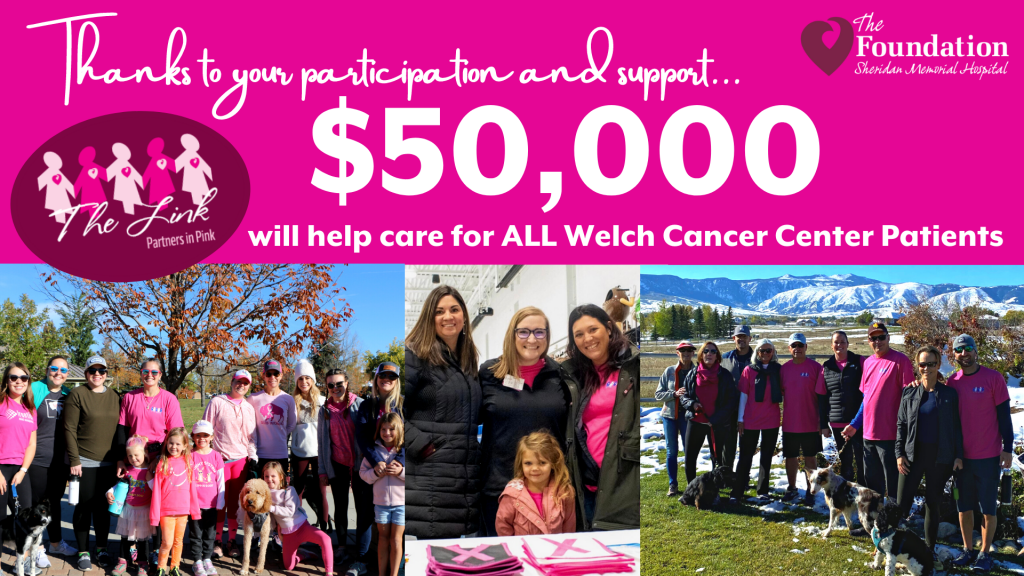
The other vital piece of equipment approved for funding is known as a Gamma Finder. Used in the operating room by the hospital’s surgeons and clinical staff, it allows the team to identify potential cancer nodes and, if indicated, an actual biopsy completed during the procedure. The Foundation’s Annual Link – Partners in Pink event proceeds used to make this purchase support cancer care, prevention, screening, and early cancer detection for our patients.
“Philanthropy continues to fund important projects for Sheridan Memorial Hospital and ensures everyone in our community receives needed care. A big ‘Thank You’ goes out to all those people, past and present, who through their generosity helped make these projects all possible,” Sinclair added.
To learn more about The Foundation, please visit sheridanhospital.org/foundation.
By Lynn Grady, RN, BSN – Sheridan Memorial Hospital Emergency Department and Intensive Care Unit Manager who also heads up the hospital’s Stroke Program
Every 40 seconds in the United States, someone experiences a stroke. Stroke is a debilitating and deadly injury to the brain that causes a death every 3.5 minutes in this country. Often the death follows a lengthy illness that limits a person’s participation in the daily activities of life.
Fortunately, there are several things you can do to minimize the risk factors of experiencing a stroke. Managing health conditions such as atrial fibrillation, high blood pressure, high cholesterol, diabetes, and eliminating lifestyle risk factors such as smoking can significantly decrease your risk of experiencing a stroke. Other lifestyle changes one can make to decrease the risk of stroke include maintaining a healthy weight by eating a healthy diet and engaging in regular exercise regimens, minimizing alcohol consumption, reducing personal stress levels, and maintaining regular appointments with one’s healthcare provider. Despite the best efforts of the healthcare industry in providing education and resources, stroke remains the 5th leading cause of death in the US since 2015.
If you do experience signs and symptoms of a stroke, such as sudden numbness in the face, arm, or leg, especially on one side of the body, or sudden confusion, difficulty speaking, or loss of coordination, call 911 immediately or immediately get to the Emergency Department. If someone you know is experiencing these symptoms, a quick and easy way to determine if this person may be experiencing a stroke is the F.A.S.T. mnemonic.
F – Face: Ask the person to smile. Does one side of the face droop?
A – Arms: Ask the person to raise both arms. Does one arm drift downward?
S – Speech: Ask the person to repeat a simple phrase. Is the speech slurred or strange?
T – Time: If you see any of these signs, call 911 right away.
As a stroke can happen in several different areas of the brain, a patient may experience varying degrees of speech and motor symptoms. This is why it is important to immediately seek medical attention if you are experiencing even one of the symptoms above. Acting F.A.S.T is key to minimizing long-term effects that may be experienced due to a stroke. A quick diagnosis is critical to ensure that a patient receives the treatment and medication they need in order to regain as much function as possible.
At Sheridan Memorial Hospital, we are able to offer our community rapid brain imaging and access to a neurologist by using our Tele-Stroke services provided through Wyoming Medical Center. This provides our staff and patients direct access to stroke experts and optimal treatment options that would otherwise not be available in a community in the size of Sheridan. One of the potential treatment options is a medication called TPA, a powerful anticoagulant (blood thinner) that can be used to help dissolve the clot that is causing the stroke. We are able to provide this particular treatment in Sheridan so that our patients can stay home in their community alongside their families while receiving care. TPA, however, must be administered within 4 hours of the initial onset of symptoms — another reason why time is of the essence if you think you may be experiencing a stroke.
After the initial treatment of the stroke, our patients can then go on to receive physical and occupational therapy services offered by Sheridan Memorial Hospital’s Wyoming Rehab to ensure that they can regain as much strength and function as possible prior to being discharged. If TPA is not an option for the particular type of stroke a patient is experiencing, a treatment plan can be quickly determined between our physicians at Sheridan Memorial Hospital and the neurologists through Wyoming Medical Center.
If you have any questions regarding your potential stroke risk factors, you are highly encouraged to schedule an appointment with your primary care provider to address these concerns. If you don’t have one, check out Sheridan Memorial Hospital’s Internal Medicine practice or call: 307.675.2650
Sheridan Memorial Hospital Foundation is working to connect the community with the Transitional Care expansion project. This expansion ensures our family, friends, and neighbors have a comfortable, private environment to heal and regain their strength and confidence to return home safely following a serious illness, injury, or surgery. The message has connected with so many people who understand the importance of having this care close to home.
The $8 million dollar project got a kick start toward the end of 2021 with a $2.1 million dollar grant from the State Loan and Investment Board (SLIB) to complete demolition and infrastructure work. Since then, The Foundation has steadily worked on raising the $4.4 million dollars that will allow Sheridan Memorial Hospital to start the final phase of construction to repurpose the 2nd and 3rd floors of the hospital for the 20 private Transitional Care rooms.
Due to the generous contributions over the past seven months, The Foundation is nearing the finish line of the campaign. A matching challenge in March was exceeded and The Foundation board stepped in to ensure that every gift received was matched. This opportunity helped The Foundation raise nearly $700k in March.
To date, gifts and pledges from our community of over $3.8 million dollars have been made to the Transitional Care expansion. This means the goal of raising the $4.4 million dollars by June 30, 2021, is within reach. Approximately one year from now, Sheridan will have a new Transitional Care Unit.
Foundation Board President and Campaign Co-Chair Richard Garber expressed his gratitude to our community and welcomed everyone to come see the vision for Transitional Care saying, “We appreciate the generous response from our community. Sheridan is a place where people take care of each other and share in a vision to ensure our community is a great place to live well into the future. This project will do just that and encourage everyone to come see the original 1954 hospital space that will soon be transformed for Transitional Care.”
To get the most up to date Foundation information and get involved in the Transitional Care Expansion Project, visit sheridanhospital.org/foundation.
Some of life’s biggest moments are spent with a nurse. National Nurses Week provides the perfect opportunities to celebrate the nurses who care for us, our friends and our families. They have an important job to do, and we are grateful to them for being there for us. We put out a call to our community to share with us how an SMH nurse or nurses have been there for them. Now we share their words with you and the nurses with gratitude. Do you have a great nurse story to tell? Click HERE to tell us about it and recognize the nurse who made a difference in your life.


The Centers for Medicare and Medicaid Services (CMS) has announced that Sheridan Memorial Hospital (SMH) has earned an Overall 5-Star rating. This comes only two years after SMH garnered overall 4-Star status and places SMH as one of only two 5-star hospitals in Wyoming.
“Attaining 5-Star status puts us in the top 13.56 percent of hospitals nationwide and shows the efforts we are putting into improving our processes are working,” said Barb Hespen, Chief Nursing Officer. “It really is a testament to the hard work and dedication put in by our physicians and staff every day.”
Since the start of the star rating system in 2015, CMS collects and compiles data from hospitals and uses that information to assign ratings from 1-5 stars. Much of the data comes from surveys of actual patients assessing their specific experience. CMS uses the rating system to measure multiple facets of over 4,000 hospitals across the country to drive systematic improvements in care and safety for patients. The specific performance indicators in the CMS Star Rating system include measurements related to five areas: Mortality, Safety of Care, Re-Admission Rate, Patient Experience and Timely and Effective Care. The ratings are published on the CMS Care Compare website.
Hespen added that improvement in readmission rates and patient length of stay was a major factor in earning a 5-Star rating.
“Our number of 30-day readmissions continued to be lower than the national average; in addition to the low number of excess days patients spent in acute care,” Hespen said.
In a memo to SMH physicians and staff members, CEO Mike McCafferty stated, “Thank you all for your commitment to our mission and your dedication to strive for perfection in all that we do. The road to excellence is a journey that requires all of our team members to embrace our principles and standards of behavior to deliver the best possible experience and value to our patients. Let’s continue to support one another to sustain this level of excellence for years to come.”