Welcome to Sheridan Memorial Hospital
1401 West 5th St. Sheridan, WY — 307.672.1000
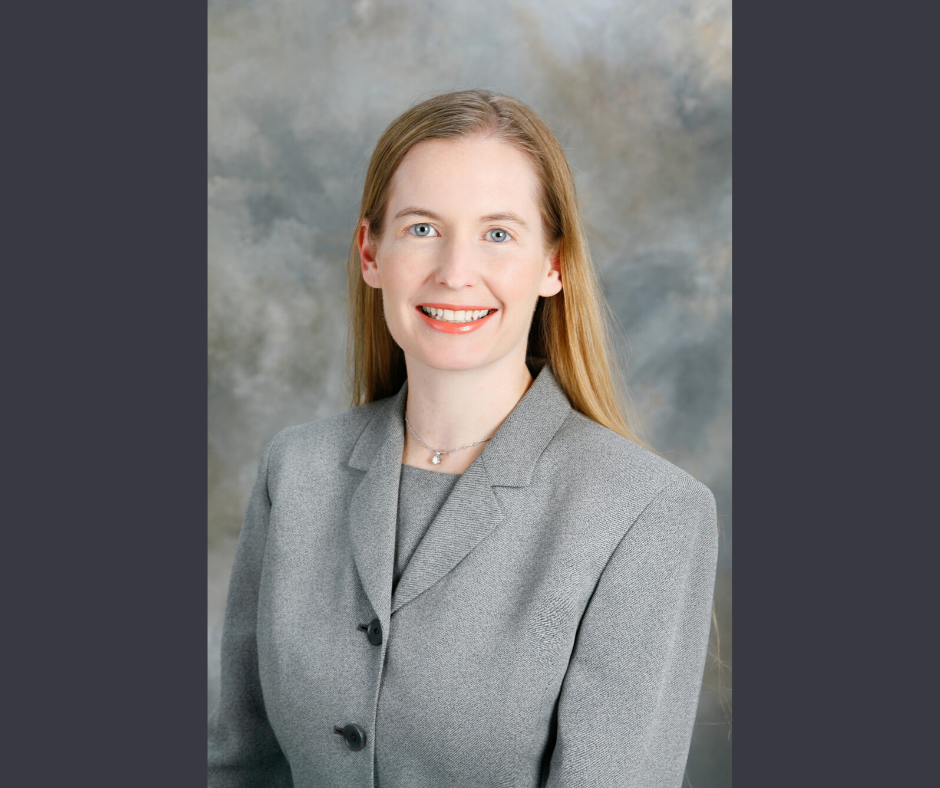
Sara Smith Maguire, M.D. FACS
It may not be the most glamorous subject, but talking about colorectal cancer saves lives. Among cancers affecting both men and women, it is the second leading cause of cancer-related death in the US. Unlike many cancers, we have effective tools to help decrease the development of colorectal cancer and identify its presence at an earlier stage.
The risk of colorectal cancer increases with age, with more than 90% of the cases we see being diagnosed in people age 50 or older. There are many factors that are associated with an increased risk of colorectal cancer. Some of these risk factors are related to lifestyle choices and are therefore modifiable. Maintaining a healthy weight, being physically active, not using tobacco, avoiding heavy alcohol intake and eating a balanced diet that limits intake of red or processed meat can all help decrease your risk. Some risk factors can’t be changed; these include increasing age, a family history of colon cancer, inflammatory bowel diseases and belonging to certain ethnic groups.
Colorectal cancer may cause symptoms as it grows. These symptoms include seeing blood in or on your stool, unintentional weight loss, a change in bowel habits and weakness or fatigue caused by a low blood count.
Screening is the practice of looking for cancer or pre-cancer in individuals without symptoms. Screening is incredibly effective when it comes to colorectal cancer because, from the time the first abnormal cells start to develop, it takes on average 10-15 years for those cells to become cancer. Screening is one of our most effective tools for preventing colorectal cancer because it allows us to identify precancerous polyps and identify small cancers that aren’t yet big enough to produce symptoms.
There are several screening tools for colorectal cancer, including colonoscopy which allows us to both find polyps and remove them. Talking to your doctor about your risk factors can help identify the most effective and appropriate screening test for you. In general, screening is recommended between the ages of 50 and 75, though there are reasons to start earlier or stop later for some people. Every year, about 140,000 people in the US will be diagnosed with colorectal cancer and 50,000 people will die from it. Our best tool to decrease both of these numbers is screening. Talk to your doctor today.
February is American Heart Month and there’s no better time to learn about women’s heart health. Heart Disease is the number one killer of women causing more deaths than cancer, including breast cancer. Heart Disease is on the rise in Wyoming and throughout the country.
Sheridan Memorial Hospital invites you to join us on Tuesday, February 18th at 12:00 pm in the Community Conference Room located at 61 S Gould St, for our Health Talk on Women and Cardiovascular Disease. Enjoy lunch on us and learn from SMH Heart Failure Coordinator, Kristi Ramsey BSN, RCIS, CVRN on how Heart Disease affects women in Wyoming and the United States.
At the Health Talk you’ll learn about the common signs and symptoms of different kinds of Heart Disease and how to spot them. You’ll also learn how to optimize heart health and what treatment options are available.
This February protect your heart and join us for our Health Talk: Women and Cardiovascular Disease.
If you have had cancer, are receiving on-going cancer treatment or are closely connected to someone who is a cancer survivor, we invite you to join us.
The courses are designed to help those affected by cancer adjust to the challenges of “living well after cancer treatment”.
Let us partner with you by teaching you some tools to help you manage the distinct psychological, emotional and physical effects that often accompany cancer treatment.
These courses are open to anyone free of charge, no reservations needed and are held on the first Tuesday of each month from 6-7pm in the Welch Cancer Center Conference Room – 1585 West 5th Street.
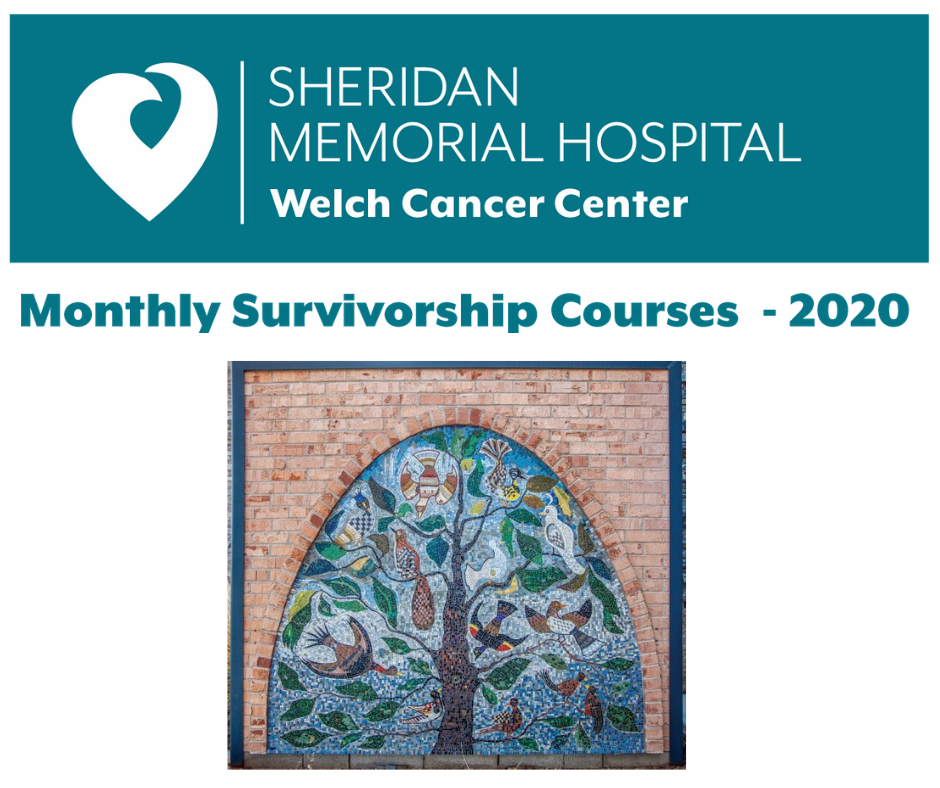
Check out the schedule for the first quarter of 2020 which is attached to this story – you may attend any or all of the courses.
Questions: call 307.674.6022

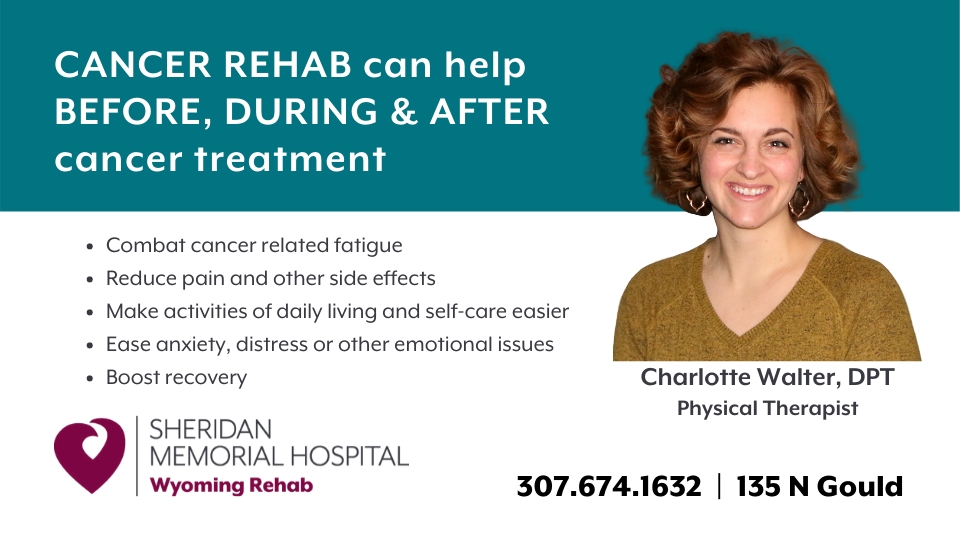
Wyoming Rehab’s Cancer Rehabilitation Program can help patients before, during, and after cancer treatment. The program is a comprehensive treatment approach aimed at improving the physical function of individuals who have experienced cancer.
“It’s incredible how important cancer rehab can be in the life of someone who has or has had that diagnosis,” said the head of Wyoming Rehab’s Cancer Rehab Program, Charlotte Walter, DPT. “There are so many things cancer can effect in your physical functioning.”
In the past, patients with cancer were told to “take it easy” but this is no longer the case. Research shows that exercise is a safe and effective addition to an individual’s cancer treatment plan. Patients participating in supervised and structured exercise programs have been shown to have increases in aerobic capacity, leg strength, bone mineral density at the spine, and lean body mass superior to individuals only treated with usual care.
The Cancer Rehab Program is for anyone who has been diagnosed with cancer. An individualized starting point is determined for each patient depending on needs and diagnosis. When patients first come in an initial evaluation is done looking at their strength, balance, endurance, and pain and fatigue levels. Individuals are asked about their current levels of function and anything they’re having trouble with at home, work, and during recreation.
“We try to find things that the patients enjoy. For example I have a patient who enjoys walking and used to walk multiple times a day with her husband. That’s something she wants to get back to, so we focus a lot on walking, pacing, and energy conservation,” said Walter, a Physical Therapist. “The program starts with the initial evaluation, then we come up with an individualized plan to help reach the patient’s goals. The final step is either the transition to a home exercise plan or to a community based exercise program.”
Apart from the many physical benefits patients of the Cancer Rehab Program can see, there are also mental and emotional benefits.
“My favorite part is to see the emotional blossoming. These individuals have gone through an enormous treatment experience. They can come in sad, anxious, and nervous. We can show them this isn’t over yet. We can get them back and show them they don’t have to give up all of the things they used to do. Seeing that hope, confidence, and independence is so rewarding for me when I work with these patients,” said Walter.
Walter also discussed how incredible it is to have a program like this in a small town like Sheridan.
“I’ve had many patients tell me how happy and blessed they feel that they can get this kind of treatment, starting at the Welch Cancer Center, right here in Sheridan. They say how they were so encouraged when they didn’t have to go Billings or Denver to get that treatment. When patients see they can continue and complement that treatment here, with our trained health professionals and get the guidance they need, it’s a really special thing,” said Walter.
If you or someone you know is interested in the Cancer Rehabilitation Program at Wyoming Rehab, all you need to do is get a prescription for physical therapy from your oncologist or primary care physician. Cancer rehab sessions are billed through insurance and can differ based on an individual’s insurance plan.
For more information on the Cancer Rehabilitation Program, call Wyoming Rehab at 307-674-1632 or stop by 135 N Gould St, Sheridan, WY.
This Month’s Working on Wellness Employee of the Month is
Internal Medicine’s Hannah Hall, MD! Hannah prioritizes her health not only for
herself, but for her family, patients, and staff as well. She discussed the
importance of priorities, a healthy lifestyle, and preventative health.
Health has always been an important part of Hannah’s lifestyle and she’s taken
many of the things she gained from an active childhood into her adult life.
“As far as staying healthy I was raised that way. My parents got me involved in lots of activities like tennis, basketball, and soccer,” said Hall. “Growing up we did a lot of outdoor activities like hiking, camping, fishing, hunting, sailing, and water skiing. I had exposure to a lot of activities, including lifelong sports like golf.”
Hannah went on to play tennis in college for a few years and
also participated in intramural sports. She was also a big runner until a knee
injury 5 years ago. Since then, she’s had to find new activities to keep her
healthy and one of those activities is hockey.
“My newest thing is hockey, I started a few years ago as a novice at the rink.
I ice skated a little growing up but not a ton, and I wasn’t very good. Novice is
great and I enjoy it because it’s a lot like soccer and basketball. You get
that same sports feel and its competitive. It satisfies the competitive nature
in me and It’s really fun. I have a smile on my face the whole time I’m out
there,” said Hall.
Along with hockey, Hannah does weight lifting at the hospital’s employee gym
and enjoys using her Pelton bike at home.
When asked what motivates her, she discussed the importance of balancing priorities and making time for self-care.
“You have to figure out a balance in your priorities and for
me that’s taken awhile. You come out of school and your priority is work and
that’s probably not the healthiest to have. For me, I figured out it’s faith,
marriage, family, and then work,” said Hall. “To have those lined out I have to
be healthy and I have to make time for self-care. That’s what motivates me. I
have to take care of myself in order to be available for my family, patients,
and staff.”
For Hannah self-care means exercising, eating healthy, and making time for the
outdoor activities she enjoys. After seeing how health has always been a
priority in her life, it’s easy to see why Hannah is passionate about
preventive health for her patients.
“In my job a lot of issues are related to weight and lifestyle. It’s a big
thing that I talk to people about and I always ask what motivates them. If you
can find out that people are motivated to work on lifestyle changes, I think
that’s the best thing. If you can motivate people to make those lifestyle
changes early on you can prevent things like diabetes and heart disease,” said
Hall.
The advice she would give others who are ready to make a lifestyle changes is to set small goals and to find things you enjoy that you know you can do for a long time.
“Don’t expect that you’re going to go from not exercising ever, to doing an hour a day. Start with small goals and don’t get discouraged if you start a change and you don’t see results right away,” said Hall. “You’re doing something great so give yourself credit. I always ask what works for you? What have you seen success with? Pick something you think you can do for a long time.”
By Joseph Garcia, MD – Cardiologist from Sheridan Memorial Hospital’s Heart Center
February is Heart Month and it is particularly fitting that Sheridan Memorial Hospital has accomplished Accreditation by the American College of Cardiology (ACC) for the treatment of congestive heart failure.
What exactly does this mean?
It means that Sheridan Memorial Hospital has made management and treatment of congestive heart failure a major priority to improve patient quality of life, improve survival rates, reduce hospitalizations, keep patients employed (or doing as much of their daily activities as possible) within the limitations of their heart.
Congestive heart failure occurs when your heart muscle is unable to pump blood efficiently because the heart pump is either too weak or too stiff to be able to function. When the heart is unable to pump efficiently, the pressures inside the heart start to rise and the circulation starts to back up to the point where, in severe cases, you develop fluid in your lungs as well as swelling of your lower extremities.
Persons who start developing heart failure usually begin with symptoms such as shortness of breath on exertion or inability to breathe comfortably while lying flat ad having to prop themselves up to breathe better. Most persons develop fatigue, weakness, a faster than normal heartbeat, reduced exercise tolerance and increased urge to urinate at night. As heart failure symptoms worsen, persons may experience swelling of the abdomen and lower extremities, resulting in rapid weight gain from fluid retention.
Major conditions, which can result in heart failure, include significant obesity, poorly controlled high blood pressure, poorly controlled diabetes and coronary artery disease. Excessive alcohol and tobacco use also contribute to heart disease. Some medications, both prescription and over the counter, can also result in heart damage.
Not all conditions that lead to heart failure can be reversed, but there are treatments that can improve the signs and symptoms of heart failure and help you live longer. A person can undergo lifestyle modifications such as not smoking, controlling diabetes and blood pressure, staying physically active, eating healthy foods, maintaining healthy weight and controlling stress. By reducing these risk factors or undergoing necessary surgical options, heart failure can be minimized. The stronger your heart pump is, the longer the overall life expectancy will be for the patient.
The ultimate goal for diagnosing and managing heart failure is early recognition and intervention. Patients that receive a new diagnosis of heart failure in our facility leave the hospital with a heart failure specific bundle. This bundle consists of a scale, pulse oximeter, blood pressure cuff, a calendar, a recipe book for heart heathy cooking, and an education booklet on living with heart failure. By increasing heart failure education and providing useful tools for success, patients will have a greater awareness and appreciation for their health.
Sheridan Memorial Hospital is proud to announce that the American College of Cardiology (ACC) has awarded SMH the Heart Failure Accreditation based on the hospital’s competence and specific standards that are in place to provide excellent care to patients with heart failure.
The mission of the ACC is to transform
cardiovascular care and to improve heart health. Heart failure is a condition
where the heart is unable to pump enough blood to meet the body’s needs for
blood and oxygen.
“This is not an easy accreditation to obtain,” said Cath Lab and Interventional
Radiology Manager, Kristi Ramsey, RN.
The accreditation is awarded after a
rigorous onsite review by the ACC. The yearlong process is a review of 73
mandatory components that focus on the hospital’s policies, standards,
protocols, and education related to heart failure. SMH staff reviewed policies
and ensured that the ACC heart failure guidelines for patient care were met or
exceeded.
“This is not a one and done process. It’s an ongoing internal look at how we
care for the specific population of our community that has this disease,” Ramsey
added. “It’s
a constant rigorous look at policies, protocols, and standards and making the
appropriate adjustments needed to evolve with the constant changes and
improvements in the care of the heart failure patient.”

The ACC requires the hospital to submit documentation to show its continual process of improvement in heart failure care, including education offerings to providers, staff, EMS and the community; benchmarking and improvement in specific metrics showing a continual improvement over a six-month period; and tracking patient education and follow up post hospitalization.
The Accreditation is for three years and then SMH will be re-reviewed on all 73 mandatory components for re-accreditation.
“We are honored to have earned this accreditation,” Ramsey added. “It took a lot of work on the part of many physicians and employees. It will definitely help us in our mission to provide excellent patient-centered care for our community.”
By Christopher M. Prior, D.O. Sheridan Memorial Hospital Internal Medicine
Have you ever had a bad fall, felt like you were going down from being light headed or dizzy, or due to clutter in your surroundings? If so, then you know how scary it can be to feel out of control as you think about falling.
For almost 20 years now falls have been the leading cause of fatal injury and the most common cause of nonfatal trauma related hospital admissions among older adults. Twenty five percent of people over the age of 65 fall every year. One out of four fall victims will be admitted to the hospital and, on the extreme end, approximately 1% of those admitted to the hospital will die as a direct result of their fall. The financial cost of falls will surpass $67 billion annually next year according to the National Council on Aging.
There are many reasons why older adults may experience a fall. Potential causes for the increased number of falls in the elderly may be in part due to:
Fear of the cost of assisted living and poorly reimbursed home health may also contribute to placing the elderly at risk. Studies show a fear of falling and a sensation of gait unsteadiness are indications for interventions to reduce fall risk.
Some interventions that have proven to decrease fall and fall injury risk include:
Studies show that for every medication taken more than 4/day the risk of fall increases by 14%. Certain medications that affect balance, vision, and alertness may increase risk of falls. While it may be necessary to take certain medications due to individual medical problems (such as Parkinson’s disease, diabetes, or hypertension) a discussion with your medical provider and pharmacist can help with determining the advantages and disadvantages of continuing medications that may increase the risk of falls.
Numerous studies show weight bearing and balance exercise can reduce the risk of falls in the elderly. Neuromuscular training such as Tai Chi reduces the risk of recurrent falls by greater than 50%. While there are no specific guidelines as to the type or duration of exercise, the United States Preventative Task Force recommends exercise to reduce fall risk in those over 65 years old.
Elderly with low vitamin D concentrations are at a greater risk of loss of muscle mass, decreased strength, and hip fractures. Vitamin D supplementation in patients with low vitamin D has shown to reduce risk of falls. The American Geriatric Society recommends supplementing with 1000 international units of vitamin D a day for adults at risk for falls with total vitamin D concentrations less than 30.
Visual problems such as cataracts, glaucoma, and macular degeneration contribute to fall risk.
Users of multifocal glasses had a reduced fall risk when wearing single focal length glasses for outside activities. In addition, delays in second eye cataract surgery place patients at a greater risk of fall with injury at that time.
Environmental hazards such as broken or uneven steps, poor lighting, throw rugs or clutter increased risk of falls. Handrails, slip resistant decking, and grab bars have proven to help reduce fall risk. Proper training and appropriate use of assistive devices such as canes or walkers may also help. Appropriate footwear and orthotic devices to reduce foot pain have shown benefit in fall rate reduction as well.
It is impossible to prevent every fall and fall induced injury. Intervention to identify elderly at risk for falls should include a history of falls, medication review, gait, balance, mobility, and environmental assessments. Multifactorial fall risk assessment has shown reduction in fall risk but no change in fall related morbidity and mortality. The American Geriatric Society recommends a multifactorial approach to identify at risk elderly.
Two years ago, Lori was chosen as one of our first W.O.W employees of the month after starting her health and wellness journey. One of her biggest motivators has been to keep up with her son Sean. After becoming a runner and calorie counting she lost over 40 pounds. We recently sat down with Lori to learn what she’s been up to and see where her lifestyle changes have taken her.
Lori’s journey hasn’t been without trials. After losing over 40 pounds she ended up gaining some of the weight back.
“I did the bounce back, I did the yoyo. After I lost the 40 pounds I went on a two-week vacation and I gained back the weight and I was so disappointed. I knew I had to get back again,” said Lori.
That’s when Lori’s mom introduced her to HealthyWage, a website and app that uses cash prizes as a motivator for weight loss. It’s not a weight loss program but an incentive program where individuals bet on themselves.

“In my case I said I would lose 50 pounds in 6 months and I did $65 dollars a month. I didn’t quite reach my goal in 6 months so it let me extend another 6 months. I did reach my goal and at the end I received a sizeable check. My mom and I both did this and we both came up with the best return on investment. It was a huge incentive and for me it was motivation to keep going. It was the fact that it helped motivate me to lose weight,” said Lori.
Strategy and timing are a huge part of Lori’s wellness journey and along with using resources like HealthyWage and the LoseIt app to calorie count, she also incorporates fitness into her everyday life including when she goes on vacation.
“This year we went to Europe and there was no calorie counting there. Sean and I had a goal that we wanted to do a run in every country. We ran in the Alps, Germany and Austria,” Lori said.

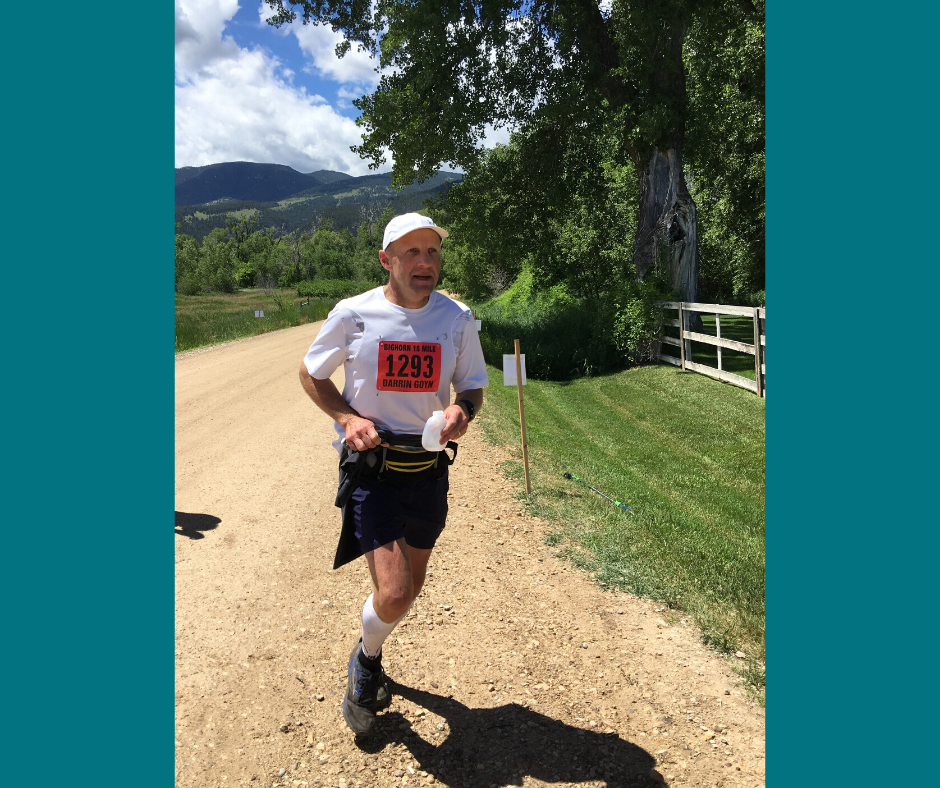
After 4 years in the Airforce and 10 years in law enforcement where she was told she had to run, for the first time in her life Lori is really enjoying running. This year Lori will do the 10-miler run again that she’s done since she first started her health and wellness journey. Her family friend, Marv who helped train her for the police academy also does the race every year.
“I’ll do it every year until Marv stops doing it. He’s in
his 90’s and as long as he’s doing it I’m going to do it,” said Lori.
Lori’s story is inspiring and proof that although there may be ups and downs in
your health and wellness journey, the most important thing is to never give up
and that may mean starting over.
December WOW Employee of the Month- KC McKenzie, Wound Care PA-C
December 2019
A year and a half ago KC had a wake-up call about his health via his results from the annual hospital wellness blood screen.
“I always knew I was kind of heavy, but the yearly blood screens served as a big motivator for me.”
The year before, KC’s blood screen showed that he had an elevated fasting blood sugar, so the following year he had an A1C test done. The results showed that KC was getting close to becoming prediabetic and as a health care professional who knows the consequences and repercussions of diabetes, he knew that he needed to make a change.
“Just knowing that I was getting close made me nervous,” said KC. “I didn’t want to be diabetic and I had control over it and knew that I had to change.”
A healthy diet and exercise routine helped KC reach and maintain his goals. He found success in time restrictive eating by following a schedule of only eating between 2 pm and 6 pm each day. On top of his eating schedule, KC also makes heathy choices by eating more plant-based foods and lean meats as well as limiting alcohol. A healthy lifestyle is all about balance and KC has found that through his new habits he’s able to enjoy a beer with friends or a slice of pizza on Friday nights through moderation.
“I’ve always been a gluttonous eater and I always failed at calorie restriction,” KC said. “Time restrictive eating has been sustainable for me for over a year now. I like that I can grab a salad at 2 pm, try to get a work out in, and have a modest dinner.”
A little exercise every day is KC’s fitness goal and what he’s found sustainable. He tries to get in a mix of moderate cardio, body-weight exercises, and weight lifting throughout the week.
“Having the gym here at the hospital and YMCA has been super helpful. I love to play noon ball at the YMCA and I really enjoy running intervals.”
When asked what advice he would give to people struggling to make healthy changes KC had one answer, try and try again.
“It would just be to try multiple modalities and find what works for you. We’re all so different and you have to know that multiple things are going to fail and that you just have to keep hacking away at small things until you find what’s sustainable for you long term. Expect to relapse and try to get back on the horse as soon as you can.”
KC’s lifestyle changes have given him more endurance, less stress, and mental clarity. However, the biggest benefit to him has happened at home. He’s able to do the things that he and his family enjoy, like skiing and hiking, as well as just being present for them.
“I go home now with a much better attitude and am able to help my kids with their homework and help my wife with chores,” said KC. “I’m a better husband and a better dad overall.”
Liz Mahoney – Director of Quality at Sheridan Memorial Hospital
November 2019
Physical Health Impacts Mental Health
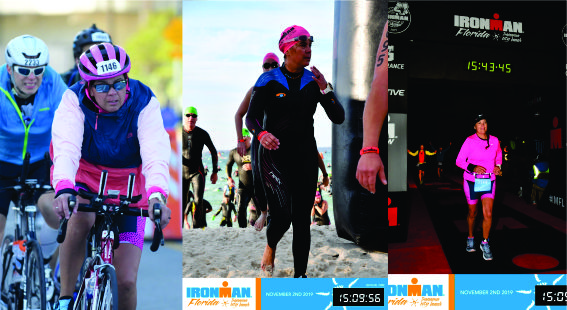
Liz has always enjoyed being active – from swimming competitively growing up to running track in high school. Seven years ago exercise took on a new meaning as she turned to activity to help cope with the pain she experienced upon her young daughter’s accidental death. “The training for my first Ironman event provided an outlet for my grief and pain associated with her death.” Liz learned that her mental health was directly correlated with physical activity and continued to use exercise as a way to manage life’s ups and downs. Since then Liz has several half and full Ironman races (a full Ironman includes a 2.4 mile swim, 112 mile bike ride, and 26.2 mile run). She just returned from an Ironman competition in Florida – completing it in 15 hours.
Accepting the Invitation
As an adult Liz started biking with an invitation from a friend to join her in riding in the Tour De Wyoming. It took a little convincing, but eventually Liz agreed and her love of biking was born. Liz has now completed 6 Tours De Wyoming which is a cycling tour throughout different places in Wyoming ranging from 375 – 400 miles of the course of several days. This love of biking lead to triathlons and now is a large part of Liz’s identity.
Overcoming Set-backs
The amazing success Liz has seen in her athletic endeavors has not come without hard work and the occasional set-back. Liz injured her knee in one training cycle and wasn’t able to race again for 2 years. She worked hard to recover and in her comeback race she was disqualified due to being misdirected by a course official. This still didn’t cause her to quit and she signed up for another ironman a few months later. Liz is motivated by setting and reaching goals and this helps her be successful. “My advice is to set a goal, develop a plan, be flexible when things don’t go as planned, be consistent, surround yourself with people who are supportive or who have similar goals, and don’t give up even when things get ugly.” There isn’t a large triathlete community in Sheridan however Liz allows her internal motivation to push her further and connects with individuals at races around the country when she competes.
Dreaming of Kona
Liz is always learning and growing in her wellness journey. She has made many changes to her nutrition and continues to experiment to find out how to best fuel her training. She uses a training plan called “Training Peaks” and also utilizes her Garmin watch to monitor her training. In the future Liz plans to hire a coach with a goal to eventually qualify for the Ironman World Championships in Kona, Hawaii. This is a big goal but Liz is not deterred because she knows with the help of a supportive community she can be successful and remain competitive.
Click here to learn more about Wellness at Sheridan Memorial Hospital
By Cheryl Relaford, Patient Account Manager at Sheridan Memorial Hospital
November 2019
Healthcare costs can be scary. When you lack health insurance coverage, you find yourself worrying what will happen if you or a family member becomes ill. You avoid taking preventative care measures because you have fears about, not only the financial burden, but also what the test may reveal. But there is a solution. Sheridan Memorial Hospital can help. Plan to drop by the hospital’s downtown location, 61 South Gould, on November 14 from 5:30-7:30 pm for free help navigating the marketplace. Details can be found at the bottom of this story.
Marketplace insurance allows for the protection of you and your family. The Affordable Care Act of 2010 established the insurance marketplace as a means to achieve maximum compliance with the mandate that all Americans carry some form of health insurance. Open Enrollment is currently taking place until December 15. Purchasing marketplace insurance gives you the opportunity to have essential health benefits to help you afford doctor visits, preventative care, hospitalization, prescriptions and more. These insurance plans cannot deny coverage because of pre-existin or chronic conditions, like cancer or diabetes and women and men cannot be charged different premiums.
When you explore the marketplace options at Healthcare.gov, you can find affordable health insurance coverage. You may qualify for tax credits which lower your monthly premiums as well as your out-of-pocket costs. Most people who apply can qualify for savings that the Marketplace offers. Having health insurance gives you an opportunity to provide the necessary protection for you and your family, by helping you establish access to preventative care and early detection to keep your health on the right path.
Insurance obtained through Marketplace Open Enrollment becomes effective January 1st, 2020. Begin preparing for the next chapter in your life by starting 2020 with the security that you have health insurance.
If you’d like to learn more and take the fright out of healthcare costs, visit Healthcare.gov. You can also contact a Sheridan Memorial Hospital Financial Advocate, who is also a Certified Application Counselor, to help you navigate the marketplace. To reach a Sheridan Memorial Hospital Financial Advocate call 307-675-4620 or email financialadvocates@sheridanhospital.org.
If you are unsure about how to get started or need help, we invite you to join us for our Health Talk: Open Enrollment event on Thursday, November 14th from 5:30 – 7:30 pm. Sheridan Memorial Hospital will host the event in the Community Conference Room at its downtown location: 61 S. Gould St. Certified Application Counselors from the hospital who are trained in the Insurance Marketplace enrollment process will be available to speak with you. This service is free and open to the community and there will be hors d’oeuvres and refreshments.
more information
October 2019
Approximately 3 ½ years ago, Brady was given the challenge to participate in the “Run to the Pub.” Thinking that it was probably a time to make some changes in her life, she committed to doing the run with her mom and some friends. “I mean…how bad could it be when you are running to the bar to go have a few beers with friends.” This was the first time she had done any kind of running and she “nearly died. In reality, even though it was hard, she ended up really liking it because of the way it made her feel. She thought to herself that if she could run when she was so out of shape, she was going to give it her all and make it happen.
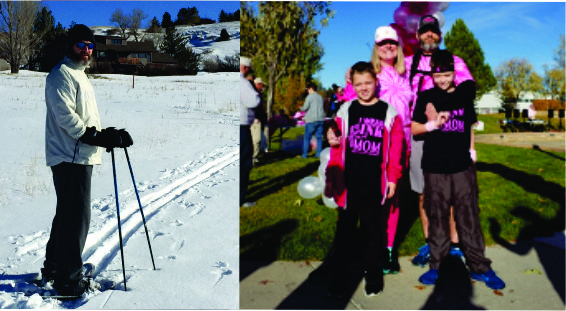
She and her best friend combined efforts and continually support one another in making significant changes in their lifestyles. “It’s so much fun to have someone to run with and share thoughts and ideas about exercise and diet.” Now 50 pounds lighter and several races behind her, she is more determined than ever to continue down the Wellness Path.
The result of making all these changes in her life has been great for her family. Their priorities have changed and it’s brought about some major changes for all of them. They spend more time together as a family doing outdoor activities like hiking and fishing and her boys even participate in some of the 5K races that she does. Eating healthier, adding in more fruits and veggies instead of eating just meat and potatoes, has been a significant change for all of them. Brady has worked hard on creating a more balanced diet for her and her family. She focuses on portion control and doing things in moderation. “When you are working full time, it’s harder not to order out, but you have to stay committed to leading that balanced lifestyle and know that it’s better for you and your family.”
Another significant change that her running has brought about is a sense of calmness and peacefulness to her life. The energy that she spent on being anxious, she now puts into her running. She recognizes that when she doesn’t exercise it affects her mood and the way she feels physically and mentally. Because of her profession, Brady realizes that what you do now will affect you significantly later in life. She has seen too many patients with COPD, obesity, joint pain, difficulty moving, and living life in a wheelchair. Brady wants everyone to know that it is never too late to start focusing on living a healthier lifestyle and the positive outcomes it can bring to you and your family.
Brady uses her Fitbit and the Runtastic App on her phone to track how far she runs and walks in a week. “They help to keep me on track.” She and her friends like to challenge one another and the competition is fun. More important than devices, though, is running with her friends. “We keep each other accountable and have a little mom-time together.”
Recently, her husband filled a pack with 50 pounds and put it on her. He wanted her to see what an impact the positive lifestyle changes have made in her life. “It helped me to remind myself that your health is so important and there is no value that you can place on it.”
By Kristi Ramsey, RN, BSN, RCIS, CVRN – Sheridan Memorial Hospital Cath Lab Manager
October 2019
Today in the United States, approximately 5.7 million adults have a condition known as Heart Failure, with an additional 500,000 adults being newly diagnosed each year. Heart Failure is when the heart is unable to pump enough blood and oxygen to meet our body’s needs.
Being overweight is one of the main risk factors linked to heart failure. Measuring a person’s Body Mass Index (BMI) can help determine the risk of weight-related diseases. BMI is a tool which measures body fat using height, weight and age to determine where a person falls on a standard weight chart. The chart scores into four different categories: underweight, healthy weight, overweight and obese. The most recent statistics show that at least 20% of Americans fall into the obese category.
Determining BMI is a quick and fast assessment to determine our general overall health. Knowing your BMI can help you and your physician assess what goals or lifestyle changes you may want to consider.
Along with BMI, another important tool is measuring waist circumference. This tells us where our body stores fat. Persons whose bodies store fat around the waist are more likely to have weight-related diseases including Heart Failure, Type 2 Diabetes and High Blood Pressure.
By Autumn Barrett, PA-C – Sheridan Memorial Hospital Internal Medicine
October 2019
Your body, like mine and everyone else we know, certainly wasn’t made to last eternity… obviously. However, there are steps that can be taken to help with the nicks and pains that come up as we get older. Being proactive about osteoporosis can certainly help with that pain later in life.
The basic definition of osteoporosis (“porous bone”) is the decrease in bone density and bone quality. Bones are active tissue, which means they constantly break down and rebuild themselves. Up until about the third decade of life, the body is building bone faster than it is breaking it down; then this slowly declines after about age 35. With osteoporosis, however, the regeneration of new bone does not keep up with the rate at which bone is breaking down. Over time, bone quality and strength degenerates. Bones become weak and brittle, leaving individuals more susceptible to a fracture (broken bone.) In fact, when osteoporosis is present, a fracture can occur without a major fall or trauma, sometimes just by sneezing, coughing or carrying groceries.
Osteoporosis affects men and women in all ethnicities, but some individuals are at increased risk:
Unchangeable Risk Factors
Other Risk Factors
Fractures commonly occur in the spine, hips and wrists. Generally speaking, there are no obvious signs or symptoms associated with osteoporosis until a painful fracture occurs. However, osteoporosis can be found as part of a preventative health screen. Routine screening typically begins around age 60-65 for women and 70 for men unless other risk factors are present. So, if you have increased risk for osteoporosis, it is important to talk to your primary care provider to see if screening should be considered earlier.
The most common test for detecting bone loss or diagnosing osteoporosis is a DEXA scan or bone density test. The scan consists of a low-radiation x-ray, most often to the spine and hip area. (DEXA scans are available at Sheridan Memorial Hospital by order from a medical provider.)
There are a number of medications used in the treatment of osteoporosis. Bisphosphonates such as Fosamax (Alendronate), Actonel (Risedronate), and Boniva (Ibandronate) are the most common. In the usual five-year treatment plan, these medications help stop bone breakdown, thereby increasing bone density. Side effects may include abdominal distress (pain, nausea, diarrhea, ulcers) and on rare occasions osteonecrosis of the jaw (rare but serious condition when cells in the jaw bone die). Depending on the medication chosen, risk of fracture can be reduced by 30-50%. Medications in this class can be taken orally or given by IV infusion.
Another medication used for treatment of osteoporosis is denosumab (Prolia). This injection stops bone breakdown. Fracture reduction with this medication can be up to 70%. It is administered every 6 months by subcutaneous injection, which ideally may alleviate gastrointestinal side effects often seen with oral options. Osteonecrosis of the jaw still remains a possible side effect.
In select cases, hormone therapy may also be considered.
To prevent osteoporosis, it is important to maintain a healthy and nutritious diet with adequate amounts of calcium, vitamin D and protein. Vitamin D is necessary to help the body absorb calcium from the diet. 1200-1500mg of calcium is recommended (from dairy products or supplementation if necessary) and 800-1000IU of vitamin D3 per day. Individual recommendations may vary. Weight-bearing activities such as walking and resistance training (weight lifting) are important to delay osteoporosis. 30 minutes of physical activity on most days of the week is ideal. Avoidance of smoking and minimal alcohol use will help prevent the development of osteoporosis. Also, chronic use of ibuprofen or naproxen can contribute to bone loss over time, so use these medications sparingly.
Please review your risk factors for osteoporosis with your primary care provider. It is an important part of preventative health maintenance for your long-term benefit.
September 2019
This month we have selected the entire Home Care / Hospice Team as our “Employee of the Month.”
Teamwork is strong in the Homecare / Hospice Department at Sheridan Memorial Hospital. The group has developed an ability to work together toward a common vision… “Alone we can do little, but together we can do so much.” Two years ago, several staff members decided that they would participate in the hospital’s “Maintain Don’t Gain” challenge. The result of that first challenge prompted the development of a very strong team atmosphere. They began meeting in the mornings to walk, joined other team challenges, shared recipes and health information with one another, and continue to encourage one another to stick with their personal goals.
As a team, they have become very competitive and want to win in Wellness. They are a team from start to finish and each of them take that commitment seriously. Home Care Manager, Ann Aksamit encourages each one of them to vow that even if they don’t take a lunch break, they need to go for a walk and regroup to be ready for the afternoon. Their break table is now filled with fruits and vegetables rather than cookies and cakes.
Each of them find motivation in different ways. Shannon Stellingwerf and Casi Morgareidge not only want to be good examples for their kids, they want to actively participate in family activities in a fun and enjoyable way. Jacki Cornell has seen the muscle strength she lost come back and feels better physically, mentally, and emotionally. Ginette Aasby rides her bike to work and Jill Hegy is motivated by her girls and walking her 11 year-old blind dog every day.
Changes in their lifestyles have happened over a period of time. Jill has a saying tacked on her mirror that she reflects on daily. It reads, “If you think you want to be healthy for the rest of your life — today is the first day of the rest of your life.” Don’t wait for tomorrow, start now. Shannon, can proudly say that she has lost 100 pounds by eating less carbs, (especially sugar and soda), watching her portion sizes, and becoming more active. She exercises at least 5 times/week and takes the stairs instead of the elevator. Casi has found success in doing Weight Watchers and walking every day. Jacki has made some major changes in her food choices and she and her daughter Micah Cornell, who works in the IT department, exercise on a regular basis. Most importantly, she takes time in the morning for reflection and meditation.
Advice from the Team…
by Nina Beach, Advanced Oncology Certified Nurse Practitioner at Sheridan Memorial Hospital’s Welch Cancer Center
September 2019
Cancer screening and preventive care is an important aspect for overall health. Screenings look for cancer before a person has symptoms. Many cancers, if caught early are much more treatable and potentially curable the sooner they are discovered. Wyoming has a particularly low rate of cancer screening. Sadly Wyoming is ranked 49th in breast cancer screening with mammography, 47th in colon cancer screening, 44th in cervical cancer screening and last in HPV vaccination coverage which isn’t screening per se but another form of cancer prevention.
Many people have the philosophy that they don’t need to see their healthcare provider unless they do not feel well. I have often asked patients if they get their oil changed in their vehicles. The majority of folks say “absolutely”. When I ask them why, they say they want to prolong the life of their vehicle or prevent their engine from having problems and to keep their vehicle in good working order. Caring for our own bodies really is the same, we often can prolong our life and keep our organs in good working order if we are more preventive and proactive in our care.
There are many screening tests available. Research is continually being done to determine if screening actually prolongs life. We know that finding some cancers before they spread or metastasize increases the chance of successful treatment and potential cure. The recommendations for each particular test are weighed out regarding risk and benefit, and some tests are not without risks. Screening tests are not routinely recommended unless the benefit outweighs the risk. Additionally, people are living longer with cancer today than they used to – both because of screening techniques and the fact that treatments continue to improve.
We have seen patients who have metastatic cancer (stage IV) at the time of their diagnosis. They say they could not afford to be tested or see a physician. Paying for screenings should not be a deterrent. There are a number of funding options for those who qualify. The Wyoming Cancer Program reimburses participating providers for some screenings for the uninsured. Sheridan Memorial Hospital’s financial advocates work with people who need assistance paying for cancer screenings and/or have questions about services. Some of the assistance comes from funds raised each October at the hospital Foundation’s: The Link ~ Partners in Pink run/walk.
To set up an appointment for assistance through an SMH Patient Financial Advocate call 307-675-4620.
August 2019
Basketball and running played a major role in Chuck Burgess’ life at Tongue River High School and at the University of Wyoming. He never considered it “working out” because he loved the game. The motivation was easy and he saw the benefits of his activity in all aspects of his life from an increase in his production levels to an overall wellbeing.
In his early thirties, Chuck was diagnosed with hip dysplasia. The physician gave him a couple of choices. He could have surgery or modify his activity. Because he had such a young family, he chose to modify his activity with hopes of putting off surgery until later in life. No one can fully understand the impact that something like that can have on one’s life until it happens. He never had to worry about his weight or focus on portion sizes due to his level of activity.
Chuck is the director of finance and supply chain at Sheridan Memorial Hospital, yet he dedicates a large portion of his time to his kids. He and his wife have three children and are in the process of adopting another. You can find Chuck on the sidelines coaching his youngest son in soccer or on the basketball court coaching his oldest son and daughter. His children have developed a love of sports through encouragement and the great examples that he set before them.
Unfortunately, due to his decrease in activity and increase in family demands, Chuck found that it was not as easy to keep the weight off. He realized that in order to maintain his lifestyle he would have to make some changes. Those changes were motivated by two important challenges in his life. One…he knew he was getting close to turning 40 and most importantly … for every 1 pound he gained, it was like adding 4 weight bearing pounds to his hip. His goal is to try to hold off having hip surgery for another 10 years. Therefore, he has chosen to modify his diet by eating clean and cutting back on unhealthy carbs and working out on the elliptical machine making sure that he puts in over 10,000 steps / day.
His words of advice are to:
The reward comes when you feel better, are happier and less stressedThe most difficult challenge of all is to change negative habits. It can take up to 6 months to make certain changes and when change is hard, we immediately wonder why we should put ourselves through all that pain. A resource that Chuck uses frequently and has made an impact in his life is a book by Charles Duhigg, called The Power of Habit. “Motivation is what gets you started. Habit is what keeps you going.”
Chuck has used his FitBit and My Fitness Pal to hold himself responsible since 2012. It allows him to track his activity, calories taken in and the calories burned. He loves to set up groups to challenge friends and family so they can hold each other accountable to their goals.
July 17, 2019
Written by Sandy Fuller, Wellness Coordinator at Sheridan Memorial Hospital
Are you getting enough water every day? In the hot summer months, keeping your body hydrated can improve your overall health.
As the temperatures begin to rise, it’s important for you to ask yourself if you are getting enough water each day. If not, it may be taking a toll on your overall health. Keeping the body hydrated is crucial for your well-being but most of us do not consume enough fluids on a daily basis. Drinking water can help with weight loss, disease prevention, increasing your energy level as well as flushing toxins out of the body. Our bodies use water to maintain core temperature, help the heart pump blood throughout the body and increase the functionality of our muscles.
Human beings lose large amounts of water through strenuous exercise, perspiration, and urination. Think of water as a key nutrient that we must continually replace throughout the day.
These are a few additional benefits of staying hydrated:
Improves Physical Performance – Staying hydrated during exercise will help you perform better, have more energy and improve overall endurance.
Promotes Weight Loss – Adequate hydration reduces hunger, can raise your metabolism and is a substitute for higher calorie beverages.
Boosts your Mood – Individuals who consume water regularly tend to have better moods. They experience less fatigue, confusion and anxiety.
Prevents Headaches – Dehydration is a common cause for headaches and can trigger migraines. Be sure to stay well hydrated, especially if you are prone to migraines.
Boosts your Brain Power – Studies have shown that people who drink more water can improve their cognitive performance and stay focused on difficult tasks.
The recommended amount of water needed each day varies from person to person depending on how active they are, how much they sweat, the climate, different medications and so on. The general guidelines have dramatically increased from the old standard of 8 cups of water a day. Now the daily recommendation is that women should drink at least 91 ounces (over 11 cups) and men should drink 125 ounces (over 15 cups) per day. For most people, water is the best thing to drink to stay hydrated, but non-alcoholic fluids, and fresh fruits and vegetables count as well. It is best to avoid drinks that are high in calories and sugar as well as caffeinated drinks, which act as diuretics and can dehydrate you.
The bottom line is that water is important to every part of your body. Set a goal for yourself and try to consume the recommended levels every day. It just may improve your overall health.
July 17, 2019
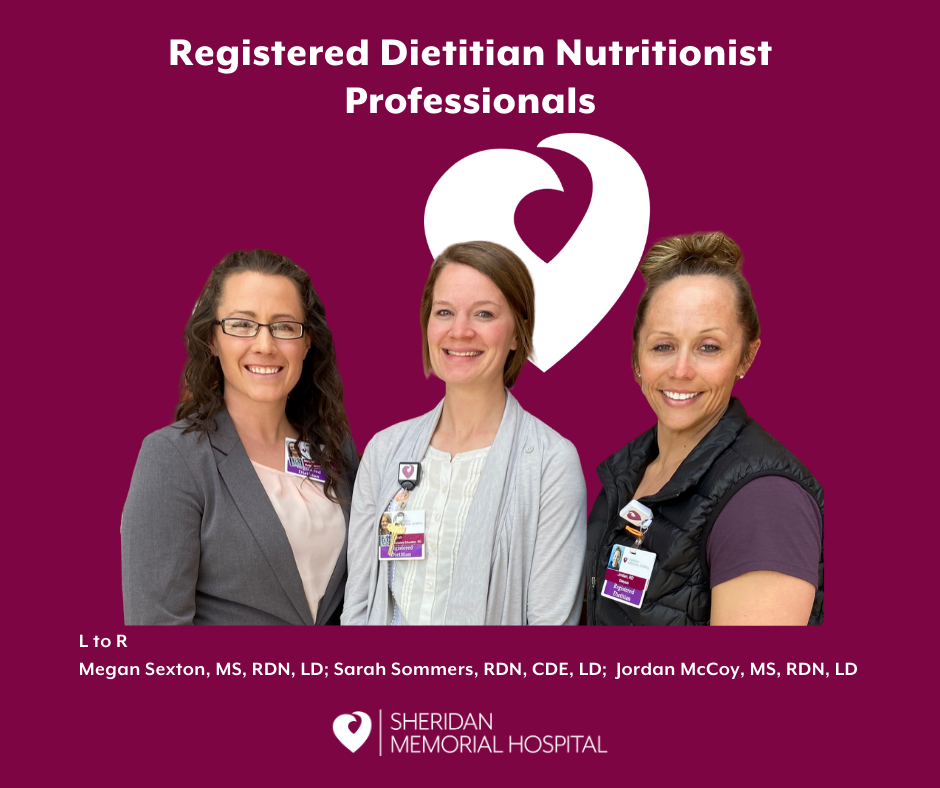
Congratulations to Sarah Sommers, Registered Dietitian for being selected as the July Working on Wellness Employee of the Month! Sarah is a passionate wellness educator, motivated marathon runner, and sets an outstanding example of wellness for her peers and friends.
About Sarah
Growing up, Sarah Sommers had an active and healthy lifestyle. She grew up in Colorado, watching her mother run marathons and watching her dad set records in powerlifting meets. Growing up with that kind of influence motivated her to stay active through her lifetime and to push herself to achieve goals. Sarah played sports and ran recreationally when she was young and became inspired to pursue long-distance running after college. Without the challenge of school work or team sports, running long distance races became the next challenge to conquer. Sarah has run multiple marathons since she started long-distance running. During one race that she was running with friends, Sarah “accidentally” qualified for the Boston Marathon when her friends encouraged her to push on and run ahead of the group. Sarah competed in the 2019 Boston Marathon and finished with a great time.
Setting an Example of Wellness
Living a healthy lifestyle has always been important to Sarah, and it became essential to her to lead by example. She found that asking others to make changes to their lifestyle to improve their overall health was so much easier when she was doing the same. Sarah also shares this passion for staying active by coaching youth soccer and cross country.
Working at a hospital also motivates Sarah to set an example of wellness for her patients. Sarah is a committed member of the Sheridan Memorial Hospital Employee Wellness Committee, and she is a Certified Diabetes Educator Dietitian. Sarah compassionately works to help patients with diabetes and other illnesses establish habits that can reduce their symptoms and improve their quality of life. At times, Sarah’s patients feel hopeless because they can’t control their situation and find it difficult to make changes toward a healthier lifestyle. This is inspires and motivates her to set an example and continually strive to live a healthy lifestyle.
Sarah’s Advice to Others:
Resources Sarah Loves:
Garmin GPS Watch to track mileage during training runs and races
– I’ll Have Another with Lindsey Hein Podcast
– Marathon Training Academy Podcast
– Diabetes Self-Management Magazine
-A motivating group of people that hold her accountable to her goals
-Friends who race with her in marathons
Congratulations to Sarah Sommers for being selected as the July Working on Wellness Employee of the Month!