Welcome to Sheridan Memorial Hospital
1401 West 5th St. Sheridan, WY — 307.672.1000

Health and Wellness

By Nina Beach, MN, FNP-C, AOCNP, Advanced Oncology Certified Nurse Practitioner at Sheridan Memorial Hospital’s Welch Cancer Center

Cancer screening and preventive care are important aspects of overall health.  Screenings look for cancer before a person has symptoms.  If caught early, many cancers are much more treatable and potentially curable the sooner they are discovered.  Wyoming has a particularly low rate of cancer screening.  According to the American Cancer Society Cancer Statistics Center, Wyoming is now ranked 52nd (they count the District of Columbia and Puerto Rico) in breast cancer screening with mammography, 51st  in colon cancer screening, and 40th in cervical cancer screening. 

In other forms of cancer prevention, we are doing better with HPV vaccination for our girls with a ranking of 28th with 54% getting vaccinated, but doing a poor job with our boys – we are ranked 51st.  Up to 93% of cervical cancers could be prevented through screening and vaccination. 

There are many screening tests available.  Research is continually being done to determine if screening actually prolongs life. We know that finding some cancers before they spread or metastasize increases the chance of successful treatment and potential cure.  The recommendations for each particular test are weighed out regarding risk and benefit, and some tests are not without risks.   Screening tests are not routinely recommended unless the benefit outweighs the risk.  Additionally, people are living longer with cancer today than they used to – both because of screening techniques and the fact that treatments continue to improve.  

At this time of uncertainty with COVID-19, a volatile election year, and just a time of feeling vulnerable to things out of our control, this is your way to make a difference.  Choose to quit smoking, or maybe choose to work on obtaining a healthy weight.  In Wyoming, we have a helpful factor in our favor, of low air pollution levels, which helps lower our cancer risk.  We can continue to fight cancer by finding cancer sooner.  Take control and make the choice for your health – talk to your health care professional about a mammogram, colonoscopy, Pap smear and vaccinations appropriate for you and your family members.

We begin to treat patients who have metastatic cancer (stage IV) at the time of their diagnosis. Sometimes these individuals have said they could not afford to be tested or see a health care provider. Paying for screenings should not be a deterrent. 

There are a number of funding options for those in need.  The Wyoming Cancer Program reimburses participating providers for some screenings for the uninsured.  Sheridan Memorial Hospital’s Patient Financial Advocates work with people who need assistance paying for cancer screenings and/or have questions about the services available.  Some of the assistance comes from funds raised each October at the Hospital Foundation’s: The Link ~ Partners in Pink run/walk.

To find out more or to see if you qualify for screening funds, contact the Sheridan Memorial Hospital Patient Financial Advocates at 307-675-4620.  They can help you understand the available funding options and obtain the care you need.

By Cashlee Cates, Financial Advocate Supervisor at Sheridan Memorial Hospital

There are two different but important, health insurance enrollment periods this time of year. The first is the open enrollment period for Medicare, which runs from October 15 through December 7. The second is the open enrollment period for the Health Insurance Marketplace, which runs November 1 through December 15.

Medicare

For enrolling in Medicare, now is the time to take action. You can enroll in Medicare Advantage plans, Medicare Supplemental plans, or you can make changes to your existing plan during this same time period.

Enrolling in Medicare, or making changes to your existing Medicare plan, is done online at www.Medicare.gov. Once you are at the website, click on the “Sign Up/Change Plans” button at the top of the website and walk through the questions to provide the necessary information.  There are many resources on this site to help answer frequently asked questions (FAQ) about general Medicare enrollment, Part D (drug coverage), the various costs of Medicare, general Medicare plan updates and much more.

If you have specific questions or don’t feel comfortable walking through the online process, the Hub on Smith is currently scheduling appointments to provide assistance with Medicare enrollment.  To schedule your appointment, call 672-2240. It is important to call early on in this process as the appointment times fill up quickly.

If you are unable to get an appointment with the Hub, other resources are available for phone consultations across the state. Phone consultations may be available through:

  • The Casper Senior Center – 877-634-1006
  • Riverton Senior Center – 800-856-4398
  • Wyoming Senior Citizens Inc. – 307-856-6880

There are many different resources available online to help provide answers to your Medicare questions. The few listed here offer excellent videos to walk you through the process:

www.MedicareOnVideo.com – This site provides a complete set of video tutorials about all things Medicare.

www.MedicareMadeClear.com – This site provides a series of videos on Medicare basics designed to simplify the four basic parts of Medicare.

Health Insurance Marketplace

Now, for those not quite ready to enter the world of Medicare, the Health Insurance Marketplace is for you; if you don’t have health insurance coverage already or want to explore options available to you. Remember, the Marketplace enrollment period is from November 1 through December 15, 2020.

Marketplace health plans offer essential health insurance benefits. These benefits cover things like doctors’ visits, prescriptions, hospitalizations, pregnancy and more. Preventive healthcare is another benefit offered through Marketplace plans. Some of the preventative benefits covered include blood pressure screenings, cholesterol screenings, immunizations and breast and cervical cancer screenings for adults. Preventive benefits for children include hearing screening, vision screening, behavioral assessments, developmental screening and immunization vaccines.

Plans through the State of Wyoming Healthcare Marketplace are available from Blue Cross Blue Shield of Wyoming. There are several ways to apply for coverage or look into coverage through the Marketplace program, including online, by phone, by paper application or with the assistance of a Certified Marketplace Navigator.

Sheridan Memorial Hospital (SMH) has Financial Advocates who are Certified Marketplace Navigators and are available to help you understand the coverage you could receive through a Marketplace plan. As Navigators, the Financial Advocates can explain plan options such as preventative care coverage, deductibles, out of pocket expenses and even dental care plans. 

Your next question may be, can I get help paying for Marketplace coverage? You may qualify for financial help to lower the cost of your coverage. The Financial Advocates at SMH are here to help explain complex insurance options. If you are interested in assistance with the Health Insurance Marketplace, please call 675-4620 to make an appointment. You can also go to www.healthcare.gov to look into other options available through the Marketplace.  

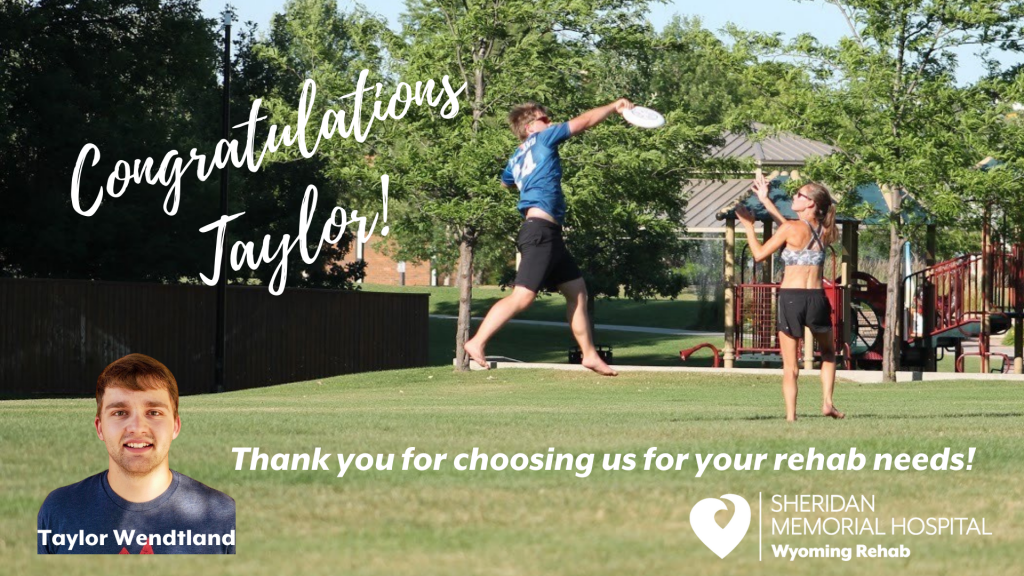
Taylor Wendtland came to Wyoming Rehab after living with moderate to severe low back pain for nearly 10 years. The pain affected his ability to participate in many of the outdoor activities he enjoys. Since coming for treatment, Taylor’s pain has completely resolved, and he is back to doing all the things he loves. Here Taylor is playing Ultimate Frisbee in the park after just a few weeks of treatment at Wyoming Rehab. Congratulations Taylor!!
Call Wyoming Rehab today at 307.674.1632 and ask about our FREE Screens and Treatment Recommendations on Non-Emergent Physical Impairments/Injuries.

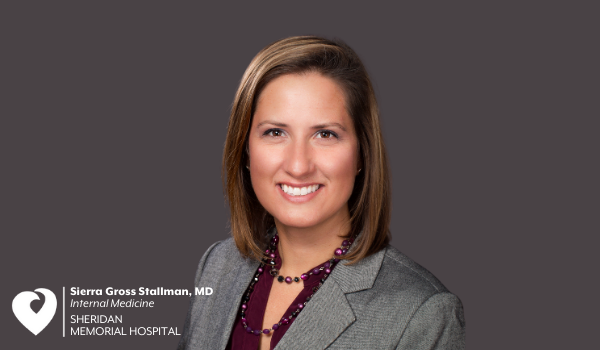
By Sierra Gross Stallman, MD – Medical Director for Sheridan Memorial Hospital’s Internal Medicine practice

With our sunny 90 degree days and all the attention currently on COVID-19, it seems impossible to fathom flu season is coming near.  Uncertainty about the future seems to be the one sure thing in the coronavirus pandemic.  However, a few things are clear: the virus is circulating through the population and flu season is only a few months away.  According to the Centers for Disease Control and Prevention (CDC), up to 62,000 people died and up to 740,000 people were hospitalized due to flu complications between October 2019 – April 2020.  Hence, it is crucial we continue to be aware of, attempt to prevent and treat the flu, especially now with the COVID-19 pandemic wreaking havoc in our world.

Flu and COVID-19 can share many, though not all, symptoms including fever, chills, cough, sore throat, muscle or body aches, headaches, and fatigue.  While as a community, we are working on limiting the spread of COVID-19 through multiple methods including proper hand hygiene, getting vaccinated is already an established prevention for flu. It is the best option to prevent, control, and decrease the socioeconomic burden of influenza.  The influenza vaccine is more important now than ever as the Novel Coronavirus continues to spread.    

Even though the flu shot is not perfect at preventing the flu, it can lower your risk of developing serious complications.  Flu vaccinations have been shown to reduce deaths, ICU admissions, and overall duration of hospitalization.  Within a population, the more people that receive the vaccine, the better it becomes at preventing the flu and its complications.  Therefore, everyone who is able to get the flu vaccine, generally those six months or older, should get vaccinated, not only for your own health, but also for those around you.  It is especially important for those at high risk of flu complications to get vaccinated, which includes: children 6 months to four years old, pregnant women, people older than 50, immunosuppressed individuals, and those with certain chronic diseases.  Keep in mind that many people who are at high risk for developing a serious case of the flu are considered high risk for severe complications of COVID-19.  In addition, health officials have confirmed that coinfection of flu and COVID-19 is possible and was seen at the end of the last flu season. 

To protect our community through this coming flu season, it is important to consider timing of vaccination.  Once people are vaccinated it takes about 14 days for the immune system to generate a protective response.  The standard flu shot cannot give you the flu as it does not contain live virus, though it is possible to catch the flu before your vaccine takes effect.   Studies have detected a steady decline in vaccine protection the months following administration.  By six months after vaccination, flu vaccine effectiveness can be reduced by more than half. Therefore, individuals should try to get the vaccine just before flu activity starts, so that they are optimally protected for the duration of the season.  Flu activity begins to increase in October and November, peaks between December and February and lasts until April and May.  CDC guidelines are currently recommending people get vaccinated in September or October.  This is based on data from previous flu seasons, suggesting tens of thousands of influenza cases and hundreds of deaths can likely be avoided if older adults wait until October to get their immunizations.  While COVID-19 has been compared to the flu in regards to symptoms, they are not the same, and the flu vaccine cannot prevent COVID-19.  With the Novel Coronavirus in our community and flu season coming upon us, getting the flu vaccine is your best first-line defense against getting sick.  Please help us protect you, your loved ones, and those around you.  Get vaccinated!

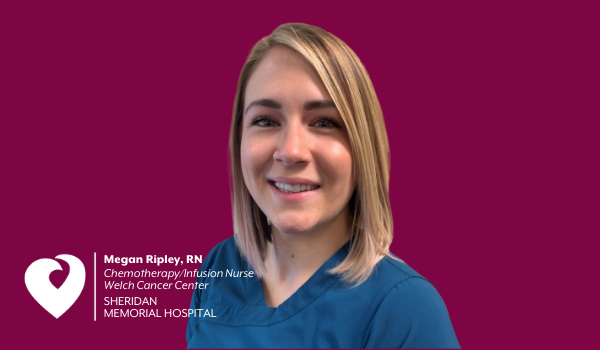
While the hot, summer month of August melts away and we rush on with the hope of cooler days, Sheridan Memorial Hospital would like to slow down for a moment to celebrate August’s WOW Employee of the Month: Megan Ripley. Megan is an employee who has not only pursued wellness as a hobby but has adopted it as her way of life and navigating through obstacles every day. From consistently maintaining healthy blood sugar levels to the everyday challenges of being an Oncology Registered Nurse, she strives to maintain her health, and she does it all with a beaming smile on her face.

Megan Ripley’s journey towards wellness started at the early age of 9 when she was diagnosed with Type 1 Diabetes. At the discovery of her condition, she feared how diabetes might affect the rest of her life. Megan grew up just outside of Cheyenne during her early childhood, and because of this, she was able to attend the Barbara Davis Center for Childhood Diabetes in Denver. Megan explained, “I always knew that I wanted to become a nurse. Many nurses that cared for me came forward to share with me that they, too, lived with diabetes, showed me how they navigated throughout their day as a nurse with diabetes. The team showed me that I could still be the person I dreamed of becoming, and I really can’t thank them enough for all the help they have given me throughout the years.”

Megan often wondered about what restrictions she would have to implement into her daily routine, or what opportunities she might miss. Still, this girl was committed to finding a solution. She knew what a great influence exercise and diet would have on her physical and mental state, so she never gave up looking for results. Eventually, she found the answer to the exercise dilemma when she realized just how much she liked doing long distance, moderately paced cardio. Walking, hiking, and biking are great activities for our WOW Employee of the Month because they are often enjoyed with others. Megan enjoys biking to work with her coworkers, walking her dog, backpacking with her husband, and riding her spin bike if the weather doesn’t permit outside activities. 

As for what Megan eats, she doesn’t believe in sticking to a strict diet. Megan does her best to eat as many whole foods as possible. She enjoys eating fresh fruits; her favorites include honeydew melon, berries, and frozen mango chunks for a sweet treat. She also likes to eat fresh vegetables and always fills half of her plate with greens. She also likes to keep small healthy packs of trail mix on hand for snacking. Megan always feels her best when she is eating healthy and thinks that this is the best reward. 

Megan’s advice to all those who desire to get well is this: “Start small and set goals that are attainable, all of us progress at our own rate and your rate is completely unique to you, so don’t compare yourself to anybody but yourself. If you want a jelly donut, then eat a donut, and go for a walk later, it is all about balance. Do not underestimate the power of thinking positively; mental health is just as important as physical health. Being happy and positive thinking can take you just as far as any workout routine.” Now more than ever, Megan’s advice reigns true in focusing on health and wellness in all aspects of our lives.

This month’s W.O.W Employees of the Month are the “Home Girls” from Sheridan Memorial Hospital’s Home Care, who won the hospital’s Spring Wellness Challenge, “The Amazing Race ‘Round Wyoming.”  Casi Morgareidge, Shannon Stellingwerf, Jill Hegy and Martha Cover-Killian all competed together to win for the second year in a row!

This year’s challenge was held from June 1st to July 4th and encouraged teams to practice healthy habits daily. Each day, team members could earn points as follows:

–     Eat 5 fruits or vegetables – 5 points

–     Drink 64 oz. of water – 5 points

–     Exercise for 30 minutes or more – 5 points

–     7 to 9 hours of sleep of each night – 5 points

We had the pleasure of sitting down with the Home Care team to discuss how they’ve been consistently successful. 

The Home Care team has competed together in different challenges for the past three years. When asked about their success, it all comes down to teamwork and the bond they have toward one another.  Their expectations of each other during a challenge is to commit to giving 100%, and they definitely hold each other to it. Their accountability and support for one another, both at work and during challenges, is truly the success of the Home Care team.  If one of them is struggling, they unite together to do what is necessary to help their friend and co-worker stay on track.  

When asked what the most difficult part of the challenge was, each of them struggled in different ways.  Jill and Shannon felt that getting enough sleep and letting go of things at night so they could get to bed earlier was difficult.  Casi said that eating her fruits and vegetables is always her biggest challenge, and Martha struggled to find the motivation to exercise on Sundays because of family time.

Their advice to future challenge competitors would be to set aside time for yourself to be active and schedule your exercise time like you would a meeting or a doctor’s appointment.  It is best if you make every aspect of the challenge a priority in order to develop habits that continue long after the challenge is over. Doing this can have a major impact on your health.  

They are a great team that is dedicated to each other, and repeatedly challenge one another to do their best.  Congratulations ladies! You are an inspiration to all of us.

By Kristi Ramsey, RN, BSN, RCIS, CVRN – Sheridan Memorial Hospital Cath Lab Manager

The connection between diabetes and the heart starts with high blood sugar levels.  Over time, those high sugar levels cause the arteries in the body to become hard and stiff.  The less pliable the arteries are the greater chance for fatty deposits to build upon the inside of the vessel wall.  This condition is known as atherosclerosis.  These fatty deposits are also commonly called plaque buildup.  The plaque can build upon itself to the point where it can completely stop blood flow to the heart muscle.

How can the heart be protected against other diseases such as diabetes?

  • Maintain a normal blood pressure: less than or equal to 120/80 mmHg
  • Keep Cholesterol in check – Normal range is less than or equal to 100mg/dl
  • Stay in optimal weight range for your age and stature
  • Be physically active: recommendation is 150 minutes of moderate intensity exercise or 75 minutes of vigorous activity per week
  • Keep Blood sugars in normal range: Fasting <100; Before meal : 70-130
  • Kick the habit of smoking and drinking alcohol

Some facts about diabetes:

https://www.cdc.gov/diabetes/library/features/diabetes-and-heart.html

Sheridan Memorial Hospital is hosting a free drive-by Glucose Screening on Tuesday, June 30th.  If you would like your glucose checked, just come to the employee parking lot outside of the cafeteria on June 30th from 9am to 1pm.  Appointments are not necessary.  No need to get out of your vehicle – just follow the signs and look for the tent in the parking lot on the North side of the hospital cafeteria. Health care professionals will be out there to give you a quick glucose test.  They will also provide healthy heart information on living with heart disease and a handout on how to use your dinner plate format to help you plan healthy meals.

We do ask that wear a face covering when you come and if you are not feeling well that day, please stay at home. 

If you have a dad, know a dad or are a dad… this is important. With Father’s Day coming up this Sunday, it is the perfect time to celebrate Dad. Now we all know the stereotype that men don’t like going to the doctor.  However, it is necessary and best to do preventative maintenance before restorative maintenance is “required.” Ask any car guy and the advice will be the same. As they say, “An ounce of prevention is worth a pound of cure.”

So these health tips are focused on good ‘ol Dad. Let’s help breakdown the stereotype.

Schedule an Annual Checkup

The most preventative part of preventative healthcare. An annual checkup will cover from head to toe and everything in between. Even if you feel fine, consistent checkups and screenings are vital to protect your health. Find a primary care physician and be an active part of your healthcare plan going forward.

Make Sleep a Priority

Based on some research, up to 25% of men are sleep-deprived. Sleep deprivation can be linked to obesity, heart disease, depression and diabetes. Getting those eight hours a night can really work to improve work performance and your body’s ability to fight disease.

Eat Healthy

Today’s fast-paced society lends itself to fast-paced meals that are easy to acquire. This leads to too many fatty foods and drinks loaded with sugar. A little meal pre-planning and you can find yourself eating more fruits, veggies and lean proteins, which will make all the difference in your daily routine.

Unplug to De-Stress

While small amounts of stress can get you moving and help you complete a project, too much stress is hard on the body and mind. Find time to get away from the screens in your life (computer, phone). Go for a hike, take the kids fishing, enjoy a picnic with the family. This time away will not only help you come back refreshed, but also help with the most important social connections in your life.

Exercise

We’ve all heard it at some point… the benefits of exercise are tremendously helpful. It helps reduce the chances of heart attack, stroke, diabetes and host of other “issues” that can crop up. Exercise can also help you sleep better (see above). Even if you can only get in 30 minutes a day, that’s 2.5 hours per week, or 130 hours per year. Moreover, you are probably already getting some of this time in through yard work, shoveling snow, or other chores around the house.

Obviously, the key to all of this is to work on making habitual choices to improve your health. Healthy habits lead to longer lives with the ones we love.

Our W.O.W Employee of the Month for June is Kim Gilbert, Nurse Practitioner at Sheridan Memorial Hospital’s Internal Medicine practice.  Kim recently completed a Post Master’s Certification program in Adult Gerontology Acute Care and passed her boards a couple of weeks ago.  It is evident that life has been very busy for Kim as a student, Nurse Practitioner, wife, and mother of five. However, wellness is and continues to be a very important priority in her life. 

As a young girl, Kim saw her mom as a dedicated runner.  This inspired and motivated her to run with her mom and at the age of 11, she completed her first 10 K run.  In January of 2020, Kim started training to run her first ½ marathon with her mom.  Unfortunately, they had to cancel the race because of the dynamics of her mom’s new job.  Instead, she joined her coworkers and together they ran the “Run ‘til Your Green”10K race in Sheridan in March. She is currently training to run the Crazy Horse and the Denver Rock-n-Roll ½ marathons in October. 

Kim’s friends help keep her motivated and dedicated to her Wellness goals. In November of 2018, she and Amber Friis made a commitment to one another to run a mile every day until the end of the year. On December 31, 2019 they decided to continue their pact to one another and ran for 365 consecutive days.

It was difficult to carve out time to do the run, but her commitment to herself and to Amber kept her going.  She looked to Liz Mahoney for encouragement and motivation.  Kim was with her in Florida when Liz completed the Ironman.  Liz told her, “Start where you are at, not where I am at.” That was the inspiration that she needed.  Planning a week ahead and having an accountability partner also helps to keep her on task.

At Christmas that year, her kids gave her a trophy for running 365 consecutive days in a row.  This acknowledgement from her family was an awesome lesson on persistence and commitment for her children to witness. 

Kim struggles with her own body image and has worked hard to move past that.  “You have to love yourself and give yourself the grace to accept who you are.”

Currently, Kim uses the “Couch to 5K” app and the Runners World training guide to prepare for her ½ marathons.  She has engaged her daughter to train with her so she can get faster and her daughter can stay in shape for soccer.   Her goal is to finish both races in October and run the entire time. Someone once told her, “It is so much easier to stay in shape than to get in shape”.  How true this is…

At Sheridan Memorial Hospital volunteers are an integral part of our daily routine. During National Volunteer Week in April, we were pleased to honor the over 100 hardworking individuals who give us their time and talents every day. During these extraordinary times, we have asked most of our “regular” volunteers to stay safe at home. We thank them for their service and we miss their smiling faces. We can’t wait for them to come back to us.

Right now we have a call out for a different kind of volunteer — health care professionals who can help us care for patients in anticipation of a surge in hospitalized patients due to COVID-19.

Regardless of the kind of volunteer, we truly appreciate their commitment of personal time and energy to make a difference in the lives of others. Many people volunteer with the intention to help those in need, most times not thinking about what’s in it for them. But there are health benefits associated with volunteering that are good for the mind and body. The Mayo Clinic and Franciscan Health System suggest that volunteering offers many health benefits from lowering stress to boosting self-confidence.

Reduce stress, anger, anxiety

Volunteering may enhance a person’s social networks to lower stress and reduce the risk of disease. It can create a sense of meaning and appreciation, which can have a stress-reducing effect. The social contact aspect of helping and working with others can have an effect on a person’s overall psychological well-being. Nothing relieves stress better than a meaningful connection to another person.

Decrease risk of depression

Volunteering leads to lower rates of depression because people are in regular contact with others. Volunteering increases social interaction and helps build a support system based on common interests — both of which have been shown to decrease depression.

Stay mentally, physically active

Volunteer activities help people stay physically and mentally active — getting people moving and thinking at the same time. Older volunteers tend to walk more, find it easier to cope with everyday tasks and stressors, are less likely to develop high blood pressure, and have better-thinking skills. Volunteering can also lessen symptoms of chronic pain and reduce the risk of heart disease.

Increase happiness

Volunteering gives a sense of purpose. Researchers have measured hormones and brain activity of volunteers and discovered that being helpful to others delivers pleasure. Human beings are hard-wired to give to others. The more we give, the happier we feel. The more meaning people feel in their lives, the more likely they are to stay healthy.

Make new friends

Volunteering helps people meet others and develop new relationships. One of the best ways to make new friends and strengthen existing relationships is to participate in a shared activity. Volunteering is a great way to meet new people with common interests as well as expand a person’s network.

We are so thankful to our incredible volunteers and to our amazing community for the outpouring of support we have received.

Cody Sinclair is the Chief Development Officer at Sheridan Memorial Hospital.

by Melanie Aksamit, Process Improvement Coordinator, and Kristopher Schamber, MD – both of Sheridan Memorial Hospital’s Internal Medicine Practice.

Tele-health.  Tele-medicine.  Zoom.  These are terms that have been thrown around frequently in the last few months.  Chances are you have either experienced one of these or know someone who has. 

But what do the terms mean?  Tele-health and Tele-medicine are synonymous terms given to medical care visits performed through the internet via video and audio software on a computer, smartphone, or tablet.  These visits are also sometimes called virtual house calls or video visits.  During these visits, you and your medical provider can see and hear each other throughout your appointment.

While a traditional in-person office visit cannot be fully replaced by telehealth visits, there are many medical conditions and appointment types that can be seen in this way.  Medication follow-up, mental health, and chronic stable medical conditions can all be safely discussed during a video visit.  Some conditions simply cannot be evaluated in a video visit.  These include serious conditions like heart attacks, strokes, and breathing problems, or a condition that requires a physical examination. When you call to schedule an appointment, your care team will help you determine if you need to be seen in person.

During the current COVID-19 pandemic, a video visit can be a great way to see your medical provider, while staying safe in the comfort of your own home.  The visits function the same basic way that your in-person visits do.  A care team member will confirm your appointment, request a video visit in place of the standard office visit if appropriate, and review the necessary requirements to participate in a video visit.  If you do not feel comfortable or do not have the technology to join a video visit, a telephone visit will be set up in its place.  You will be sent an email containing the link to join the visit and detailed instructions on how to work the Zoom video visit program.  On the day of your video visit, the office staff will call you prior to your appointment start time and confirm that you are ready, and assist you with getting online with your care team.  Once it is confirmed that you are good to go, a nursing staff member will join you, and review the reason for the visit and confirm the medications you are taking.  The medical provider will then join you as soon as they are finished with their prior appointment.  Your provider will ask questions and discuss your concerns similar to a standard in-person visit.  He or she may ask for home blood pressure measurements, or ask to view the problem area over the video, if appropriate to do so (for example, a skin rash, area of swelling, or even observe you walk).  At the end of your visit, your provider will review your care plan as usual, and the nursing staff member will ensure all testing has been ordered and other medical visits have been scheduled.

A telehealth video visit can be a scary proposition when experiencing it for the first time.   However, once you are connected it feels a lot like a regular office visit.  If you struggle with the Zoom program when testing it prior to your visit, please call our office and we will be happy to help walk you through it.  We also encourage you to have a family member or caregiver assist you, and if possible stay close by or join you during your visit.

Due to special circumstances with the COVID-19 pandemic, we are fortunate to provide this service to our patients. In the past, due to regulations, we have not been able to. If you access telehealth video visits and find the service useful and positive, please contact your local, state, and federal legislators to inform them of your experience so they might consider supporting modifications to telehealth regulations long term.

This month’s W.O.W Employee of the Month is the Women’s Clinic’s Gregg McAdoo, M.D., FACOG! Dr. McAdoo is motivated to maintain his health and wellness so that he can continue to do the activities that he loves.

“As we get older, one of the hardest struggles we have is being able to do the things that we enjoy doing. If you don’t maintain your health as much as possible you’re going to lose out on active lifestyle activities and you won’t get the most out of life. Being able to continue the activities I enjoy doing for as long in life as I can, is important to me,” said McAdoo.

Dr. McAdoo enjoys many outdoor activities including hunting and hiking.

“I enjoy active hunting with my dog: pheasant hunting, bird hunting, and elk hunting. Recently I’ve been hauling 50-pound bags of sweet feed to bait bears,” said McAdoo. “When you’re hunting and climbing the mountain you realize quickly if you haven’t maintained your health, our mountain is a humbling experience.”

When asked what advice he would give to others who are wanting to start a healthy lifestyle, he stressed the importance of balance and finding things you enjoy.

“I think picking things that you enjoy doing and will continue doing is very important. If you don’t enjoy it and its too hard on your body you won’t be able to continue to do it. Finding what you will do regularly is more important than what it is,” said McAdoo.

He also has the same mentality when it comes to nutrition and finding a balance that works for you.

“It’s about trying to balance. If kale is good for you but you don’t like it, you’re not going to keep eating it. It’s trying to find the things you enjoy and are willing to eat regularly. If you’re too rigid you’re not going to follow it. There has to be flexibility to it,” said McAdoo.

He also makes small changes to incorporate healthy habits into his everyday life.

“Instead of reading and drinking coffee for an hour in the morning or watching T.V. at night, go on a walk instead. You have to change and make different decisions to stay active in life. It’s finding ways to exercise while spending time with family, as well as finding ways to incorporate exercise and how you eat into your life,” said McAdoo.

Dr. McAdoo says that for both activity and diet his son has been his best example.

“He’s been cooking his own meals for 6 years and rarely eats out because he’s worried about what it’s getting cooked in and how it’s prepared. As a teen he was getting me up to do P90X at 4 am before work,” said McAdoo. “I always ask myself, if he saw me eating it, would he approve?

These photographs of our SMH Team Members were taken prior to the required use of social distancing and masks.

Federal, state, and local leaders as well as leaders in the healthcare industry have been asking a lot from our citizens during this outbreak of COVID-19… and the latest results are showing some positive movement in flattening the curve of COVID infections over the past few weeks in Sheridan County and Wyoming.  This is all due to the diligence of our community members to socially distance themselves and follow the guidelines that have been put forth to slow the spread of this virus.

While this positive trend is amazing to see, it is important that we maintain our efforts. Don’t let up now. We can all stay vigilant and do our part to make a difference. The staff at Sheridan Memorial Hospital join essential workers across the country and throughout the world in requesting all nonessential personnel stay home to help keep our community safe.

Communities around the world are facing extreme circumstances and ranges of emotion as we experience the realities of COVID-19. Many of us turn to the news to compare reports and statistics of each state and the impacts of the virus around us.  We wonder how long we will need to stay home and keep social distancing.  How long will we need to find things to keep us occupied and our minds off the uncertainty around us?  

We may be trying movie marathons, making new recipes, and reading books that have been collecting dust on shelves. We are embracing technology, education, and each other. We continue to wave at each other from our cars, to enjoy FaceTime calls and Zoom family reunions. Our community will find the silver lining in this situation, wherever we can.

Tomorrow, and in the days to come, we ask our community to continue to stay home and make every effort to socially distance ourselves.  Sheridan Memorial Hospital healthcare workers – your neighbors, family, and friends – thank you for your continued effort to keep our community healthy. 

This month’s W.O.W Employee of the Month is Welch Cancer Center Pharmacist, Sarah Opitz. As a mom to three young girls, Sarah was motivated by her family to start her wellness journey.

 “Family is huge for me. I wanted to set a good example for my family and show them what it looks like to maintain overall good health,” said Opitz. “I wanted to be active, exercise, and maintain a healthy weight so that I can be there for them.”

 A few months ago, Sarah was motivated to make positive changes after experiencing what many mothers go through after nursing.

 “Having young girls, I was nursing for a long time, and I used it to justify eating whatever I wanted because I could do it without gaining weight. Now that stage is over and I realized very quickly that my clothes were fitting tighter,” said Opitz. “Once I noticed I was putting on a few pounds I realized I needed to be more conscious of what I was eating and that I needed to be more active. Once I realized I could do better and should be better, I started to make a few changes.”

Sarah started by making small changes, including exercising and monitoring her portions.

“It wasn’t big and I didn’t really change my diet, I just started being more conscious of the amount I was eating. I also started going to the gym more often,” said Opitz.

 She started making sure she had veggies and fruits with meals and paying attention to what was going on her plate.

Before she started making changes, Sarah relied on the activity she got around the house and with her family. She started by creating an exercise routine that fit her schedule.

“I had to find times in my schedule that would work for me. I go to the gym on weekends and Wednesday mornings when my girls are at daycare,” said Opitz.

After she started making time for the gym she started noticing the positive benefits of exercise.

 “It helps my mood and my energy, it definitely perks me up,” said Opitz.

 Like many others, Sarah’s wellness routine has been interrupted by COVID-19, but she’s found ways to adapt.

“Looking on the bright side, we know that Spring is just around the corner.  With the warmer weather we can spend more time outside doing things,”  said Opitz. “You’re supposed to stay at home, but that doesn’t mean you have to stay in your house. Bryan, the girls, and I have been able to get out a lot, going for walks, bike rides, and taking the girls on their scooters.”

When asked what advice she would give to others starting their wellness journey she discussed the importance of making time for yourself and simple changes.

 “My advice would be that if you’re feeling overwhelmed, or you want things to be better, or you need more structure, just stop and think about simple changes you can make. Find a few minutes to relax or go to the gym,” said Opitz. “The hardest thing for me was just deciding to do it and start. Once I made the choice to start doing it, I found it wasn’t as hard as I thought.”

 Sarah uses the MyFitnessPal app to log what she eats and to calorie count. The app has helped her keep her wellness routine.

“Just taking the time to do those entries was daunting. I use the MyFitnessPal app because it’s user-friendly, quick, and slick. It helps make time not a factor. The thought of having to make a change was difficult. “I like routine and liked the way things were so I was lax and I ate whatever and did whatever. I didn’t have a routine and I needed one,” said Opitz

“I have to make sure that I have time for myself, even if it’s just a few minutes, it helps me relax,” said Opitz. “I really enjoy reading but since we had kids time is short and hobbies have fallen by the wayside. I’ve made time to read again and I also read with my daughter before she goes to bed and I really enjoy it.”

As a mom, Sarah knows the impact of making time for yourself and the benefits that a healthy lifestyle can have.

 “These changes haven’t made me the perfect mom but they have definitely helped,” said Opitz. “I still struggle with the everyday challenges of being a mom, but it has helped and I can tell a difference.”

March is National Nutrition Month and a great opportunity to recognize our incredible Registered Dietician Nutritionists at Sheridan Memorial Hospital. Our RNDs are experts in food and nutrition and are qualified to support a variety of patient needs including meal planning, nutritional counseling, assessments, progress tracking and much more. To learn about the common reasons to consult an RND, check out the link below:

https://sm.eatright.org/10RD

If you’re interested in seeking the expert, science-based advice of our RNDs, contact your primary physician for a referral today.

On March 11th we celebrated Registered Dietitian Nutritionist Day and we were able to learn some fun facts about each of our RNDs. Get to know them below!

Jordan McCoy MS, RDN, LD (Outpatient/Dialysis Dietitian)

Q: Favorite way to spend a Saturday afternoon?  

A: Fly fishing on either the Big Horn River (MT or Thermopolis) or the North Platte with Trinity, my

Boyfriend.

Q: What was the last thing you took a photo of? 

A: A rainbow trout at the North Platte in Casper.

Q: Does pineapple belong on pizza? 

A: Of course….as long as there is lots of cheese to go with it.

Q: Favorite pie? 

A: No pie, only cake!

Q: Summer, Winter, Spring or Fall?  

A: OHHH hard to pick! How about SUMMALL a mix of Summer and Fall.  

Q: Morning person or night person?  
A: Morning! Bring on 4 a.m.

Megan Sexton MS, RDN, LD (Clinical Dietitian)

Q: Favorite way to spend a Saturday afternoon? 

A: Hiking in the Big Horns with my two fur-babies.

Q:  What was the last thing you took a photo of? 

A: The walk-in shower we just remodeled ourselves.

Q: Does pineapple belong on pizza? 

A: Absolutely not! No warm fruit for me.

Q: Favorite pie? 

A: Doesn’t really matter, I’m in it for the crust.

Q: Summer, Winter, Spring or Fall? 

A: Fall for all the hiking, fishing, hunting, and crisp air I can get.

Q: Morning person or night person? 

A: Morning, my bedtime keeps getting earlier.

Sarah Sommers RDN, CDE, LD (Outpatient Dietitian/Diabetes Education Coordinator)

Q: Favorite way to spend a Saturday afternoon?  

A: Cross country skiing in the Winter or canoeing the Tongue River in the Summer.

Q: What was the last thing you took a photo of?

A: A snow-covered landscape with the Bighorns in the background.

Q: Does pineapple belong on pizza? 

A: The more veggies on the pizza the better…but I don’t want fruit on my pizza.

Q: Favorite pie? 

A: Do brownies count?

Q: Summer, Winter, Spring or Fall?  

A: Definitely Winter – I love the crisp cool mornings and the snow! But ask me in the Fall and I might say then too.

Q: Morning person or night person?  

A: Morning without a doubt.

Sheridan Memorial Hospital is very proud of our RNDs and the amazing work that they do to provide our community with excellent patient-centered care.

This month’s W.O.W Employee of the Month is Wyoming Rehab Physical Therapist, Darrin Goyn. Wellness has been a part of Darrin’s life from a young age and running was and continues to be, one of his favorite activities.

“I grew up outside of town and we would ride bikes all over the place. My two older brothers had bikes and for whatever reason, I didn’t have one so the only way I got to go with them was to run. I think that’s where I got my start in running,” said Goyn.

Darrin was involved in athletics throughout school including track, cross country, and wrestling. He also had the opportunity to compete in track at the college level but decided not to. After high school, he still enjoyed running and continued to do it throughout his life for leisure as well as competing in races.

“I started out with 5ks, then 10ks, and then a few half marathons. I’ve never done a full marathon. In the last 4 – 5 years I started doing trail running which I enjoy a lot more and the trails are easier on my legs,” said Goyn. “I’ve done the Big Horn Trail run: the 18 mile and the 52 mile. I trained a while for it and everything went well and I enjoyed it.”

Outside of running, Darrin enjoys woodworking, remodeling homes, and gardening with his wife. It’s also important for him to stay active at home and he’s not someone who can’t sit for very long. Along with staying active, he also prioritizes a healthy diet.

“My biggest motivation is general health and stress reduction. I just eat a healthy well-balanced diet. I try to eat more fresh food,  watch the sugars and the carbs, but I still indulge. Just a good overall general healthy diet. My wife is a good cook so that helps,” said Goyn. “My wife and I both eat wild game so we don’t buy a whole lot of other meat because we know how it’s processed. We do a lot of fresh vegetables and fruits and don’t buy too many canned items.”

The advice he would give to others who are ready to make lifestyle changes is to focus on consistency and to know your limitations.

“The biggest part for anyone is the consistency of doing it. We’re all creatures of habit that have a tendency of getting out of the habits that we have worked to get into. The consistency of stressing the body and making sure you’re not injured is important to maintain a general fitness level and staying active,” said Goyn.

He also emphasizes the importance of eating a healthy diet and avoiding certain foods.

“Number one: stay away from fast-food restaurants and avoid eating out too much. Especially when you’re going out and spending money, you feel like, oh I have to eat all of this because I bought it,” said Goyn. “Focus on quantity and portion control and avoid carbonated drinks as much as you can. Just focus on eating fresh food and good lean meats.”

By Cassie Mullins, RN Cardiopulmonary Rehab Supervisor at Sheridan Memorial Hospital

In Sheridan, we are lucky to have many services to support heart health, from the cardiology team at the Heart Center, to our Cardiac Catheterization Lab and state of the art ICU at Sheridan Memorial Hospital. After having a heart attack, being diagnosed with heart failure, or after a heart procedure like a coronary artery bypass, coronary stent placement, or valve replacement, Sheridan Memorial Hospital’s nationally accredited Cardiopulmonary Rehab program provides support to help you recover.

According to the Centers for Disease Control and Prevention, someone has a heart attack every 40 seconds in the United States, and heart failure was a contributing cause of 1 in 8 deaths in 2017. After a major cardiac event, many are scared or uncertain of what to do to get themselves back on track.  This fear and uncertainly can come from both being told something went wrong with your heart and from trying to learn a whole new set of “rules” to follow.  New foods, new medications, new appointments, and new recommendations regarding physical activity can lead some to feel overwhelmed and underprepared for living a healthy life as a heart disease survivor.  

Cardiac rehab plays a huge role in reducing the potentially devastating effects of heart disease. It is here that patients are given guidance and structure to help develop the necessary skills to face their new reality.

In cardiac rehab patients see other people like themselves exercising, socializing, and learning how to manage their heart disease with help from nurses, pharmacists, and dietitians.  The foundation of cardiac rehab is physical activity.  We monitor your heart rate and rhythm with a heart monitor that you wear during exercise, and check your vital signs before, during and after exercise.  This information ensures that staff has the ability to see how your heart is reacting to physical activity in real-time. We work with patients to encourage a slow and safe increase in physical activity.  In addition to exercise, at Sheridan Memorial Hospital’s Cardiac Rehab program we also provide education on cardiac disease, exercise safety, a heart-healthy diet, stress management, and medications.

Cardiac rehabilitation is recommended by the American Heart Association and covered by Medicare and many insurance companies. Studies have shown that participating in cardiac rehab substantially reduces the risk of death for individuals who have received a qualifying diagnosis or cardiac procedure. People who attend cardiac rehab programs live longer, are less likely to have a heart attack, and are less likely to be hospitalized. Yet most eligible patients don’t participate at all, let alone complete the recommended number of sessions. 

Cardiac rehab has three phases.  The first phase is the time immediately after a heart attack or procedure.  The second phase is the monitored exercise phase.  During this time your doctor can order 18, 24, or 36 closely monitored exercise sessions for you to complete.  We encourage our patients to work up to exercising 3 times a week with us.  After graduating from the second phase, we encourage our patients to continue to exercise! During the third phase, we provide the opportunity for our patients to continue exercising in our gym with less monitoring. The ultimate goal is for our patients to feel safe and confident participating in whatever kind of exercise they enjoy doing, whether that is in a cardiac rehab setting, at home, or in the community.

If you have had a heart attack, heart failure, or a heart procedure, ask your doctor if you could be eligible to be enrolled in cardiac rehab. For more information call Cardiopulmonary Rehab at Sheridan Memorial Hospital (307) 672-1062.

By Megan Sexton, RND

Which came first: the junk food or the memory decline?  This question is being investigated currently by researchers and has revealed a strong correlation between a diet high in sugar and saturated fat with decreased memory function.  The mounting evidence points to the significant impact a Western pattern diet likely has on the neurocognitive functions of our hippocampus (a small region in the brain).  Our hippocampus is thought to be the control center that regulates motivation, emotion, learning, and memory.  Bottom line: as saturated fat and sugar increase presence in a person’s diet, memory function declines.

The term Western pattern diet has been used interchangeably with the standard American diet and is defined as a high intake of red meat, processed meat, pre-packed foods, fried foods, high-fat dairy, refined grains, high-fructose corn syrup, and high-sugar beverages.  Additionally, as these food-types increase, the amount of whole fruits, vegetables, fish, legumes and whole grains consumed decreases.  Consuming a standard American diet carries other proven complications such as the increased risk for diabetes, heart disease, stroke, constipation, and weight gain.  In other words, the evidence for people of all ages to move away from a standard American diet is very compelling and has been long-standing.  But the rapidly growing evidence for the negative impacts of an American diet on memory function should make older adults prioritize evaluating their personal diet.

When I ask older adults why they depend on pre-packaged foods, fast-foods, and convenience foods for the majority of food choices, several explanations emerge. The decrease in energy and mobility, flavor and texture changes, dental issues, income restraints, and emotional life events (such as moving homes or loss of partner/loved-one) are the most common reasons. While these are valid reasons to seek out ways to ease the burden of food choice, we can’t ignore the probable impact these foods are having on memory decline.

There are several ideas that can be implemented to help consume high-quality foods for older adults.  Sheridan has wonderful resources in Meals-on-Wheels and Designing Dinners that offer homemade meals that can be brought home for reheating.  Grocery discount days, grocery delivery and a variety of grocery price-points all help to alleviate some of the cost burdens. I also encourage older adults to think outside of the box; quality food items don’t have to be combined into a whole meal to be beneficial.  Having nutritious foods that require minimal assembly can make up the bulk of your calorie intake.  Foods such as eggs, packaged tuna or salmon, low-fat cottage cheese, low-fat cheese sticks, low-fat Greek yogurt, hummus, nut butters without added sugar, mixed nuts, microwaveable frozen vegetables, low-sodium canned beans, sunflower and pumpkin seeds, whole-grain bread, microwaveable brown rice, and more.

The social and emotional aspects of mealtimes need to be addressed as well.  Older adults have experienced significant changes to where and with whom they dine, and when these changes happen, the effort of grocery shopping, meal planning, and meal preparation can often be extremely daunting.  My suggestion: don’t force old habits. Instead, attempt to establish new routines, keep nutritious snacks nearby and keep yourself on a schedule that includes sleep, activity, socialization, and eating.  It can be helpful to reach out to various friends/family for reoccurring group meals, attending a community lunch, or rethinking the size and frequency of your in-home meals.

The aging process is difficult for numerous reasons, and to this point, I think we ought to arm ourselves with as much research-based knowledge as possible.  While the research is concerning for the standard American diet and memory decline, it also informs us of some nutrition habits that can directly be addressed.  Use the resources in our community and in your personal life to decrease the saturated fat and sugar you consume, by reducing the amount of pre-packaged foods, fast-foods, and convenience foods.  Your brain will thank you.