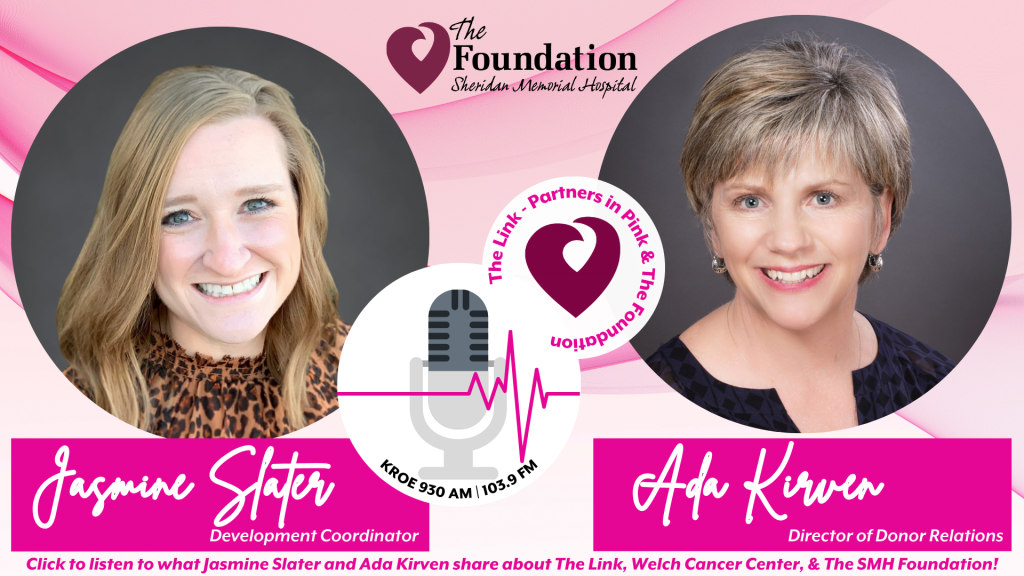
Listen to What Jasmine Slater and Ada Kirven Share About
The Link, Welch Cancer Center, & The SMH Foundation.
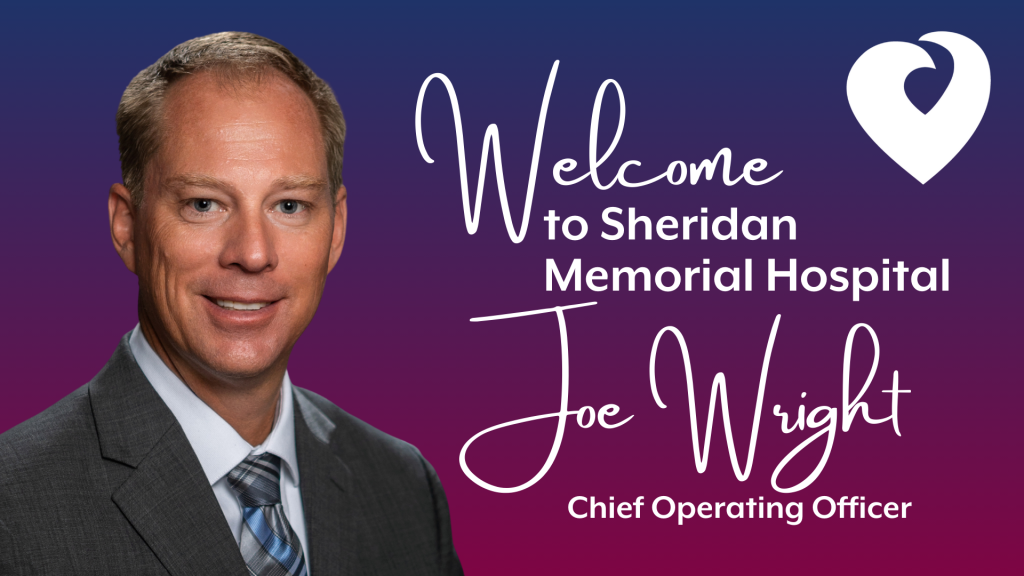
Welcome to Sheridan Memorial Hospital
1401 West 5th St. Sheridan, WY — 307.672.1000
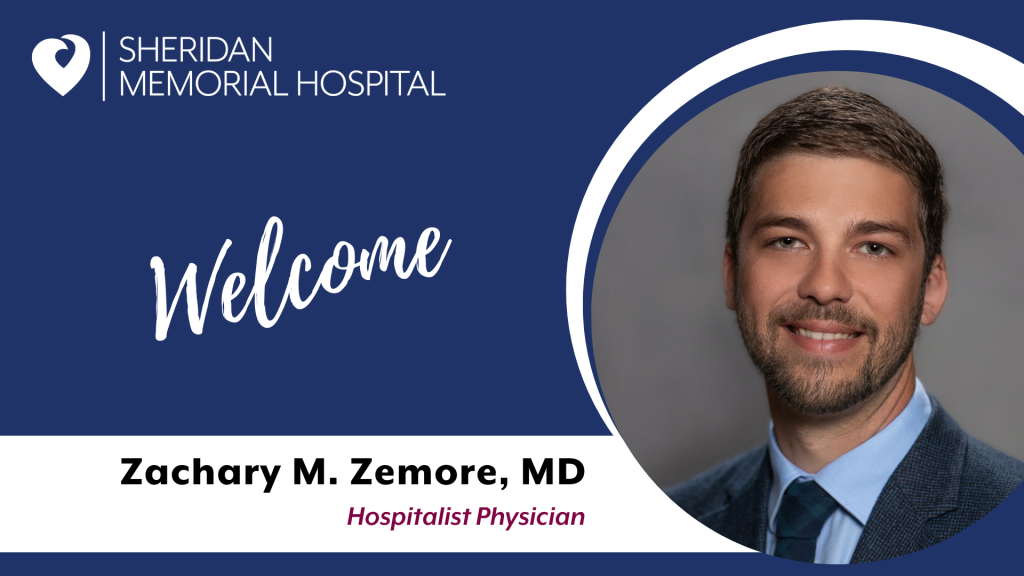
Having worked in both a large metropolitan healthcare system and a rural Indian Health Service facility, Dr. Zachary Zemore has seen the extremes when it comes to levels of access communities have to healthcare.
He hopes to bring his experience and knowledge from both sides to the team at Sheridan Memorial Hospital, where he began work as a hospitalist Oct. 2. A hospitalist is a physician who specializes in providing and managing the care and treatment of hospitalized patients.
“I’ve worked in systems where patients had access to every specialty imaginable to the opposite, where resources were scarce and you provided the best care for patients you could given existing resources,” Zemore said. “In Sheridan, I’m looking forward to being able to spend more time with patients and provide a continuum of care with the resources available at Sheridan Memorial Hospital and in the community.”
Zemore credits his interest in medicine to the time he spent in high school and college volunteering as a firefighter and emergency medical technician. He said he learned a lot in those years, including that he enjoyed both the variety in the workday and the ability to help people. Seeking more structure to his career, Zemore opted to major in biomedical engineering for his undergraduate degree knowing he intended to attend medical school.
Zemore earned his medical degree from Virginia Commonwealth University School of Medicine before completing residencies in both emergency medicine and internal medicine. Excited to try something new, Zemore and his wife, Natalie, who is also a physician, explored various regions that offered the outdoor activities they enjoy.
The duo landed in Hardin, Montana, where Zemore worked for the Indian Health Service Crow/Northern Cheyenne Hospital as an emergency medicine and hospitalist physician. His wife works in Billings, Montana.
Zemore said he looks forward to getting to know patients and prides himself on understanding a patient’s journey from the emergency department or intake through the hospital stay and discharge.
“Understanding the entire patient journey and experience helps me, as a provider, to understand the individual and provide the best care possible,” Zemore said.
In addition to his role as a hospitalist at Sheridan Memorial Hospital, Zemore serves as the medical director for Big Horn County, Montana, emergency medical services.
When not working or volunteering, Zemore and his wife enjoy exploring the outdoors hunting, fishing and hiking with their two dogs, Ollie and Bowzer. Come winter, the young family also plans to spend time skiing and snowshoeing.
To get the most up-to-date information and learn more about Sheridan Memorial Hospital physicians, visit sheridanhospital.org/find-a-doctor.
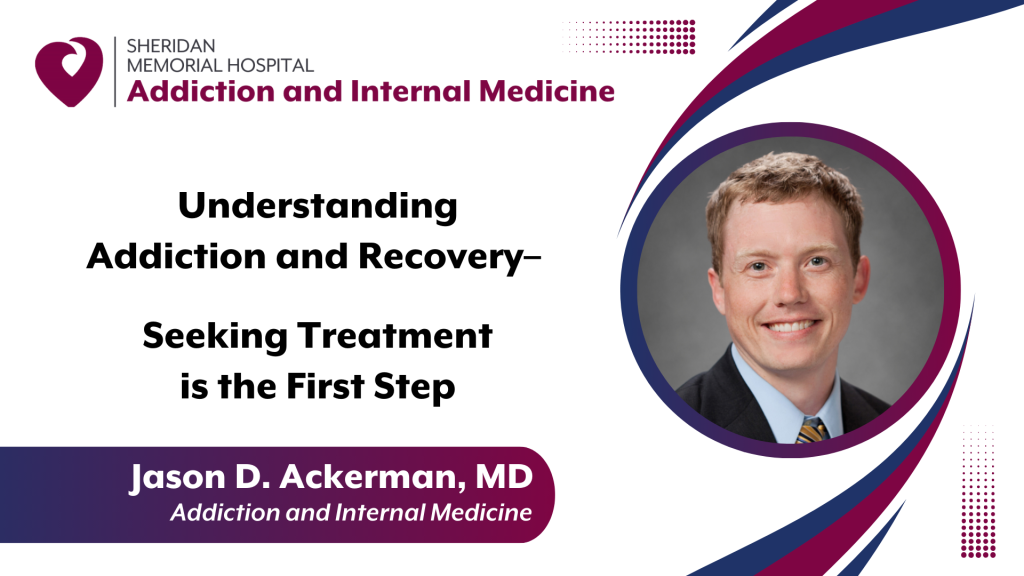
By Jason Ackerman, MD – Sheridan Memorial Hospital Addiction and Internal Medicine Clinic
September is National Recovery Month. I hope this column is helpful to you in understanding addiction and recovery.
Mr. B is a polite, quiet carpenter with a slow southern drawl. The work he does is intricate and precise, his services are in such demand that he can barely take days off and is considering expanding his company. He and his wife are looking toward buying their first home soon. But, he is quite certain he would not be here without a life-saving medication that helped him overcome his addiction.
He moved to Sheridan 5 years ago. He had been using various drugs since he was 13, and that had become a way of life for him. Prescription opioids were his drug of choice, but he would use heroin and methamphetamines or anything else he could find. A brief stint in prison was not enough to stop using. But his wife had also struggled with substance use and had moved to Sheridan to be with family. She managed to get sober with the help of a medication called buprenorphine; she had done so well that he decided to follow her and see if he could get things turned around.
After the first week of buprenorphine treatment, he had completely stopped using opiates. He had no cravings, no desire to use them. Within the first year, he had also stopped using marijuana and even kicked his cigarette habit. The substances that had been his way of life for nearly 20 years were now a thing of the past. Triggers that would have previously sent him spiraling were dealt with, coped with, and forgotten. He went from barely holding down jobs to starting his own company.
Buprenorphine is a medication used to treat opioid use disorder (OUD). It eliminates withdrawal symptoms for patients who are coming off of drugs. By binding to the same opioid receptors in the brain that are targeted by opioids like oxycodone and heroin and fentanyl, buprenorphine can also reduce or eliminate cravings. This allows patients with OUD to stop using the drugs that have come to rule their lives.
Our medical understanding of addictions and substance use disorders has come a long way in the last 10 years or so. Fortunately, with the increased knowledge and understanding of the disease process of addiction, more treatments are emerging. Unfortunately, not everybody has access to or is offered treatment. In the current fentanyl epidemic, there have been measures enacted and pushes to make treatment more understood and available at nearly every level. Unfortunately, overdose deaths across the country continue to climb.
While addiction is a terrible, destructive disease, many afflicted people are too ashamed to seek treatment. Others aren’t aware that there are medications that can help them in recovery. And others are contemplating making the change but waiting for a nudge in the right direction. For people suffering from addiction, whether it is opioids or alcohol, or even stimulants like methamphetamine, the first step in recovery can be making an appointment with a trusted doctor and asking about available treatments.
To learn more about the Addiction and Internal Medicine Clinic at
Sheridan Memorial Hospital, click on the link or call 307.675.2674.
While Joe Wright has held leadership positions professionally and in volunteer organizations, service has remained his focus. Wright will bring that mindset to his new position as Chief Operating Officer at Sheridan Memorial Hospital, a role he began in September.
Wright describes himself as a servant leader, a philosophy in which leaders focus on the growth and well-being of employees and other stakeholders to build stronger organizations.
“If your actions inspire others to dream more, learn more, do more and become more, you are a leader,” Simon Sinek wrote in “Leaders Eat Last: Why Some Teams Pull Together and Others Don’t,” one of Wright’s favorite leadership books.
Wright joins Sheridan Memorial Hospital after spending more than 13 years at Kennon Products in Sheridan. He served as the CEO of Kennon for the last eight and a half years and before that as executive vice president. Prior to working at Kennon Products, Wright was business manager and section leader for UPS.
While Wright said leaving Kennon was a difficult decision, the mission of the hospital is important to him. He has served on the Sheridan Memorial Hospital Board of Trustees from 2019 until accepting the role of COO. He is also a past board member for The Sheridan Memorial Hospital Foundation.
“In the end I was interested in the challenge of a new role and in having the opportunity to impact my community in a broader way,” Wright said of his new role. “I have a steep learning curve but am very excited to take this challenge on. I’m probably most excited about getting to know the people at SMH and how I can help them serve our community.”
Wright is a professional engineer, having earned his degree in industrial engineering from Montana State University. He is a graduate of Stanford University’s Executive Leadership Program through Stanford’s Graduate School of Business.
He and his family have been in Sheridan since 2010. His wife, Alyssa, is a nursing instructor at Sheridan College. His son, Austin, is 26 and has special needs. He loves football and Wright said Austin has helped shape the person he is today.
“He’s an inspiration and constant reminder of the power of perspective,” Wright said.
Wright’s daughter, Gabi, is a senior at Sheridan High School. He described her as intelligent and compassionate.
“I’m excited to see the positive impact she makes in the future,” Wright said.
Outside of work, Wright said he loves flying as a private pilot and spending time in the outdoors, including hunting, fishing and an annual pilgrimage into the Cloud Peak Wilderness with his daughter. He also enjoys golf and sports.
In his new role as COO, Wright will oversee facilities, grounds keeping, nutritional services, environmental services, materials and supply chain.
To learn more about the Sheridan Memorial Hospital leadership team, see sheridanhospital.org/about-us/leadership-team/.
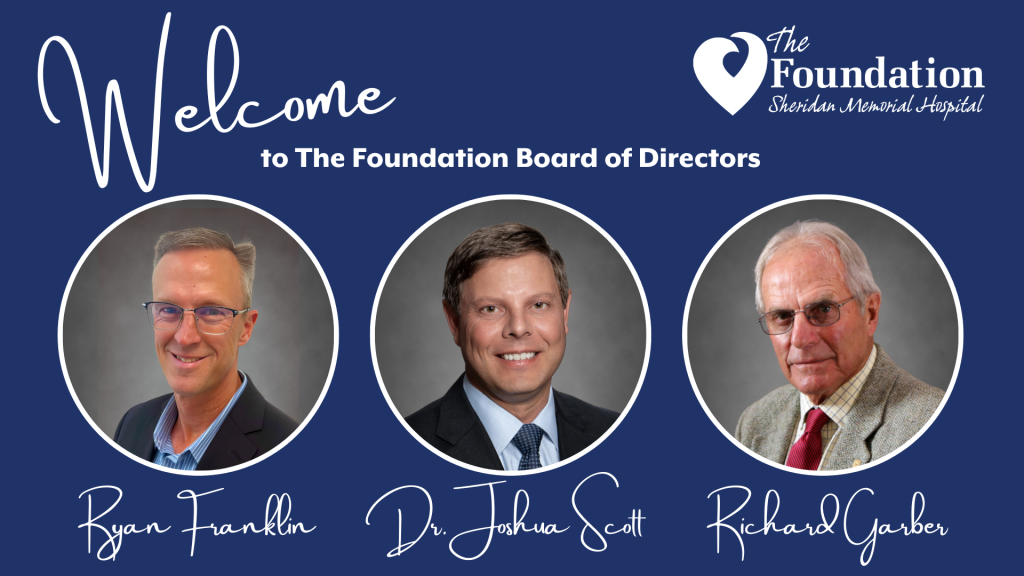
The Sheridan Memorial Hospital Foundation staff and Board of Directors are excited to announce new board members and roles for the coming year. Ryan Franklin and Dr. Joshua Scott bring unique expertise and strong commitment to The Foundation’s mission and support for our rural hospital. Richard Garber joins them as the liaison and representative of the Sheridan Memorial Hospital Board of Trustees.
Ryan Franklin, a newly appointed board member, is a Wyoming native who returned to his roots after serving in the Navy and completing college. With more than 30 years of experience in sales, construction and real estate, Ryan brings extensive community knowledge to The Foundation. In his leisure time, he enjoys engaging in outdoor activities such as hunting and fishing.
Richard Garber will continue his tenure as the Sheridan Memorial Hospital Board of Trustee Representative. He has contributed to numerous initiatives since his work with The Foundation began in 2018. Richard consistently demonstrates a passion for the vision and mission of The Foundation and Sheridan Memorial Hospital. His never ending dedication and support make him an exceptional member of the team.
Dr. Joshua Scott, a newly appointed Physician Representative, will serve as The Foundation’s representative for the medical staff. His commitment to improve healthcare outcomes and ensure excellent patient care, along with decades of expertise make him a great fit for the position.
The Foundation is grateful for the involvement and contributions of Ryan Franklin, Richard Garber and Dr. Joshua Scott, along with the other members of The Foundation Board: President Rob Johnson, Vice President Sue Belish, Secretary Vicki Jorgenson, Treasurer Chuck Burgess and at-large directors Dr. Bill Doughty, Rosemary Rieder and Wendy Smith. Their diverse backgrounds and dedication to service will strengthen efforts to provide exceptional healthcare to all those in need.
The Foundation staff looks forward to the year ahead with a passionate team of kind, caring individuals who work with our organization.
“We are so fortunate to have such engaged and dedicated board members,” Chief Development Officer Cody Sinclair said. “It is a pleasure to work with this team as we focus on our goals and objectives over the next year.”
To get the most up-to-date information and learn more about the
Foundation Board of Directors,
visit sheridanhospital.org/foundation or call
Director of Donor Relations – Ada Kirven at 307.673.2417.
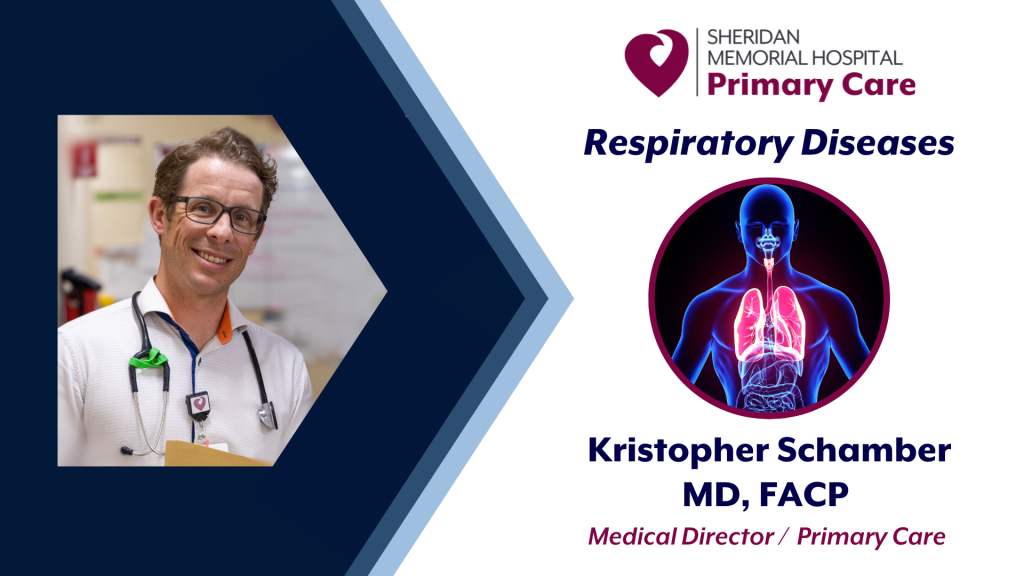
By Kristopher Schamber, MD, FACP – Medical Director, SMH Primary Care
There are a number of different respiratory diseases and associated treatments in adults, though a few are much more common than others. Here’s a look at six common respiratory diseases, their symptoms, causes and treatments.
COPD is caused by damage to the lung tissue and the airways into and through the lungs, typically from tobacco smoke or exposure to substances such as coal dust, silica dust, welding fumes and caustic chemicals. There is a rare genetic disorder by the name of alpha-1 antitrypsin deficiency that can also cause this disease. Typical symptoms include shortness of breath, cough with phlegm and tightness or heaviness in the chest. COPD flares occasionally and can be triggered by tobacco smoke, wildfire smoke, pollen and other allergens, strong odors, cold air, pneumonia or bronchitis. Treatment includes cessation of smoking, oxygen if needed, and inhaled medications. Smoking cessation and oxygen use are the only things that prolong life in this disease, and everything else is geared toward symptom improvement and preventing hospitalization.
Asthma is a lung disease similar to COPD in which the airways are inflamed. It is caused by a combination of genetic and environmental factors, including smoke and others. Asthma tends to be more severe in younger patients and can be very dangerous very quickly. It is treated similarly to COPD. Triggers are also very similar to COPD.
Pneumonia is a term that indicates infection in the lungs. Pneumonia is caused by many different bacteria (staph, strep and others) and viruses (influenza, RSV, rhinovirus, COVID and others). Pneumonia can occur randomly, but certain factors increase the risk, including underlying lung disease like COPD, asthma or cystic fibrosis; history of childhood lung infections; or a depressed immune system from medications or certain medical conditions. Treatment is tailored to the specific cause. For example, antibiotics are used to treat bacterial pneumonia. Only a few viral pneumonias have specific treatments, including influenza and COVID. Treatment may also include oxygen, if needed, inhalers and fluids to help treat dehydration. Certain types of pneumonia can be prevented with vaccination. The most common type of bacterial pneumonia has a vaccine that is given typically after the age of 65. There are also COVID and influenza vaccinations that can help prevent pneumonia from these viruses.
Lung cancer is most commonly associated with tobacco smoke and coal dust in this country. However, it can occur without these risk factors. A person with lung cancer may have no symptoms early in the disease process. Symptoms, when present, include cough, shortness of breath, chest pain, fevers, chills, sweats, weight loss and others if the cancer has spread to other areas of the body. Screening for lung cancer occurs primarily in adults age 50–80 who have smoked one pack per day or more for 20 years or more, and who are currently smoking or quit within the last 15 years. Coalminers also have access to specific lung cancer evaluation through the NOWCAP Black Lung Clinic.
Pulmonary embolism, or blood clots in the lungs, occur primarily in people who had recent surgery, long travel without any movement (more than three hours), active cancer, leg injuries, estrogen or testosterone therapy or blood clotting disorders. Symptoms include shortness of breath, chest pain particularly with deep breathing, and a racing heart. Pulmonary embolism is diagnosed with a CT scan and is treated with blood thinning medications.
Pulmonary edema, or fluid in the lungs, occurs primarily as a consequence of heart failure. When a heart pump is not working, fluid backs up into and around the lungs. Symptoms include shortness of breath, especially with activity and lying down to heavy chest, and cough. Treatment includes diuretics (“water pills”) and treatment of the underlying heart disease.
If you are on oxygen for a lung or a heart condition, it is important that you follow certain safety procedures. You should not smoke or be near any open flame, including campfires or cooking sources. Do not use electrical appliances such as hair dryers, curling irons, heating pads or electric razors. Use only cotton sheets to limit static electricity. Do not use aerosol sprays near the oxygen unit; do not use petroleum-based products or ointments as these are flammable; and do not use alcohol-based hand sanitizers. Also, always have a fire extinguisher nearby.
To learn more about the hospital’s Primary Care Clinic and Dr. Schamber, go to their webpage: https://www.sheridanhospital.org/medical-services/clinics/primary-care/
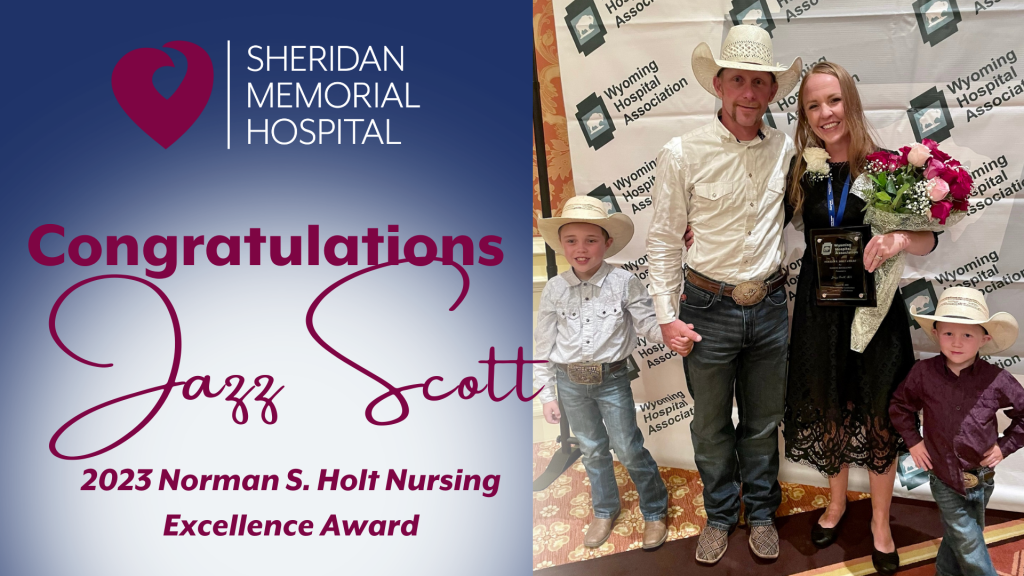
Sheridan Memorial Hospital (SMH) employee Jazz Scott, RN, received the 2023 Norman S. Holt Award for Nursing Excellence during the Wyoming Hospital Association’s annual meeting held in Cheyenne Aug. 30-31. Scott has worked as a women’s health nurse at Sheridan Memorial Hospital since 2015.
“Jazz Scott represents so much of the good that happens in healthcare and in particular here at Sheridan Memorial Hospital,” hospital CEO Mike McCafferty said. “Her focus on patients and their families sets an example for all and her dedication to leading with respect, humility and compassion is something we value as her colleagues.”
According to SMH Chief Nursing Officer Cathy Bealer, Scott continuously works to improve her knowledge and skills. She earned her bachelor’s degree in nursing, is certified in maternal newborn nursing and is as a certified lactation counselor, providing services both in the hospital and throughout the community. Scott is also SMH’s Neonatal Resuscitation Program instructor and Pediatric Life Support instructor.
The Wyoming Hospital Association (WHA) established the Norman S. Holt Award for Nursing Excellence in 1983. The award honors one outstanding nurse in Wyoming each year. Nominees are judged based on concern for the profession and its improvement; improved skills and knowledge; respect by peers; compassion for patients and family members; creativity and innovation in nursing care; dedication to providing the highest quality of care possible; and a positive approach to superiors, peers and subordinates.
Bealer outlined multiple examples of Scott’s outstanding character in the nomination submitted to WHA, including when Scott helped organize a birthday party for a pediatric patient, ensuring the patient was flooded with love and care.
Another example involved a patient who had a difficult birth that included complications.
“When faced with the reality that my son had deformities, Jazz let me know it was OK to acknowledge he was different but what matters is what is inside, his heart and his head,” the patient said.
“These are the things that separate a great nurse from an extraordinary nurse, when they know what to say when things don’t go as planned,” the patient added.
Scott was one of seven finalists for this year’s Norman S. Holt Award for Nursing Excellence.
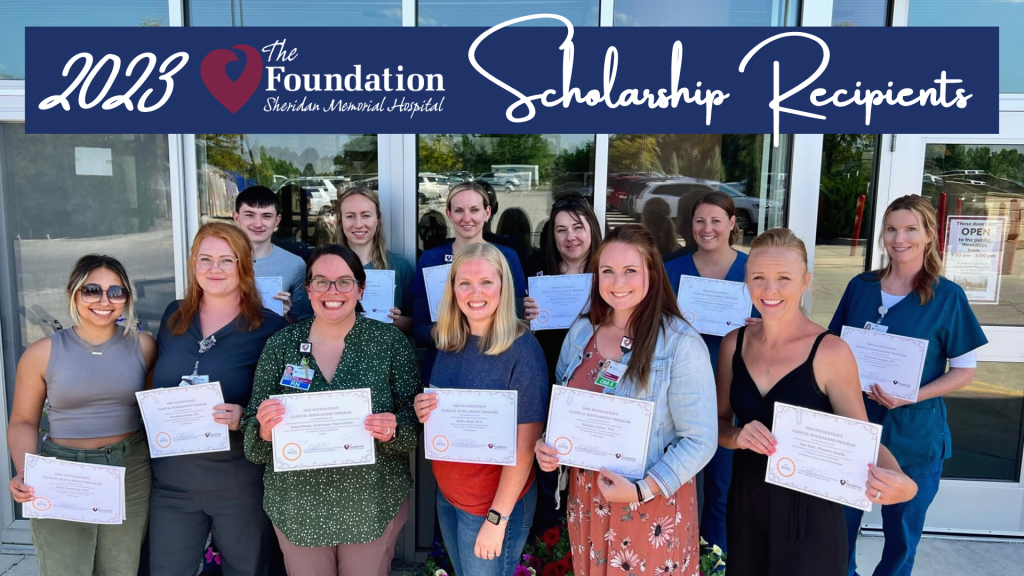
Back, Left to Right – Wesley Gosney, Breanna Julian, Megan Roland, Morgan Elmer, Josie Fagerland, and Elizabeth Draznin
Front, Left to Right – Mary Cleveland, Brooklynn Balius, Grace Stump, Kelley Boyd, Brianna Julien, and Jazz Scott
The SMH Foundation proudly announces Brianna Julien as this year’s recipient of the Cato Scholar Award, made possible with an endowment gift from the Wayland H. Cato, Jr. and Marion R. Cato Foundation. Brianna has been a team member at Sheridan Memorial Hospital since 2021 and currently works in the Transitional Care Unit as an Admissions Coordinator. Her long-term career goal is to become a registered nurse at Sheridan Memorial Hospital.
Along with our Cato Scholarship Award, The Sheridan Memorial Hospital Foundation awarded 25 additional nursing and clinical education scholarships for hospital staff members—those receiving scholarships applied through the annual process and work in various hospital departments and clinics.
The educational endowment effort began in 2003 and continues to grow and evolve alongside the hospital’s mission “To serve our community with excellent patient-centered care.” These educational opportunity scholarships strengthen a culture of teamwork, safety, and quality care across all hospital areas.
Scholarship funds are distributed annually through an application and interview process for hospital employees. Nursing leadership, along with Foundation representatives, review and select the recipients.
Including this year’s awards, The Foundation will have granted nearly $600,000 toward educational assistance to hospital staff members since 2003. “We are extremely proud of our Sheridan Memorial Hospital staff and grateful to provide these opportunities for clinical staff to grow and develop in their roles,” states Director of Donor Relations Ada Kirven. “Our ability to assist in advancing their careers and invest in the hospital’s greatest asset – our people – is priceless.”
Awardees use granted funds for various educational opportunities such as associate, bachelor, and graduate degrees at various colleges and universities, specialty area training for critical care, and professional conferences. This year’s nursing scholarships included programs at Sheridan College, the University of Wyoming, Post University, and the University of Cincinnati. The other scholarships awarded support specialty training for staff in departments such as Women’s Health Labor and Delivery, the Transitional Care Unit, Wyoming Rehab, Welch Cancer Center, and the Quality and Safety Department.
Call The Foundation for information about how you can make a difference for your community hospital, 307.673.2418.
By Jordan McCoy, MS, RDN, LD—Outpatient Dietitian, Diabetes Educator at Sheridan Memorial Hospital’s Internal Medicine
As we progress through life, our food choices are formed and molded by many different factors. Food choices are dictated by habit, preferences, heritage, family dynamics, ability to obtain and cook certain foods, budget, social aspects, nutrition education, and the physical aspect of what we can taste and smell. Decreased appetite and thirst will also play a role in aging.
Each of us is different regarding our food preferences and choices; typically, they become more concrete as we grow. In other words, we tend to become stubborn and set in our ways as we get older! In all honesty, I hope my persistent behavior helps my husband, and I have longevity as we mature by keeping up with our nutrition, hydration, and physical activity. So how do we maneuver through these changes? We start early and begin making changes to develop those realistic healthy habits before it is too late.
To maintain lean body mass and motor function, you have to create habits such as consuming adequate protein (primarily animal-based), appropriate hydration (mostly water), fiber in the forms of fruits and vegetables, healthy fats, and carbohydrates from foods in natural form (potato, rice, quinoa, fruits). Examples of a well-balanced meal include:
Age plays dirty tricks on our taste buds, and typically taste is diminished. Due to this, most of us add more sugar and salt to make foods taste better. Unfortunately, these usually aren’t the best sources of sugar and salt. Here are some of my favorite ways to add more natural flavors:
Along with a change in taste, age also diminishes appetite and our thirst mechanism. By staying active with activities of daily living and participating in physical fitness, your appetite will remain strong, and you will continue to consume the water you need. Locally, there are numerous opportunities to get involved with hikes and activities through The Hub, get a personalized therapy regimen based on your body’s needs through a Wyoming Rehab Free Screening, meet with local gyms, and find the right environment or classes for you. Regardless of your daily activity, it is pivotal to stay hydrated. Your intake of water and electrolytes impacts not only your organ functions, but can play a part in your overall sleep quality, cognition, and mood. A good check for hydration is if your urine is bright yellow, you need more water!
These are all excellent ideas, as I say them out loud, but sometimes easier said than done. What about the ability or motivation to cook these foods?
Some excellent spots in our area provide well-balanced meals for when life gets busy. The Hub offers breakfast to order, lunches, Home Delivered Meals, and their coffee shop’s grab-and-go items. Sheridan Memorial Hospital is also an excellent place to grab a nourishing meal from the Sidewalk Cafe or the Cafeteria at breakfast or lunch. Other options like Designing Dinners have excellent soups and sandwiches that are portioned for those who don’t have big appetites. Make it a social event and bring your friends who also would benefit from a good home-cooked meal. Make it extra special and have a fun dessert when eating—just not every time.
It’s also important to keep convenient, healthy snacks on hand for when you’re on the go. Protein bars and shakes can be beneficial to keeping your energy high. When picking a bar, shake, or powder, look for high proteins and fiber and avoid sugars and carbohydrates. We all have different dietary restrictions when it comes to choosing what we consume. Try different things and ask for support when you need it.
For success, make small changes first. Pick one meal that you prioritize and make sure it’s a well-balanced meal with protein, healthy fats, and good sources of carbohydrates. Focus on maintaining that lean body mass by eating regularly with nourishing foods, exercising, and drinking plenty of water.
If you are interested in meeting with a dietitian, please call your provider and ask for a referral. A dietitian can help troubleshoot the changes we all face, help with quality of life, and increase longevity. It’s still possible to make changes!
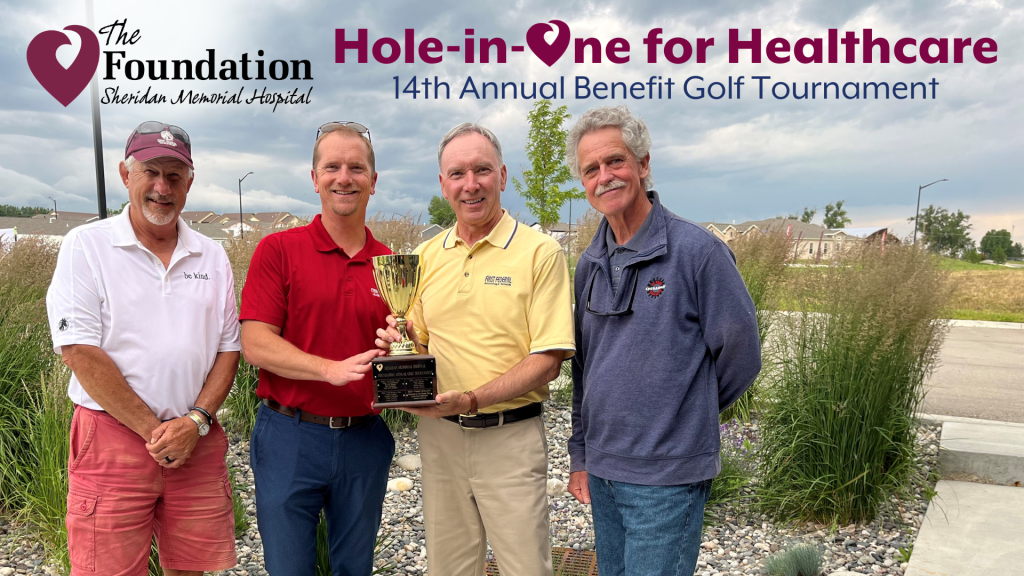
On Friday, June 23rd, a successful fundraising event took place at The Powder Horn Golf Course, where over 100 golfers and volunteers came together to raise awareness and funds for patient care programs at Sheridan Memorial Hospital (SMH). While the weather forecast called for rain, the day was perfect for The Foundation’s 14th Annual Golf Tournament.

This year, the tournament was a great success, raising over $15,000 to support our hospital’s area of greatest need and further enhance patient-centered care in our community. The event has a remarkable history of raising over $300,000 to support excellent patient care. As a result of past tournaments, funds have been allocated to various crucial projects, including the Intensive Care Unit, Cardiac Care, Cath Lab, the Patient GAP Fund, which aids in patients’ recovery after their hospital stay, and several other department projects. We are incredibly grateful for the generous contributions from major sponsors such as D.A. Davidson, Ebzery Family Foundation, First Federal Bank & Trust, First Interstate Bank, Intermountain Health, Kennon, O’Dell Construction, Powder River Heating & AC, and Range, who played a significant role in ensuring the success of this year’s event.
Congratulations to the tournament winners, Doug Moore, Kevin Bailey, DJ Dearcorn, and Randy Warnke, who clinched the first-place team title. We also want to recognize Teal Kaufman and Troy Barker for their impressive performance in the closest-to-the-pin contest and Mistee Elliot and Greg Hansen for their exceptional long drives.
“The SMH Foundation is fortunate to have such tremendous support from the community and the way these funds will enhance healthcare services in the area,” shared Cody Sinclair, the Chief Development Officer. “On behalf of The Foundation board and staff, I want to share our heartfelt gratitude for the sponsors, participants, and volunteers that made this event such an incredible success as we afforded even more opportunities to provide excellent patient-centered care to our community.”
To join The Foundation and support future events, visit sheridanhospital.org/foundation.

Having a baby can be overwhelming. That is the reason why Sheridan Memorial Hospital (SMH) has offered childbirth education classes to help expectant parents learn what is ahead of them for well over 30 years.
“We want to help parents have the very best start with their baby. Parents may have an idea of what to expect, but attending these classes helps bring their birth plan to life – alleviating fears and misconceptions. The better-prepared parents are for the birth and the more they know what’s ahead of them, the more they will be able to relax and enjoy their new baby,” according to Josie Fagerland, Women’s Health Registered Nurse and Prenatal Class instructor.
Specially trained nurses teach two different classes year-round at no charge. They discuss common fears, concerns, problems, and myths surrounding the wonder of childbirth. There is a specific focus on labor, birthing, and breastfeeding. Since the classes are held all year, expectant parents can attend a class whenever it is convenient for them. Often, they choose to attend when they are in the 2nd or 3rd trimester of their pregnancy.
In the Prenatal Class, a nurse talks expectant parents through the stages of labor, vaginal and cesarean delivery as well as how to care for themselves after the baby is born. Some of the topics covered include: changes your body might go through, when to come to the hospital, what to bring, signs of labor, pain management, cervical exams, fetal monitoring, and what to expect during labor. The class culminates with a tour of the hospital’s birthing unit, which provides an opportunity to meet the caring, compassionate staff in the Women’s Health Department.
The Prenatal Class is typically held on the first Monday of each month.

In this class, a Certified Lactation Counselor (CLC) from the Women’s Health Department talks through the basics of breastfeeding and care of the newborn. Though breastfeeding is natural it is not always naturally easy. Latching a baby onto the breast and caring for a newborn is learned and requires an immense amount of support early on. The CLC will provide clear and accurate breastfeeding and newborn care information for the “soon-to-be” mother and her support. By doing so, we hope parents feel better prepared and more empowered to care for themselves and their newborn(s). We cover breastfeeding expectations, strategies for success, and how to avoid or navigate complications. Topics include lactation processes, latch and latching techniques, nipple and breast care, breast pumps and pumping, diet considerations, transition of the newborn after delivery, newborn behavior, newborn screenings, elective procedures, diaper care, and basic car seat safety. During this 2-hour class, we will answer questions, ease fears and/or reinforce and build upon what you may already know.
The Breastfeeding and Newborn Care Class is typically held on the third Monday of each month.
Pre-registration for the childbirth education classes is required. To sign up online for either class, go to sheridanhospital.org and search for “I’m having a baby.” Once you sign up, an instructor will contact you via email before the class with instructions. Classes are free and recommended for parents expecting their first baby and as a refresher class for those parents expecting again. Both partners are encouraged to attend the classes, which are held in the Hospital’s Outpatient Center, 1333 W. 5th Street.
By Charlotte Walter, PT, DPT, ATC – Pelvic Floor Physical Therapist at Sheridan Memorial Hospital’s Wyoming Rehab
Summertime in Sheridan! Time for hikes, bikes, fishing, swimming, and all the outdoor recreation the area has to offer this time of year. But wait – are you shortening your hikes because you need to stay close to a bathroom? Are you not chasing your kids through the sprinkler because you might leak urine? Are you saying no to that fishing trip because you don’t want to worry about your bladder? Are you easing off your mountain biking because every time you hit a bump, you pee your pants?
If any of these situations sound familiar, you are not alone! Pelvic floor dysfunction such as urinary incontinence, bladder urgency, or pelvic pain is what I like to call “common not normal.” So many individuals suffer in silence because they are embarrassed to talk to their doctor or don’t think anything can be done about their pelvic floor symptoms. I’m here to tell you there is!
Pelvic floor physical therapy can address all of the symptoms above and more. Often these issues are related to a dysfunction of the pelvic floor muscles – the muscles may be tense and guarded, weak with poor endurance, or recovering from pregnancy or hysterectomy. It’s helpful to understand that your pelvic floor muscles are just like the muscles in your shoulder or your knee. Pelvic floor muscles are skeletal muscle: they contract or relax on your signal, and they can get stronger with appropriate stimulus and loading. They can also be affected after an injury during childbirth or surgery and need specific exercises to return to full function.
Pelvic floor physical therapy is similar to other physical therapy. A pelvic floor physical therapist (PT) will ask questions about your symptoms, evaluate the muscles and structures involved, and work with you to create a treatment plan to achieve your goals. Unfortunately, since the topic and area involved can be sensitive, most people delay being seen by a PT. Over time symptoms can continue to get worse until they are significantly impacting your quality of life and limiting your activity.
Pelvic floor health is a specialty area, and not all physical therapists have this specific training. If you’re experiencing any of the symptoms described above, it’s important to see a pelvic floor PT who can fully assess and understand your symptoms.
We are fortunate to have various pelvic health education opportunities offered in Sheridan, including the hospital’s prenatal class, YMCA prenatal workshop, YMCA infant/toddler workshop, and the YMCA Pelvic Health and Exercise workshop.
If pelvic floor dysfunction is limiting your summer movement, say “No more!” Contact a pelvic floor PT to keep your summer active and healthy.
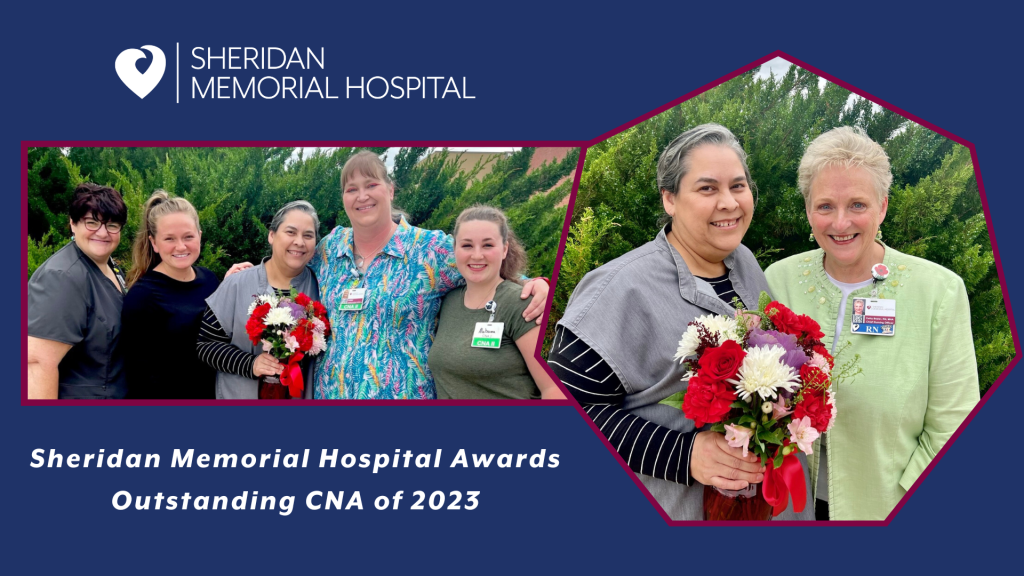
Listen to what Charlotte Walter, Physical Therapist at Sheridan Memorial Hospital’s Wyoming Rehab, shares about the many services and community partnerships through Wyoming Rehab
Each year, Sheridan Memorial Hospital (SMH) celebrates National Certified Nurses Assistants Week and names the Outstanding Certified Nursing Assistant (CNA) of the Year. Chief Nursing Officer Cathy Bealer presented the award at a ceremony last week.
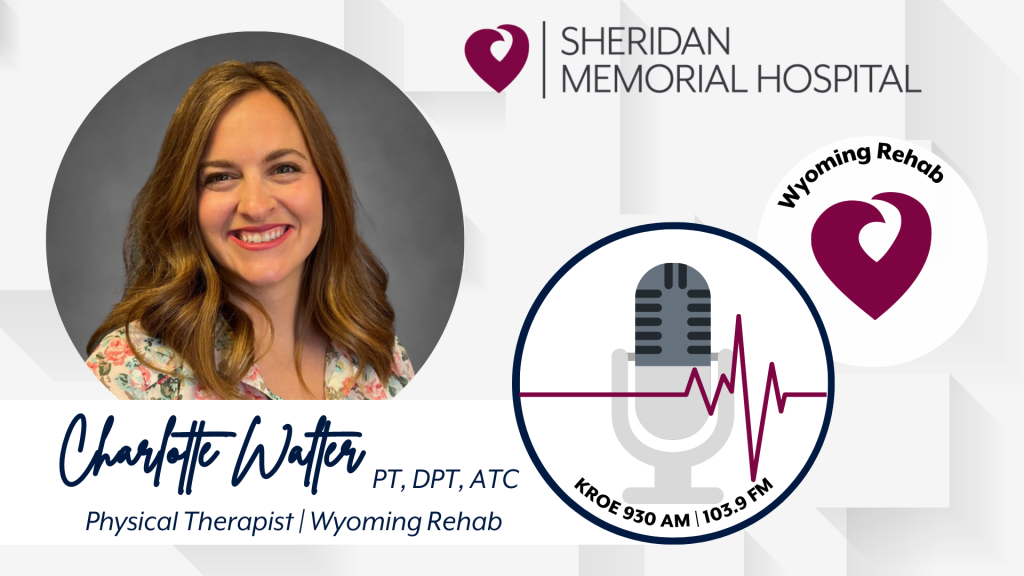
The Outstanding CNA of 2023 Award, which recognizes a staff member who personifies the meaning of caring, kindness, and support in helping provide excellent patient-centered care, was given to Yolanda Petermann, Certified Nursing Assistant at the hospital’s Welch Cancer Center.
According to the nomination form submitted by one of her peers:
Yolanda represents our cancer center and hospital in the most professional manner by providing empathy and compassion to our wonderful patients and staff. Yolanda is our shining light, greeting each of our patients with kindness and a cheery smile. She is a leading example of providing our patients with excellent patient-centered care. She does this by listening to our patients at each visit, anticipating their needs, and remembering small details about each person from visit to visit. For example, a patient may visit monthly, and she will have their favorite snack and drink waiting at their chair before she brings them to the infusion room. She will also advocate for their comfort by remembering certain rooms, staff members, or blankets to make them feel comfortable and at ease during these very difficult times. She develops relationships easily with the patients, and you will often find Yolanda giggling and visiting with patients at the chairside. She listens to the needs of our patients and communicates these needs to staff and providers.
Yolanda also speaks highly of each staff member and never has a bad thing to say. She is always providing a light mood, and I love hearing her giggle with our patients. Her positive attitude is contagious. I have witnessed Yolanda’s caring heart by providing multiple patients with different items to ensure they have their basic needs met at home and in the cancer center.
Yolanda has been an employee of Sheridan Memorial Hospital for over 20 years and has developed countless relationships with the members of the Sheridan community through the extensive amount of care she has provided throughout these years of service. It is hard to find a patient who doesn’t know Yolanda from some encounter over the years. I have never heard a patient speak ill of Yolanda. Her heart is pure gold, and this radiates throughout the daily work she does.
We are so lucky to have her as a coworker, friend, and CNA for our wonderful patients. “
Additional nominees for the award were: Christine Cecire – Medical Surgical CNA, Amber Clearwater – Emergency Department CNA, Britta Hervi – Women’s Health CNA, and Alabama Patterson – Transitional Care Unit CNA.
According to Bealer, “All of these hard-working individuals deserve recognition and appreciation for all they do to bring care to our patients and community. They set the standard for organizational excellence. Their outstanding contributions and dedicated work makes Sheridan Memorial Hospital the best place to go for patients, their families, and our community.”
Are you looking for a rewarding career as a CNA? We have positions available! Check out the hospital’s job opportunities at SheridanHospital.org/Careers/

Pictured L to R:
Christine Cecire – Medical Surgical CNA; Britta Hervi – Women’s Health CNA ; Yolanda Petermann – Welch Cancer Center; Amber Clearwater – Emergency Department CNA; and Alabama Patterson – Transitional Care Unit CNA.
Listen to what Charlotte Walter, Physical Therapist at Sheridan Memorial Hospital’s Wyoming Rehab, shares about the many services and community partnerships through Wyoming Rehab
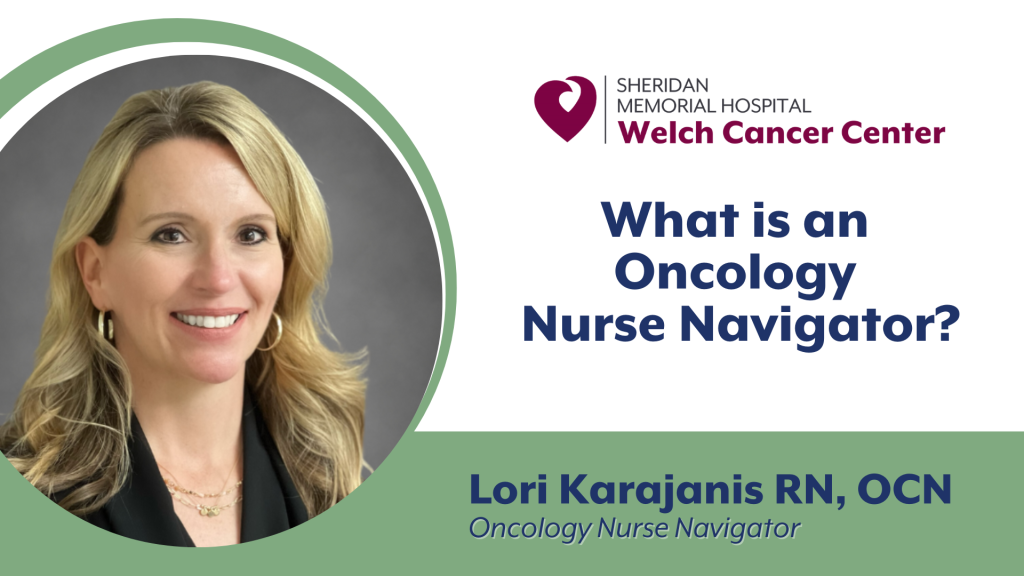
Learn more about the many services provided through Wyoming Rehab by visiting https://www.sheridanhospital.org/medical-services/rehabilitation-services/
While we never wish for a person to need the services offered at the Welch Cancer Center (WCC), it is the role of Sheridan Memorial Hospital and our Clinics that we are there when you need us most. Cancer care is a team approach including many medical specialists and areas of expertise to offer excellent care. From care and support to resources and education, the Welch Cancer Center team has Cancer Support Services for your entire journey. During a patient’s journey, one of the first questions asked is, “What now?” This is the moment we introduce Lori Karajanis, RN, OCN – Oncology Nurse Navigator, and the resource you need to help you throughout the continuum of care with oncology.
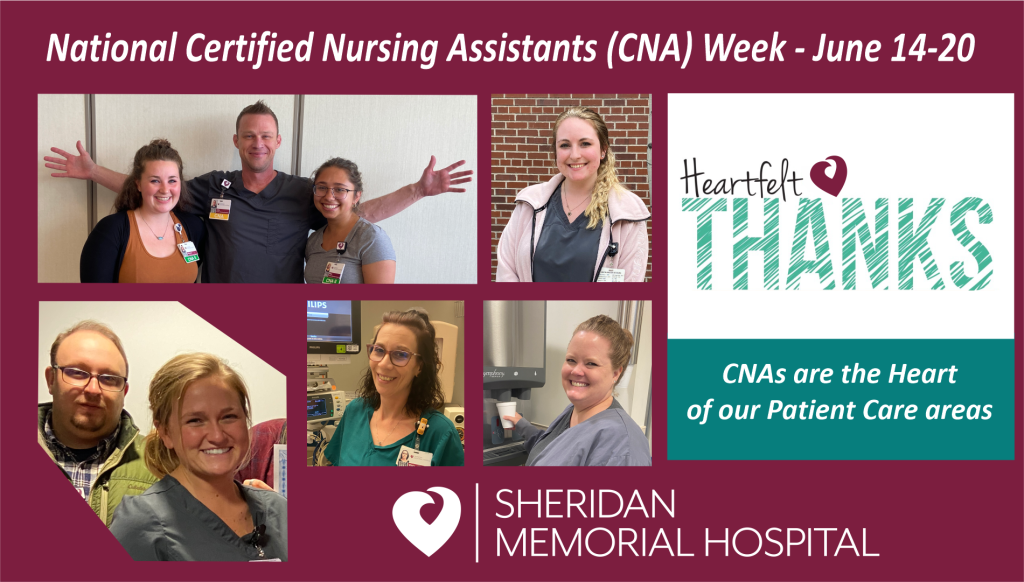
Our oncology nurse navigator helps each patient understand their journey and supports them in identifying gaps, barriers, or needs along the way. “I have been employed here at SMH for 15 years and in the role of Nurse Navigator for a year and a half. I am here to help in any way that I can. After diagnosis, I am the first person a patient sees and will let the patient know what’s happening next. I know that there are a lot of emotions involved in this process, but I love what I do and the patients I am able to help every single day.”
It is no secret that healthcare can be overwhelming. Nurse Navigators are there for you during medical intake and the clinical journey, to being an emotional support system and sounding board for the patient and their entire family. “A big part of my job is education, providing and finding resources at Sheridan Memorial Hospital and in the community, even helping coordinate insurance questions and financial assistance. I am similar to a Case Manager or Social Worker in other healthcare settings but with clinical knowledge and education. I am a certified Oncology Certified Nurse here and previously worked as an Infusion Nurse at WCC.”
Along with individualized care plans and support, Lori helps to coordinate and maintain resources within the WCC, like our Breast Boutique and Resource Room, Monthly Survivorship Courses, and Group Talks. She also has access to countless other community programs.
The Breast Boutique and Resource Room house entirely complimentary products and services for our community. “We are so proud to provide these items and fittings services to our community, thanks to the generosity and support of so many people supporting the comfort and healing of our patients. But, we also understand treatments might have to be undergone elsewhere for numerous reasons. This free service is available to anyone in our community that may benefit, and I am here to help in any way that I can, supporting in the journey to all those who need it.” Between the Breast Boutique and Resource Room are mastectomy bras, equalizer forms, and non-surgical breast prosthetics. Complimentary wigs, scarves, and hats are available. You will find the environment comfortable and welcoming in our renovated Breast Boutique. In addition, Lori is a certified mastectomy fitter and will fit you individually for the items that best match your specific needs. Patients can find additional assistance with wig fittings, measuring, and recommendations for wig care can be found in coordination with the nurse navigator and inside our resource room.
Monthly Survivorship Courses & Group Talks are also part of the work Lori does to help care for our community. “This is an emotional journey, and we work very hard to connect our patients to the resources available not only here at SMH but throughout the entire community. Through partnerships with other organizations, individuals having mutual experiences, or businesses who want to help – these dedicated groups allow for reflection and support of our patients.”
Above all else, Lori is a warm welcome and a listening ear for our patients and their families. She answers questions and concerns about their diagnosis and treatment options, and she makes sure to keep them informed throughout the process. She is a comfort to those struggling with their diagnoses, and she can be counted on to always be there for her patients when they need her. She is a constant in a world of the unknown. Lori’s compassionate care and dedication have earned her the trust and respect of both patients and staff members alike. After years of service, she is well-known and beloved by everyone at the Welch Cancer Center and in our region. While the circumstances of our introduction may not be ideal, we are fortunate to have Lori providing excellent patient-centered care for some of our most vulnerable patients who need it most.
To learn more about our Nurse Navigator and Cancer Support Services, visit https://www.sheridanhospital.org/medical-services/welch-cancer-center/cancer-support-services/ or call our Welch Cancer Center at 307.674.6022.
National Certified Nursing Assistant (CNA) week is June 14-20, 2023. This week is a way to honor those who work in this demanding profession, which requires meeting the basic care needs of patients in hospitals, skilled nursing facilities, assisted living, and patients’ homes.
“At Sheridan Memorial Hospital (SMH), we have 64 CNAs who are at the center of our patient care areas. They provide bedside, hands-on care to our patients – assisting the nurses with multiple responsibilities. CNAs play a critical and valuable role in the patient care team – answering the patient’s questions and responding to their care needs 24 hours a day,” according to Cathy Bealer, Chief Nursing Officer at SMH.
The most common duties that CNAs provide to patients under the direction of Registered Nurses (RN) include:
These duties are clearly very important to patients, as are the CNA’s behavioral skills, including having a high level of patience, compassion, empathy, attention to detail, communication skills, a sense of humor, and physical strength. All of these characteristics of CNAs ensure that patients receive outstanding care while in hospitals, long-term care facilities, or in their own homes.
The CNA career is a rewarding and fulfilling one, and these skills are in high demand with the expanding healthcare needs of our aging population. A CNA can make this a life-long career, or they can build on the learning and experience and expand their schooling into another healthcare field.
According to Bealer, “Our CNAs are excellent in the quality care they provide and are focused on a positive patient experience.”
Bealer adds, “Please take time this week to thank a CNA for all of the care that they provide to our patients. We are proud of all our nursing assistants and wish them a happy CNA week!”
Are you looking for a rewarding career? We have positions available!
Check out the hospital’s job opportunities at SheridanHospital.org/Careers/

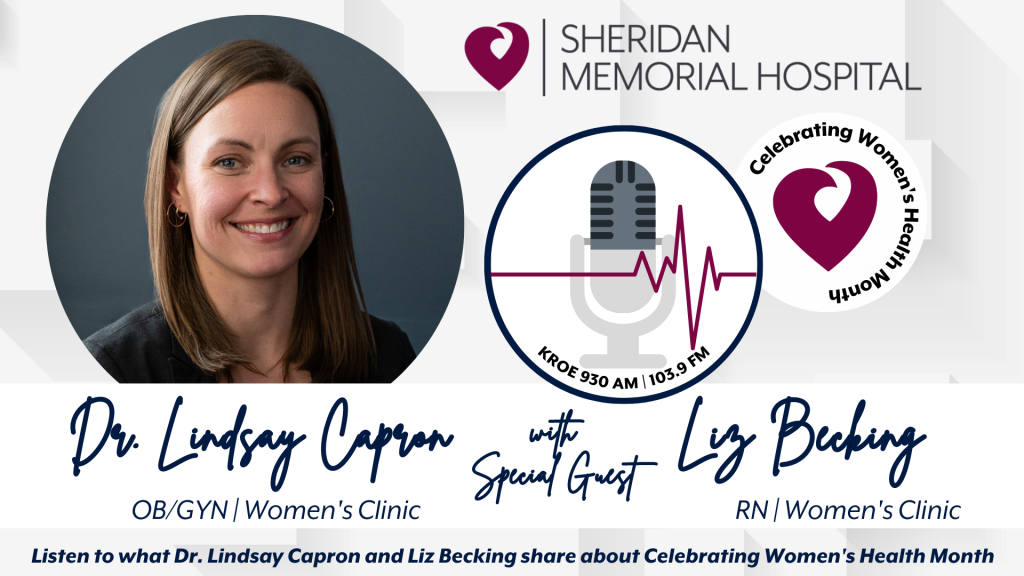
Listen to what Dr. Lindsay Capron & Liz Becking, RN, share about
Celebrating Women, Women’s Clinic, and Women’s Health at Sheridan Memorial Hospital

To learn more, visit Dr. Lindsay Capron or SheridanWomensClinic.org or call the clinic at 307.672.2522.
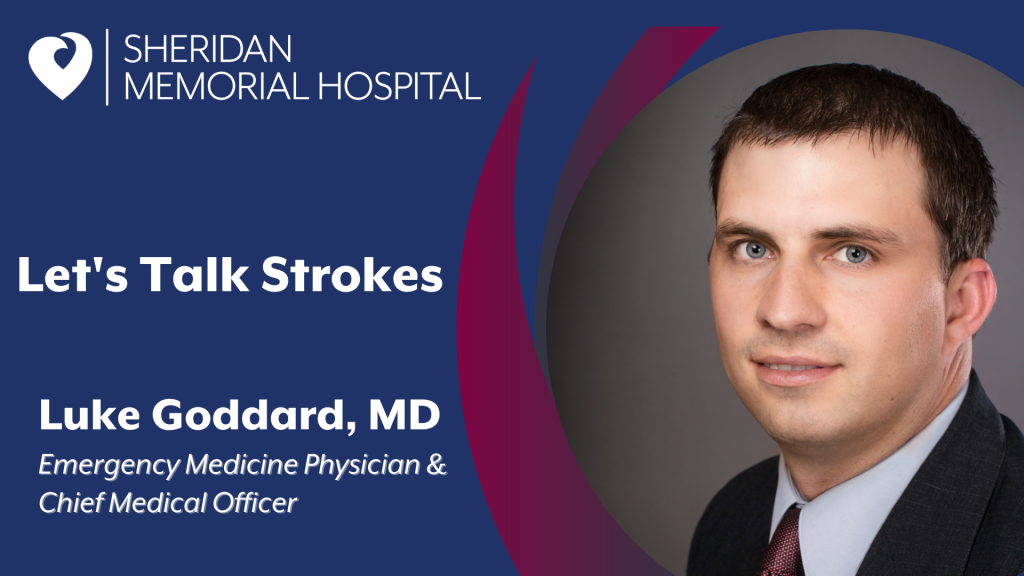
By Luke Goddard, MD – Emergency Department Physician and Chief Medical Officer at Sheridan Memorial Hospital
May is National Stroke Awareness Month with a goal to increase awareness around this very important public health problem. It is estimated that up to 150,000 deaths related to stroke occur each year in the US. That equates to 1 in 19 deaths, making it the 5th leading cause of death in our country.
Because many of the available treatments for stroke are time-dependent, a stroke is a medical emergency, and it is important to seek care as soon as you or someone you know develops signs or symptoms of a stroke.
A simple acronym to remember the most common signs of stroke is FAST.
F – Face drooping: ask the person to smile, does one side droop?
A – Arm weakness: ask the person to raise both arms, does one side drift downward?
S – Speech difficulty: ask the person to repeat a simple sentence, are the words slurred?
T – Time: if the person demonstrates any of these symptoms, call 911.
Other common symptoms include sudden dizziness, trouble walking, loss of vision, or sudden headache.
It is important to know that if you or someone with you is experiencing stroke symptoms, you should call 911 right away. The prehospital professionals at our ambulance service: Wyoming Regional EMS, have extensive training in the recognition of strokes and are able to activate resources at the hospital very quickly – even from your home. Because of this communication with EMS, we can anticipate your arrival at the hospital and be ready to care for you.
Once stroke patients arrive at the Sheridan Memorial Hospital, they are greeted by our team of professionals who are specifically trained in the diagnosis and treatment of stroke. When necessary, we also have the ability to connect via telemedicine with a stroke neurologist (a doctor who specializes in treating strokes) 24 hours per day to help make treatment decisions. In recent years there has been significant progress made in treating strokes using intravascular therapies performed by specialized physicians in larger hospitals, which may require a transfer outside of Sheridan.
Strokes cause brain tissue to die, which leads to brain damage, disability, and even death. Stroke is the leading cause of serious long-term disability. It is, however, estimated that up to 80% of strokes are preventable. You can greatly reduce your risk of stroke by making lifestyle changes such as stopping smoking, drinking alcohol in moderation, getting exercise, and controlling your blood pressure and cholesterol. Work with your doctor to discuss prevention or treatment strategies to lower your risk of stroke.
Let’s Talk Strokes – Free Community Presentation
Want to learn more? I would like to invite anyone who is interested to attend a free community presentation on Tuesday, May 23, beginning at 10:30 AM at The Hub on Smith, 211 Smith Street. Some of the topics I will be covering include: what a stroke is, the symptoms of a stroke, stroke therapies, and how to prevent a stroke. Be sure to bring your questions. This presentation is brought to you by the Stroke Team at Sheridan Memorial Hospital.
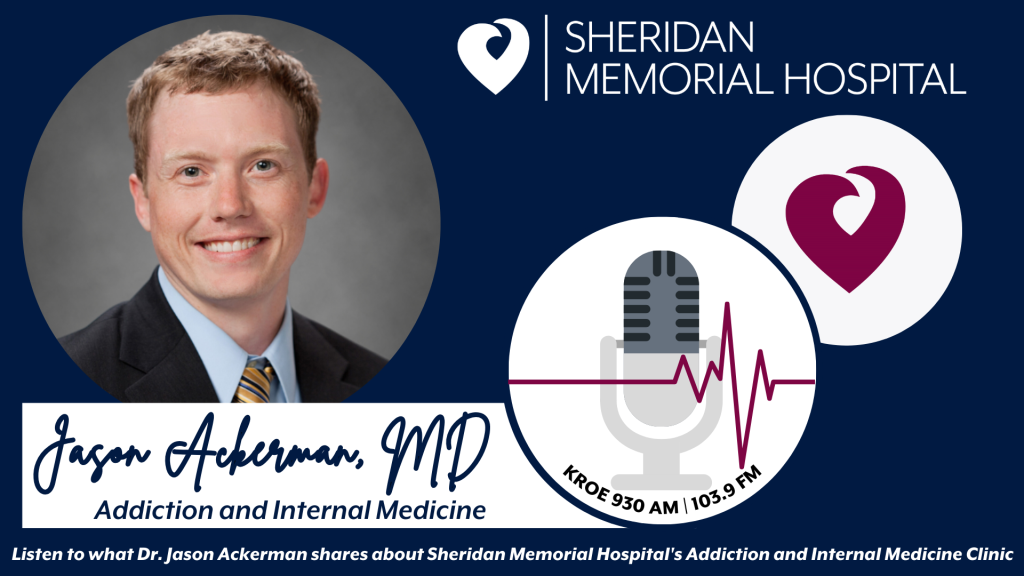
Listen to what Dr. Jason Ackerman shares about Sheridan Memorial Hospital’s Addiction and Internal Medicine Clinic, who they are, what they do, what addiction is, and MORE!

Learn more at Sheridan Memorial Hospital Addiction and Internal Medicine Clinic or call today for an appointment at 307.675.2674.
It’s Women’s Health Month, and the Sheridan Memorial Hospital Women’s Clinic is here to help answer any questions you have about women’s health. Whether you have questions about common conditions, preventative care, or anything else related to women’s health, we have the answers. This month, we’d like to share a few of the most common questions we receive about OB/GYN and pregnancy care to help women get the answers they need to take charge of their wellness.
OB/GYN Care
What is the difference between gynecology and obstetrics?
In general terms, gynecology focuses on women’s medical issues, specifically those related to the reproductive or urological organs. Obstetrics, on the other hand, is concerned with prenatal care, pregnancy, and labor and delivery. Because these two fields are so closely related, many physicians will study both and provide both types of care.
When should I have my first gynecological exam?
The answer to this question will depend. If you are experiencing problems or become sexual activity, you should see a gynecologist regardless of your age. Otherwise, you should consider scheduling your first pelvic exam around age 21.
What should I expect during my first visit to the gynecologist?
Typically, during your first exam, you will be asked to provide a detailed medical history and be given a few simple screening tests.
Pregnancy Care
When should I have my first prenatal visit?
If you suspect that you may be pregnant—if you have tested positive with a home pregnancy test, for example—you should call to set up an appointment right away. We will schedule a visit about eight weeks from your last menstrual period.
Are there any options for treating morning sickness?
Absolutely. Non-medical treatments may include eating something bland, like dry toast or crackers, before getting out of bed in the mornings. Foods that may be particularly difficult on the digestive system, such as greasy or spicy foods, should be avoided as they can exacerbate nausea. Try to take any medications with food rather than on an empty stomach, and drink plenty of water!
Sheridan Women’s Clinic has a great team of providers ready to take care of you. Our Clinicians offer comprehensive services for complete women’s health, from preventative well women’s exams to specialized OB/GYN care. If you have any questions regarding women’s care, from puberty through menopause and beyond, please don’t hesitate to reach out. We are here to help!
To learn more, visit SheridanWomensClinic.org or call us at 307.672.2522.