Welcome to Sheridan Memorial Hospital
1401 West 5th St. Sheridan, WY — 307.672.1000

News and Community

Children have left the classroom for the summer. Families are spending more time outside. Implementing some basic summer safety measures
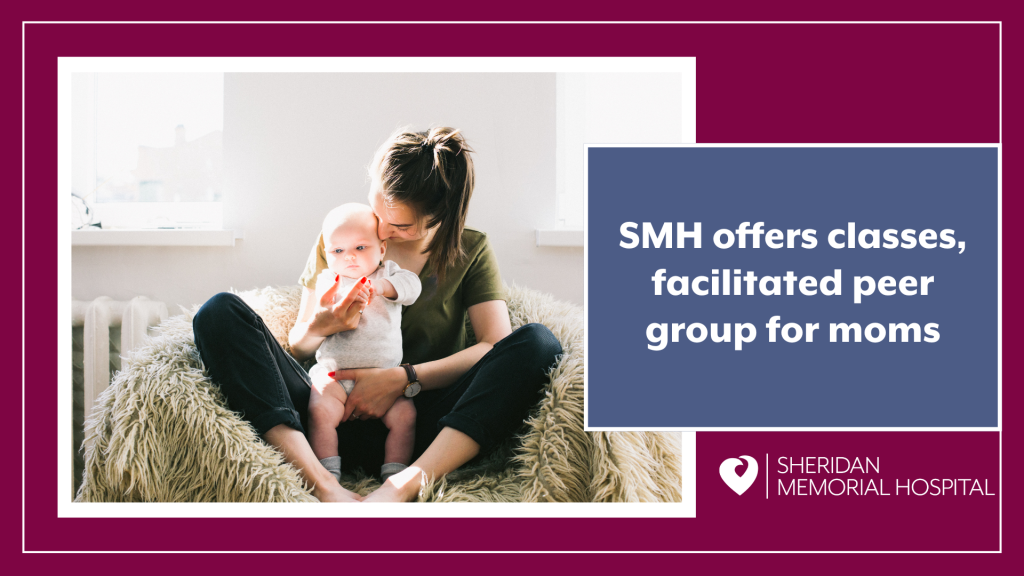
What does labor and delivery look like? What is an epidural? How will I know how to help my baby
Listen to what Dr. Emily Denny and Jazz Scott share about services available for new moms, including

Summer is officially here. Let’s check in with ourselves and do a refresh that can benefit all of us, regardless of our health history. First, how much
SHERIDAN – Beginning May 20, Sheridan Memorial Hospital patients can now text 307.672.1070 to
For whatever reason, there has been a surge in patients seeking care for dog and cat bite injuries in the emergency department over recent weeks.
From a patient's perception, patient experience is about connection at each interaction and the simplicity and ease of moving through a health care
National Nurses Week is May 6-12, with the American Nurses Association recognizing and
T.R.’s Challenge to support Sheridan Memorial Hospital Foundation’s Growing for You Campaign
National Nurses Week is May 6-12, with the American Nurses Association recognizing and honoring nurses across the United States in the
Like many people who go into health care, Ashley Bostyan knew she wanted a career in which she
In the spring of 2021, Sheridan Memorial Hospital’s attempts to reduce patient falls centered around
Your husband’s surgery is scheduled for 7 a.m., check-in at 5:45 a.m. Pre-op is complete and your
The Leona M. and Harry B. Helmsley Charitable Trust has granted $675,676 to The Sheridan Memorial
The Consumer Product Safety Commission recently issued a notice of recall of Bell Sports Youth Bicycle
As Sheridan County continues to grow, the need for outpatient radiology services has also increased. In
Sheridan Memorial Hospital patients will experience
The healthcare needs of the Sheridan community continue to grow and diversify. In an effort to

By Alaina Bergstrom, MSN, RN, CCRN-K – Emergency Department and Intensive Care Unit Manager at Sheridan Memorial Hospital

Safety preserves summer fun

Children have left the classroom for the summer. Families are spending more time outside. Implementing some basic summer safety measures will help reduce your risk of spending valuable sunny days in an urgent care, emergency room or doctor’s office.

Protect your skin

Summer means sunshine, but it also means bugs, so there are many ways you can protect your skin this season. Lather on sunscreen with an SPF 30 or higher, and reapply frequently if you plan to spend extended time outside. Unprotected skin can burn quickly, which can cause long-term and immediate damage.

If you’re spending extended time outside, you should also be prepped to protect yourself from bugs. Check yourself for ticks, which can spread Lyme disease, and if you have an allergy to bees or other insects, be sure you have your emergency treatment with you before leaving the house.

Drink plenty of water

There is no one-size-fits-all for daily water intake, as recommended levels typically depend on your activity level, health conditions and other factors. Basic recommendations, though, include drinking water throughout the day, and increasing intake based on how much time you spend in the heat, exercising or sweating. Knowing the signs of dehydration can also help you avoid danger — dry skin, headaches, dizziness, fatigue, muscle cramps and dark urine are among the symptoms. If you’re looking to add a little flavor to your water intake, eat foods that have high water content such as watermelon, cucumbers, celery, tomatoes and many others.

Wear your safety gear

Bicycle rides, rollerblading, boating, swimming and hiking — the recreational opportunities lure individuals and families outdoors all summer long. Safety gear helps avoid tragic incidents. Be sure you and your loved ones wear life vests, helmets, knee and elbow pads, shoes and other appropriate protective gear for each activity. Just as important is ensuring those safety measures fit appropriately. Oversized or improperly worn safety gear can reduce their effectiveness and create additional hazards.

Beat the heat, check the backseat

Whether you’re traveling with children or pets, be sure to check your car’s backseat at each stop. According to the National Weather Service, the temperature in a vehicle can rise 20 degrees in as little as 10 minutes, and 50 degrees in an hour. Each time you make a stop, follow the NWS advice: Beat the heat, check the backseat!

We were excited to have kicked off the Downtown Sheridan Association’s season of Third Thursday events on June 20. Representatives from Sheridan Memorial Hospital were on site, handing out sunscreen and life vests to help keep you and your family safe this summer. Thank you to all who stopped by, said hello, and learned more summer safety tips.

Classes, peer group offer resources for moms

What does labor and delivery look like? What is an epidural? How will I know how to help my baby breastfeed? These are all questions new and expecting moms find themselves wondering. In order to help answer those questions and the many others that arise during and after a pregnancy, Sheridan Memorial Hospital offers childbirth education classes to help expectant parents learn what is ahead of them.

“We want to help parents have the very best start with their baby. Parents may have an idea of what to expect, but attending these classes helps bring their birth plan to life – alleviating fears and misconceptions. The better-prepared parents are for the birth and the more they know what’s ahead of them, the more they will be able to relax and enjoy their new baby,” according to Josie Fagerland, Women’s Health Registered Nurse and Prenatal Class instructor.

Specially trained nurses teach two different classes year-round at no charge. They discuss common fears, concerns, problems and myths surrounding the wonder of childbirth. There is a specific focus on labor, birthing and breastfeeding. Since the classes are held throughout the year, expectant parents can attend a class whenever it is convenient for them. Often, they choose to attend when they are in the second or third trimester of their pregnancy. In addition, Sheridan Memorial Hospital staff have partnered with other community organizations to create a Moms Supporting Moms peer support group.

Prenatal classes

In the Prenatal Class, a nurse talks expectant parents through the stages of labor, vaginal and cesarean delivery as well as how to care for themselves after the baby is born. Some of the topics covered include: changes your body might go through, when to come to the hospital, what to bring, signs of labor, pain management, cervical exams, fetal monitoring and what to expect during labor. The class culminates with a tour of the hospital’s birthing unit, which provides an opportunity to meet the caring, compassionate staff in the Women’s Health Department.

The Prenatal Class is typically held on the first Monday of each month from 5:30-7:30 p.m. in the hospital’s Outpatient Center second floor conference room located at 1333 W. Fifth St.

Breastfeeding and newborn care class

In this two-hour class, a Certified Lactation Counselor (CLC) from the Women’s Health team talks through the basics of breastfeeding and care of the newborn. Though breastfeeding is natural it is not always naturally easy. Latching a baby onto the breast and caring for a newborn is learned and requires an immense amount of support early in the process. The CLC will provide clear and accurate breastfeeding and newborn care information for the “soon-to-be” mother and her support, allowing the baby’s family to feel better prepared and more empowered to care for themselves and their newborn(s). The class covers breastfeeding expectations, strategies for success and how to avoid or navigate complications. Topics include lactation processes, latch and latching techniques, nipple and breast care, breast pumps and pumping, diet considerations, transition of the newborn after delivery, newborn behavior, newborn screenings, elective procedures, diaper care and basic car seat safety.

The Breastfeeding and Newborn Care Class is typically held on the third Monday of each month from 5:30-7:30 p.m. in the hospital’s Outpatient Center second floor conference room located at 1333 W. Fifth St.

Moms Supporting Moms

Bringing home a new baby often brings joy, and sometimes new parents also experience feelings such as anxiety, sadness and being overwhelmed. These feelings can be isolating and difficult to manage.

In order to support new mothers, Sheridan Memorial Hospital has partnered with other community entities to organize Moms Supporting Moms, a facilitated peer group. Topics discussed include birth stories, role transitions, how to keep maternal guilt from sabotaging self care, stress management, communication with family members, choosing child care providers and returning to work.

Moms Supporting Moms meets the first and third Monday of each month from 5:30-6:30 p.m. at Sheridan Memorial Hospital’s Primary Care community conference room, located at 61 S. Gould St.

How to attend

Pre-registration for the childbirth education classes is required. To sign up online for either class, go to sheridanhospital.org and search for “I’m having a baby.”  Once you sign up, an instructor will contact you via email before the class with instructions. Classes are free and recommended for parents expecting their first baby and as a refresher class for those parents expecting again. Both partners are encouraged to attend the classes, which are held in the Hospital’s Outpatient Center second floor conference room at 1333 W. Fifth St.

Learn more about our Women’s Health Department, take a video tour and sign-up for classes HERE, or by visiting https://www.sheridanhospital.org/medical-services/womens-health/im-having-baby/

Listen to what Dr. Emily Denny and Jazz Scott share about services available for new moms, including prenatal and lactation classes in a facilitated peer group.

Dr. Emily Denny and Jazz Scott discuss services available for new moms, including prenatal and lactation classes in a facilitated peer group.

Listen to what Dr. Emily Denny and Jazz Scott share about services available for new moms, including prenatal and lactation classes in a facilitated peer group.

Learn more about our Women’s Health Department, take a video tour and sign-up for classes HERE, or by visiting https://www.sheridanhospital.org/medical-services/womens-health/im-having-baby/

By Meghan Reinemer, RN – Diabetes Education Coordinator and Susan Kreager, RDN, LD, CDCES – Diabetes Education/Dietician Coordinator at Sheridan Memorial Hospital

Summer is officially here. Let’s check in with ourselves and do a refresh that can benefit all of us, regardless of our health history.

First, how much water are you drinking? How much should you be drinking? There are many factors to take into account: age, gender, activity level and energy expenditure. On average, men should drink 15.5 cups (3.7 liters) and women should drink 11.5 cups (2.7 liters) of water a day. This should increase with warmer temperatures and increased activity. Also, if you are someone who goes up to the mountains in the summer, our bodies lose water faster at higher elevations, so we need to drink more than we would in town.

If you don’t like water, you can always try iced tea, or having fruit infused water for a tasty treat. Drinks like Crystal Light, Mio or even Liquid IV are also options, just keep in mind, these products can have additives like sugar and salt.

Next, let’s talk about sleep. On average, adults need 7-9 hours of sleep each night. It’s not always about how much sleep you’re getting though, so also consider how restful your sleep is.

  • Be consistent about when you go to sleep and when you wake up, even on the weekends. (I know! It’s hard.)
  • Try and make where you sleep quiet, dark, relaxing and a comfortable temperature.
  • Removing electronic devices such as TVs, computers and smartphones from where you sleep boosts sleep hygiene. Try charging your phone on the other side of the room to encourage positive sleep hygiene or putting your TV on sleep mode so it shuts off once you are asleep.
  • Avoiding large meals, caffeine and alcohol before bed.
  • Get some exercise. Ensuring you are active during the day can help you fall asleep more easily at night. Even if you don’t have an exercise routine, just move your body more than you normally would.

Lastly, let’s talk about fruits and vegetables. Research shows that only one in 10 adults get enough fruits or vegetables daily. What is enough? Five servings of fruit and/or vegetables offer the best amount of fiber and health benefits. Some research suggests dietary fiber can protect against colorectal cancer as well as lower risk of cardiovascular disease. Fruits and vegetables are also excellent sources of antioxidants and phytochemicals, which protect against cancer and support gut health. Produce can be expensive, so try grabbing frozen fruit and make a smoothie. You can throw in some leafy greens and you’ve already have two servings of fruits and vegetables done for the day. Trying to eat more fruits and vegetables can also help us to make other healthy changes in our lives, like starting a garden or going to the farmers markets every week and making friends. Plus, they taste great!

If you are interested in meeting with a dietitian, please call your provider and ask for a referral. A dietitian can help troubleshoot the changes we all face, help with quality of life, and increase longevity. It’s still possible to make changes!

Listen to what Cody Sinclair and Liz Dearcorn share about the Growing for You campaign and ongoing projects at Sheridan Memorial Hospital.

For additional details on The Foundation and the Growing for You campaign, as well as current initiatives at Sheridan Memorial Hospital, please contact us at 307.673.2418 or explore our website at sheridanhospital.org/foundation.

New service adds convenient option for patients

SHERIDAN – Beginning May 20, Sheridan Memorial Hospital patients can now text 307.672.1070 to inquire about copies of medical records.
Your medical records are important and confidential. Text messages to the Health Information Management Department will be processed via the hospital’s secure messaging system, but creates another convenient way for patients to request records regarding their care at SMH.

Through the texting system, patients can initiate requests for the release of information, jumpstarting the process. Depending on the kind of request and the specific needs of the individual, some will still need to make an in-person visit to the hospital’s Health Information Management Department to sign consent forms or other documentation.

Once a text message is sent to the Health Information Management Department, an automated response will be received by the requester, signaling that the SMH team has begun working on the request.

The Health Information Management Department at Sheridan Memorial Hospital is located on the lower level of the main hospital, down the hall from the cafeteria. For additional information regarding the new texting service, please call 307.672.1070 or email HIMrelease@sheridanhospital.org.

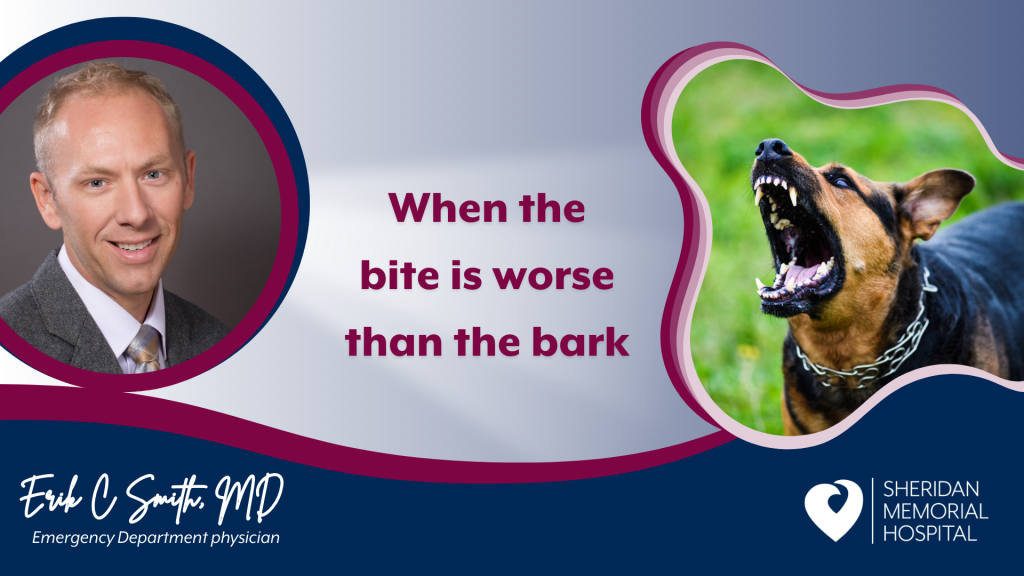
By Erik Smith, MD – physician at Sheridan Memorial Hospital’s Emergency Department

For whatever reason, there has been a surge in patients seeking care for dog and cat bite injuries in the emergency department over recent weeks. Maybe it is the weather. Maybe it is the solar eclipse. Perhaps there is an organized movement to expand the doggie swimming days at Kendrick Park. Regardless, many of these kind creatures are coming after the hands that feed them and inspiring this review of prevention and treatment for animal bites.

Not-so-nice doggie

Domestic animal bites can range from mild to severe, and can even be fatal. Here are a few alarming statistics:

  • 5 million dog bites are reported yearly in the U.S. (J Injury Epidemiology)
  • 43 U.S. deaths per year are attributed to dog attacks (CDC)
  • There are over 17,000 dog bite insurance claims yearly (Insurance Information Institute)
  • The average insurance claim for a dog bite is $64,000 (Forbes)

Dogs and cats tend to bite when they feel threatened, however playful bites and herding instincts can also play a role. Dog bites are reported more than cat bites, but cat bites have a much higher rate of infection. The closest body part to the threatened animal will be their target. For adults, arms and legs will most often receive the bite. For children and toddlers, unfortunately, this tends to be the face. Bites to the lower face can result in major soft tissue injury, requiring extensive repair efforts.

Prevention

If you are a pet owner, it is important to control what you are able to before a bite occurs. This includes keeping rabies vaccinations up-to-date, securing fencing and socializing your animals. If you are a parent or grandparent, teach your children to ask for permission when petting animals, avoid animals that are feeding, and to never take toys from them. Do not leave children, especially toddlers, unattended around animals. If chased or bitten by an aggressive dog, yell directly at them and make threatening motions to challenge them to retreat. A short stick or pole can be very effective in preventing a bite by an aggressive dog.

Breaking up dog fights is a very common cause of bites. This often results in multiple bites to several locations. It is difficult to watch fights without intervening, however, keeping hands out of the scrum can help prevent significant injury. A gloved hand or stick could offer valuable protection.

What to do if bitten

If bitten by another individual’s animal, attempt to verify rabies vaccination status. This will be helpful to medical staff in determining risk for the deadly disease. If this is a stray or runaway animal, involve animal control.

If bleeding occurs, hold pressure to the wound. Early rinsing with tap water and gentle soap is a very important step to avoiding infection.

Do I need to go to a clinic or Emergency Department?

Evaluation by medical staff is advised if there is anything beyond minimal penetration of the skin or any concern for rabies exposure.

Treatment typically involves five items:

  1. Infection prevention. The wound will be cleaned, irrigated and dressed. Antibiotics are often prescribed to prevent bacterial infection.
  2. Injury repair. The wound will be assessed for depth and severity. Many wounds benefit from some type of closure (surgical tape, sutures, etc). Fractures typically require immobilization. Very deep or complex wounds may require surgery or more aggressive antibiotic treatment.
  3. Rabies prevention. Rabies is a rare disease that is universally fatal (99%). If there is uncertainty regarding the biting animal’s vaccination status (and certainly if the animal has rabies), a human vaccination series is given. Fortunately, this is very effective at preventing any progression to rabies disease if given early after exposure.
  4. Tetanus prevention. Any open wound can be a source of Clostridium tetani infection, leading to tetanus disease. Booster shots for tetanus prevention are given every 10 years, however for wounds (such as animal bites), a booster is given if the most recent vaccination period is greater than 5 years.
  5. Assistance with documenting/reporting. Animal bites often require involvement of outside agencies for which clinical staff can assist. This includes formal documentation of the event and injury, animal control reporting for at-large animals or ongoing safety concerns, workers’ compensation documentation and state rabies testing assistance.

Hopefully the animals you share your house and neighborhood with are loving creatures that would never think of inflicting harm on anything but mice and dog toys. Chances are, however, at some point we all will end up too close to the business end of a scared or aggressive animal.

Learn more about our Emergency Department and services by following the link:  https://www.sheridanhospital.org/medical-services/emergency/

By Kelly Lieb, DMSc, PA-C – Director of Patient Experience at Sheridan Memorial Hospital

From a patient’s perception, patient experience is about connection at each interaction and the simplicity and ease of moving through a health care system or encounter.

When you think about your last visit to a hospital or health care facility, what stands out most to you? Do you remember the color of the patient gown? Or whether there were warm blankets and coffee? Do you remember how your care team treated you? Were you treated with courtesy and respect? Or did you feel like just another patient in the provider’s day?

As the patient experience director at Sheridan Memorial Hospital, I often find myself explaning that patient experience isn’t about hospitality – the warm blankets, coffee and treats. So what, as a patient, should you expect from your health care interactions?

Patient experience is about a partnership – one in which both the care team and the patient have responsibilities. The health care team is responsible for the patient’s experience and for every interaction they have during their stay. This entails every employee of a health care system listening to understand and following through on what they said they will do. It’s about welcoming patients into a facility when they may be experiencing fear or uncertainty. It’s about sharing intimate moments of life, death, illness, pain, trauma, cancer diagnoses, surgery, healing, growth and loss. It’s about the simple stuff — the basics — and doing them really well.

From a patient’s perception, patient experience is about connection at each interaction and the simplicity and ease of moving through a health care system or encounter. It’s about understanding a diagnosis, a medication or a care plan. It’s about communication, responsiveness, courtesy, respect and being treated as a unique human. It’s about trust.

Putting the responsibility for a patient’s experience in the hands of the health care system does not excuse patients from their own responsibilities, though. In order to ensure a positive experience, patients must be prepared to share their story completely, accurately and honestly. They must also ask questions of their health care professionals. Respect, too, goes both ways. Patients should expect courtesy and understanding , but that does not give those seeking care the ability to treat their health care team disrespectfully . For the health care partnership to succeed, both sides – patient and care team – must work together honestly, respectfully and transparently.

Patient experience isn’t a new priority in health care, but it is one that has taken on a larger role as consumers have more and more options for their care. When patients have a safe environment and the highest quality competent care, their expectations are met and exceeded. In addition, compassionate healthcare encounters are associated with shorter hospital stays, fewer readmissions, fewer medical errors and malpractice claims, as well as improved provider wellness and decreased burnout.

The Beryl Institute defined patient experience as “the sum of all interactions, shaped by an organization’s culture, that influence patient perceptions across the continuum of care.” As health care organizations around the country celebrate Patient Experience Week April 29 through May 3, consider your experiences and what stands out most to you.

Click HERE to listen to Kelly Lieb, DMSc, PA-C, and Teara Leibee, BSN, RN, talk about patient experience and patient responsibilities.

By  Cathy Bealer, RN, MHA, FACMPE – Chief Nursing Officer at Sheridan Memorial Hospital

During Nurses Week this year, Sheridan Memorial Hospital held a celebration to recognize the outstanding work of its staff.

National Nurses Week is May 6-12, with the American Nurses Association recognizing and honoring nurses across the United States in the month of May. As part of the celebratory week, Sheridan Memorial Hospital held an awards ceremony May 8 to recognize the 2024 Nurse of the Year and 2024 Friend of Nursing.

The Nurses Week theme this year of “Nurses make the Difference” is very fitting for our nursing staff. Nurses continue to face challenging times with nationwide staffing shortages, growing technology changes, staying current with advances in medicine and the rising demand for care.

Recruitment and retention of the best and brightest nurses will continue to be a top priority for hospitals. I want to congratulate our exceptional nursing teams for their resilience to meet these challenges.

As we reflect upon the past year, we are proud of our nurses’ commitment, expertise and strength in caring for our patients, their families and our community. I extend my genuine gratitude to each of them for the dedication and fortitude they have shown and am proud of the excellent care they have provided to our patients and their families. Our nursing teams have also created the supporting environment for each other, which fosters a collaborative culture exemplifying the true spirit they bring to their profession.

We honor their contributions, and thank them for the difference they make in our patients lives. Organizational excellence begins with people, and our nursing professionals are an integral part of offering patient-focused care. Thank you to all nurses for their devotion and professionalism as we work together to meet the healthcare needs of our community.

Eleven nurses were nominated by their peers for the 2024 Nurse of the Year award. Nominees included Emma Groteluschen, Kayla Johnson, Edy Homan, Amanda Stach, Lindsey Poniatowski, Tori Milne, Jennifer Keegan, Reagan Stevens, Gail Carlson, Nicole Haley and Shawn Delaney.

Amanda Stach was recognized as the Nurse of the Year. She currently works as a nurse on the hospital’s medical/surgical unit.

“When I think of what a true SMH RN looks like, I think of leading with humility, kindness first, being engaged with process improvement, wanting to learn and grow in the facility… these are all things that Amanda demonstrates daily,” according to Stach’s nomination. “It’s an honor to get to work beside her and watch her grow here at SMH.”

Ten individuals earned nominations from their peers for the Friend of Nursing Award. They included Meeghan Walton, Nina Custis, Jessica Austin, Dr. Mary Bowers, Mike Garneau, Anita Smith, Ethan Sexton, Dr. Elisabeth Scalva, Collette Miller and Amber Clearwater.

Amber Clearwater was recognized as this year’s Friend of Nursing. She works in the Emergency Department as a certified nursing assistant.

“Amber demonstrates on a daily basis kindness, caring and provides excellent patient-centered care to each and every person who enters Sheridan Memorial Hospital,” her nomination stated. “Amber has the unique ability to form relationships with any member of the Sheridan Memorial Hospital team, not just her immediate department team. Throughout the facility, Amber will be seen sharing conversations, laughs, hugs and caring with members of the registration team, EVS, lab, radiology, and outside team members from WREMS, law enforcement and fire. …She can be found working on collecting data for improvement projects for both the Emergency Department and the ICU and assisting with many other extra duties. ”

In recognition of their exceptional dedication, Teresa Beckum and Eileen McCafferty were honored with Certificates of Appreciation for their 34 and 31 years of service, respectively. Their unwavering commitment and care have made a profound impact on our community, and we are truly grateful for their outstanding service.

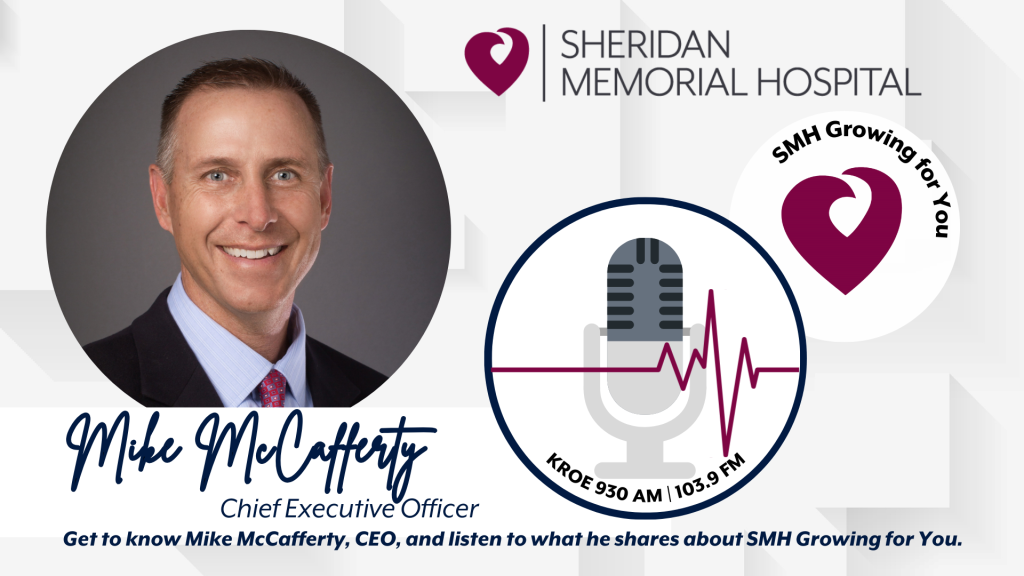
Listen to what Kelly Lieb, DMSc, PA-C, Director of Patient Experience, and Teara Leibee, BSN, RN, and Emergency Department/ICU Supervisor, share about themselves, the patient experience, and patient responsibilities. 

Click HERE to read Kelly’s article, “What is patient experience?”

T.R.’s $100,000 Challenge to support Sheridan Memorial Hospital Foundation’s Growing for You Campaign and Behavioral Health Project

T.R. and Emily (Stone) Shelby married in 1971 and were known for their generosity, love of family and life, and enjoying each day. They especially appreciated classical music, the arts and travel. Emily was a pharmacist at the V.A. Hospital in Sheridan for more than 20 years, with an undeniable tie to healthcare and ultimately a passion to help others. T. R., a railroad engineer, is known to think creatively and look for unique opportunities to develop the community around him and help people live their best lives. They were a dynamic team that spent much of their lives in Sheridan, Wyoming, with a bit of movement after retirement. After time spent in the Jackson Hole area, T.R. returned to live in our community in 2022 and reached out to the Sheridan Memorial Hospital Foundation about a special memorial gift for his wife, Emily, who passed away in November 2020.

Emily treasured her time with the people she loved, especially her wonderful family and friends. These shared times and the memories made will stay with her loved ones, and T.R.’s generosity will continue her legacy here in Sheridan County. From his generous contributions to the beautiful Chinese wood carving collection of Ling Tung now on display for all to enjoy, T.R. continues a legacy of giving and support for our mission in providing excellent patient-centered care, right here at home.

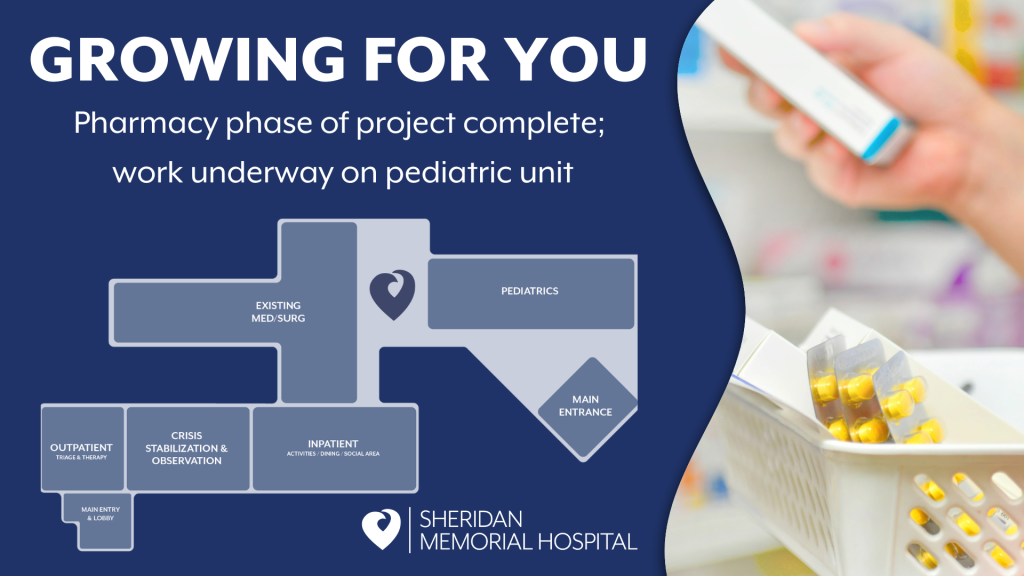
T.R. Shelby continues his strong tradition of giving through a matching gift opportunity which will support Behavioral Health and our hospital’s Growing for You Campaign. This $100,000 challenge gift not only supports Sheridan Memorial Hospital’s investment in Behavioral Health, but the subsequent repurposing of space to better serve our patients in numerous departments throughout the hospital. “From our obvious ties to Pharmacy, to the children needing care in pediatrics, I know Emily would be proud to not only support these crucial efforts, but hopefully inspire others to get involved as well.”

“Working with T.R. on hospital efforts is a gift,” shares Ada Kirven – Director of Donor Relations for the Sheridan Memorial Hospital Foundation. “He thinks creatively and is giving of so much of his time and talents to better our entire community. This matching gift idea for vital healthcare improvements is just another example of his ability to help others. We are excited to announce the gift and opportunity.”

T.R. is committed to supporting our local hospital and he realizes the importance and value of having excellent healthcare close to home. He challenges you to do the same. “To help those we love, when they need it most, is what rural healthcare is all about. It is about our neighbors, friends, family. It is about those that came before us and those that will come after us. It is about making a difference and ensuring everyone has excellent healthcare for years to come.”

To take on T.R.’s challenge and make your contribution go twice as far, visit https://www.sheridanhospital.org/foundation/make-a-donation/ in support of The Campaign for Behavioral Health and Sheridan Memorial Hospital Growing for You.

By  Cathy Bealer, RN, MHA, FACMPE – Chief Nursing Officer at Sheridan Memorial Hospital

National Nurses Week is May 6-12, with the American Nurses Association recognizing and honoring nurses across the United States in the month of May.

The theme this year of “Nurses make the Difference” is very fitting for our nursing staff.  Nurses continue to face challenging times with nationwide staffing shortages, growing technology changes, staying current with advances in medicine and the rising demand for care.

Recruitment and retention of the best and brightest nurses will continue to be a top priority for hospitals. I want to congratulate our exceptional nursing teams for their resilience to meet these challenges.

As we reflect upon the past year, we are proud of our nurses’ commitment, expertise and strength in caring for our patients, their families and our community. I extend my genuine gratitude to each of them for the dedication and fortitude they have shown and am proud of the excellent care they have provided to our patients and their families. Our nursing teams have also created the supporting environment for each other, which fosters a collaborative culture exemplifying the true spirit they bring to their profession.

We honor their contributions, and thank them for the difference they make in our patients lives. Organizational excellence begins with people, and our nursing professionals are an integral part of offering patient-focused care. Thank you to all nurses for their devotion and professionalism as we work together to meet the healthcare needs of our community.

NURSES MAKE THE DIFFERENCE! Happy Nurses Week!

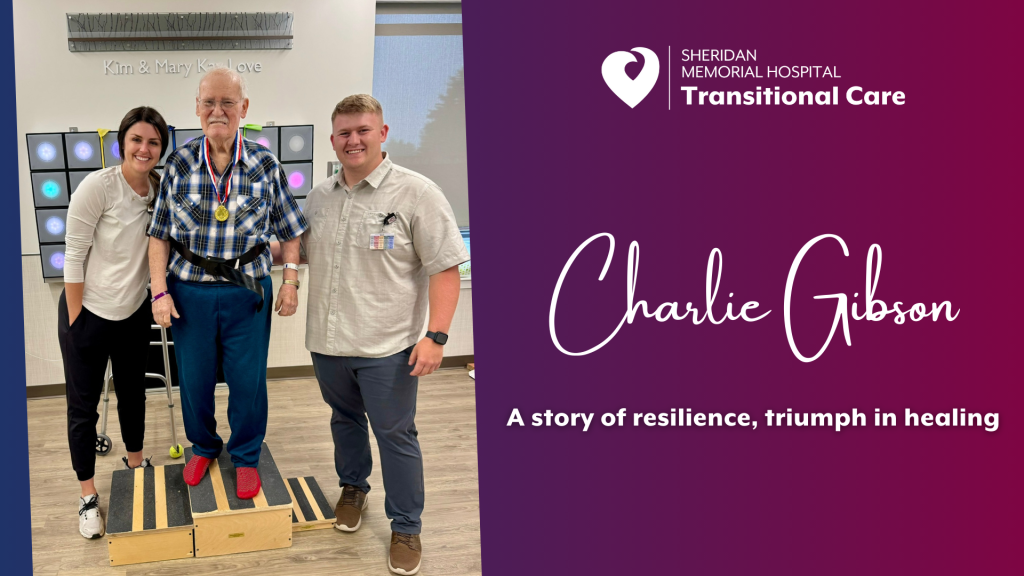
Like many people who go into health care, Ashley Bostyan knew she wanted a career in which she could help people. While her career path has evolved, her goal hasn’t changed. She started off as a social worker, then went back to school to become a nurse. Now, she has joined the team at Sheridan Memorial Hospital, working as a nurse practitioner in the Transitional Care Unit.

“I’ve always really enjoyed helping people and interacting with people,” Bostyan said.

She added that the most formative years of her health care career came when she worked in Minnesota at the Mayo Clinic. There, she had the opportunity to see the impact all health care workers have on patients, but also the influence patients have on health care staff.

“It helped me see that the severity of illness and what they are experiencing holds no boundaries,” Bostyan said. “It didn’t matter who they were, where they were from – their race, age or religion. That experience brings out the humanity in all of us and reiterates how precious health and life are.”

Bostyan, who grew up on a ranch in southwestern North Dakota, said she looks forward to serving a smaller community. She noted organizations the size of SMH tend to have higher accountability and responsibility, as the community holds health care employees to a higher standard.

Working in more rural areas is also very rewarding for Bostyan.

“It’s not just a job, but a vocation,” she said. “It’s important to seek out those places where every resource and every opportunity isn’t just around the corner and give back, especially in rural areas.”

Bostyan and her family spent time in the Sheridan County when she was growing up, so she’s familiar with the area. The people in the community and at the hospital represent some of the values she holds dear – putting patient care first, taking care of health care employees and championing community.

And while her path has included many experiences, Bostyan looks forward to working on the Transitional Care Unit at SMH. She noted patients often return home quickly following significant surgeries or illnesses, and she looks forward to helping prepare them for that transition.

“Transitional care is so important because it focuses on promoting different therapies and opportunities for rehabilitation that prepare individuals for their next steps,” Bostyan said. “It helps them to thrive when they return home or to another facility and helps to avoid future hospital stays. There is so much opportunity to do a lot of good.”

In her free time, Bostyan enjoys staying active outdoors, music, reading, and being an auntie to her nieces and nephews. She also volunteers at the nonprofit CHAPS Equine Assisted Therapy.

To learn more about Transitional Care at Sheridan Memorial Hospital, click HERE or visit: https://www.sheridanhospital.org/medical-services/transitional-care/

SHERIDAN – In the spring of 2021, Sheridan Memorial Hospital’s attempts to reduce patient falls centered around reactive solutions to an issue that plagues health care facilities across the country.

After working through a more than yearlong process to reduce falls and increase patient safety, staff across the organization shifted their mindsets. They began focusing on evaluating processes as the means to reduce falls. As a result, the culture within the hospital has become one of continuous improvement and the proactive actions of staff have reduced falls by approximately 15 percent from 2022 to 2023.

This success story from SMH represents just one example of teams working to address concerns across the healthcare organization. Some of the work takes place within one unit, while other projects cross departments and involve many stakeholders.

The creation and utilization of Lean management tools at Sheridan Memorial Hospital served as the mechanism by which teams could work through large, systemic problems without becoming overwhelmed, deterred or delayed. But, the implementation of Lean practices didn’t take place overnight.

Why Lean?

The idea of Lean management focuses on increasing quality and efficiency by decreasing wasted resources like time, money or effort. Lean emphasizes constant experimentation as a way of creating a culture of continuous improvement.

Recognizing the positive effects a Lean management system could have at Sheridan Memorial Hospital, the SMH Board of Trustees approved an initial three-year contract with Simpler Consulting in 2018.

Simpler was founded in 1996 on the basic premise that the principles, tools and techniques of Lean apply anywhere work is done. In workshops led by Simpler, Sheridan Memorial Hospital launched a coaching program to help key players within the organization build the necessary skills to move the Lean transformation forward.

Sheridan Memorial Hospital team members involved with the Women’s Health Unit value stream discuss ongoing projects Tuesday, April 2, 2024.

Then, those newly trained leaders began working with teams within the hospital to introduce and teach the Lean system. Early experiments with the management system began in areas such as Internal Medicine and Revenue Cycle.

Approximately one year into the transformation, SMH rolled out the Management for Daily Improvement (MDI) system, a framework that facilitates strategy deployment and engagement with all employees throughout the organization.

While the work being done to make improvements and better the patient experience was well-intentioned, the organizational structures needed further refinement.

“People would go into rapid improvement events and take on big projects, work on them for a week and come out of it with great ideas, but struggled to implement standard work because there was no structure in which to do it,” said Brittany Goodvin, Lean manager.

As a result, the Lean team was tasked with implementing huddles across the organization as a means to implement standard work. The team worked with leaders to outline what huddles would look like. Pilot huddles took place in the Emergency Department and laboratory as well as on the medical/surgical unit. Then the organization began to build on what was learned from those experiments.

“What we needed was 800 problem-solvers,” Goodvin said. “With 800 people working through issues around quality, safety and patient experience, we could get where we’re trying to go.”

As the Lean team and organizational leaders continued developing the Lean infrastructure within SMH, they identified gaps and added tools such as one-on-ones and leader standard work to the team’s repertoire. They learned that in order for Lean to work, SMH needed people to own the goals of the organization, break them down and utilize the proper teams to address them.

Kim George, Women’s Health Unit manager, talks through her team’s continuous improvement work while Lean Transformation Facilitator Collette Miller makes note of countermeasures and action items on Tuesday, April 2, 2024.

Real-time Lean management

When the COVID-19 pandemic began in the spring of 2020, the hospital faced unprecedented challenges. Among them, SMH needed to quickly set up testing and vaccination centers.

This represented an opportunity to not only talk about Lean management systems but use them to move big projects forward quickly. The team utilized Lean management tools to develop and deploy standard work for testing and vaccination centers. Visual management was used to quickly help remind staff of what needed to be done. Tiered huddles allowed for information and barriers to be escalated to appropriate leadership levels, including to chiefs and directors, who during the pandemic comprised an incident command team. That incident command team then became a Tier III within the huddle system and remains in place today.

COVID preparation and management left little other time for improvement work, so instead Lean efforts focused on showing how management tools could be used, then training other managers and leaders to use them.

As the urgency of the pandemic waned, teams returned to value-stream conversations and Lean projects, representing a turning point in the health care system’s Lean journey.

By this point, teams within the hospital had been utilizing daily huddles for months, the tiered huddles had been put into place and directors had begun to embrace the utilization of leader standard work and guiding principles.

“We now have leaders at all levels who embrace the Lean management system and who have the capability and capacity to lead Lean across the organization,” said Mike McCafferty, Sheridan Memorial Hospital CEO.

Achieving results

Over the last year, departments across Sheridan Memorial Hospital have started utilizing Lean tools more effectively. From daily huddles and other MDI to leader standard work, swarms and rapid improvement events — individuals and teams have embraced the use of critical thinking to address problems and achieve continuous improvement.

Sticky notes track some of the work being done within the Lean management system by departments at Sheridan Memorial Hospital. The continuous improvement work is reviewed on a regular cadence by hospital staff.

Deployment of critical strategic goals across departments in 2023 meant each department had a metric for which to aim. As the first iteration of projects wrap up, Sheridan Memorial Hospital staff have much to show for their efforts. The nursing staff on the medical/surgical unit decreased falls by 30 percent. The teams in the Women’s Health Unit created new standard work that allows for women to stay with their newborn and support person following cesarean sections. Big Horn Surgical created new discharge policies and workflows to increase patient education. Urgent Care cut its average “door to doc” time in half, from about 30 minutes to approximately 15 minutes.

While generating buy-in from staff took time, showing that the processes work has built additional capacity.

In the Emergency Department, as an early project the team redesigned its triage process to be more functional for patients and staff. Dr. Luke Goddard said he was initially skeptical of the Lean management system but said through the triage project he saw how processes could be improved for both patients and staff.

“I think over time many people have had similar experiences to what I described above and now have more appreciation for Lean processes and tools to improve their work,” Goddard said.

The managers and staff who have seen these projects through have celebrated and credited the Lean management system with their success. For example, the Women’s Health team said they had wanted to complete the project around recovering cesarean sections for years, but until implementing Lean, didn’t have the tools to do so effectively.

Milestone of transformation

As the hospital continues to grow and adapt to the community’s needs, new projects will require all staff to continue embracing the Lean management system, MDI tools and continuous improvement mindset.

As part of the “Growing for You” campaign, Sheridan Memorial Hospital will develop a facility to provide mental health services — particularly a crisis stabilization center — by the end of 2026. Goodvin, who has led the Lean department, will transition into the role of Director of Behavioral Health.

Teams meet regularly to track projects and ensure all of the necessary people are involved in continuous improvement projects at Sheridan Memorial Hospital.

Just as safety and quality stretch beyond a single department — integrated into every aspect of the organization — the Lean management system will continue to move Sheridan Memorial Hospital forward by living where any work is done.

“We will continue to develop Lean leaders at all levels of the organization,” McCafferty said. “I expect that our managers and directors will build expert knowledge of Lean management as a general requirement of their work. Just as important is the leadership capacity we are building across the entire health system. Staff at all levels — including physicians and clinical care staff, accountants, environmental services staff and administrative staff — are working every day to improve the work they do that aligns with our organization’s strategic priorities.”

A Lean facilitator will remain with the organization, under the umbrella of Tommi Ritterbusch, director of continuous improvement.

“This is a really exciting sign,” Goodvin said. “It shows the maturity and growth of the organization. This is what should happen; it’s a testament to all of the leadership and the commitment to develop problem-solvers throughout the organization.”

Successes, particularly over the last six to 12 months, have shown what Sheridan Memorial Hospital staff are capable of achieving when utilizing the Lean management system. Now, with more than 800 people adopting Lean thinking and working together, continuous improvement has become and will continue to be part of the SMH culture.

Your husband’s surgery is scheduled for 7 a.m., check-in at 5:45 a.m. Pre-op is complete and your loved one has been wheeled back for a procedure. Coffee in hand, now you wait. At 30 minutes you anxiously ask for directions to the café for coffee number two because you can’t sit still. At 60 minutes you get an update that all is going well. Two hours in, the doctor lets you know that everything went as expected and your husband is in recovery; someone will let you know when you can go back and see him. Time to enjoy a treat from the café, a bit more at ease, while you can now calmly converse with someone in the waiting room about the weather and the house they’re flipping on HGTV.

Your MRI appointment is at 1 p.m. and you’re done with physical therapy for that shoulder that’s still bothering you. After check-in, you realize you’re 37 minutes early and have time to spare. You spot a fun new jacket in the gift shop you go in to take a look. Now that you have in hand a few cards for upcoming graduations, a snack for after your appointment, a scarf to gift grandma for Mother’s Day, and the new fun jacket that caught your eye in the first place – you’re ready to checkout. You pay the kind woman who helped you pick out the scarf for grandma and stacked your purchases on the counter. Only 10 more minutes until your appointment, you make note of how grateful you are for the gift shop’s distractions.

The holidays are filled with joy, family, gratitude, stress, anxiety, glitter, more family, more gratitude, more stress. Walking into the hospital for your annual check-up is the last thing you were hoping to do before you and the rest of Sheridan go to Wal-Mart and shop for all the gifts and all the meals. But enter the facility, you’re greeted by friendly faces, warm hellos and festive décor that makes it feel like home, not a cold clinical space. It’s festive and cozy and you feel like you’re walking right into your parent’s house, after being away for a while, and every decoration triggers a cherished memory.

The kind person who provided directions to the café, talked with you about the weather, gave updates on your husband’s surgery, and chatted with you on and off is a Sheridan Memorial Hospital volunteer. The lovely woman who helped you pick your grandma’s scarf, distracted you from your ailment and gave you a place to wander when you needed it is a Sheridan Memorial Hospital volunteer. The beautiful décor, the homey feeling that wrapped you up, the holiday spirit that welcomed you to your annual appointment, is cultivated by Sheridan Memorial Hospital volunteers.

At Sheridan Memorial Hospital, our volunteers are the heart of the organization. They are the teammates who show up without traditional pay, without your typical form of benefits and far earlier for a shift or meeting than most. Every act of service given to our hospital by a volunteer is another chance to further our mission of providing excellent patient-centered care to everyone in our community. You do not need to spend a great deal of time at our hospital to see the tremendous difference our volunteers make on the patient experience here.

I find joy in countless interactions with our team of dedicated volunteers. No matter how big or small, their actions make a difference when they share a part of themselves with all of us. They share so much of their time and talents, incredible stories of their past, hysterical moments from their days, and exude dedication and passion in a way that I will always strive for.

The role of volunteer and development coordinator has been a pivotal change in my life and career. It is not just what brought me back home, but also what keeps me here. I am passionate about the work I’m doing and look forward to standing alongside so many incredible humans who feel the same way about serving our community, every single day. Words can only cover so much for all that volunteers do for the patient experience at SMH and throughout our community. However, to all of our SMH volunteers, I want to make sure you know for every kind gesture you make when no one is watching, every selfless action you take that we will ever know about, every warm greeting you give to the patients, families, staff and guests you encounter, and for every ounce of gratitude you deserve, but someone forgot to pass along, thank you.

To learn more about Sheridan Memorial Hospital’s volunteer program, or to share with us an experience you’ve had with our volunteers, contact Jasmine Slater at jasmineslater@sheridanhospital.org or call 307.675.2620.

Pictured with the new ultrasound equipment in the SMH Women’s Clinic from left are Dr. Elisabeth Scalva, Ultrasound Technologist Sarah Schneider, Dr. Rebecca Franklund and Dr. Lindsay Capron. Not Pictured: Dr. Rebecca Krzyminski, Physician Assistant Tracy Jons, Family Nurse Practitioner Krista Frank and Women’s Health Nurse Practitioner Becky Olson.

The Leona M. and Harry B. Helmsley Charitable Trust has granted $675,676 to The Sheridan Memorial Hospital Foundation to purchase new ultrasound equipment as part of a statewide ultrasound initiative across Wyoming. The initiative includes nearly $13.9 million to help Wyoming hospitals and health centers purchase ultrasound imaging devices and boost sonography and point-of-care ultrasound (POCUS) training opportunities across the state.

“The addition of new and replacement ultrasound equipment supports SMH’s strategic goals and ensures patients and their families receive the excellent care they expect. Up-to-date technology and equipment ensure outcomes meet or exceed expectations by improving patient comfort and the flow of medical procedures,” shares Chief Development Officer Cody Sinclair. Ultrasound is an important tool for rural providers in disease management. This new equipment allows for best practice and support of specialty service lines such as the Women’s Clinic, Emergency Department, ICU, Radiology, and ENT Clinic.

Ultrasound uses high-frequency sound waves to produce images of structures inside the body. This safe, cost-effective tool supports other clinical information to help providers make timely diagnoses and provide appropriate treatment. Highly trained physicians and providers along with clinical support can utilize their training for best or improved patient outcomes and excellent patient care. “The new ultrasound equipment is incredibly helpful in providing excellent patient care. Updated technology enables us to provide more accurate diagnoses, perform procedures with greater precision, and ultimately improve patient outcomes,” shares Dr. Rebecca Franklund of Sheridan Memorial Hospital’s Women’s Clinic. “This has not only enhanced our ability to provide high-quality medical care, but also increased patient satisfaction and overall experience. These additional ultrasound resources are truly a game-changer in delivering excellent patient-centered care.”

Walter Panzirer, a Trustee for the Helmsley Charitable Trust, said the grants will help improve access to quality medical treatment for all Wyoming residents, whether they live in the heart of Cheyenne or Casper or in a smaller rural community.

“Our hospitals and health centers need to stay current with rapidly advancing technology so they can continue to provide top-notch healthcare close to home,” Panzirer said. “These grants help ensure that facilities across Wyoming have the latest and greatest ultrasound equipment and training.”

The grants were announced Thursday during a statewide news conference.

About two-thirds (97) of the 143 devices purchased through the $12.3 million in equipment grants are POCUS machines, which are used by providers at the bed or tableside for immediate assessment of a patient to quickly determine a course of action. The grants will also provide 26 general ultrasound systems and 20 cardiovascular ultrasound systems, which aid in imaging of the heart.

The initiative also includes nearly $1.6 million for the University of Wyoming’s Wyoming Point-of-Care Ultrasound Training Initiative, which aims to enhance patient care across the state by both broadening the scope of training in specialty ultrasound and bolstering access to quality POCUS services.

About Sheridan Memorial Hospital:

For over 100 years, Sheridan Memorial Hospital has been serving our community with excellent patient-centered care. Licensed for 88 beds, Sheridan Memorial Hospital is a progressive, state-of-the-art facility in beautiful Sheridan, Wyoming. With sophisticated technology and services beyond what one might expect in a hospital this size, patients can take comfort in knowing they are receiving high-quality care. Our patient satisfaction surveys tell us that we are providing exemplary service to our patients and their families. We are proud of our over 800 experienced and caring employees, 66 physicians, and 36 advanced practice clinicians serving in 25 specialties, who are meeting and exceeding the needs and expectations of Sheridan and the surrounding communities.

About the Helmsley Charitable Trust

The Leona M. and Harry B. Helmsley Charitable Trust aspires to improve lives by supporting exceptional efforts in the U.S. and around the world in health and select place-based initiatives. Since beginning active grantmaking in 2008, Helmsley has committed about $4.5 billion for a wide range of charitable purposes. Helmsley’s Rural Healthcare Program funds innovative projects that use information technologies to connect rural patients to emergency medical care, bring the latest medical therapies to patients in remote areas, and provide state-of-the-art training for rural hospitals and EMS personnel. To date, this program has awarded more than $650 million to organizations and initiatives in the states of Iowa, Minnesota, Montana, Nebraska, Nevada, North Dakota, South Dakota, and Wyoming. For more information, visit www.helmsleytrust.org.

To learn more about this project, please contact The Foundation at 307.673.2418.

The Consumer Product Safety Commission recently issued a notice of recall of Bell Sports Youth Bicycle Helmets. Walmart notified Sheridan Memorial Hospital of the recall via email.

SMH distributed 12 of the helmets during the Third Thursday festival held in downtown Sheridan on July 21, 2022.

According to information from the CPSC, the recall only involves Bell Soquel Youth helmets made prior to September 2021. The helmets were sold in various colors in the U.S. and Canada. The recalled helmet can be identified by the inner helmet sticker, which has the model’s name “Soquel” and “B0726Y” on it. The helmets also have a date code on the white inner label with “MFG: 08/21” or earlier, indicating a manufacturing date of 2021 or earlier.

CPSC said the helmets violate federal safety regulations because the strap anchor can become dislodged from the helmet when sufficient force is applied. The helmets may fail to protect the wearer in the event of a crash, posing a risk of head injury.

If you received one of the helmets at the Third Thursday event July 21, 2022, please contact Sheridan Memorial Hospital’s quality and safety department at 307-672-1081.

For additional information regarding the recall, see cpsc.gov/recalls and search “Soquel.”

SHERIDAN – As Sheridan County continues to grow, the need for outpatient radiology services has also increased. In an effort to meet that need, Sheridan Memorial Hospital will expand its hours for outpatient imaging services beginning April 1, 2024.

Outpatient imaging services include services such as MRIs, mammography, CTs and X-rays.

Appointments for outpatient radiology services will now be available into the evening hours and Saturday mornings. This expanded access allows community members to schedule their appointments at times most convenient for them.

“We know making time for appointments during regular business hours isn’t always easy,” said Chris Bilyeu, radiology manager at Sheridan Memorial Hospital. “By expanding our hours, we aim to increase access to healthcare for area residents and meet the changing needs of Sheridan County.”

As access for imaging services expand, SMH would like to remind patients that they receive their results through the patient portal at the same time as providers. Once the provider has a chance to review the results, contact will be made to discuss the patient’s next step in terms of receiving additional care if necessary.

The announcement to expand radiology hours was first made at the Sheridan Memorial Hospital Board of Trustees meeting Wednesday, February 28.

Sheridan Memorial Hospital patients will experience a delay in billing following a cyberattack that affected hospitals and other healthcare facilities across the country last month.

Change Healthcare, a subsidiary of UnitedHealth Group, processes one-third of healthcare claims across the country. The company was hacked by a ransomware group Feb. 21, preventing millions of healthcare claims from being filed with insurance firms, including the vast majority of those originating from Sheridan Memorial Hospital.

According to Change Healthcare, once the company became aware of the outside threat, it took immediate action to disconnect compromised systems. Sheridan Memorial Hospital also immediately disconnected access to Change Healthcare’s systems and SMH’s cybersecurity partner CrowdStrike did an assessment of the hospital’s systems, determining there were no indicators of a data breach within SMH.

The federal government has since launched an investigation into UnitedHealth Group and Change Healthcare to determine whether a breach of protected health information occurred and review the companies’ compliance with patient-privacy regulations.

Alternate claims processing platforms have been established and are currently being tested, but billing from Sheridan Memorial Hospital will be delayed as systems come back online. SMH anticipates billing to resume at its normal pace by late April. The delay will not impact the amount owed by patients, only the timing in which bills are received.

Additional information regarding the breach of Change Healthcare and its impact on Sheridan Memorial Hospital patients will be released in the coming weeks.

Sheridan Memorial Hospital is an independent community healthcare system with a strong belief in its mission: To serve our community with excellent patient-centered care. The 2023 Community Benefit Report outlines much of the work done in support of that mission.

In fiscal year 2023, which ended June 30, 2023, Sheridan Memorial Hospital provided more than $40 million in unreimbursed care to the community. This amount includes medical assistance provided based on federal poverty limit guidelines, subsidized services, bad debt and the unpaid cost of Medicare and Medicaid.

As Sheridan County continues to grow and demands change, Sheridan Memorial Hospital will continue working to expand access to excellent, patient-centered care close to home.

“As we strive to meet these needs, we have seen areas of growth necessary to provide the added value you and your family deserve and demand,” said Mike McCafferty, Sheridan Memorial Hospital CEO.

Currently SMH staff members are working to expand mental health services for the community with the goal of creating a continuum of care that includes crisis stabilization, inpatient services and outpatient treatment.

Busy schedules can make caring for yourself or your family challenging. To meet the need for convenient access, SMH has expanded its outpatient imaging hours into the evening and Saturday mornings. SMH also has begun work to create a bariatric surgery program, renovate its Emergency Department and Pharmacy, increase capacity for outpatient surgeries and update its patient portal.

As SMH maintains its focus on continuous improvement, additional projects and programs will solidify the healthcare system’s position as your trusted partner in health.

To read the full 2023 Community Benefit Report, see below or download HERE.