Welcome to Sheridan Memorial Hospital
1401 West 5th St. Sheridan, WY — 307.672.1000
News and Community

Since March 23, Sheridan Memorial Hospital (SMH) has had a no visitation policy with the goal of protecting patients and employees during the COVID pandemic. As the community begins to open back up and restrictions are loosened, the visitation policy is being updated.

“We want to be sure we are accommodating our patients, their families and our employees in the best, safest way possible,” said Barb Hespen, Chief Nursing Officer.

SMH is currently monitoring COVID-19 cases in Sheridan County on a daily basis along with the availability of staffing, supplies and equipment.

Updates to the visitation policy include:

  • Upon entering an SMH facility, all patients, visitors and employees are screened and required to wear a face covering.
  • All patients receiving care in the hospital will be allowed one visitor, pediatric patients will be allowed both parents
  • OB patients in the birthing unit will be allowed one support person.
  • OB patients in OR for C-section will be allowed one support person (as allowed by surgeon and anesthesiologist).
  • OB ultrasound patients will be allowed one support person.
  • Patients having surgery or outpatient procedure will be allowed one support person.
  • Patients in outpatient settings with sensory and/or cognitive deficits needing a caregiver to assist physician with history and/or a driver/caregiver to take patient home after surgery.
  • Patients at the end of life will be allowed one support person.
  • All support persons/visitors will be screened for symptoms of illness and will not be allowed to visit if symptoms of illness are present.  Visitors will have limited movement within the hospital, mostly staying in the patient’s room.
  • Each clinic will give specific instructions whether visitors are allowed at the time of a patient’s visit. 

“While we continue to limit the number of visitors allowed during a patient’s visit, under certain circumstances special consideration may be given with physician guidance,” said Hespen, “This continues to be a fluid situation and we are working to be proactive and follow CDC and State of Wyoming Department of Health guidelines to keep our patients and employees safe.”

***

At Sheridan Memorial Hospital volunteers are an integral part of our daily routine. During National Volunteer Week in April, we were pleased to honor the over 100 hardworking individuals who give us their time and talents every day. During these extraordinary times, we have asked most of our “regular” volunteers to stay safe at home. We thank them for their service and we miss their smiling faces. We can’t wait for them to come back to us.

Right now we have a call out for a different kind of volunteer — health care professionals who can help us care for patients in anticipation of a surge in hospitalized patients due to COVID-19.

Regardless of the kind of volunteer, we truly appreciate their commitment of personal time and energy to make a difference in the lives of others. Many people volunteer with the intention to help those in need, most times not thinking about what’s in it for them. But there are health benefits associated with volunteering that are good for the mind and body. The Mayo Clinic and Franciscan Health System suggest that volunteering offers many health benefits from lowering stress to boosting self-confidence.

Reduce stress, anger, anxiety

Volunteering may enhance a person’s social networks to lower stress and reduce the risk of disease. It can create a sense of meaning and appreciation, which can have a stress-reducing effect. The social contact aspect of helping and working with others can have an effect on a person’s overall psychological well-being. Nothing relieves stress better than a meaningful connection to another person.

Decrease risk of depression

Volunteering leads to lower rates of depression because people are in regular contact with others. Volunteering increases social interaction and helps build a support system based on common interests — both of which have been shown to decrease depression.

Stay mentally, physically active

Volunteer activities help people stay physically and mentally active — getting people moving and thinking at the same time. Older volunteers tend to walk more, find it easier to cope with everyday tasks and stressors, are less likely to develop high blood pressure, and have better-thinking skills. Volunteering can also lessen symptoms of chronic pain and reduce the risk of heart disease.

Increase happiness

Volunteering gives a sense of purpose. Researchers have measured hormones and brain activity of volunteers and discovered that being helpful to others delivers pleasure. Human beings are hard-wired to give to others. The more we give, the happier we feel. The more meaning people feel in their lives, the more likely they are to stay healthy.

Make new friends

Volunteering helps people meet others and develop new relationships. One of the best ways to make new friends and strengthen existing relationships is to participate in a shared activity. Volunteering is a great way to meet new people with common interests as well as expand a person’s network.

We are so thankful to our incredible volunteers and to our amazing community for the outpouring of support we have received.

Cody Sinclair is the Chief Development Officer at Sheridan Memorial Hospital.

Sheridan Memorial Hospital and The Foundation continue to be humbled by the generous offers of support from every corner of Sheridan County and beyond. In every monetary contribution, in-kind gift, expression of support, selfless donation of your supplies, meals for our staff, or Thank You, we find the heart of our community in each of you. To all those who have donated, contributed, shared, and assisted – Thank You for all the work you have already done to make a difference. Our staff is proud to serve each of you and provide you with excellent patient centered-care right here in our community. This place truly is unlike any other, and we are proud to call it home.

Below we add the additional selfless individuals, businesses, volunteers, Foundations, and corporations to our growing list of those who have offered a helping hand to Sheridan Memorial Hospital and the community we serve. Sheridan Memorial Hospital staff appreciates your willingness to help keep one another safe and healthy now and into the future. 

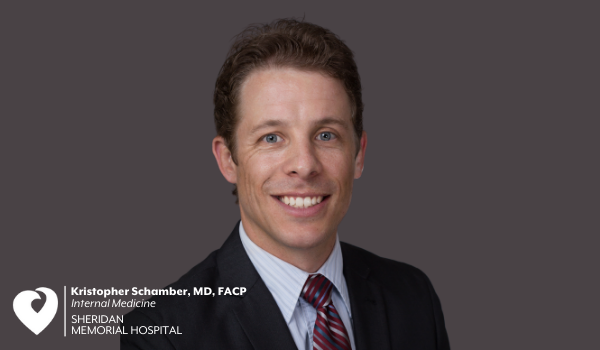
by Melanie Aksamit, Process Improvement Coordinator, and Kristopher Schamber, MD – both of Sheridan Memorial Hospital’s Internal Medicine Practice.

Tele-health.  Tele-medicine.  Zoom.  These are terms that have been thrown around frequently in the last few months.  Chances are you have either experienced one of these or know someone who has. 

But what do the terms mean?  Tele-health and Tele-medicine are synonymous terms given to medical care visits performed through the internet via video and audio software on a computer, smartphone, or tablet.  These visits are also sometimes called virtual house calls or video visits.  During these visits, you and your medical provider can see and hear each other throughout your appointment.

While a traditional in-person office visit cannot be fully replaced by telehealth visits, there are many medical conditions and appointment types that can be seen in this way.  Medication follow-up, mental health, and chronic stable medical conditions can all be safely discussed during a video visit.  Some conditions simply cannot be evaluated in a video visit.  These include serious conditions like heart attacks, strokes, and breathing problems, or a condition that requires a physical examination. When you call to schedule an appointment, your care team will help you determine if you need to be seen in person.

During the current COVID-19 pandemic, a video visit can be a great way to see your medical provider, while staying safe in the comfort of your own home.  The visits function the same basic way that your in-person visits do.  A care team member will confirm your appointment, request a video visit in place of the standard office visit if appropriate, and review the necessary requirements to participate in a video visit.  If you do not feel comfortable or do not have the technology to join a video visit, a telephone visit will be set up in its place.  You will be sent an email containing the link to join the visit and detailed instructions on how to work the Zoom video visit program.  On the day of your video visit, the office staff will call you prior to your appointment start time and confirm that you are ready, and assist you with getting online with your care team.  Once it is confirmed that you are good to go, a nursing staff member will join you, and review the reason for the visit and confirm the medications you are taking.  The medical provider will then join you as soon as they are finished with their prior appointment.  Your provider will ask questions and discuss your concerns similar to a standard in-person visit.  He or she may ask for home blood pressure measurements, or ask to view the problem area over the video, if appropriate to do so (for example, a skin rash, area of swelling, or even observe you walk).  At the end of your visit, your provider will review your care plan as usual, and the nursing staff member will ensure all testing has been ordered and other medical visits have been scheduled.

A telehealth video visit can be a scary proposition when experiencing it for the first time.   However, once you are connected it feels a lot like a regular office visit.  If you struggle with the Zoom program when testing it prior to your visit, please call our office and we will be happy to help walk you through it.  We also encourage you to have a family member or caregiver assist you, and if possible stay close by or join you during your visit.

Due to special circumstances with the COVID-19 pandemic, we are fortunate to provide this service to our patients. In the past, due to regulations, we have not been able to. If you access telehealth video visits and find the service useful and positive, please contact your local, state, and federal legislators to inform them of your experience so they might consider supporting modifications to telehealth regulations long term.

The Sheridan Memorial Hospital Foundation stands alongside Sheridan Memorial Hospital (SMH) to ensure we are providing necessary resources to support all efforts to keep our community safe and healthy. The Foundation created a COVID-19 Care Fund to provide essential resources to support the COVID-19 planning and preparation for our community. On Tuesday, April 28, The Foundation Board of Directors approved $165,000 toward COVID-19 support for SMH.

This funding will go towards setup for current and future testing, surge planning, purchasing additional personal protective equipment (PPE), respiratory equipment, training, and other professional resources to support the preparations to care for COVID-19 patients.  The Homer and Mildred Scott Foundation led these efforts with an original gift of $10,000 for PPE and support for the partnership with Kennon to produce masks and gowns.  Additionally, the generosity of an anonymous donor funded the purchase of two refurbished ventilators, already in use at our hospital.

In addition to April’s substantial contribution, in late March the Foundation Board also approved $50,000 of additional funding for new technology and testing equipment for the SMH lab. The BioFire FilmArray analyzer is an industry-leading technology, used in the diagnostics of infectious disease. The new equipment provides fast results and improves patient care.  The Foundation’s membership and annual donor contributions supported the purchase.

To date, over 250 individuals, families, and corporations have donated their time, products, and services to support the COVID-19 Care Fund. In every contribution, in-kind gift, expression of support, selfless donation of supplies, meals for our staff, we find the heart of our community. 

“The Foundation Board & Staff, on behalf of the entire hospital team, extend their gratitude to community members and donors of Sheridan Memorial Hospital Foundation,” says Director of Donor Relations Ada Kirven. “These individuals and organizations, and so many who stepped up in this time of need to contribute faithfully, understand the importance of our community hospital and its ability to provide safe, excellent patient care for all every day. They’ve enabled these vital projects and purchases to happen quickly during such a critical time. We are truly humbled.” 

Billings, MT.—April 22, 2020—Girl Scouts of Montana and Wyoming (GSMW) donated Girl Scout Cookies to Sheridan Memorial Hospital on April 23rd in an effort to provide a bright spot in the lives of healthcare workers during this pandemic.

Location: Sheridan Memorial Hospital, Downtown Location, 61 S. Gould Street

Date/Time: Thursday, April 23rd at 2:30 PM

“It’s our hope that these 600 boxes of Girl Scout Cookies gives healthcare workers a sweet treat while letting them know they are appreciated and thought of during this challenging time,” according to Kristi Osterlund, Marketing and Communications Manager for GSMW.

The organization will be donating 8,000 boxes of Girl Scout Cookies to 13 major hospitals in Montana and Wyoming this month.

While the movement of Girl Scout Cookies by girls and their families is currently on hold, it’s important to note that the Girl Scout Cookie Program is not canceled. Out of safety for the Girl Scouts, their families, and communities, GSMW suspended all in-person delivery, in-person selling, and all cookie booths effective March 20. Those activities will resume when it is deemed safe for the girls to do so.

Typically, pre-ordered Girl Scout Cookies would have been delivered to customers by now, however, the pandemic has halted that for the time being. For those who pre-ordered Girl Scout Cookies, GSMW assures customers will receive your orders as soon as it is deemed safe for girls to do deliver. At that time, Girl Scout troops will be making additional cookie donations to their Hometown Heroes of choice as well.  

For those who want Girl Scout cookies sooner, they can buy online today and have them shipped to their door in about 5 to 10 days—or donate cookies and they’ll be distributed safely to provide comfort to first responders, volunteers, and local causes in need. Girl Scouts encourages the public to: Eat. Share. Show Communities We Care. Folks can contact the Girl Scout in their life or visit www.girlscouts.org/cookiecare and enter their zip code to purchase or donate.

Girl Scouts remains relevant for girls during this time by providing additional activities and virtual programs for girls to learn skills and earn badges. Check out these activities and more at http://www.gsmw.org under Virtual Programs.

# # #

Girl Scouts of Montana and Wyoming (GSMW) membership consists of more than 9,200 girls and 3,000 adults with national membership at 2.5 million. To join or become a volunteer please visit www.gsmw.org to learn more or call 800-736-5243.

***

Many of our volunteers were very involved and well known as staff members before becoming SMH volunteers. They then want to stay active and involved with coworkers who have essentially become a staple or part of their lives. People become a family at Sheridan Memorial Hospital and that is hard to let go of.  

“The hospital is in my blood. I just can’t leave. I didn’t want to work forever but now I can hang out and see people I know. Every time I’m working I see someone I know or used to work with,” said Jill Mitchell, a former Med Tech and current Auxiliary Board volunteer.

“I love the hospital and still wanted to be a part of it. It was hard to think about not seeing people,” said Karen Steir, who served as a nurse at SMH for 44 years. She retired on a Sunday and started volunteering on a Monday.

“I guess my philosophy is that a medical community is always a tremendously important entity in any community. I was always proud to serve in that capacity and the people at the hospital. I am proud of the work we’re doing,” said Tom Nance, who worked in Radiology for 40 years before becoming a volunteer.

The hospital has many different jobs for volunteers to fill their time and can make adjustments for their schedules. As volunteers, former employees are able to play an integral part in events that are near and dear to their hearts.

“I enjoy all the opportunities available like helping with the Kozy Korner, Surgical Waiting Room, Decorating, and the 5 Year Old Birthday Party,” Said Steir.

Employees who become volunteers are able to see and appreciate all of the changes SMH has made overtime.

“With the overall expansion we’ve experienced as a hospital I’ve seen a lot of change. I started here when it was one singular building. I remember, the Cafeteria entrance, 100 yards North of that was just tree line and pasture. Some brought lunch and would go out into the trees. Things have grown around us so quickly,” said Nance.

Volunteering is a great way for former employees to still be involved at a place they’ve grown to call home.

“If you want to have a volunteer job, the hospital is the best place to be. I wouldn’t trade it for anywhere else. I love getting to deliver papers and then going on to the Gift Shop to get to see people. It’s hard to just give up the place that you’ve been for so long. There’s a lot of new faces but it’s nice to get to be involved even when things are changing,” said Mitchell.

Sheridan Memorial Hospital was thankful to have these amazing individuals as employees and we are very grateful to have them as volunteers now.

 “One thing I truly cherish about our volunteers is their desire to help others. They are one of our organization’s greatest ambassadors as some of them have been here longer than people who are retiring. Volunteers who were past employees tend to carry the rich tradition and history of our hospital with them in their daily interactions, while helping Sheridan Memorial Hospital thrive into the future. The stories they tell and the support they provide to me as their Coordinator is one of my favorite things about being here. I appreciate their dedication to SMH and reminds me every day to lead with pride and gratitude for the culture we have. I want to become just like them when I grow up, wanting to give my time and talents to a place that was a catalyst of my career and is considered my second home,” said Volunteer Coordinator, Jasmine Slater.

We can’t celebrate National Volunteer Month without honoring the amazing woman who has volunteered at SMH for 30 years, Barb Sare. We visited with Barb to discuss her inspiring volunteer experience.

After retiring in 1990, Barb’s volunteer experience began in the SMH Surgical Waiting room.

“The waiting room is where I started and still serve. When anything else comes up I’m more than happy to help. It has changed a lot over the years too, a tiny room has grown and changed, but the same core tasks remain,” said Sare.

The most rewarding part of volunteering for Barb has been the people.

“I always have been pretty good with people and it’s nice to be with families all the time. Sometimes nothing noteworthy happens and you don’t talk to people much. Other days you’re visiting all the time. I enjoy being around people and being there when/if they need you. Being in the public and doing a public service,” said Sare.

Barb not only supports SMH in the Surgical Waiting Room, but in Foundation efforts and events held each year. Barb has participated in The Link every year since its inception and has yet to walk alone.

“I would walk alone if I had to because I enjoy the event so much, but I’ve never had to! With children & grandchildren all across the country, it’s a special memory and fun tradition to get to walk alongside all of them at some point. Even my granddaughter living in Australia joined me one year,” said Sare. “One of my great-granddaughters was born in April and by October she was participating in her first Link Event at 6 months old. This past year, all 4 generations came back together to share in the event, with her as a second grader.”

“Volunteers like Barb make Sheridan Memorial Hospital the organization it is today. She is engaged and passionate and comes back each shift with a smile and willingness to help wherever she can. Individuals that are dedicated to serving our mission with kindness and respect is what most organizations dream of in a volunteer. Barb is all of that and more,” said SMH Volunteer Coordinator, Jasmine Slater.

Having just celebrated her 90th birthday last month, and 30 years of service to SMH, it is no secret why we seek advice from her on volunteering and living life to the fullest.

“If anything helps you as you age, I recommend keeping busy. It’s good for my health and good for me to be around people and keep up on things.”

Barb, Thank You for all you do to serve our community, patients, and staff at Sheridan Memorial Hospital. We are so lucky to be celebrating this year of milestones with you!

As we celebrate all of our volunteers, we would like to recognize a group that serves a very important purpose at SMH, our hospice volunteers. Hospice volunteers are a pivotal part of our hospital team and our organization’s ability to provide continuity of care throughout one’s life. We had a chance to visit with volunteer Janet Twohey about her hospice volunteer experience and hope it helps you all understand and appreciate their role as much as we do.

Janet was inspired to start her hospice volunteer journey for a reason that is near and dear to heart.

“My father’s death is why I became a volunteer. I had just moved to Sheridan and he lived in California so I couldn’t be there very much. I was really grateful for all the people that came in and helped and took care of my father. After my father died I knew it was something that he would like so that’s what I did,” said Twohey.

Janet started in 2016 and her experience has been a rewarding and positive one.

“It’s been really positive and I’ve learned so much from the people the hospice patients. They have wonderful things to say and when they look at you when you’re saying or answering something and they just grin at you, It just feels great,” said Twohey. “Also the caregivers are wonderful. They love these people so much and they just want things to be ok for them. It can definitely  be draining at times but by and large it has been wonderful.”

The process for becoming a hospice volunteer consists of lectures and interactive training. Janet emphasized the importance and need for hospice volunteers and how anyone can do it.

“You’re not expected to be an experience medical provider. You’re really there to provide a break to the caregiver because they’re the ones that frequently don’t have a chance to go out shopping or to take a walk by themselves. You’re there to give them a moment where they’re not having to worry about whether or not their loved one is ok,” said Twohey.

Janet is passionate about helping others and hopes that by doing this interview more people will be inspired to become hospice volunteers.

“I believe if more people understood that it’s very doable, really needed, and how rewarding it is that more people would do it. I would strongly encourage anyone to do it. You don’t have to have any special expertise, you just have to have the ability to be there,” said Twohey.

Our hospice volunteers are a unique group of individuals. Their ability to connect with patients and their families is truly remarkable and makes all the difference in one’s experience through the Hospice and the bereavement journey.  Thank you, Janet! We appreciate everything you do for Sheridan Memorial Hospital, our patients, and their families!

April is National Volunteer Month and Sheridan Memorial Hospital is thankful for all of our wonderful volunteers. This month we’re highlighting one of the newest members of the SMH volunteer family, Aaron Jensen.

After graduating from high school in 2019, Aaron chose SMH for his Service Mission.

“During a Service Mission you spend 2 years of your life going out and volunteering,” said Jensen. “You spend that time trying to be the best person you can be and helping people.”

Aaron wants to go to school to become a doctor and SMH seemed like a great place to get into the medical field.

“It always seemed like a nice place and I always enjoyed myself when I was there for personal reasons,” said Jensen. “It seemed like a good place to go where I could help and it has been wonderful.”

The culture of kindness has impacted him during his time at the hospital.

“They have this culture of kindness here and when I first started I thought it was more for the patients and visitors, but the longer I’ve been here I’ve realized that it’s for everyone. It’s one of the best parts about working here. Being new here can be stressful, the hospital is busy and there’s a lot going on, but everyone is really welcoming. Everyone is nice, smiles at you in the hallway, and makes it feel like this is a place you can call home and go to work at,” said Jensen.

There are many things that he enjoys about volunteering at SMH but just being able to help others has been his favorite part.

“Just being able to make people happy. It’s been nice to help lighten people’s loads and bring a little joy into people’s lives. It makes it feel worthwhile to know that I’m making people’s days a little bit brighter,” said Jensen.

 When asked what he would tell someone who is considering volunteering at SMH his answer was simple, just do it.

“Do it. There are no cons and everyone is super understanding and they are really appreciative of any help that you can give,” said Jensen.

SMH is thankful to have Aaron as a part of our family and we can’t wait to see what he does during his time here.

“I’m looking forward to being able to become a part of the hospital, get to know people, and make friends,” said Jensen. “I want to make the patients and people who work here just a little bit happier.”

April 24, 2020

Communities around the world are facing extreme circumstances and ranges of emotion as we experience the realities of COVID-19. Many of us turn to the news to compare reports and statistics of each state and the impacts of the virus around us.  It is in these very moments that we find ourselves fortunate to live in this community. The individuals and businesses across Sheridan County, and beyond, have offered support, nourishment, and protection to the staff and patients of Sheridan Memorial Hospital. In these times of uncertainty, we continue to look for the silver lining wherever we can. Sheridan Memorial Hospital’s staff feels infinite gratitude for this community – our home.

From the individuals who committed resources to the production of personal protective equipment (PPE) to the small businesses who make every effort to provide our team with a smile – even when you are struggling to get by yourselves – we find the heart of this community. In every monetary contribution, in-kind gift, expression of support, selfless donation of your supplies, meals for our staff, or Thank You, we find the heart of our community in every one of you.

Sheridan Memorial Hospital continues to receive generous offers of support from every corner of Sheridan County and beyond. Below are some of the selfless individuals, businesses, volunteers, Foundations, and corporations who have offered a helping hand since this journey of COVID-19 uncertainty began here in Sheridan County over a month ago. When we have gotten through this together, we will owe a tremendous debt of gratitude to the Sheridan Community. In the meantime, from all of us at Sheridan Memorial Hospital and the community we serve – Thank You. The heart of our community is in every one of you.

For more details on the efforts of Sheridan Memorial Hospital and The Foundation to support COVID-19 relief efforts, please Click Here.

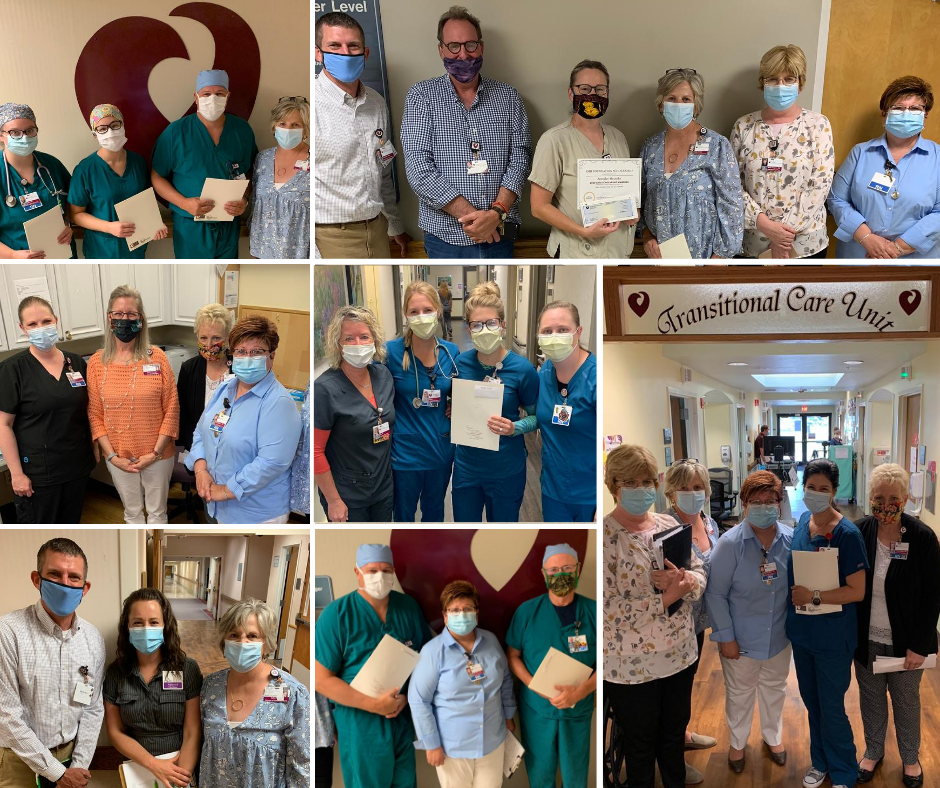
These photographs of our SMH Team Members were taken prior to the required use of social distancing and masks.

Federal, state, and local leaders as well as leaders in the healthcare industry have been asking a lot from our citizens during this outbreak of COVID-19… and the latest results are showing some positive movement in flattening the curve of COVID infections over the past few weeks in Sheridan County and Wyoming.  This is all due to the diligence of our community members to socially distance themselves and follow the guidelines that have been put forth to slow the spread of this virus.

While this positive trend is amazing to see, it is important that we maintain our efforts. Don’t let up now. We can all stay vigilant and do our part to make a difference. The staff at Sheridan Memorial Hospital join essential workers across the country and throughout the world in requesting all nonessential personnel stay home to help keep our community safe.

Communities around the world are facing extreme circumstances and ranges of emotion as we experience the realities of COVID-19. Many of us turn to the news to compare reports and statistics of each state and the impacts of the virus around us.  We wonder how long we will need to stay home and keep social distancing.  How long will we need to find things to keep us occupied and our minds off the uncertainty around us?  

We may be trying movie marathons, making new recipes, and reading books that have been collecting dust on shelves. We are embracing technology, education, and each other. We continue to wave at each other from our cars, to enjoy FaceTime calls and Zoom family reunions. Our community will find the silver lining in this situation, wherever we can.

Tomorrow, and in the days to come, we ask our community to continue to stay home and make every effort to socially distance ourselves.  Sheridan Memorial Hospital healthcare workers – your neighbors, family, and friends – thank you for your continued effort to keep our community healthy. 

The Women’s Health maternity classes will be conducted online via Zoom through a HIPAA secure account during April and May. The classes will still be conducted on the 1st (prenatal) and 3rd (breastfeeding) Mondays of each month from 6 pm – 8 pm unless patients are notified otherwise by the instructor.

Patients must sign-up by calling the Women’s Clinic at 307-672-2522 or by calling Women’s Health at 307-672-1110. Upon sign-up patients will be asked to provide their email address in addition to their phone number and they will also need to create a free online Zoom account if they do not already have one. After sign-up patients will be contacted by the instructor for further Zoom meeting instructions.

Sheridan Needs You. Help Us Save Lives

Sheridan Memorial Hospital (SMH) is seeking emergency healthcare volunteers to help with our COVID-19 response. We have seen hospitals around the country, and the world, experience patient surges exceeding normal capacities. We expect a similar surge in Sheridan County within three weeks and are assembling a pool of volunteers to join our team and work alongside our dedicated, hardworking, highly trained staff to provide skilled, compassionate care for our community.

We are looking for healthcare professionals including active, student, or inactive/retired physicians, advanced practice clinicians (physician assistants and nurse practitioners), Respiratory Therapists, RNs, LPNs, CNAs, paramedics, EMTs, mental health professionals, social workers, medical technicians and therapists, and people with experience as health aides or in medical offices. We are also very interested in hearing from all other health professionals.

If you are interested in helping us deliver care to Sheridan County in this challenging time, please click here to access the initial application form. We will process responses and get back to you with information on the next steps as quickly as we can—typically within three days.

Meanwhile, and for all Wyomingites, the most helpful thing you can do is stay at home and follow the guidance set out by the Wyoming Department of Health and the Centers for Disease Control. It is especially important to stay home when sick, limit contact with others as much as possible, maintain 6-ft of distance from others when possible, wash your hands thoroughly and often, and disinfect high-touch surfaces frequently. The more Wyomingites follow these guidelines, the easier our job will be—fewer people will get sick, need hospitalization, or risk death. If you have symptoms, call the hospital’s dedicated phone number (307) 672-1004. For more information about COVID-19 or other ways you can help the hospital during this time, please visit our Novel Coronavirus information page here.

We look forward to receiving your volunteer intake form.

Sheridan Memorial Hospital (SMH) continues to be diligent in ensuring the hospital is fully resourced to take care of the community. The community has reached out in unprecedented ways to offer their help.

“We have received offers from all across the community,” said Mike McCafferty, CEO. “It really is humbling and exciting to see our community come together to take care of one another.”

One of the ways SMH is looking for community help is in production of homemade facemasks and other personal protective equipment (PPE). Because of the COVID-19 outbreak, there is a nationwide shortage of PPE. The community can play a part in helping SMH conserve PPE by donating items beginning Monday, March 30.

“We have seen other hospitals and communities doing this, specifically with homemade facemasks, and we can use these masks for patients to take home with them for additional protection,” Said Dr. John Addlesperger, Chief Medical Officer. “This will help us conserve masks for staff and those patients admitted to the hospital.”

While asking community members to exercise social distancing, SMH has set up a process and drop off location to keep everyone safe.

Drop Off Location

Sheridan Memorial Hospital Downtown Location

61 S. Gould Street – Works Street side of the building (Community Conference Room Door)

Monday – Friday, 9:00 am – 12:00 pm

A phone number will be listed on signs and Conference Room doors upon arrival to reach SMH staff.

Once contacted, SMH staff will come out to your car for pick-up of the masks.

Details about making and delivering fabric masks

  • The pattern and video is the same as being used in other communities
    • Use tightly-wove cotton fabric on both sides, with different fabrics on each side so it is easy to differentiate the inside and outside if removed.
    • Collected masks will be washed and sent to SMH Quality Control to be prepared for immediate distribution.
    • While we appreciate all contributions, there will be no items accepted on Sheridan Memorial Hospital’s Main Campus to ensure safety of all community members, patients, and staff.

Organizations wanting to donate other brand new PPE such as N95 masks, gowns, nitrile gloves, Tyvek coveralls, goggles, or other eye protection, please feel free to reach out to our Supply team to coordinate these drop-offs at purchasing@sheridanhospital.org.

Other types of PPE may be needed in the coming weeks. If community members would like to be contacted directly, please call the Sheridan Memorial Hospital Foundation at (307) 675-2620 or email jasmineslater@sheridanhospital.org to be added to the list.

How to Make a Face Mask — NOTE: We have found that some masks need to be larger than previous instructions — 4/13/2020 – New sizes below

What you will need:

  • Cotton fabric, a colorful print is best.
  • Rope Elastic, beading cord elastic will work (you may also us 1/8” flat elastic)
  • 4/13/202 Update: Cut the elastic 8 1/2” long and tie a knot at each end (DO NOT knot the ends of the flat)
  • Can’t find elastic? If you can’t find elastic to make the ear loops, you can make a mask with fabric ties instead. You can use ready-made 1/4″ twill tape or cut long strips of the same tightly woven cotton fabric you are using for the rest of the mask. Whichever option you choose, you’ll want to cut 4 pieces about 18″ long, and attach one strip to each of the corners.

Be sure any fabric design is placed horizontally:

  1. Put right sides of cotton fabric together

4/13/2020 update — please cut 10″ x 6″ pieces of fabric

  • Starting at the center of the bottom edge, sew to the first corner, stop. Sew the elastic with the edge out into the corner. A few stitches forward and back will hold this.
  • Sew to the next corner, stop, and bring the other end of the same elastic to the corner and sew a few stitches forward and back.
  • Now sew across that top of the mask to the next corner. Again put an elastic with the edge out.
  • Sew to the next corner and sew in the other end of the same elastic.
  • Sew across the bottom leaving about 1.5” to 2” open. Stop, cut the thread. Turn inside out.
  • Pin 3 tucks on each side of the mask. Make sure the tucks are the same direction
  • Sew around the edge of the mask twice.

Instructional YouTube Video: How to Make a Surgical Face Mask

A heartfelt, THANK YOU to our Human Resources department. Healthcare Human Resources Week–the third week of March–is designated to recognize human resources professionals in healthcare organizations for their important role. We salute our HR department for the many ways they care for our employees so they can keep taking care of you!

March is National Nutrition Month and a great opportunity to recognize our incredible Registered Dietician Nutritionists at Sheridan Memorial Hospital. Our RNDs are experts in food and nutrition and are qualified to support a variety of patient needs including meal planning, nutritional counseling, assessments, progress tracking and much more. To learn about the common reasons to consult an RND, check out the link below:

https://sm.eatright.org/10RD

If you’re interested in seeking the expert, science-based advice of our RNDs, contact your primary physician for a referral today.

On March 11th we celebrated Registered Dietitian Nutritionist Day and we were able to learn some fun facts about each of our RNDs. Get to know them below!

Jordan McCoy MS, RDN, LD (Outpatient/Dialysis Dietitian)

Q: Favorite way to spend a Saturday afternoon?  

A: Fly fishing on either the Big Horn River (MT or Thermopolis) or the North Platte with Trinity, my

Boyfriend.

Q: What was the last thing you took a photo of? 

A: A rainbow trout at the North Platte in Casper.

Q: Does pineapple belong on pizza? 

A: Of course….as long as there is lots of cheese to go with it.

Q: Favorite pie? 

A: No pie, only cake!

Q: Summer, Winter, Spring or Fall?  

A: OHHH hard to pick! How about SUMMALL a mix of Summer and Fall.  

Q: Morning person or night person?  
A: Morning! Bring on 4 a.m.

Megan Sexton MS, RDN, LD (Clinical Dietitian)

Q: Favorite way to spend a Saturday afternoon? 

A: Hiking in the Big Horns with my two fur-babies.

Q:  What was the last thing you took a photo of? 

A: The walk-in shower we just remodeled ourselves.

Q: Does pineapple belong on pizza? 

A: Absolutely not! No warm fruit for me.

Q: Favorite pie? 

A: Doesn’t really matter, I’m in it for the crust.

Q: Summer, Winter, Spring or Fall? 

A: Fall for all the hiking, fishing, hunting, and crisp air I can get.

Q: Morning person or night person? 

A: Morning, my bedtime keeps getting earlier.

Sarah Sommers RDN, CDE, LD (Outpatient Dietitian/Diabetes Education Coordinator)

Q: Favorite way to spend a Saturday afternoon?  

A: Cross country skiing in the Winter or canoeing the Tongue River in the Summer.

Q: What was the last thing you took a photo of?

A: A snow-covered landscape with the Bighorns in the background.

Q: Does pineapple belong on pizza? 

A: The more veggies on the pizza the better…but I don’t want fruit on my pizza.

Q: Favorite pie? 

A: Do brownies count?

Q: Summer, Winter, Spring or Fall?  

A: Definitely Winter – I love the crisp cool mornings and the snow! But ask me in the Fall and I might say then too.

Q: Morning person or night person?  

A: Morning without a doubt.

Sheridan Memorial Hospital is very proud of our RNDs and the amazing work that they do to provide our community with excellent patient-centered care.

By Cassie Mullins, RN Cardiopulmonary Rehab Supervisor at Sheridan Memorial Hospital

In Sheridan, we are lucky to have many services to support heart health, from the cardiology team at the Heart Center, to our Cardiac Catheterization Lab and state of the art ICU at Sheridan Memorial Hospital. After having a heart attack, being diagnosed with heart failure, or after a heart procedure like a coronary artery bypass, coronary stent placement, or valve replacement, Sheridan Memorial Hospital’s nationally accredited Cardiopulmonary Rehab program provides support to help you recover.

According to the Centers for Disease Control and Prevention, someone has a heart attack every 40 seconds in the United States, and heart failure was a contributing cause of 1 in 8 deaths in 2017. After a major cardiac event, many are scared or uncertain of what to do to get themselves back on track.  This fear and uncertainly can come from both being told something went wrong with your heart and from trying to learn a whole new set of “rules” to follow.  New foods, new medications, new appointments, and new recommendations regarding physical activity can lead some to feel overwhelmed and underprepared for living a healthy life as a heart disease survivor.  

Cardiac rehab plays a huge role in reducing the potentially devastating effects of heart disease. It is here that patients are given guidance and structure to help develop the necessary skills to face their new reality.

In cardiac rehab patients see other people like themselves exercising, socializing, and learning how to manage their heart disease with help from nurses, pharmacists, and dietitians.  The foundation of cardiac rehab is physical activity.  We monitor your heart rate and rhythm with a heart monitor that you wear during exercise, and check your vital signs before, during and after exercise.  This information ensures that staff has the ability to see how your heart is reacting to physical activity in real-time. We work with patients to encourage a slow and safe increase in physical activity.  In addition to exercise, at Sheridan Memorial Hospital’s Cardiac Rehab program we also provide education on cardiac disease, exercise safety, a heart-healthy diet, stress management, and medications.

Cardiac rehabilitation is recommended by the American Heart Association and covered by Medicare and many insurance companies. Studies have shown that participating in cardiac rehab substantially reduces the risk of death for individuals who have received a qualifying diagnosis or cardiac procedure. People who attend cardiac rehab programs live longer, are less likely to have a heart attack, and are less likely to be hospitalized. Yet most eligible patients don’t participate at all, let alone complete the recommended number of sessions. 

Cardiac rehab has three phases.  The first phase is the time immediately after a heart attack or procedure.  The second phase is the monitored exercise phase.  During this time your doctor can order 18, 24, or 36 closely monitored exercise sessions for you to complete.  We encourage our patients to work up to exercising 3 times a week with us.  After graduating from the second phase, we encourage our patients to continue to exercise! During the third phase, we provide the opportunity for our patients to continue exercising in our gym with less monitoring. The ultimate goal is for our patients to feel safe and confident participating in whatever kind of exercise they enjoy doing, whether that is in a cardiac rehab setting, at home, or in the community.

If you have had a heart attack, heart failure, or a heart procedure, ask your doctor if you could be eligible to be enrolled in cardiac rehab. For more information call Cardiopulmonary Rehab at Sheridan Memorial Hospital (307) 672-1062.

By Megan Sexton, RND

Which came first: the junk food or the memory decline?  This question is being investigated currently by researchers and has revealed a strong correlation between a diet high in sugar and saturated fat with decreased memory function.  The mounting evidence points to the significant impact a Western pattern diet likely has on the neurocognitive functions of our hippocampus (a small region in the brain).  Our hippocampus is thought to be the control center that regulates motivation, emotion, learning, and memory.  Bottom line: as saturated fat and sugar increase presence in a person’s diet, memory function declines.

The term Western pattern diet has been used interchangeably with the standard American diet and is defined as a high intake of red meat, processed meat, pre-packed foods, fried foods, high-fat dairy, refined grains, high-fructose corn syrup, and high-sugar beverages.  Additionally, as these food-types increase, the amount of whole fruits, vegetables, fish, legumes and whole grains consumed decreases.  Consuming a standard American diet carries other proven complications such as the increased risk for diabetes, heart disease, stroke, constipation, and weight gain.  In other words, the evidence for people of all ages to move away from a standard American diet is very compelling and has been long-standing.  But the rapidly growing evidence for the negative impacts of an American diet on memory function should make older adults prioritize evaluating their personal diet.

When I ask older adults why they depend on pre-packaged foods, fast-foods, and convenience foods for the majority of food choices, several explanations emerge. The decrease in energy and mobility, flavor and texture changes, dental issues, income restraints, and emotional life events (such as moving homes or loss of partner/loved-one) are the most common reasons. While these are valid reasons to seek out ways to ease the burden of food choice, we can’t ignore the probable impact these foods are having on memory decline.

There are several ideas that can be implemented to help consume high-quality foods for older adults.  Sheridan has wonderful resources in Meals-on-Wheels and Designing Dinners that offer homemade meals that can be brought home for reheating.  Grocery discount days, grocery delivery and a variety of grocery price-points all help to alleviate some of the cost burdens. I also encourage older adults to think outside of the box; quality food items don’t have to be combined into a whole meal to be beneficial.  Having nutritious foods that require minimal assembly can make up the bulk of your calorie intake.  Foods such as eggs, packaged tuna or salmon, low-fat cottage cheese, low-fat cheese sticks, low-fat Greek yogurt, hummus, nut butters without added sugar, mixed nuts, microwaveable frozen vegetables, low-sodium canned beans, sunflower and pumpkin seeds, whole-grain bread, microwaveable brown rice, and more.

The social and emotional aspects of mealtimes need to be addressed as well.  Older adults have experienced significant changes to where and with whom they dine, and when these changes happen, the effort of grocery shopping, meal planning, and meal preparation can often be extremely daunting.  My suggestion: don’t force old habits. Instead, attempt to establish new routines, keep nutritious snacks nearby and keep yourself on a schedule that includes sleep, activity, socialization, and eating.  It can be helpful to reach out to various friends/family for reoccurring group meals, attending a community lunch, or rethinking the size and frequency of your in-home meals.

The aging process is difficult for numerous reasons, and to this point, I think we ought to arm ourselves with as much research-based knowledge as possible.  While the research is concerning for the standard American diet and memory decline, it also informs us of some nutrition habits that can directly be addressed.  Use the resources in our community and in your personal life to decrease the saturated fat and sugar you consume, by reducing the amount of pre-packaged foods, fast-foods, and convenience foods.  Your brain will thank you.

Sara Smith Maguire, M.D. FACS

It may not be the most glamorous subject, but talking about colorectal cancer saves lives. Among cancers affecting both men and women, it is the second leading cause of cancer-related death in the US. Unlike many cancers, we have effective tools to help decrease the development of colorectal cancer and identify its presence at an earlier stage.

The risk of colorectal cancer increases with age, with more than 90% of the cases we see being diagnosed in people age 50 or older. There are many factors that are associated with an increased risk of colorectal cancer. Some of these risk factors are related to lifestyle choices and are therefore modifiable. Maintaining a healthy weight, being physically active, not using tobacco, avoiding heavy alcohol intake and eating a balanced diet that limits intake of red or processed meat can all help decrease your risk. Some risk factors can’t be changed; these include increasing age, a family history of colon cancer, inflammatory bowel diseases and belonging to certain ethnic groups.

Colorectal cancer may cause symptoms as it grows. These symptoms include seeing blood in or on your stool, unintentional weight loss, a change in bowel habits and weakness or fatigue caused by a low blood count.

Screening is the practice of looking for cancer or pre-cancer in individuals without symptoms. Screening is incredibly effective when it comes to colorectal cancer because, from the time the first abnormal cells start to develop, it takes on average 10-15 years for those cells to become cancer. Screening is one of our most effective tools for preventing colorectal cancer because it allows us to identify precancerous polyps and identify small cancers that aren’t yet big enough to produce symptoms.

There are several screening tools for colorectal cancer, including colonoscopy which allows us to both find polyps and remove them. Talking to your doctor about your risk factors can help identify the most effective and appropriate screening test for you. In general, screening is recommended between the ages of 50 and 75, though there are reasons to start earlier or stop later for some people. Every year, about 140,000 people in the US will be diagnosed with colorectal cancer and 50,000 people will die from it. Our best tool to decrease both of these numbers is screening. Talk to your doctor today.