Welcome to Sheridan Memorial Hospital
1401 West 5th St. Sheridan, WY — 307.672.1000
When you think of excellent health care, you think of Sheridan. This not only applies to your Emergency Room visits or the birth of newborns but when you need additional time to recover from your injury or illness. That is Transitional Care.
Many think of the Transitional Care Unit (TCU) for rehab following a total knee or hip replacement. These patients make up only 5% of whom we treat in the TCU. In actuality, 95% of our TCU patients need our services after an unexpected hospitalization due to severe injury, illness, or urgent medical conditions like those listed below.
If you and your doctor plan for you to go home but your recovery is slower or more extensive than expected, you may require short-term rehab to ensure the best possible outcome. A transitional care stay is tailored to your needs based on the extent of your injuries or medical condition, your overall health, and your ability to live safely upon discharge. On average, the length of stay is 14 – 18 days, but patient needs vary from as little as a week to others requiring a few months.
Think about how hard it is to go on vacation and get back into a routine. When the body is fighting any of the above medical issues, patients are surprised at how rapidly their physical abilities deteriorate. Being ill or injured and out of your routine can cause you to lose the ability to perform daily tasks, stay mobile, and provide the level of self-care necessary to return home safely. Transitional Care helps patients relearn functions like how to properly reach into a closet and dress after their injury, ensure optimal breathing after a bout with pneumonia and being bedridden for a week, or navigate rugs and other trip hazards at home with their new walker.
Most don’t plan on needing an additional rehab stay, but we are here to get you back to your house and your life when the unexpected happens, and you need it most.
To learn more about Transitional Care talk to your provider or Click Here (https://www.sheridanhospital.org/medical-services/transitional-care/) today.
The Sheridan Memorial Hospital Foundation Staff and Board of Directors are pleased to announce Wendy Smith as their newest Board Member. Wendy is the Associate Vice President for Strategic Communication at Sheridan College.
Board President Richard Garber shares, “We are thrilled to welcome Wendy Smith to our Foundation Board of Directors. I have known Wendy for at least ten years. I had the pleasure of serving with Wendy on the Sheridan County Chamber of Commerce Board of Directors, where she demonstrated excellent communication and leadership skills. I look forward to seeing how her unique insight and energy will influence the work we do here at The Foundation.” Along with the officers and directors, Foundation staff share in the excitement to welcome Wendy as part of the board. “Wendy is a leader and connector in our community,” said Chief Development Officer Cody Sinclair. “She cares deeply about Sheridan and the Foundation’s mission to cultivate community involvement and support the hospital’s vision: When people think of excellent healthcare, they think of Sheridan.”
Wendy is an outdoor enthusiast who enjoys all of the wonderful wilderness Wyoming has to offer. From kayaking and hiking in the summer to skiing in the winter, Wendy takes every opportunity to embrace adventure with good friends and family. Beyond her recent induction into The Foundation, Smith currently serves as a board member for Leadership Wyoming and is a longtime member of the FAB Women’s Conference planning committee. She has also served on the Center for a Vital Community (CVC) Board, as well as on the Sheridan County Chamber of Commerce Board and Governmental Affairs Committee. Her extensive leadership training includes Leadership Sheridan County, Sheridan CiViC Project, Leadership Wyoming and Academic Management Institute. She has also earned her Gracious Space certification through the Center for Ethical Leadership.
With all the challenging work ahead of The Foundation, Wendy’s leadership, drive, and community spirit is a welcome addition to The Foundation Board. The Foundation looks forward to the experience, energy, and perspective Wendy will bring in the coming year and all we will accomplish for healthcare in our community – together.
To get the most up-to-date Foundation information and learn more about The Board of Directors, visit sheridanhospital.org/foundation or call Director of Donor Relations – Ada Kirven at 673-2417.
Upon your initial introduction to Dr. Marty Lucas, you may notice that she carries a unique characteristic: a subtle southern inflection in the tone of her voice, so subtle, in fact, that you may not even notice it during your first interaction with her. However, while her accent may go unnoticed, her sincere passion for the service she provides and for the patients she treats is distinct and unmistakable, and we are grateful that Dr. Lucas has decided to bring her intense desire to help others to Sheridan Memorial Hospital’s Welch Cancer Center.
But Dr. Lucas didn’t develop her southern accent from living in Billings for 20 years. She was born and raised in the bustling city of Chattanooga, TN where she spent all of her early life before traveling to Knoxville to further her education at the University of Tennessee.
Dr. Lucas initially went to UT in hopes of becoming a nurse, and although she succeeded in doing so, she soon felt a desire to dive deeper into the medical field. “My father was a physician, and I just felt like that was the logical step for me to take in my life,” she explained. And so she decided to return to UT where she would soon find her passion for hematology. She recalled, “I had a mentor in Med School, who was probably the smartest lady I ever knew, who could just look at a blood smear under a microscope and almost immediately have a diagnosis for her patient, and she was the one who really led me into hematology.”
Soon after completing all of her schooling, including her residency, at the University of Tennessee Health Science Center in Memphis, Dr. Lucas began to practice as a hematologist. And although she has always enjoyed the science of hematology, she soon realized that there was nothing she loved more than the relationships she built and the lives she touched.
She expressed, “The best part of being a hematologist is getting to know the people and their families. None of the diagnoses we deal with are very easy diagnoses. Having the honor of walking these people and their families through these tough times, having the honor to be a part of their family, and to be able to help them through the good and the bad has to be my favorite part of practicing hematology.”
Dr. Lucas has come a long way from her early days in Memphis, she now has over 35 years of experience as a hematologist, and has practiced in both Tennessee and Billings. She anticipates a more relaxed pace here in Sheridan. “I look forward to the slower pace that comes with working in a small town community because it means that I get to have more one-on-one time with each patient and I can add more of a personal touch to the service I provide. It’s the main reason I believed that Sheridan Memorial Hospital was the right place for me.”
Dr. Lucas is a lover of the outdoors, with her hobbies including hiking, camping, horseback riding, dog walking, and doing “just about anything outdoors,” as she put it. And considering Sheridan is on the doorstep of the Big Horn Mountains, it wouldn’t be surprising if Dr. Lucas had more than one reason to choose Sheridan Memorial Hospital as the next stop in her life’s journey.
We are excited to welcome Dr. Marty Lucas to our team here at Sheridan Memorial Hospital and we look forward to seeing her passion for hematology and dedication to her patients at work here in our community.
To learn more about the Cancer Care team, based out of the Welch Cancer Center, go to www.sheridanhospital.org/medical-services/cancer-care/
National Volunteer week falls in April of each year and provides an opportunity for organizations around the country to celebrate the impact of their selfless and inspirational Volunteers. At Sheridan Memorial Hospital (SMH), our volunteers are the heart of our organization. Every service given to our hospital is another chance to provide excellent patient-centered care to everyone in our community.
At SMH, we are lucky enough to work alongside unique, talented, and genuine volunteers who serve as irreplaceable resources to our organization. We are gifted with a group of individuals dedicated to this organization and the health and wellness of our entire community. Our volunteers make an effort to create an environment of comfort and cultivate a Culture of Kindness in everything that they do, and it wouldn’t be possible without them.
Our volunteers are part of our culture, our patient experience, our family. Their friendly greetings and genuine smiles, kind hearts, and overwhelming support to all those they encounter are what complete the heart of Sheridan Memorial Hospital. This last year has taught us how truly invaluable our volunteers are. It was challenging to ask them to stay home and while we selfishly wish they were by our side to support our patients and staff, the overall health and safety of our volunteer family had to come first.
Looking back, it is humbling to think that even when not in our presence, though, in true fashion of our SMH volunteers, they met the pandemic like much of our community with heart and continued to help us support our patients and neighbors. They sewed masks, brought in PPE and other provisions, donated to COVID care funds, dropped off treats for our staff, but most importantly, they stayed home and helped us stop the spread. Our hospital volunteers wanted to be out there doing all they could, but what they did was much more significant and likely more challenging for such an active and social group. Our SMH volunteers stayed home, they masked up, and they distanced themselves to yet again support our staff in some of the most selfless of ways.
A year later, we look forward to what lies ahead. We look forward to gradually opening back up our Volunteer Program areas and welcoming back nearly 100 volunteers who serve our community at Sheridan Memorial Hospital. SMH can’t wait to see the smiles in their eyes, hear their laughs, and feel their warm presence in the hallways of our hospital. The staff is waiting patiently for your triumphant return, but know that all you did while away means just as much to all of us.
Thank you for every book you’ve donated to our newborn babies. We appreciate all of the shelves you’ve stocked with trendy and unique inventory in our Kozy Korner Gift Shop, so we are well dressed or decorated. We are grateful for all the Blood Drives you continue to coordinate, so we ensure our blood supplies are stocked and replenished when Sheridan Memorial Hospital patients and neighbors need it.
We are thankful for every tiny patient you comforted with your scrubby bears before and after surgery, every 5-year-old you have celebrated in the last 61 years (including over 150 children at this year’s drive-by event), and every time you guided us to our next appointment or relocated office on our hospital’s growing campus.
Our team can’t even begin to count how many people you’ve gifted a piece of home with the thousands of newspapers you’ve delivered, the cards you’ve sold visitors to leave our patients a kind note, or the sweet tooth you cured with our favorite candy bar in the late afternoons.
Thank you for joining us for the virtual zoom meetings and phone calls, being present, for sharing your thoughts and ideas, and for all the events you have attended because you, too, believe in medical excellence – right here at home.
It’s impossible to measure how many times you’ve warmed our hearts and hallways, the number of people who have been positively affected by your generosity, and it’s incomprehensible where Sheridan Memorial Hospital would be without you.
To learn more about Sheridan Memorial Hospital’s volunteer program go to www.sheridanhospital.org/community/volunteer-opportunities/ or
contact Jasmine Slater at jasmineslater@sheridanhospital.org or call 307.675.2620
When Mary Skretteberg severely broke her ankle in September 2019, the prescription of a prolonged hospital stay felt like insult added to injury for the 79-year-old. But when she was discharged two months later, she said goodbye to the staff at Sheridan Memorial Hospital’s Transitional Care Unit (TCU) with tears in her eyes.
Skretteberg was surprised by the level of community she found at the TCU, a recuperative place to heal following an injury, surgery, or serious illness. “It was kind of like a college dormitory,” she explained. “You’re sharing a space: You’re sharing the dining room, you’re sharing the therapy, and you’re sharing your pains and aches and worries.”
By the end of her stay, Skretteberg felt at home in the halls of the TCU.
Today, Skretteberg is thrilled to be home with her husband. She continues to practice physical therapy and is “on the mend.”
And she continues to think fondly of her TCU family. Skretteberg hopes the TCU is able to add more beds “because the community is growing, and once you’re 50, 55, 60 years old, you start to break an ankle here, fall there — you need some time to recover in a hospital that doesn’t feel like a hospital.
“The TCU feels like TLC.”
To learn more about Transitional Care and the current Expansion Project, visit sheridanhospital.org/foundation today!
In early January 2020, Dr. Sy Thickman stepped outside for his usual dog walk. Awaiting him was a thin layer of snow covering thick black ice; he slipped and fell as soon as he reached the street.
“I live with a very dear friend and yelled out to her,” Dr. Thickman remembered. “I was lying in the snow — I couldn’t move at all.”
His friend called for an ambulance, and within 15 minutes, Dr. Thickman arrived at Sheridan Memorial Hospital (SMH). X-rays revealed a fractured hip, and an orthopedic surgeon recommended an operation as soon as possible. The very next day, Thickman underwent a successful surgery and was transferred to the Transitional Care Unit (TCU).
The TCU is a recuperative and supportive place to heal following an injury, surgery, or serious illness. An expert team of nurses, doctors, and physical therapists manages patients’ transitions from daily intensive care to returning home.
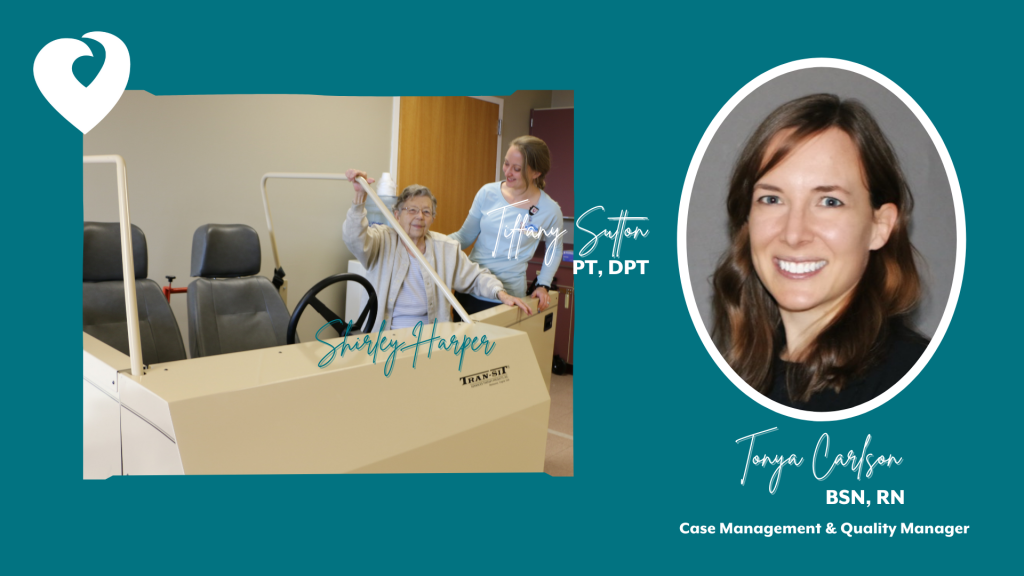
“Some people may think that if they lie in bed all day and seem to be doing better medically, they’re ready to go home,” said Tiffany Sutton, a longtime physical therapist and the TCU Rehab Coordinator. “But you need (physical therapy) so you can go safely home — and stay home.”
Sutton and her team frequently have to put on a cheerful show to entice patients to participate in the all-important but often uncomfortable physical therapy. A physician since 1946, Dr. Thickman didn’t need to “drink the Kool Aid,” Sutton said.
And yet, this was his first hospitalization in his then 96 years. Dr. Thickman was admittedly worried, especially when he wasn’t able to move his injured leg at all for many days.
“You begin to think occasionally of potential consequences that would not be uncommon at this age,” he said. “There was a period of hospitalization early on in which I wondered if I was going to be able to return to a normal way of life.”
Enter: the TCU team. The nurses kept Dr. Thickman company, encouraged him to enjoy his meals in the community dining space with his fellow patients, and made him as comfortable as possible. The physical therapists worked on his mobility with their creative methods meant to mimic activities of daily living. The doctors monitored his progress. Everyone lifted his mood.
“I really had such comfort with the staff,” Thickman said. “They came every day, and it was fun to expect them. Never did I have any concern that wasn’t fulfilled. I felt in good hands, and I was able to — if you don’t mind the expression — ‘have fun with it.’”
The feeling was mutual.
“He was very fun — a joy to have,” Sutton said. “He shared his wisdom with us, which was incredibly wonderful of him. He would joke around with us and talk to us about how medicine has progressed. Thirty years ago, this (level of physical therapy) would never have happened.”
After two weeks of progressive improvement, Dr. Thickman could move with a walker with comfort, dress, and care for himself on his own. He was ready to be discharged. The transition home came with more prescribed physical therapy that tapered off over another two months.
Today, at age 98, Dr. Thickman is able to walk without the assistance of a cane or walker. He attributes his complete recovery to the “excellent care” at Sheridan Memorial Hospital.
With the COVID-19 vaccines becoming more and more available to everyone, we asked some of our health care providers why they got the vaccine and what their thoughts are for our community.

For more information about COVID-19, the current priority list or to schedule your vaccine appointment online, please go to sheridanhospital.org or call our automated message line: 307.675.4471.
It may not be the most glamorous subject, but talking about colorectal cancer saves lives. Among cancer affecting both men and women, colorectal cancer is the second leading cause of cancer-related death in the United States. Unlike many cancers, we have effective tools to help decrease the development of colorectal cancer and identify its presence at an earlier stage.
The risk of colorectal cancer increases with age, with more than 90% of the cases we see being diagnosed in people age 50 or older. There are many factors that are associated with an increased risk of colorectal cancer. Some of these risk factors are related to lifestyle choices and are therefore modifiable. Maintaining a healthy weight, being physically active, not smoking or chewing tobacco, avoiding heavy alcohol intake, and eating a balanced diet that limits intake of red or processed meat can all help decrease your risk of colorectal cancer.
Some risk factors cannot be changed. For one, colorectal cancer is more common as we age. It is also more common in people with a personal history of a certain type of colon polyp, called adenomatous, or a previous colon cancer. Being diagnosed with an inflammatory bowel disease, particularly ulcerative colitis, increases your risk. Most colorectal cancers are diagnosed in people who do not have a family history of colon cancer, but nearly 1 in 3 people who are diagnosed with colon cancer do have a family history of the disease. Only about 5% of cases of colorectal cancer are related to an inherited predisposition, but the rate of colorectal cancer is much higher in these individuals than in the general population, and it tends to develop at an earlier age. Two of the more common genetic predispositions are familial adenomatous polyposis (FAP) and hereditary non-polyposis colorectal cancer (Lynch syndrome). Although we don’t understand why, African Americans have the highest colorectal cancer incidence and mortality rates of all ethnic groups in the US.
Colorectal cancer may cause symptoms as it grows. These symptoms include seeing blood in or on your stool, unintentional weight loss, a change in bowel habits and weakness or fatigue caused by a low blood count.
Screening is the practice of looking for cancer or pre-cancer in individuals without symptoms. Screening is incredibly effective when it comes to colorectal cancer because, from the time the first abnormal cells start to develop, it takes on average 10-15 years for those cells to become a colorectal cancer. Screening is one of our most effective tools for preventing colorectal cancer because it allows us to find and remove precancerous polyps and identify people who would benefit from more frequent screening. Screening can also identify small cancers that aren’t yet big enough to produce symptoms.
There are several screening tools for colorectal cancer, including tests done on your stool, radiographic studies and colonoscopy. The stool studies either look for evidence of trace blood that isn’t enough to be seen by the naked eye or look for altered DNA that can be associated with abnormal cells in the colon. Stool studies that look for blood need to be repeated every year if negative. A negative stool DNA test needs to be repeated every three years. A CT or virtual colonoscopy is a radiographic study that involves cleaning out the colon at home and then coming into the hospital for a CT scan. If any abnormalities are seen, the study needs to be followed up with a colonoscopy at a later date. If the study is negative, it should be repeated every five years. Stool studies and virtual colonoscopy are only appropriate for patients with an average risk of colorectal cancer. A colonoscopy is a procedure that is done using a small fiber-optic tube and air to examine the lining of the colon after a prep has been completed the day before. Colonoscopy allows for the identification of polyps and removal, or biopsy if too large, at the same time as the procedure. Depending on the findings during the procedure and individual risk factors, colonoscopy may be repeated every year for high-risk individuals to a more typical range of 3-5 or 8-10 years.
Talking to your doctor about your risk factors can help identify the most effective and appropriate screening test for you. In general, screening is recommended between the ages of 50 and 75, though there are reasons to start earlier or stop later for some people. It is estimated that only about two-thirds of adults in the US are up to date with their colorectal cancer screening. Every year, about 140,000 people in the US will be diagnosed with colorectal cancer, and 50,000 people will die from it. Our best tool to decrease both of these numbers is screening. Talk to your doctor today.
Talk to your primary care provider about your risk factors. If you don’t have one, check out Sheridan Memorial Hospital’s Internal Medicine practice or call: 307.675.2650
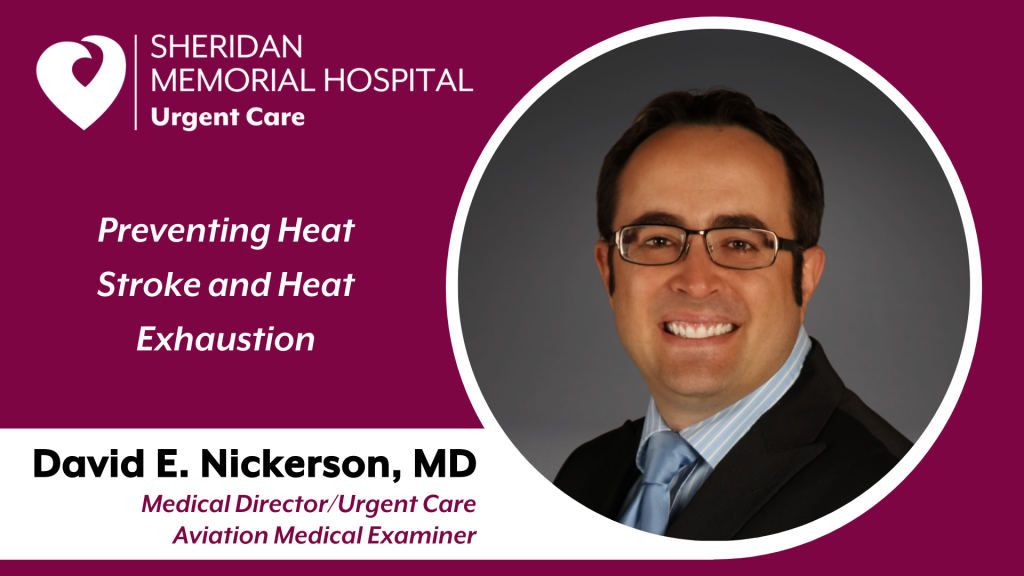
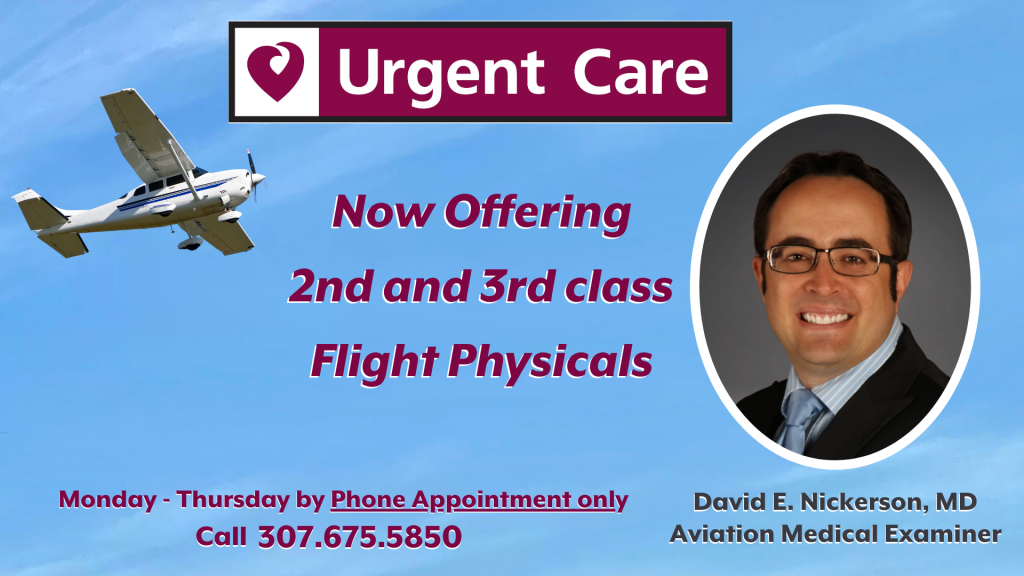
By David Nickerson, MD – Medical Director of Sheridan Memorial Hospital’s Urgent Care
Navigating the healthcare system can be difficult. Even in a small town like Sheridan, there are multiple options for care and it may not always be clear where to start. Sheridan Memorial Hospital offers three different points of access for general medical care.
Internal Medicine
The Internal Medicine Clinic is located in the Outpatient Center at 1333 W. 5th Street and is the best location for treatment of chronic medical problems, such as high blood pressure or cholesterol, and diabetes. There is also a focus on health maintenance and prevention. The Internal Medicine Clinic uses the team model, meaning that you will have a primary doctor or advanced practice clinician but can also see one of the colleagues with whom they work closely if they are not available. In addition, patients can also be referred on to the appropriate specialist, if needed.
For the safety of patients and staff, patients with symptoms that could represent COVID-19 (Fever, chills, body aches, cough, runny nose, sore throat, vomiting, diarrhea, headache, or changes in the sense of smell or taste) are currently being referred to the Urgent Care or Emergency Department.
To make an appointment at the Internal Medicine Clinic, patients may call 307.675.2650.
Urgent Care
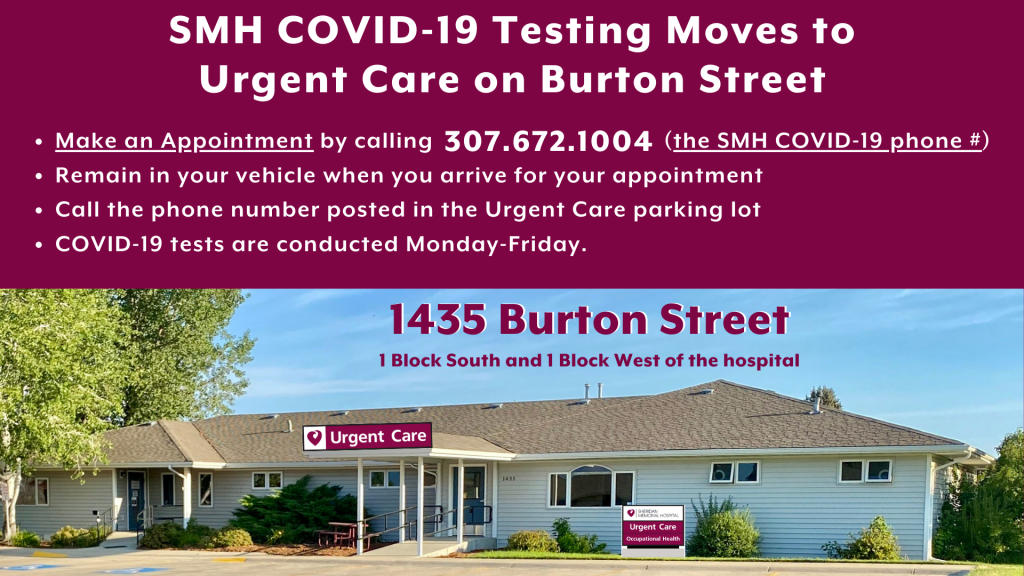
Sheridan Memorial Hospital’s Urgent Care recently moved to 1435 Burton Street, the former location of Bighorn Mountain Medicine. It is the ideal location for immediate treatment of new medical problems, such as colds, flu, ear/nose/throat issues, musculoskeletal injuries, skin issues, urinary problems, stomach issues, and headache. It is also the best place to be seen for non-life threatening COVID-19 concerns.
Laboratory and x-ray equipment are onsite and common prescription medications can be dispensed during your visit through local pharmacies. Finally, if you have a medical problem and are unsure where you should be seen, the Urgent Care is an excellent starting place and can refer you to a specialist or transfer you to the Emergency Department.
No appointment is necessary at the Urgent Care and you may walk in or visit www.SheridanUrgentCare.com to save your spot. The Urgent Care may also be reached at 307.675.5850.
Emergency Department
The hospital’s Emergency Department is located at 1401 West 5th Street. It is the best place for treatment of life-threatening medical problems and injuries such as heart attack, stroke, abdominal pain, dislocations, severe fractures, and severe pain. Patients are prioritized based on the severity of their condition. Onsite consultations from surgeons, cardiologists, internists, pediatricians, orthopedists, OB/GYNs, and other specialists can be obtained as appropriate, as are admissions to the hospital and transfers to larger facilities if needed.
When medical issues arise, knowing the most appropriate location to seek care can save you time and money. We wish you the best of health, but Sheridan Memorial Hospital’s outpatient services are here and ready to serve you when needed.
For more information visit Urgent Care vs Emergency Room.
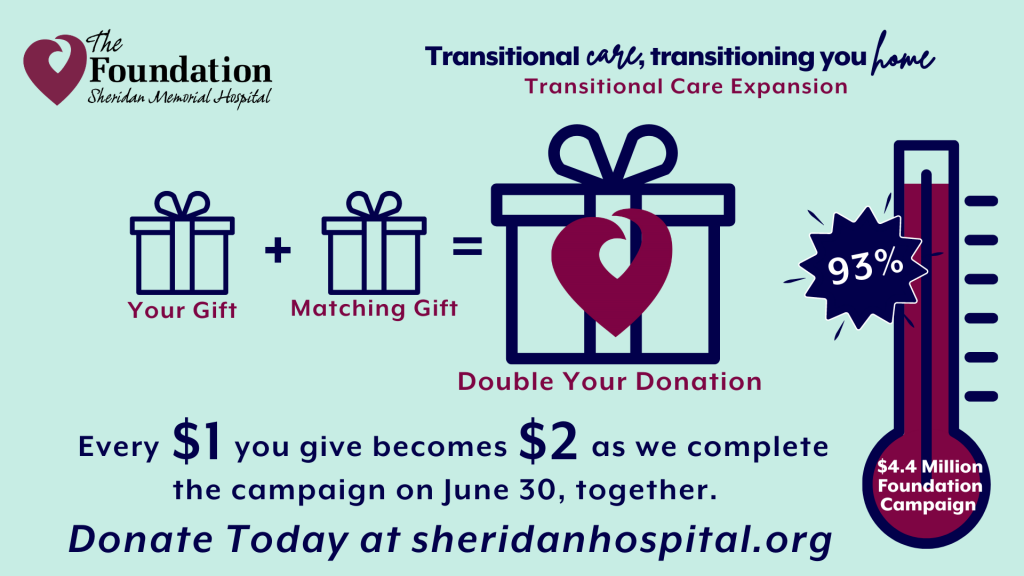
Thanks to an extremely generous community gift supporting Sheridan Memorial Hospital’s Transitional Care Expansion Project, a 100% match will be made for all gifts received during the month of March. Make any size donation to the Project in March, and it will be doubled.
Foundation Board President and Campaign Co-Chair Richard Garber shared the good news, “This matching gift could not have come at a more important moment, as we launch the Transitional Care Expansion to our community. We want to ensure people understand the positive effect this additional space and the private rooms will have on our patients.”
Garber added, “It not only fills the growing need to care for individuals after a hospital stay, but will also help ensure their safe and successful return home. Another positive is that this project repurposes the original 1954 building back to patient care. This is an excellent use of space and, once completed, our professional team of providers and rehabilitation staff will be able to offer care to more individuals. It all comes down to keeping people in Sheridan, close to home and their loved ones.”
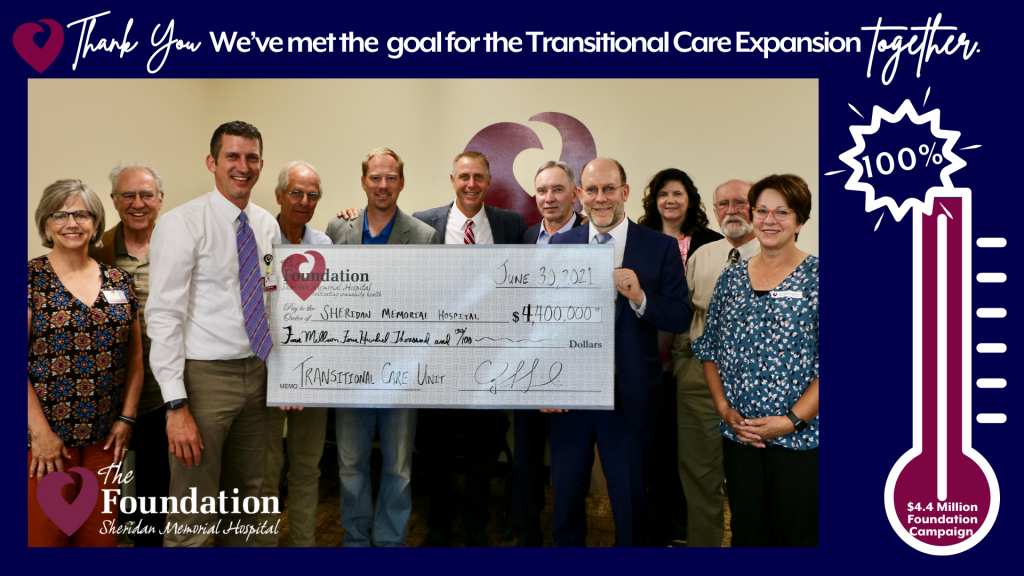
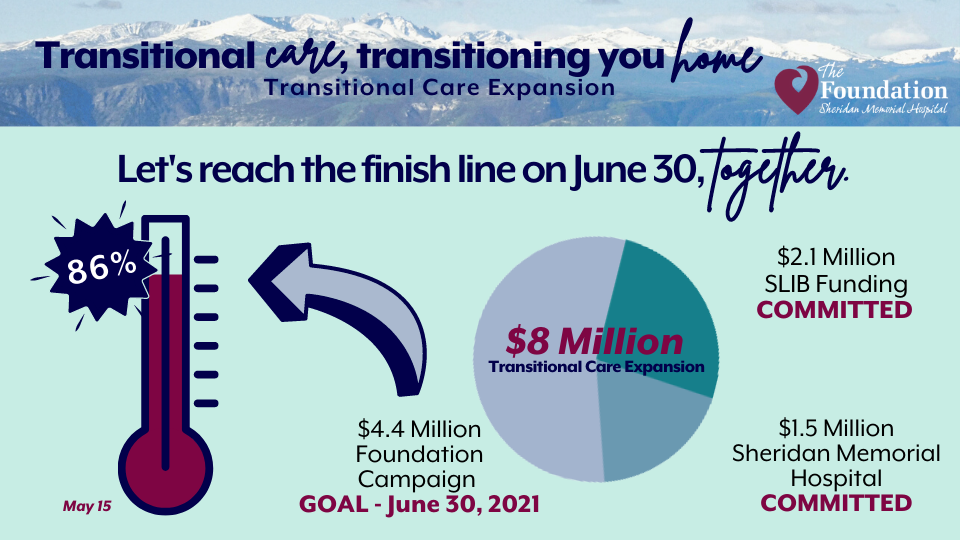
The Transitional Care Expansion provides an additional 15,600 square feet of patient-care area on the second and third floors of the hospital. The plan includes 20 private patient suites, a private group dining area, family meeting and consultation room, and rehab space overlooking the Bighorn Mountains. Cody Sinclair, Chief Development Officer, oversees The Foundation’s efforts, “Everyone on the hospital team involved in the planning is excited and confident the new area will enhance our patients’ care experiences, overall results, and the goal of helping patients successfully transition back home. The Foundation has made progress toward our goal of $4.4 million, and we hope this wonderful matching gift will inspire everyone to join the effort. This is a community effort and something that will enhance care in Sheridan for many years to come.”
To get the most up to date Foundation information and learn more about the Transitional Care Expansion Project, visit sheridanhospital.org/foundation.
By Larry Certain February 20, 2021, posted here with his permission.
I feel fortunate to live in Sheridan County, and I am sure I’m not alone. Many of the nicest people live in our county, and a large number of them are employed by Sheridan Memorial Hospital.
We can, I feel, be thankful for the fine hospital and exceptional personnel staff working there. Having never required them in an emergency; I can now tell you they are the best. Having just experienced my first and only (I hope), heart attack, I observed real professionalism at work.
From the minute my wife and I walked up to the emergency window, things happened like clockwork. That was at about 6 a.m., a week ago last Saturday and by Monday morning, I was wheeled out with stents in the ol’ ticker, and a new lease on life.
I can never express the feelings I have for the doctors, nurses and staff members of our fine hospital. But it would start with exceptional. Doctors Selde, Schamber were first on the scene. Then doctors Brennan and Garcia followed. And Dr. Garcia and his fine staff were unbelievable. They were so fast, efficient and so empathic. It was unbelievable. Their knowledge and professionalism, in my opinion, is beyond reproach. Thank you, from the bottom of my indentured heart.
And the nursing staff of the ICU was the best ever, also., and put up with a curmudgeon with no desire to be there, who was always tangled up in tubes. My heartfelt “thank you.” I love you too. And the other members of the support staff in the kitchen, blood draw and house keeping — thanks for making my stay more tolerable.
So any of you, readers, watch for the signs that you should stop shoveling snow and get to the hospital as quick as possible, so you won’t get a side trip like I did. Shortness of breath, like an elephant sitting on your chest, feeling like someone slugged you in the stomach and throwing up. You might not be as lucky as I was.
Larry Certain
Sheridan
By Sierra Gross Stallman, MD – Medical Director of Sheridan Memorial Hospital’s Internal Medicine Practice
We have all been affected by Covid-19, which is why we look for safe and effective ways To protect our families, communities, businesses and mental health by reducing disease burden, keep us from getting Covid-19, and allow us to resume social functions: Vaccines.
Pfizer-BioNTech and Moderna have been successful in developing Covid-19 mRNA vaccine. Researchers have been studying mRNA vaccines for decades, refining and accomplishing a standardized process for safe and timely production. Having this technology readily available to use allowed for rapid response to the pandemic in developing a safe and effective Covid-19 vaccine. Even though scientists promptly replied to demand with scaled, standardized vaccine development, mRNA vaccines have been held to the same rigorous safety and effectiveness standards as all other types of vaccines to get approval or emergency use authorization from the Food and Drug Administration (FDA).
What is mRNA? It is a messenger that provides information to our immune system. Once recognized, our immune system uses the information as a template to produce antibodies that can detect and destroy the virus causing Covid-19 for future infections. This takes the body a few weeks to complete, so it is possible that a person could be infected with the virus and get sick from Covid-19 just before or just after vaccination because the vaccine has not had enough time to provide protection. Covid-19 mRNA vaccine does not contain live virus; rather, it has harmless protein pieces found on the virus’s surface. The vaccine is given as an injection into the upper arm muscle in two doses separated by ~21 days for Pfizer and ~28 days for Moderna. This two-dose regimen conferred 95% protection against Covid-19 in persons age 16 or older. Side effects from the vaccine are similar to that of other types of vaccines and largely consistent with the appropriate response of the body’s immune system. Transient and mild local reactions such as injection site tenderness, redness, fever, fatigue, headache, and joint pain can occur. The CDC is monitoring reports of allergic reactions, and as of December 23, 2020, there were 21 cases of anaphylaxis out of 1,893,360 doses given. Anaphylaxis is a life-threatening allergic reaction that can occur rarely after vaccination, with onset usually within minutes. All reactions were treated and recovered. Worldwide there have been over 44 million vaccine doses administered in over 50 countries.
Who should get vaccinated? The goal is for everyone to get vaccinated against Covid-19 as soon as enough vaccine is available. Covid-19 can have severe complications, including hospitalization, admission to ICU, intubation or mechanical ventilation, or death, particularly to those at-risk. At-risk persons include any adult older than age 65 and adults of any age with certain underlying conditions such as obesity, type 2 diabetes mellitus, and smoking.
Due to the limited supply of vaccines around the country, Wyoming has a phased approach to ensure equity in vaccine allocation and distribution. The prioritization list can be found here and on the WY Department of Health website. Sheridan County is currently in phase 1b, including people who are 65 years of age or older. Sheridan Memorial Hospital is working closely with Public Health to distribute vaccines to our community as quickly and efficiently as possible. We anticipate it will take about two months to get through this current phase based on allocation supply.
If you fall into this category, call 307.675.4471 to schedule a vaccination time.
As always, reach out to your healthcare provider with questions or concerns regarding your health and the Covid-19 vaccine. Thank you, Sheridan, for sticking together, supporting our community, and doing your part to reduce the spread.
Sheridan Memorial Hospital (SMH) has been recognized as one of the Top 100 Rural & Community Hospitals in the country for 2020 according to the Chartis Center for Rural Health. Over 800 hospitals were included in the study. The list is developed using the Hospital Strength INDEX, which assesses performance utilizing 37 independent indicators across eight pillars of performance including Inpatient Market Share, Outpatient Market Share, Quality, Outcomes, Patient Perspective, Cost, Charges and Finance.
According to the Chartis Group website, hospitals making the list serve as a benchmark for other rural facilities. The website states that “amidst uncertainty, transition and strain, these top performers are excelling in increasing patient satisfaction, securing better outcomes for patients, managing risk, achieving higher quality and operating at a lower cost than their peers.”
Mike McCafferty, SMH Chief Executive Officer, had this to say about the honor, “This really speaks to the commitment to our community of our medical staff and employees. These efforts are to help position our hospital for clinical and operational excellence and, ultimately, great value for our patients and our community.”
According to a release by the awarding body, the award is “based entirely on publicly available data and the INDEX is the industry’s most comprehensive and objective assessment of rural hospital performance.”
“We are proud to serve this community and these accolades are really about the quality work our physicians, health care providers and all employees are doing every day to provide excellent patient-centered care,” McCafferty added.
***
*Notes – All data used in this study is publicly available through the Centers for Medicare and Medicaid Services (CMS).
By Kristi Ramsey, RN, BSN, RCIS, CVRN – Sheridan Memorial Hospital Cath Lab Manager
Did you know that nearly 1 in 2 Americans have high blood pressure and many people don’t even know they have it? That’s because there are often no warning signs. Having high blood pressure (also called hypertension) makes a stroke or heart attack much more likely.
High blood pressure is the force of your blood moving against the walls of your arteries. So when your blood pressure is too high, your heart is on overdrive. Over time, elevated blood pressure can weaken your heart, blood vessels, kidneys and other parts of your body.
There are many steps you can take to lower your blood pressure. It’s important to work together with your health care team to set your blood pressure goal, the reading you’d like to consistently see when your blood pressure is taken—and how you can best reach it.
We’ve gathered this information from the American College of Cardiology:
Living with High Blood Pressure
The goal of any treatment plan is to prevent or reduce the impact of high blood pressure and the onset of complications, including stroke, heart attack, heart failure and chronic kidney disease.
Lower is Better
Know your numbers! Your healthcare professional may talk with you about setting a “target goal.” A normal blood pressure reading is less than 120/80 mmHg.
Research shows that lower blood pressure goals improve heart health.
Lifestyle Changes are Key
Lifestyle changes are the main treatment for those with elevated or stage 1 high blood pressure. They are also important in treating individuals with stage 2 high blood pressure (>140 mmHG/>90 mmHG) and for good overall health. Healthy choices can go a long way in helping to lower your numbers and include:
It’s important to cut back on the amount of salt (sodium) you consume, particularly if you are already eating a diet that is high in salt. The latest Dietary Guidelines for Americans recommend people consume no more than 2,300 mg of sodium per day—less than a teaspoon of salt. However, for people with high blood pressure or at risk for it, less than 1,500 mg of sodium per day is often the goal.
Stress also can cause your blood pressure levels to spike, so make sure to do things that help you relax and reset. Some examples include: listen to your favorite music, go for a walk, or take a yoga class.
Medications Play a Role
Some common medications used in treating high blood pressure include thiazide-type diuretics, calcium channel blockers, ACE inhibitors, aldosterone antagonists and beta-blockers, which may be considered specifically if the person has coronary artery disease after a heart attack or heart failure. You may need multiple medications, especially if your numbers are significantly above your goal.
It’s critical to take medications exactly as prescribed and report any side effects. Be sure to share a complete list of all the medications you take, including over-the-counter drugs and supplements.
The new guidelines lower the threshold for when treatment is needed. If you’re already being treated for high blood pressure, it’s a good time to review your treatment plan and decide with your care team whether your target blood pressure numbers should be lower. You might need to step up your lifestyle changes or medication, or both.
Track Your Blood Pressure
Tracking your blood pressure is a key part of managing it. Find out how often you should take and keep a record of your blood pressure readings. Having this information in hand can help your health care professional know what is working and when to adjust your treatment plan.
Other conditions, sometimes called secondary causes, might be triggering high blood pressure and should be taken into consideration. These conditions include sleep apnea, chronic kidney disease, certain medications, and adrenal or thyroid disorders.
Talk to Your Care Team
It’s important to talk with your healthcare professional about your blood pressure and any other factors that put you at risk for heart disease. Knowing your numbers can help you take steps to either prevent or lower high blood pressure.
If you don’t have a primary care provider, give our Internal Medicine practice a call at 307.675.2620 and they can set you up with a care team.
On Friday, January 8, 2021, the Sheridan Memorial Hospital Auxiliary voted unanimously to pledge $50,000 to the Transitional Care Expansion at Sheridan Memorial Hospital. With this gift, the Auxiliary has given $724,000 to Sheridan Memorial Hospital since 1991.
With a mission “to provide comfort to and better the welfare of Sheridan Memorial Hospital’s patients,” The Auxiliary Board members voted on the opportunity that best exemplified their purpose. This year’s funds will impact patient care throughout the hospital by going to the Transitional Care Unit (TCU), as this service is a multi-disciplinary team made numerous departments. The TCU team includes Nursing, Physical, Occupational, Speech and Respiratory Therapy, Case Management and Social Services, Nutritional Services, Wound Care, and more.
Foundation Director of Donor Relations – Ada Kirven, Development Coordinator – Jasmine Slater, and Chief Development Officer – Cody Sinclair gratefully accepted the gift presented on behalf of the numerous departments who will be positively impacted by this contribution. The photo includes Foundation Director of Donor Relations – Ada Kirven, Auxiliary Board Members Linda Sutphin, Ann Kilpatrick, Jill Mitchell, Sandy Pilch, Karen Steir, Ethelyn St. John, Maurita Meehan, Stella Montano, and Development Coordinator Jasmine Slater.
“We appreciate the time spent coordinating and working alongside this generous and passionate board of volunteers,” explains Chief Development Officer Cody Sinclair. “This donation is part of a long Auxiliary tradition in continuing to support hospital & Foundation projects that will expand the healthcare available to our community. These women continue to help enhance the patient experience throughout the entire organization, and we are so fortunate to be able to collaborate with such an incredible group.”
To learn more about getting involved in The Sheridan Memorial Hospital Auxiliary Board or Volunteering, please reach out to Development Coordinator Jasmine Slater at 307.675.2620 or by clicking here.
The Sheridan Memorial Hospital Foundation is excited to announce its Transforming Transitional Care Campaign. A Transitional Care Unit (TCU) is a recuperative and supportive place to heal following an injury, surgery, or serious illness. From changes to one’s daily schedule to the adjustments necessary to return home – the care team of nurses, doctors, and therapists manage transitions and help patients regain a level of independence for a safe return home.
Our aging population and the increased need for Transitional Care in our community, led to the design of this project. It will increase the number of patients the hospital is able to offer this specialized care to, before they transition back home. Our community is changing and Sheridan Memorial Hospital wants to ensure the growing number of patients needing transitional care will have the opportunity to stay right here in Sheridan, close to home and family.
“The Foundation is thrilled to support the hospital in repurposing the 2nd and 3rd floors of the main 1954 hospital back to their original use—caring for patients and providing excellent care,” said Chief Development Officer Cody Sinclair. “Meeting the needs of our community through this expansion will also ensure our community hospital is prepared for any future pandemic.” The space was cleared immediately for pandemic care last year, and Sheridan Memorial Hospital applied for the CARES Act funding available through the Wyoming State Loan and Investment Board (SLIB). A grant of $2.1 million made the completion of initial infrastructure and demolition construction possible before December 15.
The Foundation met with community members and local foundations about the project in October, and gained support and momentum to meet the $4.4 million goal. We now look forward to sharing more information with everyone in our region, and raise the remaining 20% needed to begin construction in July. “The response from our community this past year, through COVID and now excitement over this campaign has been truly remarkable,” said Director of Donor Relations Ada Kirven. “Throughout the pandemic we have been fortunate to have the donors, staff, and resources available to support the community – including the ICU that many of these same major donors supported five years ago. We are grateful for our initial contributions as they have shown they believe in the need for the project and laid the foundation for a successful completion. It’s remarkable to bring an expansion like TCU to our community and expand care for our growing and aging population at such a critical time.”
To learn more about the Transforming Transitional Care Campaign or The Foundation, call our offices at 307.673.2418 or visit us at sheridanhosital.org/foundation.
Through January 22, Sheridan Memorial Hospital (SMH) has provided COVID-19 vaccinations to approximately 1,000 people in Sheridan County. That includes SMH employees and the priority populations of essential workers and people over the age of 70.
The side effects from the second dose of the vaccination received can include arm soreness at the injection site, minor swelling, chills, fever, fatigue and headaches. A few SMH providers have provided a short video documenting their experience receiving their second dose.
“I’m feeling hopeful, and very grateful,” said Erin Strahan, PA-C with the SMH Internal Medicine Clinic. “This is one chance to get back to normal life.”
“I have a little soreness in my arm but nothing that kept me from seeing my full complement of patients,” explains Dr. Elisabeth Scalva, with the SMH Women’s Clinic. “I’m feeling grateful to be protected and to protect my family, my patients and mostly this community.”
“Initially, I had a little bit of a sore arm,” said Dr. Ian Hunter, Sheridan County Public Health Officer. “Later that night, I woke up and had a fever… I just didn’t feel good for about eight hours, then that resolved.”
Currently, all doses of the vaccine SMH has received or is scheduled to receive is already spoken for. This includes 975 doses of the Pfizer vaccine scheduled for delivery on January 25 or 26.
SMH is accepting calls to place essential workers and people over age 70 on a wait list. Once more information is available regarding additional vaccine, SMH will be working through the wait list to conduct call backs and schedule additional vaccination appointments.
If you have been designated an essential worker or are over the age of 70 and you want to receive the vaccine, please call 307-675-4471 and leave your name, date of birth and phone number. You will receive a call back within the next business day to be placed on the wait list.
Click here for more information on the COVID-19 vaccine in Sheridan County
Click here for the Wyoming Department of Health Phase 1a and 1b COVID Vaccination Priority List
To date, Sheridan Memorial Hospital (SMH) has received approximately 970 doses of the Moderna COVID-19 vaccine. That includes 700 doses in late December and 270 doses in mid-January.
Another 975 doses of the Pfizer vaccine are scheduled to arrive January 26, and Dr. John Addlesperger, SMH Chief Medical Officer, says appointments are currently being scheduled to administer those doses as well.
“We have scheduled appointments for every dose of vaccine we have received so far or are scheduled to receive,” said Addlesperger. “Currently, demand is outpacing the supply chain for the vaccine. It’s good to see so much interest. This vaccine will be a big help in allowing us to return to life as we remember it before all the COVID protocols we have been following the last 10 months.”
Even though the vaccine schedules are currently full, SMH is still accepting phone calls and putting eligible people on a waitlist to be scheduled at a later date when the next vaccine shipments arrive in February.
“Our process for developing the waitlist and getting people scheduled is simple, but it takes a while to execute due to the high volume of calls we are receiving versus the supply of vaccine we have received,” said Tim Grollmes, SMH Internal Medicine Practice Administrator. “We don’t know what quantity of vaccine we are going to receive from month-to-month. That makes it tough to schedule.”
In making vaccine appointments, SMH is following a phased priority list established by the CDC and Wyoming Department of Health. Phase 1a is primarily essential workers and Phase 1b includes essential workers as well as people from the general public over 70 years of age. Click here – Phase 1a and 1b COVID-19 Vaccination Priorities – to see the complete priority list.
“Right now, we are scheduling vaccinations for essential workers and people 70 years of age and older,” Grollmes said. “Once we get through those two populations, we will move on to the rest of the priority list. It could take a couple of months depending on how many people want the vaccine.”
Since each of the vaccines requires a booster shot follow up (Moderna at four weeks and Pfizer at three weeks), SMH is scheduling patients for their booster shot immediately after receiving their first shot, before they leave the clinic.
Those who have been identified as essential workers or are 70 years of age or older and want to receive the vaccine, please call the SMH COVID Vaccination Clinic at 307-675-4471. More information is also available at the Sheridan County Public Health website – https://www.sheridancounty.com/covid-19/covid-19-vaccines/.
“Until we can get the majority of our community vaccinated, it is important that we remain diligent in following the COVID protocols set forth by the CDC,” Addlesperger added.
Those protocols still include: staying home when ill, wearing a mask, socially distancing, washing your hands and disinfecting high traffic surfaces.
The past year has been a remarkable one for all of us to reflect on. Be it personal or professional; we have faced our own set of challenges that could not have been anticipated 12 months ago. But together, we are now able to identify silver linings, learn from the past, and move forward with gratitude for all that we have been given in time, love, health, and hope for the future.
The Sheridan Memorial Hospital Foundation and Hospital team members had a year we will never forget. The work of our board, donors, and volunteers allows support for exceptional staff, departments, and services at your community hospital. Our donors continue to support opportunities, innovation, and patient-care experiences with their generosity. The nature of these services shifts and changes day-to-day for our teams in our current climate, but we appreciate the opportunity each day to come to work and support the people who choose SMH for their healthcare needs. Our supporters’ tireless efforts are what made it possible for our teams to take care of each – bump, scrape, scan, screening, teleconsultation, birth plan, heart palpitation, allergy shot, common cold, broken bone, and emergency call – on top of all involved in caring for our COVID patients.
An organization’s annual report is meant to share with each of you the contributions received throughout the last fiscal year and how those funds have been put to work. The Foundation’s Gratitude Report is a mere snapshot into the previous 12 months and all of the lives our donors positively change because of their kind and caring actions.
Our Foundation Staff recognizes that in no way could we incorporate all stories to completely capture the outpouring of support, kindness, and generosity we are surrounded by. We take this opportunity to share some of the life-changing efforts, the remarkable tales, and the infinite gratitude we feel for you, our donors, who’ve filled our hearts and hallways over the last 365 days and now into the New Year. Thank you for being a part of our story.
We invite you to share in our full 2020 Gratitude Report by experiencing it here (https://www.sheridanhospital.org/wp-content/uploads/2021/01/2020-Gratitude-Report.pdf).
Each year, Sheridan Memorial Hospital (SMH) employees find ways to give back to the community; 2020 was no different… um, wait, yes it was.
“The generosity and support we received from the community this past year were like nothing we have ever witnessed,” said Cody Sinclair, SMH Chief Development Officer. “It was a great feeling to be able to continue with the traditional fundraisers and food drives we normally have throughout the year. It paled in comparison to the community support we received, for sure. But our employees still stepped up.”
During a year filled with uncertainty, long hours, double shifts, 24-7 masks, head to toe PPE, and lack of social connection due to COVID-19, SMH employees still found a way to contribute.
“We’re proud of the way our employees have responded to all the challenges of COVID-19, and these efforts show how much they really care for this community,” Sinclair added.
Here are some of the various efforts that hospital staff and departments participated in or initiated this past year.
SMH Foundation Employee Partner Program – over 514 employee partners raised over $47,700 in 2020 to provide additional funding for the hospital’s Transitional Care Unit expansion which is currently underway. Over the past 17 years, SMH employee partners have contributed over $500,000 to projects at our community hospital.
Patient Access and Admissions Department – collected food for the People Assistance Food Bank and cash for the Salvation Army over the holidays.
Women’s Health Department – collected toys for Toys for Tots during their annual Christmas toy drive.
Marketing Department – Volunteered to help organize and re-stock food supplies at The Food Group.
Patient Accounts Department – conducted a food and toy drive for Christmas. Food was donated to the People Assistance Food Bank and toys were donated to Toys for Tots.
Internal Medicine Practice – Employees provided gifts for 45 children of patients in the Addiction Medicine Clinic for Christmas.
All SMH Employees – Specific Fridays throughout the year are designated as “Jeans Friday” at SMH. Employees are encouraged to donate $5 for the privilege of wearing jeans on that day and $1,840 was raised from this effort. The funds were distributed among the following causes:
All SMH Employees – 2020 COVID-19 Employees Give Back – Food drive to collect non-perishable items for the People Assistance Food Bank, the Food Group and the Salvation Army.