Welcome to Sheridan Memorial Hospital
1401 West 5th St. Sheridan, WY — 307.672.1000

Health and Wellness

Children have left the classroom for the summer. Families are spending more time outside. Implementing some basic summer safety measures

What does labor and delivery look like? What is an epidural? How will I know how to help my baby
Listen to what Dr. Emily Denny and Jazz Scott share about services available for new moms, including

Summer is officially here. Let’s check in with ourselves and do a refresh that can benefit all of us, regardless of our health history. First, how much
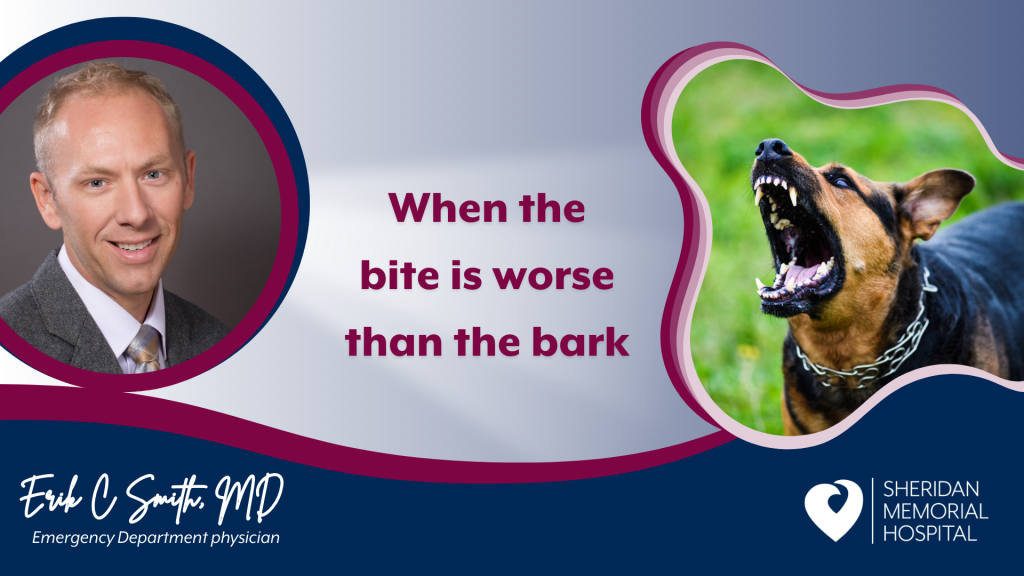
For whatever reason, there has been a surge in patients seeking care for dog and cat bite injuries in the emergency department over recent weeks.
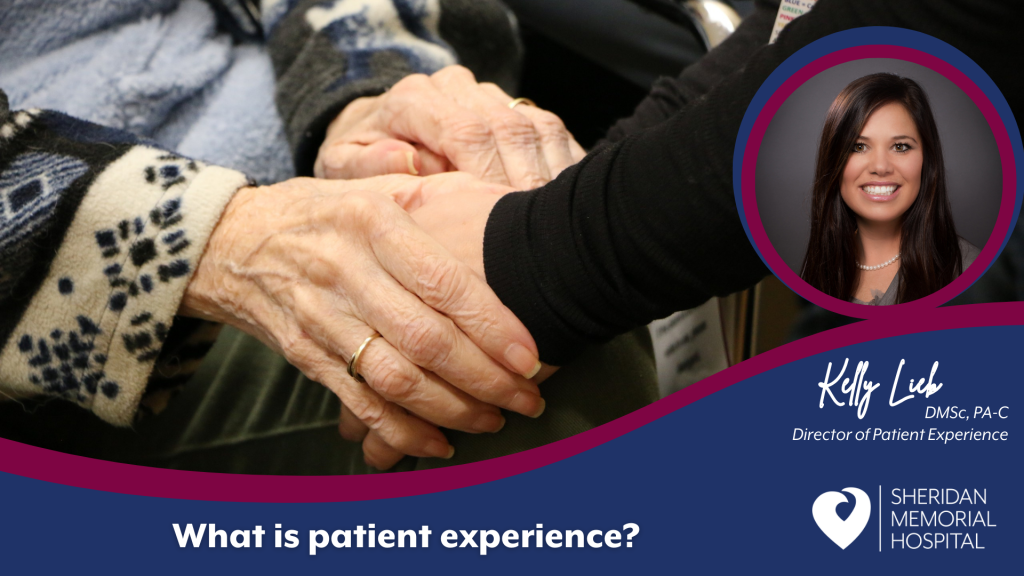
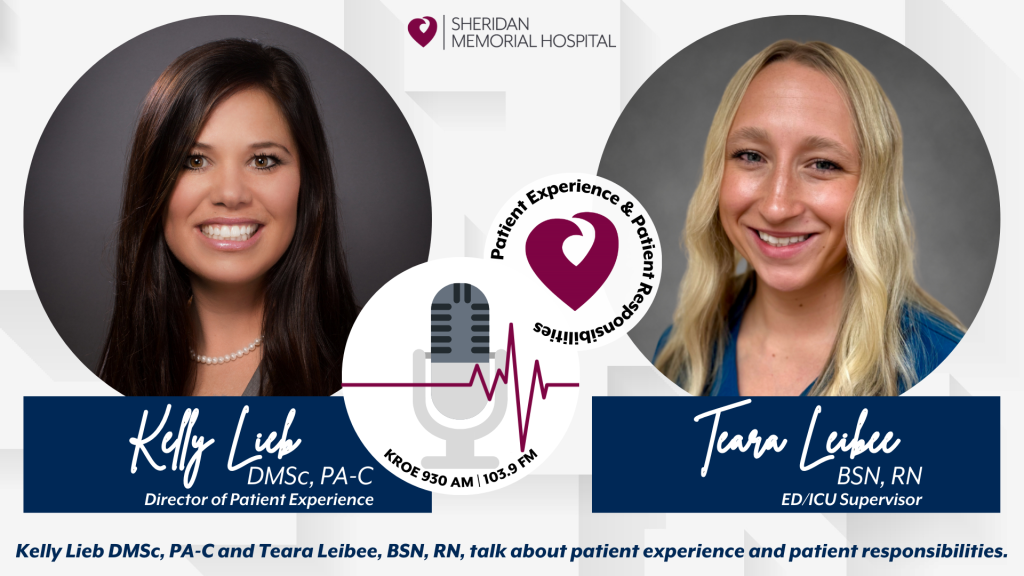
From a patient's perception, patient experience is about connection at each interaction and the simplicity and ease of moving through a health care
When I arrived in Sheridan in January 2023, I quickly started seeing patients as a primary care physician. Fairly early on, I had several moms come into the
If you could provide comfort to your loved ones in a time of pain or sadness, would you? Making decisions about your own health care and medical
While commercials often highlight allergy season by depicting an array of green grasses, flowers and pollen floating through the air, the timing of allergy
When is the last time you went to your doctor or primary care provider? Were you sick? Chances are
Conveniences of Urgent Care: Listen to Dr. David Nickerson talk about how Sheridan Memorial
While early this month, we all enjoyed the cooler temperatures of fall without all of the snow and
As a patient there is one question you should be asked every time you see a provider: “What
Healthcare providers at Sheridan Memorial Hospital and its clinics often hear from patients about the emotional and physical challenges

By Alaina Bergstrom, MSN, RN, CCRN-K – Emergency Department and Intensive Care Unit Manager at Sheridan Memorial Hospital

Safety preserves summer fun

Children have left the classroom for the summer. Families are spending more time outside. Implementing some basic summer safety measures will help reduce your risk of spending valuable sunny days in an urgent care, emergency room or doctor’s office.

Protect your skin

Summer means sunshine, but it also means bugs, so there are many ways you can protect your skin this season. Lather on sunscreen with an SPF 30 or higher, and reapply frequently if you plan to spend extended time outside. Unprotected skin can burn quickly, which can cause long-term and immediate damage.

If you’re spending extended time outside, you should also be prepped to protect yourself from bugs. Check yourself for ticks, which can spread Lyme disease, and if you have an allergy to bees or other insects, be sure you have your emergency treatment with you before leaving the house.

Drink plenty of water

There is no one-size-fits-all for daily water intake, as recommended levels typically depend on your activity level, health conditions and other factors. Basic recommendations, though, include drinking water throughout the day, and increasing intake based on how much time you spend in the heat, exercising or sweating. Knowing the signs of dehydration can also help you avoid danger — dry skin, headaches, dizziness, fatigue, muscle cramps and dark urine are among the symptoms. If you’re looking to add a little flavor to your water intake, eat foods that have high water content such as watermelon, cucumbers, celery, tomatoes and many others.

Wear your safety gear

Bicycle rides, rollerblading, boating, swimming and hiking — the recreational opportunities lure individuals and families outdoors all summer long. Safety gear helps avoid tragic incidents. Be sure you and your loved ones wear life vests, helmets, knee and elbow pads, shoes and other appropriate protective gear for each activity. Just as important is ensuring those safety measures fit appropriately. Oversized or improperly worn safety gear can reduce their effectiveness and create additional hazards.

Beat the heat, check the backseat

Whether you’re traveling with children or pets, be sure to check your car’s backseat at each stop. According to the National Weather Service, the temperature in a vehicle can rise 20 degrees in as little as 10 minutes, and 50 degrees in an hour. Each time you make a stop, follow the NWS advice: Beat the heat, check the backseat!

We were excited to have kicked off the Downtown Sheridan Association’s season of Third Thursday events on June 20. Representatives from Sheridan Memorial Hospital were on site, handing out sunscreen and life vests to help keep you and your family safe this summer. Thank you to all who stopped by, said hello, and learned more summer safety tips.

Classes, peer group offer resources for moms

What does labor and delivery look like? What is an epidural? How will I know how to help my baby breastfeed? These are all questions new and expecting moms find themselves wondering. In order to help answer those questions and the many others that arise during and after a pregnancy, Sheridan Memorial Hospital offers childbirth education classes to help expectant parents learn what is ahead of them.

“We want to help parents have the very best start with their baby. Parents may have an idea of what to expect, but attending these classes helps bring their birth plan to life – alleviating fears and misconceptions. The better-prepared parents are for the birth and the more they know what’s ahead of them, the more they will be able to relax and enjoy their new baby,” according to Josie Fagerland, Women’s Health Registered Nurse and Prenatal Class instructor.

Specially trained nurses teach two different classes year-round at no charge. They discuss common fears, concerns, problems and myths surrounding the wonder of childbirth. There is a specific focus on labor, birthing and breastfeeding. Since the classes are held throughout the year, expectant parents can attend a class whenever it is convenient for them. Often, they choose to attend when they are in the second or third trimester of their pregnancy. In addition, Sheridan Memorial Hospital staff have partnered with other community organizations to create a Moms Supporting Moms peer support group.

Prenatal classes

In the Prenatal Class, a nurse talks expectant parents through the stages of labor, vaginal and cesarean delivery as well as how to care for themselves after the baby is born. Some of the topics covered include: changes your body might go through, when to come to the hospital, what to bring, signs of labor, pain management, cervical exams, fetal monitoring and what to expect during labor. The class culminates with a tour of the hospital’s birthing unit, which provides an opportunity to meet the caring, compassionate staff in the Women’s Health Department.

The Prenatal Class is typically held on the first Monday of each month from 5:30-7:30 p.m. in the hospital’s Outpatient Center second floor conference room located at 1333 W. Fifth St.

Breastfeeding and newborn care class

In this two-hour class, a Certified Lactation Counselor (CLC) from the Women’s Health team talks through the basics of breastfeeding and care of the newborn. Though breastfeeding is natural it is not always naturally easy. Latching a baby onto the breast and caring for a newborn is learned and requires an immense amount of support early in the process. The CLC will provide clear and accurate breastfeeding and newborn care information for the “soon-to-be” mother and her support, allowing the baby’s family to feel better prepared and more empowered to care for themselves and their newborn(s). The class covers breastfeeding expectations, strategies for success and how to avoid or navigate complications. Topics include lactation processes, latch and latching techniques, nipple and breast care, breast pumps and pumping, diet considerations, transition of the newborn after delivery, newborn behavior, newborn screenings, elective procedures, diaper care and basic car seat safety.

The Breastfeeding and Newborn Care Class is typically held on the third Monday of each month from 5:30-7:30 p.m. in the hospital’s Outpatient Center second floor conference room located at 1333 W. Fifth St.

Moms Supporting Moms

Bringing home a new baby often brings joy, and sometimes new parents also experience feelings such as anxiety, sadness and being overwhelmed. These feelings can be isolating and difficult to manage.

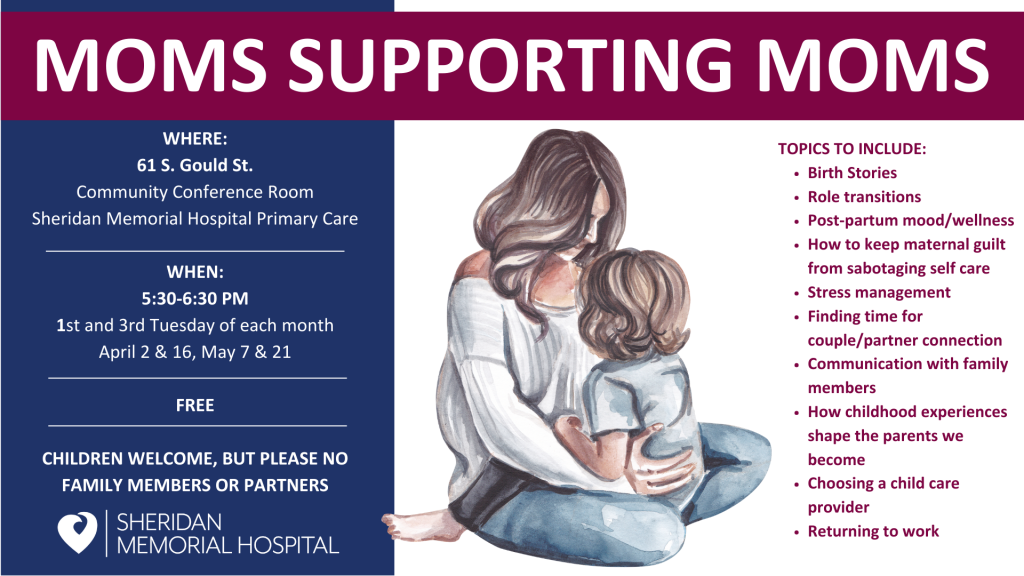
In order to support new mothers, Sheridan Memorial Hospital has partnered with other community entities to organize Moms Supporting Moms, a facilitated peer group. Topics discussed include birth stories, role transitions, how to keep maternal guilt from sabotaging self care, stress management, communication with family members, choosing child care providers and returning to work.

Moms Supporting Moms meets the first and third Tuesday of each month from 5:30-6:30 p.m. at Sheridan Memorial Hospital’s Primary Care community conference room, located at 61 S. Gould St.

How to attend

Pre-registration for the childbirth education classes is required. To sign up online for either class, go to sheridanhospital.org and search for “I’m having a baby.”  Once you sign up, an instructor will contact you via email before the class with instructions. Classes are free and recommended for parents expecting their first baby and as a refresher class for those parents expecting again. Both partners are encouraged to attend the classes, which are held in the Hospital’s Outpatient Center second floor conference room at 1333 W. Fifth St.

Learn more about our Women’s Health Department, take a video tour and sign-up for classes HERE, or by visiting https://www.sheridanhospital.org/medical-services/womens-health/im-having-baby/

Listen to what Dr. Emily Denny and Jazz Scott share about services available for new moms, including prenatal and lactation classes in a facilitated peer group.

Dr. Emily Denny and Jazz Scott discuss services available for new moms, including prenatal and lactation classes in a facilitated peer group.

Listen to what Dr. Emily Denny and Jazz Scott share about services available for new moms, including prenatal and lactation classes in a facilitated peer group.

Learn more about our Women’s Health Department, take a video tour and sign-up for classes HERE, or by visiting https://www.sheridanhospital.org/medical-services/womens-health/im-having-baby/

By Meghan Reinemer, RN – Diabetes Education Coordinator and Susan Kreager, RDN, LD, CDCES – Diabetes Education/Dietician Coordinator at Sheridan Memorial Hospital

Summer is officially here. Let’s check in with ourselves and do a refresh that can benefit all of us, regardless of our health history.

First, how much water are you drinking? How much should you be drinking? There are many factors to take into account: age, gender, activity level and energy expenditure. On average, men should drink 15.5 cups (3.7 liters) and women should drink 11.5 cups (2.7 liters) of water a day. This should increase with warmer temperatures and increased activity. Also, if you are someone who goes up to the mountains in the summer, our bodies lose water faster at higher elevations, so we need to drink more than we would in town.

If you don’t like water, you can always try iced tea, or having fruit infused water for a tasty treat. Drinks like Crystal Light, Mio or even Liquid IV are also options, just keep in mind, these products can have additives like sugar and salt.

Next, let’s talk about sleep. On average, adults need 7-9 hours of sleep each night. It’s not always about how much sleep you’re getting though, so also consider how restful your sleep is.

  • Be consistent about when you go to sleep and when you wake up, even on the weekends. (I know! It’s hard.)
  • Try and make where you sleep quiet, dark, relaxing and a comfortable temperature.
  • Removing electronic devices such as TVs, computers and smartphones from where you sleep boosts sleep hygiene. Try charging your phone on the other side of the room to encourage positive sleep hygiene or putting your TV on sleep mode so it shuts off once you are asleep.
  • Avoiding large meals, caffeine and alcohol before bed.
  • Get some exercise. Ensuring you are active during the day can help you fall asleep more easily at night. Even if you don’t have an exercise routine, just move your body more than you normally would.

Lastly, let’s talk about fruits and vegetables. Research shows that only one in 10 adults get enough fruits or vegetables daily. What is enough? Five servings of fruit and/or vegetables offer the best amount of fiber and health benefits. Some research suggests dietary fiber can protect against colorectal cancer as well as lower risk of cardiovascular disease. Fruits and vegetables are also excellent sources of antioxidants and phytochemicals, which protect against cancer and support gut health. Produce can be expensive, so try grabbing frozen fruit and make a smoothie. You can throw in some leafy greens and you’ve already have two servings of fruits and vegetables done for the day. Trying to eat more fruits and vegetables can also help us to make other healthy changes in our lives, like starting a garden or going to the farmers markets every week and making friends. Plus, they taste great!

If you are interested in meeting with a dietitian, please call your provider and ask for a referral. A dietitian can help troubleshoot the changes we all face, help with quality of life, and increase longevity. It’s still possible to make changes!

By Erik Smith, MD – physician at Sheridan Memorial Hospital’s Emergency Department

For whatever reason, there has been a surge in patients seeking care for dog and cat bite injuries in the emergency department over recent weeks. Maybe it is the weather. Maybe it is the solar eclipse. Perhaps there is an organized movement to expand the doggie swimming days at Kendrick Park. Regardless, many of these kind creatures are coming after the hands that feed them and inspiring this review of prevention and treatment for animal bites.

Not-so-nice doggie

Domestic animal bites can range from mild to severe, and can even be fatal. Here are a few alarming statistics:

  • 5 million dog bites are reported yearly in the U.S. (J Injury Epidemiology)
  • 43 U.S. deaths per year are attributed to dog attacks (CDC)
  • There are over 17,000 dog bite insurance claims yearly (Insurance Information Institute)
  • The average insurance claim for a dog bite is $64,000 (Forbes)

Dogs and cats tend to bite when they feel threatened, however playful bites and herding instincts can also play a role. Dog bites are reported more than cat bites, but cat bites have a much higher rate of infection. The closest body part to the threatened animal will be their target. For adults, arms and legs will most often receive the bite. For children and toddlers, unfortunately, this tends to be the face. Bites to the lower face can result in major soft tissue injury, requiring extensive repair efforts.

Prevention

If you are a pet owner, it is important to control what you are able to before a bite occurs. This includes keeping rabies vaccinations up-to-date, securing fencing and socializing your animals. If you are a parent or grandparent, teach your children to ask for permission when petting animals, avoid animals that are feeding, and to never take toys from them. Do not leave children, especially toddlers, unattended around animals. If chased or bitten by an aggressive dog, yell directly at them and make threatening motions to challenge them to retreat. A short stick or pole can be very effective in preventing a bite by an aggressive dog.

Breaking up dog fights is a very common cause of bites. This often results in multiple bites to several locations. It is difficult to watch fights without intervening, however, keeping hands out of the scrum can help prevent significant injury. A gloved hand or stick could offer valuable protection.

What to do if bitten

If bitten by another individual’s animal, attempt to verify rabies vaccination status. This will be helpful to medical staff in determining risk for the deadly disease. If this is a stray or runaway animal, involve animal control.

If bleeding occurs, hold pressure to the wound. Early rinsing with tap water and gentle soap is a very important step to avoiding infection.

Do I need to go to a clinic or Emergency Department?

Evaluation by medical staff is advised if there is anything beyond minimal penetration of the skin or any concern for rabies exposure.

Treatment typically involves five items:

  1. Infection prevention. The wound will be cleaned, irrigated and dressed. Antibiotics are often prescribed to prevent bacterial infection.
  2. Injury repair. The wound will be assessed for depth and severity. Many wounds benefit from some type of closure (surgical tape, sutures, etc). Fractures typically require immobilization. Very deep or complex wounds may require surgery or more aggressive antibiotic treatment.
  3. Rabies prevention. Rabies is a rare disease that is universally fatal (99%). If there is uncertainty regarding the biting animal’s vaccination status (and certainly if the animal has rabies), a human vaccination series is given. Fortunately, this is very effective at preventing any progression to rabies disease if given early after exposure.
  4. Tetanus prevention. Any open wound can be a source of Clostridium tetani infection, leading to tetanus disease. Booster shots for tetanus prevention are given every 10 years, however for wounds (such as animal bites), a booster is given if the most recent vaccination period is greater than 5 years.
  5. Assistance with documenting/reporting. Animal bites often require involvement of outside agencies for which clinical staff can assist. This includes formal documentation of the event and injury, animal control reporting for at-large animals or ongoing safety concerns, workers’ compensation documentation and state rabies testing assistance.

Hopefully the animals you share your house and neighborhood with are loving creatures that would never think of inflicting harm on anything but mice and dog toys. Chances are, however, at some point we all will end up too close to the business end of a scared or aggressive animal.

Learn more about our Emergency Department and services by following the link:  https://www.sheridanhospital.org/medical-services/emergency/

By Kelly Lieb, DMSc, PA-C – Director of Patient Experience at Sheridan Memorial Hospital

From a patient’s perception, patient experience is about connection at each interaction and the simplicity and ease of moving through a health care system or encounter.

When you think about your last visit to a hospital or health care facility, what stands out most to you? Do you remember the color of the patient gown? Or whether there were warm blankets and coffee? Do you remember how your care team treated you? Were you treated with courtesy and respect? Or did you feel like just another patient in the provider’s day?

As the patient experience director at Sheridan Memorial Hospital, I often find myself explaning that patient experience isn’t about hospitality – the warm blankets, coffee and treats. So what, as a patient, should you expect from your health care interactions?

Patient experience is about a partnership – one in which both the care team and the patient have responsibilities. The health care team is responsible for the patient’s experience and for every interaction they have during their stay. This entails every employee of a health care system listening to understand and following through on what they said they will do. It’s about welcoming patients into a facility when they may be experiencing fear or uncertainty. It’s about sharing intimate moments of life, death, illness, pain, trauma, cancer diagnoses, surgery, healing, growth and loss. It’s about the simple stuff — the basics — and doing them really well.

From a patient’s perception, patient experience is about connection at each interaction and the simplicity and ease of moving through a health care system or encounter. It’s about understanding a diagnosis, a medication or a care plan. It’s about communication, responsiveness, courtesy, respect and being treated as a unique human. It’s about trust.

Putting the responsibility for a patient’s experience in the hands of the health care system does not excuse patients from their own responsibilities, though. In order to ensure a positive experience, patients must be prepared to share their story completely, accurately and honestly. They must also ask questions of their health care professionals. Respect, too, goes both ways. Patients should expect courtesy and understanding , but that does not give those seeking care the ability to treat their health care team disrespectfully . For the health care partnership to succeed, both sides – patient and care team – must work together honestly, respectfully and transparently.

Patient experience isn’t a new priority in health care, but it is one that has taken on a larger role as consumers have more and more options for their care. When patients have a safe environment and the highest quality competent care, their expectations are met and exceeded. In addition, compassionate healthcare encounters are associated with shorter hospital stays, fewer readmissions, fewer medical errors and malpractice claims, as well as improved provider wellness and decreased burnout.

The Beryl Institute defined patient experience as “the sum of all interactions, shaped by an organization’s culture, that influence patient perceptions across the continuum of care.” As health care organizations around the country celebrate Patient Experience Week April 29 through May 3, consider your experiences and what stands out most to you.

Click HERE to listen to Kelly Lieb, DMSc, PA-C, and Teara Leibee, BSN, RN, talk about patient experience and patient responsibilities.

Listen to what Kelly Lieb, DMSc, PA-C, Director of Patient Experience, and Teara Leibee, BSN, RN, and Emergency Department/ICU Supervisor, share about themselves, the patient experience, and patient responsibilities. 

Click HERE to read Kelly’s article, “What is patient experience?”

By Emily Denney, DO – SMH Primary Care

When I arrived in Sheridan in January 2023, I quickly started seeing patients as a primary care physician. Fairly early on, I had several moms come into the office for evaluation. As I was looking for resources and support for them, I could not find a local group that provided support for postpartum women.

The women I met through my healthcare work were making it through, but wouldn’t it be lovely if there was a support circle of new or not-quite-new moms for them to talk with? The group could give them the opportunity to empathize, share experiences and feel seen. To me, such a group would provide a safety net as women enter or re-enter the world of caring for a new life.

The goal of the group initially centered around post-partum depression, but what I found among new mothers was a wide spectrum of anxiety, depression and overall stress.

Having a baby can be wonderful, but the physical and emotional changes it brings for a new mom, to marriage or partnership, and to other children in the home can be a lot. Then add in all of the other dynamics including financial stress, work stress, etc.

What our community needed was a circle of peers – women who could talk and make friends. In the process of exploring such a group, I was fortunate to find like-minded women in the community. They all agreed we needed such a group and offered to help develop a format and get the program started.

We have had several meetings since starting the new group in November.

We have talked about stress management, boundary setting, sleep and our birth experiences. Going forward, we plan to talk more about self-care, relationships with family and partners and how they change, returning to work, choosing a child care provider and how our own childhoods shape our parenting. We may have some guest lectures as well from community counselors, public health and others. Any and all topics are on the table as we go forward.

The experiences of the moms we have met so far have been wide and varied. There have been wonderful stories, inspirational stories and stories that made me want to cry. Several stories also allowed us to laugh.

What I have learned so far is that women are resilient and amazing, and my hope is that this group can support women to realize that as well. As I have participated in this group, I have reevaluated my own postpartum experiences in a new way, and found gems in the midst.

The free Moms Supporting Moms group will meet Wednesday, March 20, and then each first and third Tuesday of subsequent months at 5:30 p.m. at the Sheridan Memorial Hospital Primary Care community conference room.

Learn more about the hospital’s Moms Supporting Moms group at Moms Supporting Moms – Sheridan Memorial Hospital (sheridanhospital.org).

Each year, Sheridan County welcomes thousands of visitors, from families attending youth sporting events and tourists exploring the Bighorn Mountains to the passersby who spend a night in Sheridan on their way elsewhere. On occasion, those visitors encounter unexpected healthcare needs.
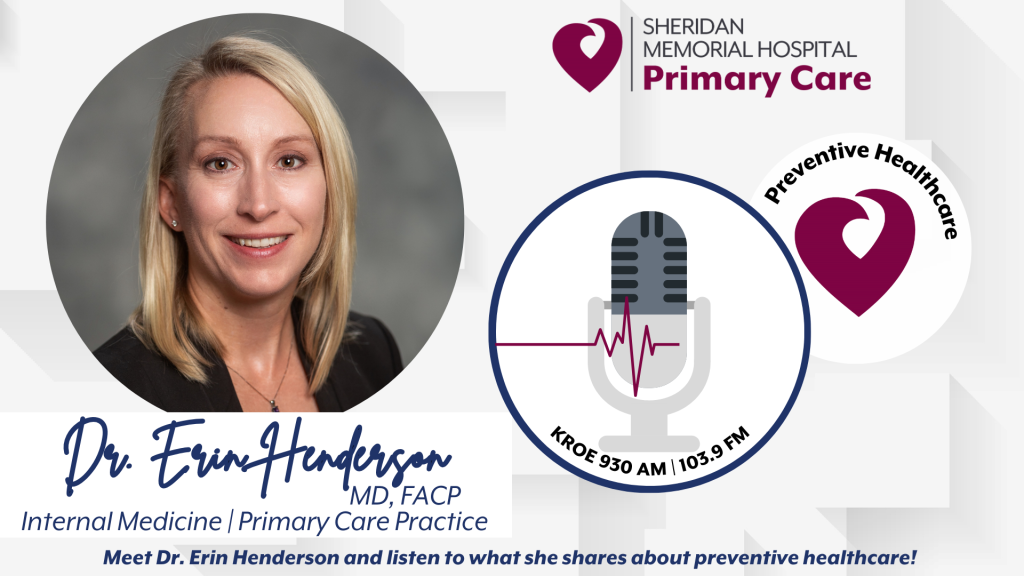
One such traveler, Bill Krieg, was driving home to California with a friend after visiting a ranch outside of Moorcroft. The friend’s wife had passed after a battle with breast cancer and the pair had driven east to the ranch to spread her ashes. Krieg and his friend had intended to make the road trip relatively quickly that October. Following the ceremony, they left Moorcroft and intended to spend the evening in Sheridan before continuing on their way.

“We had stopped for dinner in Sheridan and checked into the hotel about 6:30 p.m.,” Krieg said. “For about a week, I had a weird sensation in my abdomen. Kind of a dull feeling. I thought it was strange but dismissed it. By early evening, I was feeling nauseous and said to my friend that I had a feeling I’d be in the ER before the end of the night.”

Krieg was right. He tried to endure, but by about 12:30 a.m. his friend was taking him to the Emergency Department at Sheridan Memorial Hospital.

Upon arrival at SMH, care teams got to work assessing Krieg’s situation. They performed tests and scans, diagnosing Krieg with acute appendicitis. He would need surgery or face the possibility of his appendix rupturing.

By 6:30 a.m. that morning, Dr. Barry Mangus was in Krieg’s room introducing himself and talking Krieg through the surgery. That afternoon, Mangus performed an appendectomy. The surgery went well, and Krieg was on the mend.

“What stood out to me is that what was conveyed to me happened,” Krieg said of his experience at SMH. “I was not wondering. They didn’t overplay the situation. They were upfront and clear.”

In addition, Krieg said, the nursing care was extremely personable.

“The attention and how I was treated – I cannot commend enough the staff and the physicians who were assigned to me,” he said. “I couldn’t have asked for better care.”

Upon arrival at the hospital, Krieg had told the SMH care team that he was on a road trip, and that he and his friend wanted to get moving again as soon as possible. Dr. Mangus explained the risks, particularly of developing a blood clot due to sitting for extended periods of time post-surgery, but outlined a safe plan that would allow the duo to get back on the road and on their way to California.

By 6 p.m. that evening, about 16 hours after arriving at the SMH Emergency Department, Krieg had been discharged from the hospital and the next morning he continued the drive back to California.

Krieg has worked in the healthcare industry for 40 years, but he noted his experience in Sheridan far exceeded his expectations.

“I have gone through other surgeries elsewhere, and it was far more complex in terms of scheduling and processes,” he said. “The whole experience in Sheridan was extremely personal. You can tell they are all good, caring people who are not just doing their jobs, but being informative and communicative. It was pretty extraordinary.”

While few tourists visiting the Sheridan area expect to utilize the health care services provided by Sheridan Memorial Hospital, Krieg said visitors – and locals – are lucky to have such an exceptional hospital and care teams in the community.

Learn more about the hospital’s Emergency Department and Big Horn Surgical by visiting the respective links.

Meet Dr. Erin Henderson and listen to what she shares about
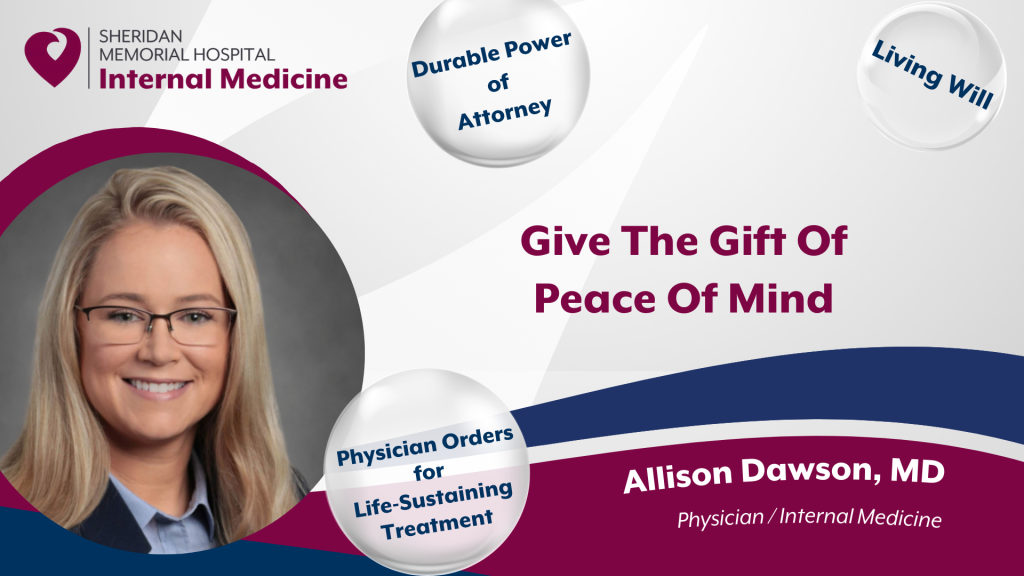
preventive healthcare and why it is essential to excellent health.

To learn more about Dr. Erin Henderson and Sheridan Memorial Hospital’s Primary Clinic, visit the respective links. To schedule an appointment with a Primary Care provider, call or text 307.675.2690.

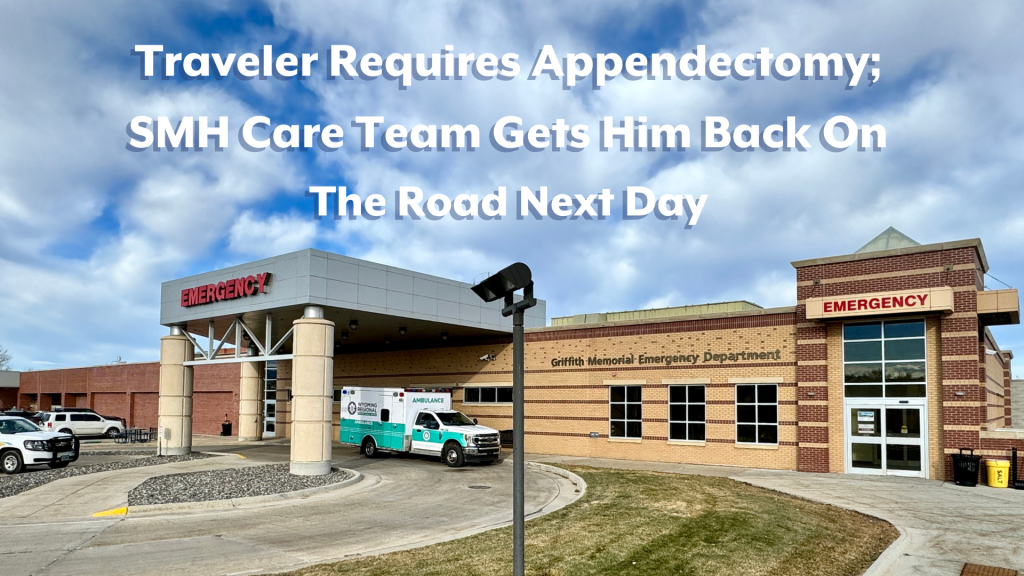
By Dr. Allison Dawson, internal medicine physician at Sheridan Memorial Hospital’s Internal Medicine Practice.

If you could provide comfort to your loved ones in a time of pain or sadness, would you? Making decisions about your own health care and medical decisions now, you can prevent your children, spouses or friends from having to make big decisions that cause uncertainty and stress.

Allowing for peace of mind is a gift not given often in life and it is often not thought of by healthy individuals who feel “old age” is still years away. But the gift is one you can give by preventing thoughts such as, “What would they want?” or “We never talked about it.” But at any age of adulthood, you can prepare this gift by simply filling out paperwork and having a few conversations.

Every person has different values and wishes in regards to their medical treatment. No decision is right or wrong, as they are unique to each individual. There are many ways to document your preferences. The documents I believe are the most helpful are a Durable Power of Attorney for Health Care (DPOA-HC), a Living Will and Physician Orders for Life-Sustaining Treatment (POLST).

DPOA-HC

This form allows you to designate who should make medical decisions if you are not able to speak for yourself. This should be a person you are close to, and someone with whom you have discussed your wishes. If you do not designate a specific person, there is a pathway that will be legally followed. In Wyoming this pathway is as follows:  a spouse (unless legally separated), an adult child, a parent, a grandparent, an older sibling then an adult grandchild. If this is not a reasonable decision maker pathway for you, a DPOA-HC is an important document.

For example, if your adult daughter is working as a climbing guide on Mt. Everest, she may not be a good option if you require medical decisions to be made in a timely manner. In this scenario, you may wish for your older sister, who happens to be a registered nurse and is knowledgeable about health care and your wishes, to make medical decisions on your behalf if you are unable.

Living will

This is one of the most commonly recognized forms of advanced directives. This is a document detailing specifics regarding medical treatments toward the end of life. One of the most common living wills you may have already heard of is known as “Five Wishes.” This format is written in plain language, and covers your personal, spiritual, medical and legal wishes.

POLST

This is a form that clarifies your wishes in regard to medical treatments, especially life-sustaining treatments, that are honored by health care professionals across settings, whether at home, in a hospital or an assisted living facility. This form includes preferences for attempts at resuscitation, medical interventions, artificial nutrition, medical conditions and patient goals. You may complete a POLST with a health care provider such as a physician, nurse practitioner or physician assistant. It is important to note, though, emergency medical services are legally required to attempt resuscitation unless they have access to your wishes. If it is your wish that EMS not attempt resuscitation, ID bracelets with your wishes can be worn to prevent medical treatment that is not aligned with your values.

While medical care toward the end of life can be stressful, there are things we can do now to make that process less painful for all involved.

I encourage you all to speak with your primary care provider about these documents and discuss them based on your individual health care needs.

Dr. Allison Dawson is a physician with the Internal Medicine team at Sheridan Memorial Hospital. She is trained in palliative care and hospice medicine. If you would like to make an appointment with Dr. Allison Dawson, call or text 307.675.2650.

While commercials often highlight allergy season by depicting an array of green grasses, flowers and pollen floating through the air, the timing of allergy season depends heavily on an individual’s specific sensitivity and can take place throughout the year.

For Sheridan resident, teacher and photographer Tim Doolin, allergy season centers primarily around the fall archery elk season.

“Starting in my mid-30s, I began to develop quite a number of seasonal allergies,” Doolin said. “As time elapsed, those allergies began to disrupt my way of life, causing me to wake up at all hours of the night, with my nose just streaming.”

Doolin said he realized his respiratory health was being affected by the allergies and decided to seek treatment.

He began his initial appointments in Billings, as he was unaware Sheridan Memorial Hospital offered allergy testing and treatments. Dr. Cheryl Varner’s team at SMH’s Ear, Nose and Throat Clinic administered the treatments regularly to allow Doolin to stay closer to home for his care. Eventually, Doolin opted to switch, putting the direction of his allergy treatments under Varner’s team at SMH.

“The relationship that I had developed with the office, Dr. Varner, and all of the nurses in Dr. Varner’s office was something that I didn’t want to disrupt or change,” Doolin said, adding that with the help of the SMH Ear, Nose and Throat Clinic, he petitioned Blue Cross Blue Shield to cover additional allergy testing. “I had that testing done recently with Dr. Varner‘s office and was quite impressed with how thorough and comprehensive the testing was. The tests done here at Sheridan Memorial Hospital were far more thorough and extensive than those I received initially through my treatment in Billings.”

“I have high hopes that this continued treatment with a more comprehensive and refined approach to the serums I will be receiving will actually improve my allergy response even more than the benefits I have already experienced,” Doolin added.

According to SMH’s Ear, Nose and Throat Clinic, an allergy is a condition in which the immune system reacts to something eaten or in the environment that doesn’t affect most other people. People often think of allergy symptoms as sneezing, runny nose, nasal stuffiness and itchy, watery eyes.

However, allergies can also cause symptoms such as postnasal drip, head congestion, frequent “colds,” recurring ear infections, hearing loss, dizziness, chronic cough and asthma. Even stomach and intestinal problems, skin rashes, chronic headaches and fatigue can be symptoms of an allergy.

Various treatments exist for those suffering from an allergy or multiple allergies. Avoiding the allergen is often a first step when possible, followed at times by medications and immunotherapy. Sheridan Memorial Hospital’s Ear, Nose and Throat Clinic works with each individual patient to develop an allergy testing and treatment plan.

Doolin said the staff at Sheridan Memorial Hospital treats patients with care and like an extended family.

“Every week throughout the year, there are quite a number of us who receive this allergy shot therapy, and without fail, the conversations revolve around grandchildren, children, holiday and summer plans, and life in general,” Doolin said. “It really is like a small knit little family and the community is quite positive and something I appreciate.”

To schedule an appointment with the Ear, Nose and Throat Clinic at Sheridan Memorial Hospital call 307.675.4646 or to learn more see sheridanhospital.org/medical-services/clinics/ear-nose-throat.

By Dr. Erin Henderson, internal medicine physician at Sheridan Memorial Hospital’s Primary Care Clinic

When is the last time you went to your doctor or primary care provider? Were you sick? Chances are you were seeking treatment for some sort of illness or injury, as data shows that less than 6 percent of Americans receive the recommended preventative services.

What are those preventative services?

There are a wide range of services you should check in with your health care provider about each year. These can include physician counseling on concerns like weight management, alcohol and tobacco use, blood pressure and cholesterol or screenings like mammograms, colonoscopies, pap smears, prostate screenings and immunizations.

Even if you’ve had a clean bill of health for years, it pays off to check in with your physician each year as it allows you to track your health over time.

Yearly visits mean you and your doctor can easily see changes in your health. Maybe your blood pressure is significantly higher one year. Or, perhaps you’ve lost a lot of weight without dieting. These can be signs of serious health issues. By conducting your annual wellness visit, your doctor can catch problems in their early stages, which is when they are usually easiest to treat.

Checking in with your provider once a year also allows you to share important health information. Whether this includes updates to any medications or supplements you’re taking or changes in your family medical history, all of the information can come in handy down the road for your health care team.

For example, if you only see your primary care provider when you’re sick, they have only seen you when your body needs treatment. It’s harder for physicians to treat illnesses if they only know your system when it’s under stress, ill, in pain, etc.

Seeing your physician regularly also allows you to build a relationship with the provider. This can help establish trust over years of care.

Most health insurance plans are required by federal law to cover a set of preventative services — like shots and screening tests — at no cost to you. While you should always check with your insurance company ahead of time, it’s likely your annual wellness visit and preventative screenings would be covered by your insurance plan.

As the new year begins, consider scheduling a wellness visit with your primary care provider. It never hurts to start the new year with a fresh conversation about your health!

To make an appointment with Dr. Henderson, call 307.675.2690. To learn more about the Hospital’s Primary Care team: https://www.sheridanhospital.org/medical-services/clinics/primary-care/.

Listen as Dr. Joshua Scott Highlights SMH’s 100th Robotic Surgery Milestone.

To learn more about Dr. Joshua Scott, the hospital’s Big Horn Surgical practice, and the Robotic-Assisted Surgery Program at Sheridan Memorial Hospital, visit the respective link or visit SheridanRoboticSurgery.com and Robotic-Assisted Surgery FAQs.

Listen to Dr. Jason Ackerman as he discusses Sheridan Memorial Hospital’s Addiction and Internal Medicine Clinic. Gain insights into alcohol use disorder, its prevalence, factors influencing alcohol addiction, available treatments, the feasibility of discontinuing alcohol consumption, and the potential for immediate improvement upon cessation. Explore these topics and more with Dr. Ackerman by clicking below.

Learn more at Sheridan Memorial Hospital Addiction and Internal Medicine Clinic or
call today for an appointment at 307.675.2674.

By David Nickerson, MD – Medical Director of Sheridan Memorial Hospital’s Urgent Care

While early this month, we all enjoyed the cooler temperatures of fall without all of the snow and ice, as Wyomingites we know the elements will be upon us soon.

With wintry weather comes an increased opportunity for injury. While some slips and falls may seem inevitable, there are ways to decrease your chances of falling and limit injury if you do catch that perfect patch of ice and lose your balance.

Wear proper footwear. While this bit of advice can help avoid injury throughout the year, in the winter months it becomes even more critical. Choose shoes with chunky treads or utilize removable traction footwear like Yaktrax or ice cleats.

Take small steps. Think like a penguin. You may feel silly, but when walking on packed ice or snow, small, shuffling steps can increase your balance and therefore decrease the risk of falling.

Keep your hands free. While we all want to make as few trips as possible to carry those groceries indoors, having your hands full of bulky or heavy items can both decrease your ability to balance and keep you from breaking your fall if you do slip. If you do fall and try to catch yourself, be sure to keep your knees and elbows bent to avoid any additional injuries from bracing your fall.

Be aware of your physical limitations. While those 6 inches of snow look pretty and fluffy from the comfort of your living room, it can wreak havoc on backs, shoulders and other muscles when on the end of a shovel. Take breaks and try to push the snow as much as you can rather than lift it.

Wear the proper gear. Whether protecting fingers from frigid temperatures with gloves or wearing a helmet to guard your face and head from a fall while skiing, make sure you have the proper gear no matter what the outdoor activity.

Be aware of problem areas.  Large parking lots with high traffic, areas near gutters, and inclined pavement or sidewalks are often surprisingly icy and are some of the most common locations of falls requiring medical attention.

Not all winter injuries are avoidable. After all, we never know what Mother Nature will throw at us. If you do sustain a winter-related injury, the degree of injury may determine where you seek medical treatment.

For example, if you suspect a broken bone or are in serious pain 24-48 hours after a fall, seek medical attention at an urgent care facility. Other common, minor injuries urgent care providers can diagnose and treat include sprains, scrapes and cuts that need stitches. If you’ve bumped your head, urgent care facilities can also evaluate for concussions.

For more severe injuries – for example if you are experiencing chest pain, trouble breathing, trouble speaking or understanding speech, severe bleeding or loss of consciousness – head straight to the emergency department for treatment.

While winter in the Mountain West offers plenty of opportunity for outdoor recreation, basic precautions can help you avoid some of the most common seasonal injuries.

To learn more about the hospital’s Urgent Care Clinic and Dr. Nickerson see: Urgent Care – Sheridan Memorial Hospital (sheridanhospital.org)

By Emily Denney, DO – SMH Primary Care

As a patient there is one question you should be asked every time you see a provider: “What medications are you taking?” Often what providers are really trying to learn is what prescriptions and over-the-counter (OTC) medications, supplements, vitamins, tinctures and herbals you are taking. This question and its answers are really a big deal.

Medication dosing errors, confusion due to medications with similar names as well as supplement use can be some of the leading causes of adverse events for patients. In this growing age of multispecialty care, patients visiting multiple facilities, increasing numbers of medications and OTC supplements, the question of “What are you taking?” becomes more and more important. Every year hundreds of thousands of adverse events occur because of medication errors. More specifically, according to the New England Journal of Medicine, it is estimated that more than 20,000 emergency department visits per year are attributed to adverse events related to dietary supplements. These visits result in more than 2,000 hospitalizations annually.

Some medications have similar names, but have different uses, and there are supplements for every medical condition. It is easy to get confused with medications because of similar names such as hydroxyzine, hydralazine, and hydrochlorothiazide (three medications with very different purposes). I have had patients who thought they were taking their blood pressure medication only to realize that they had been taking another medication entirely.

Supplements, in moderation, can be a healthy tool to augment prescribed medications and support long-term health. Particularly in situations where our diet can’t meet our nutritional needs. Supplements, while considered safe on their own, can have dangerous interactions and/or side effects with some medications. St. John’s Wort, for example, is a supplement used for mood disorders, but it can cause dangerous interactions with multiple cardiac medications and antidepressants. Even vitamin D, a supplement that is frequently encouraged by most providers (including me), can interact with blood pressure medications. And if you take thyroid medication, taking calcium, magnesium or iron within four hours can weaken it. Turmeric can increase the risk of bleeding with blood thinners. Milk thistle, if taken with insulin, can dangerously lower your blood sugar.

As far as vitamins — I always think of my grandmother. She would read magazines and order supplements that were advertised to cure whatever health issue she was concerned about that day. Along with many others, she once ordered a vitamin oxygen supplement. I am still not sure what this really was or where she found it. It is also important to know where you are getting your supplements from as they are not regulated by the Food and Drug Administration, so quality standards can vary. If you aren’t sure about a supplement, ask your pharmacist or contact your doctor.

So, what can you do to help prevent adverse effects of medications and supplements interacting?

As a patient, bring in an updated list of the medications and supplements you take, or just bring all your medications to your appointments. Knowing exactly what you take can help reduce these adverse events and help your doctor provide the best care possible.

Dr. Emily Denney is a physician with Sheridan Memorial Hospital Primary Care. Prior to working in Sheridan, Denney worked in primary care for more than five years in rural Montana.

To learn more about the hospital’s Primary Care Clinic and Dr. Denney see: https://www.sheridanhospital.org/medical-services/clinics/primary-care/

UPDATE 03/20/2024: The free Moms Supporting Moms group will meet Wednesday, March 20, and then each first and third Tuesday of subsequent months at 5:30 p.m. at the Sheridan Memorial Hospital Primary Care community conference room.

Healthcare providers at Sheridan Memorial Hospital and its clinics often hear from patients about the emotional and physical challenges mothers and families experience after welcoming a new child.

Bringing home a new baby often brings joy, and sometimes new parents also experience feelings such as anxiety, sadness and being overwhelmed. These feelings can be isolating and difficult to manage.

In order to support new mothers, Sheridan Memorial Hospital has partnered with other community entities to organize Moms Supporting Moms, a facilitated peer group that will meet the first and third Wednesday of each month from 5:30-6:30 p.m. at Sheridan Memorial Hospital’s Primary Care community conference room, located at 61 S. Gould St. The first meeting will be Nov. 15.

This group aims to empower new mothers and improve understanding of all the feelings that accompany welcoming a new child. Facilitators will offer new ways of coping, effective discussion, sharing of experiences and an opportunity to meet other new moms.

Topics the group plans to cover include birth stories; role transitions; postpartum mood and wellness; how to keep maternal guilt from sabotaging self-care; stress management; finding time for couple/partner connection; communication with family members; how childhood experiences shape the parents we become; choosing a child care provider; returning to work; and more.

Children are welcome, but organizers ask that no family members or partners attend the Moms Supporting Moms group.

There is no fee to participate.

Partners for the Moms Supporting Moms group include Sheridan Memorial Hospital, Willow Creek Counseling and Sheridan County Public Health.

To learn more about the new Moms Supporting Moms facilitated peer group, call
Sheridan Memorial Hospital Primary Care at 307.675.2690.

Thanks to the generous legacy gift from the Lorraine S. Husman Trust, the Sheridan Memorial Hospital Foundation Board approved $425,700 to fund a new Nuclear Medicine Camera for Sheridan Memorial Hospital.

What is a nuclear medicine camera?

A nuclear medicine camera is a device that uses a special gamma camera and a computer to create images of tissues, bones, and organs to help detect abnormalities or diseases inside the body. The Nuclear Med Camera is used to care for more than 700 patients every year for heart studies, bone scans, and other organ function tests.

Leaving a Legacy: The Lorraine S. Husman Trust

The original gift from The Lorraine S. Husman Trust in 2012 helped create the Cath Lab and continues to support dialysis, cardiac care, and other areas of greatest need at Sheridan Memorial Hospital. Lorraine and her three siblings focused on giving back to the community and ensuring people have access to the best healthcare possible. “No amount of money can replace your health” is something Lorraine would often say in conversation. All three appreciated the care that doctors and medicine provided, especially in their later lives. They all lived long and – by every measure – successful lives. Certainly, through thoughtful planning and preparation of this gift, they hoped the same for others.

The tradition of healthcare philanthropy helps to ensure the technology and equipment necessary is available for our expert physicians and care teams, which allows them to provide excellent patient care for our community. The Sheridan Memorial Hospital Foundation is grateful for Lorraine’s generous gift that made the purchase of this equipment possible.

If you would be interested in learning more about a planned gift for the future or making a charitable contribution to your hospital, don’t hesitate to contact the Sheridan Memorial Hospital Foundation at 307.673.2418.

To get the most up-to-date Foundation information and learn more about gift opportunities, visit sheridanhospital.org/foundation.

Saturday, October 21st, the Sheridan Memorial Hospital Foundation hosted The Link – Partners in Pink, its 15th annual run/walk to raise awareness and funding for cancer care and healing in our community. During the beautiful fall day, more than 500 participants, volunteers, and cancer survivors were in attendance at Whitney Commons Park wearing their pink and infectious smiles to support this event and the fight against all cancers.

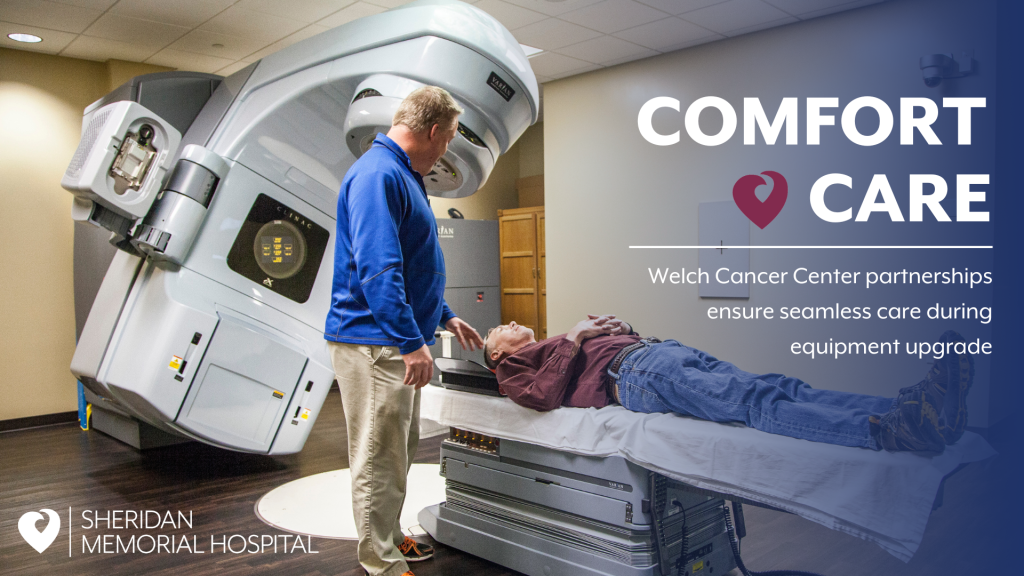
The event proceeds of over $55,000 will support the Comfort Care Program at Sheridan Memorial Hospital’s Welch Cancer Center (WCC). The program at the WCC is overseen by the Director of Continuous Improvement – Tommi Ritterbusch. With the help of Tommi and her team, funds are made available to cancer patients facing all cancer types and help provide them with the most comfortable experience during their cancer journey. “No cancer journey is the same, but these funds and the incredible teams within our organization and WCC are here to ensure that each patient is supported throughout their diagnosis,” shares Chief Development Officer Cody Sinclair.

Every year there are amazing partners for the Link Partners in Pink. Shelley Kinnison and her Born in a Barn (BIAB) team donated $13,000 to The Foundation’s efforts through the mimosas sold at their annual BIAB weekend this year. Thanks to the sharing of their “why” and passion for this project, BIAB has contributed $35,000 to comfort care and the efforts of the WCC and their comfort care funds.

Another great example is The Sheridan Hawks Jr. Hockey Club, which hosts a “Hawks Hockey Fights Cancer” weekend, which includes puck drops from survivors and their annual Jersey Auction with special cancer awareness jerseys. We appreciate their efforts not only during this weekend but also when the entire team walks a Virtual Race together during their away weekend, donning their Pink Shirts & raising awareness for the cause, and becoming invested in the community they temporarily call home.

The Link-Partners in Pink volunteers & Foundation Staff thank all those who participated, sponsored, made a donation, and volunteered their time. Major sponsors of this year’s event include Ebzery Family Foundation, First Federal Bank & Trust, First Interstate Bank, Century 21, BHJ Realty, Intermountain Health – St. Vincent’s, Kennon Products, Only Co., Powder River Heating & AC, and Range. Thanks to our caring supporters, participants, and sponsors, cancer education and prevention resources are now more accessible to our community.

For more information about the WCC’s Patient Comfort Care, please contact The Foundation at 307.673.2418 or the Welch Cancer Center directly at 307.674.6022.