Welcome to Sheridan Memorial Hospital
1401 West 5th St. Sheridan, WY — 307.672.1000

Health and Wellness

The Sheridan Memorial Hospital (SMH) Foundation
When it comes to running, efficient movement and injury prevention matter just as much as wearing a good pair of sneakers. Common running mistakes—
Primary care is not a specific specialty, but rather a style of medical practice with a focus on addressing a majority of personal health care needs, through
When families or individuals struggle to afford food for the next meal, it becomes difficult to focus on
Sheridan Memorial Hospital’s Wyoming Rehab physical therapists, Justin Bridger and Lindsay
At Sheridan Green House, Sheridan Memorial Hospital’s long-term care facility, staff provide
When deciding to make healthy changes it can be hard to know where to start. While there are a variety of eating patterns individuals can use to
As we age, it becomes increasingly important to engage in regular physical and mental activities. Regular exercise and physical activity can help us
January through March usually marks the worst of cold and flu season in our community. Common viruses during this time are influenza, RSV, COVID-19

If you’re experiencing abnormal uterine bleeding or other gynecological concerns, your provider may recommend a hysteroscopy. This minimally invasive procedure allows your OB/GYN to look inside your uterus, diagnose problems, and in some cases, perform treatment during the same visit.

At Sheridan Memorial Hospital Women’s Clinic, our women’s health experts use hysteroscopy to provide accurate diagnoses and effective treatment with minimal downtime.

What is a hysteroscopy?

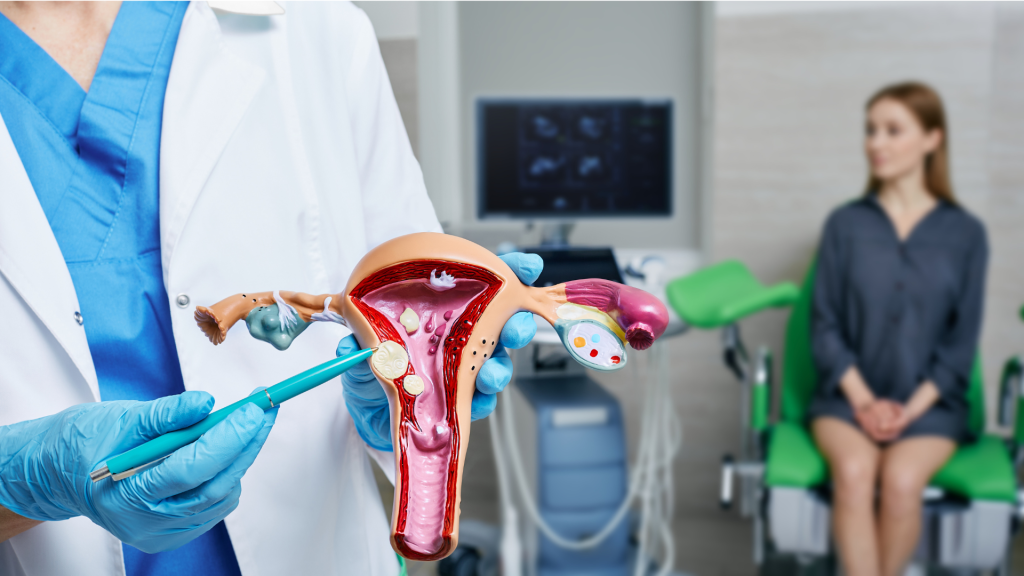
A hysteroscopy is a gynecological procedure that uses a thin, flexible tube called a hysteroscope. The device has a light and camera that transmit images to a screen, allowing your provider to clearly evaluate the uterus.

There are two main types of hysteroscopy:

  • Diagnostic hysteroscopy – Used to examine the uterus and identify causes of abnormal bleeding, infertility, or other issues.
  • Operative hysteroscopy – Combines diagnosis and treatment. Your provider may remove fibroids or polyps, perform an endometrial ablation, or locate an intrauterine device (IUD).

Why might I need a hysteroscopy?

Your provider may recommend a hysteroscopy to:

  • Identify the cause of abnormal or heavy bleeding
  • Evaluate recurrent miscarriages during an infertility workup
  • Locate or remove an intrauterine device (IUD)
  • Treat fibroids, polyps, or other uterine abnormalities

What happens during a hysteroscopy?

The details of your procedure depend on whether it is diagnostic or operative. In general, you can expect:

  1. Sedation or anesthesia to help you relax
  2. Cervical dilation using medication or a device
  3. Insertion of a speculum and then the hysteroscope
  4. Filling the uterus with fluid to improve visibility
  5. Examination and, if planned, treatment of any abnormalities

Recovery after a hysteroscopy

Most patients go home the same day. You may experience:

  • Mild cramping
  • Bloating
  • Light spotting

Your provider may recommend avoiding sexual activity or strenuous exercise for up to two weeks while you heal.

Take the next step

A hysteroscopy is a safe, effective procedure that can both diagnose and treat common gynecological conditions with minimal downtime.

Call Sheridan Memorial Hospital Women’s Clinic today to schedule an appointment and learn whether hysteroscopy is right for you.

When it comes to birth control, women have more choices than ever. At Sheridan Memorial Hospital Women’s Clinic, our OB/GYN specialists provide personalized contraception counseling to help you select the method that best fits your health, lifestyle, and family planning goals.

What is birth control?

Birth control — also called contraception — refers to any method, device, or medication used to prevent pregnancy. Beyond pregnancy prevention, some birth control methods can also help regulate periods, reduce menstrual cramps, or treat conditions like endometriosis.

Types of birth control

We offer a wide range of options, including:

  • Birth control pills – Daily oral medication containing estrogen and/or progestins to prevent ovulation, and just like the patch can be used to help regulate cycles and treat other gynecologic conditions
  • Intrauterine devices (IUDs): Long-acting, reversible contraception placed in the uterus. Options include hormonal and non-hormonal (copper) IUDs, effective for up to 10 years.
  • Nexplanon® implant: A small, hormone-releasing device inserted under the skin of the arm, effective for up to 3 years.
  • Birth control patch: Worn on the skin, releases hormones to prevent ovulation. Also used to help regulate cycles and reduce painful periods.
  • Vaginal ring: A flexible, hormone-releasing device placed in the vagina and replaced monthly.
  • Diaphragm: A dome-shaped barrier device placed over the cervix to block sperm. Our providers offer professional fittings to ensure proper placement.
  • Condoms: A barrier method that prevents pregnancy and also protects against sexually transmitted infections (STIs), including HIV.
  • Tubal ligation: A permanent surgical option in which the fallopian tubes are blocked to prevent pregnancy.

Choosing the right method

The best birth control method depends on factors such as your age, health history, lifestyle, and whether you plan to have children in the future. During your visit, our providers will:

  • Review your medical history and preferences
  • Discuss the pros and cons of each method
  • Provide prescriptions or perform in-office procedures as needed
  • Offer STD testing and prevention counseling when appropriate

Take the next step

Whether you’re looking for short-term contraception, a long-lasting reversible option, or permanent birth control, our women’s health experts are here to guide you.

Call Sheridan Memorial Hospital Women’s Clinic today to schedule a consultation and explore your birth control options.

Polycystic ovary syndrome (PCOS) is one of the most common hormonal disorders, affecting 5–10% of women of childbearing age. PCOS impacts ovulation, fertility, and overall health—but with the right care, symptoms can be managed effectively.

At Sheridan Memorial Hospital Women’s Clinic, our women’s health specialists diagnose and provide personalized treatment plans to help you take control of PCOS and improve your quality of life.

What is PCOS?

PCOS is a hormonal imbalance that affects how the ovaries function. Women with PCOS often produce higher-than-normal levels of androgens (male hormones), which can disrupt ovulation and cause a wide range of symptoms.

Symptoms of PCOS

PCOS symptoms vary, but common signs include:

  • Irregular or absent periods
  • Excess hair growth on the face, chin, or body (hirsutism)
  • Weight gain and difficulty losing weight
  • Acne or oily skin
  • Hair thinning or male-pattern baldness

Importantly, PCOS is a leading cause of infertility due to irregular ovulation.

How PCOS is diagnosed

Diagnosis begins with a full medical history, physical exam, and pelvic exam. Your provider may also:

  • Order blood tests to check hormone levels
  • Perform a pelvic ultrasound
  • Discuss menstrual history
  • Review family history, since PCOS often has a genetic link

PCOS treatment options

There is no cure for PCOS, but symptoms can be managed and fertility often restored with the right care. Treatment is customized based on your goals, such as improving symptoms, regulating cycles, or achieving pregnancy.

Lifestyle support

  • Weight management through healthy diet and regular exercise
  • Blood sugar management to reduce insulin resistance

Medications

  • Birth control pills to regulate menstrual cycles and improve acne
  • Fertility medications to stimulate ovulation
  • Metformin to improve insulin sensitivity

Fertility support

If pregnancy is your goal and medications aren’t effective, advanced options like in vitro fertilization (IVF) may be recommended.

Cycle regulation with hormones

Management of hair growth, hair loss and acne

PCOS also affects metabolism, increasing the risk of:

  • Weight gain or difficulty losing weight
  • Insulin resistance
  • Type 2 diabetes

Take the next step

PCOS is a common condition—but it doesn’t have to control your health or your future. With early diagnosis and a personalized treatment plan, many women successfully manage symptoms and achieve healthy pregnancies.

If you’re struggling with PCOS symptoms or infertility, call Sheridan Memorial Hospital Women’s Clinic today to schedule an appointment.

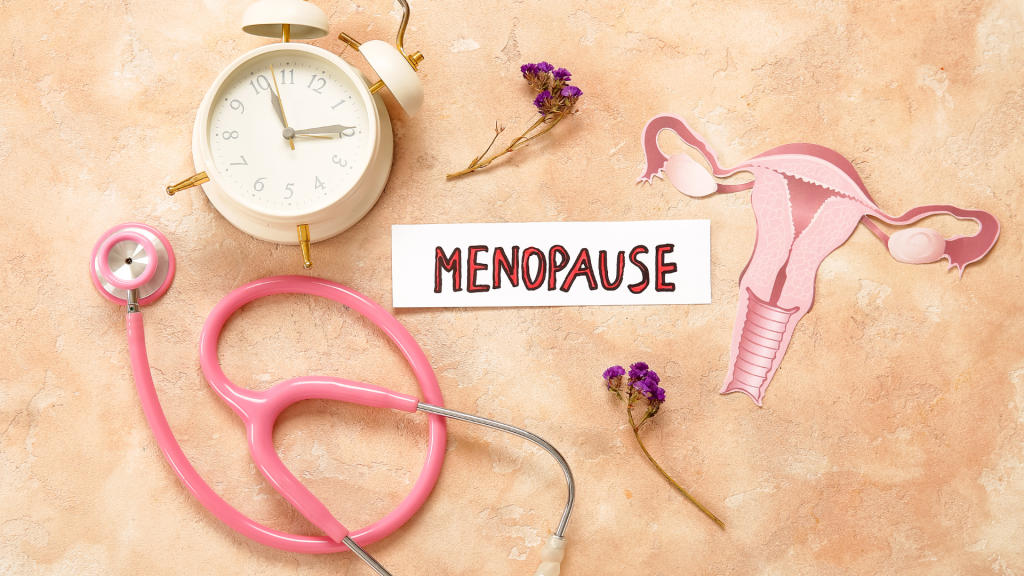
Menopause is a natural life stage that marks the end of a woman’s fertility. While it is normal, the hormonal changes that occur during perimenopause and menopause can cause disruptive symptoms that affect quality of life.

At Sheridan Memorial Hospital Women’s Clinic, our women’s health specialists provide compassionate, patient-centered care to help you manage symptoms and protect your long-term health.

What is menopause?

Menopause occurs when your ovaries reduce production of estrogen and progesterone—the hormones that regulate your menstrual cycle—and you have gone 12 consecutive months without a period.

Most women naturally reach menopause between ages 45 and 55. However, the transition happens gradually, beginning with a stage called perimenopause.

What is perimenopause?

Perimenopause can last months or even years before menopause. During this time, hormone levels fluctuate, often causing:

  • Worsening PMS (most common first symptom)
  • Brain fog
  • Irregular or skipped periods
  • Heavier or lighter bleeding than usual
  • Symptoms associated with menopause, such as hot flashes or sleep disturbances

A gap of 60 days or more between periods may signal that you are approaching menopause.

Symptoms of menopause and perimenopause

Symptoms vary in severity and duration, but common ones include:

  • Hot flashes and night sweats
  • Difficulty sleeping or insomnia
  • Memory issues or forgetfulness
  • Mood swings or irritability
  • Vaginal dryness
  • Low libido
  • Joint and muscle aches and pains
  • Dysuria (painful urination)

After reaching postmenopause, many symptoms gradually improve, but low estrogen levels increase the risk of conditions such as osteoporosis.

Treatment options for menopause

Our team develops personalized treatment plans based on your symptoms, health history, and preferences. Options may include:

  • Menopause hormone therapy or hormone replacement therapy
  • Vaginal hormonal therapy
  • Non-hormonal medications
  • Low-dose antidepressants
  • Lifestyle support

We carefully monitor your health before, during, and after menopause, adjusting treatment as your needs change.

Take the next step

Menopause is a natural transition, but you don’t have to navigate it alone. At Sheridan Memorial Hospital Women’s Clinic, we provide expert care and support to help you feel your best through every stage of this journey.

Call today to schedule an appointment and discuss your menopause treatment options.

Uterine fibroids are one of the most common gynecological conditions. While these growths are usually non-cancerous, they can cause a wide range of disruptive symptoms for many women.

At Sheridan Memorial Hospital Women’s Clinic, our women’s health specialists provide expert diagnosis and treatment for fibroids—helping you find relief and improve your quality of life.

What are fibroids?

Fibroids are benign (non-cancerous) tumors that grow in the uterus. They can vary widely in size, number and location.

Risk factors for fibroids include:

  • Family history of fibroids
  • Age (more common after 40)
  • Obesity
  • High blood pressure
  • Never having been pregnant
  • Being a woman of color (higher likelihood of developing multiple or more severe fibroids)

Symptoms of fibroids

Many women with fibroids experience no symptoms and may only learn about them during a routine well-woman exam.

When symptoms do occur, they may include:

  • Heavy or prolonged menstrual bleeding
  • Pelvic pain or cramping
  • Pelvic pressure or fullness
  • Urinary frequency or incontinence

Symptoms often worsen during menstrual cycles due to hormonal fluctuations. If fibroids interfere with your daily activities, it’s important to seek evaluation.

Diagnosing fibroids

Your provider may suspect fibroids after a pelvic exam. To confirm the diagnosis and better understand their size and location, additional imaging tests may include:

  • Ultrasound
  • MRI

These tests help guide the most effective treatment plan for your needs.

Treatment options for fibroids

Treatment depends on the severity of your symptoms, your health, and your family planning goals. Options may include:

Medications

  • Hormonal birth control – helps regulate cycles and control bleeding
  • GnRH agonists – shrink fibroids and ease symptoms

Minimally invasive & surgical treatments

  • MyoSure® – a minimally invasive procedure that removes fibroids while preserving the uterus
  • Myomectomy – surgical removal of fibroids while keeping the uterus intact
  • Hysterectomy – removal of the uterus, typically recommended for women with severe fibroid complications who do not wish to have future pregnancies

Take the next step

Fibroids are common—but you don’t have to live with the discomfort they cause. The women’s health team at Sheridan Memorial Hospital Women’s Clinic offers personalized treatment options to help you take control of your health and restore comfort.

Call today to schedule your fibroid consultation.

Urinary incontinence — the involuntary loss of bladder control—affects up to 45% of women at some point in their lives. For some, it’s a mild inconvenience; for others, it can be deeply disruptive and limit daily activities.

At Sheridan Memorial Hospital Women’s Clinic, our team offers compassionate, effective treatments to help you regain confidence and improve your quality of life.

What is urinary incontinence?

Urinary incontinence occurs when your bladder muscles or nerves don’t work together properly, leading to urine leakage. The condition can range from occasional drips during activity to sudden, strong urges that make it difficult to reach the bathroom in time.

Types of urinary incontinence in women

Understanding your type of incontinence helps guide treatment:

  • Stress incontinence – Leakage occurs with physical activity that puts pressure on the bladder, such as coughing, laughing, sneezing, exercising, or lifting heavy objects.
  • Urgency incontinence (overactive bladder) – A sudden, overwhelming urge to urinate followed by involuntary leakage.
  • Mixed incontinence – A combination of stress and urgency incontinence.
  • Overflow incontinence – The bladder doesn’t empty completely, causing leakage or dribbling.
  • Transient incontinence – Short-term incontinence caused by medications, infections, or temporary health conditions.

When to see a doctor

Even small amounts of leakage are worth discussing with your provider. Urinary incontinence is not an inevitable part of aging — and treatments are available. Schedule an appointment if you:

  • Leak urine during exercise, laughing, or sneezing
  • Frequently feel a strong urge to urinate
  • Avoid activities or social events due to fear of accidents
  • Wake up multiple times at night to urinate

Treatment options for urinary incontinence

Your provider will create a personalized treatment plan based on the type of incontinence, its severity, and your overall health. Options may include:

Lifestyle and behavioral therapies

  • Bladder training and timed bathroom breaks
  • Limiting caffeine, alcohol, or evening fluid intake
  • Pelvic floor strengthening exercises (Kegels)

Medical treatments

  • Prescription medications to calm overactive bladder
  • Vaginal devices (pessaries) for support

Surgical options

If conservative care doesn’t provide enough relief, procedures may be recommended:

  • Sling procedure: A strip of tissue or synthetic mesh supports the urethra to prevent leaks.
  • Bulking agents: Injections near the urinary sphincter help thicken tissue and reduce leakage.

Take back control

You don’t have to live with bladder leakage. Our women’s health specialists at Sheridan Memorial Hospital Women’s Clinic provide discreet, effective care for urinary incontinence.

Call today to schedule your appointment and take the first step toward lasting relief.

About 1 in 10 women of childbearing age experience infertility. Struggling to conceive can feel overwhelming, but infertility does not mean you cannot become pregnant. With the right diagnosis and treatment, many women are able to achieve their dream of starting or growing their family.

At Sheridan Memorial Hospital Women’s Clinic, our compassionate team specializes in identifying the causes of infertility and providing effective treatment options tailored to your needs.

What is infertility?

Infertility is defined as:

  • Inability to get pregnant after one year of trying (if under 35)
  • Inability to get pregnant after six months of trying (if 35 or older)

Infertility can affect either partner. While many women assume infertility is solely a female issue, male factors account for nearly half of all cases. That’s why a thorough evaluation is important for both partners.

Causes of infertility in women

Infertility may result from a variety of conditions, including:

  • Ovulation disorders – The most common cause of infertility. Conditions such as polycystic ovary syndrome (PCOS), hypothalamic dysfunction, or premature ovarian insufficiency (POI) can disrupt ovulation.
  • Fallopian tube damage or blockage – Caused by pelvic inflammatory disease (PID), scar tissue from endometriosis, or prior pelvic surgery. This prevents the egg from traveling to the uterus.
  • Uterine dysfunction – Fibroids or endometriosis may alter the structure of the uterus, interfering with implantation or pregnancy.
  • Age-related infertility/menopause – Natural decline in ovarian function, which can happen at any age, ends fertility permanently.

What to expect during an infertility evaluation

Your fertility evaluation at Sheridan Memorial Hospital Women’s Clinic includes a thorough history, physical exam, and diagnostic testing to determine the cause. Depending on your symptoms and needs, tests may include:

  • Ovulation assessment – Blood tests, ultrasound, or at-home ovulation kits
  • Hysterosalpingogram (HSG): An X-ray test that evaluates whether your fallopian tubes are open
  • Laparoscopy: A minimally invasive procedure to look for pelvic scarring, endometriosis, or blockages
  • Ultrasound

This comprehensive approach helps your provider identify whether infertility is related to ovulation, fallopian tubes, uterine structure, or other factors.

Infertility treatment options

Once the cause is identified, our team develops a personalized treatment plan that may include:

  • Medication – To stimulate ovulation and regulate cycles
  • Surgery – To repair blocked fallopian tubes, remove fibroids, or treat endometriosis
  • Reproductive assistance – Options such as intrauterine insemination (IUI) or referral for advanced fertility treatments (like IVF) when appropriate

Compassionate support on your fertility journey

We understand that infertility can be emotionally challenging. Our team is here to provide medical expertise, emotional support and personalized care every step of the way.

If you’re struggling to conceive, call Sheridan Memorial Hospital Women’s Clinic today to schedule your fertility evaluation.

Sexually transmitted diseases (STDs), also called sexually transmitted infections (STIs), are very common. The Centers for Disease Control and Prevention (CDC) estimates there are over 20 million new cases every year in the U.S.

At Sheridan Memorial Hospital Women’s Clinic, our team provides confidential, accurate STD testing and treatment. We help you protect your health, reduce the risk of spreading infections, and get relief from uncomfortable symptoms.

Why STD testing matters

Many STDs cause few or no symptoms at first, which means you may not know you have one. Untreated infections can lead to:

  • Fertility problems
  • Pelvic inflammatory disease (PID)
  • Chronic pelvic pain
  • Increased risk of HIV transmission

Regular STD screening is one of the best steps you can take to protect your long-term health.

Common STDs we test for

We offer comprehensive testing for a wide range of infections, including:

  • Chlamydia
  • Gonorrhea
  • Herpes (genital or oral)
  • Human papillomavirus (HPV) / Genital warts
  • Syphilis
  • Trichomoniasis
  • Hepatitis B
  • HIV (recommended at least every 6–12 months if you are sexually active or at higher risk)

STD testing may also be included as part of your annual well-woman exam, but more frequent testing is recommended if you have new or multiple partners, or believe you’ve been exposed.

How STD testing works

Testing methods depend on the infection being checked. Common tests include:

  • Blood test (finger prick or blood draw)
  • Urine sample
  • Swab of the mouth, cervix, urethra, anus, or any discharge/sores

Your provider will explain which tests are appropriate based on your symptoms, medical history, and risk factors.

STD treatment options

Treatment depends on the type of infection:

  • Bacterial STDs (like chlamydia, gonorrhea, or syphilis) – usually treated with antibiotics
  • Viral STDs (like herpes or hepatitis B) – managed with antiviral medications and symptom control
  • HIV – while there is no cure, modern treatments can help you live a long, healthy life

If you test positive, your provider will create a personalized care plan and discuss next steps. We will also guide you in talking with sexual partners so they can be tested and treated if necessary.

Protecting your health

The best way to protect yourself is through regular testing, safer sex practices, and open communication with partners. If you experience symptoms—or think you may have been exposed — don’t wait.

Call Sheridan Memorial Hospital Women’s Clinic today to schedule confidential STD testing and take charge of your sexual health.

Pelvic pain that happens regularly can disrupt your daily life and may signal an underlying gynecological condition. Whether the pain is constant, comes and goes, or appears only during certain activities — such as sexual intercourse, exercise or using the bathroom — it deserves evaluation.

Our women’s health team provides thorough evaluation, diagnosis, and treatment to help you find relief and protect your long-term health.

What is pelvic pain?

Pelvic pain is discomfort felt in the lower abdomen — below the belly button — where muscles, connective tissue and nerves support key organs, including:

  • Female reproductive organs (uterus, ovaries, fallopian tubes)
  • Urinary organs (bladder, urethra)
  • Parts of the digestive tract (large intestine, rectum)

Depending on the cause, pelvic pain may feel:

  • Dull or achy
  • Sharp or stabbing
  • Constant or intermittent
  • Radiating to the back, buttocks, or thighs

It can also be accompanied by other symptoms such as:

  • Heavy or irregular vaginal bleeding
  • Bloating, constipation, or diarrhea
  • Pain during sex
  • Fever or signs of infection

Causes of pelvic pain

Pelvic pain may occur with ovulation or menstruation, but it can also indicate an underlying condition affecting the reproductive or urinary system. Common gynecologic causes include:

  • Endometriosis
  • Pelvic inflammatory disease (PID)
  • Ovarian cysts
  • Uterine fibroids
  • Sexually transmitted infections (STIs)
  • Ectopic pregnancy or miscarriage

Other non-gynecological causes may include kidney stones, irritable bowel syndrome (IBS), or appendicitis.

If pelvic pain starts suddenly and is severe, seek medical care immediately.

Treatment options for pelvic pain

Treatment depends on the cause of your symptoms. Options may include:

  • Medications – such as antibiotics for infections, hormonal therapies (e.g., birth control pills), or pain management
  • Minimally invasive surgery – to treat ovarian cysts, fibroids, or endometriosis
  • Pelvic floor therapy – exercises and rehabilitation to strengthen muscles and relieve discomfort
  • Lifestyle support – stress management, dietary adjustments, and exercise recommendations

Take the next step

You don’t need to live with ongoing pelvic pain. Our women’s health specialists can help find the cause and recommend effective treatment options tailored to your needs.

If you’re experiencing pelvic pain that interferes with your life, schedule an appointment today.

Bleeding after menopause

Menopause is officially confirmed 12 months after your last menstrual period. Any vaginal bleeding or spotting that happens after this point is called postmenopausal bleeding (PMB) — and it’s not considered normal.

While the cause is often minor and treatable, postmenopausal bleeding can sometimes be an early sign of a more serious condition. That’s why it’s important to have it checked by a healthcare provider right away.

What causes bleeding after menopause?

In most cases, postmenopausal bleeding is linked to non-cancerous or easily treatable conditions. Common causes include:

  • Vaginal atrophy (atrophic vaginitis): thinning and inflammation of the vaginal lining after menopause
  • Endometrial atrophy: thinning of the uterine lining
  • Polyps: small, usually benign growths in the uterus or cervix
  • Endometrial hyperplasia: thickening of the uterine lining
  • Cervical or uterine changes: abnormalities that may require further evaluation

Most of these conditions are not serious. However, in about 10% of cases, postmenopausal bleeding can be linked to uterine or cervical cancer. Early detection greatly improves treatment outcomes, so evaluation is essential.

How doctors diagnose postmenopausal bleeding

If you experience bleeding after menopause, your doctor may refer you to a gynecologist for further evaluation. Depending on your history and symptoms, your provider may recommend:

  • Pelvic exam and cervical screening (Pap test): to check for abnormalities in the cervix or uterus
  • Blood tests: to check hormone levels, anemia, or other conditions
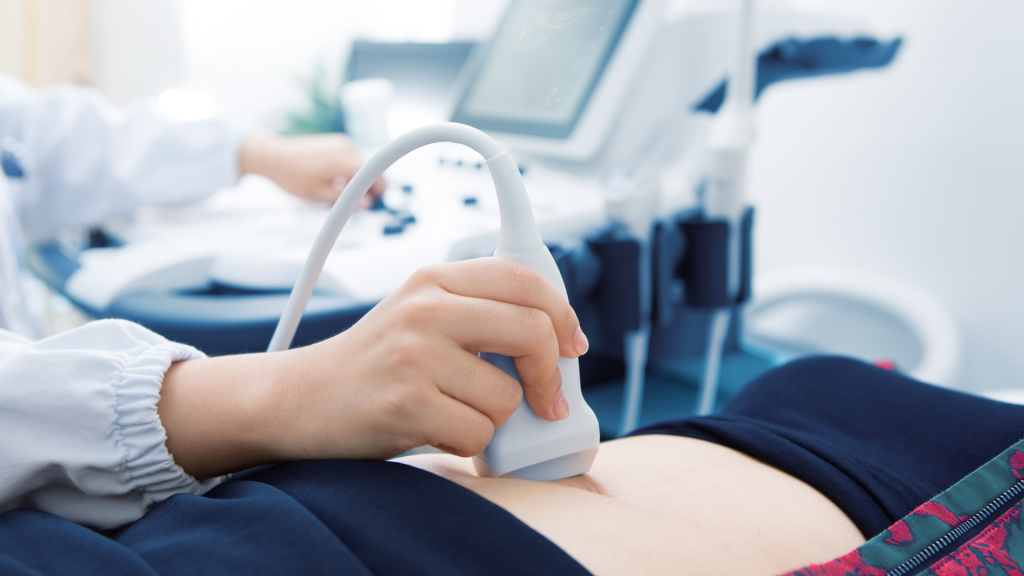
  • Pelvic ultrasound (transabdominal or transvaginal): to view the uterus, cervix, endometrium, and ovaries
  • Endometrial biopsy (pipelle test): a thin tube is inserted into the uterus to collect a small sample of tissue
  • Hysteroscopy: a thin, lighted scope is used to look inside the uterus; biopsies may be taken during this procedure
  • Dilation and curettage (D&C): scraping of the uterine lining under anesthesia to collect tissue samples

These tests help determine the exact cause of bleeding and guide treatment.

Treatment for postmenopausal bleeding

Treatment depends on the underlying cause:

  • Vaginal or endometrial atrophy: often treated with estrogen therapy (pills, creams, patches, vaginal rings, or gels)
  • Polyps: surgically removed, sometimes in a same-day procedure
  • Endometrial hyperplasia: treated with progesterone medications and/or surgical procedures
  • Cancerous or precancerous changes: may require surgery or other specialized treatments, which are most effective when detected early

Your gynecologist will explain each option, ensuring you understand why a particular treatment or test is recommended.

Don’t ignore bleeding after menopause

Even though most cases of postmenopausal bleeding are not serious, it’s always important to get evaluated. Prompt care can rule out cancer, give you peace of mind, and ensure that if there is a serious condition, it is treated early and effectively.

If you notice bleeding after menopause, schedule an appointment with your doctor right away.

If you are experiencing heavy periods, bleeding between periods, or menstrual cycles that feel irregular, you may have a condition called abnormal uterine bleeding (AUB). This is a common concern—and one our women’s health specialists are here to help you manage.

What is abnormal uterine bleeding?

Abnormal uterine bleeding refers to changes in the frequency, duration, regularity or flow of your menstrual cycle outside of pregnancy.

A normal menstrual cycle typically lasts 24–38 days, with bleeding lasting up to seven days. If your period is significantly heavier, lasts longer or comes too often — or too infrequently — you may be experiencing AUB.

How common is irregular menstrual bleeding?

About 1 in 3 people with periods experience irregular bleeding at some point, most often at the start of menstruation (menarche) or near menopause.

Causes of abnormal uterine bleeding

AUB can be linked to hormone imbalances, uterine growths, or other medical conditions. Doctors often use the PALM-COEIN system to describe causes:

  • P: Polyps – Noncancerous growths in the uterine lining, often causing bleeding between periods.
  • A: Adenomyosis – Endometrial tissue growing into the uterine muscle, causing pain and heavy bleeding.
  • L: Leiomyomas (Fibroids) – Benign uterine tumors that can cause heavy or prolonged periods.
  • M: Malignancy/Hyperplasia – Abnormal or cancerous growths in the uterus.
  • C: Coagulopathy – Blood-clotting disorders, affecting about 20% of women with heavy bleeding.
  • O: Ovulatory Dysfunction – Irregular or absent ovulation, often linked with polycystic ovary syndrome (PCOS).
  • E: Endometrial Causes – Inflammation, infection, or overgrowth of the uterine lining.
  • I: Iatrogenic – Medication side effects, including birth control or hormone therapy.
  • N: Not Classified – Rare causes such as post-surgical complications.

Symptoms of abnormal uterine bleeding

You may have AUB if:

  • Your period lasts longer than 7 days
  • Your cycles come closer than 21 days or farther apart than 35 days
  • You bleed heavily enough to pass large clots or soak through a pad or tampon every hour for more than 2 hours
  • You experience bleeding between periods or after sex

If you notice these symptoms, it’s important to schedule an appointment with your healthcare provider.

Diagnosis: How doctors evaluate AUB

Your provider will begin with a pregnancy test to rule out complications such as miscarriage or ectopic pregnancy. Additional steps may include:

  • Medical history & menstrual tracking
  • Physical exam – including thyroid and hormone checks
  • Pelvic exam & Pap smear – to check for infections, cervical changes, or polyps
  • Blood tests – to evaluate hormone levels and check for anemia
  • Ultrasound – to detect fibroids, polyps, or abnormal uterine lining
  • Hysteroscopy – to look directly inside the uterus and remove growths if needed
  • Endometrial biopsy – especially for women over 45 or with PCOS, to rule out endometrial cancer

Treatment options for abnormal uterine bleeding

Treatment depends on your age, overall health, and whether you want future pregnancies. Options may include:

Medications

  • Hormonal birth control (pills, patch, IUD) – regulate cycles, reduce bleeding, prevent pregnancy
  • NSAIDs (e.g., ibuprofen) – reduce bleeding and relieve cramps
  • Tranexamic acid – helps slow blood loss during heavy periods

Procedures & Surgery

  • Endometrial ablation – removes the uterine lining (not for women planning future pregnancies)
  • Myomectomy – removes fibroids while preserving fertility
  • Hysterectomy – removes the uterus; often a last resort when other treatments fail

Lifestyle Support

  • Weight management, diet changes, and exercise can improve symptoms—especially for women with PCOS.

Why it matters: Complications of untreated AUB

Chronic or severe abnormal bleeding can lead to:

  • Anemia (low red blood cells)
  • Infertility
  • Endometrial cancer (in some cases)

In rare cases, acute heavy bleeding may cause severe anemia, shock, or other life-threatening complications. If you experience very heavy bleeding, seek immediate medical care.

Take the next step

If you have irregular or heavy menstrual bleeding, don’t wait — abnormal uterine bleeding is treatable. Our women’s health specialists can provide the right diagnosis and treatment to help you feel better and protect your long-term health.

Pelvic organ prolapse (POP) is more common than many people realize — but it often goes undiscussed. Many women feel uncertain or even embarrassed about the condition, yet POP affects millions of women across all ages. If you’re experiencing symptoms, know that you are not alone and that help is available. Call Sheridan Memorial Hospital Women’s Clinic to schedule your appointment today.

What Is POP?

POP occurs when one or more pelvic organs — such as the bladder, uterus, rectum or vagina — shift downward due to a weakened pelvic floor. The pelvic floor is a network of muscles, ligaments and connective tissue that normally supports these organs. When it weakens, organs may press into or even bulge outside the vagina, causing a variety of symptoms.

Symptoms

Symptoms can vary but often include:

  • Leaking urine or difficulty emptying the bladder

  • Bowel problems, including constipation or needing to press inside the vagina to pass stool

  • Vaginal bulging or pressure, sometimes described as the feeling of a tampon “half in and half out”

  • Pain or pressure in the lower back or pelvis

  • Discomfort or pain with sex

  • Vaginal noises during exercise or intimacy

Symptoms usually develop gradually, though they can occasionally appear suddenly (for example, during strenuous exercise).

Who Is at Risk?

POP can affect women at any stage of life. Risk factors include:

  • Pregnancy and childbirth

  • Aging and menopause

  • Family history of POP or connective-tissue disorders

  • Obesity

  • Previous pelvic surgery, such as hysterectomy

  • Chronic constipation or straining

  • Long-term coughing from smoking or lung disease

  • Heavy lifting or high-impact activities

By age 80, nearly half of all women experience some degree of POP.

Treatment Options

The good news: effective treatments are available, and not every woman needs medical intervention. Together with your OB/GYN, you can decide what’s best for you. Options may include:

Lifestyle and self-care

  • Increase dietary fiber and hydration to ease bowel movements

  • Maintain a healthy weight

  • Strengthen your core with low-impact activities like yoga or Pilates

Medical therapies

  • Pessaries: Simple devices placed in the vagina to support pelvic organs, relieving bulging or leaking.

  • Pelvic floor therapy: Guided exercises (such as Kegels) taught by a physical therapist to strengthen the pelvic floor correctly and safely.

Surgical treatment
If POP significantly affects your quality of life, surgery may be considered to restore support and relieve symptoms.

Postpartum Care and Prevention

The postpartum period, often called the “fourth trimester,” is an ideal time to check in on your pelvic floor health. Preventive steps — such as pelvic floor therapy, diet changes, or the use of a pessary—can help reduce future risk of POP.

When it comes to running, efficient movement and injury prevention matter just as much as wearing a good pair of sneakers. Common running mistakes—like excessive pelvic drop and overstriding—when they occur too frequently, place extra stress on the muscles and joints of the lower back, hips and knees. Over time, this added strain increases a runner’s risk for injury.

Wyoming Rehab’s C-Mill—an advanced piece of equipment resembling a treadmill available at only a few locations nationwide—integrates virtual reality to add variety to exercises, features a force plate to measure gait and adaptability and includes frontal and side cameras for in-depth analysis of walking or running patterns.

The C-Mill is a powerful tool for improving movement efficiency and reducing injury risk. While commonly used in stroke and traumatic brain injury rehabilitation, it also plays a vital role in performance training for athletes at all levels.

“It’s super cool equipment,” said Wyoming Rehab’s Lindsay Kinney, PT, DPT, COMT. “You record a 30-second video, and the C-Mill picks up on all of the weight-bearing, loading and any asymmetry that you can see with somebody’s strike or step length. It’s truly a one-of-a-kind device, and I feel lucky to have access to it.”

One person benefiting from the C-Mill’s technology is Daniel Katz, an avid runner and EMT with Wyoming Regional EMS. Daniel recently underwent a gait analysis with Wyoming Rehab using the C-Mill, and his experience highlights how understanding your body’s movement and making small adjustments can lead to significant long-term benefits.

Daniel, who has completed marathons, half-marathons and ultra-races, discovered his love for long-distance running during the COVID-19 pandemic. What started as a short-term challenge when his friend invited him to run a virtual marathon quickly became a lifelong passion.

“Until I was 25, I swore I would never be a distance runner,” Daniel said. “But halfway through the virtual race, I ended up loving it and haven’t stopped running since.”

Daniel now trains for the 2025 Bighorn Trail Run, scheduled for June 20–21, 2025. The course, which traverses the Little Bighorn and Tongue River areas of Bighorn National Forest, challenges even the most seasoned ultra-runners, with over 20,500 feet of ascent and 20,750 feet of descent. Daniel completed the 52-mile course last year, and this year, he and his wife plan to tackle the 32-mile course together.

Over time, Daniel’s training has evolved, focusing on building weekly mileage to match or surpass race distances, stacking long runs and following a nutrition plan that supports his endurance. He now incorporates the C-Mill into his training to elevate his performance.

A typical running gait analysis at Wyoming Rehab begins with a discussion about the runner’s injury history and current issues. Lindsay then conducts a full mobility and strength assessment in a treatment room, followed by a run on the C-Mill. Using insights from both the assessment and the C-Mill, she creates a personalized treatment plan that may include targeted strength training and gait re-training to improve running mechanics.

Daniel’s gait analysis revealed key insights into his running form. Video footage showed a pelvic drop of more than six degrees, suggesting reduced lateral hip strength. This kind of asymmetry commonly contributes to running injuries. To address this, Lindsay recommended exercises to strengthen the gluteus medius and hip rotators, as well as targeted training to help Daniel maintain a level pelvis while running.

Additionally, the distance between Daniel’s foot and center of mass indicated overstriding. To improve efficiency and reduce injury risk, Lindsay suggested cadence adjustments to bring his foot strike closer to his body.

“Catching these discrepancies now is powerful, as we can address them before they become problems in the future, especially when Daniel is packing in the miles during a training cycle for a race,” Lindsay said. “If he doesn’t fix these issues, somewhere else in the body must pick up the slack, overloading an area that might not be equipped to handle it.”

Daniel appreciated both the depth of insight and Lindsay’s passion for helping runners.

“What’s great about Lindsay is that you can find a lot of people who know their stuff, but she loves this stuff,” he said. “And she’s a runner, too.”

“Runners are unique—all we want to do is run,” Lindsay added. “Sustaining an injury that prevents us from being able to do that is demoralizing, especially if it we have to miss a race because of it. A personalized analysis is a helpful way in keeping us out running on the roads or trails and reducing one’s chances for overload injuries.”

Using the information gathered from Daniel’s running gait analysis, he and Lindsay now have a clear roadmap to improve his running mechanics and stay healthy for the long haul.

“I’m not setting out to be a top-of-the-world runner,” Daniel said. “But I do want to keep running for the next three to four decades. If I can be one of those old guys who still run marathons at 72 that would be awesome. This analysis will help me stay on track.”

Lindsay emphasized that the goal of gait analysis isn’t necessarily to change a runner’s stride, but to optimize their natural movement patterns.

“Everyone has their ‘signature’ moves,” she explained. “Everyone is so individualized. Using the C-Mill, we can identify factors that may predispose someone to injury and provide exercises to strengthen those areas, making their running gait as efficient as possible.”

For Daniel, the experience reinforced the importance of periodic assessments, even for healthy athletes.

“Any work you do when you’re healthy helps prevent injuries and accelerates your training,” Daniel said. “It’s like mental health—when you connect with a therapist while you’re healthy and not in crisis mode, the good work can actually be done.”

He also noted how the C-Mill helped him better understand his body’s needs.

“This will help people develop intuition about their bodies,” Daniel said. “People should listen to their bodies, and they can come in to do these assessments to learn how.”

Looking to enhance your performance and stay injury-free? Call Wyoming Rehab today at 307.674.1632 to schedule your free screening and receive personalized treatment recommendations for non-emergent impairments and injuries. Visit wyomingrehab.org to explore Wyoming Rehab’s full range of services.

By Kristopher Schamber, MD, FACP – Medical Director, SMH Primary Care and Home Health & Hospice services

Primary care, pediatrics work to ensure access in Sheridan County

Primary care is not a specific specialty, but rather a style of medical practice with a focus on addressing a majority of personal health care needs, through long-term relationships with patients and their families, and practicing in the context of family and community. This includes initial diagnosis of acute and chronic problems, management of chronic illness, health and wellness promotion, disease prevention and appropriate referral to specialists as needed. Traditionally, primary care practice includes pediatrics (caring for children only), internal medicine (caring for adults only), and family practice (caring for all ages).

Sheridan Memorial Hospital started its Primary Care clinic in August 2022 with the addition of family medicine to the organization’s already established Internal Medicine structure for older adults. Its purpose: to provide primary care to multiple generations of the same family, from grandchildren to grandparents.

At the outset, the purpose of the SMH Primary Care clinic was to fill a gap in the primary care world, as was its original intent with the development of the specialty, serving as a transition point from pediatrics to internal medicine, and as a special place where an entire family can receive their medical care. Drs. Erica Rinker and Emily Denney, with nurse practitioners Jeff Shideman and Rebekah Montgomery, and the addition of Dr. Lisa Mullen in the fall, embody this vision, serving entire families in this community.

For multiple decades prior to the opening of the SMH Primary Care clinic, the pediatric population in Sheridan County and surrounding communities has been served by multiple generations of providers at Northeast Wyoming Pediatric Associates (NEWPA), beginning with the founding members Drs. Knepper and Wohl, who then passed the torch to Dr. Knepper’s daughter, Dr. Suzanne Oss. Dr. Michael Sanderson joined NEWPA as a valuable partner in 2019, and nurse practitioner Marcella Wildeman has been caring for children at NEWPA since 2022. In addition, Dr. Mary Bowers has provided high-quality pediatric care as the sole physician at Goose Creek Pediatrics alongside NEWPA for decades.

The changing, and challenging, landscape in healthcare has necessitated collaborative efforts within medical communities across our great nation. This is no truer than in Sheridan County with the partnerships between Sheridan Memorial Hospital Primary Care, Northeast Wyoming Pediatric Associates and Goose Creek Pediatrics.  Strategically combining resources and expertise, and collaborating in care, allows our physicians and nurse practitioners to continue providing high quality pediatric care while expanding access to meet the needs of our growing community.

So what do these partnerships mean for our community? Patients at NEWPA will continue to see their pediatrician, with the opportunity to transition care to SMH Primary Care if it fits their needs. Primary Care has excellent access for pediatric appointments, with same day availability if needed. The physicians at SMH Primary Care and NEWPA are working together, ensuring vaccine schedules, developmental screens and other standards of care are similar at both locations. And beginning this month, you will see Drs. Rinker and Denney and a number of their staff from SMH Primary Care seeing patients at NEWPA, improving appointment access and ensuring smooth transitions for those patients who wish to come down to Primary Care.

These partnerships centralize overhead and administrative costs, enabling us to focus on community care, and ensuring that Sheridan’s community health initiatives remain local. This transition means all patients in our community will be able to see a provider of their choosing, that fits their style, with expertise that fits their medical needs, in a cohesive medical system. From acute care to annual physicals, through all stages of life, SMH serves the whole family.

To read more about Sheridan Memorial Hospital Primary Care providers to see patients at Northeast Wyoming Pediatric Associates click HERE.

This article also appeared in The Sheridan Press on April 12, 2025, as a Health Watch column. Sheridan Memorial Hospital appreciates the partnership with The Sheridan Press in helping to promote healthy living.

When families or individuals struggle to afford food for the next meal, it becomes difficult to focus on much else. Dr. Jason Ackerman of Sheridan Memorial Hospital’s Addiction and Internal Medicine Clinic recognized that many of his patients experience food insecurity and sought ways to help address the concern.

“We know many of our patients struggle to afford transportation to appointments or medicines we prescribe,” Ackerman said. “We’ve also had patients say they sometimes have to choose between medications and groceries.”

With that barrier in mind, Dr. Ackerman and his team at the clinic opted to start a mini pantry within the clinic. The pantry includes both food and basic hygiene items. When it initially started, staff from the clinic kept it stocked from their own funds and with GAP funds, which come through the Sheridan Memorial Hospital Foundation.

“It really fits within our mission of serving the whole patient without judgement,” said Shilo Stainbrook, the clinic supervisor. “This is just another facet of that approach.”

The need for the pantry quickly became evident as patients utilized the goods kept in the clinic waiting room. As staff restocked the pantry, food and other items were typically utilized within a few days, making it difficult for staff to keep it stocked on their own.

Dr. Ackerman was aware of a nonprofit in the community, The Food Group, and its mission to alleviate childhood hunger in Sheridan County by providing nourishment to children. He reached out to see if a partnership would be possible.

Keri McMeans, The Food Group executive director, said the two entities discussed a variety of options, ranging from helping purchase food at discounted prices to adopting the pantry. Those conversations led to a partnership that has blossomed and The Food Group now works closely with the Addiction & Internal Medicine team at Sheridan Memorial Hospital to keep the pantry stocked.

“The Food Group provides food in our community so that every child who is hungry has access to healthy food,” said Jenny Tribley, program director with The Food Group. “The awesome part of this is that there are families who may not participate in our other programs for personal reasons. They go to their doctor for something other than food, and there it is – available. Available for everyone. If they need food, they may be more likely to grab something to feed themselves or their families.

“That experience,” she added, “potentially may loosen that person’s thoughts on getting a little extra help. If they have another chance to get some extra food next time, they may have softened just enough to take a little and realize they are still OK.”

The Food Group delivers boxes of food to the clinic each week now and the Addiction & Internal Medicine team has noted the difference the effort has already made for patients.

“We have heard patients and families comment on how nice the pantry is to have at the clinic,” Shilo said. “We don’t officially keep track of anything or anyone who takes the items, but we’ve observed mothers utilizing the pantry along with some patients who cannot work while they are in residential treatment, so they may be more in need of toiletries.

“We’ve noticed that most people aren’t shy about utilizing the pantry, which to us speaks to the fact that they don’t feel judged or shameful while they are in our office,” Shilo added.

To learn more about the Addiction & Internal Medicine Clinic at Sheridan Memorial Hospital, see https://www.sheridanhospital.org/medical-services/clinics/addiction-medicine/.

Wyoming Rehab’s physical therapists, Justin Bridger & Lindsay Kinney, joined Public Pulse to talk about the power of physical therapy in recovery, injury prevention, and overall well-being. From getting back on the trails after winter to helping patients overcome injuries, their message is clear—staying active is the key to lifelong health!

Listen now by clicking below!

Learn more about the many services provided through Wyoming Rehab by visiting https://www.sheridanhospital.org/medical-services/rehabilitation-services/

Activities director Kim DeGraw fosters engagement, enrichment and community at Sheridan Green House

At Sheridan Green House, Sheridan Memorial Hospital’s long-term care facility, staff provide individualized care, foster meaningful relationships, and create a home-like environment—all to enhance the lives of residents. Engaging activities tailored to each resident’s interests and needs play a vital role in this mission, helping maintain cognitive function, emotional well-being and physical health as they age. Research shows that social interaction and mentally stimulating activities can slow cognitive decline, reduce feelings of isolation and improve overall well-being. At Sheridan Green House, activities are more than just entertainment—they are essential for keeping residents engaged, connected and thriving.

One of the most popular programs is Opening Minds through Art (OMA), an evidence-based initiative designed for individuals living with dementia. In OMA, trained volunteers—such as students, family members or caregivers—pair with residents to help foster creativity by focusing on imagination rather than memory. This program not only empowers residents to explore their artistic abilities but also encourages them to take on new roles as artists and teachers, creating a meaningful legacy of artwork.

In addition to OMA, traditional games like Yahtzee and Dominos have become favorites among residents, with regular gatherings for friendly matches. Family involvement is also a key element at Sheridan Green House, and staff actively encourage families to visit and spend quality time with their loved ones. Last Christmas, a cookie-decorating event brought families together for some festive fun, and upcoming events, such as family pizza nights, are in the works to further strengthen connections and deepen bonds between residents and their families.

Kim DeGraw, Sheridan Green House’s activities director, is the driving force behind these personalized individual and group activities. With a passion for creating meaningful engagement and improving life for residents, Kim’s background in education and her innovative approach to long-term care transform the experience for the residents she serves.

“Kim is such a great fit for this work,” said Tonya Carlson, executive director of Sheridan Green House. “She really understands the importance of life enrichment—really meeting people where they are and understanding what will add quality to their day-to-day lives. Of course, there are the parties and the big events, but she really pays extra attention to the more specific needs of the individuals that live here.”

Originally from northcentral Montana, Kim has spent much of her life balancing single motherhood with professional growth. She is the proud mother of two daughters—15-year-old Erykah and 9-year-old Abberdean—and has worked hard to build a solid foundation for them. Over the course of her career, Kim spent 15 years as a teacher and earned two master’s degrees—one in curriculum and instruction and another in management and leadership.

Kim’s move to Sheridan was both a personal and practical decision, as she saw the town as a great place for her children to grow up. Determined to secure a job before relocating, Kim discovered the activities director position at Sheridan Green House and recognized it as the perfect fit for her skills and educational background.

“With my master’s degrees in curriculum, management and leadership, it all just meshed,” she explained.

Under the guidance of Tonya Carlson, executive director of Sheridan Green House, Kim developed a deep appreciation for the elders at the facility and the impact of her work in helping them thrive.

“Tonya is an excellent administrator,” Kim said. “She’s a great fit for this facility because she’s incredibly patient and always willing to answer my questions with detailed explanations. It’s been wonderful to have someone so willing to educate me in so many different areas.”

Kim’s passion for dementia care, in particular, has grown significantly.

“I’ve fallen in love with caring for residents with dementia,” she says. “When people think of activities, they often picture birthday parties, games and fun all day. But if I could reclassify this department, I’d call it ‘Life Enrichment.’ You’re enriching these elders’ lives by offering personalized activities—whether it’s conversation, reminiscing or simply sitting with them.”

For Kim, connecting with residents, especially those with dementia, means stepping into their world.

“I’ve been coming in the last three nights to support a resident who needs a little extra care,” she shared. “We ‘built a fence’ across the living room together. We went mining. We went shopping for hats because he wanted a new one. It makes me feel like a kid again. It’s hard to put into words, but offering that compassion and being in their time—in their world—is so rewarding for me.”

When planning activities for all residents at Sheridan Green House, Kim emphasizes the importance of personalization. She regularly checks in with residents to ask what they would like to do and incorporates their preferences into the next activity schedule.

“I’ll go around and ask residents what they want to do and put it in my brain bank, and then I’ll try to put it on the next schedule,” she said. “Last month, a handful of ladies wanted to make jewelry, so I made sure to put that on this month’s schedule. I make sure to get my ideas from my residents. Sometimes I come up with activities that seem like they could be fun, and I’ll put it on the schedule and we give it a shot. Either the residents like it and we do it again, or it’s a flop and we move on to something else.”

One of the most successful large-group activities so far has been the winter carnival, where Kim and the Sheridan Green House staff brought traditionally outdoor games inside.

“It was a whole group effort,” Kim said. “Sabrina, our administrative coordinator, ran the cotton candy machine. We had games and popcorn. Everybody loved it! We’d love to do it again, maybe when the weather warms up, so we can take it outside next time.”

Looking ahead, Kim is eager to continue developing individualized activities for residents and further embrace the Green House model. Kim also hopes to continue strengthening family involvement and make Sheridan Green House a true extension of home for everyone involved.

“Once we get the word out about how Sheridan Green House is ran, we will not have an empty bed,” Kim said.

Sheridan Green House is comprised of four cottages, each with 12 rooms available for residents. If you or a loved one is considering long-term care, reach out to Sheridan Green House at 307.672.0600. For additional information, see sheridangreenhouse.org.

By Sarah Sommers, Diabetes Educator and Dietitian, Sheridan Memorial Hospital.

When deciding to make healthy changes it can be hard to know where to start. While there are a variety of eating patterns individuals can use to improve their health, a heart-healthy eating pattern is a great place to start. A heart-healthy diet is often recommended for individuals who need help controlling blood pressure, reducing cholesterol and generally promoting good heart health. The following tenants of a Mediterranean diet have been shown time-after-time to help contribute to heart health.

Choose more fiber

Fiber is an essential element of a heart healthy diet. Fiber has been shown to help lower cholesterol as well as contribute to improved blood glucose control. Foods high in fiber are include whole grains like oats, brown rice and quinoa; legumes and beans; and many fruits and vegetables including squash, leafy greens, avocados and many more.

Increase unsaturated fats

Increasing your intake of unsaturated fats can promote improved cholesterol levels including helping to boost your HDL cholesterol and decrease LDL cholesterol, especially if these fats replace saturated fats. Unsaturated fats generally come from plant foods but also include omega-3 fats which can be found in fatty fish. Foods to choose that contain unsaturated fats include: olive oil, avocados, nuts, seeds, salmon, mackerel and sardines.

Fruits and vegetables

Fruits and vegetables are keys of any healthy eating pattern and eating for heart health is no exception. Antioxidants, vitamins, minerals and phytonutrients are just a few of the healthful components fruits and vegetables bring to your diet. Choose a variety of produce including leafy greens, berries, oranges, tomatoes, bell peppers and carrots. Try to incorporate some kind of fruit or vegetable at every meal, even filling up to half your plate with these foods.

Limit sodium

Decreasing sodium intake in the diet can positively impact blood pressure as well as overall heart health. Start to decrease sodium by avoiding adding sodium to your food. Most of the sodium we consume is already in foods we consume, including highly processed foods, so it can be helpful to choose lower sodium options when available. Avoid high sodium snack foods such as pretzels and potato chips. Also consider rinsing off canned foods prior to eating which will also help decrease their sodium content.

Limit added sugars

Too much added sugar in the diet can lead to increased triglycerides and also can increase blood glucose, especially in those who have diabetes. Foods high in added sugars include many processed foods such as sugar-sweetened beverages, baked goods and processed snacks such as chips and crackers. Try to avoid sugar-sweetened beverages and pick fruits and nuts for snacks instead of processed snack foods when possible.

While this list may seem overwhelming at first, it is helpful to start with small and maintainable changes to work toward success. A small change that you make every day such as cutting out your afternoon soda, can lead to surprising results in the long run. Pick one or two changes to start and work from there – your heart will thank you!

If you’re interested in meeting with a dietitian, start by calling your provider to request a referral. If you don’t have a primary care provider, you can call or text Sheridan Memorial Hospital’s Primary Care at 307.675.2690. A dietitian can provide expert guidance to navigate lifestyle changes, improve your quality of life, and support long-term health. It’s never too late to make positive changes!

This article also appeared in The Sheridan Press on March 1, 2025, as a Health Watch column. Sheridan Memorial Hospital appreciates the partnership with The Sheridan Press in helping to promote healthy living.

By Kim DeGraw, Activities Director, at Sheridan Green House, a long-term care facility managed by Sheridan Memorial Hospital.

Staying active – physically and mentally – key as we age

As we age, it becomes increasingly important to engage in regular physical and mental activities.

Regular exercise and physical activity can help us stay healthy and independent. While the term exercise can sometimes summon images of runners or cyclists, the activity doesn’t have to be that intense. Simple walks, swimming, chair exercises and stretching all can have huge health benefits as we age and are a little easier on our joints. The key is finding an activity you enjoy and that keeps your body moving. Work with your care team to ensure your activity fits your needs and current fitness levels.

Equally as important, cognitive activities are those that stimulate and challenge the mind. Engaging in regular cognitive activities has been shown to have a number of benefits for older adults.

Both physical and mental activities improve our overall quality of life.

Physical activities

  • Maintaining mobility: Regular exercise helps maintain joint flexibility and muscle strength, making it easier to move around and perform everyday tasks.
  • Preventing falls: Strong muscles and good balance can help prevent falls, a significant risk for older adults.
  • Cardiovascular health: Exercise can improve heart health by lowering blood pressure and cholesterol levels.
  • Bone health: Weight-bearing exercises like walking and running can help maintain bone density and prevent osteoporosis.
  • Energy levels: Exercise can boost energy levels and reduce fatigue.
  • Longer life expectancy: Studies have shown that people who are physically active live longer than those who are inactive

Mental activities

  • Cognitive function: Engaging in mentally stimulating activities like reading, puzzles and games can help maintain cognitive function and reduce the risk of dementia.
  • Mood regulation: Exercise and other activities can release endorphins, which have mood-boosting effects.
  • Social interaction: Participating in group activities and classes can provide opportunities for social interaction and combat isolation.
  • Purpose and fulfillment: Engaging in meaningful activities can give older adults a sense of purpose and fulfillment.
  • Stress reduction: Activities like yoga, meditation and deep breathing can help manage stress and promote relaxation.

By incorporating regular physical and mental activities into our lives as we age, we can maintain our overall health, well-being and quality of life.

If you’re unsure about what activities are best for you, consider talking to your primary care provider. They can help you create a safe, effective plan to stay moving. If you don’t have a primary care provider, call or text Sheridan Memorial Hospital’s Primary Care at 307.675.2690. If you need extra support, ask about a referral to Wyoming Rehab—a great resource for guided exercises and therapy tailored to your needs. Keeping active, both physically and mentally, is one of the best ways to enhance your quality of life. Take that first step today!

This article also appeared in The Sheridan Press on March 10, 2025, as a column on the Senior page. Sheridan Memorial Hospital appreciates the partnership with The Sheridan Press in helping to promote healthy living.

By David Nickerson, MD – physician at Sheridan Memorial Hospital’s SameDay Health & Imaging

January through March usually marks the worst of cold and flu season in our community. Common viruses during this time are influenza, RSV, COVID-19 and multiple other viruses that are not routinely tested for because they do not have a specific treatment.

This year, Influenza A levels are the highest they have been in 15 years. Influenza A typically begins to increase in our community toward the end of December and often peaks in January before gradually tapering off. In late February or March, there is usually a second wave of Influenza B. Influenza tracking information shows that as influenza began decreasing after its usual January peak that it suddenly spiked again to almost twice that level. We have seen that pattern in the Sheridan community, as many have likely noticed from school and work absences.

Clinic visits for flu symptoms are at the highest level they have been in 28 years. There are likely multiple factors contributing to this. There are currently multiple strains of Influenza A circulating. You may have heard that a woman in Wyoming was hospitalized for bird flu earlier this week. Along with other hospitals in the state, Sheridan Memorial Hospital sends samples from patients hospitalized with influenza for subtyping and no other cases of bird flu have been identified in Wyoming.  At present, bird flu does not appear to be contributing to the high number of Influenza A cases.

This is more likely related to the ongoing mutation of the influenza virus, which affects its infectivity as well as how sick it makes those infected with it. Seasonal influenza vaccines are directed against the strains that appear most likely to be the dominant infections. Some years this prediction turns out to be quite accurate, resulting in a fairly effective vaccine. Other years it is not a good match. The vaccination rate also has an effect. The rate of influenza vaccinations has been falling since the start of the Covid-19 pandemic and is currently at 46%. Seasonal influenza shots are not mRNA vaccines and have used other traditional methods for the past 70 years.

In addition, RSV, coronavirus and other cold viruses continue to be seen, though at a lower level than influenza.

If you become ill with fever, body aches, headache, sore throat or other cold and flu symptoms, it does make sense to see a doctor. While most illnesses will recover with rest, fluids and over the counter medications, antiviral medications may be an option if taken within the first few days of symptoms and can reduce the severity and duration of your symptoms.

Sheridan Memorial Hospital’s SameDay Health & Imaging offers urgent care services, including treatment and testing for respiratory illnesses and the flu. Walk-ins are always welcome or you can schedule an appointment at SheridanSameDay.com.  We are now open Monday through Friday from 6:30 a.m. to 6 p.m. and weekends from 9 a.m. to 6 p.m.