Welcome to Sheridan Memorial Hospital
1401 West 5th St. Sheridan, WY — 307.672.1000

Health and Wellness

The Sheridan Memorial Hospital (SMH) Foundation
Heart disease remains the leading cause of death in the United States, and heart attacks—also known as myocardial infarctions — are one of its most
The Sheridan Memorial Hospital (SMH) Foundation
Heart disease remains the leading cause of death in the United States, and heart attacks—also known as myocardial infarctions — are one of its most
For many of us, the summer months bring outdoor activities we have been looking forward to throughout the colder months. However, it is
I can’t walk! How often do you overlook the importance of your foot and ankle until pain or
While perimenopause and menopause are natural processes unique to each individual, many women
After years of chronic ankle pain, Judy Merriott, DVM, reached a point where everyday tasks—and even walking—became unbearable. Working as an
When you don’t know what “normal” should look like, you learn to cope with the hand you’ve
The Sheridan Memorial Hospital (SMH) Foundation
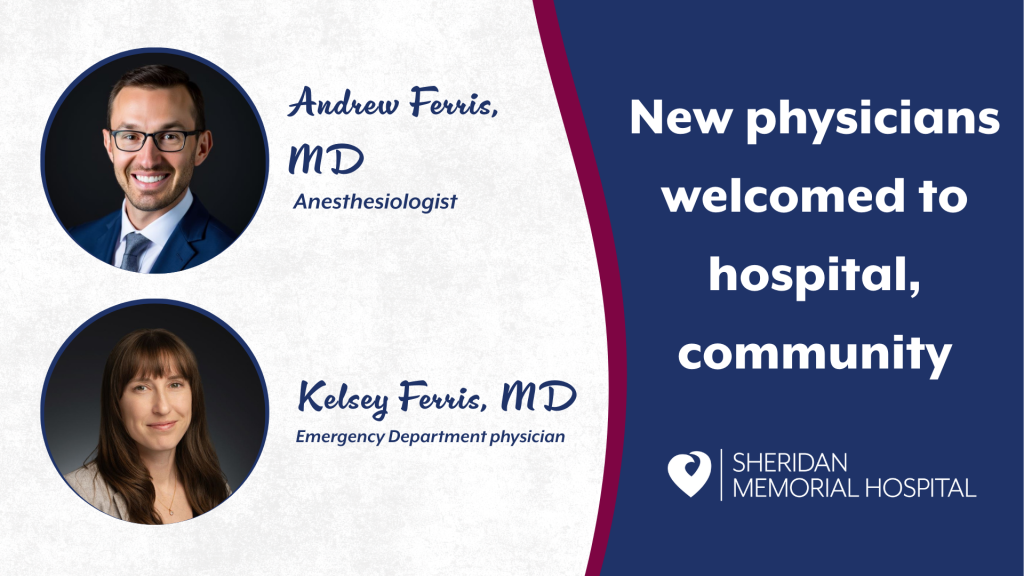
Sheridan Memorial Hospital recently welcomed anesthesiologist Dr. Andrew Ferris and emergency medicine physician Dr. Kelsey Ferris, to the hospital and community.

For Dr. Andrew Ferris, a Sheridan native, returning home is both personal and professional.

“Sheridan Memorial Hospital is demonstrative of our community’s goals to always build something bigger and better,” he said. “It’s nothing like corporatized medicine because you get a sense that everyone has skin in the game. You’re not just another turning gear in a machine.”

Before medicine, Dr. Andrew Ferris worked as an officer in the U.S. Air Force, an experience he believes complements his medical career.

“Medicine is like engineering for the body in the sense that you’re studying the systems of a system and how they work together,” he said, adding that he is excited to give back to the community that supported him in his youth.

Dr. Andrew Ferris returns to Sheridan after he and his wife, Dr. Kelsey Ferris, spent the past four years completing their medical residencies at Yale University in New Haven, Connecticut.

Dr. Kelsey Ferris joins the SMH team as an emergency medicine physician.

Originally from Utah, Dr. Kelsey Ferris discovered her love for medicine through her passion for movement and martial arts, while her draw to emergency medicine centered on the challenge of problem-solving in critical moments.

“My favorite part of emergency medicine is ‘cracking the code,’” she said. “Somebody comes in with a problem and you have to put all the little pieces together to figure out what’s happening and how to make them better.”

Both physicians look forward to serving the people of Sheridan and surrounding communities.

“The people here are so kind. They care about each other,” said Dr. Kelsey Ferris. “That’s what makes us thrive as a society and as people — to give back and to have neighbors that you care about.”

Both physicians chose Sheridan Memorial Hospital because of its strong commitment to patient-centered care.

“We became doctors because we want to care for people,” said Dr. Kelsey Ferris. “Billing, coding, paperwork — all that can come later. We’re all really here for the people. We chose Sheridan Memorial Hospital because it puts patients first.”

Outside of medicine, the couple enjoys spending time outdoors with their two young sons. AJ enjoys reading and exploring the outdoors, while Kelsey loves Tae Kwon Do, ping-pong, birdwatching, hiking and climbing.

Please join us in welcoming Dr. Andrew Ferris and Dr. Kelsey Ferris to Sheridan Memorial Hospital and to our community. We are excited for the care, dedication, and compassion they bring to our patients and families.

When Megan Crocker and her husband, Jeff, moved to Sheridan in 2019, Megan quickly established care at Sheridan Memorial Hospital’s Women’s Clinic. She had been struggling with painful menstrual cycles, unexplained weight gain and other frustrating symptoms.

Unlike past experiences where she was told to simply “diet and exercise,” the Women’s Clinic team listened carefully and worked with Crocker to uncover the true cause: polycystic ovary syndrome (PCOS).

“The providers at the Women’s Clinic were the first to actually listen to me and help diagnose my PCOS,” Megan Crocker said. “Once we decided we were ready to have kids, I tried for over a year with no success.”

Navigating infertility and loss

PCOS made conceiving difficult because Crocker did not have a regular cycle, making ovulation rare and very hard to track. For a months, the Women’s Clinic providers had Crocker try a variety of options to help with ovulation.

“The team always explained the options and helped me know what to expect,” Crocker said. “I am a very plan-oriented person so knowing they had a plan helped me feel comfortable. Getting pregnant with PCOS is a gamble – some get pregnant really easily and some, like me, it just takes time.”

After more than a year of trying, Crocker finally became pregnant — only to experience a heartbreaking miscarriage.

“In that instant my hopes and dreams were shattered,” Crocker said. “The team prepped me for what to expect physically but also made sure to check in on my mental health. They encouraged me to seek counseling, which was one of the most impactful decisions I made for my healing.”

With compassionate care, ongoing support and a clear plan, Crocker found the strength to keep moving forward.

Welcoming Cade

In January 2022, Crocker learned she was pregnant again. The pregnancy itself went smoothly, though anxiety about miscarriage remained a constant challenge.

“The Women’s Clinic team was amazing,” Crocker said. “They would answer any questions I had or when I called with concerns, they would listen. Preparing to be a first-time parent is overwhelming but they ensured we felt prepared.”

Outside the anxiety Crocker felt around another potential miscarriage, this pregnancy progressed without complications.

But at 36 weeks, the baby’s arrival was dramatic. Crocker arrived at the hospital already 8 centimeters dilated, with the baby in breech position. Within 45 minutes, the Sheridan Memorial Hospital team had her in surgery for an emergency C-section.

“I remember having five nurses rapidly working around us to prep me for surgery,” Crocker said. “Even though it was a whirlwind, the team explained everything and kept us calm. We knew we were in good hands.”

After delivery, the Crockers’ son, Cade, faced some health struggles, including unstable glucose levels, but physicians and nurses worked closely to stabilize him, while also supporting Crocker in her postpartum recovery.

Every pregnancy is different

Two years later, the Crockers felt ready to grow their family again. This time, conception was nearly effortless compared to the first journey.

Pregnancy with their daughter, Colbi, brought new challenges, though, including nausea in the first trimester and gestational diabetes. With education, support and close monitoring, Crocker made it through the first trimester and rebounded for the remainder of the pregnancy.

“My biggest concern was whether I would know I was in labor,” Crocker recalled. “With Cade, I had no idea I was in labor and that put us both at risk. I was incredibly stressed that would happen again, but the Women’s Clinic staff and Women’s Health team were incredible with this concern.

“Whenever I thought I was possibly in labor they would either see me in office or in the unit for observation,” Crocker said. “They always said it is not a hassle at all and is always better to be safe. Each time I left the Women’s Health unit I felt confident and at ease Colbi and I were OK.”

While the pregnancy with Cade was easy, his birth was dramatic. For Colbi, the opposite was true. A harder pregnancy challenged Crocker, but the delivery went smoothly.

And, following this scheduled C-section, Crocker was able to stay with her new baby girl and her husband post-surgery, while with her first child — she stayed in recovery with her son while her husband waited in another room. Staying together as a family meant Crocker had her husband by her side the entire time.

Postpartum care

Following the birth of the Crockers’ first child, the Women’s Health team at Sheridan Memorial Hospital ensured Crocker’s pain was managed and helped the couple learn what to expect as new parents.

“You learn so much the first handful of days you have a baby,” Crocker said. “They helped with learning to breastfeed, bathe a baby and even teach you to swaddle, which they all make look so easy. Having nurses you can rely on during these big life changes is key to having an amazing experience.”

Following the birth of the Crockers’ second child in 2025, the Women’s Health team was similarly attentive, but also provided the family with space as needed.

In addition, after her second C-section, an occupational therapist met with Crocker in the hospital to help provide care. They provided tips regarding the best ways to get in and out of bed, support for when the family returned home and more.

“This wasn’t something that was offered after my first child, and it was incredibly helpful, and therefore I had a more successful recovery,” Crocker said.

Gratitude and Trust

Today, Cade — now 2 years old — adores his little sister, Colbi, and the family is thriving. Reflecting on their journey, Crocker credits the Women’s Clinic and Women’s Health teams at Sheridan Memorial Hospital for their expertise, compassion and unwavering support.

“We honestly would not have had our second baby at Sheridan Memorial Hospital if we didn’t trust these teams. They listened, reassured and celebrated every milestone with us,” Crocker said. “Pregnancy is both terrifying and exciting, and having such a well-trained, compassionate team made all the difference.”

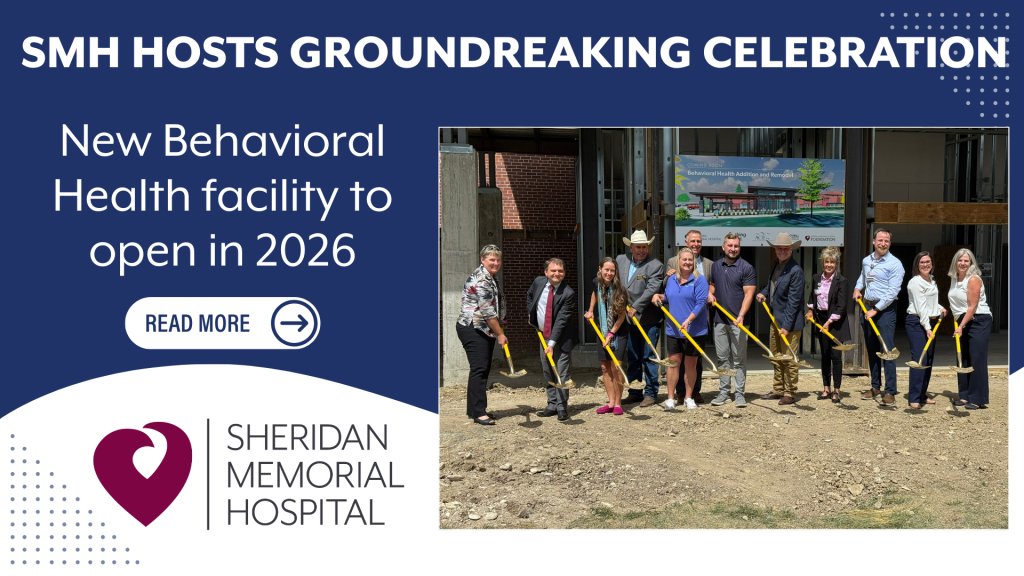
Sheridan Memorial Hospital recently celebrated significant progress in expanding behavioral health services to the community. In just nine months since launching its Behavioral Health program, the team has already made a measurable impact and is preparing to grow even further with the construction of a new facility.

Since November 2024, the Behavioral Health team has served more than 300 patients in its outpatient clinic. The program has also contributed to a 17% decrease in Title 25 involuntary holds between October 2024 and March 2025, compared to the six months prior. By fostering strong collaborations across hospital departments and with local therapists, the program has ensured patients receive compassionate, coordinated care close to home.

Looking ahead, Sheridan Memorial Hospital is investing in the future of behavioral health care with a new, state-of-the-art facility. The building will feature three levels of care: outpatient services, a crisis stabilization area and six inpatient beds. This model allows patients to access the most appropriate level of care while remaining in their own community whenever possible.

To celebrate this next chapter, SMH hosted a groundbreaking ceremony Aug. 8. The event honored the major donors who have made this project possible and marked an important step toward expanding access to behavioral health resources for Sheridan County, Johnson County and the surrounding region.

Attendees at the event included Gov. Mark Gordon, Secretary of State Chuck Gray, local legislators, county commissioners, mayors and donors, all of whom have helped make this project possible.

Construction of the new Behavioral Health facility is underway, with completion and opening expected in 2026.

For more information about Sheridan Memorial Hospital’s Behavioral Health services or the new facility, please see sheridanhospital.org/medical-services/clinics/behavioral-health.

To learn more about the Growing for You Campaign or get involved in supporting behavioral health see sheridanhospital.org/foundation/growing-for-you.

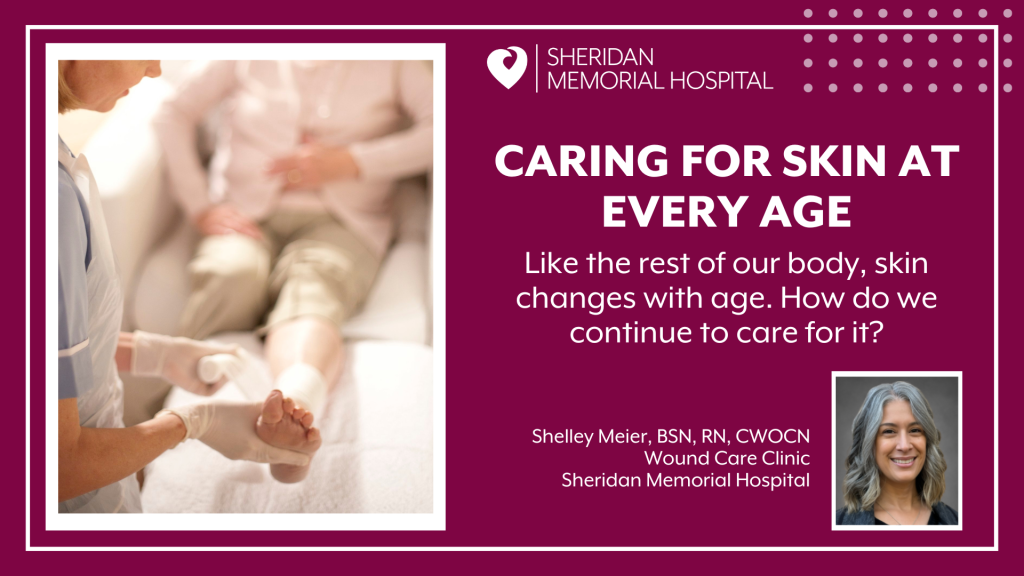
Shelley Meier, BSN, RN, CWOCN, is a nurse in the Sheridan Memorial Hospital Wound Care Clinic.

Our skin does a lot of heavy lifting. It protects us from infection, helps regulate temperature and acts as the body’s first line of defense against the world around us. But like the rest of our body, skin changes with age. It becomes thinner, less elastic and often drier. These changes make older adults more vulnerable to wounds, infections and a condition that can have serious health consequences: pressure ulcers.

Pressure ulcers develop when constant pressure reduces blood flow to the skin and underlying tissues. This lack of circulation can damage the skin, leading to painful sores that range from mild redness to deep wounds. The most common places they appear are over bony areas — such as heels, hips, tailbone and elbows.

Prevention is key

The single most important factor in managing pressure ulcers is prevention. Small, daily habits can make all the difference and actions like regular repositioning, skin care and nutrition play a role.

Caring for existing ulcers

Caring for a pressure ulcer requires both local wound management and attention to overall health.

• Relieve pressure: Healing cannot occur if pressure continues on the sore. Use pillows, foam wedges or specialized cushions to keep weight off the affected area. Frequent repositioning — at least every two hours in bed — is vital.

• Clean the wound: Gentle cleansing is the foundation of care. Most ulcers can be cleaned with saline or mild wound cleansers. Harsh antiseptics like hydrogen peroxide or iodine should be avoided unless directed by a healthcare provider, as they can damage healthy tissue.

• Dressings: A clean, moist environment encourages faster healing. Dressings vary depending on the ulcer’s depth and drainage. A nurse or wound specialist can recommend the right choice and help set a schedule for changing them.

• Infection control: Signs of infection include increased redness, swelling, warmth, pus or foul odor. Fever can also be a warning. If infection is suspected, contact a healthcare provider immediately — oral or topical antibiotics may be needed.

• Pain management: Pressure ulcers can be painful, especially during dressing changes. Over-the-counter pain relievers, prescribed medications or topical anesthetics may help improve comfort and tolerance of care.

Support healing from within

The body needs extra support when fighting a wound. Adequate protein, vitamins and hydration strengthen the skin and immune system. For older adults with poor appetite, supplements or dietitian guidance may be beneficial. Good diabetes control and circulation health are also crucial factors.

While prevention is key, if a pressure ulcer does develop, consulting a wound care expert can help ensure a steady path to healing.

To learn more about the Sheridan Memorial Hospital Wound Care Clinic and how we can help you care for and prevent wounds, see sheridanhospital.org/medical-services/wound-care/.

By Kelly Lieb, DMSc, PA-C, the director of patient experience at Sheridan Memorial Hospital and a physician assistant at Northeast Wyoming Pediatric Associates.

In contemporary healthcare, achieving truly patient-centered care means engaging more than just clinical expertise — it requires the voices of patients and their families. Patient and family advisory councils (PFACs) serve precisely that role, bringing together patients, caregivers and providers to collaboratively shape healthcare in meaningful ways.

PFACs typically consist of current and former patients, family members and caregivers working alongside hospital staff to guide improvements in care delivery, safety, policy and patient experience. These councils represent a shift from traditional, top-down decision-making toward a partnership model rooted in mutual respect and collaboration between medical staff and patients.

Patient experience

PFACs embed real patient perspectives directly into healthcare delivery — going beyond one-time surveys to offer nuanced, real-time insights and an ongoing, structured forum where lived experiences can shape how healthcare is delivered.

Quality, safety, trust

By bringing issues to light, PFAC members help identify gaps and opportunities for better quality and safety of healthcare. Also, by fostering a collaborative environment that builds trust between patients, families and providers, PFACs strengthen the clinician-patient relationship.

Systemic change

PFACs have evolved from feedback panels to partners — bringing forward perspectives that help shape projects from their inception. This reflects a broader shift in healthcare toward patient empowerment and puts into place additional accountability mechanisms promoting safer, more responsive care.

By involving patients and families as genuine partners, healthcare organizations can elevate trust, uncover blind spots, foster innovation and build systems that prioritize what matters to those they serve.

In small communities like Sheridan, healthcare providers are used to receiving honest, real-time feedback from their patients and many incorporate that feedback into their daily work. PFACs take the feedback one step further, into a formal setting that ensures it is considered by the entire healthcare system.

As Sheridan Memorial Hospital continues to grow, its staff has always valued the shared mission of providing excellent, patient-centered care to the community. As we create our own patient and family advisory council, we look forward to learning more about community needs and exploring how to best serve our friends, families and neighbors.

Sheridan Memorial Hospital’s Hospice will host a volunteer training in late September. Potential Hospice volunteers and other interested individuals may attend the training before deciding whether to become a volunteer. Volunteers have flexible hours and can participate in various ways, including helping in homes, in the Hospice office or at various activities throughout the year.

Hospice offers a team approach to end-of-life care for people who have been diagnosed as having six months or less to live and would like to die in the comfort of their own home. Families get to choose how much of the “team” they want after the initial visit. Hospice offers nursing services, CNAs, volunteers, psychosocial and emotional support and spiritual care coordination with one’s own faith family and also provides spiritual counsel with the Hospice chaplain.

One of the most important components of Hospice is education for the patient and their family.

“Learning about the normal changes and processes the body and mind go through can make this time less scary and stressful,” said Hospice Social Worker and Volunteer Coordinator, Cindy Baker.

Baker said Hospice volunteer training will cover many topics including body mechanics, how to safely transfer someone from bed to wheelchair and assisting someone with a walker. Volunteers learn about infection control, confidentiality, practicing active listening and maintaining healthy boundaries, stress management, the role of spirituality in hospice and different aspects of bereavement. Baker also added that the training serves as a screening time for both the volunteer and the Hospice team to find out if Hospice is a good fit for them.

According to Baker, “Most importantly, we learn the difference between serving versus rescuing — how to empower the caregivers and the person dying instead of taking over. Each of us will have our own death journey and most of us will accompany someone on that journey. Being fully present with someone else’s pain, sorrow, goodbyes, grouchiness, fear, anger, humor and vulnerability takes self-awareness.”

She added that it includes not acting on the desire to fix or to change and not taking things personally.

“We learn it’s not about us. As a hospice team, we stand witness to a family’s hard times, but also their incredible love stories.  Again and again I see people being willing to love and care for someone in the face of life being hard.”

This year marks Baker’s 29th year at Hospice as volunteer coordinator. Before that, she volunteered and served on the board with Sheridan County Hospice for 6 years. Her love for hospice work grows each year. Hospice families have taught her many things, but mostly about the depth, strength and resilience of the human spirit, how to be comfortable with the uncomfortable and to not assume that she knows how to do something better than a person who has loved another for a long time.

Those interested in learning more about Hospice or who want to participate in the volunteer training should contact Cindy Baker at Sheridan Memorial Hospital’s Hospice at 307.672.1083.

By Yvette Romero, MSN, RN, a cardiac catheterization lab and interventional radiology nurse at Sheridan Memorial Hospital.

Heart disease remains the leading cause of death in the United States, and heart attacks—also known as myocardial infarctions — are one of its most urgent and life-threatening manifestations. Every 40 seconds, someone in the U.S. suffers a heart attack.

For rural communities like ours, immediate access to high-quality heart care can make the difference between life and death. That’s why the presence of a cardiac care team and a catheterization (cath) lab at our local hospital is a critical resource we should all be aware of and take pride in.

A heart attack occurs when blood flow to part of the heart muscle becomes blocked, often caused by a buildup of plaque in the coronary arteries. When the heart muscle is starved of oxygen-rich blood, it can begin to die within minutes. Prompt medical attention is essential to reduce the damage and improve survival rates.

Time is muscle

Don’t wait to get help if you have any warning signs of a heart attack. Some heart attacks are sudden and intense while others begin with mild pain or discomfort. You know your body best; read its clues and call 911 if you have:

Chest discomfort

Most people having a heart attack feel discomfort in the center of the chest that can last more than a few minutes or go away and then return. It can feel like pressure, squeezing, fullness or pain.

Discomfort in other areas of the upper body

Symptoms of a heart attack can also include pain or discomfort in the arms, back, neck, jaw or stomach. Other potential signs include breaking out in a cold sweat, nausea, rapid or irregular heartbeat and feeling unusually tired or light headed.

Having a cath lab in your community equipped to perform diagnostic and interventional procedures, such as cardiac catheterization and angioplasty, can make a big difference in how – or if – you recover from a heart attack. These procedures allow cardiologists to open blocked arteries, restore blood flow and prevent further heart damage without the need for major surgery.

Studies show that outcomes for heart attack patients are significantly better when treatment begins within 90 minutes of first medical contact.

Heart attack awareness is not just about recognizing symptoms — it also requires understanding the resources available and encouraging friends and family to seek timely care.

We are fortunate to have cardiac care right here in our own backyard. By staying informed and making use of these services, we can protect the health of our community for years to come.

Take your heart health seriously—schedule your annual wellness exam and follow your doctor’s guidance to manage risk factors like blood pressure, cholesterol, and lifestyle habits. And if you think you’re having symptoms of a heart attack, don’t wait—call 911 immediately. Quick action and local expert care can save your life.

By Dr. Allison Dawson is a physician with Sheridan Memorial Hospital’s Internal Medicine Clinic. She is trained in palliative care and hospice medicine and also oversees care for residents at Sheridan Green House, a long-term care facility.

For many of us, the summer months bring outdoor activities we have been looking forward to throughout the colder months. However, it is important to note hot weather and outdoor activities don’t always mix well.

As summer temperatures climb, we face heightened risks from the increasing heat.

A particularly hot season can cause people to suffer from heat-related illness, and even death. Older adults (as well as young children and people with chronic medical conditions) are particularly prone to heat-related issues. As we age, the ability to regulate temperature changes and chronic health conditions can worsen in the heat.

Ways to combat heat

Fortunately, there are effective strategies to keep cool and safe during hot weather.

  • Stay hydrated: Drink water regularly. Consider the addition of electrolyte containing options such as Pedialyte and Gatorade zero.
  • Dress smart: Opt for light, loose-fitting clothing to allow the body to cool naturally.
  • Cool environments: Spend time in air-conditioned spaces or use fans to circulate air. The library or local community center can be great options if air conditioning isn’t available at home.
  • Time it right: Avoid outdoor activities between 10 a.m. and 4 p.m. when the sun is at its peak and temperatures are warmest. Plan indoor activities during the hot hours.
  • Cooling tricks: Take cool showers; apply cold cloths to your neck and face or even wear a wet T-shirt.

Preparation is key. If going outside is necessary, wearing sunscreen and a hat provides extra protection. Try to also stay in shaded areas.

Caregivers and family members play a vital role. Set up a check-in schedule that ensures elderly loved ones living alone have support during the hot months.

Know your risks

Certain factors can predispose an individual to heat intolerance. These can include:

  • Functional attributes such as low physical fitness, lack of acclimatization or obesity.
  • Acquired factors like alcohol use, medications/supplements, dehydration, viral or bacterial infections, previous heat stroke or sweat gland dysfunction.

Signs of heat sickness

Heat-related illnesses can escalate quickly, so early recognition is essential.

Heat exhaustion: Some symptoms include fast heart rate, low blood pressure, weakness, profuse sweating, headache and vomiting

Heat stroke: A life-threatening condition marked by a high body temperature (above 104.9 degrees F) and central nervous system dysfunction, which can present in a wide range of possibilities such as disorientation, confusion, altered consciousness or seizure.

Seek immediate medical attention if you or a loved one develop symptoms of heat illness.

With summer heat on the rise, protecting our loved ones and ourselves is a priority. By understanding the risks and taking proactive steps – like staying hydrated and cool – we can prevent dangerous heat-related illnesses.

Dr. Allison Dawson is a physician with the Internal Medicine team at Sheridan Memorial Hospital. She is trained in palliative care and hospice medicine. If you would like to make an appointment with Dr. Allison Dawson, call or text 307.675.2650.

By Daniel L. Peterson, DPM, FACFAS – a board-certified, fellowship-trained foot and ankle surgeon at Sheridan Orthopedic Associates now affiliated with Sheridan Memorial Hospital.

Don’t overlook your feet and ankles

I can’t walk! How often do you overlook the importance of your foot and ankle until pain or injury slows you down? They do more than support our body weight, they keep us moving. Some common conditions affecting this vital part of the body include:

Plantar fasciitis

A top cause of heel pain, plantar fasciitis occurs when the thick band of tissue along the bottom of the foot becomes inflamed. Supportive footwear, stretching, and injections are often considered first line therapy.

Achilles tendinitis

This overuse injury affects the tendon connecting calf muscles to the heel. It causes pain and stiffness in the back of the leg. Both acute and chronic pain can often be treated conservatively with appropriate offloading.

Ankle sprains

Sprained ankles occur when ligaments stretch or tear due to a sudden twist. Swelling, pain and bruising are common symptoms. Oftentimes the ligaments will improve without surgery. If pain persists, the ligaments may need to be repaired.

Ankle arthritis

Arthritis in the ankle leads to pain, stiffness and reduced mobility due to cartilage wear or most often from a previous injury. Treatment can include bracing and injections. In severe cases, an ankle fusion or an ankle replacement can get you back to walking pain free.

Bunions

Bunions are bony bumps at the base of the big toe, often causing it to angle inward. They may result from genetics or years of tight shoes. Treatments range from wider footwear and pads to surgical correction.

Hammertoes

Hammertoes are deformities where one or more toes bend abnormally. This is often due to muscle imbalance, arthritis or ill-fitting shoes. They can cause discomfort, corns and difficulty walking. Early stages may respond to shoe changes, padding and callus removal. Sometimes the toe needs to be straightened to provide relief.

Flat feet

Collapsed or underdeveloped arches can cause pain or fatigue, especially after standing or walking. Bracing can be helpful initially. Some individuals will benefit from surgery to recreate the arch of the foot.

Foot infections

Foot infections can result from ingrown toenails, puncture wounds, blisters or cuts. People with neuropathy or poor circulation are especially at risk. Symptoms may include redness, swelling, warmth and pus. Prompt treatment is essential to prevent complications. Depending on the severity, treatment may involve nail removal, incision and drainage, and/or antibiotic medications.

When to seek help

Persistent foot or ankle pain shouldn’t be ignored. If rest doesn’t help, consult a foot and ankle specialist.

If you’re living with persistent foot or ankle pain, don’t wait. Early treatment can prevent long-term damage and help you stay active. Call Sheridan Orthopedic Associates at 307.672.9855 or visit sheridanortho.com to schedule a consultation with Dr. Peterson and take your first step toward lasting relief.

By Tracy Jons, MS, PA-C, MSCPphysician assistant and menopause society certified practitioner, who has worked with the Sheridan Memorial Hospital Women’s Clinic since 2007, specializing in obstetrics, gynecology and hormone therapy.

While perimenopause and menopause are natural processes unique to each individual, many women are not prepared to understand the abundance of information filtered to them on social media. It is important to ensure your information is based on evidence, not industry.
Eighty-five percent of women experience menopausal symptoms. For some this starts in their 40s, and some much earlier or later. As I walk patients through what happens during their reproductive years, and then into perimenopause and menopause, I see them light up – finally understanding their symptoms. Sometimes first symptoms are increased anxiety or irritability, not sleeping as well, joint pain, weight changes or changes in their menstrual cycle. Women notice hot flashes, night sweats and struggle to think clearly through the brain fog. They don’t feel like themselves – experiencing vaginal dryness, painful sex and their sexual desire goes down. Perimenopause represents a time when women’s reproductive hormones are no longer a smooth even rhythm, and instead become more volatile with narrowing higher highs and lower lows. It’s like another round of puberty!

Every story is unique, but there are steps you can take to ease these natural processes.

In 2002, a large study on hormone therapy, called the women’s health initiative, stopped due to concerns about stroke risk. This was shocking because researchers started the trial assuming they would prove hormone replacement therapy decreased the risk of cardiovascular disease. The study also reported an increase in breast cancer risk. This caused a wave of panic and suddenly everyone feared taking hormones. It has taken the last 20 years to look at the data and new research to understand what happened. We know a whole lot more now.

Menopause hormone therapy (what we used to call hormone replacement therapy or HRT) for most women is the safest and most effective option to help them feel more like themselves again. A wide variety of options allow for the healthiest formulation for each woman whether it be estrogen, progesterone and/or testosterone.

For example, if we time initiation within 10 years of the last menstrual period and use a transdermal approach, there is not an increased risk for cardiovascular disease or stroke. We also know that for women who took estrogen only, there was no increased risk of breast cancer, but for women who took estrogen and progestin the risk increased slightly.  Now, we have options to reduce this breast cancer risk. These discussions provide reassurance and allow women to feel more in control.

For some women however, hormone therapy is still off the table. Women with a history of cardiac disease, blood clot, stroke or breast cancer still have several new treatments available to relieve their symptoms. These are exciting times in this area of medical research.

When you meet with your healthcare provider to talk about symptoms, ensure that provider is committed to staying up to date on the best way to care for you during a time that feels so strange.  Discuss lifestyle measures, eating well, exercise, keeping your heart and bones strong, preventing cancer and your menopausal experience. You should be in control of your medical care and your body.

If you’re noticing changes in your body that leave you feeling unsure or overwhelmed, you’re not alone. The experienced team at Sheridan Memorial Hospital’s Women’s Clinic is here to listen, support, and help you find real answers. Your health matters—and so does your story. If you would like to make an appointment call or text 307.672.2522.

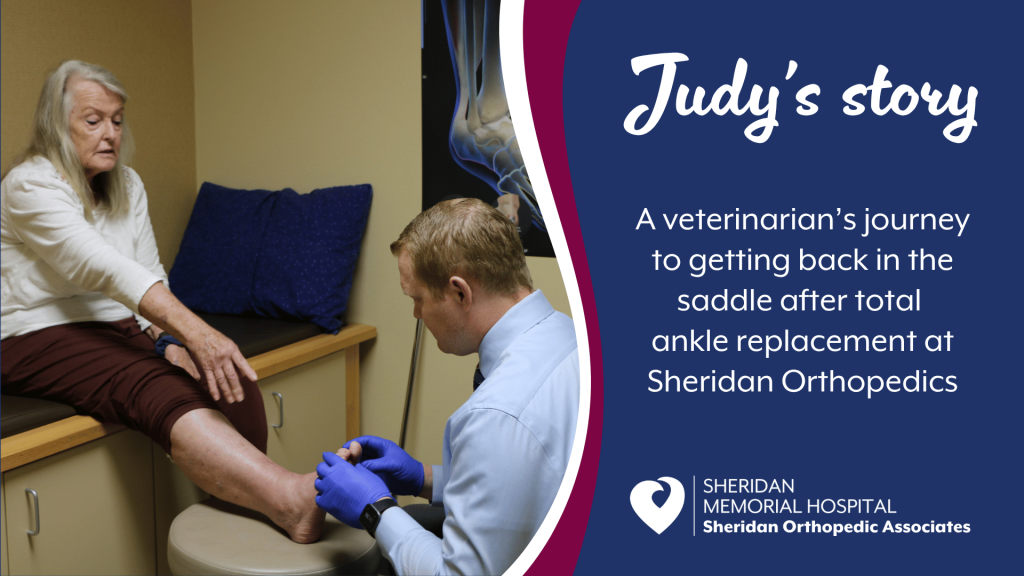
After years of chronic ankle pain, Judy Merriott, DVM, reached a point where everyday tasks—and even walking—became unbearable. Working as an equine veterinarian felt impossible, and the activities she once loved were now out of reach. Determined to get back in the saddle, both literally and figuratively, Judy turned to Sheridan Orthopedics, where she found the care and support she needed to reclaim her mobility and joy.

Judy has called Sheridan home for the past year, returning to Wyoming after spending 12 years practicing veterinary medicine in Australia. Her ankle pain began about five years ago, following an injury she sustained while working abroad.

“I was doing chiropractic work on a horse and standing on a stepladder,” Judy recalled. “I was up above this mare’s neck, and the person holding her wasn’t paying much attention. The mare jumped sideways, knocked me off the ladder and stepped on my ankle.”

Although initial X-rays showed no broken bones, the damage worsened over time. The pain gradually began to affect every part of her life.

“I was a solo practitioner, so I didn’t get much time off,” she explained. “I soldiered on, but every year it got a little worse. Eventually, I was walking with my foot turned out like a duck because that was the only position that felt comfortable. When I moved to Sheridan, I knew that if I still wanted to work as an equine vet, I needed my mobility back. I have to be able to get out of the way quickly if my patient—the horse—isn’t happy with me.”

Judy’s pain didn’t just affect her work. It also kept her from enjoying her favorite pastimes.

“I like to hike, and I love to ride horses,” she shared. “I tried to ride last summer, but I ended up getting of the horse in tears because my ankle hurt so much.”

Eager for a solution, Judy researched providers in Sheridan, Billings and Denver. She eventually met with Dr. Daniel Peterson, DPM, FACFAS, at Sheridan Orthopedics, who introduced the possibility of a total ankle replacement.

After speaking with others in the community and hearing consistent praise for Dr. Peterson’s expertise and kindness, combined with the convenience of receiving care close to home, Judy felt confident moving forward with the procedure.

From her first visit to her final follow-up, Judy felt heard, respected and supported throughout the process.

“The front desk staff were very friendly and efficient,” Judy said. “And the scheduler was great, even when I had to postpone my surgery twice. Any time I had a concern, I could call the office, and Dr. Peterson would personally call me back.”

Her experience stood in stark contrast to a previous major surgery.

“I had both knees replaced in 2008 in Colorado. The surgeon was well-known, but I felt like I was just a blip on their screen,” she said. “Dr. Peterson never made me feel that way. I felt very well taken care of.”

In December 2024, Sheridan Orthopedics became part of the Sheridan Memorial Hospital team, enhancing the hospital’s ability to deliver expert, coordinated orthopedic care close to home. This integration ensures patients like Judy receive a smooth, supportive experience—from initial consultation through surgery and recovery—guided by a team that puts people first.

Judy’s surgery went smoothly, and she spent one night at Sheridan Memorial Hospital—a stay that left a lasting impression.

“The nurses were wonderful,” she reflected. “When you’re a patient, someone else has to help you do everything—and they were kind, respectful and never made me feel awkward.”

Now, several weeks into her recovery, Judy has made remarkable progress—enough to impress even Dr. Peterson.

“At my two-week check-up, my incisions had already healed really well,” she said. “By four weeks, Dr. Peterson looked at my X-rays and range of motion and said, ‘I’m really surprised. I’ve never seen an ankle heal this quickly.’”

Judy chuckled. “And I said to him, “I told you I was a good healer!”

She continues physical therapy and is eager to walk again without a boot or crutch, but she’s also learning to listen to her body.

“I have a tendency to push through things,” Judy admitted. “A few days ago, I felt strong enough to go for a walk with my neighbor, but on the way back, it started to hurt. I’m learning to listen to my ankle and know when it’s had enough. I’m trying to do everything I can to make it heal quickly, but at the same time, I don’t want to overextend myself.”

When asked what advice she would give others considering ankle replacement, Judy answered, “Number one, go to Dr. Peterson. Number two, trust your doctor. Make a list of your questions and concerns, and just go have a conversation.”

In just a few more weeks, Judy hopes to be hiking the Bighorns with her Border Collie and, eventually, riding horses again.

“I’ll be thrilled the first time I get back on a horse,” she said with a smile. “I’ll be thrilled, because that was my life for many, many years.”

If bone, joint or muscle pain is keeping you from the things you love, you don’t have to go through it alone. Visit sheridanortho.org to learn how Sheridan Orthopedics can help you get back in the saddle and back to doing what you love.

When you don’t know what “normal” should look like, you learn to cope with the hand you’ve been dealt. For 35-year-old Danielle Law, that meant years of painful cramps, difficult menstrual cycles and hormones that fluctuated through extremes.

After giving birth to three boys, though, Danielle sought help figuring out what “normal” could mean for her. She worked with a functional healthcare provider who started her on supplemental hormones, but a year into that treatment Danielle knew something still wasn’t right.

“I did a lot of research,” Danielle said of that timeframe, adding that she adjusted her diet and implemented healthier habits. “I felt the best that I’ve felt in my entire life.”

About five months ago, though, her menstrual cycles returned more regularly and they were just as frustrating as they had been before she had children.

“My mom had a hysterectomy after years of dealing with endometriosis,” Danielle said. “After everything I had tried and how good I had felt, the return to that cycle of pain – I knew something was wrong. So, I called the Women’s Clinic and let them know I wanted to be checked for endometriosis.”

Danielle said she was scheduled quickly, and sat down with Dr. Lindsay Capron to discuss her symptoms.

“In all of my research, I had read horror stories about women spending years advocating for themselves and arguing with doctors about their symptoms,” Danielle said. “I didn’t have that experience at all. Dr. Capron listened to me, believed me and got to work trying to help me figure it out.”

Dr. Capron said many women are suffering with severe pain and heavy bleeding, thinking it’s normal, or worse, feeling like they are just complaining and unable to cope.

Danielle was diagnosed with adenomyosis, a condition where the tissue that normally lines the uterus grows into the muscular wall of the uterus, causing heavy menstrual bleeding and pelvic pain. It can get progressively worse with each menstrual cycle and each pregnancy.

Dr. Capron provided Danielle with several options for treatment, including ablation, hormonal treatment and hysterectomy. The hospital’s use of robotics also allows surgeons like Dr. Capron to offer excision of endometriosis as an option for treatment.

Dr. Capron noted that whether a woman is 20 or 90, the decision to pursue hysterectomy is very individualized. She and the other providers at SMH’s Women’s Clinic are available to discuss all options with patients to help find a solution that meets their needs and desires.

“It sounded terrifying at first,” Danielle said of hysterectomy. “Dr. Capron reassured me that I didn’t have to decide right away. So I did more research – I mean these days you can research to your heart’s content.”

She noted that her initial concerns centered around hormones, which she had spent so many years trying to regulate and control. Ultimately, though, Danielle opted for the hysterectomy, keeping her ovaries, knowing she was at her healthiest and excited to see an end to the pain she had endured for decades.

She was scheduled for the surgery and within two weeks Dr. Capron had utilized robotic technology at SMH to complete the procedure, leaving just four small incisions on Danielle’s abdomen and shortening the recovery time.


To celebrate the surgery, Danielle even recorded a short video of herself dancing in her hospital gown after surgery.“I wanted to show everyone that I was OK,” Danielle said.

Little did she know that one short post celebrating her choice would go viral, as women across the country empathized with her situation and celebrated that more and more options are becoming available to help women manage their menstrual cycles, pain and hormones.

“So many women were looking for information,” Danielle said of the post that went viral. “I had comments that included everything from ‘thank you’ to questions about the process, horror stories about doctors that wouldn’t listen and women saying they had done the same and never regretted it. It was wild.”

Since then, Danielle has continued sharing her story on social media, giving updates on how she’s feeling, helping women understand her journey and the options available.

A couple weeks post-surgery, Danielle had a follow-up appointment with Dr. Capron, where the WOMC provider confirmed the adenomyosis diagnosis along with endometriosis and fibroids.

“It was reassuring that I felt like I made the right decision,” Danielle said. “I feel great, almost so good that I wonder what I’m missing.”

While Danielle is still only about eight weeks post-surgery, she said she’s excited to settle into what her new “normal” will look and feel like – with less pain and an increased appreciation for her health heading into her 40s.

If you’re struggling with pain or symptoms that don’t feel “normal,” you don’t have to face it alone. The experienced team at Sheridan Memorial Hospital’s Women’s Clinic is here to listen, support, and help you find real answers. Your health matters—and so does your story. If you would like to make an appointment call or text 307.672.2522.

When Dr. Michael Kinney and his wife, Lindsay, first arrived in Sheridan, they were looking for something more than a beautiful place to live. They were seeking impact.

“We wanted to make a big splash in a little pond,” Dr. Kinney shared during a recent interview on Public Pulse with host Floyd Whiting. That desire led him to Sheridan Memorial Hospital, where he now serves as the organization’s psychiatrist, serving patients ages 13 and older.

And that splash? It’s already rippling.

Building behavioral health service from the ground up

Dr. Kinney joined Sheridan Memorial Hospital in late 2024 and quickly stepped into a role that was as foundational as it was formidable — building a behavioral health clinic from the ground up.

“It’s intimidating,” he admitted. “But exciting.”

With no existing psychiatry infrastructure in the hospital system, Dr. Kinney and Director of Behavioral Health Brittany Goodvin have taken on the challenge of creating not just a clinic, but a new model of care — patient-focused, data-informed and stigma-free.

Rather than being overwhelmed by the size of the mission, they’ve approached it one piece at a time.

“Let’s not look at the whale,” Kinney said. “Let’s take just pieces of it off at a time.”

Meaningful metrics and measurable impact

One of the most promising signs of success so far? A nearly 20% reduction in the use of emergency hold proceedings under Wyoming’s Title 25 since the clinic opened. Dr. Kinney sees that number not only as a marker of progress but also as an early indicator that the community is gaining access to care in a more timely and supportive way.

And the future is even brighter. With the hospital’s behavioral health facility currently under construction — featuring a crisis stabilization area, inpatient beds and expanded outpatient therapy spaces — Sheridan Memorial is preparing to meet a broader spectrum of mental health needs with compassion and skill.

Psychiatry rooted in purpose

Dr. Kinney’s journey into medicine wasn’t linear. Initially pursuing law, it wasn’t until a volunteer EMT call — where a child in distress looked up at him “like [he] was Superman” — that he realized his calling was to be a different kind of helper.

That sense of calling became even more personal after the tragic loss of his brother to addiction and mental illness.

“He didn’t survive those issues,” Kinney said. “And that’s part of what drives me now.”

Kinney speaks openly about that grief and how it shaped his desire to become a psychiatrist unafraid of addressing addiction.

“I don’t want to do this halfway,” he said. “I want to be able to take care of the whole person.”

A philosophy of thoughtful care

In an age where medication can feel like a quick fix, Dr. Kinney is refreshingly intentional. He uses metaphor to explain the role of treatment: if mental health challenges are a Wyoming blizzard, then medication is the pair of boots that keeps your feet warm—but it’s therapy that helps you find your way out of the storm.

“Some people need the boots longer than others. But nobody should feel like they have to weather it alone.”

Kinney also emphasizes the importance of accurate diagnosis. He noted that a significant number of patients he sees arrive with labels like bipolar disorder that may not fit. His approach involves “getting back to the drawing board,” with careful attention to both removing unnecessary medications and prescribing only what’s needed to support healing.

Community matters

One thing is clear: Kinney is here for Sheridan. He praises the region’s strength and resilience while recognizing the need to shift cultural attitudes around mental health.

“This is a place that takes care of others,” he said. “But to do that well, we have to start by taking care of ourselves.”

And that begins with making it easier — and more normal — to ask for help.

“Pay attention to how you feel,” he said. “Honor your emotions. That’s where healing starts.”

At Sheridan Memorial Hospital, the addition of Dr. Kinney is part of a larger commitment to transform how the community understands, accesses and receives behavioral health care.

🎧 Listen to Dr. Kinney’s full interview on Public Pulse by clicking below.


To speak with someone about behavioral health services at Sheridan Memorial Hospital, visit Behavioral Health – Sheridan Memorial Hospital or call 307.675.2674.

At Sheridan Memorial Hospital Women’s Clinic, our OB/GYN team partners with you throughout your pregnancy — offering compassionate prenatal care, personalized delivery support and follow-up to give you and your baby the healthiest possible start.

From your first prenatal visit to the moment you meet your baby, our goal is to ensure a safe, supportive and positive birth experience.

Why prenatal care matters

Prenatal care is the ongoing medical support you receive during pregnancy. Regular visits allow your provider to:

  • Monitor your health and your baby’s development
  • Detect and address potential complications early
  • Provide education, resources, and emotional support
  • Help you prepare for delivery with confidence

Every pregnancy is unique, and consistent care gives your baby the best possible beginning—whether it’s your first pregnancy or your fifth.

When to schedule prenatal care

It’s best to schedule your first prenatal appointment as soon as you suspect you’re pregnant—usually around 8 weeks (four weeks after a missed period).

A typical prenatal care schedule includes:

  • Weeks 4–28: one visit per month
  • Weeks 28–36: two visits per month
  • Week 36 until delivery: one visit per week

If your pregnancy is considered high-risk, you may need more frequent visits for closer monitoring.

What to expect during prenatal visits

At your first visit, your provider will:

  • Review your health history and check vital signs
  • Estimate your due date
  • Perform a physical exam, including a pelvic exam
  • Listen for the baby’s heartbeat
  • Order early blood tests and screenings

In later visits, you may have:

  • Ultrasounds to monitor growth and development
  • STD screenings
  • Glucose tolerance testing for gestational diabetes
  • Urinalysis to screen for preeclampsia
  • Genetic testing, amniocentesis, or chorionic villus sampling (as needed)
  • Group B strep culture in the third trimester
  • Fetal monitoring

Delivery support and birth planning

As your due date approaches, your provider will work with you to create a birth plan that aligns with your preferences, health needs, and baby’s well-being.

Our team is committed to supporting your vision for labor and delivery—while being fully prepared to respond quickly and safely if unexpected complications arise.


Call today to schedule your first prenatal visit and begin your personalized pregnancy care plan.

An ultrasound screening is a safe, noninvasive way for your provider to evaluate your reproductive organs or monitor a developing pregnancy. At Sheridan Memorial Hospital Women’s Clinic, we offer convenient, in-office ultrasound services so you don’t have to travel elsewhere for diagnostic imaging.

Call Sheridan Memorial Hospital Women’s Clinic today to schedule your ultrasound.

What is an ultrasound?

An ultrasound uses high-frequency sound waves to create detailed images of the tissues and organs inside your body. It does not use radiation, making it a safe option for reproductive and prenatal care.

During the test:

  • A technician glides a handheld wand (transducer) over your abdomen.
  • Sound waves bounce off your internal structures.
  • These echoes create real-time images on a computer screen.

Sometimes, your provider may perform a transvaginal ultrasound by placing a sterile wand inside the vagina. This approach provides clearer images of the uterus and surrounding structures when needed for diagnosis.

What does an ultrasound detect?

Ultrasound imaging helps your provider examine reproductive organs such as the uterus, ovaries, cervix, and fallopian tubes. It can also be used to evaluate the bladder or assess fetal growth during pregnancy.

Common reasons you may need an ultrasound include:

  • Detecting ovarian cysts
  • Measuring and locating uterine fibroids
  • Evaluating causes of pelvic pain or irregular bleeding
  • Monitoring a pregnancy and assessing fetal development

What types of ultrasounds are offered?

Your provider recommends the most appropriate type of ultrasound based on your health needs. Options include:

  • Transabdominal ultrasound – The standard exam, where the wand is moved across your lower abdomen.
  • Transvaginal ultrasound – The wand is placed inside the vagina to capture a more detailed view of the uterus and ovaries.
  • Transperineal or translabial ultrasound – Performed externally on the genital area to evaluate urinary or pelvic conditions.

Some women may undergo both abdominal and vaginal ultrasounds for a more complete picture of the pelvic region.

What are the benefits of an ultrasound?

Ultrasounds provide several advantages for both patients and providers:

  • Safe, noninvasive, and radiation-free
  • Real-time images of your internal organs or developing baby
  • In-office availability at Sheridan Memorial Hospital Women’s Clinic—no need to travel to another facility
  • Immediate interpretation by your provider so you can receive results and treatment quickly

In-office women’s ultrasound care in Sheridan

At Sheridan Memorial Hospital Women’s Clinic, our team provides high-quality, compassionate care for women’s health needs, including advanced imaging. Whether you need a diagnostic pelvic ultrasound or a prenatal checkup, you can trust our providers to deliver expert care close to home.

Call today to schedule your ultrasound and learn more about women’s imaging services.

Endometriosis is a common women’s health condition, especially for women in their 30s and 40s. It occurs when the lining of the uterus (endometrial tissue) grows outside the womb in places like the ovaries, rectum or bladder. This misplaced tissue can cause painful periods, irregular bleeding and fertility challenges.

At Sheridan Memorial Hospital Women’s Clinic, our experienced providers offer expert diagnosis and treatment options to help you find relief and protect your long-term reproductive health.

Call our office today to schedule an evaluation if you suspect you may have endometriosis.

What are the symptoms of endometriosis?

Endometrial tissue that grows outside the uterus still responds to monthly hormonal changes—thickening, breaking down, and bleeding. Because this tissue has no way to leave the body, it can lead to inflammation, pain, and scarring. Common symptoms include:

  • Painful, heavy, or irregular periods
  • Cramps that last longer than normal (sometimes weeks)
  • Chronic pelvic, abdominal, or lower back pain
  • Pain during sex or bowel movements
  • Difficulty getting pregnant (30–40% of women with endometriosis experience infertility)

Endometriosis is most often diagnosed in women between ages 25 and 35, but symptoms may begin earlier.

Who is at risk of developing endometriosis?

Any woman of childbearing age can develop endometriosis, but your risk is higher if you:

  • Have a first-degree relative (mother, sister) with endometriosis
  • Began menstruating at a young age
  • Have never been pregnant
  • Have short or frequent menstrual cycles
  • Experience periods that last more than seven days
  • Have an immune system condition

If you have these risk factors and symptoms, the team at Sheridan Memorial Hospital Women’s Clinic encourages you to schedule an evaluation for accurate diagnosis and personalized care.

What are the treatment options for endometriosis?

While there is no permanent cure for endometriosis, treatments can effectively manage symptoms and improve quality of life. Your provider will create a customized treatment plan based on your age, family plans, overall health, and the severity of your symptoms. Options may include:

  • Over-the-counter or prescription pain medications
  • Relaxation and stress-reduction techniques
  • Hormone therapy (birth control pills, progesterone therapy, or hormone injections)
  • Fertility treatments if you are trying to conceive
  • Minimally invasive surgery to diagnose and remove abnormal tissue
  • Hysterectomy (in severe cases when other treatments aren’t effective and pregnancy is not desired)

Early diagnosis and treatment can help prevent complications, improve fertility outcomes, and provide much-needed relief.

Expert endometriosis care in Sheridan

You don’t have to suffer in silence. At Sheridan Memorial Hospital Women’s Clinic, our caring providers are here to listen, support, and guide you through effective treatment options for endometriosis.

Call today to schedule your endometriosis evaluation and start your path to relief.

Well-woman exams are an essential part of preventive health care for women at every stage of life. At Sheridan Memorial Hospital Women’s Clinic, our compassionate providers make your annual exam as comfortable and straightforward as possible. These visits offer an overall assessment of your health with an extra focus on breast and gynecologic health.

Call Sheridan Memorial Hospital Women’s Clinic today to schedule your well-woman.

What is a well-woman exam?

Depending on your age, health history and risk factors, your provider may:

  • Screen for breast, cervical, vulvar, vaginal, colon, lung, skin cancers, etc.
  • Screen or provide guidance to prevent infectious disease such as hepatitis, HIV, tuberculosis and STDs
  • Conduct a bone health assessment, and prevention of osteoporosis
  • Screen for heart health sand provide referrals as needed
  • Provide mental health screenings and referrals when needed
  • Evaluate and help manage of urinary incontinence
  • Help prevent pregnancy
  • Assist with fertility
  • Provide pre-pregnancy counseling
  • Provide menopause and perimenopausal care
  • Provide a breast cancer risk assessment and discussion on breast cancer prevention options
  • Discuss genetic testing for genes associated with breast or ovarian cancer
  • Offer screening and referrals for substance and tobacco use disorders,
  • Assess and help manage infertility
  • Discuss and address menstrual irregularities
  • Update immunizations
  • Assess issues of intimate partner violence

The team at Sheridan Memorial Hospital’s Women’s Clinic are your full partners in healthcare. We are here to connect you with any additional resources you made need in your healthcare journey. Well-woman exams offer a thorough health evaluation and assessment.

How should I prepare for my annual exam?

Before your visit, be ready to share your:

  • Personal medical history (pregnancies, surgeries, health conditions)
  • Family medical history
  • Current medications and dosages

Your provider may also ask questions such as:

  • When was your last menstrual period?
  • How long do your periods typically last?
  • At what age did you start menstruating?
  • Are you currently sexually active?

Having this information helps your doctor provide the most personalized care.

What happens during a well-woman exam?

Our providers will explain each step so you know what to expect.

  1. Breast exam – To check for lumps or changes that may indicate breast cancer.
  2. Pelvic exam – Speculum and bimanual exam as well as an external examination.
  3. Pap smear – A swab of cervical cells to test for cancerous or precancerous changes.
  4. Bimanual exam – Your provider checks your uterus, ovaries, and fallopian tubes.

This exam provides a complete picture of your gynecologic health and is a key step in preventive women’s health care.

What conditions can a well-woman exam detect?

Most patients leave with no concerns. However, well-woman exams sometimes detect early signs of conditions such as:

  • Urinary incontinence
  • Breast, colon, cervical, vulvar, vaginal, uterine, skin, lung and other cancers
  • Vulvar and vaginal conditions
  • Sexual health conditions such as hypoactive sexual desire disorder, female orgasmic disorder or painful sex
  • PCOS
  • Pelvic floor dysfunction
  • Menstrual problems including endometriosis, adenomyosis, ovarian cysts, uterine fibroids
  • Pelvic infections

Early detection means earlier treatment and better outcomes.

Expert women’s health care in Sheridan

At Sheridan Memorial Hospital Women’s Clinic, our experienced team combines advanced technology with personalized, compassionate care. Whether you need routine screenings, family planning, or treatment for a health concern, you can trust us to support your long-term well-being.

If you’re due for your annual well-woman exam, call Sheridan Memorial Hospital Women’s Clinic today to schedule an appointment.

Cancer screenings are an important part of women’s preventive health care. At Sheridan Memorial Hospital Women’s Clinic, our providers offer routine cervical and breast cancer screenings — including Pap smears and mammograms—as well as screenings for lung, colon, cervical and other types of cancer. We also offer advanced genetic testing for women with higher risk due to family history.

Early detection saves lives. Regular screenings can help identify cancer at its most treatable stages, giving you the best chance for a healthy future.

What is cancer screening?

Cancer develops when abnormal cells grow uncontrollably. Screenings are preventive tests designed to detect these changes before symptoms appear.

Since cancer is the second leading cause of death worldwide, routine screenings play a critical role in early detection and treatment.

Types of cancer screenings for women

Our clinic provides comprehensive cancer screening services, including:

Cervical cancer screening

  • Pap smear: During a pelvic exam, your provider collects cervical cells to check for abnormalities and early signs of cancer. Women should begin Pap smears at age 21.
  • HPV test: Human papillomavirus (HPV) is a common sexually transmitted infection that can increase the risk of cervical cancer. Screening for HPV usually starts at age 30. If both Pap smear and HPV tests are negative, you may only need screening every five years.

Breast cancer screening

  • Clinical breast exam: At your annual well-woman visit, your provider checks breast tissue for lumps or abnormalities. You’ll also be encouraged to perform monthly self-breast exams at home.
  • Mammogram: Starting around age 40, mammograms are recommended to detect breast changes not felt during an exam. This low-dose X-ray can detect breast cancer in its earliest stages.

Genetic (hereditary) cancer screening

Some women may be at higher risk of breast or cervical cancer due to family history or genetic mutations. Our clinic offers heritage cancer screening to identify inherited risk factors such as the BRCA1 and BRCA2 “breast cancer genes.”

If genetic testing shows you have a higher risk, your provider will create a personalized screening and prevention plan tailored to your needs.

Take the next step

Routine cancer screenings are one of the best tools for prevention and early detection. Whether you need a Pap smear, mammogram, or genetic cancer risk evaluation, our team at Sheridan Memorial Hospital Women’s Clinic provides the expert, compassionate care you deserve.

Call today to schedule your cancer screening appointment.

An abnormal Pap smear doesn’t necessarily mean you have cervical cancer. To better understand your results, your provider may recommend a colposcopy — a simple, in-office procedure that allows for a closer look at the cervix.

At Sheridan Memorial Hospital Women’s Clinic, our OB/GYN specialists perform colposcopy exams to detect cervical changes early, provide answers, and guide you to the right next steps.

What is a colposcopy?

A colposcopy is a gynecological procedure used to examine the vulva, vagina, and cervix for abnormalities.

Your provider uses a colposcope — a magnifying instrument with a light — to detect changes in cervical tissue that are not visible to the naked eye. If needed, a small biopsy (tissue sample) can be taken during the procedure for lab testing.

Why might I need a colposcopy?

The most common reason for a colposcopy is to follow up on abnormal Pap smear results. However, your provider may also recommend the procedure to evaluate:

  • Cervical inflammation (cervicitis)
  • Genital warts
  • Suspicious or precancerous cervical tissue changes

Colposcopy helps confirm or rule out more serious conditions, including cervical cancer, at an early and treatable stage.

What happens during a colposcopy?

A colposcopy is performed in-office and typically takes about 15–20 minutes. Here’s what to expect:

  1. You’ll lie on the exam table in the same position as a pelvic exam.
  2. A speculum is inserted to gently open the vaginal walls.
  3. The colposcope is positioned just outside the vagina to magnify the cervical tissue.
  4. A mild solution is applied to highlight any abnormal cells.
  5. If needed, a biopsy of suspicious tissue is taken.

Most women feel no pain, though a biopsy may cause a brief pinch or cramping sensation.

What to expect after a colposcopy

  • If no biopsy is taken, you can resume normal activities right away.
  • If you had a biopsy, you may experience light bleeding, spotting, or mild cramping for a few days. Your provider may recommend avoiding tampons and sexual activity for about a week.

Take the next step

A colposcopy is a safe and effective way to better understand abnormal Pap smear results and protect your long-term health.

For expert, compassionate women’s care, call Sheridan Memorial Hospital Women’s Clinic today to schedule your appointment.

Sometimes surgery is the best option to treat gynecological issues such as irregular uterine bleeding, pelvic pain, fibroids, or endometriosis. At Sheridan Memorial Hospital Women’s Clinic, our experienced surgeons specialize in minimally invasive and robotic-assisted surgery to deliver precise results with faster recovery times.

What is minimally invasive surgery?

Minimally invasive surgery uses small incisions, specialized instruments, and advanced technology to treat gynecological conditions while reducing trauma to the body.

Compared to traditional open surgery, which requires a large abdominal incision, minimally invasive techniques such as laparoscopy and robotic surgery (da Vinci platform) offer:

  • Smaller incisions with less scarring
  • Reduced blood loss
  • Lower risk of infection
  • Shorter (or no) hospital stays
  • Faster recovery and return to normal activities
  • Greater surgical precision and control

Whenever possible, our surgeons use minimally invasive techniques—but in certain complex cases, open surgery may still provide the safest outcome.

Types of minimally invasive surgery we offer

Our clinic provides a wide range of advanced gynecologic procedures, including:

Laparoscopic surgery

A laparoscope (a thin tube with a light and camera) is inserted through small incisions to project images of your reproductive organs onto a screen. This allows surgeons to diagnose and treat conditions such as:

  • Endometriosis
  • Ovarian cysts or masses
  • Fibroids
  • Hysterectomy procedures

Hysterectomy

Our surgeons have more than 50 years of combined experience performing minimally invasive hysterectomies for conditions such as chronic pelvic pain, uterine prolapse, cancer, and abnormal bleeding. Options include:

  • Laparoscopic-assisted vaginal hysterectomy (LAVH): Removes the uterus, and possibly fallopian tubes/ovaries
  • Total laparoscopic hysterectomy (TLH): Removes the uterus and cervix
  • Vaginal hysterectomy: Removes the uterus through the vagina, avoiding abdominal incisions

Because a hysterectomy triggers menopause, our team also provides ongoing support and treatment for symptom management.

Endometrial ablation

A quick, minimally invasive procedure that destroys the uterine lining to stop or reduce heavy menstrual bleeding.

Fibroid and polyp removal

A specialized hysteroscope is used to remove abnormal tissue causing pain or heavy bleeding—typically completed in about 30 minutes.

Myomectomy

A surgical procedure to remove fibroids while preserving the uterus, ideal for women who want to maintain fertility. This can be performed laparoscopically or with robotic assistance.

Take the next step

If you need gynecologic surgery, you deserve the most effective care with the least disruption to your life. At Sheridan Memorial Hospital Women’s Clinic, our minimally invasive and robotic-assisted procedures are designed to provide safe, precise treatment with a quicker recovery.

Call today to schedule a consultation with our surgical team and explore your options.