Welcome to Sheridan Memorial Hospital
1401 West 5th St. Sheridan, WY — 307.672.1000

Health and Wellness

SHERIDAN - Sheridan Memorial Hospital will expand the times and locations patient-directed lab draws

We often look at the New Year as an opportunity to make changes within our lives, with common areas
Discover how Sheridan Memorial Hospital’s Same Day Health & Imaging is redefining healthcare
Dr. Jason Ackerman from Sheridan Memorial Hospital Addiction & Internal Medicine Clinic spoke
One of the hardest conversations to have as a family occurs as our loved ones age. Some aging adults require additional caregiving, which at times can be
SameDay Health & Imaging opened Dec. 3, welcoming patients seeking walk-in health care
For many individuals, driving represents freedom. The skill allows you to explore, run
Driving assessments now available at SMH. Listen to what Kristopher Schamber, MD,
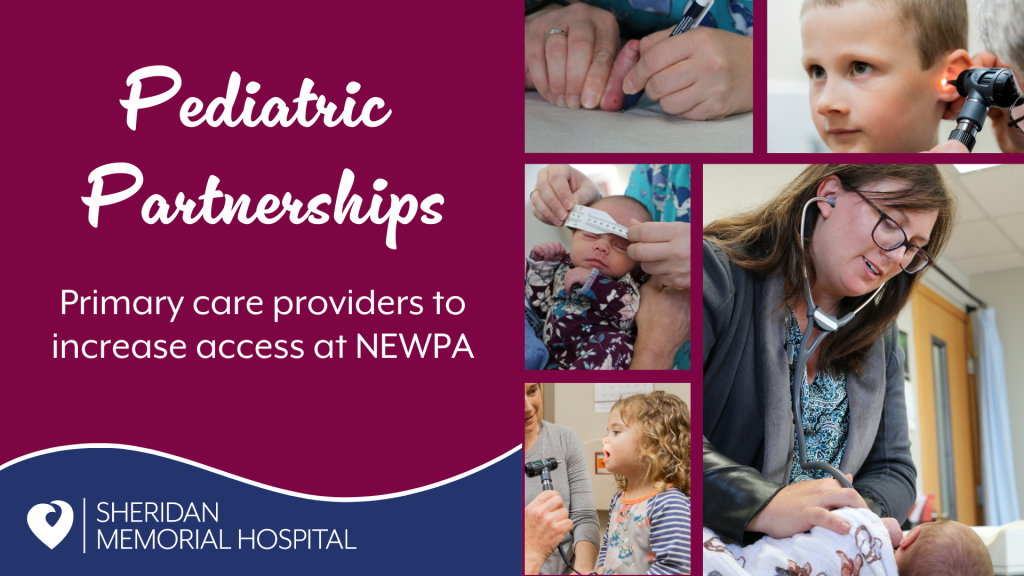
Last week, Dr. Emily Denney from Sheridan Memorial Hospital Primary Care,
Brent Weaver always wanted to experience things. After leaving a private parochial school and entering public school, he had a tendency
Ensure your kids are ready for the school year
Dementia is a prevalent disorder of the brain affecting a wide array of individuals, but the prevalence increases with the number of
School has begun and for many families that means the threat of illness has returned. The simplest way to limit your exposure to all
At 91, Charlie Gibson faced some of the toughest challenges of his life all at once. A prostate cancer diagnosis led to the discovery
With temperatures in the 100s this week, many locals are looking to the mountains or
No one particularly likes to fall down. As children, when we fall, often we shed some tears, seek comfort and return to play. But as
SHERIDAN – Living in the West, most have become accustomed to the haze that fills the skies in the
Sheridan Memorial Hospital recently received recognition for its hospice services, recognizing the

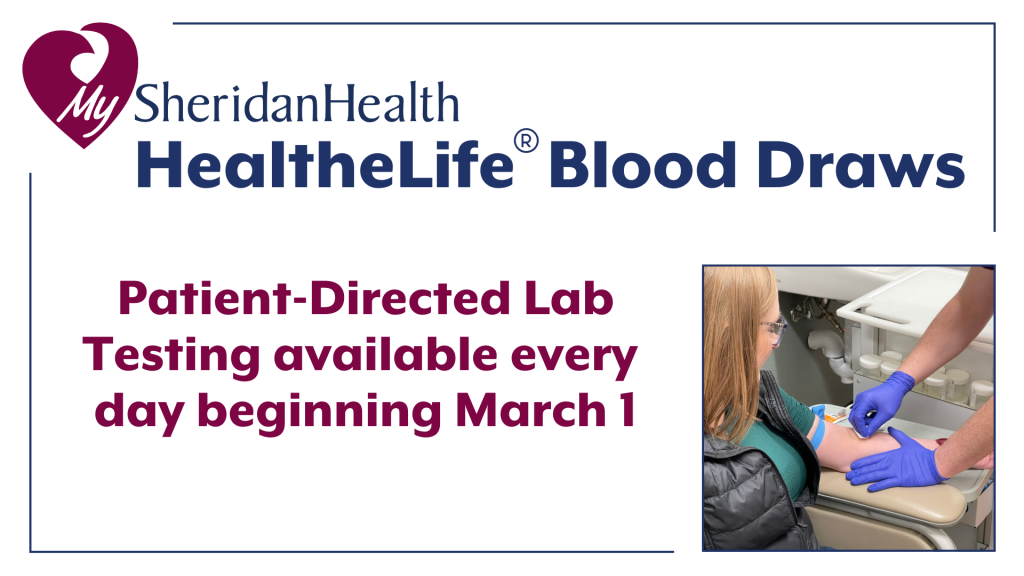
SHERIDAN – Sheridan Memorial Hospital will expand the times and locations patient-directed lab draws are available to the community beginning March 1. Rather than being limited to once-a-month HealtheLife Fridays, patients will have access to patient-directed lab draws at three locations, with some availability seven days a week.

Patient-directed blood draws will be available at the following times and locations:

In addition to the expanded access, SMH will create additional transparency and consistency in pricing for blood draws and testing. An updated list of patient-directed blood draws and pricing will be available at sheridanhospital.org by March 1.

“Sheridan Memorial Hospital consistently seeks to expand access for patients,” said Bryan Opitz, SMH Director of Professional Services. “This expansion of hours and locations for patient-directed blood draws adds convenience for our community.”

Scheduling for HealtheLife patient-directed blood draws is available online at sheridanhospital.org/health-e-life-blood-draws/ or by phone at 307.675.4675. Those scheduling a blood draw should take note of the time, day and location of their appointment.

As always, results from the blood draws will be available online via MySheridanHealth, the SMH patient portal. In addition, during their blood draw, patients may request a follow-up communication from one of the Sheridan Memorial Hospital clinics.

HealtheLife Friday will take place at Sheridan Memorial Hospital’s Primary Care clinic on February 21 and March 21. Following those events, patients will be encouraged to schedule their blood draws at their convenience.

For additional information about expanded access to patient-directed blood draws, tests available, pricing and to schedule your appointment, see sheridanhospital.org/medical-services/laboratory.

For additional information about expanded access to patient-directed blood draws, tests available, pricing and to schedule your appointment, see sheridanhospital.org/medical-services/laboratory.

By Jordan McCoy, MS, RDN, CDCES, LD—Registered Dietitian Nutritionist at Sheridan Green House, the long-term care facility operated by Sheridan Memorial Hospital.

We often look at the New Year as an opportunity to make changes within our lives, with common areas of change coming in the form of financial security, personal growth or a health. If you are making changes to your health in the new year, make 2025 the year of adding rather than subtracting, a tactic that can make you more successful in the long run.

If you’re planning to make a fitness goal, you’re already taking the first step toward making a change. What if, instead of making weight loss goals, we make goals centered around feeling strong, capable and confident? What if we make goals with the simple purpose of adding joy to our lives?

Take a moment to think about an activity that you would like to do this year that seems out of reach right now. Maybe your goal is to be able to ride bikes with your grandchildren to the park and play for an hour, or maybe it includes getting down on the floor with them to play with blocks or toy cars. Maybe your goal is to complete a 5k, a hike in the mountains or climbing the stairs at War Memorial Stadium to watch a game. Whatever meaningful goal you choose, make sure it adds to your life rather than deprives you of something.

With this mindset, you can also look to add in quality food choices that will properly fuel you for those goals. Over the next few months, focus on adding whole foods that are nutrient-rich rather than calorie-rich and nutrient-poor. Add whole foods in their natural forms such as meats, vegetables, fruits, naturally occurring carbohydrates such as sweet potatoes, regular potatoes, quinoa and rice (not instant), wholesome dairy products and healthy fats.

By focusing on adding these foods to your daily intake, you most likely will minimize some of the more unhealthy processed foods. Start by adding in a whole, nutrient-rich protein at breakfast, such as 2% or 5% Greek yogurt or two scrambled eggs. Add in hard-boiled eggs or a handful of raw almonds to a daily snack, rather than the vending machine choice of the day. Soon, by adding in some of these higher-quality foods, your food choices will transform into those nutrient-dense and real foods.

While data shows the vast majority of New Year’s resolutions fail by the end of January, allowing yourself a growth mindset can help you stick with it and establish habits that will aid your health for months — and years — to come.

Interested in learning more? Ask your primary provider about your healthcare concerns and if you could benefit from meeting with a registered dietitian.  If you don’t have a primary provider, check out Sheridan Memorial Hospital’s Primary Care or call or text: 307.675.2690

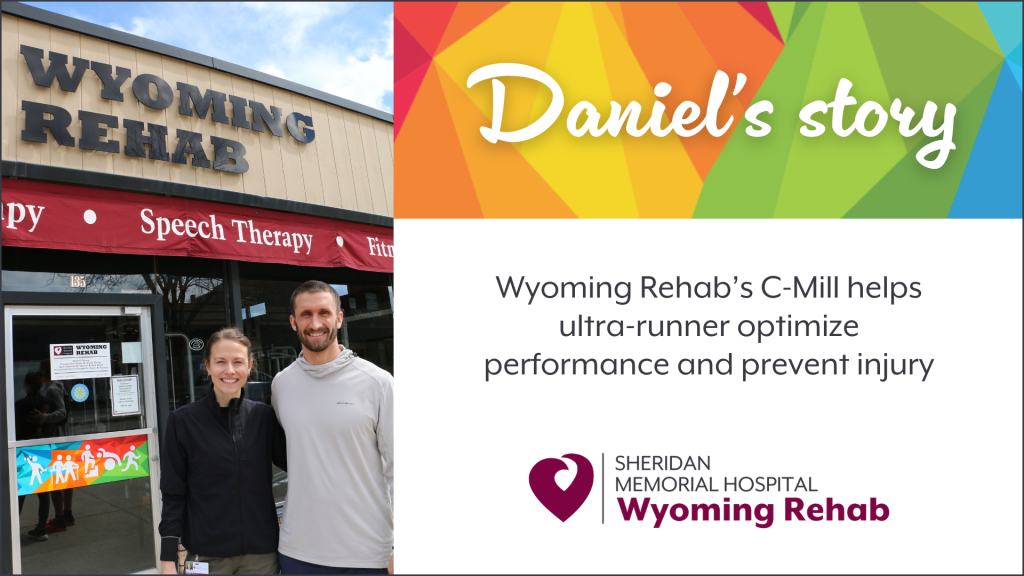
Do you need help with ADDING a fitness goal?  Learn More about Wyoming Rehab and their services by following the link: https://www.sheridanhospital.org/wyomingrehab  or call: 307.674.1632

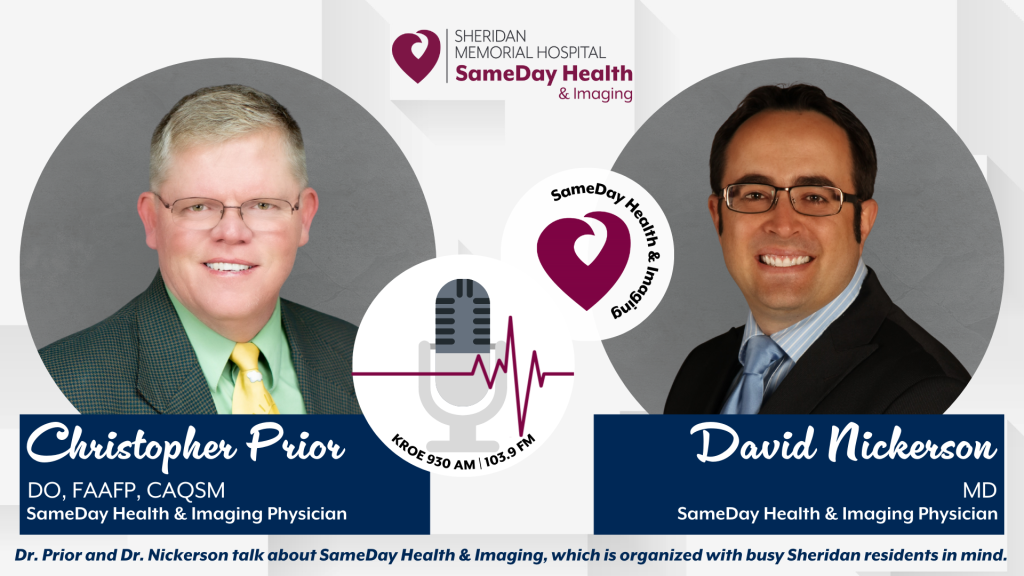
Discover how Sheridan Memorial Hospital’s Same Day Health & Imaging is redefining healthcare convenience in Sheridan County. On the January 20th episode of Public Pulse, host Floyd Whiting sat down with Dr. Christopher Prior and Dr. David Nickerson to explore how this innovative clinic is bridging the gap between urgent care and primary care.

From walk-in and scheduled appointments to on-site imaging, lab services, and telehealth, SameDay Health & Imaging offers a comprehensive approach to patient-centered care. The doctors shared their unique professional journeys, insights on the differences between urgent and emergency care, and how modern technologies streamline communication across healthcare providers.

Dr. Prior emphasized, “SameDay Health & Imaging evolved to meet patients’ needs, providing timely, efficient, and comprehensive care without delays.” Dr. Nickerson added, “It’s a great starting point for anyone unsure where to go or unable to get into their regular provider.”

Key Services Offered:

  • Walk-in and scheduled appointments
  • Telehealth for added convenience
  • On-site imaging, lab draws, mammography, and more
  • Integrated care with Sheridan Memorial’s electronic medical records system

Same Day Health & Imaging ensures that care is both efficient and personal, making it easier for patients to access the services they need when they need them.

Listen now to what Dr. Christopher Prior and Dr. David Nickerson have to say on Public Pulse,
hosted by Floyd Whiting.

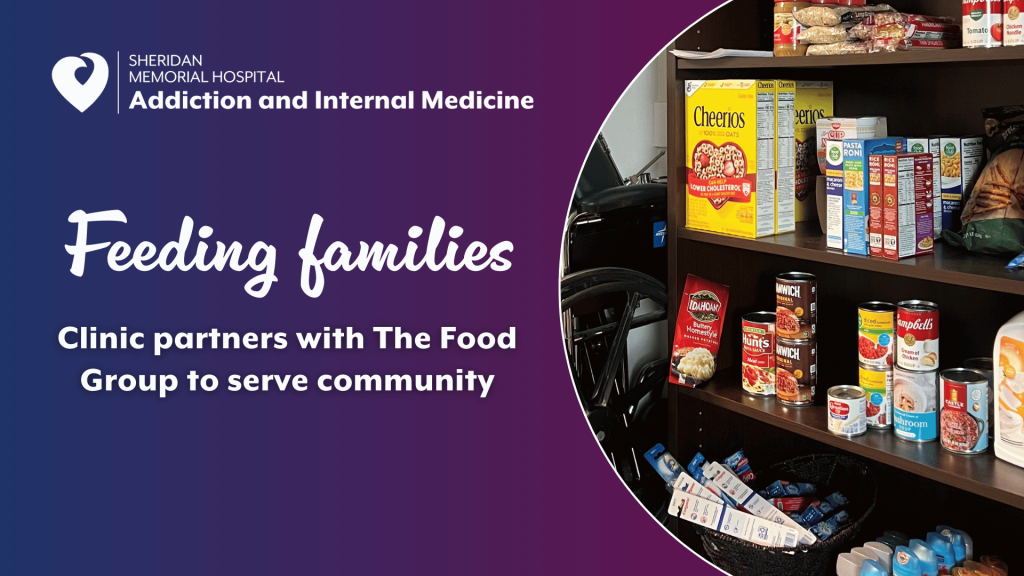
Dr. Jason Ackerman from Sheridan Memorial Hospital Addiction & Internal Medicine Clinic spoke with Floyd Whiting on Public Pulse about addiction and the support available to those struggling with it. Dr. Ackerman explained how addiction is more than just bad choices—it’s a medical condition that affects the brain. He also talked about the importance of breaking the stigma around addiction so people feel safe asking for help.

During the conversation, Dr. Ackerman shared how treatment can make a big difference. Using medicine to reduce cravings can help people focus on building better habits and relationships. He also talked about the role of family and support systems, especially during stressful times like the holidays, when many people face extra challenges.

Sheridan Memorial Hospital’s Addiction and Internal Medicine Clinic is ready to help, with a team of caring professionals who understand the journey to recovery. Dr. Ackerman encourages anyone struggling—or their loved ones—to reach out. There is hope, and there is help.

To get started, call 307.675-2674 or visit Addiction and Internal Medicine Clinic – Sheridan Memorial Hospital. Listen to the full podcast now!


Learn more at Sheridan Memorial Hospital Addiction and Internal Medicine Clinic or call today for an appointment at 307.675.2674.

By Tonya Carlson – Director, Sheridan Green House Living

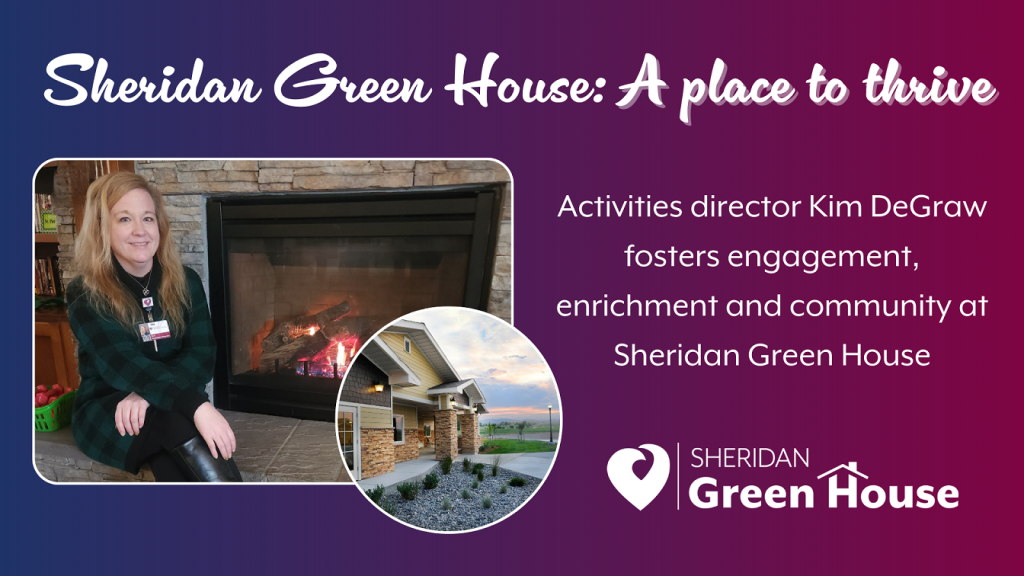
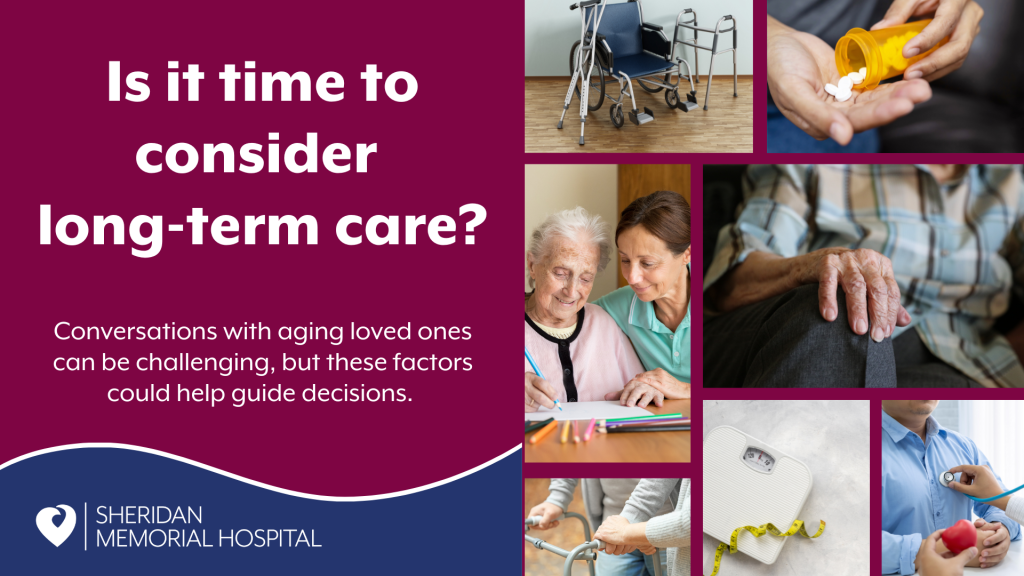
One of the hardest conversations to have as a family occurs as our loved ones age. Some aging adults require additional caregiving, which at times can be too much for family members to handle on their own, or at all.

As a result, families often consider long-term care facilities designed to meet a person’s health or personal care needs. But how do you know when it’s time to consider a move?

Safety issues

Are you worried about your loved one — whether a parent or spouse —being home alone? If there is significant concern about an aging individual leaving stove burners on or locking doors at night, it may be time to consider additional support. Falls, burns and other injuries may prompt additional discussions about options, as could fears of a loved one becoming more agitated or restless, even wandering from the home due to dementia.

Hygiene issues

If you or your loved one has started neglecting personal hygiene, it may be a sign those tasks have become increasingly difficult. Whether it’s shaving, showering or toileting, as we age it can become harder to care for ourselves without assistance.

Weight loss

Whether due to dementia, lack of appetite or other causes, a drop in weight without trying may indicate additional health care assistance is needed.

Changes in behavior

According to the National Institute on Aging, loneliness and social isolation are associated with higher risks for health problems such as heart disease, depression and cognitive decline. Before these concerns arise, you may consider options that allow for more frequent interactions with others.

Caregiver burnout

If you or other family member are exhausted from providing the care your loved one needs, it may be time to discuss a sustainable path forward. Considering your options before a caregiver begins resenting a situation or before a loved one feels like a burden can help make the conversations easier.

Aging is part of life, and each of us will age differently. Often, though, adult children or spouses reach a point where they can no longer provide adequate care for an aging loved one. There are many ways to provide additional care, including in-home health services, respite care, assisted living or long-term care facilities. Most such services have case managers or resources to help you determine the best fit for you and your family.

Even if you aren’t in need of additional help yet, learning more about your options can prevent the need for decisions to be made under pressure.

Learn more about Sheridan Green House Living by visiting sheridangreenhouse.org or calling 307.675.1852.

Clinic offers walk-in appointments, lab and imaging

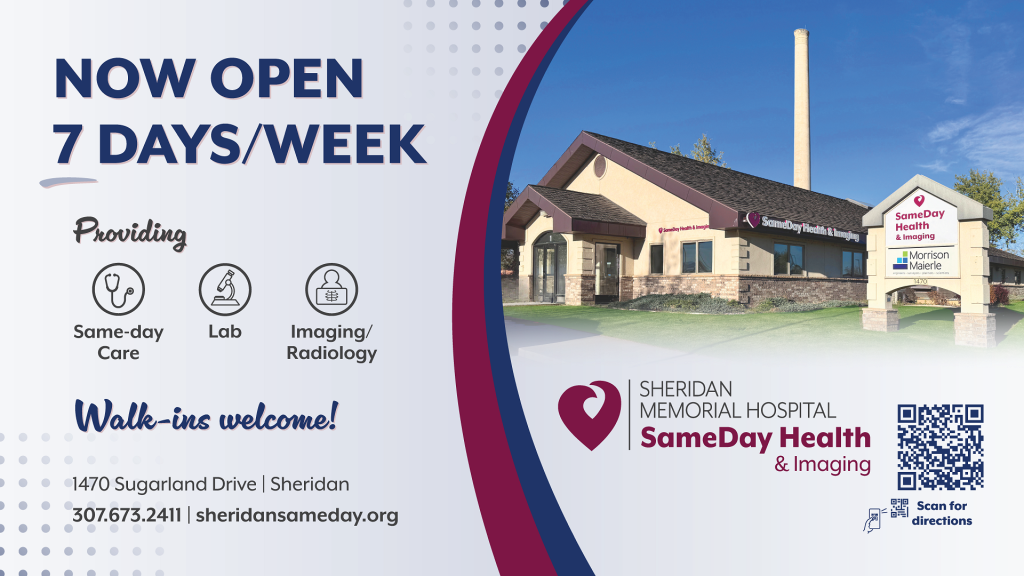
SameDay Health & Imaging opened Dec. 3, welcoming patients seeking walk-in health care appointments, imaging or lab services.

The new clinic, located at 1470 Sugarland Drive, Suite 1, between Walmart and WyoVision, is open Monday through Friday from 6:30 a.m. to 5:30 p.m. and Saturdays and Sundays from 9 a.m. to 4 p.m.

The new location provides additional options for community members to receive care. Those needing X-rays, lab services or a visit with a provider can walk in during office hours — no appointment needed. SameDay Health & Imaging staff look forward to providing excellent, patient-centered care to the community. Lab and Imaging orders from both Sheridan Memorial Hospital and Clinics and other providers around the region will be accepted and completed by the SameDay Health & Imaging team.

In addition, individuals seeking a screening mammography or DEXA bone scan can now walk in or schedule appointments at either SameDay Health & Imaging or the Outpatient Center at Sheridan Memorial Hospital’s main campus on Fifth Street.

“We know accidents, illness and other healthcare needs don’t happen on a schedule or during a regular work week,” said Mike McCafferty, CEO of Sheridan Memorial Hospital. “SameDay Health & Imaging ensures individuals in our community have access to excellent, patient-centered care when they need it.”

The expanded access and convenience for the community is made possible by a collaboration between multiple departments at Sheridan Memorial Hospital coming together to create the new clinic. The team of providers at SameDay Health & Imaging includes Dr. Christopher Prior, who has spent five years with the SMH Primary Care/Internal Medicine Clinics, and Dr. David Nickerson, who has led the Urgent Care Clinic at SMH for six years. The two physicians will be joined by Wyatt Gardner, MSPA, PA-C, Claire Buckingham, DNP, FNP-C, along with highly-trained nursing and administrative teams joining together to expand hours and access for the community.

For additional information about SameDay Health & Imaging, call or text 307.673.2411 or visit sheridansameday.org. In-person and telehealth appointments are also available through sheridansameday.org.

SHERIDAN – The team at SameDay Health & Imaging will begin seeing patients Tuesday, Dec. 3, with expanded hours providing healthcare for the community seven days a week.
The new clinic, located at 1470 Sugarland Drive, Suite 1, will be open Monday through Friday from 6:30 a.m. to 6 p.m. and Saturdays and Sundays from 9 a.m. to 6 p.m. SameDay Health & Imaging includes an imaging center, laboratory draw stations and same-day care in one of Sheridan’s busiest hubs.

The expanded access and convenience for the community is made possible by a collaboration between multiple departments at Sheridan Memorial Hospital coming together to create the new clinic. The team of providers at SameDay Health & Imaging will include Dr. Christopher Prior, who has spent five years with the SMH Primary Care/Internal Medicine Clinics, and Dr. David Nickerson, who has led the Urgent Care Clinic at SMH for six years. The two physicians will be joined by Wyatt Gardner, MSPA, PA-C, Claire Buckingham, DNP, FNP-C, the entire team from the SMH Urgent Care Clinic and new staff who have joined the team to expand hours and access.

“We know accidents, illness and other healthcare needs don’t happen on a schedule or during a regular work week,” said Mike McCafferty, CEO of Sheridan Memorial Hospital. “SameDay Health & Imaging ensures individuals in our community have access to excellent, patient-centered care when they need it.”

As the team at Sheridan Memorial Hospital’s Urgent Care Clinic prepare for the move to the new clinic on Sugarland Drive, hours at the current Urgent Care Clinic will be limited beginning next week. The Urgent Care Clinic located at 1435 Burton Street will close at 2 p.m. Monday, Nov. 25, and services will resume at the new SameDay Health & Imaging Clinic on Dec. 3 at 6:30 a.m.

Between Nov. 25 and Dec. 3, Sheridan Memorial Hospital’s Primary Care and Internal Medicine Clinics will have additional same-day appointments available to ensure access to care remains in place prior to SameDay Health & Imaging opening.

To celebrate the opening of SameDay Health & Imaging, the new clinic will host an open house Monday, Dec. 2 from 5:30-7 p.m. at 1470 Sugarland Drive, Suite 1. The event will include a ribbon cutting with the Sheridan County Chamber of Commerce, refreshments and tours.

By Rachel Fields, OTC/L, CDRS — Occupational Therapist at Sheridan Memorial Hospital’s Wyoming Rehab.

A driving risk assessment can take the guesswork away

For many individuals, driving represents freedom. The skill allows you to explore, run errands, visit friends and live independently. For a variety of reasons, the ability to drive safely may change during the course of a lifetime. This could be due to a change in health (such as a stroke or neurologic condition), a medical procedure or disability or the onset of dementia.
Healthcare providers often see and care for patients who are not safe to drive and as such put themselves and others at risk. Having the conversation about safe driving with family members, or even with ourselves, often presents challenges though. The process of evaluating someone’s ability to drive has often felt subjective, and many individuals may not notice a decline in their own abilities. So how do you objectively evaluate a driver?

Having a driving risk assessment completed by a certified driver rehabilitation specialist can help eliminate the guesswork.

A driving risk assessment is an outpatient evaluation completed by an occupational therapist through facilities such as Wyoming Rehab. The evaluation looks at one’s vision, physical abilities and cognitive-perceptual abilities – all very important for driving. We take into account one’s medical history, insight and current driving habits. The evaluation typically takes about an hour to an hour and a half and it provides objective measures to help guide decisions regarding one’s risk when it comes to driving.

If someone is having difficulty with other activities of daily living, continued occupational therapy may be appropriate to improve on those movements and may help someone regain their ability to drive safely. But, more often, a medical diagnosis is permanent or progressive and may result in a permanent inability to drive. Occupational therapists and healthcare providers work closely with families and patients to optimize individuals’ independence while also focusing on safety for the individual, family and community.

Prior to tools like the driving risk assessment, physicians and other healthcare providers would rely on clinical assessments, which sometimes made a risk clear, but other times were harder to gauge in an office visit. Having a more dedicated evaluation by a specifically trained professional will ensure individuals are given the best chance of maintaining independence while also remaining safe.

If you have questions or concerns about your or a loved one’s ability to drive safely, ask your primary care or internal medicine provider for a referral to a rehabilitation service like Wyoming Rehab for a driving risk assessment and remove the guesswork from the conversation.

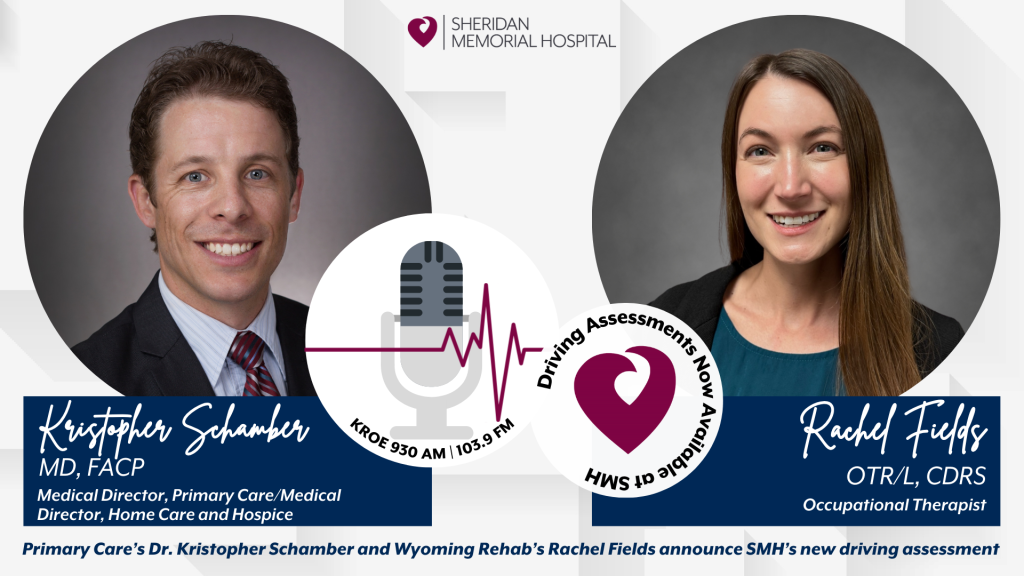
Learn more by listening below to what Primary Care Medical Director Dr. Kristopher Schamber and Wyoming Rehab Occupational Therapist Rachel Fields have to say on Public Pulse with host Floyd Whiting. 

Driving assessments now available at SMH. Hear what Kristopher Schamber, MD, FACP, and Rachel Fields, OTR/L, CDRS, have to say on Public Pulse radio.

Driving assessments now available at SMH. Listen to what Kristopher Schamber, MD, FACP, and Rachel Fields, OTR/L, CDRS, have to say on Public Pulse hosted by Floyd Whiting.
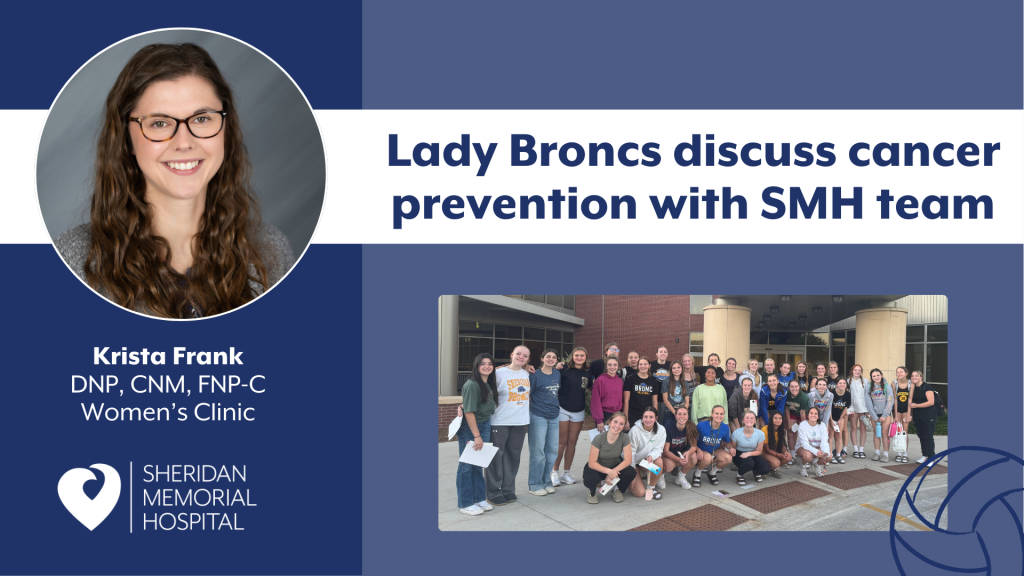
HPV common, but vaccines can prevent cancer

By Krista Frank, DNP, CNM, FNP-C — nurse practitioner at Sheridan Memorial Hospital’s Women’s Clinic

Last week, Dr. Emily Denney from Sheridan Memorial Hospital Primary Care, mammography technician Keshia Strauch, nurse navigator Lori Karajanis from the Welch Cancer Center and I had the pleasure of speaking with the Sheridan High School volleyball team, staff and family members.
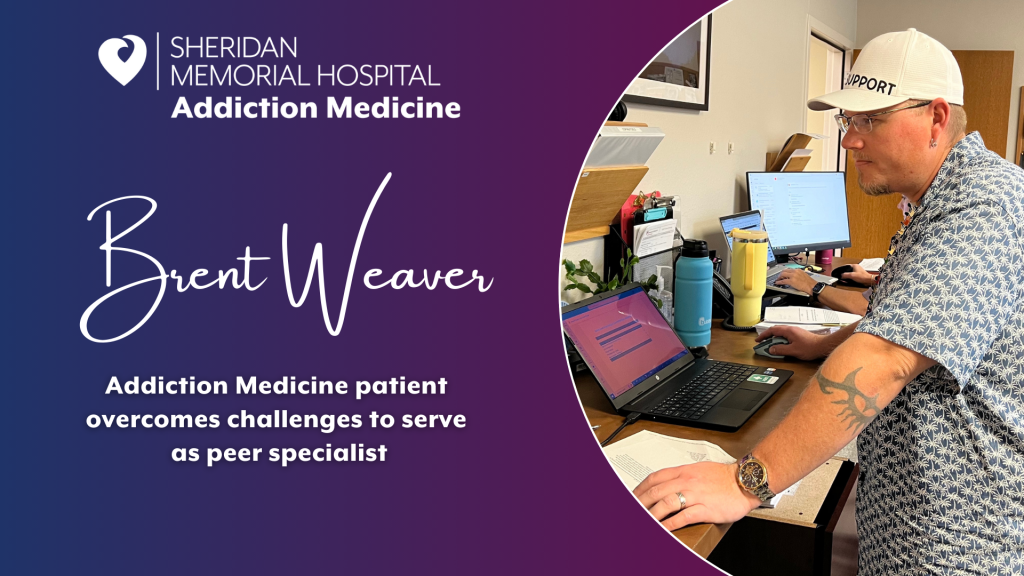
Our overall goal was to assist the team members in gaining some comfort with health care staff, while also educating them on preventative care.

My part in this team effort was to discuss cervical cancer screening. Some of the mothers and staff were surprised to hear that we start screening at age 21. Also, everyone was surprised to hear that a majority of women actually do contract HPV (Human Papillomavirus) sometime in their lives.

HPV is the virus that causes most cervical cancers, however, there are many strains, some of which are oncogenic and others non-oncogenic (cancer causing or non-cancer causing). Many people are able to overcome the virus naturally (immune systems are amazing) within two years of contracting it. However, with certain strains of HPV (12 of the strains that are the most oncogenic) the immune system has a hard time ridding the body of the virus, which eventually can cause changes to the cells of the cervix (cervical dysplasia). Over time, more severe dysplasia can lead to cancer. Annually, about 200,000 cervical pre-cancers are identified. More than 4,000 deaths occur annually due to cervical cancer.

The team and I had a great discussion about how to prevent HPV infections. First, we discussed that HPV is sexually transmitted. If you are sexually active, you are at risk. We discussed that condoms are helpful, but not 100% effective in inhibiting the transmission of HPV. Many people are passing HPV to their partners without knowing it.

Most importantly, we talked about Guardasil-9, the HPV vaccine. I think we all have known someone who contracted any type of cancer and we thought how much we wished for a cure or a way to prevent it. I told the team, “Here it is! exactly what we have been wishing for!” A vaccination that both males and females can receive prior to onset of sexual activity, around 11 or 12 years of age, that prevents 90% of cervical cancers.

Even more good news, the use isn’t limited to adolescents. Teenagers, young adults, and in some cases people up to age 45 can receive the vaccine. The vaccine is also effective in preventing genital warts (caused by non-oncogenic types of HPV).

We really enjoyed having the team come visit, and appreciate them listening and asking great questions.

Protect yourself and your loved ones with early prevention. Schedule your cervical cancer screening or inquire about the Guardasil-9 vaccine at Sheridan Memorial Hospital Women’s Clinic by texting or calling 307.672.2522. Your health is our priority!

Addiction Medicine patient overcomes challenges to serve as peer specialist

Brent Weaver always wanted to experience things. After leaving a private parochial school and entering public school, he had a tendency to rebel and experiment with limits – both his own and testing the limits of authority figures around him.

“This set me up to make a lot of bad decisions,” Weaver said. “I made them, I made those choices, but those really started me down a specific path.”

Weaver said he began gravitating toward the people who accepted him, including a group of individuals who partied and used controlled substances. He stopped prioritizing extracurricular activities like sports and agricultural organizations and started using alcohol and marijuana around the age of 15. Through high school, he experimented with hallucinogens, various street drugs and pharmaceuticals. By his early 20s, Weaver had become dependent on prescription pain medications, both due to his addictive thinking and a serious back injury that resulted in prescriptions for pain medications. Weaver said it was at that time he crossed the line in how he abused substances.

“In my own mind, when I started doing that, I saw myself as a junkie,” Weaver said. “I had always looked at people who did that as powerless, helpless.”

Weaver added that his opinion of himself shattered shortly after that.

“I wasn’t functioning as a person anymore,” he said. “Looking back at how fast it all happened, it hurts. I lost a lot of people. People were going to prison, overdosing or just disappearing. Interpersonal connections were fading away. I wasn’t spending holidays with my family. It was a dark, dark place for me.”

Weaver said he would have thought rock bottom was the day he had to serve time for a possession charge and found a good friend dead of an overdose, but it was actually six months later. He had what he described as a lightbulb moment – when he realized his life was not going to change only with his best intentions or will power. He needed help.

“I knew if I didn’t take some drastic action and get out of my existing situation, nothing was going to change,” Weaver said. “I knew it as clear as anything in my life – that the path I was on was destructive and I was going to either be dead soon or on a bus to prison.”

Weaver had heard about a local rehabilitation program and relocated to Sheridan to seek treatment. He went through about three months of inpatient treatment followed by three months in transitional housing focused on recovery. From ages 25-28, Weaver made it about 11 months at a time without using controlled substances, but found himself relapsing. He later found a medication assisted treatment program, but when that healthcare provider closed his office, Weaver again found himself struggling.

About 10 years ago, though, Weaver began working with Dr. Jason Ackerman in the Sheridan Memorial Hospital Internal Medicine and Addiction Medicine Clinic. Weaver said the clinic is different from others with which he had worked. It treats patients with compassion and empathy while providing structure and accountability. It also offers support for patients who have a setback rather than being punitive, Weaver said. The MAT program through SMH has helped Weaver remain sober and he began working to help others suffering with addiction or at-risk for substance abuse.

He earned a job at a court-ordered youth school where he discovered the key to his sobriety – paying it forward and helping others.

“I have to be active in my recovery,” Weaver said. “I have to be actively helping people find what works for them and advocating for others to find recovery.”

When a peer specialist he had leaned on asked if he’d ever considered taking on a similar role, Weaver jumped at the chance and earned the credentialing needed to work in the facilities he had first come to as a patient. He has worked as a certified peer specialist since 2021 and prior to that, beginning in 2014, he worked with at-risk youth doing similar work, helping others with empathy and understanding.

“When you first come into recovery, you’re a shattered person, he said. “There is so much guilt and shame that you carry into the doors when you first want help. If you’re sitting across from someone who has been in a similar position, who isn’t judging you, who understands, you have more belief in yourself that you can make a change. You don’t feel alone.”

Weaver now spends two days per week in the SMH Internal and Addiction Medicine Clinic, working with others receiving treatment for addiction. The clinic on average sees 292 patients per month, and peer specialists work with nearly all of them. While healthcare providers may have difficulty building relationships with patients undergoing treatment for addiction, peer specialists have the ability to create an empathetic bond through personal experience and knowledge of addiction and recovery.

The team in the SMH Internal and Addiction Medicine Clinic have noted that patients who connect with peer specialists are more likely to stick with their treatment, have fewer or less intense relapses and follow through with their recovery process.

While Weaver has lived experiences that some would struggle to understand, his journey now provides hope and encouragement for those who continue to struggle with addiction.

To learn more about the Sheridan Memorial Hospital Internal and Addiction Medicine Clinic, see https://www.sheridanhospital.org/medical-services/clinics/addiction-medicine/

Listen to what Dr. Emily Denney shares about keeping kids safe from common illnesses.

Ensure your kids are ready for the school year ahead by staying informed about illness prevention. Schedule a wellness check-up at Sheridan Memorial Hospital’s Primary Care clinic today, and protect your family with expert care! Text or call 307.675.2690 to make an appointment. Your child’s health starts with prevention!

Is it dementia?

By Derek Redinger, DO, Internal Medicine physician at Sheridan Memorial Hospital

Dementia is a prevalent disorder of the brain affecting a wide array of individuals, but the prevalence increases with the number of birthdays we have. Decline in cognitive function defines dementia but depending on the timing, the disorder can also be associated with a number of other effects including physical and behavioral changes.

There are a number of different causes of dementia but the most common cause is something called Alzheimer’s dementia. A few others include vascular dementia, frontotemporal dementia, dementia with Lewy bodies and a number of much less common causes such as progressive supranuclear palsy, Huntington’s disease, multisystem atrophy and cortical basilar degeneration. Vascular dementia is caused by disease of the small vessels in the brain. Frontotemporal dementia affects the frontal and temporal lobes of the brain and can be associated with prominent mood and behavior changes, which may be characterized by changes even in personality.

Alzheimer’s disease is the most common cause for dementia. Alzheimer’s disease is unusual before the age of 60 and typically occurs in those older than that. The prevalence doubles every five years after the age of 65. Alzheimer’s is defined by changes in memory with other executive function and judgment/problem solving changes tagging along. It can also mean some changes in mood and personality, especially in the middle and late phases of the disease.

In order to diagnose dementia, the most common tools include labs and imaging such as CT scan or MRI as well as a neuropsychological evaluation. Frequently, family members and those close to the individual experiencing the cognitive decline are first to identify the signs and symptoms. These changes are different from normal age-related memory changes, which involve a decline in recall especially for proper nouns such as names and names of places. Caretakers and family members should keep an eye out for difficulty doing complex tasks that a person was previously able to perform. Tasks that take multiple steps and planning can be the first affected, such as balancing the checkbook. Other ways that dementia can affect a person is difficult learning new information, difficulty with reasoning or coping with unexpected change, difficulty with spatial orientation, difficulty finding words and changes in behavior.

Ultimately, prevention is much more effective than treatment after the disease has developed, as our treatments are quite limited. The best thing we can do to prevent dementia is to keep medical problems such as high blood pressure, diabetes and kidney disease well controlled and do what mom and dad always told us: eat our fruits and veggies and exercise. As we age, exercise can move down the priority list but it is very important and is also important for reducing risk for dementia. Both mental and physical exercise are important for the aging brain. It is also helpful to have strong social and interpersonal relationships as part of an engaged and happy life.

Dementia is a scary diagnosis but is also something we can all learn to live with. Most everyone has been touched by dementia in some way and family members and caretakers end up taking on a large role; their efforts should be acknowledged and commended, as it is not always an easy adjustment.

Dr. Derek Redinger is a physician with the Internal Medicine team at Sheridan Memorial Hospital. Getting routine preventive care can help you stay well and catch problems early. Check out our Primary Care and Internal Medicine clinics if you or your loved one are in need of a have a primary care provider.

By Emily Denney, DO – SMH Primary Care

Handwashing key to reducing illness

School has begun and for many families that means the threat of illness has returned. The simplest way to limit your exposure to all those back-to-school germs is easy, yet few of us do this everyday act properly. So what’s the trick? Wash your hands.

Washing your hands means more than dipping your hands under the faucet for a few seconds and shaking them dry, though. Effective handwashing includes several key steps, including letting the soap itself work its magic.

  • Let’s start with key steps of handwashing:
  • Wet your hands with clean, running water.
  • Lather your hands by rubbing them together with the soap. Lather up the backs of your hands, between your fingers and under your nails.
  • Scrub your hands for at least 20 seconds. If you need an easy timer, sing “Happy Birthday” to yourself twice or whistle the ABCs. If you need something more familiar for adults, try the chorus for “Jolene.”
  • Dry your hands using a clean towel or an air dryer.

Skipping any of these steps can reduce the effectiveness of handwashing, as the time the soap is on your hands and the friction created by scrubbing is key. While antibacterial soap can kill the germs on your skin, basic soap and water is just as effective when used properly and not as hard on your skin.

So how does soap work? It’s cooler than you might imagine. Regular soap is designed to decrease water’s surface tension and lift dirt and oils off surfaces so it can be more easily washed away, making it very effective in getting rid of bacteria and other virus-causing germs. Regular soap also won’t kill healthy bacteria on the skin’s surface or dry out the skin. Just be sure you take those 20 seconds to thoroughly scrub and lather the soap.

Knowing when to wash your hands can also help. Be sure to utilize soap and water after sneezing or blowing your nose, after using the restroom, before and after eating as well as periodically throughout the day if you’re touching a lot of common surfaces such as doorknobs, desks or handrails.

Other steps you can take to reduce your risk of illness this fall include:

  • Ensure you’re up-to-date on routine vaccinations like flu shots, etc.
  • Practice positive self-care by eating well, getting enough sleep, managing stress when possible and exercising. All of these practices can boost your overall health and immunes system.
  • Stay home if you’re sick. If those who are ill stay home, it reduces the risk of exposure for everyone.
  • Cover your mouth and/or nose when you sneeze or cough, but use your elbow so you aren’t getting those germs on your hands, which touch many other surfaces.

The return of cooler weather and additional interactions with people can mean more germs in the air, but proactive steps can help reduce your risk of illness.

Charlie Gibson’s Journey at Sheridan Memorial Hospital Transitional Care: A Story of Resilience and Triumph

At 91, Charlie Gibson faced some of the toughest challenges of his life all at once. A prostate cancer diagnosis led to the discovery of a malignant kidney, which was promptly removed, leaving him with healing stitches. To make matters worse, Gibson was hit with a severe urinary tract infection that left him bedridden and drained of energy.

But Gibson’s story doesn’t end there — it’s just the beginning of his remarkable recovery at Sheridan Memorial Hospital’s Transitional Care Unit. Gibson affectionately refers to his time in TCU as “the resurrection of Charlie Gibson,” and the team of physical therapists worked with him, pushing him to regain his strength and balance. But, they didn’t just put him through the paces — they made it fun.

Gibson said the highlight of his stay was undoubtedly the decathlon the physical therapists organized for him. Inspired by the Olympic Games that were on TV during his first two weeks at the hospital, Gibson joked that in his next life, he’d come back as a decathlete. The staff took him at his word and set up a series of challenges that included boxing, throwing a javelin (made from a pool noodle), bowling and more. For Gibson, this event wasn’t just a series of exercises; it was a testament to his resilience and spirit.

“I developed the decathlon for Mr. Gibson after being inspired by the fact that even at 91 years old he displayed an unwavering work ethic and determination to overcome any challenge life put in front of him,” said Dawson Eppe, a physical therapy assistant, who worked with Gibson. “I am a firm believer that everyone is an athlete no matter their mobility or age, and the therapy and exercises we choose for treatment should scale with the patient and reflect that.”

The decathlon wasn’t easy. With his recent surgeries and infections, Gibson found the challenges both taxing and exhilarating, but he didn’t back down. With determination and the encouragement of his therapists, Gibson completed every event, even managing to climb the podium at the end. His efforts were rewarded with a gold medal, a symbol of his triumph over adversity.

Throughout his stay, Gibson found the key to recovery was more than just physical therapy. It was about staying positive, listening to happy music, laughing and accepting challenges — even when they seemed insurmountable. These principles guided him throughout his life, from his career with the U.S. Forest Service to his passion for poetry and art in retirement.

Gibson’s story is one of courage, humor and an indomitable spirit. He’s now looking forward to returning home, where he’ll continue his recovery and resume the active life he’s always enjoyed. He knows it will take time to get back into his routine, but he’s ready for the challenge.

For anyone who might find themselves in a similar situation, Charlie has a simple message: “Don’t just lay around. You don’t get well doing that. You need someone to kick you in the butt every day and get you moving.” And if you’re lucky enough to be at Sheridan Memorial Hospital Transitional Care, you’ll have a team of people ready to do just that — with a smile, a laugh, and maybe even a gold medal to reward your efforts.

If you or a loved one have spent three nights in the hospital and still need additional care before returning home, ask your case worker or physician about Transitional Care at Sheridan Memorial Hospital. Our Transitional Care program offers a supportive environment where you can continue your recovery close to home.

Javelin (made from a pool noodle)

Boxing

Bowling

Receiving the Gold

Since the Welch Cancer Center opened its doors in 2013, partnerships within the community and nearby facilities have allowed Sheridan area residents facing a cancer diagnosis to receive excellent patient-centered care close to home. Those same partnerships will now ensure patients in need of radiation treatment will receive the same high level of care while the hospital replaces an essential piece of equipment at the cancer center.

In early September, the Welch Cancer Center will decommission its existing linear accelerator (LINAC), which is used to provide external beam radiation treatment for some cancer patients. In preparation for the project, as the LINAC aged, hospital staff began planning for its replacement, aiming to create the least disruption in care possible and developing a support system for patients who would travel for their radiation treatment.

As patients with new diagnoses are referred to the Welch Cancer Center during this project, they will continue to schedule consultation and follow-up appointments in Sheridan, but will receive the radiation treatment at another facility.

For years, Sheridan Memorial Hospital has had a contract with Billings Clinic for radiation therapy staff including providers, physicists and dosimetrists to provide care in Sheridan. Currently, the team from Billings travels to Sheridan one to two days per week to see patients. This will continue throughout the time the LINAC is being replaced, and patients who travel to Billings for radiation treatment will see the same care team.

“The goal is to create continuity of care by continuing to see patients for consult and follow up in Sheridan,” said Dr. Breanne Terakedis, one of the providers from Billings Clinic who with Dr. John Schallenkamp provides care at Welch Cancer Center. “Patients will continue to see familiar faces in either location in Billings or Sheridan during their treatment schedules.”

During a patient’s initial consultation visit with the Welch Cancer Center, if radiation therapy treatment is needed, the patient will be informed of the LINAC replacement project and options to coordinate care at an outside facility. While many patients opt to receive care in Billings, the Welch Cancer Center team will work with the patient’s facility of choice to coordinate care.

The Sheridan-based care team will coordinate with each patient to determine needs based on the length of treatment required, travel preferences and more. The Sheridan Memorial Hospital Foundation has dedicated resources to assist patients not only with care coordination, but with travel, lodging, meals and other assistance needed or desired. These resources will be offered during the initial consult to patients traveling for radiation treatment, but can be accessed by Welch Cancer Center patients at any time.

“We know any diagnosis can be difficult. Our goal is to support our community members by alleviating financial worries that arise due to travel to receive care,” said Cody Sinclair, chief development officer at Sheridan Memorial Hospital. “Our foundation has resources to ensure treatment and healing can remain the focus for our patients.”

Sinclair, who oversees the foundation, said Comfort Care funds utilized to assist patients during the LINAC project, have existed for several years. For example, in fiscal year 2024, which ended June 30, nearly $10,000 helped provide transportation, mastectomy supplies, wigs and lodging for Welch Cancer Center patients.

“We have an incredibly generous community that has continuously showed a willingness to care for their neighbors, friends and family,” Sinclair said. “The ongoing ability to support individuals fighting cancer is a testament to the longstanding partnerships with neighboring medical teams and our community.”

For additional information about the LINAC replacement project or the Welch Cancer Center, call 307.674.6022 or see https://welchcancercenter.org/.

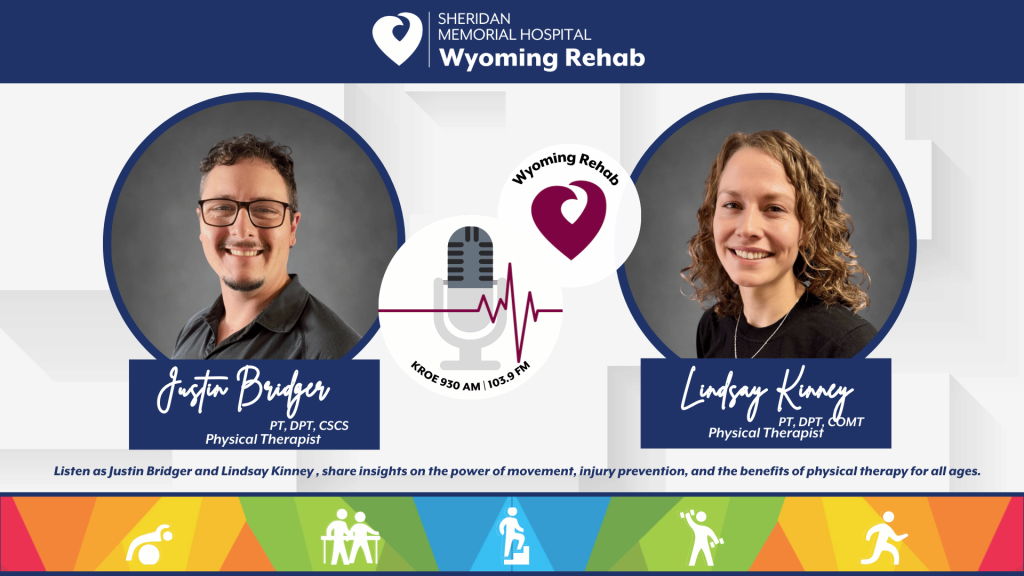
By Charlotte Walter, PT, DPT, ATC – Physical Therapist at Sheridan Memorial Hospital’s  Wyoming Rehab

Improve balance, core, cardio and endurance for the trail

With temperatures in the 100s this week, many locals are looking to the mountains or made plans to head to higher elevations – and therefore cooler temperatures. While some aimed to lounge by favorites like Park Reservoir or other lakes, others took to the trails.

Injuries in the outdoors are common, but there are some basic exercises you can do to help build your bonafides for outdoor recreation. Here are a few tips to reduce injuries, increase strength and feel more confident on the trails.

Improve your balance.

Hiking, even on trails, can sometimes mean crossing a creek on slippery rocks or navigating rocks large and small. In order to build a more stable base on uneven terrain, strengthen your balance. Try standing on a foam pad or uneven ground with your feet closely aligned under you. Lift one foot just off the ground in front of you and move it from side to side, relying on your balance to keep from tipping over. This exercise can help build stability on a single leg. Lunges and single-leg squats are other exercises you can use to build muscle strength and balance.

Build your core.

Conquering a trail often takes a combination of endurance and strength, but core strength is sometimes overlooked when heading outdoors. Having a strong core can provide additional stability as you travel uneven ground. Exercises like side planks, bridges and others can help you feel stronger.

Endurance is key.

While strength in major muscle groups like your legs, core, shoulders and back can increase your ability to climb hills and scramble up boulders, strength isn’t the only factor to consider for outdoor fitness. Ensure your muscles are both strong and have the ability to take you far. You can build endurance by cross training, working in swim or gym workouts alongside your regular trail outings. Staying active in the off-season will help you stay sharp, too.

Do your cardio.

Short bursts of exercise focused on strength may help build the muscles in your legs, but slowly lengthening the time of your cardio exercise helps build your heart and lungs to handle longer outings and require shorter recovery times. When your systems work together in harmony to deliver oxygen to your muscles, your ability to handle those hills on the trail will grow and allow you to go even farther.

If you’re new to the trails or have pain when exercising, contact your healthcare provider to make a plan for physical rehabilitation and a training plan. The views are worth it.

Learn more about Wyoming Rehab services by following the link sheridanhospital.org/medical-services/rehabilitation-services/  Specific exercises and stretches from a qualified professional at Wyoming Rehab will alleviate and can prevent common health problems. Call Wyoming Rehab today to set up a free screening for non-emergent physical impairments or injuries – 307.674.1632.

By Dr. Abigail Turnbough, physician at Sheridan Memorial Hospital’s Rheumatology

How knowing your risks can decrease falls

No one particularly likes to fall down. As children, when we fall, often we shed some tears, seek comfort and return to play. But as we age, a fall can result in significant injury with long-lasting consequences to health and independence.

There are many ways to prevent falls; here are some ideas to consider:

Understand your medical conditions

According to the National Institute on Aging, conditions such as diabetes, heart disease or problems with your thyroid, nerves, feet or blood vessels can impact balance. Worsening eyesight also contributes to falls. Knowing your health history and risk factors can raise your awareness to factors that can impair your balance and strength. If strength and deconditioning is a significant issue, consider asking your doctor about physical therapy. Physical therapists may also be helpful for people with vertigo.

Know your medications

If you take any medications regularly, it’s important to understand the side effects and be prepared for them. Many medications can cause dizziness so preparing yourself with tools to provide stability can reduce the risk of falling. Taking medications, when possible, at times you don’t expect to be active can also help reduce fall risk.

Properly utilize walking aids

If walking, standing or other mobility has become difficult, equipment such as a cane or walker can help you maintain independence. Ensure these aids fit you properly. For example, a cane should be long enough to reach the crease of the wrist when your arm is straight and you are standing. The hand grips on a walker should be at hip height or level with your wrists when your arms are slightly bent, when you have shoes on and are standing. Using a four-wheeled walker may not be best if you have balance issues; instead, I recommend using a two-wheeled walker.

Consider compression, TED stockings

Anti-embolism or compression stockings apply pressure across the leg to promote increased blood flow and therefore decrease risks of dizziness caused by low blood pressure.

Know your limits

If you experience dizziness or weakness, know when to slow down, pause or even stop what you’re doing. Understanding that our bodies change with time can be one of the most useful ways to prevent falls. Know what you are capable of and when to ask for help with riskier activities.

Check your home

Outfitting your home with items like nightlights to improve visibility, wearing eyeglasses if you need them and installing handrails to aid balance can help reduce the risk of falls. Ditching home décor like area rugs, ensuring cords are tucked away and decluttering can also remove tripping hazards.

For adults 65 and older, falls remain the leading cause of injury and injury-related deaths, but taking appropriate precautions and understanding your personal risks can help you lower your chances of falling and extend your ability to live independently.

SHERIDAN – Living in the West, most have become accustomed to the haze that fills the skies in the summer months. Over the last week, though, as people awoke to find ash on vehicles in Sheridan and neighboring communities, the conversations around wildfires and the smoke they produce have generated questions and concerns regarding the health implications.

You may first recognize the smoke in the air using your sense of smell or sight, but a more accurate way to check the air quality in your area is to look it up online. Most of the popular weather apps include an air quality report and websites like fire.airnow.gov allow you to check the air quality and see where the smoke is coming from and how far the smoke plumes stretch.

What you do with this information depends on several factors, including your personal risks and health history.

“While the smoke in the air can be an annoyance for all, those with chronic illnesses, older adults and children are most at risk for serious health concerns due to smoke inhalation,” said Dr. Juli Ackerman, a physician with Sheridan Memorial Hospital’s Internal Medicine Clinic.

Wildfire smoke can exacerbate respiratory conditions such as asthma and chronic obstructive pulmonary disease. Inflammation caused by breathing smoke can also affect individuals with chronic conditions like diabetes, kidney disease or heart disease. Those with underlying or chronic health conditions should visit with their healthcare provider to make a plan for dealing with poor air quality, managing symptoms and ensuring their safety.

“Living in the West where wildfires are fairly common, it’s important to have a plan in place for how you will keep yourself safe from potential impacts of wildfire smoke in our community,” Dr. Ackerman said. “It’s also important to note that even if the smoke seems to clear from the air, symptoms and health concerns arising from that smoke may linger or develop over several days, so it’s important to remain on guard throughout the fire season.”

Young children and older adults are particularly sensitive to smoke in the air. Children’s lungs are still developing, while older adults often have weakened immune systems – leaving both vulnerable to symptoms such as sinus irritation, shortness of breath, wheezing, headaches or coughing.

If air quality is poor, or if you have increased risk, limit your time outside as much as possible. In particular, keep activity levels like outdoor exercise to a minimum. If you do go outside, consider wearing a high-quality mask like an N95; surgical masks and wet bandanas or cloths are not very effective in keeping the smoke particles out of your airway. In addition, change your clothes when you get home to avoid bringing lingering smoke particles into your living space.

In your home, if possible, keep your windows and doors closed. Air purifiers can help filter out some of the particles from wildfire smoke. Air conditioners can also help, but ensure any window units have a tight seal around them, and if you utilize central air, consider switching the system to recirculate mode to avoid pulling in the smoky air from outside.

Contact your healthcare provider if you begin experiencing symptoms such as shortness of breath, trouble breathing or excessive coughing, and as always, call 9-1-1 or go to an emergency department if you are experiencing chest pain or if you think you are having a heart attack or stroke.

Talk to your primary care provider about your healthcare concerns. If you don’t have one, check out Sheridan Memorial Hospital’s Primary Care practice or call or text 307.675.2690.

National recognition cites high-quality care

Sheridan Memorial Hospital recently received recognition for its hospice services, recognizing the program among those across the nation that go above and beyond in providing high-quality care for patients and compassionate caregiver experiences.

HEALTHCAREfirst, a provider of survey programs for home health and hospice agencies, conducts the annual review of hospice programs, acknowledging the highest performing agencies by analyzing the performance on the Hospice Consumer Assessment of Healthcare Providers and Systems survey satisfaction and quality measures.

To be considered for this award, HEALTHCAREfirst considers survey respondent’s willingness to recommend the hospice program alongside 23 additional quality indicator measures. These scores are then compared on a question-by-question basis to a national performance score calculated from all partnering hospice programs contained in HEALTHCAREfirst’s database.

“We began our annual Hospice Honors Award program more than 10 years ago as a way to highlight those agencies that are truly leading the way in providing and demonstrating quality patient care,” said Jeremy Crow, head of RCM and CAHPS Survey, Home Health and Hospice. “We congratulate Sheridan Memorial Hospital on this recognition and are so proud and honored that they have chosen to partner with us in helping drive success for their agency.”

Sheridan Memorial Hospital’s hospice program includes basic medical care with a focus on pain and symptom control; medication, medical supplies and equipment as needed and appropriate; support with psychological, emotional and spiritual end-of-life experiences; respite care for caregivers, family and others; and bereavement support and counseling.

The SMH hospice program includes approximately 15 staff and nearly 40 volunteers.

To learn more about Hospice or becoming a Hospice Volunteer, please click HERE to visit the Sheridan Memorial Hospital Hospice page.