Welcome to Sheridan Memorial Hospital
1401 West 5th St. Sheridan, WY — 307.672.1000

SMH Friendly Faces

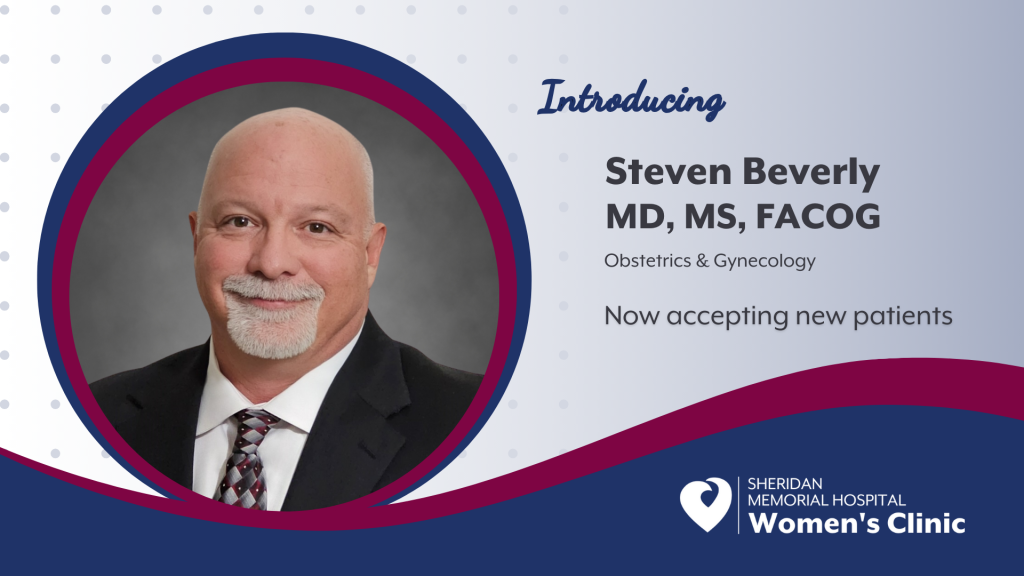
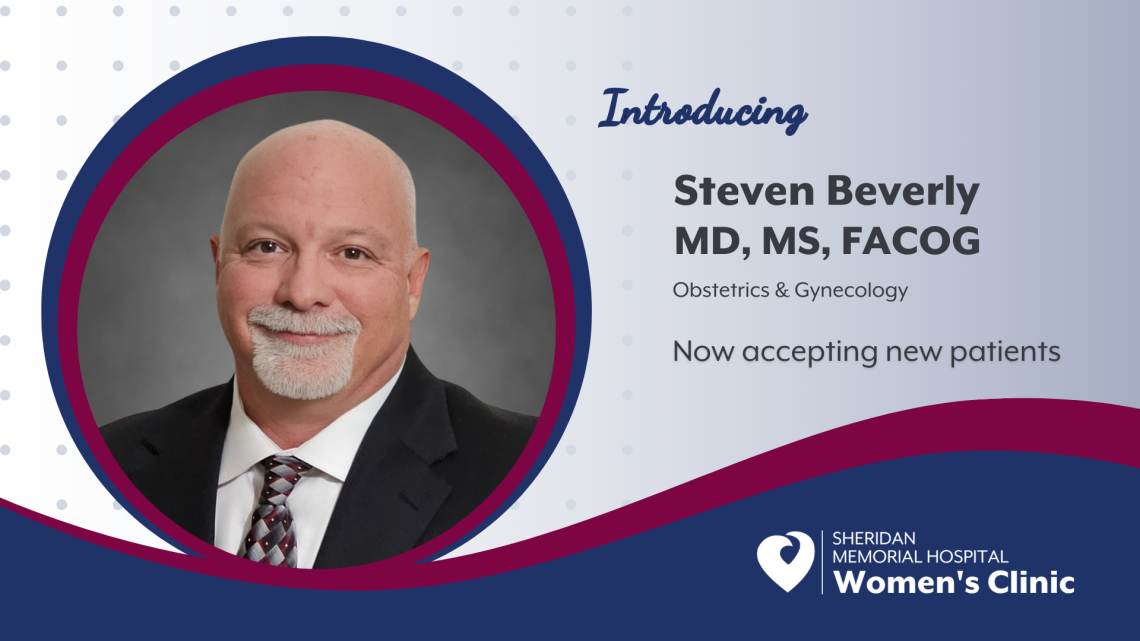
Sheridan Memorial Hospital is excited to welcome Dr. Steven Beverly, a board-certified obstetrician
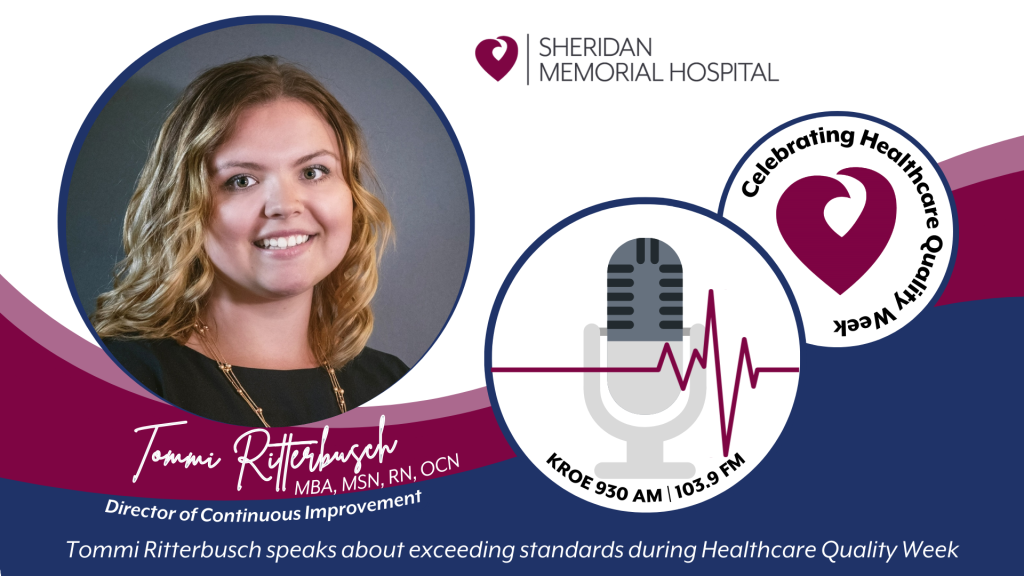
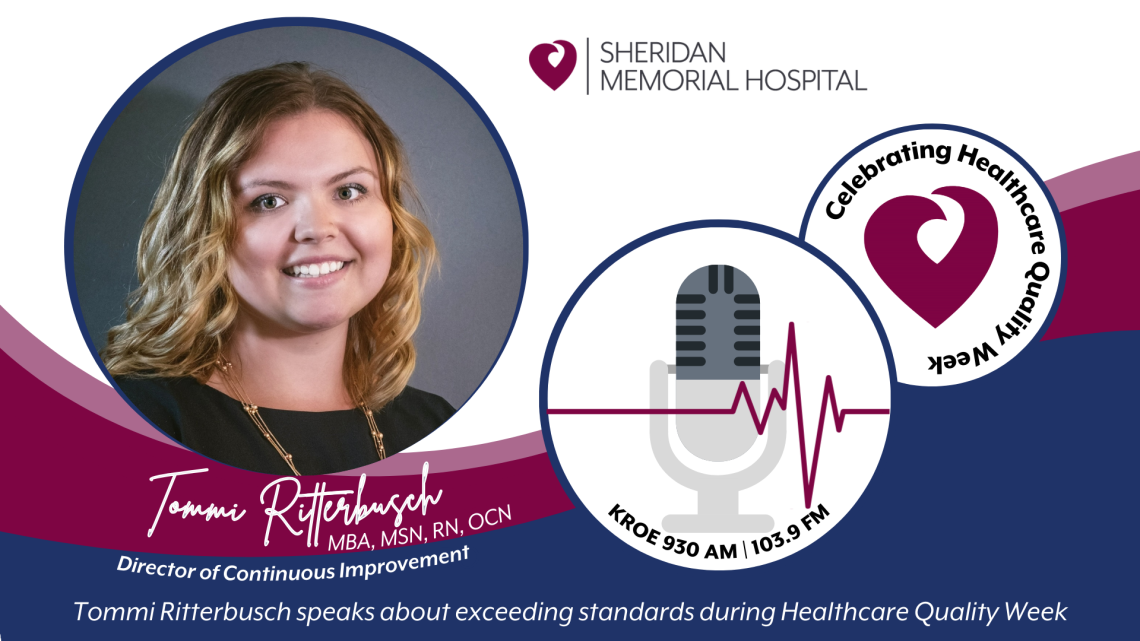
Listen as Tommi Ritterbusch, MBA, MSN, RN, OCN, Director of Continuous Improvement,
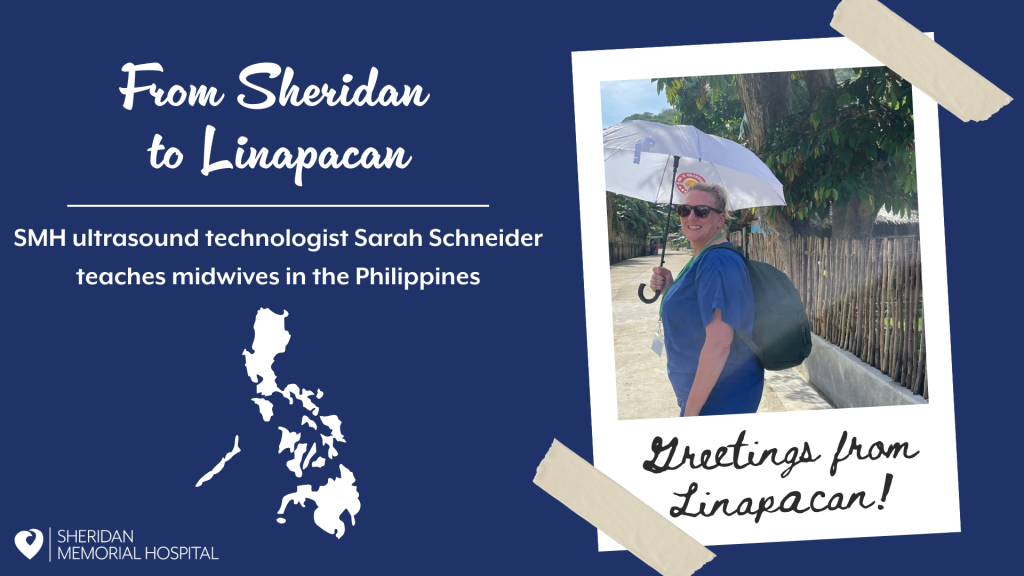
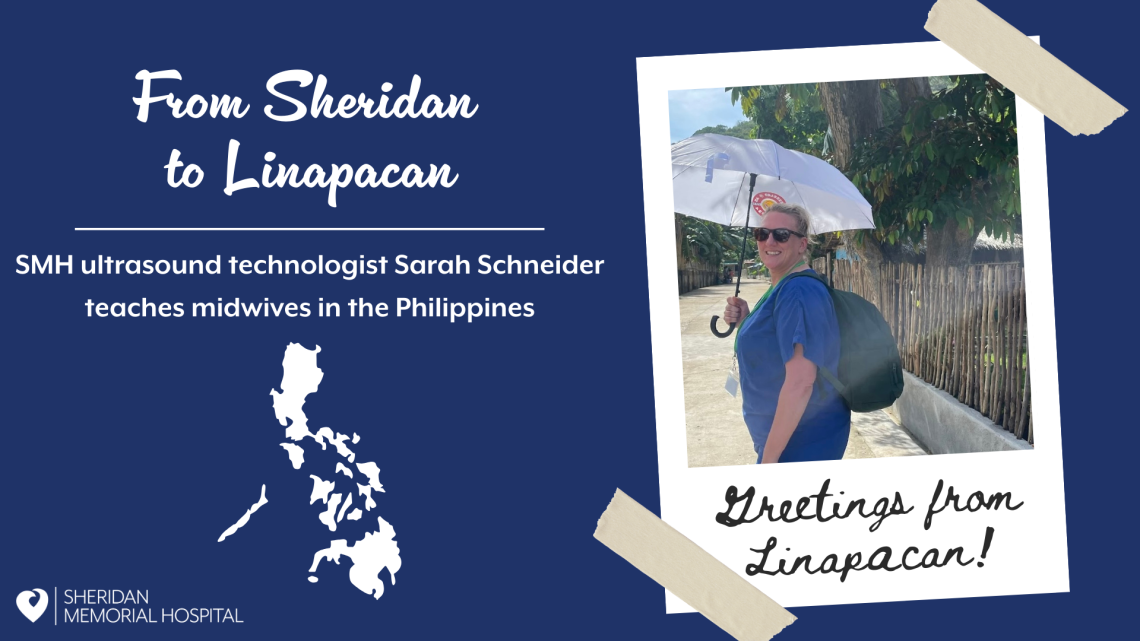
In September, Sarah Schneider, an ultrasound technologist at the Sheridan Memorial
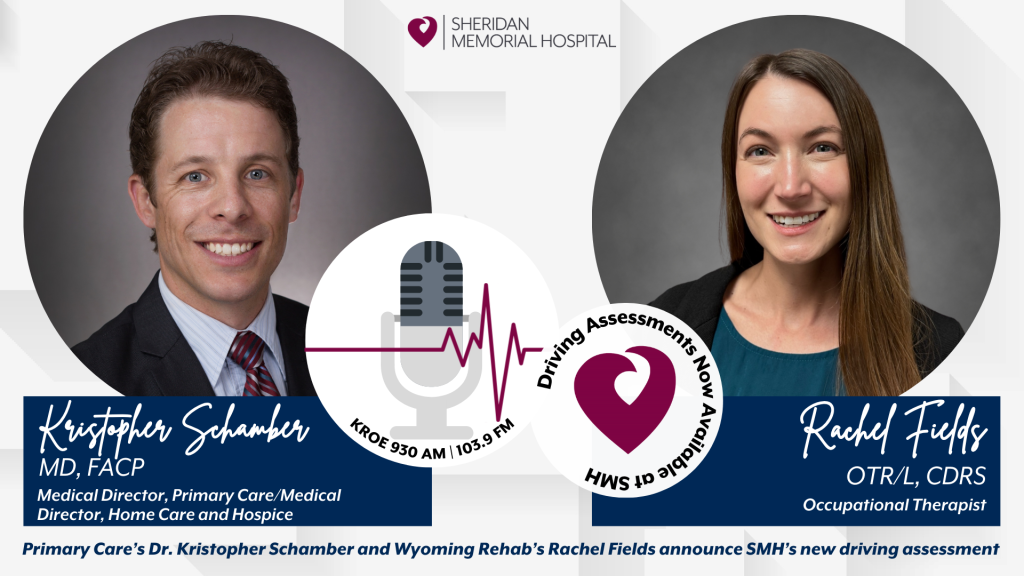
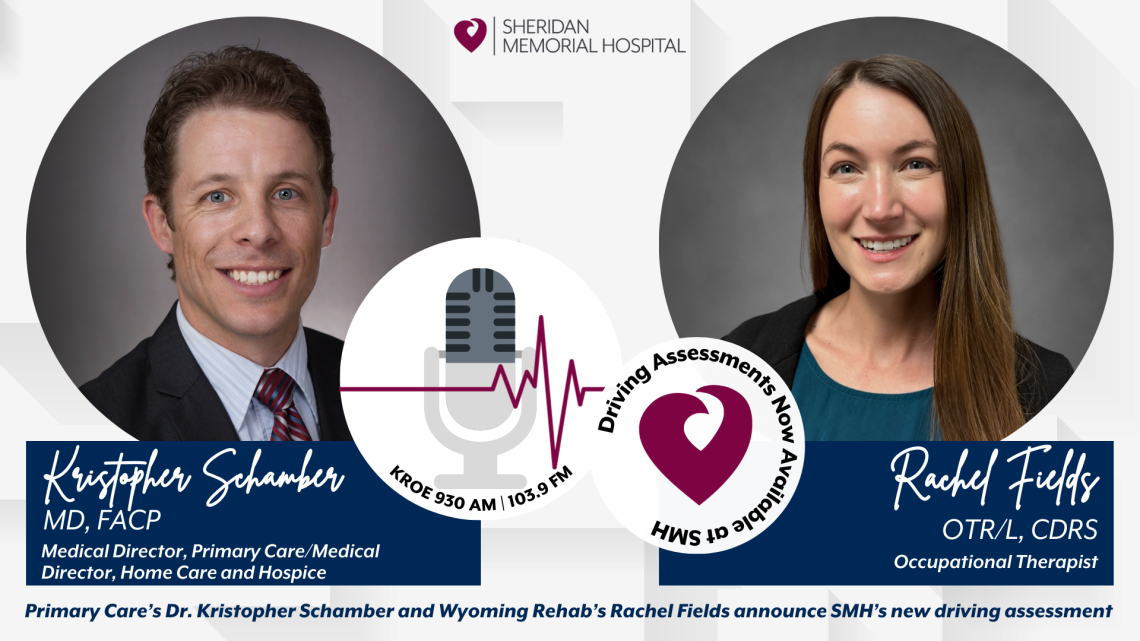
Driving assessments now available at SMH. Listen to what Kristopher Schamber, MD,
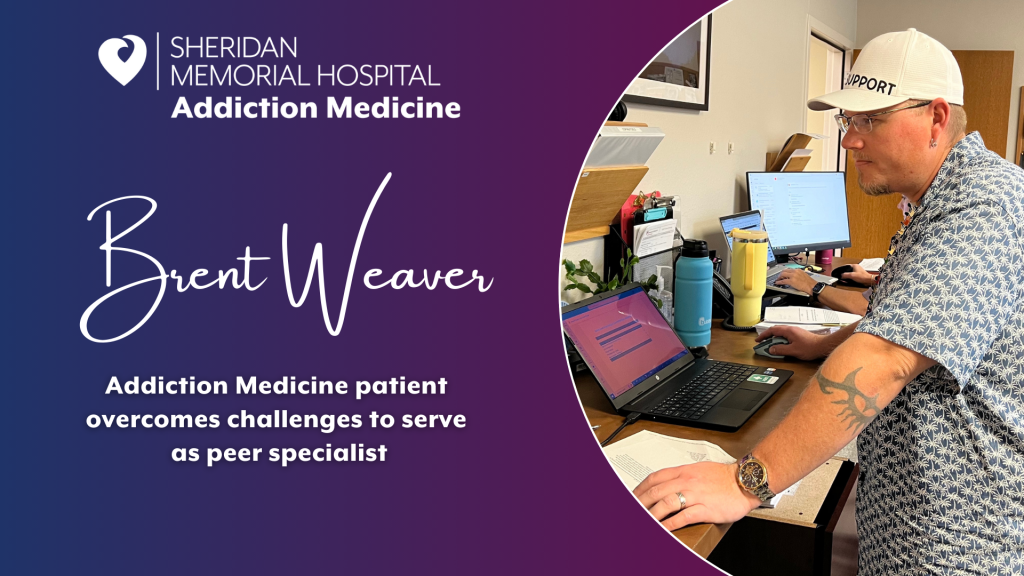
Brent Weaver always wanted to experience things. After leaving a private parochial school and entering public school, he had a tendency
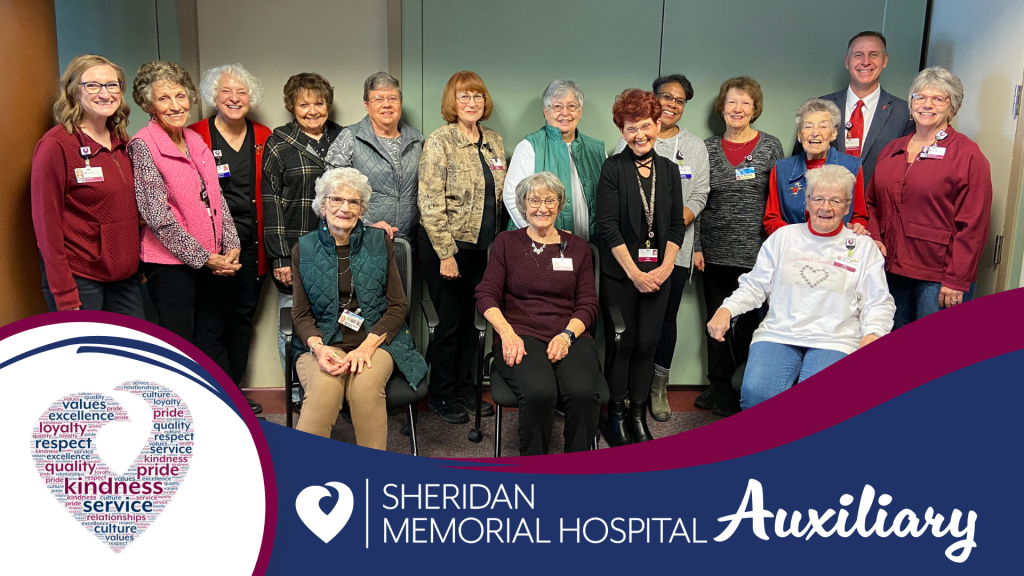
With a mission "to provide comfort to and better the welfare of Sheridan Memorial
Ensure your kids are ready for the school year
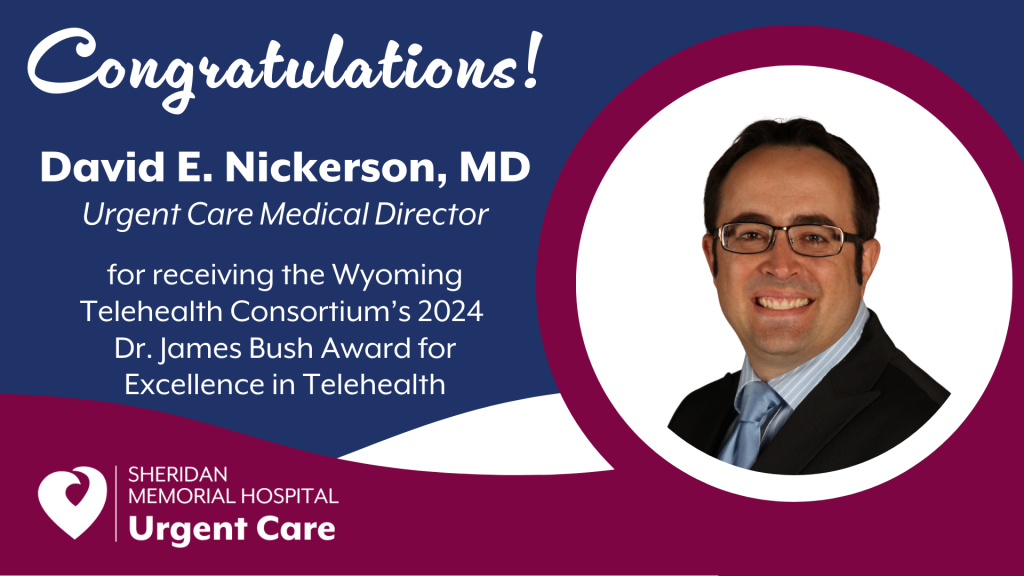
The Wyoming Office of Rural Health recently
Dementia is a prevalent disorder of the brain affecting a wide array of individuals, but the prevalence increases with the number of
For Dr. Christian Kim, the science of medicine originally drew him to a career in oncology. The cellular function of our bodies, our
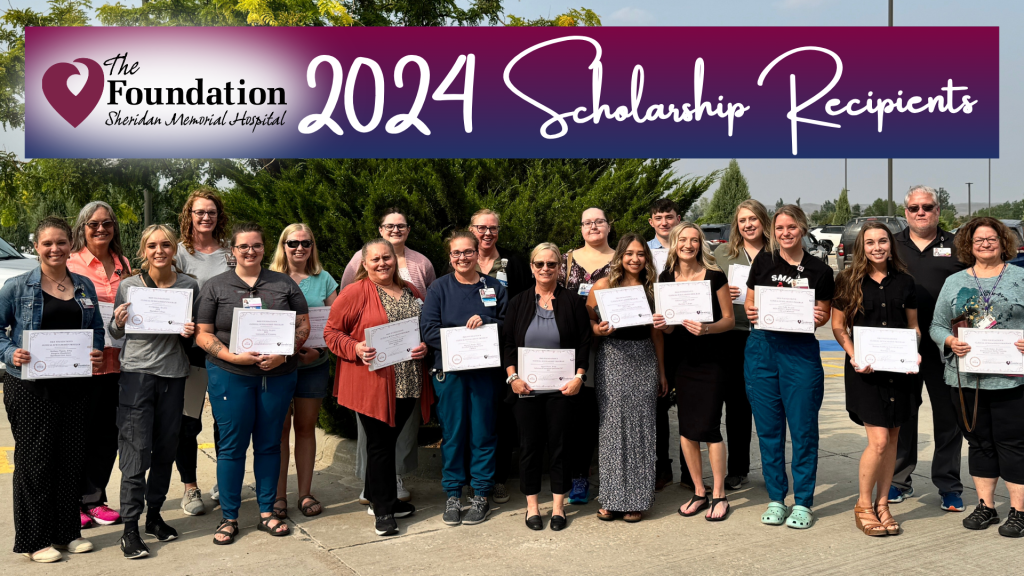
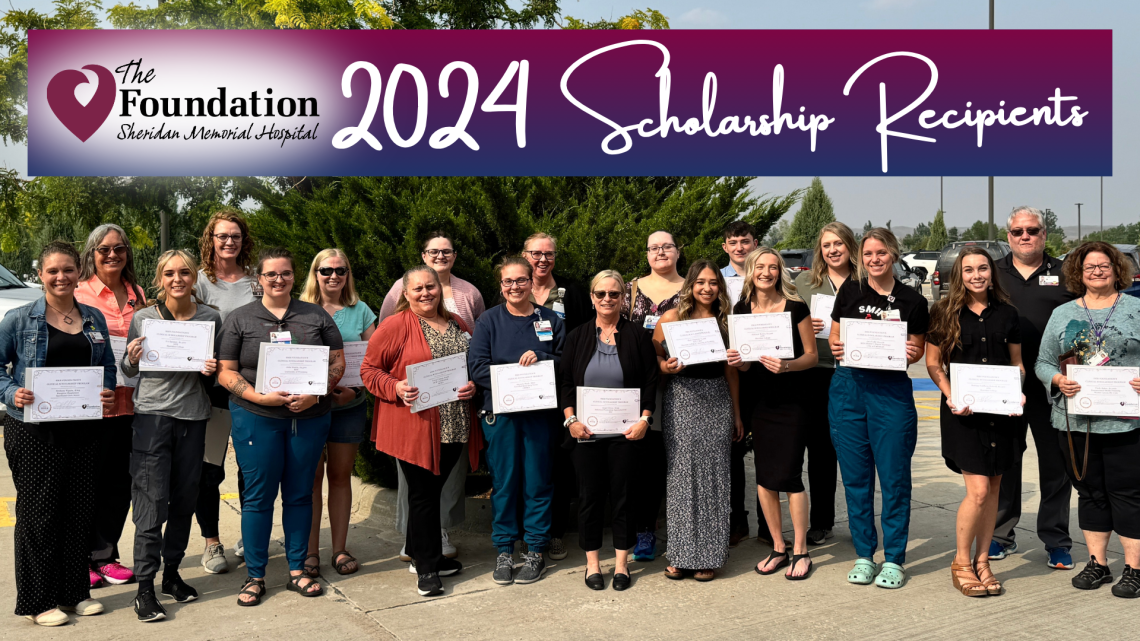
The Sheridan Memorial Hospital (SMH) Foundation is pleased to announce that 45
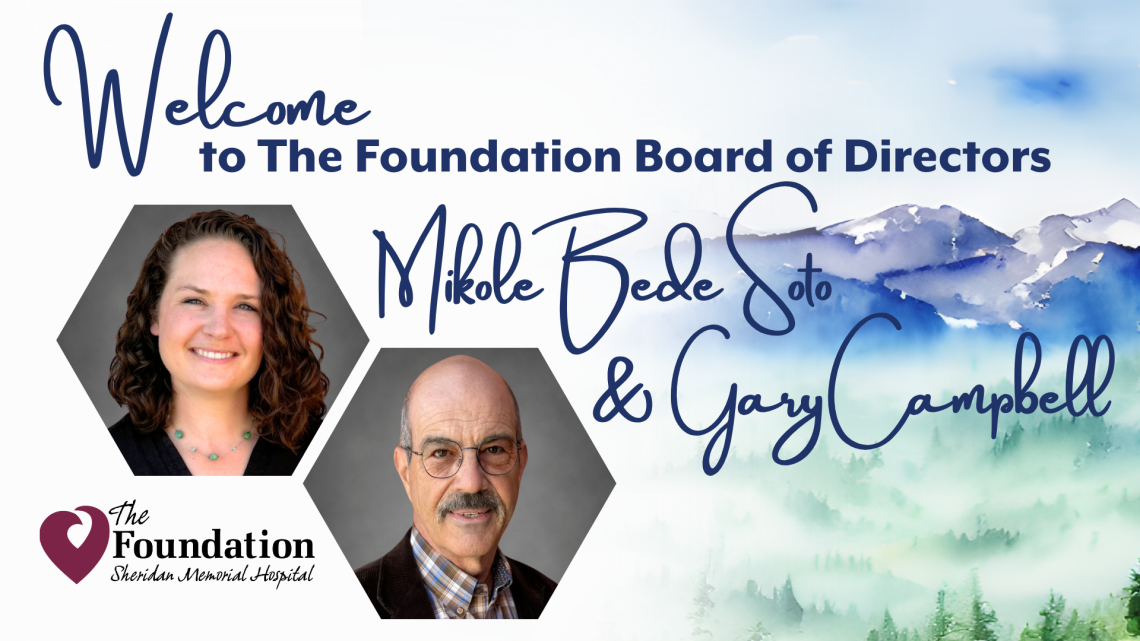
During their annual meeting on July 23, 2024, The Sheridan Memorial Hospital (SMH)
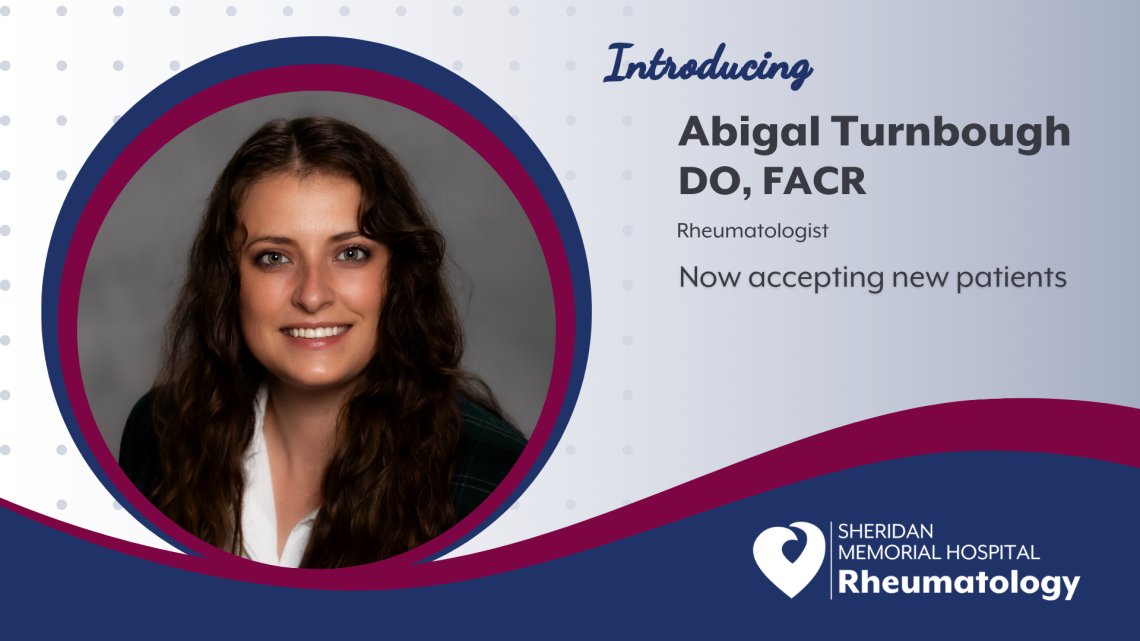
There’s something special about Wyoming. That’s why Dr. Abigail Turnbough knew she would return to
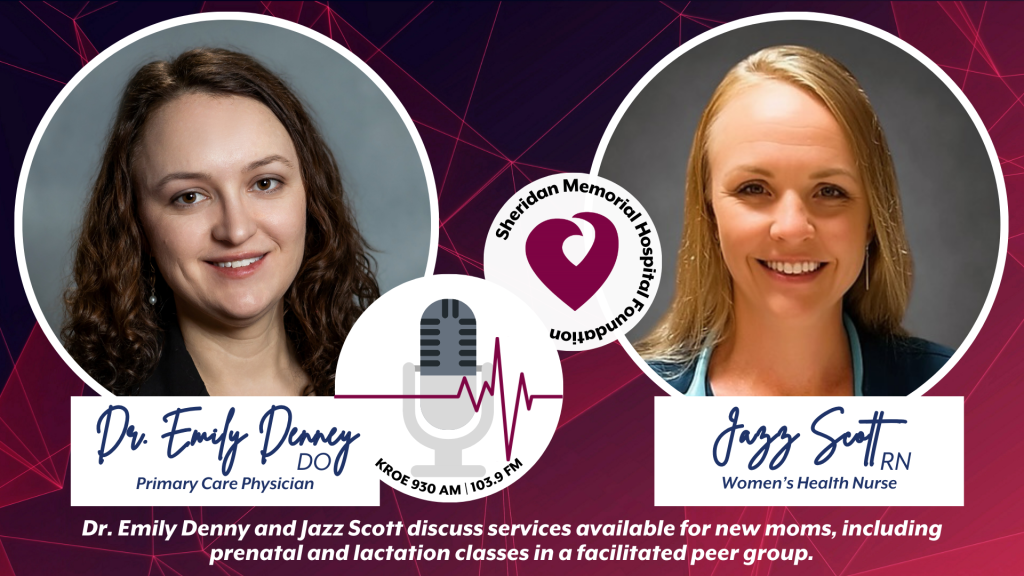
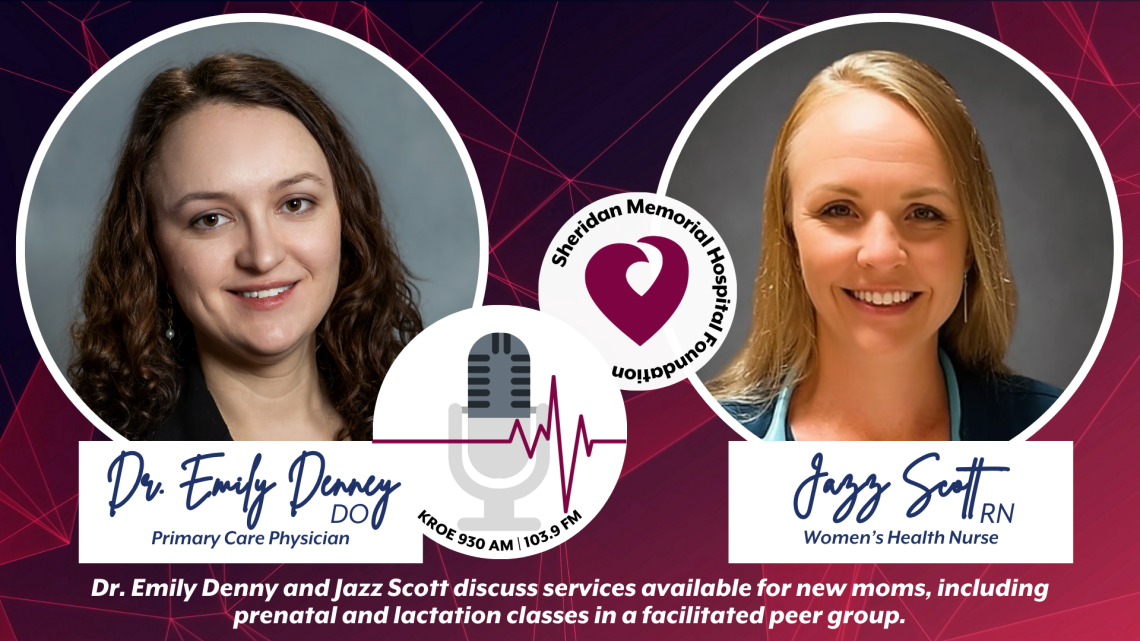
Listen to what Dr. Emily Denny and Jazz Scott share about services available for new moms, including
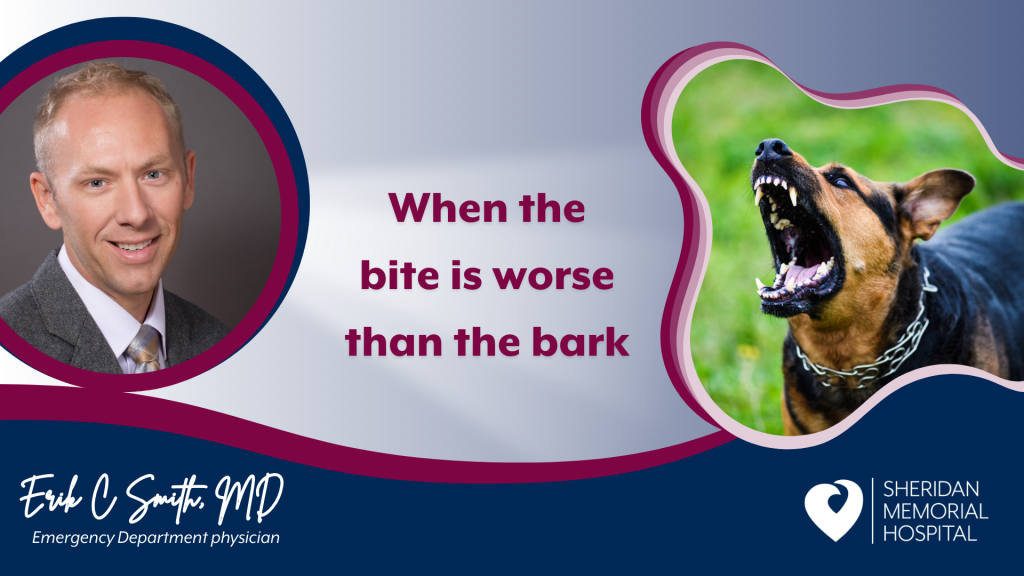
For whatever reason, there has been a surge in patients seeking care for dog and cat bite injuries in the emergency department over recent weeks.
From a patient's perception, patient experience is about connection at each interaction and the simplicity and ease of moving through a health care

Sheridan Memorial Hospital is excited to welcome Dr. Steven Beverly, a board-certified obstetrician-gynecologist, to the Women’s Clinic. With 24 years of medical experience, Dr. Beverly brings a wealth of expertise and a deep commitment to providing high-quality, compassionate care to women in our community.

His path to medicine began with a love for math, science and working with people. While initially considering a career in engineering, he realized his passion lay in combining teamwork, problem-solving and personal connection — leading him to pursue medicine. During his medical school training, Dr. Beverly found his calling in OB-GYN, a specialty he describes as uniquely joyful.

“When I started my OB-GYN rotation, I was struck by how happy the patients were to be in the office,” Dr. Beverly shared. “It’s one of the few specialties where people look forward to their visits. Helping women navigate their health and celebrate major life milestones is incredibly fulfilling.”

Dr. Beverly’s journey to Sheridan is equally compelling. A native of Mabank, Texas — a small town similar in size to Sheridan — he always envisioned living in Wyoming. After raising their two sons, who are now pursuing their own careers, Dr. Beverly and his wife decided it was the right time to fulfill their dream of settling in a close-knit community surrounded by natural beauty.

“I first discovered Sheridan on a hunting trip in the Bighorns and fell in love with the area,” Dr. Beverly said. “Sheridan’s combination of outdoor opportunities, friendly people and a strong sense of community made it the perfect fit for us. I’m also excited to work at Sheridan Memorial Hospital, which is unique as an independent hospital. I value being part of a local team that prioritizes the needs of the community.”

In addition to his professional dedication, Dr. Beverly enjoys spending time with his wife and their two dogs, Bailey and Rose, who accompany him on bird hunts and outdoor adventures. When not working or exploring the outdoors, he loves grilling, watching college football and engaging in community activities.

Dr. Beverly is not just joining the hospital, he is excited to be a part of it. He is happy to join Sheridan Memorial Hospital’s Women’s Clinic and looks forward to building lasting relationships with his patients.

“This is where I plan to practice for the rest of my career,” he said. “My goal is to provide exceptional care while being a part of the vibrant community that makes Sheridan so special.”

We are delighted to welcome Dr. Beverly to Sheridan Memorial Hospital Women’s Clinic. His arrival is a significant addition to our team, and we are excited about the positive impact he will bring to our patients and neighbors alike. Please join us in extending a warm welcome to Dr. Beverly.

To make an appointment with Dr. Steven Beverly or learn more about Sheridan Memorial Hospital’s Women’s Clinic, go to  https://www.sheridanhospital.org/medical-services/clinics/womens-clinic/ or call 307.672.2522.

Listen as Tommi Ritterbusch, MBA, MSN, RN, OCN, Director of Continuous Improvement, talks about celebrating Healthcare Quality Week and shares insights on healthcare quality, patient-centered initiatives, and how Sheridan Memorial Hospital remains committed to evolving for the Sheridan community on Public Pulse hosted by Floyd Whiting.

SMH ultrasound technologist Sarah Schneider teaches midwives in the Philippines

In September, Sarah Schneider, an ultrasound technologist at the Sheridan Memorial Hospital Women’s Clinic, spent 10 days volunteering in the Philippines, where she provided hands-on ultrasound training to local midwives.

After a journey that took her from Sheridan to Denver, then San Francisco and Manila, followed by a short flight and a four-hour boat ride, Schneider finally arrived in Linapacan, a remote island municipality in the eastern Philippines.

Healthcare challenges in Linapacan

With a population of about 16,000 people spread across 10 islands, Linapacan faces significant healthcare challenges. Among one of the poorest municipalities in the country, Linapacan has limited access to running water, intermittent electricity and no roads linking the islands. The area is served by just two doctors and a single main clinic responsible for the healthcare needs of all its residents. For complicated childbirth cases, reaching the nearest hospital requires a five-hour journey by boat.

“They have amazingly trained midwives on the island,” Schneider noted. “But they lack the tools needed to diagnose some complications that could come up during pregnancy and childbirth.”

The role of Life Matters International

Schneider traveled with Dr. Stefan Haller, executive director of Life Matters International. The San Francisco-based nonprofit is dedicated to reducing preventable maternal deaths by promoting disease prevention and establishing sustainable, equitable and technology-driven healthcare systems in rural and underserved communities in the Philippines, including Linapacan. Life Matters International conducts one-to-two week missions multiple times a year, training midwives in these areas to effectively utilize ultrasound technology.

Although she had considered volunteering in the past, it was a post from Life Matters International seeking volunteers in an online sonographer group inspired Schneider to take the leap.

After arriving in San Miguel, one of the main villages on the largest island in Linapacan, Schneider and Dr. Haller met with two midwives who had previously been trained in ultrasound by Life Matters International, as well as a community liaison who helped the group navigate the area and communicate with residents who couldn’t speak English.

Hands-on training with new ultrasound technology

Life Matters International had secured a stationary ultrasound machine for the main clinic and birthing center in San Miguel, as well as a portable, battery-powered ultrasound machine. Traveling between the islands by boat, Schneider and her team, alongside 14 midwives from Linapacan and local doctors, used the portable ultrasound at urgent care clinics in other villages across the municipality to provide vital services to women throughout the area.

Schneider was responsible for providing hands-on training to the midwives on operating ultrasound machines and identifying potential complications that could arise during pregnancy and childbirth. As patients arrived at the main birthing center and other clinics, Schneider guided the midwives through the process, encouraging them to operate the ultrasound machines themselves instead of observing her.

The impact of ultrasound training on the community

During her 10 days in Linapacan, Schneider encountered a diverse array of individuals and medical conditions. One significant case involved the midwives discovering a complete placenta previa—a condition where the placenta blocks the cervix during the later months of pregnancy, potentially leading to severe bleeding—using their new ultrasound machines, which likely would not have been identified without the technology.

The timely diagnosis enabled the woman to be quickly transported to a hospital in Manila, where she delivered her baby via C-section. Both mother and baby were healthy; had she delivered at the birthing center in Linapacan without a surgeon or obstetrician present, the outcome could have been dire.

The cultural impact of ultrasound technology

Interestingly, not all patients examined by the ultrasound machines turned out to be pregnant. Some individuals, lacking access to pregnancy tests, believed they were three or four months along, but ultrasounds revealed otherwise. In these cases, patients were referred for further medical care to investigate their symptoms.

Schneider also recalled a day when an older woman stood on the fringes of the crowd in the birthing center. It took a moment for the team to realize this woman was an elder from one of the island’s indigenous tribes. Traditionally, these women acted as midwives, assisting their community in delivering babies, and they typically did not seek government healthcare. However, this elder was drawn to the birthing center out of curiosity about the ultrasound technology. Initially standoffish, she gradually moved closer and became more engaged, eventually interacting and talking with the midwives.

A lasting connection with Linapacan’s midwives and residents

For many patients, Schneider observed that learning how far along they were in their pregnancy, discovering the gender of their baby or even finding out they were having twins when they hadn’t known before became significant bonding experiences with the midwives, and this connection fostered greater participation in the healthcare system.

“Not only is ultrasound a great tool to catch potential issues, but it also allows midwives to bond with their patients,” she explained. “Many patients hadn’t seen a midwife before; they came in because they were curious about the new technology or wanted to find out if their baby was a boy or a girl. Many wouldn’t have come in otherwise.”

When asked how her experience influenced her view of her role at Sheridan Memorial Hospital and its significance in Wyoming, Schneider remarked that the objectives of ultrasounds in Sheridan are significantly different from those in Linapacan.

“The things we’re looking for are so different,” Schneider explained. “Here in Sheridan, we’re looking for tiny abnormalities so these babies can go to a hospital to be taken care of. In Linapacan, we’re looking for issues that must be caught to prevent the mother or baby from dying during childbirth.”

Kindness and Community: Lessons from Linapacan

Reflecting on her time in Linapacan, Schneider emphasized the kindness and pride of the residents in their community.

“They treated me with so much kindness, and they were so welcoming. The children really stood out to me because they rarely leave the island, so for many, I was the first girl they had seen with blonde hair. They would come up to me, say hi, giggle, and were just so sweet. They are the kindest, most respectful people, and it’s not just towards me; it’s how they treat each other as well,” she said.

Schneider also praised the midwives of Linapacan and expressed her hope that her time and expertise would support the healthcare system there.

“The midwives are excellent at their jobs. They work in a place where they can’t just transfer a patient to surgery if there’s an emergency, and they’re amazing. The ultrasound machines and training will be another resource to help them catch issues earlier.”

Schneider hopes to return to Linapacan next September to attend the graduation of the midwives she trained. She also plans to visit another Philippine community, Lubang, for the first time to begin training midwives in ultrasound there. Ultimately, she aims to make volunteering a yearly or semi-annual experience.

Encouragement for other healthcare professionals

Schneider encourages other healthcare professionals who are considering volunteer work like hers to take the leap.

“Absolutely do it. It’s very rewarding, and I feel like I learned more from the residents of Linapacan than they did from me,” she said.

Addiction Medicine patient overcomes challenges to serve as peer specialist

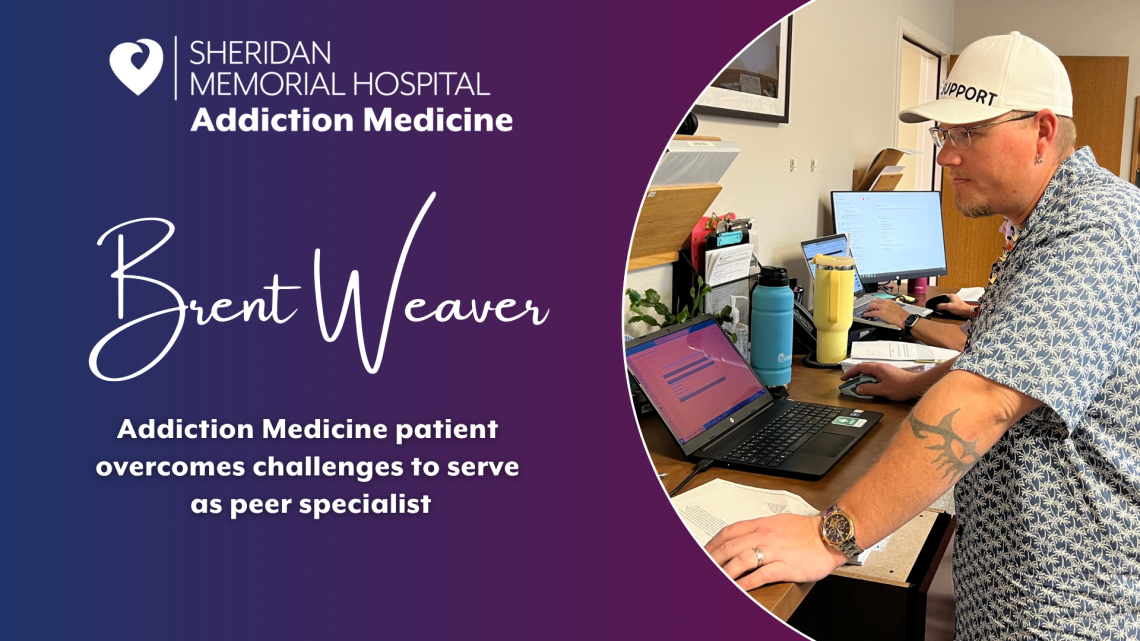
Brent Weaver always wanted to experience things. After leaving a private parochial school and entering public school, he had a tendency to rebel and experiment with limits – both his own and testing the limits of authority figures around him.

“This set me up to make a lot of bad decisions,” Weaver said. “I made them, I made those choices, but those really started me down a specific path.”

Weaver said he began gravitating toward the people who accepted him, including a group of individuals who partied and used controlled substances. He stopped prioritizing extracurricular activities like sports and agricultural organizations and started using alcohol and marijuana around the age of 15. Through high school, he experimented with hallucinogens, various street drugs and pharmaceuticals. By his early 20s, Weaver had become dependent on prescription pain medications, both due to his addictive thinking and a serious back injury that resulted in prescriptions for pain medications. Weaver said it was at that time he crossed the line in how he abused substances.

“In my own mind, when I started doing that, I saw myself as a junkie,” Weaver said. “I had always looked at people who did that as powerless, helpless.”

Weaver added that his opinion of himself shattered shortly after that.

“I wasn’t functioning as a person anymore,” he said. “Looking back at how fast it all happened, it hurts. I lost a lot of people. People were going to prison, overdosing or just disappearing. Interpersonal connections were fading away. I wasn’t spending holidays with my family. It was a dark, dark place for me.”

Weaver said he would have thought rock bottom was the day he had to serve time for a possession charge and found a good friend dead of an overdose, but it was actually six months later. He had what he described as a lightbulb moment – when he realized his life was not going to change only with his best intentions or will power. He needed help.

“I knew if I didn’t take some drastic action and get out of my existing situation, nothing was going to change,” Weaver said. “I knew it as clear as anything in my life – that the path I was on was destructive and I was going to either be dead soon or on a bus to prison.”

Weaver had heard about a local rehabilitation program and relocated to Sheridan to seek treatment. He went through about three months of inpatient treatment followed by three months in transitional housing focused on recovery. From ages 25-28, Weaver made it about 11 months at a time without using controlled substances, but found himself relapsing. He later found a medication assisted treatment program, but when that healthcare provider closed his office, Weaver again found himself struggling.

About 10 years ago, though, Weaver began working with Dr. Jason Ackerman in the Sheridan Memorial Hospital Internal Medicine and Addiction Medicine Clinic. Weaver said the clinic is different from others with which he had worked. It treats patients with compassion and empathy while providing structure and accountability. It also offers support for patients who have a setback rather than being punitive, Weaver said. The MAT program through SMH has helped Weaver remain sober and he began working to help others suffering with addiction or at-risk for substance abuse.

He earned a job at a court-ordered youth school where he discovered the key to his sobriety – paying it forward and helping others.

“I have to be active in my recovery,” Weaver said. “I have to be actively helping people find what works for them and advocating for others to find recovery.”

When a peer specialist he had leaned on asked if he’d ever considered taking on a similar role, Weaver jumped at the chance and earned the credentialing needed to work in the facilities he had first come to as a patient. He has worked as a certified peer specialist since 2021 and prior to that, beginning in 2014, he worked with at-risk youth doing similar work, helping others with empathy and understanding.

“When you first come into recovery, you’re a shattered person, he said. “There is so much guilt and shame that you carry into the doors when you first want help. If you’re sitting across from someone who has been in a similar position, who isn’t judging you, who understands, you have more belief in yourself that you can make a change. You don’t feel alone.”

Weaver now spends two days per week in the SMH Internal and Addiction Medicine Clinic, working with others receiving treatment for addiction. The clinic on average sees 292 patients per month, and peer specialists work with nearly all of them. While healthcare providers may have difficulty building relationships with patients undergoing treatment for addiction, peer specialists have the ability to create an empathetic bond through personal experience and knowledge of addiction and recovery.

The team in the SMH Internal and Addiction Medicine Clinic have noted that patients who connect with peer specialists are more likely to stick with their treatment, have fewer or less intense relapses and follow through with their recovery process.

While Weaver has lived experiences that some would struggle to understand, his journey now provides hope and encouragement for those who continue to struggle with addiction.

To learn more about the Sheridan Memorial Hospital Internal and Addiction Medicine Clinic, see https://www.sheridanhospital.org/medical-services/clinics/addiction-medicine/

Closing the gap: how the SMH Auxiliary’s contribution is supporting patient needs

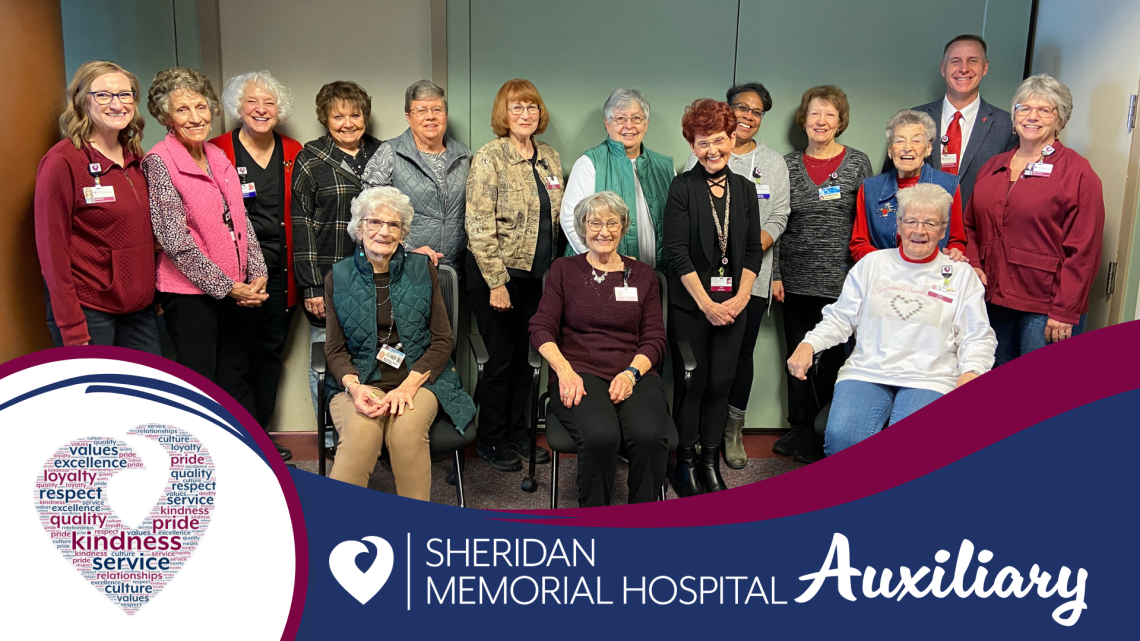
With a mission “to provide comfort to and better the welfare of Sheridan Memorial Hospital (SMH) patients,” Auxiliary Board members voted during their spring meeting on their 2024 gift to SMH that best exemplified their purpose. Unanimously, the board voted to contribute $30,000.00 toward Respiratory Therapy Equipment and give $4,000.00 to the GAP Fund.

With this gift, the Auxiliary has given $758,000 to SMH since 1991, which does not come close to reflecting the actual difference they make at our community hospital, each and every day. There is only one value that can truly be placed on their volunteer efforts, leadership, and genuine care for Sheridan Memorial Hospital staff and patients – priceless.

In conjunction with hospital leadership, the Respiratory Therapy team identified the need to care for our community by replacing our current equipment with a more modern, upgraded Pulmonary Function Testing (PFT) V-Max Body Box. This equipment helps measure the absolute lung volume to help identify the severity of pulmonary impairment. This plays a critical role in patient care by providing therapeutic and diagnostic results for patients with common diagnoses, including asthma, Pulmonary fibrosis, or Chronic obstructive pulmonary disease (COPD). The Auxiliary’s gift for this equipment will pair with funding from The Foundation board, which expedited the purchase of this equipment to immediately care for our community.

The GAP fund supports patients’ literal gap between their healthcare visit and discharge home. With a new or unexpected diagnosis, patients don’t always have the resources to properly care for themselves in a new way. SMH teams coordinate for patients needing additional resources they could not otherwise afford but are required for a successful recovery and/or safe discharge. This fund helps close that gap immediately by providing resources such as medications immediately necessary upon discharge or funding for transportation to appointments. In other instances, patients have presented to the hospital’s emergency department with nothing in hand due to an accident. This fund helps them discharge with necessities to go home, even if home is across the country and requires a bus ride.

“Working with Sheridan Memorial Hospital Auxiliary Volunteers means having a team of dedicated, compassionate humans by your side, ready to make a difference in the lives of others. Time spent working alongside this generous board of volunteers gives Sheridan Memorial Hospital and The Foundation much to be grateful for,” shares Volunteer and Development Coordinator – Jasmine Slater. “This donation is part of a long Auxiliary tradition in continuing to support hospital & Foundation projects that will expand the healthcare available to everyone in our community. These women are inspiring in all that they do and continue to help enhance the patient experience throughout the entire organization. We are so fortunate to be able to collaborate with such an incredible group.

To learn more about getting involved in The Sheridan Memorial Hospital Auxiliary Board or Volunteering, please reach out to Development Coordinator Jasmine Slater at 307.675.2620 or by clicking HERE.

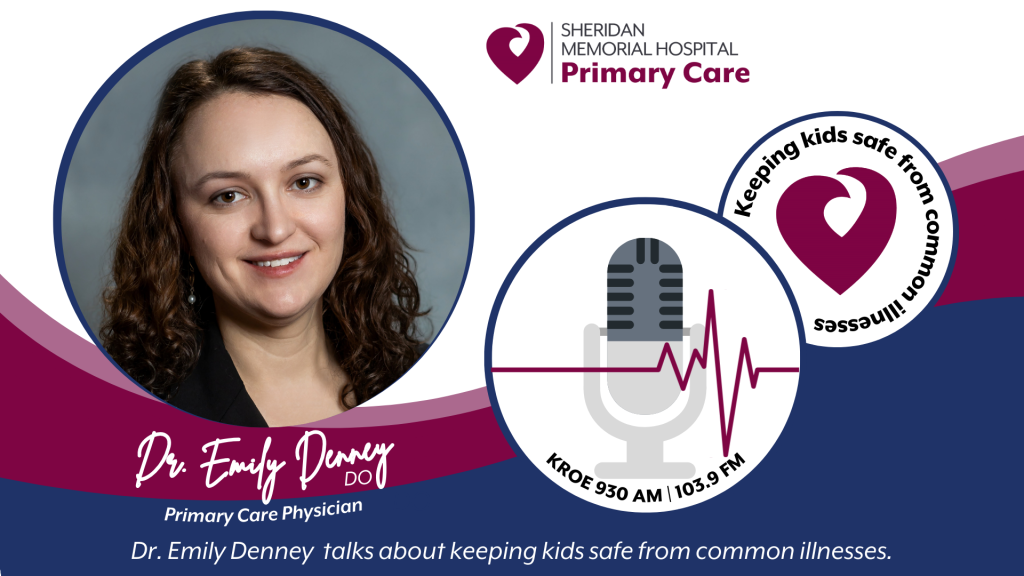
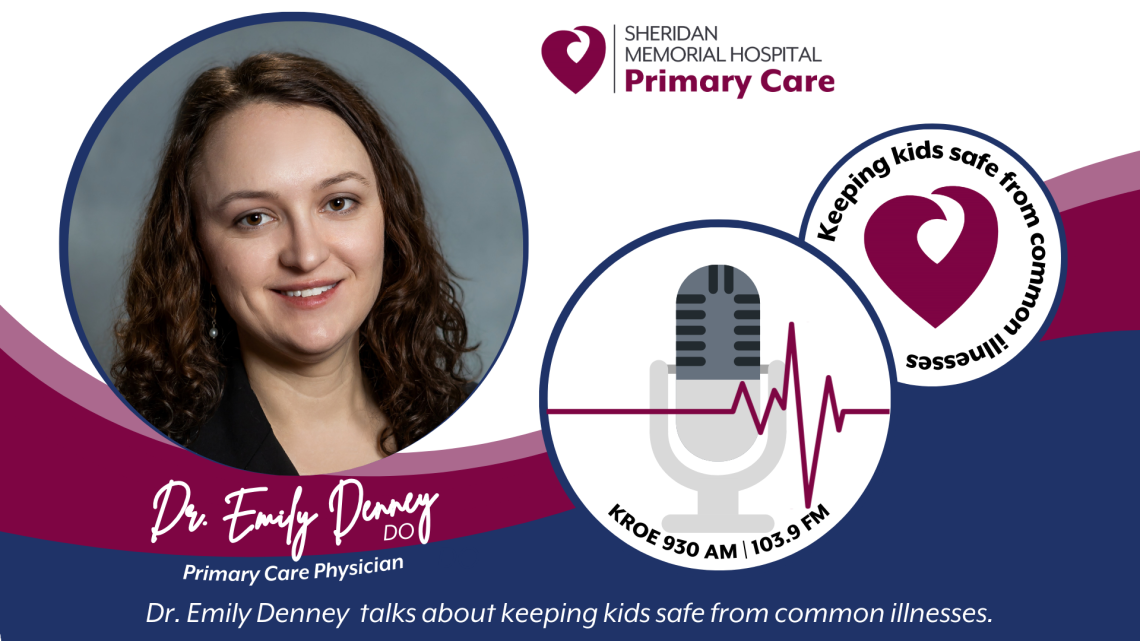
Listen to what Dr. Emily Denney shares about keeping kids safe from common illnesses.

Ensure your kids are ready for the school year ahead by staying informed about illness prevention. Schedule a wellness check-up at Sheridan Memorial Hospital’s Primary Care clinic today, and protect your family with expert care! Text or call 307.675.2690 to make an appointment. Your child’s health starts with prevention!

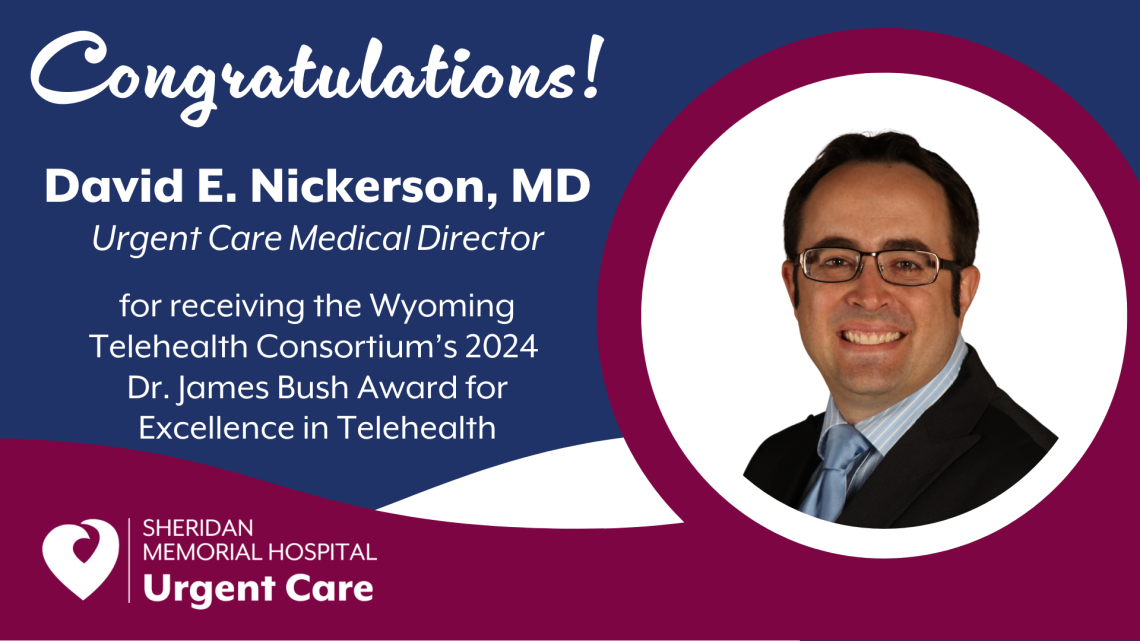
The Wyoming Office of Rural Health recently announced this year’s Excellence in Telehealth Award recipient is Dr. David Nickerson. This award was established in 2022 to recognize a telehealth champion in Wyoming who has accomplished outstanding work in the field of telehealth.

“As medical director, Dr. Nickerson led the implementation of telehealth at Sheridan Memorial Hospital’s Urgent Care,” Nickerson’s nomination letter stated. “Identifying COVID-19 as both an infectious risk to patients as well as a risk to timely healthcare, Dr. Nickerson worked closely with departments across Sheridan Memorial Hospital to set up a drive-through testing center with screening of patients and testing recommendations via telephone consults. Dr. Nickerson performed those consults 7 days a week from March to October 2020 for any patient concerned they might have COVID-19. Dr. Nickerson also set up iPads for video conferencing into patient rooms in the Emergency Department and Urgent Care. This provided quick on-demand face-to-face access to physicians and providers for patients in isolation rooms, while limiting physician and provider exposure to respiratory illness and preserving PPE.”

According to the Wyoming Office of Rural Health, Nickerson’s efforts to lead the successful implementation of telehealth at Sheridan Memorial Hospital’s Urgent Care have not gone unnoticed.

According to the Wyoming Telehealth Network, Nickerson’s dedication to addressing barriers to care by setting up videoconferencing technology in patient rooms and expanding telemedicine video visits for all types of medical problems has not only improved healthcare services, but it has also paved the way for more convenient and efficient solutions.

To schedule your telehealth appointment with Sheridan Memorial Hospital Urgent Care or to learn more about our services, visit https://www.sheridanhospital.org/medical-services/urgent-care/ or text or call  307.675.5850.

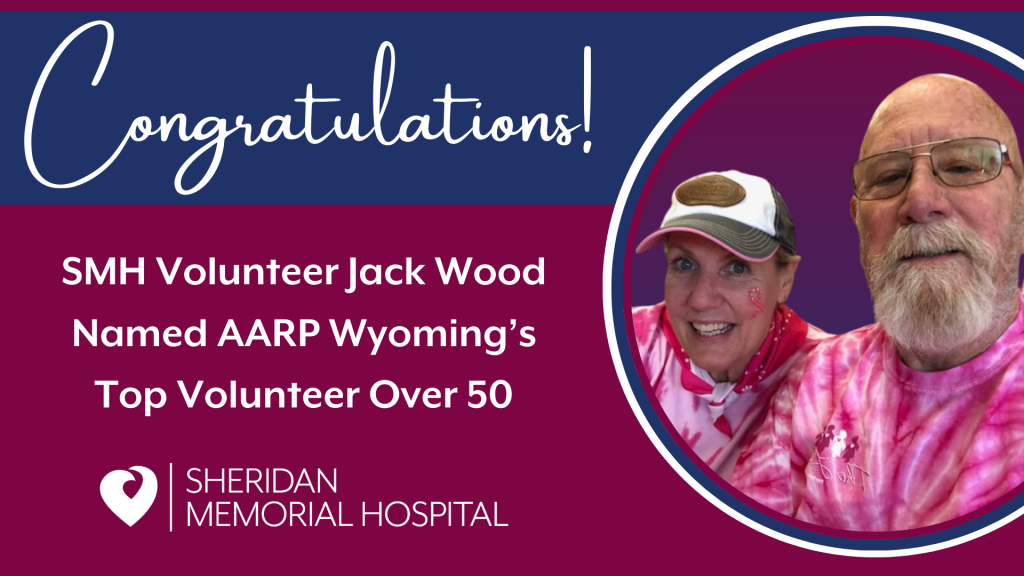
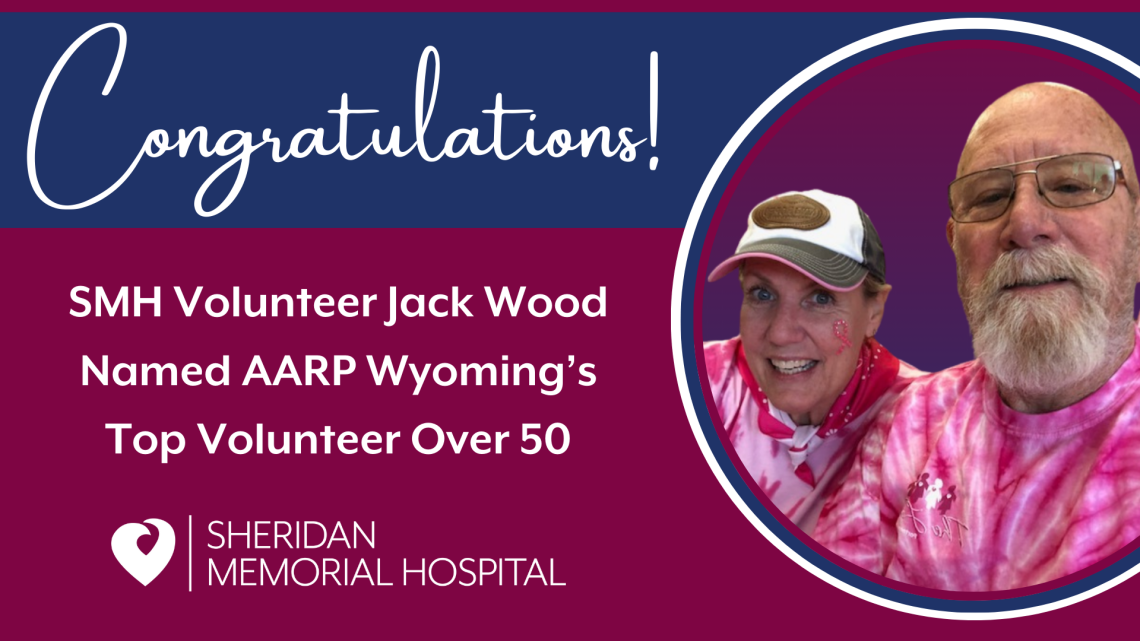
Jack Wood is well-known throughout our community for his engagement and volunteer efforts. He is a Sheridan Chamber of Commerce Ambassador and volunteers throughout the holiday season as Santa Claus, but Jack is exceptionally well known here at Sheridan Memorial Hospital (SMH) regarding education and early cancer detection efforts. Jack is a proud supporter of SMH Foundation’s The Link – Partners in Pink event and other year-long efforts to support early detection and cancer screening. It is for these reasons, and so many more, that Jack Wood is the winner of the 2024 AARP Wyoming Andrus Award.

The passion and dedication to SMH are very personal for Jack and his family. In May of 2016, Jack Wood lost his daughter, Dana Marie, to ovarian cancer. Not only do Jack and his wife Kathleen give of their time volunteering with The Link, but through annual gifts to honor Dana and provide access to screenings and cancer care. “Jack Wood cares about people and being engaged in his community. His passion is contagious, and we appreciate everything he has done to support and advocate for cancer screening and prevention for all,” shares Sheridan Memorial Hospital Chief Development Officer Cody Sinclair.

Jack’s message is clear: “Get screened, spread the word, or donate. We can, we will, we must!” His words are a powerful call to action, urging us all to join the fight against cancer.

Thank you, Jack, for all you do. Advocates and volunteers like you make our community such an incredible place.

To read more about Jack Wood and this well-deserved honor, visit https://states.aarp.org/wyoming/sheridans-jack-wood-named-states-top-volunteer-over-age-50.

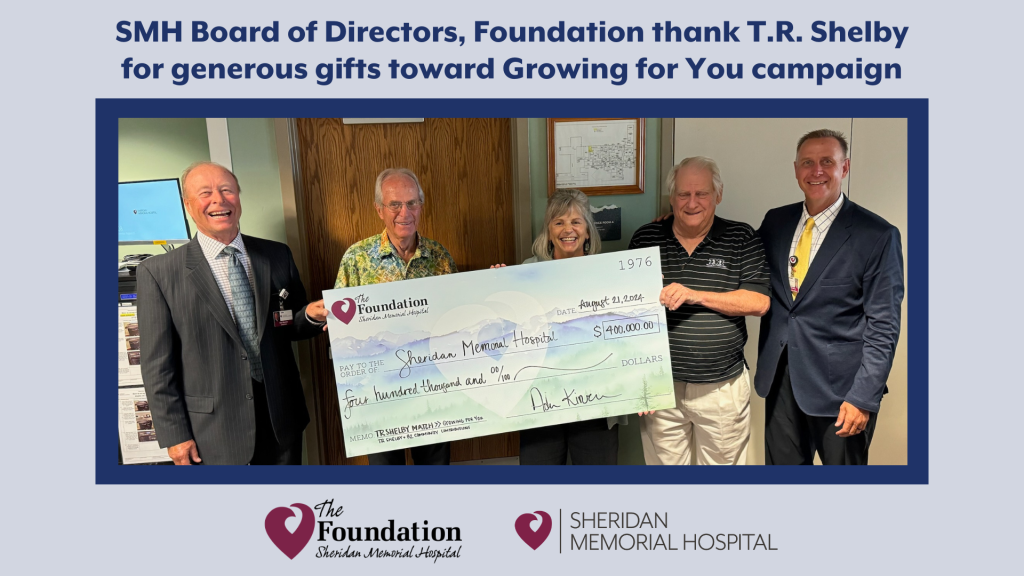
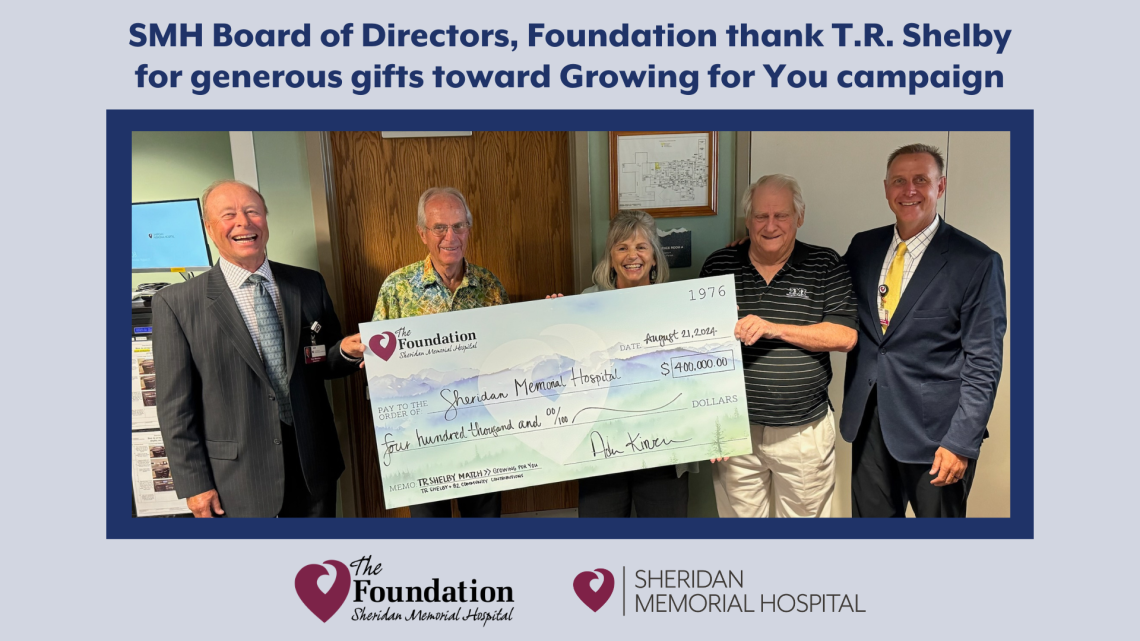
SHERIDAN – When T.R. Shelby announced a $100,000 matching gift for Sheridan Memorial Hospital’s Growing for You campaign, community members and local foundations added their support to the project that includes updates to the hospital’s pharmacy, pediatric unit, emergency department and inpatient areas alongside the addition of a facility that will help serve the mental health needs of the community.

As the original match neared the $100,000 mark, Shelby extended his challenge another $100,000, rallying additional support for the campaign. Shelby’s generosity was recognized and celebrated at the Sheridan Memorial Hospital Board of Trustees meeting Aug. 28.

“Mr. Shelby has been an active healthcare donor supporting Sheridan Memorial Hospital since he returned to the Sheridan community in 2021 after his wife Emily Stone Shelby passed away,” said Ada Kirven, The Foundation’s director of donor relations. “He contacted us when he needed some help downsizing, and it has been such a joy working with him over the past four years.”

Kirven said Shelby’s gift of $200,000 has been fully matched by nearly 100 community donors who made individual gifts to the behavioral health and Growing for You effort.

“That means we are $400,000 closer to meeting the goal of $15 million for this project that improves and supports excellent patient care across the organization,” Kirven said.

The hospital recently completed the first phase of the project, which focused on the new inpatient pharmacy. The next phase will repurpose the former pharmacy space into a brand new pediatric unit and upgrades to the Griffith Emergency Department. The project will culminate with the grand opening of the behavioral health wing. Each of the project’s phases utilizes and repurposes existing space to continue providing excellent, patient-centered care.

Shelby’s support is far reaching with gifts to the Welch Cancer Center, the Unrestricted Fund for hospital’s greatest needs, The Link in support of cancer screening and early diagnosis, and now the Behavioral Health Campaign. He has also developed several unique ways to support healthcare and our hospital though creative business opportunities like a storage building and housing for new professional staff who have been recruited to work at Sheridan Memorial Hospital. All of these opportunities have strengthened Sheridan Memorial Hospital and help to ensure excellent health care for our community and region.

With the SMH Board of Trustees, Shelby shared a story of his hometown losing its small, rural hospital because the community and philanthropy were not developed. When financial constraints forced the hospital to close its doors, Shelby said, it was a dire situation for everyone.

“I saw what that closure did to those folks, to their families and to the businesses,” Shelby said. “I want to help ensure Sheridan’s hospital continues to be strong and serve the community and this region of Wyoming. We all have to take care of each other, and this is one way I can contribute. Plus, my late wife, Emily, would be so pleased to know that her memory lives on through the work of our healthcare teams — I am certain she would be very proud of this work.”

For additional information about the Growing for You campaign and projects – or to contribute via The Foundation’s 100 Donors in 100 Days effort – see sheridanhospital.org/foundation/make-a-donation/.

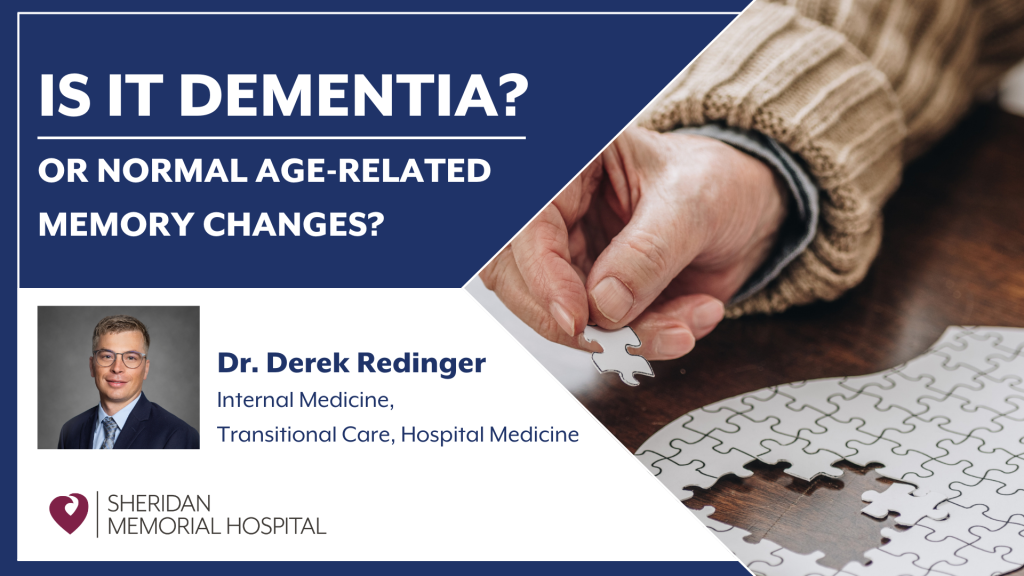
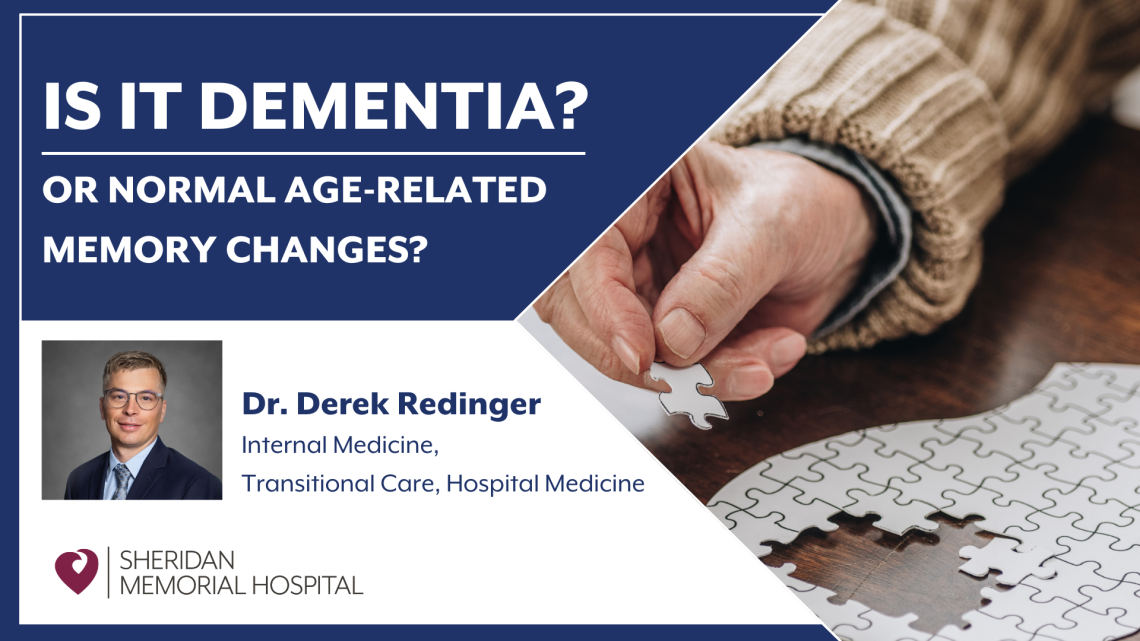
Is it dementia?

By Derek Redinger, DO, Internal Medicine physician at Sheridan Memorial Hospital

Dementia is a prevalent disorder of the brain affecting a wide array of individuals, but the prevalence increases with the number of birthdays we have. Decline in cognitive function defines dementia but depending on the timing, the disorder can also be associated with a number of other effects including physical and behavioral changes.

There are a number of different causes of dementia but the most common cause is something called Alzheimer’s dementia. A few others include vascular dementia, frontotemporal dementia, dementia with Lewy bodies and a number of much less common causes such as progressive supranuclear palsy, Huntington’s disease, multisystem atrophy and cortical basilar degeneration. Vascular dementia is caused by disease of the small vessels in the brain. Frontotemporal dementia affects the frontal and temporal lobes of the brain and can be associated with prominent mood and behavior changes, which may be characterized by changes even in personality.

Alzheimer’s disease is the most common cause for dementia. Alzheimer’s disease is unusual before the age of 60 and typically occurs in those older than that. The prevalence doubles every five years after the age of 65. Alzheimer’s is defined by changes in memory with other executive function and judgment/problem solving changes tagging along. It can also mean some changes in mood and personality, especially in the middle and late phases of the disease.

In order to diagnose dementia, the most common tools include labs and imaging such as CT scan or MRI as well as a neuropsychological evaluation. Frequently, family members and those close to the individual experiencing the cognitive decline are first to identify the signs and symptoms. These changes are different from normal age-related memory changes, which involve a decline in recall especially for proper nouns such as names and names of places. Caretakers and family members should keep an eye out for difficulty doing complex tasks that a person was previously able to perform. Tasks that take multiple steps and planning can be the first affected, such as balancing the checkbook. Other ways that dementia can affect a person is difficult learning new information, difficulty with reasoning or coping with unexpected change, difficulty with spatial orientation, difficulty finding words and changes in behavior.

Ultimately, prevention is much more effective than treatment after the disease has developed, as our treatments are quite limited. The best thing we can do to prevent dementia is to keep medical problems such as high blood pressure, diabetes and kidney disease well controlled and do what mom and dad always told us: eat our fruits and veggies and exercise. As we age, exercise can move down the priority list but it is very important and is also important for reducing risk for dementia. Both mental and physical exercise are important for the aging brain. It is also helpful to have strong social and interpersonal relationships as part of an engaged and happy life.

Dementia is a scary diagnosis but is also something we can all learn to live with. Most everyone has been touched by dementia in some way and family members and caretakers end up taking on a large role; their efforts should be acknowledged and commended, as it is not always an easy adjustment.

Dr. Derek Redinger is a physician with the Internal Medicine team at Sheridan Memorial Hospital. Getting routine preventive care can help you stay well and catch problems early. Check out our Primary Care and Internal Medicine clinics if you or your loved one are in need of a have a primary care provider.

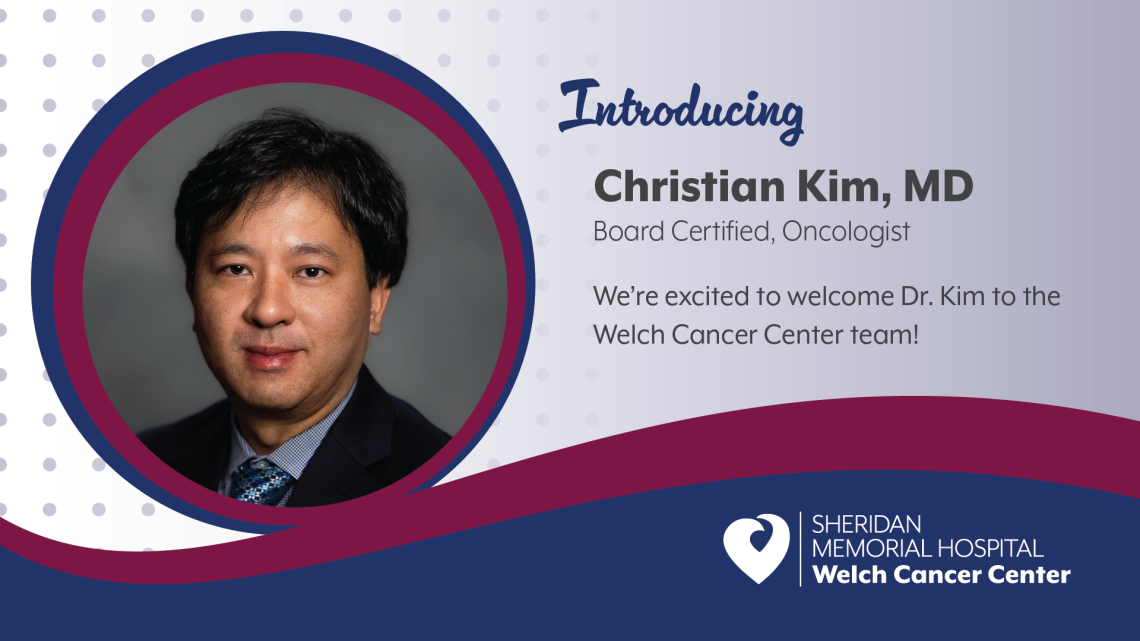
Oncologist joining Welch Cancer Center team notes privilege of caring for patients

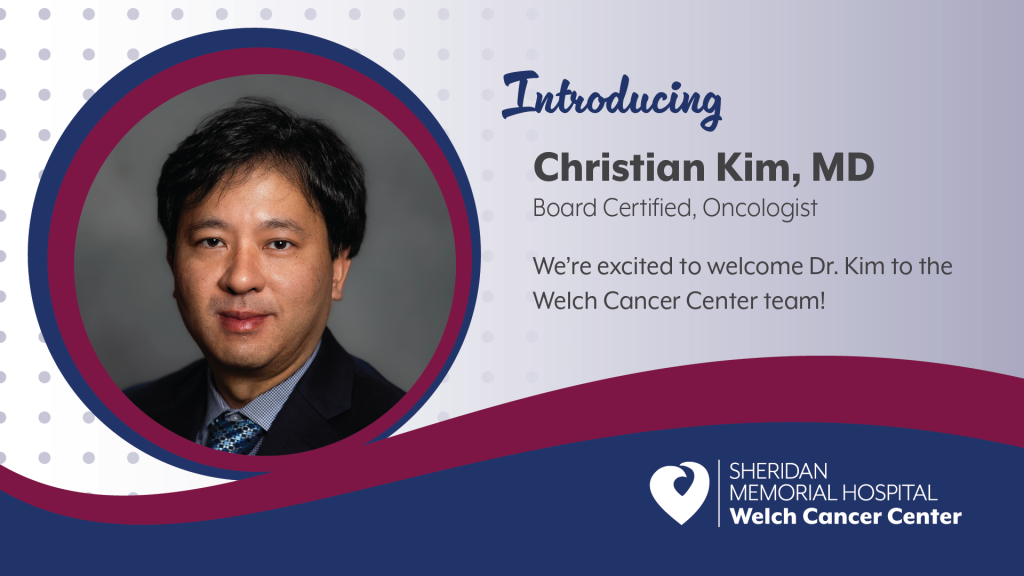
For Dr. Christian Kim, the science of medicine originally drew him to a career in oncology. The cellular function of our bodies, our immune systems – it all fascinated Kim. As he delved more into the science, though, he realized he was missing something.

“You learn a lot more – a lot about people – when you work in oncology,” Kim said. “There are physicians who work with families including grandparents, parents and grandkids, but that’s not the case for oncologists typically. Our interactions tend to be very intense and unfortunately sometimes far too short.

“It is a privilege to get to know patients in such a vulnerable time,” Kim continued. “You become not only a scientist but somebody they trust every step of the way and somebody they know will be their best advocate. The science and the intensity of the interactions are challenging, but also incredibly rewarding.”

Kim grew up in a small community outside of Philadelphia, where everyone knew everyone within the small graduating classes. He earned his medical degree from Medical College of Pennsylvania and Hahnemann University and further attended Milton S. Hershey Medical Center at Pennsylvania State University Hospital for a residency in internal medicine and fellowship in hematology/oncology.

Most recently, he has worked in communities on the outskirts of Sacramento, California, practicing medical oncology since 2007. While a smaller community, Kim noted he was impressed by the level of care provided at SMH.

He joined the Welch Cancer Center team in July, drawn to the hospital and community’s commitment to making a difference in the lives of friends, families and neighbors.

“The people here really impress me,” Kim said. “There is a genuine sense of community and a real interest in improving as much as we can.”

Kim moved to the Sheridan area with his wife and daughter and said they all look forward to exploring the area together.

Kim joins Dr. Megan Ratterman, Oncology Nurse Practitioner Nina Beach and the Welch Cancer Center staff at Sheridan Memorial Hospital.

To learn more about Dr. Christian Kim and the Welch Cancer Center, see https://www.sheridanhospital.org/medical-services/welch-cancer-center/.

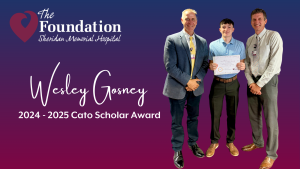
45 recipients receive over $80,000 in funds, including $5,000 Cato scholar Wesley Gosney

The Sheridan Memorial Hospital (SMH) Foundation is pleased to announce that 45 deserving individuals have been awarded scholarships during the Foundation’s annual meeting held on July 23, 2024. The scholarships, totaling more than $80,000, will support recipients pursuing further education in healthcare-related fields. Wesley Gosney was recognized as the recipient of the $5,000 Cato Scholar Award for his outstanding achievements and dedication to the field of nursing.

This year’s clinical and nursing scholarships were awarded to staff from 16 service lines and departments within the hospital, highlighting the diverse talents and interests of our growing healthcare team. From certifications and conferences to furthering their education in healthcare through associate’s degrees in nursing, bachelor’s and master’s programs, the large number of applications and recipients this year is another example of our staff’s commitment to caring for others.

Director of Donor Relations Ada Kirven has been developing The Foundation’s Scholarship Program since its inception in 2001. Each year, The Foundation works alongside our hospital leadership and foundation committee members, to ensure awards are utilized for best clinical-care training, ensuring excellent patient-centered care for our community and region.

Both at the annual meeting and through this process, Kirven expressed her gratitude to the donors and volunteers who made these scholarships possible, stating, “We are thrilled to support our staff and individuals as they continue to expand their knowledge and grow in a constantly-changing healthcare industry. Sheridan Memorial Hospital’s caring staff is our greatest asset and these opportunities not only grow the recipients as individuals, but recipients also share their newly acquired knowledge within our teams and entire organization. This investment in our people ultimately drives our mission forward in providing excellent patient-centered care for all.” Ada Kirven also shared, “The generosity of our donors allows us to make a meaningful difference in the lives of these healthcare professionals. With more than 100 donors contributing to educational opportunities for our staff, these gifts are many times a direct reflection of our staff’s work. These gifts are one of the many ways our donors express their gratitude for the care they receive at Sheridan Memorial Hospital. ”

The SMH Foundation is dedicated to supporting the healthcare community through scholarships, grants, and other initiatives. To learn more about our mission and how you could also give a gift of gratitude for your care, please visit sheridanhospital.org/foundation/.

Sheridan Memorial Hospital Foundation celebrates new and outgoing directors on the SMH Foundation Board

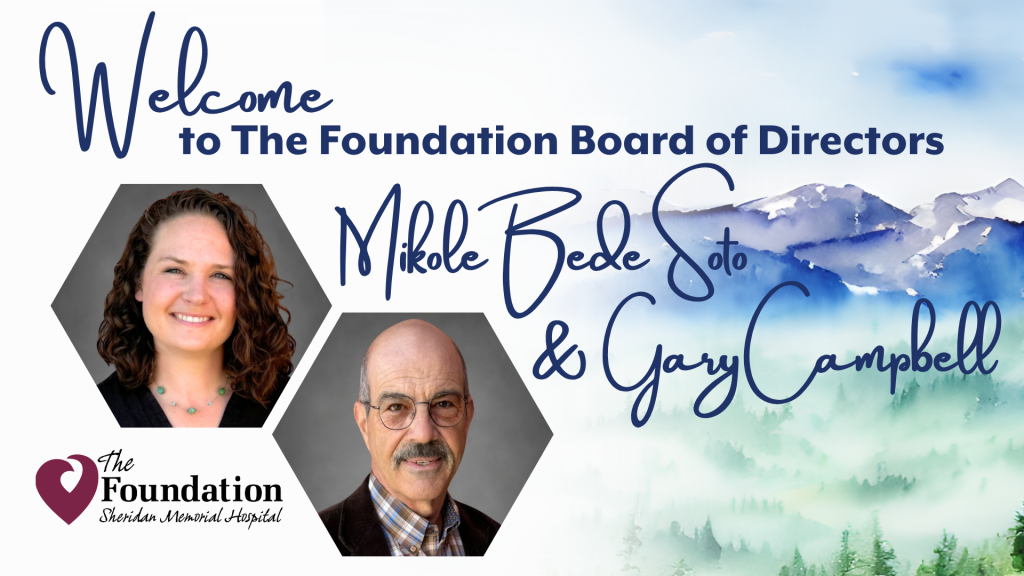
During their annual meeting on July 23, 2024, The Sheridan Memorial Hospital (SMH) Foundation recognized outgoing board directors and welcomed two community members to serve on The Foundation board.

Outgoing Foundation board directors – Vicki Jorgenson and Rob Johnson

With much gratitude for sharing their time, talents and passion, The Foundation announces the departure of two valued board members, Vicki Jorgenson and Rob Johnson. Both served six years and were instrumental in the growth and success of the SMH Foundation during their tenure on the board. Their dedication to The Foundation’s mission has been a driving force behind our fundraising efforts and community outreach initiatives. The Foundation leadership thanked them for their service and wished them all the best in their future endeavors during the annual meeting.

“Vicki’s been an incredible supporter of our community hospital for decades. She is a quiet connector who cares deeply for our community. Vicki’s legacy of kindness and support will always be a part of SMH,” shares hospital and Foundation Chief Development Officer, Cody Sinclair. “Rob Johnson is a pillar of professionalism and thoughtful leadership. It was an absolute pleasure to witness the Foundation’s success under Rob’s calm and steady leadership as Board President over the last two years,” Sinclair expressed.

New board directors – Mikole Bede Soto & Gary Campbell

The Sheridan Memorial Hospital Foundation is excited to announce the addition of two new Foundation board members – Mikole Bede Soto and Gary Campbell.

Mikole was raised in Sheridan and then attended the University of Wyoming, where she received a B.A. in History and Political Science and a Master’s in History. After receiving her Juris Doctorate degree from the University of Wyoming in 2017, Mikole Bede Soto joined Chapman Valdez & Lansing in 2018 in the Sheridan office.

Mikole finds it important to be engaged in the Sheridan community. Currently, she serves on the Sheridan Chamber of Commerce Board, KidsLife Board, and Museum of the Bighorns Board. Mikole is also a graduate of the 2020-2021 Sheridan County Leadership class. “The hospital is such a pillar of our community. Having excellent healthcare in our community is part of what makes Sheridan so special,” shared Mikole. “I look forward to helping contribute to this asset in our community and ensuring it is here for everyone.”

When able to adventure, Mikole enjoys spending time outdoors with her husband, Austin, daughter, Marley, and their dogs and horses. Occasionally, Mikole teaches cooking classes at her family’s business, Verdello.

On behalf of the entire Foundation Board & staff, Sinclair highlighted, “The Foundation Board is thrilled to have Mikole join our team. She has a wonderful perspective being engaged in the community around her. Her skills, talents and dedication to serving our community excites our entire team and we look forward to working alongside her.”

Gary Campbell grew up in Sheridan and earned a bachelor’s degree in civil engineering at the University of Wyoming. His career included working with the U.S. Forest Service across National Forests throughout the country as well as leadership positions in Washington D.C. Gary ended his career with the Bureau of Reclamation and oversaw many large water projects across nine states in the Western United States.  Gary brings a wealth of knowledge and experience. “Coming back to Sheridan brought out a desire to serve the community that gave so much to me. Having family members who have experienced a lot in healthcare systems, I feel that I can truly help to support and make a difference for others, to ensure that they all have the excellent care they deserve,” says Campbell. “Serving on The Foundation Board is the exact opportunity I was looking for to give back and really connect.”

After a decorated and extensive career, Gary is now retried back in Sheridan, the community he has always called home. Gary is an avid outdoorsman and likes to hunt and fish.  You can often find Gary with his family: wife – Cindy, his son Justin and wife Katie also of Sheridan, and visiting daughter Ronni in Reno, Nevada.

“When you meet Gary, he exudes professionalism and kindness. His passion and thoughtfulness are always apparent and just what we look for in a board member. He has so much to offer our hospital and Foundation. Our team is looking forward to sharing and learning from him,” expressed Sinclair.

Looking ahead

The Foundation team is inspired by the leadership, passion, and community spirit of our board. The Foundation welcomes Mikole Bede Soto and Gary Campbell and express gratitude for the involvement and contributions of the other Foundation board members: President Sue Belish, Vice President Wendy Smith, Secretary Yvonne Gatley, Treasurer Chuck Burgess and at-large directors Dr. Bill Doughty, Richard Garber, Ryan Franklin, Rosemary Rieder and Dr. Joshua Scott. Their diverse backgrounds and dedication to service will strengthen efforts to support Sheridan Memorial Hospital in providing exceptional healthcare to our community.

To get the most up-to-date Foundation information and learn more about The Board of Directors, visit sheridanhospital.org/foundation or call our Foundation Team at 307.673.2418.

Wyoming native long planned return to home state

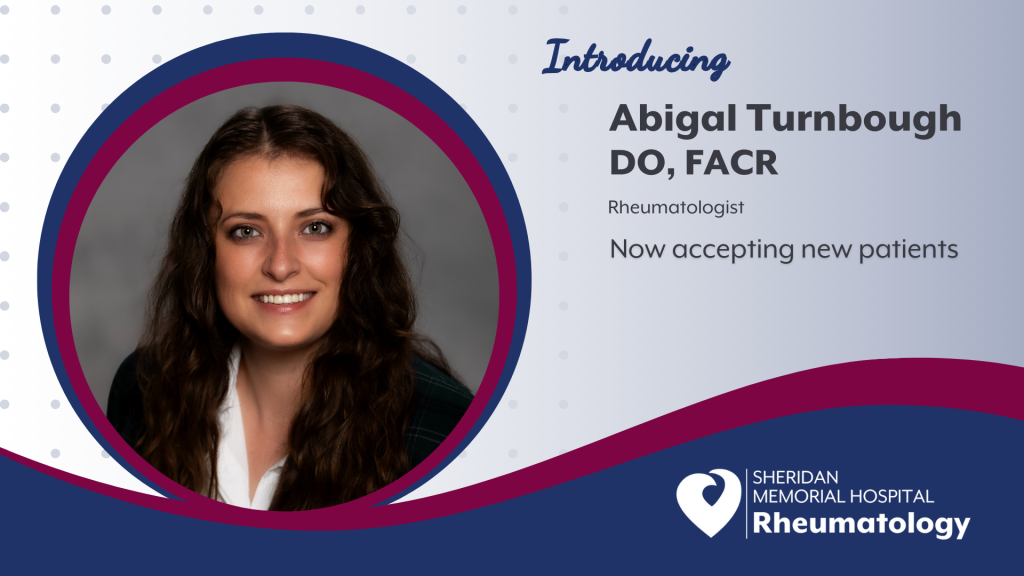
There’s something special about Wyoming. That’s why Dr. Abigail Turnbough knew she would return to the state to care for patients and why she recently joined Sheridan Memorial Hospital’s Rheumatology Clinic.

Turnbough grew up in Casper, Wyoming, before attending medical school in Colorado. She did her clinical rotations in Casper, then a residency in Denver and a fellowship in Omaha. The plan, though, always included a return to Wyoming.

“There is a special sense of community in the people who are from Wyoming that you really don’t see anywhere else,” Turnbough said. “I like how the community comes together to support its members and I appreciate the attitudes of the people who live and work in Wyoming. Wyoming is full of hardworking people who deserve great care.”

Turnbough’s interest in rheumatology sparked during her time volunteering at a nursing home. She had been speaking with one of the female residents, sharing that she planned to become a doctor one day.

“She told me, ‘You have to be a rheumatologist and come back to Wyoming,’” Turnbough recalled. “She talked about how hard it is to see specialists and the travel burden that usually entails and her story resonated with me.”

Now, Turnbough treats patients with a variety of diseases, including rheumatoid arthritis, gout, lupus, psoriatic arthritis and other inflammatory and autoimmune diseases that affect the body’s musculoskeletal system. She’ll work alongside Dr. Benjamin Widener, who opened the Rheumatology Clinic at Sheridan Memorial Hospital in 2020.

Turnbough said she considers herself a “pretty straight shooter,” who aims to treat people as she would want to be treated.

“I like to put a lot of time and energy into building relationships with patients,” she said. “Rheumatology often is filled with patients I will follow and treat for a lifetime. Patient trust and the ability to communicate without patients worrying about being judged or reprimanded is something I work to facilitate. Rheumatologists often have to cycle through medications to find one or a combination that works and it is important for the patient to know you are on their side and will work with them to reach the correct diagnosis and/or treatment plan.”
Having grown up in Wyoming, Turnbough is familiar with Sheridan. Her husband hails from Broadus, Montana, and the couple would meet up with his family in the Bighorn Mountains for camping trips regularly.

Now that Turnbough lives in Sheridan, she said she looks forward to continuing to explore the Bighorns on hiking and camping trips. In her personal time, she also enjoys reading, painting and hunting.

To learn more about the Rheumatology Clinic at Sheridan Memorial Hospital, see https://www.sheridanhospital.org/medical-services/clinics/rheumatology/.

Listen to what Dr. Emily Denny and Jazz Scott share about services available for new moms, including prenatal and lactation classes in a facilitated peer group.

Learn more about our Women’s Health Department, take a video tour and sign-up for classes HERE, or by visiting https://www.sheridanhospital.org/medical-services/womens-health/im-having-baby/

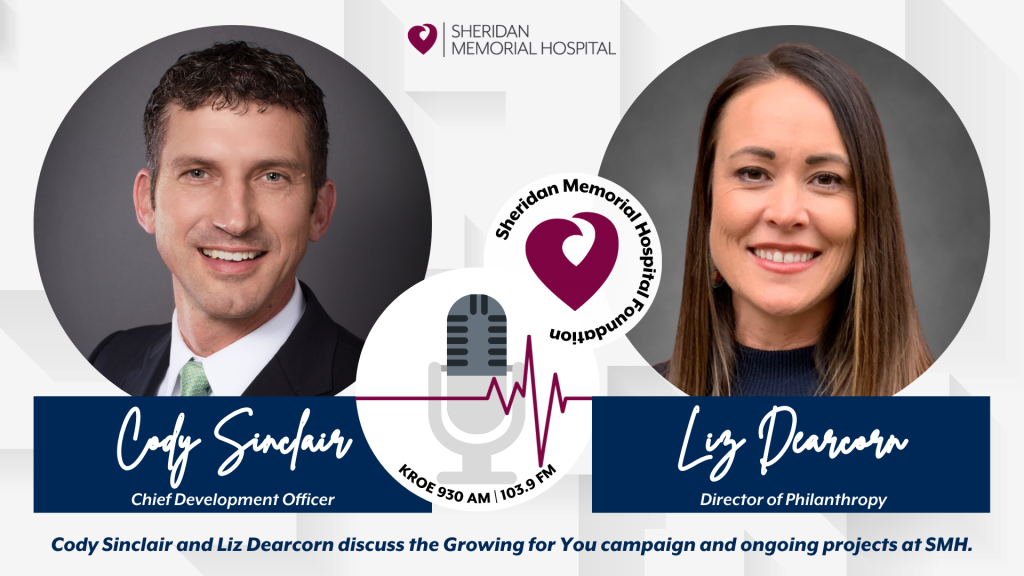
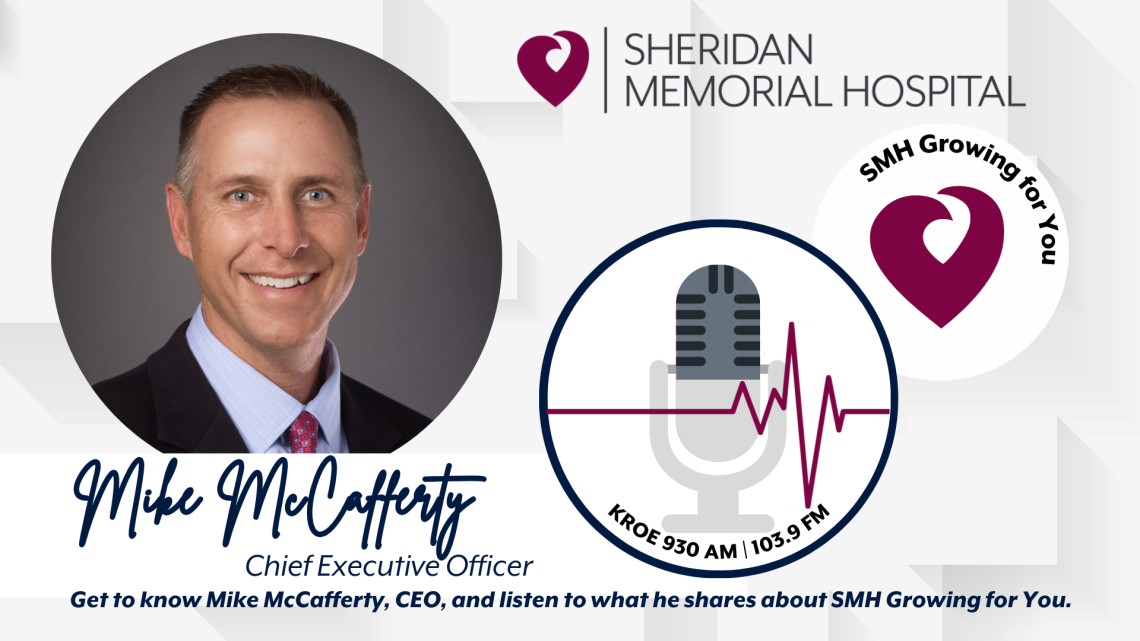
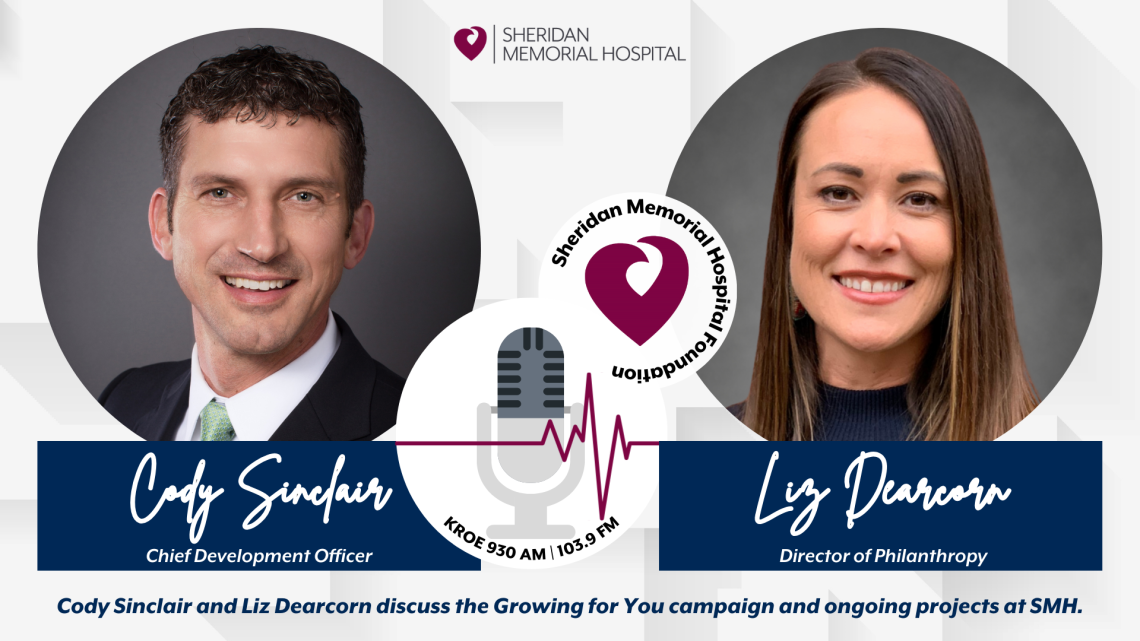
Listen to what Cody Sinclair and Liz Dearcorn share about the Growing for You campaign and ongoing projects at Sheridan Memorial Hospital.

For additional details on The Foundation and the Growing for You campaign, as well as current initiatives at Sheridan Memorial Hospital, please contact us at 307.673.2418 or explore our website at sheridanhospital.org/foundation.

By Erik Smith, MD – physician at Sheridan Memorial Hospital’s Emergency Department

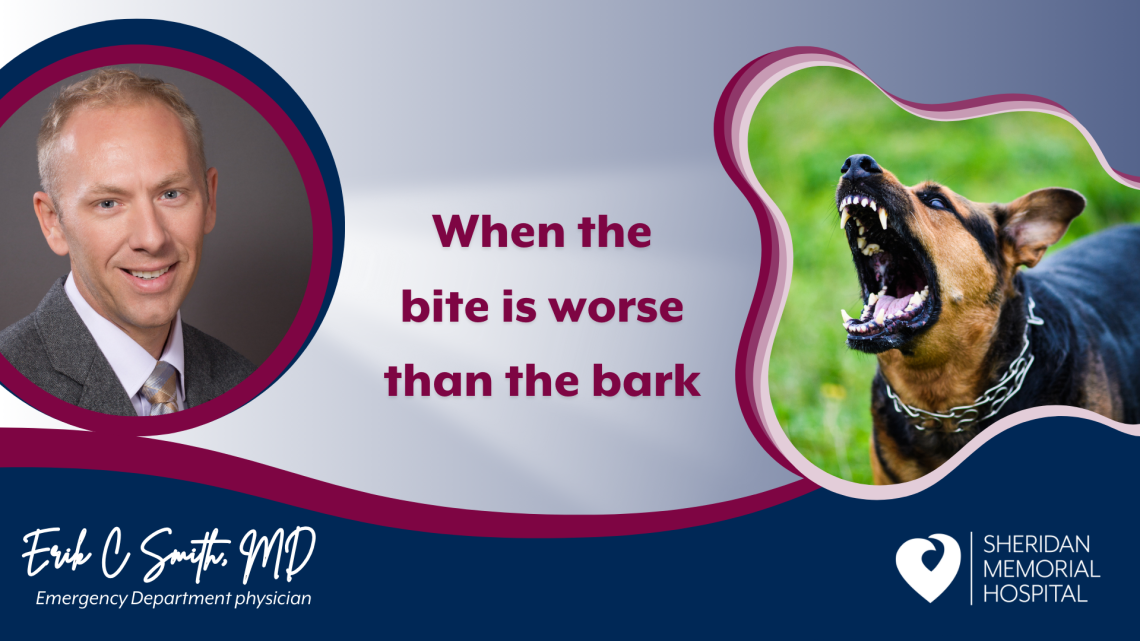
For whatever reason, there has been a surge in patients seeking care for dog and cat bite injuries in the emergency department over recent weeks. Maybe it is the weather. Maybe it is the solar eclipse. Perhaps there is an organized movement to expand the doggie swimming days at Kendrick Park. Regardless, many of these kind creatures are coming after the hands that feed them and inspiring this review of prevention and treatment for animal bites.

Not-so-nice doggie

Domestic animal bites can range from mild to severe, and can even be fatal. Here are a few alarming statistics:

  • 5 million dog bites are reported yearly in the U.S. (J Injury Epidemiology)
  • 43 U.S. deaths per year are attributed to dog attacks (CDC)
  • There are over 17,000 dog bite insurance claims yearly (Insurance Information Institute)
  • The average insurance claim for a dog bite is $64,000 (Forbes)

Dogs and cats tend to bite when they feel threatened, however playful bites and herding instincts can also play a role. Dog bites are reported more than cat bites, but cat bites have a much higher rate of infection. The closest body part to the threatened animal will be their target. For adults, arms and legs will most often receive the bite. For children and toddlers, unfortunately, this tends to be the face. Bites to the lower face can result in major soft tissue injury, requiring extensive repair efforts.

Prevention

If you are a pet owner, it is important to control what you are able to before a bite occurs. This includes keeping rabies vaccinations up-to-date, securing fencing and socializing your animals. If you are a parent or grandparent, teach your children to ask for permission when petting animals, avoid animals that are feeding, and to never take toys from them. Do not leave children, especially toddlers, unattended around animals. If chased or bitten by an aggressive dog, yell directly at them and make threatening motions to challenge them to retreat. A short stick or pole can be very effective in preventing a bite by an aggressive dog.

Breaking up dog fights is a very common cause of bites. This often results in multiple bites to several locations. It is difficult to watch fights without intervening, however, keeping hands out of the scrum can help prevent significant injury. A gloved hand or stick could offer valuable protection.

What to do if bitten

If bitten by another individual’s animal, attempt to verify rabies vaccination status. This will be helpful to medical staff in determining risk for the deadly disease. If this is a stray or runaway animal, involve animal control.

If bleeding occurs, hold pressure to the wound. Early rinsing with tap water and gentle soap is a very important step to avoiding infection.
Do I need to go to a clinic or Emergency Department?

Evaluation by medical staff is advised if there is anything beyond minimal penetration of the skin or any concern for rabies exposure.

Treatment typically involves five items:

  1. Infection prevention. The wound will be cleaned, irrigated and dressed. Antibiotics are often prescribed to prevent bacterial infection.
  2. Injury repair. The wound will be assessed for depth and severity. Many wounds benefit from some type of closure (surgical tape, sutures, etc). Fractures typically require immobilization. Very deep or complex wounds may require surgery or more aggressive antibiotic treatment.
  3. Rabies prevention. Rabies is a rare disease that is universally fatal (99%). If there is uncertainty regarding the biting animal’s vaccination status (and certainly if the animal has rabies), a human vaccination series is given. Fortunately, this is very effective at preventing any progression to rabies disease if given early after exposure.
  4. Tetanus prevention. Any open wound can be a source of Clostridium tetani infection, leading to tetanus disease. Booster shots for tetanus prevention are given every 10 years, however for wounds (such as animal bites), a booster is given if the most recent vaccination period is greater than 5 years.
  5. Assistance with documenting/reporting. Animal bites often require involvement of outside agencies for which clinical staff can assist. This includes formal documentation of the event and injury, animal control reporting for at-large animals or ongoing safety concerns, workers’ compensation documentation and state rabies testing assistance.

Hopefully the animals you share your house and neighborhood with are loving creatures that would never think of inflicting harm on anything but mice and dog toys. Chances are, however, at some point we all will end up too close to the business end of a scared or aggressive animal.

Learn more about our Emergency Department and services by following the link:  https://www.sheridanhospital.org/medical-services/emergency/

By Kelly Lieb, DMSc, PA-C – Director of Patient Experience at Sheridan Memorial Hospital

From a patient’s perception, patient experience is about connection at each interaction and the simplicity and ease of moving through a health care system or encounter.

When you think about your last visit to a hospital or health care facility, what stands out most to you? Do you remember the color of the patient gown? Or whether there were warm blankets and coffee? Do you remember how your care team treated you? Were you treated with courtesy and respect? Or did you feel like just another patient in the provider’s day?

As the patient experience director at Sheridan Memorial Hospital, I often find myself explaning that patient experience isn’t about hospitality – the warm blankets, coffee and treats. So what, as a patient, should you expect from your health care interactions?

Patient experience is about a partnership – one in which both the care team and the patient have responsibilities. The health care team is responsible for the patient’s experience and for every interaction they have during their stay. This entails every employee of a health care system listening to understand and following through on what they said they will do. It’s about welcoming patients into a facility when they may be experiencing fear or uncertainty. It’s about sharing intimate moments of life, death, illness, pain, trauma, cancer diagnoses, surgery, healing, growth and loss. It’s about the simple stuff — the basics — and doing them really well.

From a patient’s perception, patient experience is about connection at each interaction and the simplicity and ease of moving through a health care system or encounter. It’s about understanding a diagnosis, a medication or a care plan. It’s about communication, responsiveness, courtesy, respect and being treated as a unique human. It’s about trust.

Putting the responsibility for a patient’s experience in the hands of the health care system does not excuse patients from their own responsibilities, though. In order to ensure a positive experience, patients must be prepared to share their story completely, accurately and honestly. They must also ask questions of their health care professionals. Respect, too, goes both ways. Patients should expect courtesy and understanding , but that does not give those seeking care the ability to treat their health care team disrespectfully . For the health care partnership to succeed, both sides – patient and care team – must work together honestly, respectfully and transparently.

Patient experience isn’t a new priority in health care, but it is one that has taken on a larger role as consumers have more and more options for their care. When patients have a safe environment and the highest quality competent care, their expectations are met and exceeded. In addition, compassionate healthcare encounters are associated with shorter hospital stays, fewer readmissions, fewer medical errors and malpractice claims, as well as improved provider wellness and decreased burnout.

The Beryl Institute defined patient experience as “the sum of all interactions, shaped by an organization’s culture, that influence patient perceptions across the continuum of care.” As health care organizations around the country celebrate Patient Experience Week April 29 through May 3, consider your experiences and what stands out most to you.

Click HERE to listen to Kelly Lieb, DMSc, PA-C, and Teara Leibee, BSN, RN, talk about patient experience and patient responsibilities.