Welcome to Sheridan Memorial Hospital
1401 West 5th St. Sheridan, WY — 307.672.1000

News and Community

After years of chronic ankle pain, Judy Merriott, DVM, reached a point where everyday tasks—and even walking—became unbearable. Working as an
Just as children sometimes resist a visit to the doctor’s office, Dr. Mary Bowers describes her
When you don’t know what “normal” should look like, you learn to cope with the hand you’ve
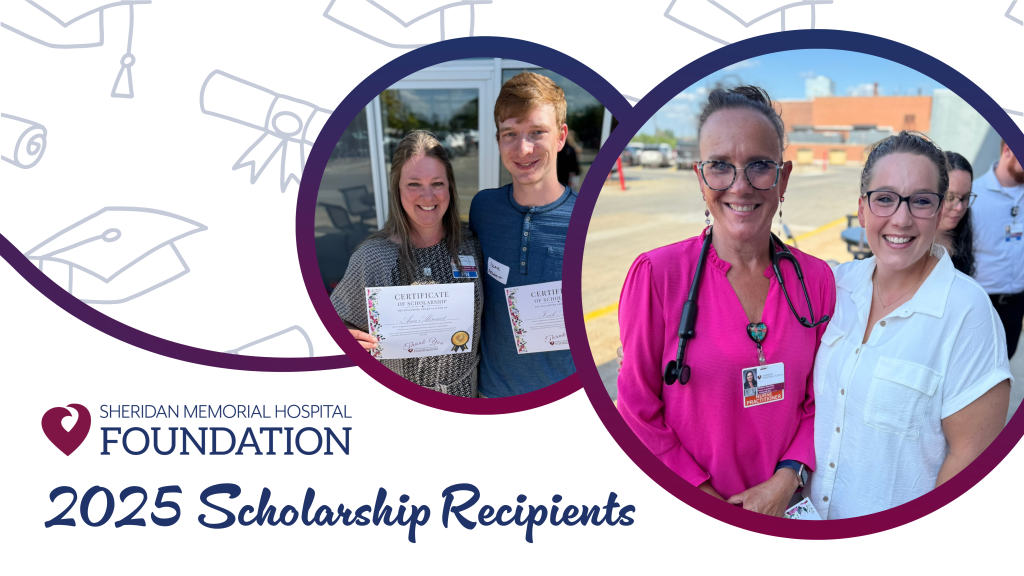
Sheridan Memorial Hospital invests in the next generation of healthcare professionals—those who live, grow and serve right here in our community.
In a heartwarming display of community spirit, O’Dell Construction has once again demonstrated its deep-rooted commitment to our community. The
April 21, 2025 — Recently on Sheridan Media's Public Pulse, orthopedic surgeon Dr. Jory
I cannot tell people often enough how much there is to be grateful for living in such a generous, selfless
With a mission \"to provide comfort to and better the welfare of Sheridan Memorial Hospital (SMH)
When it comes to running, efficient movement and injury prevention matter just as much as wearing a good pair of sneakers. Common running mistakes—
Primary care is not a specific specialty, but rather a style of medical practice with a focus on addressing a majority of personal health care needs, through
For Judy Hayworth, Sheridan Memorial Hospital represents more than just a place for treatment—it provides strength, healing and community
At Sheridan Memorial Hospital, orthopedic care, rehabilitation and interdepartmental collaboration come together to deliver exceptional patient
When families or individuals struggle to afford food for the next meal, it becomes difficult to focus on
SHERIDAN – Sheridan Memorial Hospital is excited to announce its transition to a new digital patient
Sheridan Memorial Hospital’s Wyoming Rehab physical therapists, Justin Bridger and Lindsay
SHERIDAN – Sheridan Memorial Hospital will host a public open house to celebrate the completion of its

After years of chronic ankle pain, Judy Merriott, DVM, reached a point where everyday tasks—and even walking—became unbearable. Working as an equine veterinarian felt impossible, and the activities she once loved were now out of reach. Determined to get back in the saddle, both literally and figuratively, Judy turned to Sheridan Orthopedics, where she found the care and support she needed to reclaim her mobility and joy.

Judy has called Sheridan home for the past year, returning to Wyoming after spending 12 years practicing veterinary medicine in Australia. Her ankle pain began about five years ago, following an injury she sustained while working abroad.

“I was doing chiropractic work on a horse and standing on a stepladder,” Judy recalled. “I was up above this mare’s neck, and the person holding her wasn’t paying much attention. The mare jumped sideways, knocked me off the ladder and stepped on my ankle.”

Although initial X-rays showed no broken bones, the damage worsened over time. The pain gradually began to affect every part of her life.

“I was a solo practitioner, so I didn’t get much time off,” she explained. “I soldiered on, but every year it got a little worse. Eventually, I was walking with my foot turned out like a duck because that was the only position that felt comfortable. When I moved to Sheridan, I knew that if I still wanted to work as an equine vet, I needed my mobility back. I have to be able to get out of the way quickly if my patient—the horse—isn’t happy with me.”

Judy’s pain didn’t just affect her work. It also kept her from enjoying her favorite pastimes.

“I like to hike, and I love to ride horses,” she shared. “I tried to ride last summer, but I ended up getting of the horse in tears because my ankle hurt so much.”

Eager for a solution, Judy researched providers in Sheridan, Billings and Denver. She eventually met with Dr. Daniel Peterson, DPM, FACFAS, at Sheridan Orthopedics, who introduced the possibility of a total ankle replacement.

After speaking with others in the community and hearing consistent praise for Dr. Peterson’s expertise and kindness, combined with the convenience of receiving care close to home, Judy felt confident moving forward with the procedure.

From her first visit to her final follow-up, Judy felt heard, respected and supported throughout the process.

“The front desk staff were very friendly and efficient,” Judy said. “And the scheduler was great, even when I had to postpone my surgery twice. Any time I had a concern, I could call the office, and Dr. Peterson would personally call me back.”

Her experience stood in stark contrast to a previous major surgery.

“I had both knees replaced in 2008 in Colorado. The surgeon was well-known, but I felt like I was just a blip on their screen,” she said. “Dr. Peterson never made me feel that way. I felt very well taken care of.”

In December 2024, Sheridan Orthopedics became part of the Sheridan Memorial Hospital team, enhancing the hospital’s ability to deliver expert, coordinated orthopedic care close to home. This integration ensures patients like Judy receive a smooth, supportive experience—from initial consultation through surgery and recovery—guided by a team that puts people first.

Judy’s surgery went smoothly, and she spent one night at Sheridan Memorial Hospital—a stay that left a lasting impression.

“The nurses were wonderful,” she reflected. “When you’re a patient, someone else has to help you do everything—and they were kind, respectful and never made me feel awkward.”

Now, several weeks into her recovery, Judy has made remarkable progress—enough to impress even Dr. Peterson.

“At my two-week check-up, my incisions had already healed really well,” she said. “By four weeks, Dr. Peterson looked at my X-rays and range of motion and said, ‘I’m really surprised. I’ve never seen an ankle heal this quickly.’”

Judy chuckled. “And I said to him, “I told you I was a good healer!”

She continues physical therapy and is eager to walk again without a boot or crutch, but she’s also learning to listen to her body.

“I have a tendency to push through things,” Judy admitted. “A few days ago, I felt strong enough to go for a walk with my neighbor, but on the way back, it started to hurt. I’m learning to listen to my ankle and know when it’s had enough. I’m trying to do everything I can to make it heal quickly, but at the same time, I don’t want to overextend myself.”

When asked what advice she would give others considering ankle replacement, Judy answered, “Number one, go to Dr. Peterson. Number two, trust your doctor. Make a list of your questions and concerns, and just go have a conversation.”

In just a few more weeks, Judy hopes to be hiking the Bighorns with her Border Collie and, eventually, riding horses again.

“I’ll be thrilled the first time I get back on a horse,” she said with a smile. “I’ll be thrilled, because that was my life for many, many years.”

If bone, joint or muscle pain is keeping you from the things you love, you don’t have to go through it alone. Visit sheridanortho.org to learn how Sheridan Orthopedics can help you get back in the saddle and back to doing what you love.

For Immediate Release – May 27, 2025

2024 Community Benefit Report reinforces SMH commitment to patient-centered care

SHERIDAN – Sheridan Memorial Hospital has served the community with excellent patient-centered care for decades. The 2024 Community Benefit Report outlines much of the work done in support of that mission, including the expansion of services and convenient access to care close to home.

In fiscal year 2024, which ended June 30, 2024, Sheridan Memorial Hospital provided more than $36 million in unreimbursed care to the community. This amount includes medical assistance provided based on federal poverty limit guidelines, subsidized services, bad debt and the unpaid cost of Medicare and Medicaid.

As Sheridan County continues to grow and change, Sheridan Memorial Hospital will continue working to expand access to healthcare.

“With highly trained, board-certified physicians and clinical care experts helping to drive our mission, our unique patient-centered approach continues to focus on improving the quality of life for you, your friends and family,” said Mike McCafferty, Sheridan Memorial Hospital CEO.

In the last year, Sheridan Memorial Hospital has updated its Emergency Department, opened a brand new Pediatric Unit and completed construction on an internal pharmacy and materials management department. The organization has also formed deeper partnerships with Sheridan Orthopaedic Associates, Northeast Wyoming Pediatric Associates, Sheridan Anesthesia Associates and Green House Living for Sheridan.

Sheridan Memorial Hospital also opened SameDay Health & Imaging, a same-day walk-in clinic located behind Walmart. The new facility has expanded and weekend hours, aimed at providing convenient access to care for laboratory services, imaging and medical care.

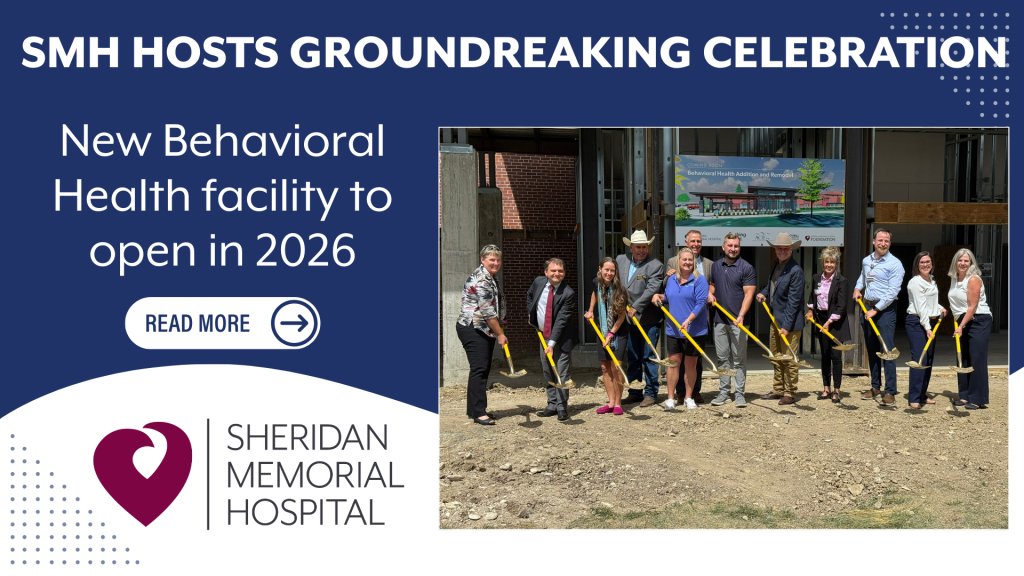
In addition, work remains underway on a new behavioral health unit, slated to open near the end of 2026. The unit will provide outpatient, inpatient and crisis stabilization services for the community – a priority identified in the Community Health Needs Assessment completed in 2024.

To read the full 2024 Community Benefit Report, see https://www.sheridanhospital.org/about-us/community-benefit-report/

Just as children sometimes resist a visit to the doctor’s office, Dr. Mary Bowers describes her entrance into the medical field as “kicking and screaming.” She had grown up around medicine and academics, but had little interest in the medical field before meeting practicing physicians.

As a result, Bowers was 10 years out of college when she began medical school at the University of Washington as part of the WWAMI program. Prior to moving to Sheridan, Bowers completed her residency in Chicago on the south side of the city and clerked in a small pediatric office in Pocatello, Idaho, where she enjoyed the small-town atmosphere.

Now, as Bowers prepares to close her practice, Goose Creek Pediatrics in Sheridan, her retirement comes with mixed emotions for the longtime provider.

“Practicing medicine in a small-town setting comes with both great rewards and real demands,” Bowers said. “I’m ready for a new chapter and leave with a sense of appreciation, closure and a bit of relief. It’s been meaningful work, and I leave with respect for the time and effort it took from all involved.”

Finding community in Sheridan

As Bowers wrapped up her medical training, Dr. Barry Wohl reached out regarding a position in Sheridan, Wyoming. He was the only pediatrician in town and recruited Bowers to work with him. She did for two years, crediting him with setting the bar high for pediatric care in the community. After two years, Bowers opened her own practice in Sheridan.

In the early years, Bowers and Wohl were on call for emergencies of all kinds no matter the time of day or season of Wyoming weather. Bowers recalled trekking into the hospital in blizzards and storms that prevented patients from traveling anywhere else for care.

Bowers has cared for children with nearly every type of childhood cancer. She has witnessed births and deaths. She has responded to calls for help at all hours. She has experienced burnout and has encountered heartbreaking situations that required assistance from Child Protective Services.

“We saw it all,” Bowers said.

Bowers laughed that she has stayed in pediatric medicine for more than three decades because, despite its challenges, “it still beats night calving.”

While she has provided excellent care in difficult situations, she has also cared for many healthy children, through multiple generations. She has been part of joyous occasions and has enjoyed seeing children grow and thrive in the community.

A team effort

While Bowers operated her own practice in Sheridan for many years, she said she wouldn’t have been able to do so without the support of the other pediatricians and providers in Sheridan County.

These support systems, she said, are why she feels confident in transferring care to other providers in the community and why she reached out to ensure her retirement went smoothly.

Dr. Suzanne Oss, a pediatrician at Northeast Wyoming Pediatric Associates recognizes the years of service Bowers has given to the Sheridan community.

“Dr. Bowers has worked tirelessly for many years and has advocated for her patients through it all,” Oss said. “She is a skilled pediatrician and has provided excellent care for children in the community for decades. She will be missed, but we congratulate her on this next chapter in her life.”

Bowers will close Goose Creek Pediatrics on June 13, 2025. She is actively working with Northeast Wyoming Pediatric Associates and Sheridan Memorial Hospital Primary Care to transfer the care of patients to providers in those offices.

While Bowers said she is looking forward to new adventures, she noted the privilege she felt in caring for the community’s children and being part of their health and growth.

“I’m deeply grateful for the relationships built during my more than 30 years of practice in Sheridan,” she said.

As Dr. Bowers prepares to retire, her legacy of care continues through the trusted providers at Northeast Wyoming Pediatric Associates and Sheridan Memorial Hospital Primary Care. If your child is a current patient, now is the time to connect with a new provider and ensure a smooth transition. Our community is here to support you every step of the way.

When you don’t know what “normal” should look like, you learn to cope with the hand you’ve been dealt. For 35-year-old Danielle Law, that meant years of painful cramps, difficult menstrual cycles and hormones that fluctuated through extremes.

After giving birth to three boys, though, Danielle sought help figuring out what “normal” could mean for her. She worked with a functional healthcare provider who started her on supplemental hormones, but a year into that treatment Danielle knew something still wasn’t right.

“I did a lot of research,” Danielle said of that timeframe, adding that she adjusted her diet and implemented healthier habits. “I felt the best that I’ve felt in my entire life.”

About five months ago, though, her menstrual cycles returned more regularly and they were just as frustrating as they had been before she had children.

“My mom had a hysterectomy after years of dealing with endometriosis,” Danielle said. “After everything I had tried and how good I had felt, the return to that cycle of pain – I knew something was wrong. So, I called the Women’s Clinic and let them know I wanted to be checked for endometriosis.”

Danielle said she was scheduled quickly, and sat down with Dr. Lindsay Capron to discuss her symptoms.

“In all of my research, I had read horror stories about women spending years advocating for themselves and arguing with doctors about their symptoms,” Danielle said. “I didn’t have that experience at all. Dr. Capron listened to me, believed me and got to work trying to help me figure it out.”

Dr. Capron said many women are suffering with severe pain and heavy bleeding, thinking it’s normal, or worse, feeling like they are just complaining and unable to cope.

Danielle was diagnosed with adenomyosis, a condition where the tissue that normally lines the uterus grows into the muscular wall of the uterus, causing heavy menstrual bleeding and pelvic pain. It can get progressively worse with each menstrual cycle and each pregnancy.

Dr. Capron provided Danielle with several options for treatment, including ablation, hormonal treatment and hysterectomy. The hospital’s use of robotics also allows surgeons like Dr. Capron to offer excision of endometriosis as an option for treatment.

Dr. Capron noted that whether a woman is 20 or 90, the decision to pursue hysterectomy is very individualized. She and the other providers at SMH’s Women’s Clinic are available to discuss all options with patients to help find a solution that meets their needs and desires.

“It sounded terrifying at first,” Danielle said of hysterectomy. “Dr. Capron reassured me that I didn’t have to decide right away. So I did more research – I mean these days you can research to your heart’s content.”

She noted that her initial concerns centered around hormones, which she had spent so many years trying to regulate and control. Ultimately, though, Danielle opted for the hysterectomy, keeping her ovaries, knowing she was at her healthiest and excited to see an end to the pain she had endured for decades.

She was scheduled for the surgery and within two weeks Dr. Capron had utilized robotic technology at SMH to complete the procedure, leaving just four small incisions on Danielle’s abdomen and shortening the recovery time.


To celebrate the surgery, Danielle even recorded a short video of herself dancing in her hospital gown after surgery.“I wanted to show everyone that I was OK,” Danielle said.

Little did she know that one short post celebrating her choice would go viral, as women across the country empathized with her situation and celebrated that more and more options are becoming available to help women manage their menstrual cycles, pain and hormones.

“So many women were looking for information,” Danielle said of the post that went viral. “I had comments that included everything from ‘thank you’ to questions about the process, horror stories about doctors that wouldn’t listen and women saying they had done the same and never regretted it. It was wild.”

Since then, Danielle has continued sharing her story on social media, giving updates on how she’s feeling, helping women understand her journey and the options available.

A couple weeks post-surgery, Danielle had a follow-up appointment with Dr. Capron, where the WOMC provider confirmed the adenomyosis diagnosis along with endometriosis and fibroids.

“It was reassuring that I felt like I made the right decision,” Danielle said. “I feel great, almost so good that I wonder what I’m missing.”

While Danielle is still only about eight weeks post-surgery, she said she’s excited to settle into what her new “normal” will look and feel like – with less pain and an increased appreciation for her health heading into her 40s.

If you’re struggling with pain or symptoms that don’t feel “normal,” you don’t have to face it alone. The experienced team at Sheridan Memorial Hospital’s Women’s Clinic is here to listen, support, and help you find real answers. Your health matters—and so does your story. If you would like to make an appointment call or text 307.672.2522.

Two generations, one calling: Mother and daughter Jessica Heil and Emileigh Bettles build a legacy of care at Sheridan Memorial Hospital

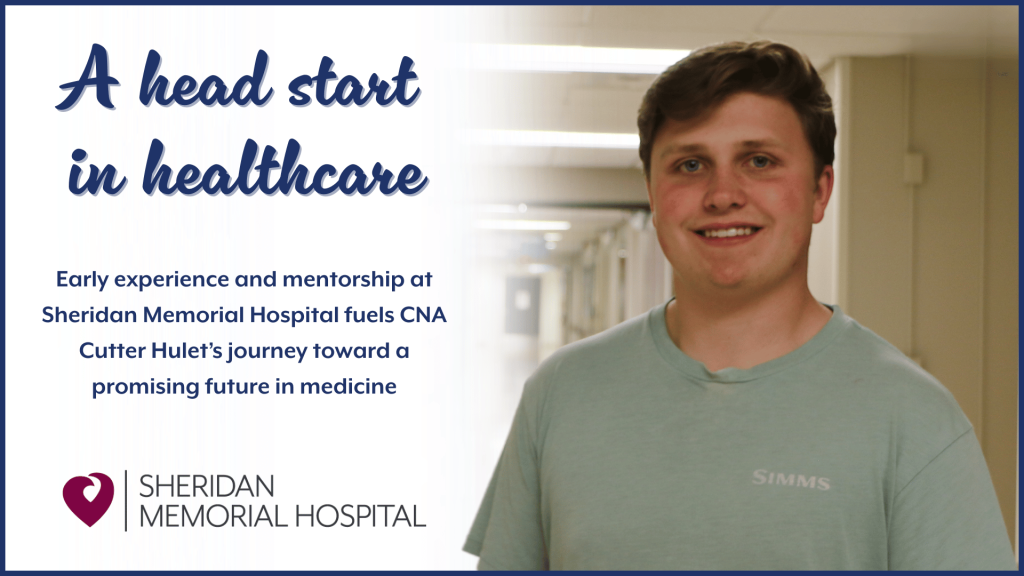
Sheridan Memorial Hospital invests in the next generation of healthcare professionals—those who live, grow and serve right here in our community. For Med/Surg Manager Jessica Heil and her daughter, Emileigh Bettles, “growing our own” isn’t just a philosophy—it’s a shared journey.

Emileigh, a senior at Sheridan High School and a part-time certified nursing assistant (CNA) at Sheridan Memorial Hospital’s Transitional Care Unit (TCU), didn’t always plan to follow in her family’s footsteps. But everything changed after she enrolled in a high school CNA course. During the class, she shadowed nurses in the hospital’s Med/Surg unit, and that’s when her passion for healthcare blossomed.

“It was originally just another class to take,” Emileigh explained. “But once we started clinicals, I realized how much I actually liked it. My mom, my dad, my grandma—they’re all in the healthcare field. I loved coming to the hospital and seeing what my mom did and how much of a difference good healthcare workers like her can make for patients. So, I wanted to be like them.”

Jessica also hadn’t expected Emileigh to choose the same path.

“Emileigh just liked other things when she was younger. Both her dad and I are in healthcare, but neither of us saw it coming,” Jessica said. “But I’m super, super proud of her, and I love seeing her with patients and hearing from patients about how caring she is.”

Emileigh’s first job was as a CNA at Sheridan Green House, but she transitioned to the TCU shortly after Sheridan Green House became part of Sheridan Memorial Hospital in the summer of 2024. In the TCU, she finds great fulfillment in building meaningful connections with patients.

“I really love working in the TCU because you don’t see a different patient every time,” Emileigh said. “You have the same patients, and you get to build connections with them while helping them get better. You learn their life stories—where they came from, why they came to Wyoming. It’s nice to know that when one of my patients goes home, they’re leaving better than when they came in.”

While Emileigh gained experience on the TCU floor, Jessica offered guidance from behind the scenes.

“I quizzed Emileigh on her CNA skills as we drove to Denver for her certification test,” Jessica said. “It was a refresher for me, too, because what you learn in class can be so different from real-life situations. We also have interesting conversations at home, where I help her work through things like her first patient death.”

Emileigh appreciates her mother’s support—she occasionally texts Jessica with questions about patient charts or the hospital’s ongoing construction—but she also values the independence she and her mother work hard to maintain at work.

“It’s hard to call her ‘Jessica’ at work,” Emileigh laughed. “But I want my coworkers to like and respect me for who I am and not just because I’m her daughter. I want to prove myself as a good coworker.”

Emileigh and Jessica do occasionally cross paths at work. One rainy day, Jessica and Emileigh worked side by side to help a patient who needed assistance getting from his car into the hospital.

“Emileigh had floated down to Med/Surg from the TCU, so I asked her to help me get the patient out of his car,” Jessica recalled. “It was raining, and the patient’s wife, who was sick, too, was trying to help us, but her husband had a hard time following directions. He couldn’t really stand or get out of the car on his own. We reassured her and got him into the wheelchair, but his wife couldn’t come in because she was sick too. We got him settled into his room, and I called his wife to let her know he was safe and comfortable. She started crying and thanking us. I told her, ‘Please, don’t worry. You take care of you. You get to rest now.’”

A few weeks later, the patient’s wife called again.

“She asked if I was Emileigh’s mother. When I said I was, she told me I should be proud of my daughter for following in my footsteps,” Jessica said. “The best part was that I didn’t even have to coach Emileigh in that moment. She immediately just took over and knew what to do and how to talk to him. But that wasn’t anything out of the usual. That’s just who she is and what she does for all her patients.”

Emileigh’s passion for healthcare extends beyond her workplace. In April 2025, she traveled with Sheridan High School’s SkillsUSA team to the Wyoming State Leadership and Skills Conference in Casper. There, she placed third in the Nursing Assistant event and helped her team earn second place in the Health Knowledge Bowl. The competition, which included both a skills test for CNAs and a quiz-based knowledge bowl, gave Emileigh the opportunity to put her training and experience to the test.

“During the Bowl, they described some symptoms of a condition, and as we talked about it, the face of one of my patients from the TCU popped into my head,” Emileigh said. “I suddenly knew the answer was chronic heart failure. It was great to draw from actual experience and use that to answer the question.”

Sheridan Memorial Hospital proudly supports young healthcare workers like Emileigh by hiring high school students as CNAs and offering flexible schedules to fit school and seasonal commitments.

“If you can only work weekends, great—let’s schedule you then,” Jessica said. “If you can work full-time in the summer, we’ll make that happen. We know some will leave for school, but we don’t turn them away because of that.”

Jessica sees that investment as long-term.

“Our hope is that they come back because they had a great experience. Because they felt welcomed and safe here,” she said. “Our goal is to get them trained here and make them great nurses. Then, even if they do leave for a different, bigger facility, they will be a standout nurse and people will ask when where they learned it all. And they’ll say Sheridan Memorial Hospital.”

As Emileigh prepares to graduate, her sights are set on nursing school. She recently applied for a clinical scholarship from the Sheridan Memorial Hospital Foundation and hopes to begin Sheridan College’s nursing program soon.

“It’s a bit scary,” Jessica admitted. “Because everything’s moving so fast, and she’s my kiddo. But I know who Emileigh is and I know what kind of person she is, so I know that wherever she goes, she’ll be fine.”

Inspired to make a difference?

Join the dedicated team at Sheridan Memorial Hospital and be part of a mission that spans generations. To explore current opportunities, contact our Human Resources Recruiter, Darby Hamilton, at 307.672.1091 or email recruiting@sheridanhospital.org.

Discover what’s possible: sheridanhospital.org/about-us/careers

When Dr. Michael Kinney and his wife, Lindsay, first arrived in Sheridan, they were looking for something more than a beautiful place to live. They were seeking impact.

“We wanted to make a big splash in a little pond,” Dr. Kinney shared during a recent interview on Public Pulse with host Floyd Whiting. That desire led him to Sheridan Memorial Hospital, where he now serves as the organization’s psychiatrist, serving patients ages 13 and older.

And that splash? It’s already rippling.

Building behavioral health service from the ground up

Dr. Kinney joined Sheridan Memorial Hospital in late 2024 and quickly stepped into a role that was as foundational as it was formidable — building a behavioral health clinic from the ground up.

“It’s intimidating,” he admitted. “But exciting.”

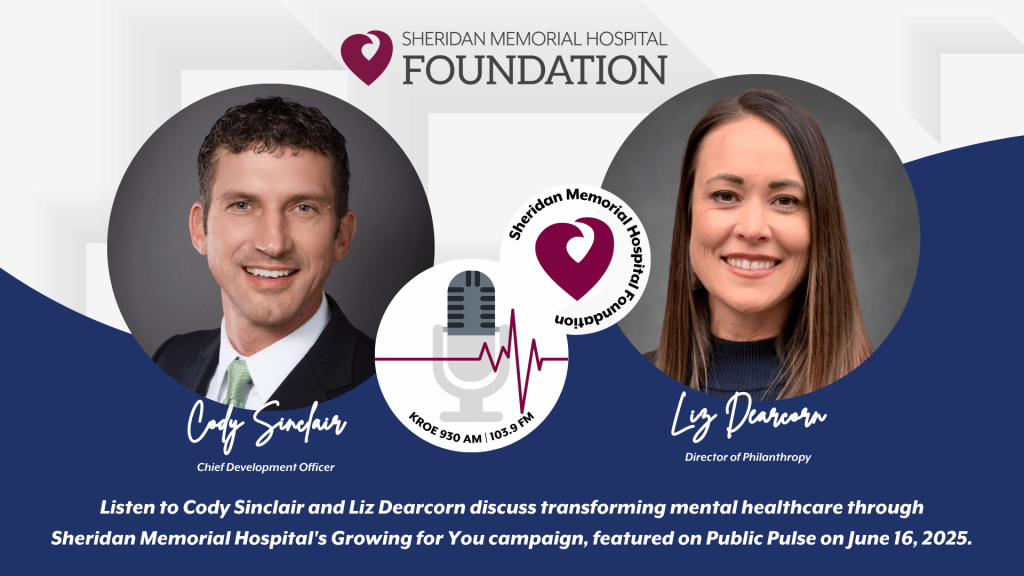
With no existing psychiatry infrastructure in the hospital system, Dr. Kinney and Director of Behavioral Health Brittany Goodvin have taken on the challenge of creating not just a clinic, but a new model of care — patient-focused, data-informed and stigma-free.

Rather than being overwhelmed by the size of the mission, they’ve approached it one piece at a time.

“Let’s not look at the whale,” Kinney said. “Let’s take just pieces of it off at a time.”

Meaningful metrics and measurable impact

One of the most promising signs of success so far? A nearly 20% reduction in the use of emergency hold proceedings under Wyoming’s Title 25 since the clinic opened. Dr. Kinney sees that number not only as a marker of progress but also as an early indicator that the community is gaining access to care in a more timely and supportive way.

And the future is even brighter. With the hospital’s behavioral health facility currently under construction — featuring a crisis stabilization area, inpatient beds and expanded outpatient therapy spaces — Sheridan Memorial is preparing to meet a broader spectrum of mental health needs with compassion and skill.

Psychiatry rooted in purpose

Dr. Kinney’s journey into medicine wasn’t linear. Initially pursuing law, it wasn’t until a volunteer EMT call — where a child in distress looked up at him “like [he] was Superman” — that he realized his calling was to be a different kind of helper.

That sense of calling became even more personal after the tragic loss of his brother to addiction and mental illness.

“He didn’t survive those issues,” Kinney said. “And that’s part of what drives me now.”

Kinney speaks openly about that grief and how it shaped his desire to become a psychiatrist unafraid of addressing addiction.

“I don’t want to do this halfway,” he said. “I want to be able to take care of the whole person.”

A philosophy of thoughtful care

In an age where medication can feel like a quick fix, Dr. Kinney is refreshingly intentional. He uses metaphor to explain the role of treatment: if mental health challenges are a Wyoming blizzard, then medication is the pair of boots that keeps your feet warm—but it’s therapy that helps you find your way out of the storm.

“Some people need the boots longer than others. But nobody should feel like they have to weather it alone.”

Kinney also emphasizes the importance of accurate diagnosis. He noted that a significant number of patients he sees arrive with labels like bipolar disorder that may not fit. His approach involves “getting back to the drawing board,” with careful attention to both removing unnecessary medications and prescribing only what’s needed to support healing.

Community matters

One thing is clear: Kinney is here for Sheridan. He praises the region’s strength and resilience while recognizing the need to shift cultural attitudes around mental health.

“This is a place that takes care of others,” he said. “But to do that well, we have to start by taking care of ourselves.”

And that begins with making it easier — and more normal — to ask for help.

“Pay attention to how you feel,” he said. “Honor your emotions. That’s where healing starts.”

At Sheridan Memorial Hospital, the addition of Dr. Kinney is part of a larger commitment to transform how the community understands, accesses and receives behavioral health care.

🎧 Listen to Dr. Kinney’s full interview on Public Pulse by clicking below.


To speak with someone about behavioral health services at Sheridan Memorial Hospital, visit Behavioral Health – Sheridan Memorial Hospital or call 307.675.2674.

Going into surgery makes even the strongest of patients feel vulnerable. The anticipation and preparation for many situations is more overwhelming than the actual situation itself. We’ve all been there. You answer all the questions, talk to all the doctors and the team is ready to start an IV. Whether you have a fear of needles or not, you hope they get it on the first try, but those darn rolling veins sometimes make that challenging. Your nurse takes out a handheld device, the AccuVein, and gets your IV started quickly and accurately.

A late-night Emergency Room visit for a nasty fall off your kiddo’s bike means everyone hopes there are no broken bones. Your care team quickly opens the cart next to your kiddo’s bed and takes out the necessary items to get the initial scrapes and bruises cleaned and stitched up. With easily accessible materials that the entire team knows how to find, your little one is fixed up in no time. Plus, a few scans and tests later and no broken bones, this time.

Surgeries and emergencies are everyday occurrences at Sheridan Memorial Hospital. Just like any job, when teams are equipped with the right tools and resources, they provide excellent care. Technology Advancements and updated equipment allow our teams to focus on our patients and provide consistency and accuracy along the way. With this in mind, the Sheridan Memorial Hospital (SMH) Foundation board is thrilled to have opportunities to support Sheridan Memorial Hospital with these requests.
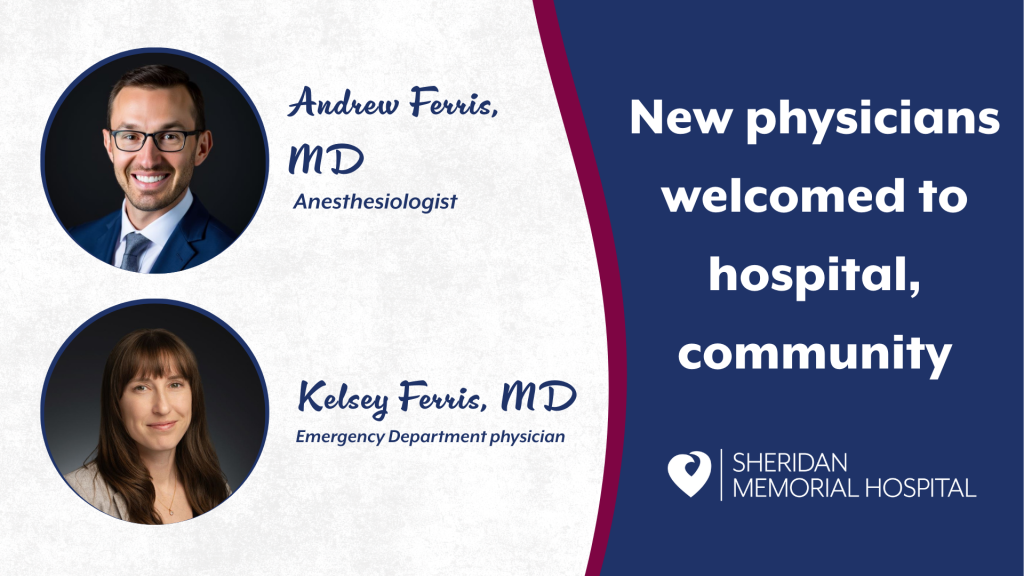
Thanks to the generous funding by the Sheridan Memorial Hospital donors and their annual membership contributions to The Foundation, the SMH Foundation Board unanimously supported equipment purchases for the Emergency Department (ED), OR/Surgical Teams and Medical Surgical Unit. This investment enabled SMH to acquire new AccuVein finders for surgical patients and other teams throughout the hospital that administer IVs for patients, as well as new emergency room carts.

AccuVein Finders: Enhanced IV Placement

The AccuVein finder is a cutting-edge tool designed to assist medical teams in locating veins more easily, especially for patients with hard-to-find veins. This device uses near-infrared light to visualize veins beneath the skin, making it easier for healthcare providers to start IVs quickly and accurately.

Purpose of the AccuVein Finder:

  • Efficiency: Reduces the time needed to locate veins, minimizing patient discomfort and anxiety.
  • Accuracy: Improves the success rate of IV placements on the first attempt.
  • Patient Comfort: Less probing and fewer attempts mean less pain and stress for patients.

Immediately after the AccuVein finders were made available, pre-op teams in the surgery department began utilizing this innovative tool. The results have been overwhelmingly positive, with reports of quicker and more comfortable IV placements for patients.

New Emergency Room Carts: Enhancing Efficiency and Organization

In addition to the AccuVein finders, the Sheridan Memorial Hospital Foundation Board also funded the purchase of new emergency room carts. These carts are designed to better organize items for efficient patient care, ensuring that all necessary supplies are readily accessible when needed.

Benefits of the New Emergency Room Carts:

  • Organization: Keeps essential items neatly organized, allowing staff to find what they need quickly.
  • Consistency: Provides a standardized setup across all emergency carts, ensuring that all team members are familiar with the layout.
  • Technology: Incorporates new technology to keep supplies secure and easily accessible during high-pressure situations.

The ED carts have been a welcome upgrade, complementing other enhancements made to our ED Lobby and patient triage spaces. By improving the organization and accessibility of supplies, we can provide faster and more effective care to our patients.

The Sheridan Memorial Hospital Foundation Board’s commitment to investing in advanced medical tools and equipment is a testament to its dedication to improving patient care.

“No matter how big or small the request, The Foundation donors and supporters make this possible. We are so grateful for and look forward to continuing to provide the best possible care to our community,” shares Chief Development Officer, Cody Sinclair. “To all of our donors, board members, volunteers, and those who are willing to share their experiences with us, thank you for being a part of our journey to enhance healthcare at Sheridan Memorial Hospital.”

To support efforts like these and learn more about Sheridan Memorial Hospital Foundation efforts, visit sheridanhospital.org/foundation or visit with the team at 307.673.2418.

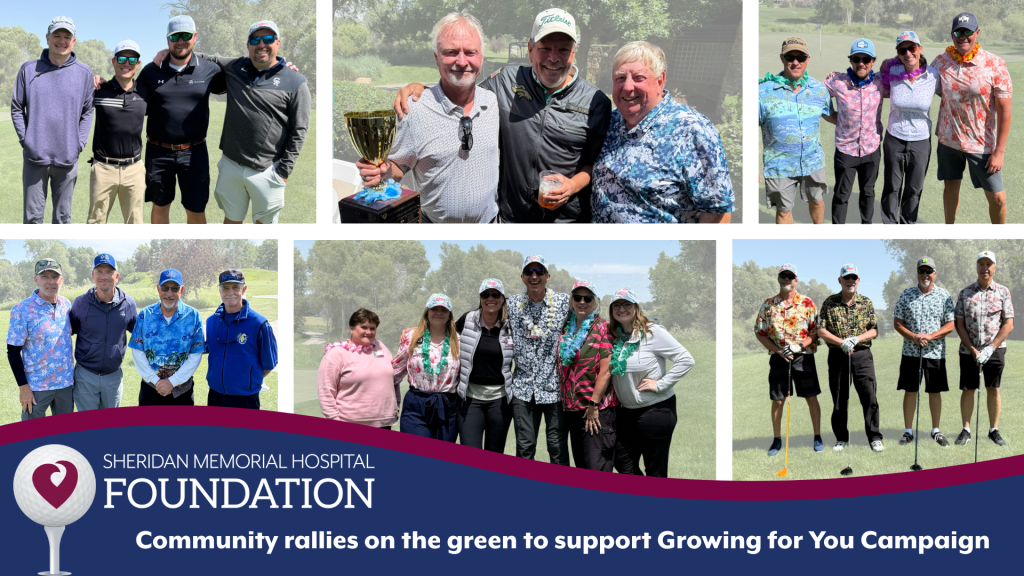
In a heartwarming display of community spirit, O’Dell Construction has once again demonstrated its deep-rooted commitment to our community. The third generation, family-owned construction company has pledged a generous $25,000 matching gift to the Sheridan Memorial Hospital (SMH) Foundation’s Growing for You Campaign. This remarkable act of philanthropy underscores O’Dell Construction’s dedication to supporting and enhancing the quality of life for Sheridan residents.

O’Dell Construction’s contributions have shaped our community, strengthened our infrastructure and been pivotal in helping the community—a reflection of the very essence of the Growing for You Campaign. Their matching gift in support of the Growing for You Campaign, is a testament to their shared dedication to the community’s well-being.

“It is a privilege to build something that is going to serve the community with Sheridan Memorial Hospital,” Owner and President of O’Dell Construction, Will O’Dell.

This gift is more than a contribution; it’s a call to action and a reminder of the power of collectively making a difference.

“Our intention behind this gift was not only to support the growth and enhancement of healthcare services in our community, but for others to become part of this project. Especially when it comes to mental and behavioral healthcare, we want patients to know they are supported, families to know there are resources and for anyone feeling overwhelmed that people in our community care about them. Help is here when they need it most,” shares Owner and Vice President of O’Dell Construction, Rebecca O’Dell.

Together, O’Dell Construction and Sheridan Memorial Hospital Foundation teams invite you to join us and support your community hospital, growing for you. Make a gift through June 2025 and help us unlock this matching gift to double the difference your dollars make in supporting the Growing for You Campaign. The Foundation team is here to help make your gift go further!

Donating is easy online at sheridanhospital.org/foundation/make-a-donation/, by mailing to P.O. Box 391, or by calling our Foundation office at 307.673.2418.

For more information about O’Dell Construction’s commitment to community service and their various projects, visit their website https://odellconstructionwy.com/

To learn about The Sheridan Memorial Hospital Foundation’s mission, ongoing initiatives, and how you can support their efforts, explore their website at sheridanhospital.org/foundation.

April 21, 2025 — Recently on Sheridan Media’s Public Pulse, orthopedic surgeon Dr. Jory Wasserburger joined host Floyd Whiting to share insights into his journey in medicine, the exciting advancements happening in orthopedic care, and the recent integration of Sheridan Orthopedic Associates into Sheridan Memorial Hospital.

A native of Gillette, Wyoming, Dr. Wasserburger’s Wyoming roots run deep. Growing up with a strong ranching background and a mother who was a nurse, he described how early exposure to hospital environments and a deep desire to help people naturally guided him toward medicine—and ultimately orthopedics. His story embodies the spirit of service and community dedication that Sheridan Memorial Hospital (SMH) strives to cultivate every day.

During the conversation, Dr. Wasserburger spoke passionately about the “match process” in medical training, the challenges of becoming an orthopedic surgeon, and the powerful sense of purpose he found in treating injuries that help people move, work, and live fully again.

“Bones are the rebar of the body,” he explained, reflecting on how restoring mobility improves lives in tangible, lasting ways.

Today, Dr. Wasserburger specializes in sports medicine, joint replacements, and tendon repair—areas critical to keeping our active, adventurous community on the move.

“Whether it’s shoulder replacements, ACL reconstructions, or helping a rancher return to work, the outcomes are transformative,” he shared.

A particularly exciting development for patients is Sheridan Orthopedic Associates’ new access to robotic-assisted surgery—a leading-edge technology now available thanks to the partnership with Sheridan Memorial Hospital. “The robot doesn’t replace the surgeon,” he noted. “It enhances precision, decreases recovery times, and ultimately improves outcomes.”

The decision for Sheridan Orthopedic Associates to become part of Sheridan Memorial Hospital was a deliberate one, rooted in a shared commitment to excellent, patient-centered care. By joining SMH, the orthopedic team now benefits from expanded resources, streamlined insurance processes, collaboration with hospital-based rehabilitation services, and access to innovative technologies like the robotic surgical platform.

“Ultimately, it’s about taking the very best care of our patients,” Dr. Wasserburger emphasized. “We’re here, we live here, and we’re part of the same community. Being stronger together means a healthier Sheridan.”

Sheridan Memorial Hospital’s 2023–2026 Strategic Plan outlines a clear focus on expanding access to care, enhancing quality and safety, and ensuring a sustainable future. The addition of Sheridan Orthopedic Associates strengthens the hospital’s ability to meet community needs, especially in key priority areas like chronic disease management and injury recovery.

At SMH, we’re proud to support Dr. Wasserburger and the Sheridan Orthopedic team as they deliver world-class orthopedic care—right here at home.

🎧 Listen to Dr. Wasserburger’s full interview on Public Pulse by clicking below.


To schedule an appointment with Sheridan Orthopedic Associates, visit sheridanortho.com or call 307.674.7469.

I cannot tell people often enough how much there is to be grateful for living in such a generous, selfless community. At the heart of our community, thousands of generous individuals tirelessly dedicate their time and energy to helping others and ensuring their well-being, often caring for others they have never met. As the coordinator of such remarkable humans at Sheridan Memorial Hospital (SMH), I am fortunate to witness, feel and experience the difference our volunteers make in our community and how helping others can really come full circle in helping oneself.

There are encounters, big and small, with our volunteers that make a difference to those who walk through any of our hospital doors. As an organization, we strive to live our mission “to provide our community with excellent patient-centered care.” Patient-centered care includes the obvious – our patients. However, with a patient at the center of something, there must also be something, or someone, to surround them. At SMH, we strive to care for the whole patient by supporting visitors, families, caretakers, friends, and all others who make up any patient’s team.

From greeting patients and families with a warm smile to assisting with administrative tasks, volunteers play a crucial role in creating that supportive, welcoming and compassionate environment at SMH. In their own ways, each volunteer embodies this spirit by extending their care and compassion to everyone they encounter.

It is the conversation with a volunteer that goes from talking about the weather to discussing the latest books they like to reach to sharing photos of their grandkids and/or pets, momentarily forgetting a loved one is in surgery.

It is hospice volunteers supporting the caretakers and families before, during and after a patient’s hospice journey, in their joy and in their grief.

It is engaged and connected individuals who dedicate time as a board director to Sheridan Memorial Hospital, The Foundation, and Green House because they believe in rural healthcare, having care when you least expect it and need it most.

It is the Auxiliary’s 65-year tradition of putting on the 5-year-old birthday party where a volunteer helps, remembering when she attended the first-ever party with her own son 65 years ago when he turned five.

Our volunteer’s actions reflect the true essence of community care, and we are proud to have such dedicated individuals as part of our team. Whether decorating the hallways during the holidays, helping a patient feel at ease during a difficult time, or supporting a family member in need, our volunteers go above and beyond to make a positive difference with all they encounter in our hospital hallways.

However, they are not just our volunteers. When patients and families choose Sheridan Memorial Hospital, they are entrusting us with their health and well-being. One of the most profound aspects of our volunteers’ contributions is the trust they place in us to care for them, their friends and their loved ones.

One of our SMH volunteers who, in many ways, supports SMH and efforts to grow for our community, contributed to the transformed Transitional Care Unit completed in the fall of 2022. Fast forwarding eight months, I got a call from her letting me know that she wouldn’t be in for a “little” bit to volunteer as she wasn’t feeling her best. She had been rushed to emergency care and later found out she had pneumonia and needed to have a “little” procedure for a partially collapsed lung. I know she was trying not to worry everyone, but a “little” bit? Two weeks later, she was transferred to SMH’s Transitional Care Unit (TCU), where she would stay for the next six weeks. During one of our visits, I distinctly remember her saying, “I couldn’t make it to the TCU open house, and you kept telling me to come get a tour when I was volunteering. I’m so glad it’s here, but this sure wasn’t how I planned to see it.” At that moment, she reaffirmed to me that volunteering made her feel connected to the patient care our community hospital staff and volunteers provide right here at home. To her, this was our mission in action and that SMH is there when we least expect it but need it most.

As organizations celebrate Volunteer Appreciation Month nationwide, we want to extend our deepest gratitude to all the volunteers who serve Sheridan Memorial Hospital. To the hundreds of volunteers our visitors have encountered, your efforts make a significant difference in the lives of our patients and their families, and we are incredibly fortunate to have you as part of our team. Thank you for your unwavering dedication, compassion, and commitment to caring for our community. Your service is a testament to the power of community and the difference you make through selfless giving. We couldn’t do it without you.

To learn more about Volunteering at SMH, or to share a story about a hospital volunteer, please reach out to Development Coordinator Jasmine Slater at 307.675.2620 or by clicking HERE.


With a mission “to provide comfort to and better the welfare of Sheridan Memorial Hospital (SMH) patients,” the Sheridan Memorial Hospital Auxiliary Board recently voted on their 2025 gift to the hospital—one that best exemplifies their purpose. The board unanimously committed $13,000 toward a Mini C-Arm, a piece of surgical equipment that will increase resources for staff and elevate the patient experience.

With this gift, the Auxiliary has given $771,000 to SMH since 1991, which does not come close to reflecting the actual difference they make at our community hospital every day. There is only one value that can define our volunteer’s efforts, leadership, and genuine care for Sheridan Memorial Hospital staff and patients—it is priceless.

The Auxiliary Board asked the Sheridan Memorial Hospital Foundation Board to match their efforts and support the purchase of the Mini C-Arm. This device is helpful for small bone orthopedic fractures and offers opportunities for cost-effectiveness for the patients. A surgeon can operate it without requiring a radiology technician, which improves staffing efficiency within the radiology department. Additionally, the Mini C-Arm offers increased mobility and emits minimal radiation, reducing exposure for both patients and staff, thus contributing to a more positive patient care experience.

With support from both the Foundation and Auxiliary, equipment was purchased, delivered and put to use at the beginning of April. Sheridan Memorial Hospital truly appreciates our volunteers and the thoughtful consideration both boards take to ensure their gifts make a difference in the lives of many in our community.

Emma Groteluschen, Surgical Services Manager

Emma Groteluschen
Surgical Services Manager

“Having volunteers and community members that make up our Auxiliary is such a gift,” shared Surgical Services Manager Emma Groteluschen. “Funding and support like this expedite the purchase and use of equipment that makes a difference to our patients daily. It’s a domino effect. When our community supports an item like the Mini C-Arm, it creates other opportunities to prioritize other enhancements throughout the organization.”

Groteluschen also highlighted the connection between SMH’s staff and patients and the difference it makes in interactions.

“I am a strong advocate for staff satisfaction and experience because it is proven that staff satisfaction is directly correlated to patient experience and quality care. Having new technology enhances the growth and development of our staff, which makes them feel invested in and valued leading towards higher engagement and satisfaction,” Groteluschen said.  “In a rural community, having these tools and resources available to our staff truly exemplifies the prioritization of our staff and patient care along with our ability to create an excellent experience for our neighbors, friends, family – and maybe even you someday when you need it most.”

To learn more about Volunteering or joining the Sheridan Memorial Hospital Auxiliary Board, please reach out to Development Coordinator Jasmine Slater at 307.675.2620 or by clicking here.

When it comes to running, efficient movement and injury prevention matter just as much as wearing a good pair of sneakers. Common running mistakes—like excessive pelvic drop and overstriding—when they occur too frequently, place extra stress on the muscles and joints of the lower back, hips and knees. Over time, this added strain increases a runner’s risk for injury.

Wyoming Rehab’s C-Mill—an advanced piece of equipment resembling a treadmill available at only a few locations nationwide—integrates virtual reality to add variety to exercises, features a force plate to measure gait and adaptability and includes frontal and side cameras for in-depth analysis of walking or running patterns.

The C-Mill is a powerful tool for improving movement efficiency and reducing injury risk. While commonly used in stroke and traumatic brain injury rehabilitation, it also plays a vital role in performance training for athletes at all levels.

“It’s super cool equipment,” said Wyoming Rehab’s Lindsay Kinney, PT, DPT, COMT. “You record a 30-second video, and the C-Mill picks up on all of the weight-bearing, loading and any asymmetry that you can see with somebody’s strike or step length. It’s truly a one-of-a-kind device, and I feel lucky to have access to it.”

One person benefiting from the C-Mill’s technology is Daniel Katz, an avid runner and EMT with Wyoming Regional EMS. Daniel recently underwent a gait analysis with Wyoming Rehab using the C-Mill, and his experience highlights how understanding your body’s movement and making small adjustments can lead to significant long-term benefits.

Daniel, who has completed marathons, half-marathons and ultra-races, discovered his love for long-distance running during the COVID-19 pandemic. What started as a short-term challenge when his friend invited him to run a virtual marathon quickly became a lifelong passion.

“Until I was 25, I swore I would never be a distance runner,” Daniel said. “But halfway through the virtual race, I ended up loving it and haven’t stopped running since.”

Daniel now trains for the 2025 Bighorn Trail Run, scheduled for June 20–21, 2025. The course, which traverses the Little Bighorn and Tongue River areas of Bighorn National Forest, challenges even the most seasoned ultra-runners, with over 20,500 feet of ascent and 20,750 feet of descent. Daniel completed the 52-mile course last year, and this year, he and his wife plan to tackle the 32-mile course together.

Over time, Daniel’s training has evolved, focusing on building weekly mileage to match or surpass race distances, stacking long runs and following a nutrition plan that supports his endurance. He now incorporates the C-Mill into his training to elevate his performance.

A typical running gait analysis at Wyoming Rehab begins with a discussion about the runner’s injury history and current issues. Lindsay then conducts a full mobility and strength assessment in a treatment room, followed by a run on the C-Mill. Using insights from both the assessment and the C-Mill, she creates a personalized treatment plan that may include targeted strength training and gait re-training to improve running mechanics.

Daniel’s gait analysis revealed key insights into his running form. Video footage showed a pelvic drop of more than six degrees, suggesting reduced lateral hip strength. This kind of asymmetry commonly contributes to running injuries. To address this, Lindsay recommended exercises to strengthen the gluteus medius and hip rotators, as well as targeted training to help Daniel maintain a level pelvis while running.

Additionally, the distance between Daniel’s foot and center of mass indicated overstriding. To improve efficiency and reduce injury risk, Lindsay suggested cadence adjustments to bring his foot strike closer to his body.

“Catching these discrepancies now is powerful, as we can address them before they become problems in the future, especially when Daniel is packing in the miles during a training cycle for a race,” Lindsay said. “If he doesn’t fix these issues, somewhere else in the body must pick up the slack, overloading an area that might not be equipped to handle it.”

Daniel appreciated both the depth of insight and Lindsay’s passion for helping runners.

“What’s great about Lindsay is that you can find a lot of people who know their stuff, but she loves this stuff,” he said. “And she’s a runner, too.”

“Runners are unique—all we want to do is run,” Lindsay added. “Sustaining an injury that prevents us from being able to do that is demoralizing, especially if it we have to miss a race because of it. A personalized analysis is a helpful way in keeping us out running on the roads or trails and reducing one’s chances for overload injuries.”

Using the information gathered from Daniel’s running gait analysis, he and Lindsay now have a clear roadmap to improve his running mechanics and stay healthy for the long haul.

“I’m not setting out to be a top-of-the-world runner,” Daniel said. “But I do want to keep running for the next three to four decades. If I can be one of those old guys who still run marathons at 72 that would be awesome. This analysis will help me stay on track.”

Lindsay emphasized that the goal of gait analysis isn’t necessarily to change a runner’s stride, but to optimize their natural movement patterns.

“Everyone has their ‘signature’ moves,” she explained. “Everyone is so individualized. Using the C-Mill, we can identify factors that may predispose someone to injury and provide exercises to strengthen those areas, making their running gait as efficient as possible.”

For Daniel, the experience reinforced the importance of periodic assessments, even for healthy athletes.

“Any work you do when you’re healthy helps prevent injuries and accelerates your training,” Daniel said. “It’s like mental health—when you connect with a therapist while you’re healthy and not in crisis mode, the good work can actually be done.”

He also noted how the C-Mill helped him better understand his body’s needs.

“This will help people develop intuition about their bodies,” Daniel said. “People should listen to their bodies, and they can come in to do these assessments to learn how.”

Looking to enhance your performance and stay injury-free? Call Wyoming Rehab today at 307.674.1632 to schedule your free screening and receive personalized treatment recommendations for non-emergent impairments and injuries. Visit wyomingrehab.org to explore Wyoming Rehab’s full range of services.

Sheridan Memorial Hospital is excited to welcome Laura Fischer, a board-certified adult gerontology primary care nurse practitioner, to our healthcare team.

Laura grew up on her family’s farm about 30 minutes outside Grand Rapids, Michigan. Her passion for healthcare began in high school when she worked as a Certified Nursing Assistant at the Grand Rapids Home for Veterans. There, she developed a deep love for geriatric medicine and nursing, inspiring her to pursue a Bachelor of Science in Nursing from Davenport University.

For nine years, Laura worked in the ICU at Mercy Health St. Mary’s in Grand Rapids. While she loved her work, the COVID-19 pandemic led to burnout, prompting her to return to school for a Master of Science in Nursing from Spring Arbor University.

Though Michigan had always been home, the call of the West was strong. Laura and her husband, Austin, frequently visited Wyoming for hunting and outdoor adventures. After a trip last summer, they decided to make the move.

“There’s a slower pace of living, a focus on enjoying the little things,” Laura said. “Everyone waves to each other. People are just sweet. They’re nice to each other, which we really appreciate.”

With her passion and expertise in geriatric and palliative care, Laura is eager to serve Sheridan’s older population.

“Not a lot of people are drawn to geriatrics, but when I worked in the ICU, we cared for patients from ages 18 to 118, and I always felt drawn to the older ones,” she shared. “That’s a gift I try to use to care even more for them because I feel like they’re a vulnerable population.”

When choosing where to work, Sheridan Memorial Hospital stood out for its strong reputation and resources.

“Almost everyone I’ve met has good things to say about Sheridan Memorial Hospital,” Laura said. “There are also resources here to help me use my degrees and expand my scope of practice, like access to the lab and other specialties.”

In her role with Sheridan Memorial Hospital, Laura will support palliative care and Sheridan Green House in collaboration with Internal Medicine’s Dr. Allison Dawson.

Outside of work, Laura and her family enjoy hunting—she successfully bagged two elk in the last two years—hiking, fishing and spending time outdoors with Austin and their 3-year-old son, Cason. Their faith and family connections remain central in their lives, and they plan to get horses soon—especially since Cason, who already loves riding, dreams of becoming a “wopin’ cowboy.”

With a strong background in geriatric and palliative care, Laura is eager to make a meaningful impact in Sheridan. For her, this move isn’t just about a change in scenery—it’s about providing excellent, patient-centered care to the community she now calls home.

Please join us in welcoming Laura Fischer to Sheridan Memorial Hospital and the Sheridan community!

By Kristopher Schamber, MD, FACP – Medical Director, SMH Primary Care and Home Health & Hospice services

Primary care, pediatrics work to ensure access in Sheridan County

Primary care is not a specific specialty, but rather a style of medical practice with a focus on addressing a majority of personal health care needs, through long-term relationships with patients and their families, and practicing in the context of family and community. This includes initial diagnosis of acute and chronic problems, management of chronic illness, health and wellness promotion, disease prevention and appropriate referral to specialists as needed. Traditionally, primary care practice includes pediatrics (caring for children only), internal medicine (caring for adults only), and family practice (caring for all ages).

Sheridan Memorial Hospital started its Primary Care clinic in August 2022 with the addition of family medicine to the organization’s already established Internal Medicine structure for older adults. Its purpose: to provide primary care to multiple generations of the same family, from grandchildren to grandparents.

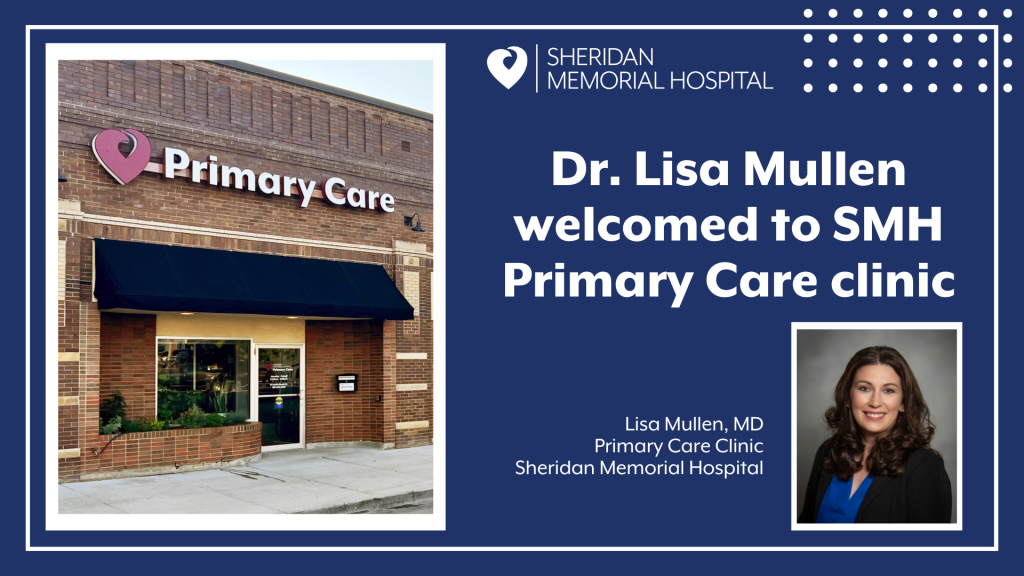
At the outset, the purpose of the SMH Primary Care clinic was to fill a gap in the primary care world, as was its original intent with the development of the specialty, serving as a transition point from pediatrics to internal medicine, and as a special place where an entire family can receive their medical care. Drs. Erica Rinker and Emily Denney, with nurse practitioners Jeff Shideman and Rebekah Montgomery, and the addition of Dr. Lisa Mullen in the fall, embody this vision, serving entire families in this community.

For multiple decades prior to the opening of the SMH Primary Care clinic, the pediatric population in Sheridan County and surrounding communities has been served by multiple generations of providers at Northeast Wyoming Pediatric Associates (NEWPA), beginning with the founding members Drs. Knepper and Wohl, who then passed the torch to Dr. Knepper’s daughter, Dr. Suzanne Oss. Dr. Michael Sanderson joined NEWPA as a valuable partner in 2019, and nurse practitioner Marcella Wildeman has been caring for children at NEWPA since 2022. In addition, Dr. Mary Bowers has provided high-quality pediatric care as the sole physician at Goose Creek Pediatrics alongside NEWPA for decades.

The changing, and challenging, landscape in healthcare has necessitated collaborative efforts within medical communities across our great nation. This is no truer than in Sheridan County with the partnerships between Sheridan Memorial Hospital Primary Care, Northeast Wyoming Pediatric Associates and Goose Creek Pediatrics.  Strategically combining resources and expertise, and collaborating in care, allows our physicians and nurse practitioners to continue providing high quality pediatric care while expanding access to meet the needs of our growing community.

So what do these partnerships mean for our community? Patients at NEWPA will continue to see their pediatrician, with the opportunity to transition care to SMH Primary Care if it fits their needs. Primary Care has excellent access for pediatric appointments, with same day availability if needed. The physicians at SMH Primary Care and NEWPA are working together, ensuring vaccine schedules, developmental screens and other standards of care are similar at both locations. And beginning this month, you will see Drs. Rinker and Denney and a number of their staff from SMH Primary Care seeing patients at NEWPA, improving appointment access and ensuring smooth transitions for those patients who wish to come down to Primary Care.

These partnerships centralize overhead and administrative costs, enabling us to focus on community care, and ensuring that Sheridan’s community health initiatives remain local. This transition means all patients in our community will be able to see a provider of their choosing, that fits their style, with expertise that fits their medical needs, in a cohesive medical system. From acute care to annual physicals, through all stages of life, SMH serves the whole family.

To read more about Sheridan Memorial Hospital Primary Care providers to see patients at Northeast Wyoming Pediatric Associates click HERE.

This article also appeared in The Sheridan Press on April 12, 2025, as a Health Watch column. Sheridan Memorial Hospital appreciates the partnership with The Sheridan Press in helping to promote healthy living.

Longtime SMH volunteer on finding resilience and community through service

For Judy Hayworth, Sheridan Memorial Hospital represents more than just a place for treatment—it provides strength, healing and community. Recovering from her fifth bout with cancer, Judy continues to approach life with resilience and gratitude, not only for the care she has received but also for the opportunity to give back to the very institution and community that supported her throughout her journey.

Judy was first diagnosed with stage 4 colon cancer in 2008, followed by stage 1 colon cancer in 2018, and then faced recurring tongue cancer three times in 2023 and 2024. Throughout those years, she received various treatments at Sheridan Memorial Hospital, and she speaks highly of the compassionate, wraparound care she received.

From surgery performed by Dr. Barry Mangus at Big Horn Surgical to remove part of her colon to Ear, Nose & Throat specialist Dr. Cheryl Varner discovering her tongue cancer, chemotherapy and radiation at the Welch Cancer Center to speech therapy with Wyoming Rehab, Judy is well-versed in Sheridan Memorial Hospital and its services.

“I think it’s wonderful that people come from Gillette, Buffalo and other communities to receive care here,” Judy said. “Sheridan Memorial Hospital has a wonderful reputation, and people know they’ll receive good care. We are very fortunate to have the quality of care that we do here. I had a mammogram last Sunday at SameDay Health & Imaging, and when I left, I told somebody, ‘I would go there any time!’ Everyone there is so nice and efficient.”

Despite her health challenges, Judy found a meaningful way to channel her gratitude—through volunteer work at Sheridan Memorial Hospital and in the broader Sheridan community.

Judy joined Sheridan Memorial Hospital as a volunteer shortly after overcoming colon cancer in 2009, providing companionship and comfort to those waiting in the surgical waiting room for their loved ones undergoing surgery.

“Many times, especially with younger people who haven’t experienced having a loved one in the hospital before, they can be very upset,” Judy explained. “I always try to comfort them because it can feel overwhelming. I like that I can help them, even just a little bit, during those times.”

In addition to her work in the surgical waiting room, Judy also serves as a member of the Sheridan Memorial Hospital Auxiliary, a group of individuals who come together to support the hospital’s mission, staff and patients. The Auxiliary’s efforts include fundraising and volunteering their time through initiatives such as Trees of Love and the annual 5-Year-Old Birthday Party. They also help spread holiday cheer by decorating Christmas trees throughout the hospital and its clinics each holiday season and assist with mailings for the hospital, among other important initiatives.

“The Auxiliary is a wonderful organization,” Judy praised. “They tune into what’s important and where there’s a need, and I love that.”

Judy and her daughter, Heidi, also enjoy participating in the Sheridan Memorial Hospital Foundation’s Link – Partners in Pink annual run/walk each year.

Outside of Sheridan Memorial Hospital, Judy stays just as busy, volunteering as a Court Appointed Special Advocate, a meal room attendant at The Hub on Smith and an usher and ticket taker at the WYO Performing Arts & Education Center. In recognition of her dedication, Judy received the 2023 AARP Wyoming Andrus Award, which honors the state’s top volunteer over age 50, and was named the 2024 Sheridan College Distinguished Alum.

Judy looks forward to volunteering again after taking a break from December 2023 to March 2024 to recover from tongue cancer. When asked what she would say to someone considering volunteering at Sheridan Memorial Hospital, Judy encouraged them to do it.

“It doesn’t have to be in the surgical waiting room,” she said. “It could be in the gift shop or taking newspapers around. You feel that your time is rewarded for being here. I just love it, the way everyone treats each other. I would say you’ll find it very enjoyable.”

April is National Volunteer Month. If you would like to learn more about Sheridan Memorial Hospital’s volunteer program or share an experience you have had as or with one of our volunteers, please contact Jasmine Slater at jasmineslater@sheridanhospital.org or 307.675.2620.

A Sheridan couple’s journey through Sheridan Memorial Hospital’s continuum of care

At Sheridan Memorial Hospital, orthopedic care, rehabilitation and interdepartmental collaboration come together to deliver exceptional patient outcomes. Dan and Rosemary Rieder are living examples of the hospital’s commitment to ensuring patient care across the organization is a seamless experience.

Dan struggled with joint pain and arthritis, which significantly impacted his daily life, making even routine tasks like grocery shopping difficult and preventing him from getting restful sleep.

“I could barely get in the car after grocery shopping, my knee was so stiff,” Dan shared. “And my shoulder was grinding, losing flexibility and causing pain. In both cases, they got so uncomfortable that the only real solution was to replace both joints.”

Dan’s wife, Rosemary, encouraged him to seek treatment at Sheridan Orthopaedic Associates after her own positive experience with Dr. Brian Laman, who performed a minor arthroscopic procedure for her. Her trust in the team’s expertise gave Dan confidence in their care, leading him to undergo a reverse total shoulder replacement with Dr. Justin Steinert in November 2023, followed by a knee replacement with Dr. Brian Laman in November 2024.

When Dan’s medical history—specifically his use of blood thinners for an artificial heart valve—led to complications during and after his shoulder surgery, the staff at Sheridan Memorial Hospital collaborated to provide comprehensive care. This included managing excessive bleeding and the need for a blood transfusion following an emergency room visit due to dangerously low hemoglobin levels. These coordinated efforts ensured Dan’s safety and supported Rosemary as his caregiver, while preventing similar complications in future procedures.

Dan and Rosemary were deeply appreciative of the care he received.

“When I was admitted to the hospital following my shoulder surgery, Dr. Steinert was there right away to check on my situation. He didn’t have a responsibility for my care, but he still came in to see how I was doing. I was also impressed because the CNAs and other nurses. The CNAs were kind and caring and the nurses would come in and do things that nurse don’t have to do. They would clean up my dishes, take out the trash and straighten my sheets. They just generally cared about my comfort,” Dan said.

Following Dan’s hospital stay after his shoulder surgery and in preparation for his upcoming knee surgery with Dr. Laman, his care team collaborated to develop a proactive plan to prevent similar complications. Dr. Laman worked closely with Jason Otto, PA-C and Registered Nurse Barb Shumaker from Sheridan Memorial Hospital’s Internal Medicine clinic to implement a strategy known as “bridging.” This approach involved transitioning Dan from blood thinners to anticoagulants through a series of twice-daily injections for 10 days before surgery. By carefully managing his medication in this way, the team aimed to reduce the risk of complications and ensure a smoother recovery after Dan’s knee replacement.

As Dan’s caretaker following his previous surgery and in anticipation for the upcoming one, Rosemary said she was thankful for being included in the process.

“They always gave me the information I needed,” Rosemary said. “Many times, when you’re the one receiving care, doctors will only talk to you. I found that, in Dan’s case, when a doctor came in, they not only talked to him, but also to me, and I found that comforting.”

This proactive strategy proved successful, and Dan’s knee replacement surgery was completed without additional complications. He is now pleased with the results of both surgeries and demonstrates the progress he has made, easily stretching and bending his arm over his head.

“With my shoulder, I had difficulty maneuvering in certain ways, but now, being able to do this…” Dan said, demonstrating his ability to stretch and bend his arm over his head. “Being able to reach behind my back to put on my belt is great. The cooperation between departments, the surgeons and everyone involved worked really well.”

Post-surgical rehabilitation was essential to Dan’s recovery, and Sheridan Memorial Hospital’s Wyoming Rehab provided the physical therapy necessary to restore strength and function to his knee. Physical therapist Lindsay Kinney worked with Dan to achieve his goal of straightening his knee to 0 degrees and flexing it to at least 120 degrees.

“They take you from where you begin, knowing where you want to end up, and walk you through the stages of gaining more flexibility and strength,” Dan explained.

In the end, Dan was able to flex his knee to between 124 and 126 degrees.

Dan is not the only one who has benefited from Wyoming Rehab’s care. Rosemary had previously received treatment for vertigo at Wyoming Rehab, and she is currently undergoing physical therapy for nerve pain in her neck and arms. She echoed her husband’s appreciation for the team, particularly physical therapist Lindsay Kinney.

“I’m no sooner home from my appointment, and there’s a notice that my notes have been updated in the patient portal,” Rosemary shared. “And I think Lindsay is amazing. She has so much knowledge about nerves, and she explains everything so I understand why she’s doing what she’s doing. When she’s pulling on my head, I know there’s a reason for it. I may walk in with pain, but after Lindsay does some of the exercises with me, she’ll ask, ‘How’s your pain?’ and I’ll say, ‘I don’t have any.’”

For Rosemary and Dan, the key takeaways from their experiences with both the surgeries and rehabilitation were the importance of staying on top of health concerns and consistently working on improvement.

“I think the challenge for anyone who has an issue is accepting that issue for what it is and getting the help you need,” Rosemary said. “Don’t wait, because then the problem becomes larger. We have great people at the hospital, so I think not letting something get the best of you is probably more important than anything. Get the help you need. I feel like I’m getting the help I need because some of my pain is already starting to ease up.”

“My knee still gets grouchy at times, especially because of the weather, but I know that I am also continuing to work on it,” Dan shared. “It’s a long, slow process, and when I went into Wyoming Rehab in the beginning, they made it pretty clear that it was going to be challenging, but that’s necessary in order to get to the end. They let me know that right away. I felt the challenge was pushing beyond the pain a little bit, but the reward came when they’d measure my progress, so you were constantly encouraged that you were getting somewhere. So, yeah, it’s hard, but you’ll be glad you didn’t let it go.”

“Except your other shoulder and other knee,” Rosemary joked, amidst her husband’s mock shushing. “But we don’t talk about that. I told him to just give me a couple more months before he decides to do all this again.”

For more information about Sheridan Orthopaedics and Wyoming Rehab, please visit sheridanortho.com and wyomingrehab.org.

When families or individuals struggle to afford food for the next meal, it becomes difficult to focus on much else. Dr. Jason Ackerman of Sheridan Memorial Hospital’s Addiction and Internal Medicine Clinic recognized that many of his patients experience food insecurity and sought ways to help address the concern.

“We know many of our patients struggle to afford transportation to appointments or medicines we prescribe,” Ackerman said. “We’ve also had patients say they sometimes have to choose between medications and groceries.”

With that barrier in mind, Dr. Ackerman and his team at the clinic opted to start a mini pantry within the clinic. The pantry includes both food and basic hygiene items. When it initially started, staff from the clinic kept it stocked from their own funds and with GAP funds, which come through the Sheridan Memorial Hospital Foundation.

“It really fits within our mission of serving the whole patient without judgement,” said Shilo Stainbrook, the clinic supervisor. “This is just another facet of that approach.”

The need for the pantry quickly became evident as patients utilized the goods kept in the clinic waiting room. As staff restocked the pantry, food and other items were typically utilized within a few days, making it difficult for staff to keep it stocked on their own.

Dr. Ackerman was aware of a nonprofit in the community, The Food Group, and its mission to alleviate childhood hunger in Sheridan County by providing nourishment to children. He reached out to see if a partnership would be possible.

Keri McMeans, The Food Group executive director, said the two entities discussed a variety of options, ranging from helping purchase food at discounted prices to adopting the pantry. Those conversations led to a partnership that has blossomed and The Food Group now works closely with the Addiction & Internal Medicine team at Sheridan Memorial Hospital to keep the pantry stocked.

“The Food Group provides food in our community so that every child who is hungry has access to healthy food,” said Jenny Tribley, program director with The Food Group. “The awesome part of this is that there are families who may not participate in our other programs for personal reasons. They go to their doctor for something other than food, and there it is – available. Available for everyone. If they need food, they may be more likely to grab something to feed themselves or their families.

“That experience,” she added, “potentially may loosen that person’s thoughts on getting a little extra help. If they have another chance to get some extra food next time, they may have softened just enough to take a little and realize they are still OK.”

The Food Group delivers boxes of food to the clinic each week now and the Addiction & Internal Medicine team has noted the difference the effort has already made for patients.

“We have heard patients and families comment on how nice the pantry is to have at the clinic,” Shilo said. “We don’t officially keep track of anything or anyone who takes the items, but we’ve observed mothers utilizing the pantry along with some patients who cannot work while they are in residential treatment, so they may be more in need of toiletries.

“We’ve noticed that most people aren’t shy about utilizing the pantry, which to us speaks to the fact that they don’t feel judged or shameful while they are in our office,” Shilo added.

To learn more about the Addiction & Internal Medicine Clinic at Sheridan Memorial Hospital, see https://www.sheridanhospital.org/medical-services/clinics/addiction-medicine/.

SHERIDAN – Sheridan Memorial Hospital is excited to announce its transition to a new digital patient billing system, set to go live April 8. This innovation marks an important step toward improving the overall patient experience while reinforcing SMH’s commitment to efficiency, sustainability and accessibility in healthcare.

By moving away from traditional paper billing methods, Sheridan Memorial Hospital aims to streamline the billing process, reduce operational costs and support environmental sustainability — all while providing patients with a more user-friendly and secure platform to manage their accounts.

Key benefits for patients include:

  • Enhanced accessibility: Patients can quickly and securely access their billing information anytime, anywhere.
  • Convenience and flexibility: Manage bills with ease and explore payment options tailored to individual needs.
  • Sustainability: Reduced paper usage aligns with SMH’s focus on environmental responsibility.

This digital shift allows SMH to focus on what truly matters — providing excellent, patient-centered care. The streamlined billing system will not only reduce the administrative workload but also enable the hospital’s staff to dedicate more time to critical patient care operations.

To further support financial accessibility, SMH will continue offering the ClearBalance Patient Financing Program, which provides patients with flexible payment plans, featuring 0% APR financing, no credit barriers and the option to consolidate family healthcare expenses for greater convenience.

“Our transition to digital patient billing marks a major milestone for the hospital and our community,” said Nathan Stutte, SMH chief financial officer. “This strategic move is a win for everyone — streamlining processes for our team while delivering an improved, seamless billing experience for our patients. Coupled with the ClearBalance program, we’re proud to continue making healthcare more affordable and stress-free.”

SMH encourages patients to learn more about the new digital platform and explore its benefits. Information and assistance are readily available at www.sheridanhospital.org/billing-services or by contacting the SMH Medical Billing Team at billingteam@sheridanhospital.org.

Wyoming Rehab’s physical therapists, Justin Bridger & Lindsay Kinney, joined Public Pulse to talk about the power of physical therapy in recovery, injury prevention, and overall well-being. From getting back on the trails after winter to helping patients overcome injuries, their message is clear—staying active is the key to lifelong health!

Listen now by clicking below!

Learn more about the many services provided through Wyoming Rehab by visiting https://www.sheridanhospital.org/medical-services/rehabilitation-services/

SHERIDAN – Sheridan Memorial Hospital will host a public open house to celebrate the completion of its new Pediatric Unit on March 26 from 5-6 p.m.

The new Pediatric Unit is part of the hospital’s ongoing Growing for You campaign, which includes multiple phases and will culminate in the opening of a new Behavioral Health unit in 2027.

The first phase of the project included new space on the lower level of the hospital for the internal pharmacy and materials management. The subsequent phase included renovating the space formerly utilized by the pharmacy and transforming it into the new Pediatric Unit.

The next phase will include renovations to the existing Pediatric Unit and work on the southern portion of the inpatient wing, which will eventually become the home of the new Behavioral Health facility.

Join us in celebrating the completion of this next phase of the Growing for You campaign March 26 from 5-6 p.m. Attendees are encouraged to park in the lot nearest the front entrance of the hospital or in the parking lot near the Emergency Department.

For additional information about the Growing for You campaign, see sheridanhospital.org/growing-for-you/.