Welcome to Sheridan Memorial Hospital
1401 West 5th St. Sheridan, WY — 307.672.1000

News and Community

The Sheridan Memorial Hospital (SMH) Foundation



Heart disease remains the leading cause of death in the United States, and heart attacks—also known as myocardial infarctions — are one of its most
The Sheridan Memorial Hospital (SMH) Foundation
At Sheridan Memorial Hospital, caring for patients goes beyond clinical excellence—it’s about
Heart disease remains the leading cause of death in the United States, and heart attacks—also known as myocardial infarctions — are one of its most

By Keshia Strauch is a mammography technician at Sheridan Memorial Hospital.

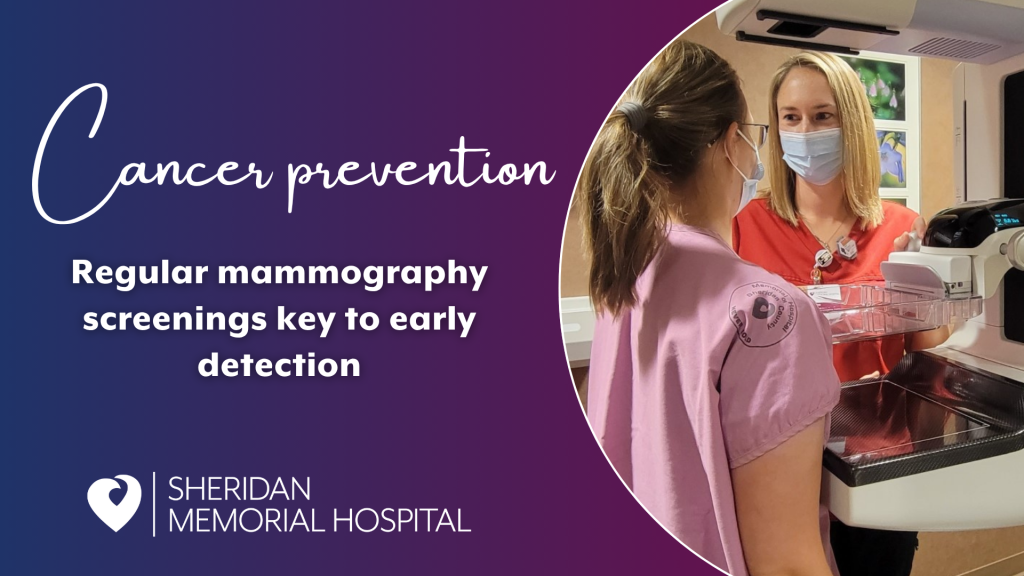
October always carries deep meaning for many in our community. It is recognized nationally as Breast Cancer Awareness Month, and each year on the third Friday of October we observe National Mammography Day. This year, that day falls on Friday, Oct. 17.

As a mammography technologist at Sheridan Memorial Hospital, I am reminded daily of the importance of early detection. Breast cancer does not always cause symptoms in its early stages, when it is most treatable. In fact, many cancers are found during routine mammograms before symptoms ever appear. That is why screening matters so much.

Recommendations around when to begin screening can vary, which can understandably cause some confusion. In general, women at average risk are encouraged to begin annual mammograms between the ages of 40 and 45, and continue through age 54. After that, women may choose to continue yearly or move to every other year. The American Cancer Society and the U.S. Preventive Services Task Force offer slightly different guidelines, but both emphasize the value of consistent screening. The most important step is to talk with your healthcare provider about what is best for you based on your personal risk factors.

While the idea of a mammography alone often elicits feelings of discomfort, advancements in technology and caring staff strive to make this process as comfortable and accessible as possible. Patients benefit from having local access to screening and fast results, without the need to travel out of town for care.

In addition to focusing on prevention and detection, October is also a time for us to come together in support of those affected by cancer. On Saturday, Oct. 18, the Sheridan Memorial Hospital Foundation will host The Link — Partners in Pink Run/Walk. This annual event raises vital funds to support cancer care at the Welch Cancer Center, including patient comfort programs and advanced equipment. Just as importantly, it is a day to honor patients, survivors and families in our community impacted by breast and other forms of cancer.

I encourage you to mark your calendar for both October events. Schedule your mammogram if you are due for one, and consider joining us at The Link. Together, these actions not only promote awareness, but also strengthen the circle of care and support that surrounds those facing cancer in Sheridan County and surrounding areas.

Early detection saves lives and community support helps carry us all forward.

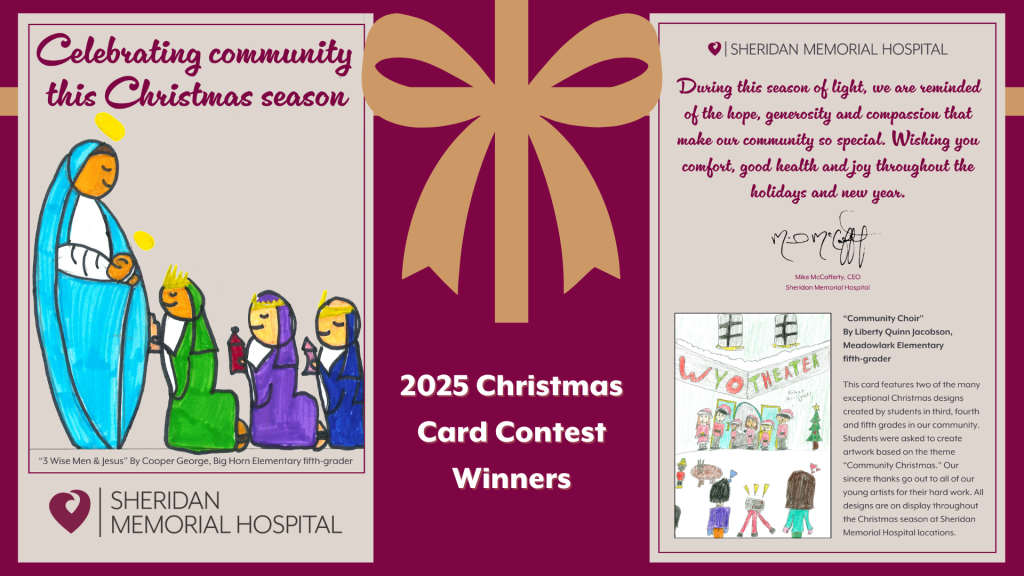
Sheridan Memorial Hospital is seeking a design for its 2025 Christmas Card. The hospital is accepting entries from third-, fourth- and fifth-grade students in Sheridan County, Wyoming.

Artwork provided by students will be judged by a committee and the overall winner’s design will be used on the card sent out in December 2025. The winner’s name will be printed on the back side of the Christmas card. In addition to recognition on the card, the winner will receive a $50 cash prize. All entries will be displayed at the hospital throughout the Christmas season.

“This is such a fun way to engage with the community and celebrate what makes Sheridan County special,” said Kristen Czaban, Sheridan Memorial Hospital Director of Marketing and Communications. “We truly appreciate every single entry and we can’t wait to see the creativity local students deliver.”

The theme of the 2025 Christmas card is “Community Christmas.”

  • Students should design artwork with this idea in mind.
  • This contest is open to any third-, fourth- or fifth-grade student in Sheridan County or children of Sheridan Memorial Hospital staff who may live outside of the county.
  • Artwork must fit into the box outlined on page two of the entry form and should not be folded.
  • Artwork must be an original creation of the child and not mechanically or electronically generated.
  • Artwork should be in color (markers, crayons, paint, etc.)
  • Child’s name should be neatly printed on the back of the artwork – name should not appear on the front of the artwork.
  • An entry form signed by parent or guardian must be enclosed with artwork.
  • Only one entry per child.

Entries are due by Friday, November 14, and can be dropped off or mailed to the hospital main entrance at 1401 West Fifth Street, Sheridan, Wyoming 82801.

The entry form can be found here: Christmas Card Entry Form.

In rural communities like those in Sheridan and Johnson counties, wide-open spaces and long dirt roads can make help feel far away, but a new behavioral health outpatient clinic at Sheridan Memorial Hospital has spent its first year proving that care can be both close to home and deeply personal.

Since opening in November 2024, the Behavioral Health Clinic at Sheridan Memorial Hospital has taken a systematic approach to breaking down barriers to mental health care. The clinic has helped clarify diagnoses, connect patients with community resources and reduce the number of involuntary holds related to mental health crises. These improvements are the result of specialized behavioral health expertise and strong partnerships with Sheridan Memorial Hospital’s primary care, emergency and hospitalist teams — alongside close collaboration with local mental health providers and law enforcement.

The small team — currently comprised of one psychiatrist, a licensed clinical social worker, medical administrative assistant and director — has seen more than 400 patients and has served as a resource for inpatient teams caring for patients in other areas of the hospital, including the Emergency Department.

Those efforts have resulted in many success stories, including examples of individuals proactively reaching out when they are struggling or “graduating” out of their need for direct care from psychiatrist Dr. Michael Kinney.

“We see a lot of chronic stress — people who can’t remember the last time they felt truly well,” psychiatrist Dr. Michael Kinney said. “PTSD, major depression and anxiety are common here, but they often show up as sleeplessness, pain, GI issues — a mystery that isn’t a belly problem so much as a brain problem.”

For many patients, that mystery has stretched across decades.

“When the right diagnosis clicks — PTSD, for example — treatment starts to make sense,” Kinney said.

The clinic team has deliberately built the new service as collaborative. Each morning begins with a team huddle to spot gaps in care or available resources and address them. Throughout the day, scheduled patient visits mix with consultations in the Emergency Department or follow-up phone calls. Kinney said two members of the team — care coordinator Kyle Seeley and the office’s medical administrative assistant — serve as the clinic’s glue, coordinating all of the moving parts with other providers, community resources, therapists and the patients.

Seeley, for example, will meet patients with behavioral health needs in the Emergency Department. He completes initial assessments, creates early connections with the clinic and helps to create plans for patients’ next steps, developing a safe plan for individuals and ensuring they connect with additional resources.

“With dozens of local therapists we can call, we’re often able to get people therapy appointments within days,” Seeley said. “If it’s not the right fit, we encourage people to let us know, stick with it, we’ll help find them the person they connect with for care.”

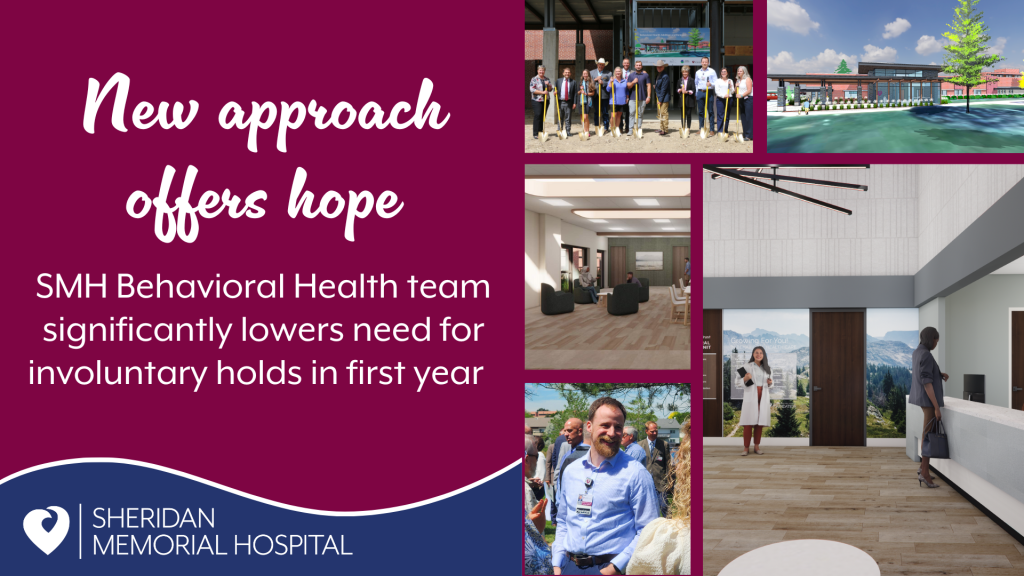
Early data suggests the team’s approach to caring for community members’ behavioral health needs is working. A review of the first year shows a 24 percent decrease in involuntary holds under Title 25 and a 46 percent decrease in the number of days behavioral health patients have been in the hospital at SMH. This data indicates individuals are receiving the right care at the right time to match their needs.

“The decrease in involuntary holds is a clear reflection of Sheridan Memorial Hospital’s culture and our commitment to improving behavioral health care,” said Brittany Goodvin, SMH director of behavioral health. “Patients are building trust in our team by having the opportunity to remain in Sheridan for their care. This progress comes from the collaborative efforts of our medical staff and leadership team, who have worked together to make the most of new resources in psychiatry and care coordination.”

The team has also supported patients’ journeys in voluntarily choosing other paths for care including outpatient plans, community support or, in some cases, inpatient behavioral health facilities.

“When people know we’re not going to automatically take away their ability to receive care close to home with the support of family and friends, their willingness to look at a wider list of treatment options really improves,” Kinney said. “Emergency holds are a last-resort safety measure I will use only if I think I need to prevent a permanent solution to a temporary problem.”

Through their work, the team at the SMH Behavioral Health clinic is also working to encourage western values aren’t only applied to others. Kindness and empathy are part of what makes Sheridan and Johnson counties special, but sometimes residents who are so welcoming and kind to others struggle to celebrate self-care and compassion.

As more patients reach out proactively and community curiosity about the clinic and the services offered continues to increase, the SMH Behavioral Health team is hopeful it will continue to turn the tide in normalizing behavioral healthcare as just another, standard part of healthcare.

Gaps in care remain, though. Wyoming lacks inpatient options for adolescents, residential programs for adults with severe mental illness and providers who specialize in different areas of psychiatry — for example, eating disorders or other issues. In addition, insurance nuances can complicate placements for those needing care.

Still, the Behavioral Health team at SMH credits the communities’ therapists and others willing to step up and offer things like rent or utility assistance, food and toiletries, etc. The network that has grown and strengthened in the last year is closing the distance to personalized behavioral healthcare when that distance once felt insurmountable.

While data has shown the early successes of the program, the opening of a new Behavioral Health facility at SMH will further the efforts already underway. Set to open in the fall of 2026, the Behavioral Health facility at SMH will include four levels of care — an outpatient clinic, behavioral health urgent care, crisis stabilization and inpatient care. Additional staffing, too, will ensure more care coordinators are available to see patients through their behavioral health journey and more support is available in our communities.

“We hear the successes,” Kinney said. “When people have a good experience, they tell their neighbors, they talk about it on social media. That’s how stigmas fade.”


To learn more about the Behavioral Health services at Sheridan Memorial Hospital, see sheridanhospital.org.

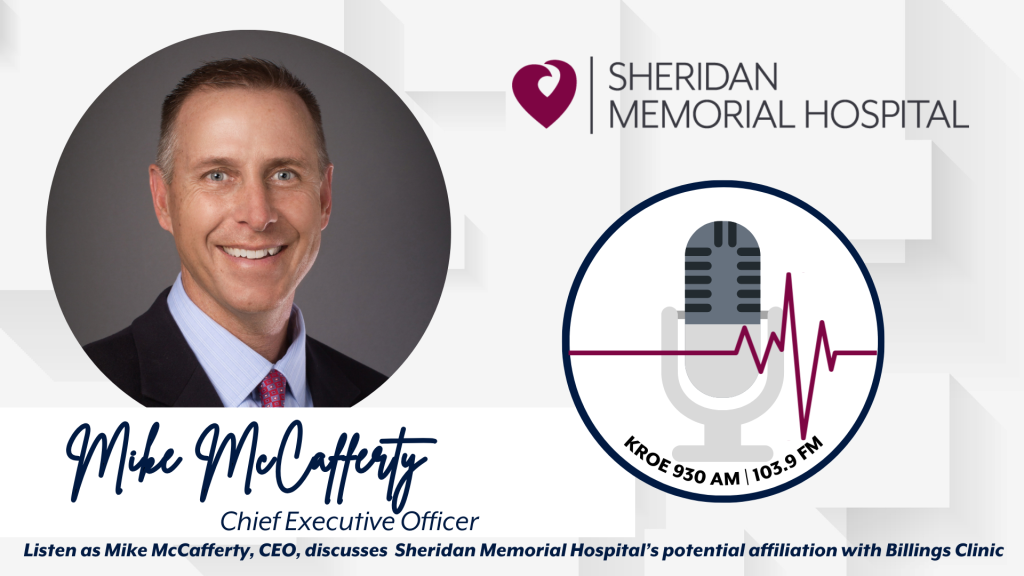
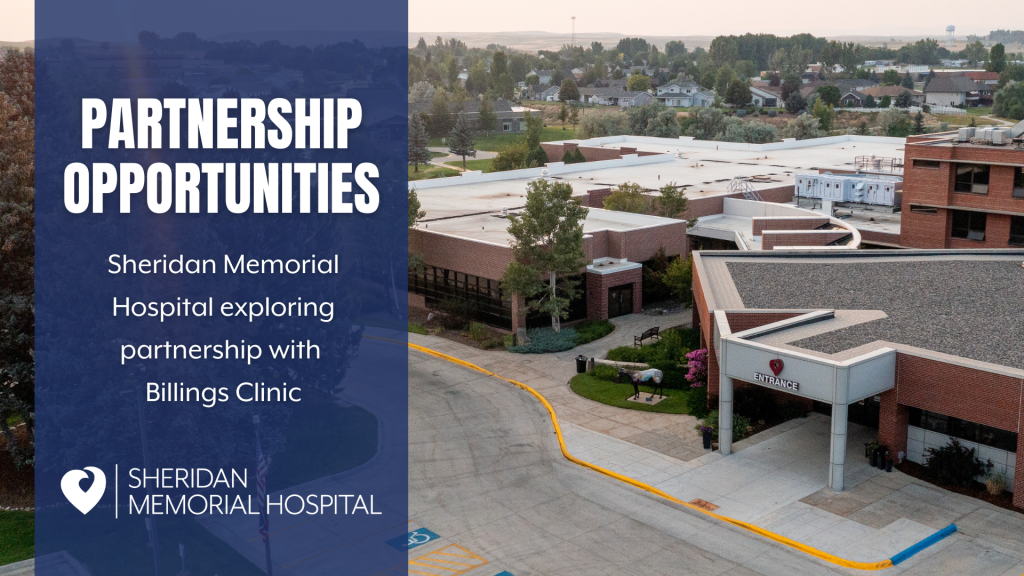
With the mission of continuing to serve the community with excellent, patient-centered care firmly in focus, Sheridan Memorial Hospital (SMH) has begun exploring a strategic partnership with another well-respected healthcare system in the region – Billings Clinic. Hospital CEO Mike McCafferty spoke to the potential affiliation in a board of trustees meeting Oct. 22, and has spent time over the last year sharing information about the evolving dynamics of the healthcare industry and challenges faced by rural healthcare systems.

Despite the challenges, Sheridan Memorial Hospital has consistently invested to meet the needs of the Sheridan community and surrounding region. As a result, community members have access to a wide array of services including cancer care, cardiology, rheumatology, obstetrics, addiction medicine and behavioral health.

“The strength of these local services are indicative of how we have continuously chosen to serve our mission and the community,” McCafferty said.

“It’s important to recognize that the relationship we have had over the years with Billings Clinic has been rooted in shared values,” he added.

For example, in the late 1990s people traveled to Billings for dialysis care three days a week. At that time, Sheridan Memorial Hospital and the Billings Clinic entered into a joint venture, supported by a leadership gift from the Joe and Arlene Watt Foundation, to ensure dialysis care could be delivered right here at home at the Watt Dialysis Center. Most recently, Billings Clinic has been instrumental in the consistent delivery of radiation oncology services at the Welch Cancer Center.

“These partnerships have allowed patients the access to outstanding specialty care in their home community,” McCafferty said.

Advancing this partnership will provide both entities with a vast array of opportunities to work together to improve clinical collaboration and tap into the collective resources and innovations that can deliver
high quality care in Sheridan and our connected geography.

While the timeline and terms of an affiliation have not been finalized, McCafferty noted hospital leadership has begun meeting with representatives from Billings Clinic to work through conceptual
plans. It’s important to note Sheridan Memorial Hospital is not pursuing these discussions as part of a merger or an acquisition, but as an affiliation with Billings Clinic.

Sheridan Memorial Hospital will host community forums to share information regarding the affiliation process in the coming weeks. The forums are scheduled for:
– Monday, Oct. 27, 5-6 p.m., Community Conference Room, Primary Care, 61 S. Gould St., Sheridan
– Tuesday, Oct. 28, 5-6 p.m., Tongue River Valley Community Center, 1100 U.S. Highway 14, Dayton
– Wednesday, Oct. 29, 5:30-6:30 p.m., Big Horn Woman’s Club, 314 S. 2nd St., Big Horn

ADDITIONAL COMMUNITY FORUMS SCHEDULED:
– Tuesday, Dec. 2, noon, Conference Rooms A & B, Sheridan Memorial Hospital, 1401 W. Fifth St.
– Thursday, Dec. 4, noon, Center for a Vital Community, 245 S. Broadway St.
– Tuesday, Dec. 9, noon, Conference Rooms A & B, Sheridan Memorial Hospital, 1401 W. Fifth St.
– Thursday, Dec. 11, noon, Center for a Vital Community, 245 S. Broadway St.

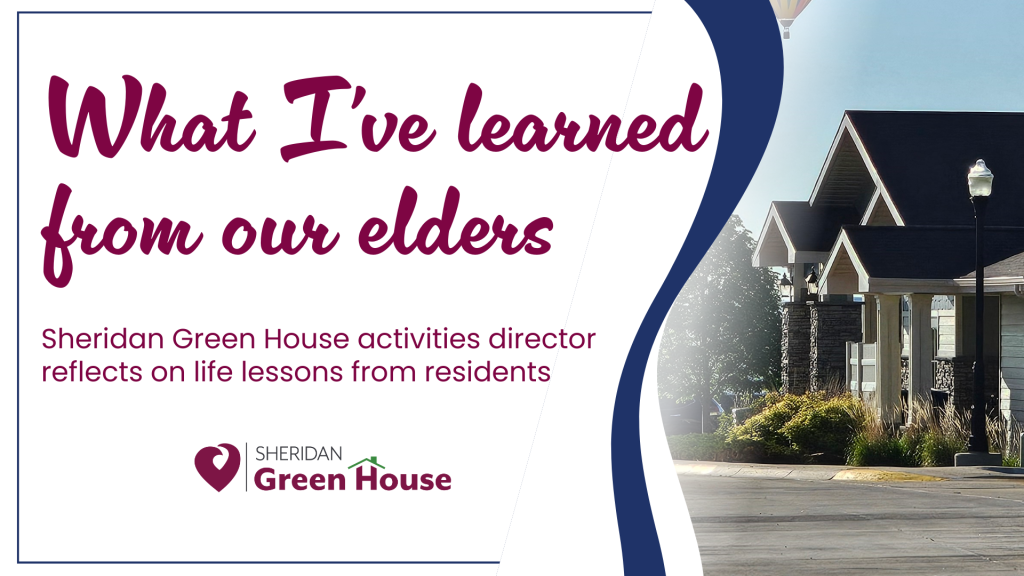
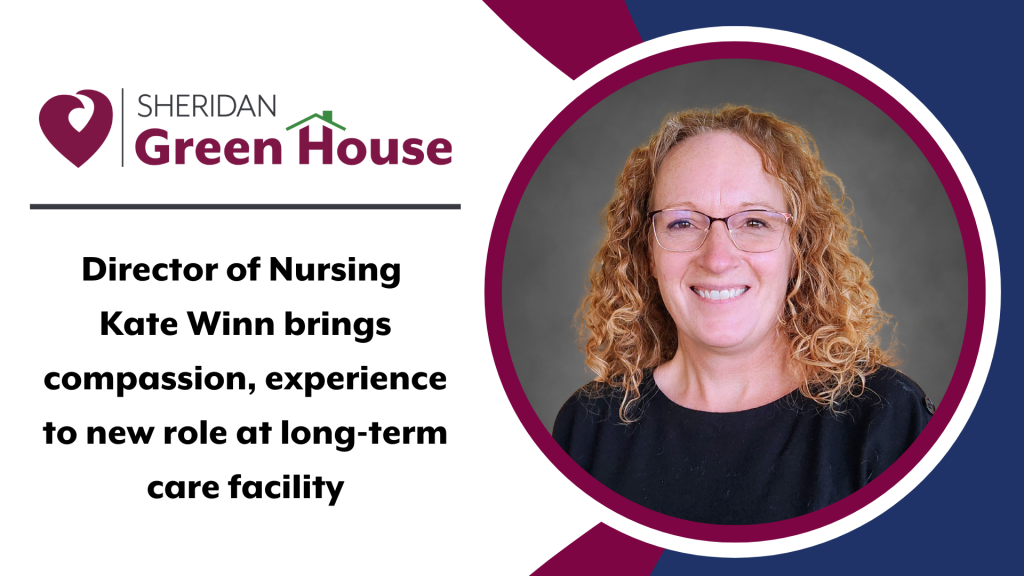
With over 20 years of nursing experience, Kate Winn, MSN, RN, brings expertise, a passion for elder care and a vision for creating a truly home-like environment where residents and caregivers feel supported in her new role as Director of Nursing at Sheridan Memorial Hospital’s long-term care facility, Sheridan Green House.

Over her 23-year nursing career, Winn has cared for patients in settings ranging from emergency departments to refugee health clinics and public health epidemiology. Her work has taken her across the country and around the world, from Oklahoma and Texas to Idaho and Washington state, where she served as an administrator for a dementia and geriatric psychology facility. Most recently, Winn worked as an account manager in long-term care pharmaceuticals before moving to Wyoming, where all six of her children live.

It was during her time working in infection prevention at a nursing home in Gillette that Winn discovered her passion for long-term care.

“I started working infection prevention as a nursing home, and that’s when I really began to fall in love with it,” she said. “You’re literally meeting people where they are. This is their home. And everything you do has an impact.”

To Winn, elder care is both underserved and underappreciated.

“These are the people who made us who we are,” she reflected. “We’ve done such a good job in modern medicine keeping people alive, but we don’t quite know what to do with people when they get old. We’ve gotten people into their 80s, 90s and 100s, but we don’t have a culture that really knows how to embrace that.”

For Winn, one of the most meaningful parts of her work is watching younger staff members interact with residents.

“To see the community of elders and staff interact — to see child-rearing advice, recipes and encouragement shared — is so special,” she said. “The elders have been through it before, so they’re able to offer life advice to the staff that work around them. Seeing generations intermingle is so healthy, and you don’t see that in many areas of healthcare or even in our society.”

Winn was drawn to work at Sheridan Green House because of its unique, cottage-style setting and its use of the Green House Model — an innovative approach to long-term care where elders live in home-like cottages and caregivers provide personalized support, home-cooked meals and meaningful daily routines and activities.

Winn credits Sheridan Green House’s Executive Director Tonya Carlson, BSN, RN, NHA, and former Director of Nursing Dawn Morgan, RN, for laying a strong foundation she’s eager to build upon.

“Because Tonya and Dawn rolled up their sleeves and really got after it, the pieces are all here now to build something that will work well for the elders, the staff and for the community,” Winn praised.

Winn’s main goal as Sheridan Green House’s director of nursing is simple:

“We should be a great place to work and a great place to live.”

Having lived in many rural communities, Winn understands the challenges of sustaining quality healthcare in small towns.

“I’ve seen rural hospitals fail and families drive hours just to see a doctor,” she explained. “For a hospital and nursing home to work together, it’s more than smart business. It’s touching. It means saying to our community, ‘We’ll be your home now.’ That matters.”

When she’s not at work, Winn enjoys spending time outside, collecting and polishing rocks, drawing, painting, writing, knitting and making her own collage paper. She’s also an avid reader, with favorites including “The Odyssey” and “A Tree Grows in Brooklyn”.

Winn describes herself as “approachable and a good listener” and someone who values honesty and trust.

“I can’t solve every problem,” she said. “But I’ll always try to at least bring us to an understanding.”

Sheridan Green House is comprised of four cottages, each with 12 rooms available for residents. If you or a loved one is considering long-term care, reach out to Sheridan Green House at 307.672.0600. For additional information, see sheridangreenhouse.org.

Join the Sheridan Memorial Hospital Foundation in standing alongside Sheridan Memorial Hospital to ensure we provide excellent patient-centered care as we face new challenges each day.

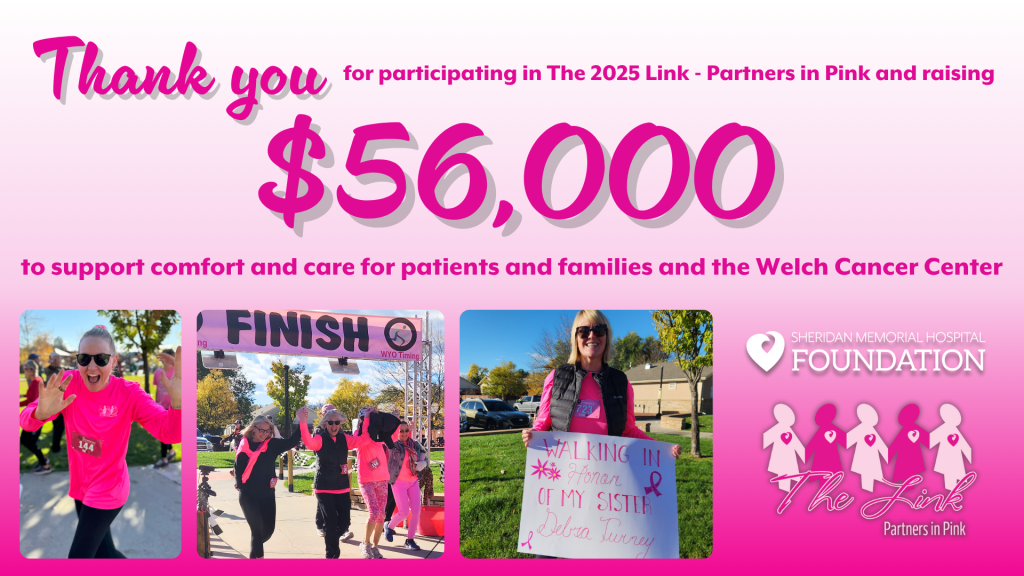
The annual Link – Partners in Pink walk/run will take place at Whitney Commons on Oct. 18 at 10 a.m. Sign-ups for the event are currently open and you can preregister HERE.

The Welch Cancer Center is a pivotal part of care and healing in our community, and the Foundation wants to ensure this vital resource can continue to provide comfort and care.

We encourage you to join us in coming together for some of our most vulnerable patients and friends. Be it an opportunity for team-building with a small group of your co-workers, a time to enjoy the outdoors with friends or family, or a run by yourself to enjoy the beautiful fall weather, The Link – Partners in Pink offers an outlet for our community to support cancer care and healing in our community.

We look forward to sharing in a day of hope, healing, awareness, and raising funds for our friends and loved ones together Oct. 18. Can’t be there in person the day of? We are continuing the virtual race option for those to race & support from afar. Sign up for a virtual race and submit your times by 10 am on race day to compete alongside your neighbors, family, & friends for an incredible cause.

Sheridan Memorial Hospital staff continue to warn the public about fraudulent phone calls, text messages, emails and other communications from individuals impersonating hospital staff and departments. The scammers attempt to obtain personal information and payments in a variety of ways.

“Protecting your personal information is part of keeping you safe,” said Tenille Straley, compliance and privacy officer at SMH. “If you ever receive an unexpected call asking for payment or personal details, take a moment to pause and verify. It’s absolutely OK to hang up and call us back using a trusted hospital number. Your safety, both medical and financial, matters to us.

Scams can look different depending on the mode of communication used. For example, scams reported to Sheridan Memorial Hospital have included:

  • Caller ID “spoofing: to make it appear the call is coming from an SMH number
  • Urgent claims that a bill must be paid immediately
  • Requests for payment via gift cards, wire transfer, cash apps or cryptocurrency
  • Texts/emails with links to fake portals that capture login credentials and credit card information
  • Messages asking for Social Security numbers, insurance IDs or one-time passcodes

The best ways to protect yourself from scammers include:

  • Hang up and verify the call is coming from Sheridan Memorial Hospital, our clinics or partners.
  • Don’t click on suspicious links.
  • Slow down. Scammers often use urgency as a way to pressure individuals into providing payments or information. It is important to take a few minutes to verify the message is legitimate.
  • If you have questions about your medical bill from Sheridan Memorial Hospital or our clinics, call our patient account representatives directly at 307.672.1010.

While Sheridan Memorial Hospital staff may reach out to verify information, schedule appointments and provide additional services, we encourage the community to exercise caution and trust their instincts. If a call or message seems suspicious, contact the hospital or our clinics directly through our published phone numbers before providing any personal information.

To learn more about the digital billing system that SMH recently implemented with partner Revco, see the SMH website at https://www.sheridanhospital.org/billing-services/pay-my-bill/.

School is back in session, the days are cooling down and the flu season is heating up. While scheduling time to receive your flu shot may seem like just one more task on an already-busy calendar, getting vaccinated is one the best ways to “buck the flu” this year and keep yourself and your family healthy.

Because the flu virus changes every year, so does the shot. This means the vaccination’s efficacy may vary year to year – but the vaccination isn’t all about eliminating the chance of getting the flu.

Studies have also shown the flu vaccination can reduce the severity of illness for those who have been vaccinated but still get sick. This means the vaccination can reduce the risk of flu-related hospitalizations as well.

The flu vaccine is an important preventative tool for people with certain health conditions, including heart disease, lung disease or diabetes. It can also protect pregnant people from flu during and after pregnancy and protect their infants from flu in the first few months of life.

To make it easier to stay in the saddle this flu season, Sheridan Memorial Hospital’s Primary Care clinic is offering Flu Shot Fridays from 1 – 4 p.m. Call or text 307.675.2690, or simply stop by the clinic at 61 S. Gould St. to get your flu shot. Most insurance plans cover the cost of vaccinations, so flu vaccinations can often be received without incurring any out-of-pocket expenses. Don’t forget to bring your insurance card and a form of ID, such as a driver’s license.

Can’t make it to Flu Shot Fridays? Flu vaccinations are also available in other SMH clinics. Be sure to ask your provider if you can get the vaccine while you’re being seen for your appointment. Vaccinations are also available at many local pharmacies.

Let’s buck the flu together this year!

Originally from Oxford, Mississippi, Dr. Luke Leary comes to Sheridan after spending the last three years completing his medical residency in Billings, Montana.

Dr. Leary will serve as a hospitalist, caring for individuals on the in-patient unit of Sheridan Memorial Hospital.

Ample opportunities for outdoor recreation, as well as the community’s down-to-earth, compassionate residents, drew Dr. Leary to put down roots in Sheridan. To him, Sheridan Memorial Hospital is evidence of the community’s strength and supportive nature.

“Part of a community’s function is to care for the members within it, and I think that’s reflective of the care given at Sheridan Memorial Hospital,” he said. “The fact we have such a robust medical system here demonstrates that people really care for each other here.”

Having pursued a career in medicine after observing other doctors build lasting relationships with their patients and communities, Dr. Leary looks forward to connecting with his patients and contributing to his new community.

“I saw how other doctors were so connected to and able to give back to their community,” he said. “I like creating positive patient and physician interactions, especially in rural medicine. That relationship-building has always appealed to me.”

Outside of work, Dr. Leary is an avid Ole Miss sports fan, and he enjoys hunting, fishing and spending time with his wife and their 6-month-old daughter.

Sheridan Memorial Hospital recently welcomed anesthesiologist Dr. Andrew Ferris and emergency medicine physician Dr. Kelsey Ferris, to the hospital and community.

For Dr. Andrew Ferris, a Sheridan native, returning home is both personal and professional.

“Sheridan Memorial Hospital is demonstrative of our community’s goals to always build something bigger and better,” he said. “It’s nothing like corporatized medicine because you get a sense that everyone has skin in the game. You’re not just another turning gear in a machine.”

Before medicine, Dr. Andrew Ferris worked as an officer in the U.S. Air Force, an experience he believes complements his medical career.

“Medicine is like engineering for the body in the sense that you’re studying the systems of a system and how they work together,” he said, adding that he is excited to give back to the community that supported him in his youth.

Dr. Andrew Ferris returns to Sheridan after he and his wife, Dr. Kelsey Ferris, spent the past four years completing their medical residencies at Yale University in New Haven, Connecticut.

Dr. Kelsey Ferris joins the SMH team as an emergency medicine physician.

Originally from Utah, Dr. Kelsey Ferris discovered her love for medicine through her passion for movement and martial arts, while her draw to emergency medicine centered on the challenge of problem-solving in critical moments.

“My favorite part of emergency medicine is ‘cracking the code,’” she said. “Somebody comes in with a problem and you have to put all the little pieces together to figure out what’s happening and how to make them better.”

Both physicians look forward to serving the people of Sheridan and surrounding communities.

“The people here are so kind. They care about each other,” said Dr. Kelsey Ferris. “That’s what makes us thrive as a society and as people — to give back and to have neighbors that you care about.”

Both physicians chose Sheridan Memorial Hospital because of its strong commitment to patient-centered care.

“We became doctors because we want to care for people,” said Dr. Kelsey Ferris. “Billing, coding, paperwork — all that can come later. We’re all really here for the people. We chose Sheridan Memorial Hospital because it puts patients first.”

Outside of medicine, the couple enjoys spending time outdoors with their two young sons. AJ enjoys reading and exploring the outdoors, while Kelsey loves Tae Kwon Do, ping-pong, birdwatching, hiking and climbing.

Please join us in welcoming Dr. Andrew Ferris and Dr. Kelsey Ferris to Sheridan Memorial Hospital and to our community. We are excited for the care, dedication, and compassion they bring to our patients and families.

Sheridan Memorial Hospital recently welcomed Dr. Lisa Mullen, a board-certified family medicine physician, to its Primary Care team. A fourth-generation Wyomingite, Dr. Mullen brings a deep connection to the state and a passion for providing compassionate, full-spectrum care to patients of all ages.

Dr. Mullen grew up in Newcastle, Wyoming, and always knew she wanted to become a physician. Influenced by a dedicated family doctor who cared for her father during a major medical diagnosis, she developed an early respect for the physician-patient relationship. After earning her bachelor’s degree in health sciences from the University of Wyoming, she attended medical school through the WWAMI program at the University of Washington and went on to complete her residency at the Family Medicine Residency of Idaho in Boise, Idaho.

Following residency, Dr. Mullen returned to Wyoming, where she has spent the past 11 years caring for patients in Buffalo as a family medicine physician.

“I enjoy getting to know my patients and developing relationships with them and their families across the lifespan,” she said. “Family medicine gives me the opportunity to care for newborns, parents and grandparents alike, which not only strengthens our connection but also helps me provide better care to each individual.”

While she enjoys the variety that family medicine provides, Dr. Mullen particularly loves working with women’s health and pediatric patients. She looks forward to continuing this focus while also caring for entire families here in Sheridan.

Above all, Dr. Mullen values the privilege of being part of her patients’ lives.

“To have patients put their trust in me is beyond rewarding,” she said. “It’s truly a pleasure to care for multiple generations within the same family and help them live their lives to the fullest.”

Having lived and worked just south of Sheridan for more than a decade, Dr. Mullen appreciates all the area communities have to offer.

“You really can’t beat the Bighorns,” she said. “We’re lucky to live and work where we do, and I’m excited to join a great group of physicians to provide wonderful care to this area of Wyoming.”

Outside the clinic, Dr. Mullen enjoys reading on her deck while soaking in Wyoming sunsets, baking, traveling, solving puzzles and spending time with her husband and two daughters. The family shares their home with two dogs and a couple of barn cats.

When Megan Crocker and her husband, Jeff, moved to Sheridan in 2019, Megan quickly established care at Sheridan Memorial Hospital’s Women’s Clinic. She had been struggling with painful menstrual cycles, unexplained weight gain and other frustrating symptoms.

Unlike past experiences where she was told to simply “diet and exercise,” the Women’s Clinic team listened carefully and worked with Crocker to uncover the true cause: polycystic ovary syndrome (PCOS).

“The providers at the Women’s Clinic were the first to actually listen to me and help diagnose my PCOS,” Megan Crocker said. “Once we decided we were ready to have kids, I tried for over a year with no success.”

Navigating infertility and loss

PCOS made conceiving difficult because Crocker did not have a regular cycle, making ovulation rare and very hard to track. For a months, the Women’s Clinic providers had Crocker try a variety of options to help with ovulation.

“The team always explained the options and helped me know what to expect,” Crocker said. “I am a very plan-oriented person so knowing they had a plan helped me feel comfortable. Getting pregnant with PCOS is a gamble – some get pregnant really easily and some, like me, it just takes time.”

After more than a year of trying, Crocker finally became pregnant — only to experience a heartbreaking miscarriage.

“In that instant my hopes and dreams were shattered,” Crocker said. “The team prepped me for what to expect physically but also made sure to check in on my mental health. They encouraged me to seek counseling, which was one of the most impactful decisions I made for my healing.”

With compassionate care, ongoing support and a clear plan, Crocker found the strength to keep moving forward.

Welcoming Cade

In January 2022, Crocker learned she was pregnant again. The pregnancy itself went smoothly, though anxiety about miscarriage remained a constant challenge.

“The Women’s Clinic team was amazing,” Crocker said. “They would answer any questions I had or when I called with concerns, they would listen. Preparing to be a first-time parent is overwhelming but they ensured we felt prepared.”

Outside the anxiety Crocker felt around another potential miscarriage, this pregnancy progressed without complications.

But at 36 weeks, the baby’s arrival was dramatic. Crocker arrived at the hospital already 8 centimeters dilated, with the baby in breech position. Within 45 minutes, the Sheridan Memorial Hospital team had her in surgery for an emergency C-section.

“I remember having five nurses rapidly working around us to prep me for surgery,” Crocker said. “Even though it was a whirlwind, the team explained everything and kept us calm. We knew we were in good hands.”

After delivery, the Crockers’ son, Cade, faced some health struggles, including unstable glucose levels, but physicians and nurses worked closely to stabilize him, while also supporting Crocker in her postpartum recovery.

Every pregnancy is different

Two years later, the Crockers felt ready to grow their family again. This time, conception was nearly effortless compared to the first journey.

Pregnancy with their daughter, Colbi, brought new challenges, though, including nausea in the first trimester and gestational diabetes. With education, support and close monitoring, Crocker made it through the first trimester and rebounded for the remainder of the pregnancy.

“My biggest concern was whether I would know I was in labor,” Crocker recalled. “With Cade, I had no idea I was in labor and that put us both at risk. I was incredibly stressed that would happen again, but the Women’s Clinic staff and Women’s Health team were incredible with this concern.

“Whenever I thought I was possibly in labor they would either see me in office or in the unit for observation,” Crocker said. “They always said it is not a hassle at all and is always better to be safe. Each time I left the Women’s Health unit I felt confident and at ease Colbi and I were OK.”

While the pregnancy with Cade was easy, his birth was dramatic. For Colbi, the opposite was true. A harder pregnancy challenged Crocker, but the delivery went smoothly.

And, following this scheduled C-section, Crocker was able to stay with her new baby girl and her husband post-surgery, while with her first child — she stayed in recovery with her son while her husband waited in another room. Staying together as a family meant Crocker had her husband by her side the entire time.

Postpartum care

Following the birth of the Crockers’ first child, the Women’s Health team at Sheridan Memorial Hospital ensured Crocker’s pain was managed and helped the couple learn what to expect as new parents.

“You learn so much the first handful of days you have a baby,” Crocker said. “They helped with learning to breastfeed, bathe a baby and even teach you to swaddle, which they all make look so easy. Having nurses you can rely on during these big life changes is key to having an amazing experience.”

Following the birth of the Crockers’ second child in 2025, the Women’s Health team was similarly attentive, but also provided the family with space as needed.

In addition, after her second C-section, an occupational therapist met with Crocker in the hospital to help provide care. They provided tips regarding the best ways to get in and out of bed, support for when the family returned home and more.

“This wasn’t something that was offered after my first child, and it was incredibly helpful, and therefore I had a more successful recovery,” Crocker said.

Gratitude and Trust

Today, Cade — now 2 years old — adores his little sister, Colbi, and the family is thriving. Reflecting on their journey, Crocker credits the Women’s Clinic and Women’s Health teams at Sheridan Memorial Hospital for their expertise, compassion and unwavering support.

“We honestly would not have had our second baby at Sheridan Memorial Hospital if we didn’t trust these teams. They listened, reassured and celebrated every milestone with us,” Crocker said. “Pregnancy is both terrifying and exciting, and having such a well-trained, compassionate team made all the difference.”

Sheridan Memorial Hospital recently celebrated significant progress in expanding behavioral health services to the community. In just nine months since launching its Behavioral Health program, the team has already made a measurable impact and is preparing to grow even further with the construction of a new facility.

Since November 2024, the Behavioral Health team has served more than 300 patients in its outpatient clinic. The program has also contributed to a 17% decrease in Title 25 involuntary holds between October 2024 and March 2025, compared to the six months prior. By fostering strong collaborations across hospital departments and with local therapists, the program has ensured patients receive compassionate, coordinated care close to home.

Looking ahead, Sheridan Memorial Hospital is investing in the future of behavioral health care with a new, state-of-the-art facility. The building will feature three levels of care: outpatient services, a crisis stabilization area and six inpatient beds. This model allows patients to access the most appropriate level of care while remaining in their own community whenever possible.

To celebrate this next chapter, SMH hosted a groundbreaking ceremony Aug. 8. The event honored the major donors who have made this project possible and marked an important step toward expanding access to behavioral health resources for Sheridan County, Johnson County and the surrounding region.

Attendees at the event included Gov. Mark Gordon, Secretary of State Chuck Gray, local legislators, county commissioners, mayors and donors, all of whom have helped make this project possible.

Construction of the new Behavioral Health facility is underway, with completion and opening expected in 2026.

For more information about Sheridan Memorial Hospital’s Behavioral Health services or the new facility, please see sheridanhospital.org/medical-services/clinics/behavioral-health.

To learn more about the Growing for You Campaign or get involved in supporting behavioral health see sheridanhospital.org/foundation/growing-for-you.

Shelley Meier, BSN, RN, CWOCN, is a nurse in the Sheridan Memorial Hospital Wound Care Clinic.

Our skin does a lot of heavy lifting. It protects us from infection, helps regulate temperature and acts as the body’s first line of defense against the world around us. But like the rest of our body, skin changes with age. It becomes thinner, less elastic and often drier. These changes make older adults more vulnerable to wounds, infections and a condition that can have serious health consequences: pressure ulcers.

Pressure ulcers develop when constant pressure reduces blood flow to the skin and underlying tissues. This lack of circulation can damage the skin, leading to painful sores that range from mild redness to deep wounds. The most common places they appear are over bony areas — such as heels, hips, tailbone and elbows.

Prevention is key

The single most important factor in managing pressure ulcers is prevention. Small, daily habits can make all the difference and actions like regular repositioning, skin care and nutrition play a role.

Caring for existing ulcers

Caring for a pressure ulcer requires both local wound management and attention to overall health.

• Relieve pressure: Healing cannot occur if pressure continues on the sore. Use pillows, foam wedges or specialized cushions to keep weight off the affected area. Frequent repositioning — at least every two hours in bed — is vital.

• Clean the wound: Gentle cleansing is the foundation of care. Most ulcers can be cleaned with saline or mild wound cleansers. Harsh antiseptics like hydrogen peroxide or iodine should be avoided unless directed by a healthcare provider, as they can damage healthy tissue.

• Dressings: A clean, moist environment encourages faster healing. Dressings vary depending on the ulcer’s depth and drainage. A nurse or wound specialist can recommend the right choice and help set a schedule for changing them.

• Infection control: Signs of infection include increased redness, swelling, warmth, pus or foul odor. Fever can also be a warning. If infection is suspected, contact a healthcare provider immediately — oral or topical antibiotics may be needed.

• Pain management: Pressure ulcers can be painful, especially during dressing changes. Over-the-counter pain relievers, prescribed medications or topical anesthetics may help improve comfort and tolerance of care.

Support healing from within

The body needs extra support when fighting a wound. Adequate protein, vitamins and hydration strengthen the skin and immune system. For older adults with poor appetite, supplements or dietitian guidance may be beneficial. Good diabetes control and circulation health are also crucial factors.

While prevention is key, if a pressure ulcer does develop, consulting a wound care expert can help ensure a steady path to healing.

To learn more about the Sheridan Memorial Hospital Wound Care Clinic and how we can help you care for and prevent wounds, see sheridanhospital.org/medical-services/wound-care/.

By Kelly Lieb, DMSc, PA-C, the director of patient experience at Sheridan Memorial Hospital and a physician assistant at Northeast Wyoming Pediatric Associates.

In contemporary healthcare, achieving truly patient-centered care means engaging more than just clinical expertise — it requires the voices of patients and their families. Patient and family advisory councils (PFACs) serve precisely that role, bringing together patients, caregivers and providers to collaboratively shape healthcare in meaningful ways.

PFACs typically consist of current and former patients, family members and caregivers working alongside hospital staff to guide improvements in care delivery, safety, policy and patient experience. These councils represent a shift from traditional, top-down decision-making toward a partnership model rooted in mutual respect and collaboration between medical staff and patients.

Patient experience

PFACs embed real patient perspectives directly into healthcare delivery — going beyond one-time surveys to offer nuanced, real-time insights and an ongoing, structured forum where lived experiences can shape how healthcare is delivered.

Quality, safety, trust

By bringing issues to light, PFAC members help identify gaps and opportunities for better quality and safety of healthcare. Also, by fostering a collaborative environment that builds trust between patients, families and providers, PFACs strengthen the clinician-patient relationship.

Systemic change

PFACs have evolved from feedback panels to partners — bringing forward perspectives that help shape projects from their inception. This reflects a broader shift in healthcare toward patient empowerment and puts into place additional accountability mechanisms promoting safer, more responsive care.

By involving patients and families as genuine partners, healthcare organizations can elevate trust, uncover blind spots, foster innovation and build systems that prioritize what matters to those they serve.

In small communities like Sheridan, healthcare providers are used to receiving honest, real-time feedback from their patients and many incorporate that feedback into their daily work. PFACs take the feedback one step further, into a formal setting that ensures it is considered by the entire healthcare system.

As Sheridan Memorial Hospital continues to grow, its staff has always valued the shared mission of providing excellent, patient-centered care to the community. As we create our own patient and family advisory council, we look forward to learning more about community needs and exploring how to best serve our friends, families and neighbors.

The Sheridan Memorial Hospital Foundation is proud to announce the recipients of this year’s Clinical and Nursing Scholarships, awarded to 30 individual staff representing 16 different service lines and departments throughout the hospital. The awards underscore the diverse talents and aspirations of SMH’s dedicated healthcare professionals.

Scholarships were granted for a variety of educational pursuits — from certifications and conferences to associate, bachelor’s and master’s degrees in nursing and healthcare fields. The large number of applications and recipients this year highlights our staff’s deep commitment to continuous learning and providing excellent, compassionate care. The Annual Cato Scholar Award recipient this year was Gretchen Doenz.

The SMH Foundation has been awarding scholarships since 2001, under the leadership of Director of Donor Relations Ada Kirven, who has helped shape the program since its inception. Each year, the Foundation collaborates with hospital leadership and Foundation committee members to ensure that scholarship funds support high-quality clinical training — ultimately benefiting patients and families in Sheridan and the surrounding region.

At this year’s Foundation annual meeting, Kirven expressed gratitude to the donors and volunteers who make these scholarships possible.

“We are thrilled to support our staff as they expand their knowledge and grow in a constantly changing healthcare industry,” Kirven said. “Sheridan Memorial Hospital’s caring staff is our greatest asset. These opportunities not only help recipients grow as individuals, but also strengthen our teams and entire organization. This investment in our people drives our mission forward — delivering excellent, patient-centered care for all.”

Kirven also emphasized the difference it makes to live in generous community.

“The generosity of our donors allows us to make a meaningful difference in the lives of these healthcare professionals. With more than 100 donors contributing, many of these gifts are a direct reflection of the gratitude our community feels for the care they receive at SMH.”

The Foundation remains committed to advancing healthcare in our region through scholarships, grants and other initiatives.

To learn more about the Foundation’s mission or to make a gift of gratitude in honor of care received, visit sheridanhospital.org/foundation.

Sheridan Memorial Hospital’s Hospice will host a volunteer training in late September. Potential Hospice volunteers and other interested individuals may attend the training before deciding whether to become a volunteer. Volunteers have flexible hours and can participate in various ways, including helping in homes, in the Hospice office or at various activities throughout the year.

Hospice offers a team approach to end-of-life care for people who have been diagnosed as having six months or less to live and would like to die in the comfort of their own home. Families get to choose how much of the “team” they want after the initial visit. Hospice offers nursing services, CNAs, volunteers, psychosocial and emotional support and spiritual care coordination with one’s own faith family and also provides spiritual counsel with the Hospice chaplain.

One of the most important components of Hospice is education for the patient and their family.

“Learning about the normal changes and processes the body and mind go through can make this time less scary and stressful,” said Hospice Social Worker and Volunteer Coordinator, Cindy Baker.

Baker said Hospice volunteer training will cover many topics including body mechanics, how to safely transfer someone from bed to wheelchair and assisting someone with a walker. Volunteers learn about infection control, confidentiality, practicing active listening and maintaining healthy boundaries, stress management, the role of spirituality in hospice and different aspects of bereavement. Baker also added that the training serves as a screening time for both the volunteer and the Hospice team to find out if Hospice is a good fit for them.

According to Baker, “Most importantly, we learn the difference between serving versus rescuing — how to empower the caregivers and the person dying instead of taking over. Each of us will have our own death journey and most of us will accompany someone on that journey. Being fully present with someone else’s pain, sorrow, goodbyes, grouchiness, fear, anger, humor and vulnerability takes self-awareness.”

She added that it includes not acting on the desire to fix or to change and not taking things personally.

“We learn it’s not about us. As a hospice team, we stand witness to a family’s hard times, but also their incredible love stories.  Again and again I see people being willing to love and care for someone in the face of life being hard.”

This year marks Baker’s 29th year at Hospice as volunteer coordinator. Before that, she volunteered and served on the board with Sheridan County Hospice for 6 years. Her love for hospice work grows each year. Hospice families have taught her many things, but mostly about the depth, strength and resilience of the human spirit, how to be comfortable with the uncomfortable and to not assume that she knows how to do something better than a person who has loved another for a long time.

Those interested in learning more about Hospice or who want to participate in the volunteer training should contact Cindy Baker at Sheridan Memorial Hospital’s Hospice at 307.672.1083.

At Sheridan Memorial Hospital, caring for patients goes beyond clinical excellence—it’s about connection, compassion, and continuous improvement. In a recent conversation with host Floyd Whiting on Sheridan Media’s Public Pulse, two dedicated healthcare professionals—Kelly Lieb, DMSc, PA-C, Director of Patient Experience, and Toni Schoonover, BSN, RN, Trauma Coordinator—shared their journeys into healthcare and how their roles shape the patient and community experience every day.

Both Kelly and Toni emphasized the deeply personal paths that led them into medicine. For Toni, it began in childhood. “When I was in eighth grade, my mom got really sick, and I helped care for her. Ever since then, I’ve had a passion for caring for others.” That early experience has since evolved into a role focused on trauma education, emergency care coordination, and injury prevention through community outreach.

Kelly’s story also reflects a lifelong commitment to both science and people. Today, she balances patient care with her leadership in enhancing the patient experience. “We aim to create a five-star experience that patients remember as feeling cared for,” she shared. Her role includes spearheading initiatives like the hospital’s upcoming Patient and Family Advisory Council— “The Voice”— Voicing opportunities for improvement, collaboration and engagement a new opportunity— for patients and families to help shape care delivery through direct partnership and feedback.

The conversation highlighted the collaborative nature of healthcare at Sheridan Memorial. From bedside interventions to systemic improvements, both speakers stressed the importance of teamwork across disciplines, whether it’s between nurses and physician assistants or through cross-functional efforts to engage the community.

Sheridan Memorial Hospital’s outreach extends far beyond its walls, thanks to programs like Third Thursday, where Toni and her team offer hands-on injury prevention education supported by the Sheridan Memorial Hospital Foundation. These efforts demonstrate the hospital’s commitment to proactive health and safety—a mission rooted in community connection and wellness.

Whether responding in the ED or shaping policy behind the scenes, Kelly and Toni embody Sheridan Memorial Hospital’s vision: to serve our community with excellent patient-centered care.

🎧 Listen to Kelly Lieb and Toni Schoonover’s full interview on Public Pulse by clicking below.

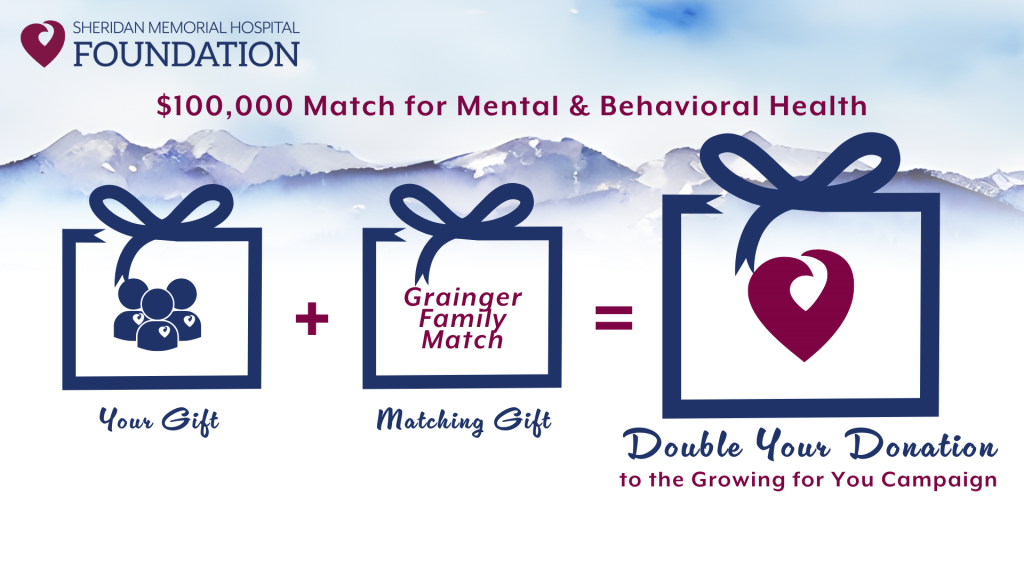
The Sheridan Memorial Hospital (SMH) Foundation is honored to share that the $45,000 O’Dell Match has been unlocked, thanks to the remarkable generosity of our community.

The match was set in motion mid-May when O’Dell Construction stepped forward with a visionary $25,000 gift to inspire others to invest in the Growing for You – Behavioral Health & Emergency Medicine Campaign. This campaign is bringing vital improvements and expanded access to mental health care and emergency services for patients and families across our region.

Motivated by the leadership and commitment of O’Dell Construction’s leadership, and their children Rebecca and Will O’Dell, Shawn and Lisa O’Dell strengthened the momentum by adding a personal contribution of $20,000. Together, their combined efforts created the $45,000 O’Dell Match Challenge, a call to action that resonated deeply with donors across Sheridan County and beyond.

Over the following 45 days, 48 generous contributions came together to meet, and ultimately surpass, this goal. From first-time donors to longtime supporters of rural healthcare, each gift demonstrates the shared spirit that defines Wyoming: we help one another whether we are minutes or miles apart. In our community, everyone matters. Everyone is valued and deserves excellent patient-centered care.

On June 30, 2025, the match was officially unlocked with a final contribution from the William F. & Lorene W. Welch Foundation, securing critical funding to ensure mental health care and emergency services remain strong, accessible and that people know they have a place to go when they need it most.

The Sheridan Memorial Hospital Foundation extends heartfelt appreciation to O’Dell Construction and the O’Dell family for their extraordinary leadership. By sharing their passion personally and professionally for medical excellence right here at home, they inspired a wave of support that will touch countless lives for years to come.

“Thank you to everyone who helped make this achievement possible. This match is yet another example of why Sheridan Memorial Hospital is proud to serve a community so deeply committed to supporting one another,” shared Chief Development Officer Cody Sinclair. “The Foundation is excited to continue the momentum toward the successful completion of the Growing for You Campaign and the opening of the new Behavioral Health Unit in late 2026.”

To be a supporter of mental healthcare right here at home and letting patients and families know you support their health and healing – donate and learn more at www.sheridanhospital.org/growing-for-you/ or reach out to The Foundation Team at 307.673.2418.

By Yvette Romero, MSN, RN, a cardiac catheterization lab and interventional radiology nurse at Sheridan Memorial Hospital.

Heart disease remains the leading cause of death in the United States, and heart attacks—also known as myocardial infarctions — are one of its most urgent and life-threatening manifestations. Every 40 seconds, someone in the U.S. suffers a heart attack.

For rural communities like ours, immediate access to high-quality heart care can make the difference between life and death. That’s why the presence of a cardiac care team and a catheterization (cath) lab at our local hospital is a critical resource we should all be aware of and take pride in.

A heart attack occurs when blood flow to part of the heart muscle becomes blocked, often caused by a buildup of plaque in the coronary arteries. When the heart muscle is starved of oxygen-rich blood, it can begin to die within minutes. Prompt medical attention is essential to reduce the damage and improve survival rates.

Time is muscle

Don’t wait to get help if you have any warning signs of a heart attack. Some heart attacks are sudden and intense while others begin with mild pain or discomfort. You know your body best; read its clues and call 911 if you have:

Chest discomfort

Most people having a heart attack feel discomfort in the center of the chest that can last more than a few minutes or go away and then return. It can feel like pressure, squeezing, fullness or pain.

Discomfort in other areas of the upper body

Symptoms of a heart attack can also include pain or discomfort in the arms, back, neck, jaw or stomach. Other potential signs include breaking out in a cold sweat, nausea, rapid or irregular heartbeat and feeling unusually tired or light headed.

Having a cath lab in your community equipped to perform diagnostic and interventional procedures, such as cardiac catheterization and angioplasty, can make a big difference in how – or if – you recover from a heart attack. These procedures allow cardiologists to open blocked arteries, restore blood flow and prevent further heart damage without the need for major surgery.

Studies show that outcomes for heart attack patients are significantly better when treatment begins within 90 minutes of first medical contact.

Heart attack awareness is not just about recognizing symptoms — it also requires understanding the resources available and encouraging friends and family to seek timely care.

We are fortunate to have cardiac care right here in our own backyard. By staying informed and making use of these services, we can protect the health of our community for years to come.

Take your heart health seriously—schedule your annual wellness exam and follow your doctor’s guidance to manage risk factors like blood pressure, cholesterol, and lifestyle habits. And if you think you’re having symptoms of a heart attack, don’t wait—call 911 immediately. Quick action and local expert care can save your life.