Welcome to Sheridan Memorial Hospital
1401 West 5th St. Sheridan, WY — 307.672.1000
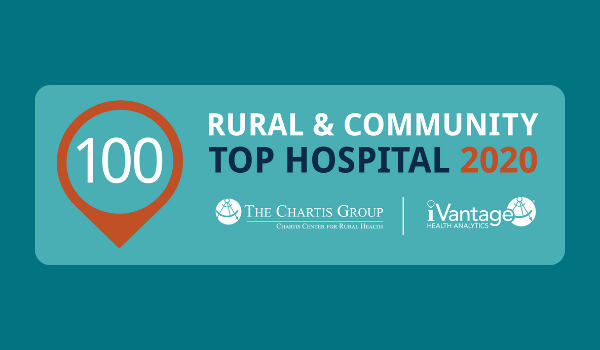
Sheridan Memorial Hospital (SMH) has been recognized as one of the Top 100 Rural & Community Hospitals in the country for 2020 according to the Chartis Center for Rural Health. Over 800 hospitals were included in the study. The list is developed using the Hospital Strength INDEX, which assesses performance utilizing 37 independent indicators across eight pillars of performance including Inpatient Market Share, Outpatient Market Share, Quality, Outcomes, Patient Perspective, Cost, Charges and Finance.
According to the Chartis Group website, hospitals making the list serve as a benchmark for other rural facilities. The website states that “amidst uncertainty, transition and strain, these top performers are excelling in increasing patient satisfaction, securing better outcomes for patients, managing risk, achieving higher quality and operating at a lower cost than their peers.”
Mike McCafferty, SMH Chief Executive Officer, had this to say about the honor, “This really speaks to the commitment to our community of our medical staff and employees. These efforts are to help position our hospital for clinical and operational excellence and, ultimately, great value for our patients and our community.”
According to a release by the awarding body, the award is “based entirely on publicly available data and the INDEX is the industry’s most comprehensive and objective assessment of rural hospital performance.”
“We are proud to serve this community and these accolades are really about the quality work our physicians, health care providers and all employees are doing every day to provide excellent patient-centered care,” McCafferty added.
***
*Notes – All data used in this study is publicly available through the Centers for Medicare and Medicaid Services (CMS).
By Kristi Ramsey, RN, BSN, RCIS, CVRN – Sheridan Memorial Hospital Cath Lab Manager
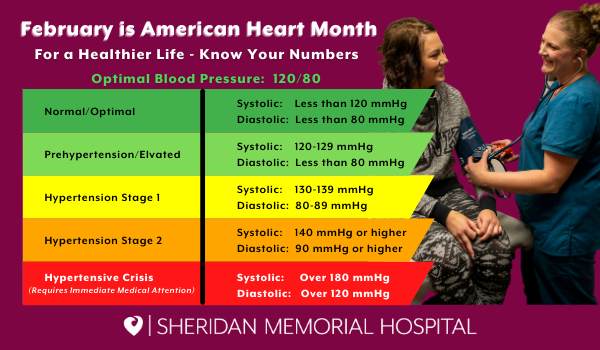
Did you know that nearly 1 in 2 Americans have high blood pressure and many people don’t even know they have it? That’s because there are often no warning signs. Having high blood pressure (also called hypertension) makes a stroke or heart attack much more likely.
High blood pressure is the force of your blood moving against the walls of your arteries. So when your blood pressure is too high, your heart is on overdrive. Over time, elevated blood pressure can weaken your heart, blood vessels, kidneys and other parts of your body.
There are many steps you can take to lower your blood pressure. It’s important to work together with your health care team to set your blood pressure goal, the reading you’d like to consistently see when your blood pressure is taken—and how you can best reach it.
We’ve gathered this information from the American College of Cardiology:
Living with High Blood Pressure
The goal of any treatment plan is to prevent or reduce the impact of high blood pressure and the onset of complications, including stroke, heart attack, heart failure and chronic kidney disease.
Lower is Better
Know your numbers! Your healthcare professional may talk with you about setting a “target goal.” A normal blood pressure reading is less than 120/80 mmHg.
Research shows that lower blood pressure goals improve heart health.
Lifestyle Changes are Key
Lifestyle changes are the main treatment for those with elevated or stage 1 high blood pressure. They are also important in treating individuals with stage 2 high blood pressure (>140 mmHG/>90 mmHG) and for good overall health. Healthy choices can go a long way in helping to lower your numbers and include:
It’s important to cut back on the amount of salt (sodium) you consume, particularly if you are already eating a diet that is high in salt. The latest Dietary Guidelines for Americans recommend people consume no more than 2,300 mg of sodium per day—less than a teaspoon of salt. However, for people with high blood pressure or at risk for it, less than 1,500 mg of sodium per day is often the goal.
Stress also can cause your blood pressure levels to spike, so make sure to do things that help you relax and reset. Some examples include: listen to your favorite music, go for a walk, or take a yoga class.
Medications Play a Role
Some common medications used in treating high blood pressure include thiazide-type diuretics, calcium channel blockers, ACE inhibitors, aldosterone antagonists and beta-blockers, which may be considered specifically if the person has coronary artery disease after a heart attack or heart failure. You may need multiple medications, especially if your numbers are significantly above your goal.
It’s critical to take medications exactly as prescribed and report any side effects. Be sure to share a complete list of all the medications you take, including over-the-counter drugs and supplements.
The new guidelines lower the threshold for when treatment is needed. If you’re already being treated for high blood pressure, it’s a good time to review your treatment plan and decide with your care team whether your target blood pressure numbers should be lower. You might need to step up your lifestyle changes or medication, or both.
Track Your Blood Pressure
Tracking your blood pressure is a key part of managing it. Find out how often you should take and keep a record of your blood pressure readings. Having this information in hand can help your health care professional know what is working and when to adjust your treatment plan.
Other conditions, sometimes called secondary causes, might be triggering high blood pressure and should be taken into consideration. These conditions include sleep apnea, chronic kidney disease, certain medications, and adrenal or thyroid disorders.
Talk to Your Care Team
It’s important to talk with your healthcare professional about your blood pressure and any other factors that put you at risk for heart disease. Knowing your numbers can help you take steps to either prevent or lower high blood pressure.
If you don’t have a primary care provider, give our Internal Medicine practice a call at 307.675.2620 and they can set you up with a care team.
On Friday, January 8, 2021, the Sheridan Memorial Hospital Auxiliary voted unanimously to pledge $50,000 to the Transitional Care Expansion at Sheridan Memorial Hospital. With this gift, the Auxiliary has given $724,000 to Sheridan Memorial Hospital since 1991.
With a mission “to provide comfort to and better the welfare of Sheridan Memorial Hospital’s patients,” The Auxiliary Board members voted on the opportunity that best exemplified their purpose. This year’s funds will impact patient care throughout the hospital by going to the Transitional Care Unit (TCU), as this service is a multi-disciplinary team made numerous departments. The TCU team includes Nursing, Physical, Occupational, Speech and Respiratory Therapy, Case Management and Social Services, Nutritional Services, Wound Care, and more.
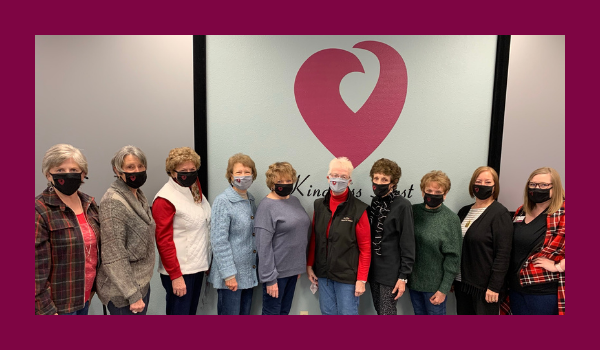
Foundation Director of Donor Relations – Ada Kirven, Development Coordinator – Jasmine Slater, and Chief Development Officer – Cody Sinclair gratefully accepted the gift presented on behalf of the numerous departments who will be positively impacted by this contribution. The photo includes Foundation Director of Donor Relations – Ada Kirven, Auxiliary Board Members Linda Sutphin, Ann Kilpatrick, Jill Mitchell, Sandy Pilch, Karen Steir, Ethelyn St. John, Maurita Meehan, Stella Montano, and Development Coordinator Jasmine Slater.
“We appreciate the time spent coordinating and working alongside this generous and passionate board of volunteers,” explains Chief Development Officer Cody Sinclair. “This donation is part of a long Auxiliary tradition in continuing to support hospital & Foundation projects that will expand the healthcare available to our community. These women continue to help enhance the patient experience throughout the entire organization, and we are so fortunate to be able to collaborate with such an incredible group.”
To learn more about getting involved in The Sheridan Memorial Hospital Auxiliary Board or Volunteering, please reach out to Development Coordinator Jasmine Slater at 307.675.2620 or by clicking here.
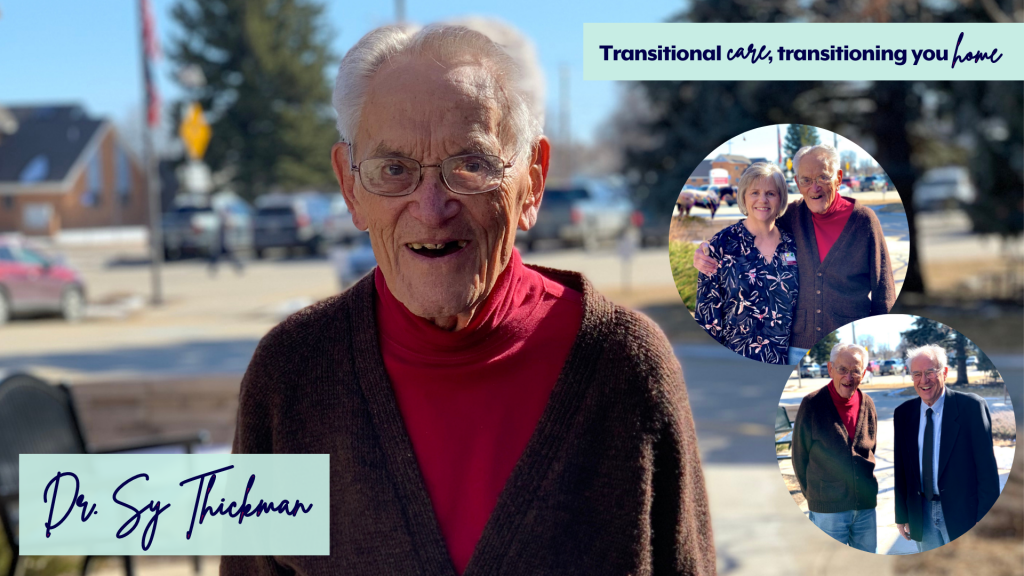
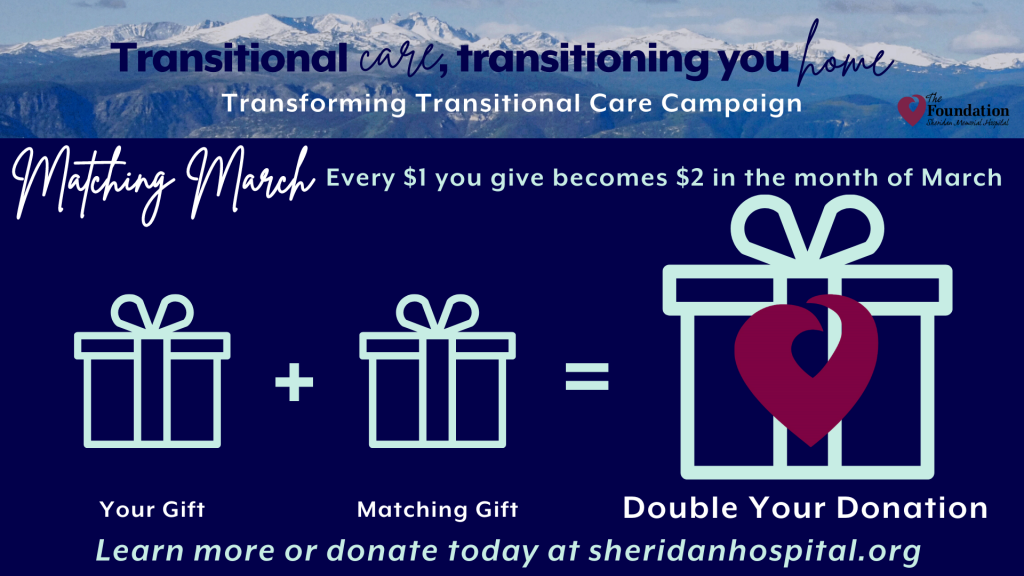
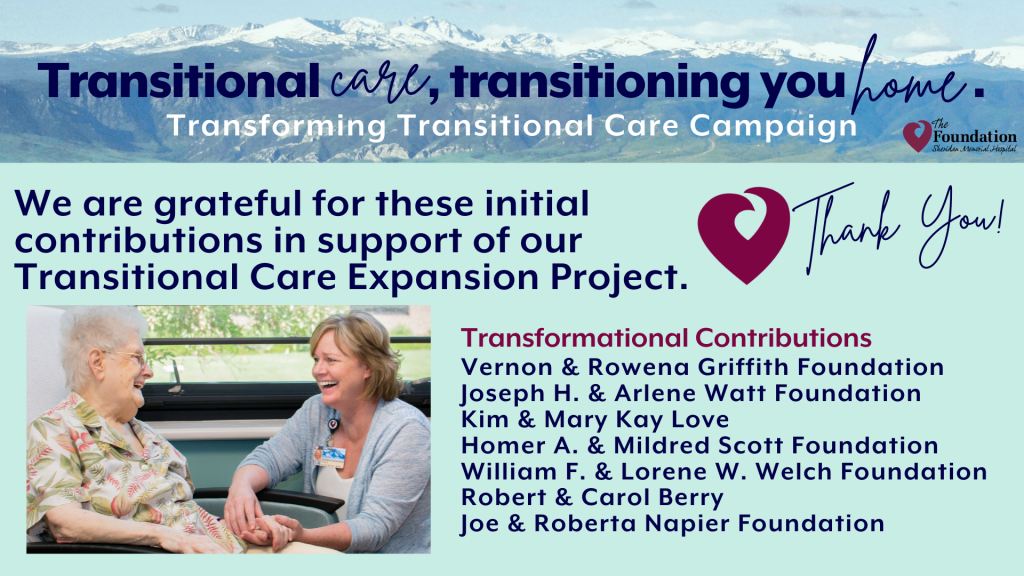
The Sheridan Memorial Hospital Foundation is excited to announce its Transforming Transitional Care Campaign. A Transitional Care Unit (TCU) is a recuperative and supportive place to heal following an injury, surgery, or serious illness. From changes to one’s daily schedule to the adjustments necessary to return home – the care team of nurses, doctors, and therapists manage transitions and help patients regain a level of independence for a safe return home.
Our aging population and the increased need for Transitional Care in our community, led to the design of this project. It will increase the number of patients the hospital is able to offer this specialized care to, before they transition back home. Our community is changing and Sheridan Memorial Hospital wants to ensure the growing number of patients needing transitional care will have the opportunity to stay right here in Sheridan, close to home and family.
“The Foundation is thrilled to support the hospital in repurposing the 2nd and 3rd floors of the main 1954 hospital back to their original use—caring for patients and providing excellent care,” said Chief Development Officer Cody Sinclair. “Meeting the needs of our community through this expansion will also ensure our community hospital is prepared for any future pandemic.” The space was cleared immediately for pandemic care last year, and Sheridan Memorial Hospital applied for the CARES Act funding available through the Wyoming State Loan and Investment Board (SLIB). A grant of $2.1 million made the completion of initial infrastructure and demolition construction possible before December 15.
The Foundation met with community members and local foundations about the project in October, and gained support and momentum to meet the $4.4 million goal. We now look forward to sharing more information with everyone in our region, and raise the remaining 20% needed to begin construction in July. “The response from our community this past year, through COVID and now excitement over this campaign has been truly remarkable,” said Director of Donor Relations Ada Kirven. “Throughout the pandemic we have been fortunate to have the donors, staff, and resources available to support the community – including the ICU that many of these same major donors supported five years ago. We are grateful for our initial contributions as they have shown they believe in the need for the project and laid the foundation for a successful completion. It’s remarkable to bring an expansion like TCU to our community and expand care for our growing and aging population at such a critical time.”
To learn more about the Transforming Transitional Care Campaign or The Foundation, call our offices at 307.673.2418 or visit us at sheridanhosital.org/foundation.
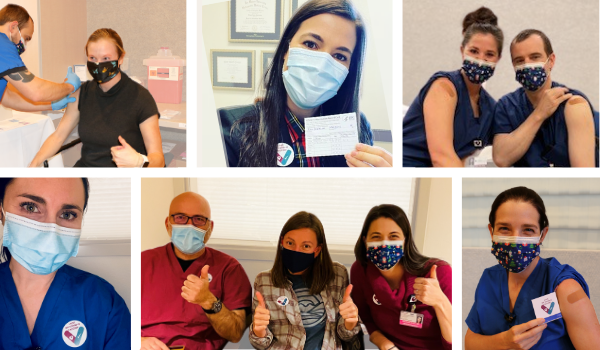
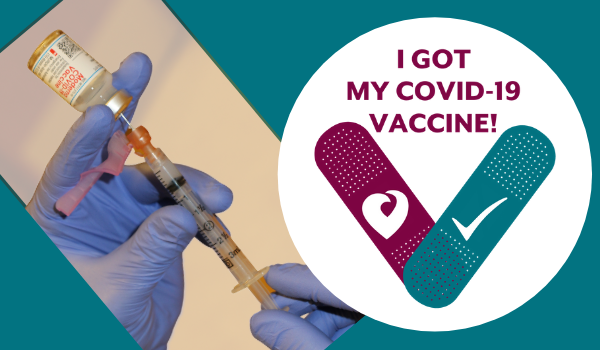
Through January 22, Sheridan Memorial Hospital (SMH) has provided COVID-19 vaccinations to approximately 1,000 people in Sheridan County. That includes SMH employees and the priority populations of essential workers and people over the age of 70.
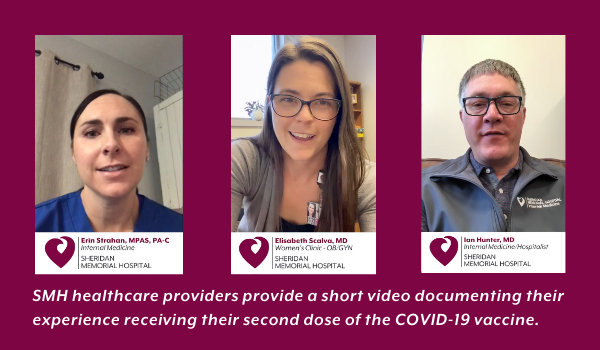
The side effects from the second dose of the vaccination received can include arm soreness at the injection site, minor swelling, chills, fever, fatigue and headaches. A few SMH providers have provided a short video documenting their experience receiving their second dose.
“I’m feeling hopeful, and very grateful,” said Erin Strahan, PA-C with the SMH Internal Medicine Clinic. “This is one chance to get back to normal life.”
“I have a little soreness in my arm but nothing that kept me from seeing my full complement of patients,” explains Dr. Elisabeth Scalva, with the SMH Women’s Clinic. “I’m feeling grateful to be protected and to protect my family, my patients and mostly this community.”
“Initially, I had a little bit of a sore arm,” said Dr. Ian Hunter, Sheridan County Public Health Officer. “Later that night, I woke up and had a fever… I just didn’t feel good for about eight hours, then that resolved.”
Currently, all doses of the vaccine SMH has received or is scheduled to receive is already spoken for. This includes 975 doses of the Pfizer vaccine scheduled for delivery on January 25 or 26.
SMH is accepting calls to place essential workers and people over age 70 on a wait list. Once more information is available regarding additional vaccine, SMH will be working through the wait list to conduct call backs and schedule additional vaccination appointments.
If you have been designated an essential worker or are over the age of 70 and you want to receive the vaccine, please call 307-675-4471 and leave your name, date of birth and phone number. You will receive a call back within the next business day to be placed on the wait list.
Click here for more information on the COVID-19 vaccine in Sheridan County
Click here for the Wyoming Department of Health Phase 1a and 1b COVID Vaccination Priority List
To date, Sheridan Memorial Hospital (SMH) has received approximately 970 doses of the Moderna COVID-19 vaccine. That includes 700 doses in late December and 270 doses in mid-January.
Another 975 doses of the Pfizer vaccine are scheduled to arrive January 26, and Dr. John Addlesperger, SMH Chief Medical Officer, says appointments are currently being scheduled to administer those doses as well.
“We have scheduled appointments for every dose of vaccine we have received so far or are scheduled to receive,” said Addlesperger. “Currently, demand is outpacing the supply chain for the vaccine. It’s good to see so much interest. This vaccine will be a big help in allowing us to return to life as we remember it before all the COVID protocols we have been following the last 10 months.”
Even though the vaccine schedules are currently full, SMH is still accepting phone calls and putting eligible people on a waitlist to be scheduled at a later date when the next vaccine shipments arrive in February.
“Our process for developing the waitlist and getting people scheduled is simple, but it takes a while to execute due to the high volume of calls we are receiving versus the supply of vaccine we have received,” said Tim Grollmes, SMH Internal Medicine Practice Administrator. “We don’t know what quantity of vaccine we are going to receive from month-to-month. That makes it tough to schedule.”
In making vaccine appointments, SMH is following a phased priority list established by the CDC and Wyoming Department of Health. Phase 1a is primarily essential workers and Phase 1b includes essential workers as well as people from the general public over 70 years of age. Click here – Phase 1a and 1b COVID-19 Vaccination Priorities – to see the complete priority list.
“Right now, we are scheduling vaccinations for essential workers and people 70 years of age and older,” Grollmes said. “Once we get through those two populations, we will move on to the rest of the priority list. It could take a couple of months depending on how many people want the vaccine.”
Since each of the vaccines requires a booster shot follow up (Moderna at four weeks and Pfizer at three weeks), SMH is scheduling patients for their booster shot immediately after receiving their first shot, before they leave the clinic.
Those who have been identified as essential workers or are 70 years of age or older and want to receive the vaccine, please call the SMH COVID Vaccination Clinic at 307-675-4471. More information is also available at the Sheridan County Public Health website – https://www.sheridancounty.com/covid-19/covid-19-vaccines/.
“Until we can get the majority of our community vaccinated, it is important that we remain diligent in following the COVID protocols set forth by the CDC,” Addlesperger added.
Those protocols still include: staying home when ill, wearing a mask, socially distancing, washing your hands and disinfecting high traffic surfaces.
The past year has been a remarkable one for all of us to reflect on. Be it personal or professional; we have faced our own set of challenges that could not have been anticipated 12 months ago. But together, we are now able to identify silver linings, learn from the past, and move forward with gratitude for all that we have been given in time, love, health, and hope for the future.
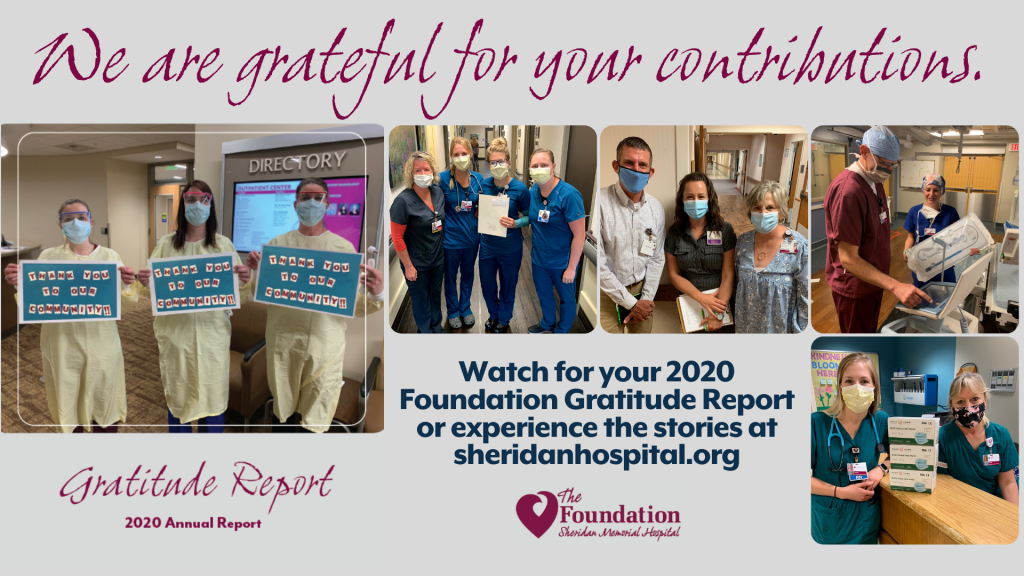
The Sheridan Memorial Hospital Foundation and Hospital team members had a year we will never forget. The work of our board, donors, and volunteers allows support for exceptional staff, departments, and services at your community hospital. Our donors continue to support opportunities, innovation, and patient-care experiences with their generosity. The nature of these services shifts and changes day-to-day for our teams in our current climate, but we appreciate the opportunity each day to come to work and support the people who choose SMH for their healthcare needs. Our supporters’ tireless efforts are what made it possible for our teams to take care of each – bump, scrape, scan, screening, teleconsultation, birth plan, heart palpitation, allergy shot, common cold, broken bone, and emergency call – on top of all involved in caring for our COVID patients.
An organization’s annual report is meant to share with each of you the contributions received throughout the last fiscal year and how those funds have been put to work. The Foundation’s Gratitude Report is a mere snapshot into the previous 12 months and all of the lives our donors positively change because of their kind and caring actions.
Our Foundation Staff recognizes that in no way could we incorporate all stories to completely capture the outpouring of support, kindness, and generosity we are surrounded by. We take this opportunity to share some of the life-changing efforts, the remarkable tales, and the infinite gratitude we feel for you, our donors, who’ve filled our hearts and hallways over the last 365 days and now into the New Year. Thank you for being a part of our story.
We invite you to share in our full 2020 Gratitude Report by experiencing it here (https://www.sheridanhospital.org/wp-content/uploads/2021/01/2020-Gratitude-Report.pdf).
Each year, Sheridan Memorial Hospital (SMH) employees find ways to give back to the community; 2020 was no different… um, wait, yes it was.
“The generosity and support we received from the community this past year were like nothing we have ever witnessed,” said Cody Sinclair, SMH Chief Development Officer. “It was a great feeling to be able to continue with the traditional fundraisers and food drives we normally have throughout the year. It paled in comparison to the community support we received, for sure. But our employees still stepped up.”
During a year filled with uncertainty, long hours, double shifts, 24-7 masks, head to toe PPE, and lack of social connection due to COVID-19, SMH employees still found a way to contribute.
“We’re proud of the way our employees have responded to all the challenges of COVID-19, and these efforts show how much they really care for this community,” Sinclair added.
Here are some of the various efforts that hospital staff and departments participated in or initiated this past year.
SMH Foundation Employee Partner Program – over 514 employee partners raised over $47,700 in 2020 to provide additional funding for the hospital’s Transitional Care Unit expansion which is currently underway. Over the past 17 years, SMH employee partners have contributed over $500,000 to projects at our community hospital.
Patient Access and Admissions Department – collected food for the People Assistance Food Bank and cash for the Salvation Army over the holidays.
Women’s Health Department – collected toys for Toys for Tots during their annual Christmas toy drive.
Marketing Department – Volunteered to help organize and re-stock food supplies at The Food Group.
Patient Accounts Department – conducted a food and toy drive for Christmas. Food was donated to the People Assistance Food Bank and toys were donated to Toys for Tots.
Internal Medicine Practice – Employees provided gifts for 45 children of patients in the Addiction Medicine Clinic for Christmas.
All SMH Employees – Specific Fridays throughout the year are designated as “Jeans Friday” at SMH. Employees are encouraged to donate $5 for the privilege of wearing jeans on that day and $1,840 was raised from this effort. The funds were distributed among the following causes:
All SMH Employees – 2020 COVID-19 Employees Give Back – Food drive to collect non-perishable items for the People Assistance Food Bank, the Food Group and the Salvation Army.
Connie Bachel, a longtime employee of Sheridan Memorial Hospital (SMH), contracted COVID-19 in mid-September.
Bachel and six of her co-workers at the SMH Urgent Care tested positive for the coronavirus, each exhibiting different symptoms. For the next two weeks, they recovered, checking in on each other’s progress and offering words of encouragement.
In early October, Bachel was feeling better, if not fully energized. But by mid-October, COVID-19 reasserted itself in full force, even worse than before. Bachel, suffering from gastrointestinal symptoms, did not immediately want to go to the emergency room.
“It was so embarrassing — I didn’t want to do that in my own sandbox,” she said. “But my husband said, ‘No, you’re going to have to be a patient.’”
Bachel was immediately admitted and placed in a COVID-19 isolation wing.
SMH has two dedicated wings for COVID-19 patients: one in the Intensive Care Unit for critically ill patients and the other on the Med Surg floor for those like Bachel who need to be admitted but don’t need ventilators. Experts across SMH departments have worked together to ensure these wings are as safe as possible for patients and staff.
“It’s very scientific,” said Lacey Johnson, the Med Surg Manager at SMH.
Because COVID-19 is an air-borne disease, Johnson explained, one of the most important elements of the isolation wings is the air flow. Partitioned off from the rest of the hospital, the hallways and rooms have negative air pressure. Instead of filtering, cleaning, and recirculating the air like in most buildings, the mechanics of the hospital bring in air and then send it directly back outdoors, without returning to the hospital. All doors and windows must remain closed to maintain the seal.
In addition, the few dedicated staff members who are allowed into the wings must be in full PPE: gown, gloves, booties, N-95 mask, eye cover, and hair bonnet or a capper.
The cleaning staff for the COVID-19 wings uses “terminal cleaning” agents and gear, the same used in Operating Rooms, a lengthier and more involved sterilizing process.
Perhaps most importantly, the medical team must be conscientious of the time spent in the wings.
“If we go in to deliver medications, we get them all at once,” Johnson said. “We bathe patients, change the bed, etcetera, all in that time frame.”
While crucial for safety, the COVID-19 isolation wings can be just that — isolating.
At the time, Bachel’s daughter, Megan Perkins, was a registered nurse at SMH. Due to the strict safety protocols, even she could not enter the room — only the dedicated on-duty nurse could be admitted.
Perkins herself had worked in the COVID-19 wing. She had seen family members’ frustration at being kept apart and knew the importance of lifting patients’ spirits when at their most ill.
“As a nurse, it’s hard to see your patients struggle that way,” Perkins said. “I saw how much it dropped their mood and their affect. It hurts people’s sense of well-being when they’re so isolated. But I knew why we were doing it and that it had to be done. Just from taking care of previous COVID patients, I knew what my mom was going through.”
So, like many of her patients’ family members, Perkins found a safe way to engage with her mom. Bundling up against the October snowstorm, Perkins headed to the window outside of her mom’s room.
“I called her on the phone, and we sat by the window and drank coffee and pretended the window wasn’t there,” Perkins remembered.
Over the next few days, these chats meant the world to Bachel. And the support continued to flow. Friends, family, and co-workers visited — even her daughter’s friends popped by to throw snowballs and wave an encouraging sign out of the window.
“It means more to the people in that hospital bed than you know,” Bachel said, choking up.
After four days of treatment, Bachel showed improvement, tested negative for the contagious antigen, and was released to recuperate at home for another week. She gradually started working again, building up her hours and strength slowly.
Today, Bachel feels “100% completely better.” When she looks back at the fall, she realizes just how ill she was.
“After about a month and a half of being so sick, when you do finally feel good, you realize just how terrible you felt,” she said. “I’m so glad I went in because I don’t know what would have happened. They took great care of me.”
Back at work, Bachel — already a compassionate person — feels even more empathy for patients and family members after her experience. She sees the same change in her co-workers who also recovered from the disease.
“I know how they feel,” Bachel said. “I feel it. It’s real. We all need to wear our mask and practice hygiene. It’s just here. It’s here all the time.”
Her daughter agrees.
“I just hope that people understand what these regulations are for and what the mask mandates mean for certain people,” Perkins said. “Until it becomes personal for you, you don’t really take it to heart. Until you realize one of these patients is a mother or a grandmother — because one was your mother — you just don’t realize the detrimental effects. I think all the people who make a stink about our mask mandates need to take a step back and realize it’s about being a good person.”
Originally published on January 18, 2021 and updated August 19, 2021, when the Eagle Wings revisted SMH to continue their mission.
Eagle Wings is a passionate group of young girls who have come together to bring joy, entertainment, and gifts to Sheridan Memorial Hospital patients all year round. The group uses their artistic talents to create and sell their crafts, fundraising later to purchase gifts for patients at your community hospital. Many of the gifts are geared towards pediatric patients, as Eagle Wings’ efforts are inspired by one of their young founders and her own experiences in the hospital a short time ago.
Young leaders like this are what make this community stronger and brighter in the future. These philanthropists are indeed the epitome of paying it forward and loving thy neighbor. Thank You, Eagle Wings, for being a gleaming example of kindness and gratitude.
The below letter has been written by some of their inspiring group members to share their passion and the meaning of their name Eagle Wings with our patients.

To learn more about giving back to your community hospital, visit sheridanhospital.org/foundation and explore how that fits your own passions best.
In this new year, we want to remind you to take care of yourself. With all of the talk and concern about the COVID-19 virus, it’s a very confusing time. One important thing you can do is to pay attention to your health.
January is Thyroid Awareness Month. What an appropriate time to call attention to the various health concerns connected to the thyroid. We’ve gathered information in this column to help you learn more about the most common thyroid conditions. Most of us have heard about the thyroid, but we may not realize its importance. If you have questions about thyroid diseases or any other concerns, we urge you to visit your healthcare provider.
What Is The Thyroid?
The thyroid gland is located in your neck just below the Adam’s apple. It may be small, but it has a significant impact on your health, controlling your metabolism and creating new proteins. This butterfly-shaped gland is part of the endocrine system, directly affecting almost every organ in the body. It is responsible for regulating skin integrity, menstrual cycles, calcium levels, and the nervous system, heart and cholesterol levels. In addition, it controls brain development, your body temperature, respiration, metabolism and fat production.
Thyroid problems begin to occur when the thyroid gland produces too much hormone or not enough. There are several illnesses and diseases related to the thyroid, including hyperthyroidism, hypothyroidism, Hashimoto’s disease, Graves’ disease, goiter and thyroid cancer. We will address the two main thyroid conditions: hypothyroidism and hyperthyroidism. Each has an opposite set of symptoms.
Hypothyroidism, when the thyroid is working more slowly than it should, is most common in patients over 60, and the incidence of this disease increases with age. People with hypothyroidism tend to experience weight gain, irregular menstrual cycles, slow heart rate, muscle aches, constipation, voice changes and the loss of body hair.
Conversely, Hyperthyroidism is where your thyroid works more actively than it should. Hyperthyroidism is most common in patients under age 50 and is marked by an enlarged thyroid gland, plus insomnia, a rapid heart rate, anxiety, weight loss, increased appetite, emotional instability, increased nervousness and anxiety, excessive perspiration, and diarrhea. The senior hypothyroidism patient may only have one or two of these symptoms. Although hyperthyroidism is associated with more energy, the body breaks down after a while, leading the person to feel more tired.
What causes the thyroid to malfunction?
Most thyroid malfunctioning is caused by an autoimmune response. The immune system of someone with hypothyroidism sees the thyroid as a threat and begins to attack it, causing inflammation and damage, leading to a decrease in hormone production. The immune system of someone with hyperthyroidism compels the thyroid, unnecessarily, to over-produce hormones.
A prevailing theory behind why women are more susceptible to thyroid disorders is because the female immune system is more pliable than the male immune system, capable of revving up or winding down in response to certain biological events, specifically pregnancy. When a woman becomes pregnant, the baby is seen as a foreign object in the body. To prevent the growing fetus from being damaged, the mother’s immune system must be suppressed.
The only way to know for sure if you have thyroid disease of any type is to have a blood test that measures your thyroid hormone levels. To confirm whether there is a thyroid concern, your physician may perform a thyroid-stimulating hormone test. This blood test measures whether the gland is working properly. It is highly recommended to get tested if you are a senior over 60, have family members diagnosed with the disease or believe you have symptoms.
Diagnosing thyroid disease in seniors can be difficult because some of the symptoms are also associated with aging or other medical conditions. It is natural to assume symptoms such as memory issues, constipation or weight gain are part of the aging process. However, these can also be signs of thyroid disease.
Causes & Treatment Of Thyroid Diseases
There are several causes, but some common causes can be attributed to autoimmune disease, certain types of medications, thyroid surgery or radiation therapy. Anyone can develop thyroid problems, but women age 60 or older seem to be more susceptible.
Hypo- and hyperthyroidism can be treated with medication, iodine, or hormones, and the other conditions can be addressed with therapy or surgery. Luckily, thyroid prescriptions can usually get symptoms under control. It is important to keep abreast of new symptoms that may occur because medications may need to be changed or dosages increased or decreased. It is also critical to be sure to take medication at the same time every day.
The nonspecific nature of symptoms can make thyroid conditions challenging to diagnose. If you feel you may be having problems with your thyroid, your best option is to bring your concerns to your primary care physician’s attention.
If you have questions, the healthcare professionals at our Internal Medicine Practice can help.
Call 307-675-2650 to schedule an appointment today.
We know there is a lot of pressure on people to enjoy themselves during the holidays. The season is supposed to be merry and bright, but many can feel increasingly isolated and unhappy this time of year.
Knowing how to juggle the holidays can be challenging, especially as the coronavirus pandemic looms overhead. Do what you can to get involved and get into the holiday spirit without stressing yourself beyond your limits or risking anyone’s health. If you put too much on your plate, neither you nor your loved ones will likely enjoy the festivities nearly as much. Remember that most families are facing difficult decisions and holiday celebrations are bound to look very different this year. Get creative and remember: your best efforts are good enough!
Isolation makes the holidays hard. According to the National Institute of Mental Health (NIMH), older adults who are socially isolated are at higher risk for depression. The focus on family, friends and togetherness can bring melancholy feelings to the forefront during this time of year. With coronavirus cases ramping up, it’s more important than ever to be supportive of, and attentive to, our loved ones, but in ways that keep everyone as safe and healthy as possible. This problematic situation poses serious challenges for families across the country and around the world.
If you or a loved one, friend or neighbor feel lonely or depressed, there are steps that you can take to help lift spirits. Remind yourself what the holiday season is truly about. Simplifying some things will allow you to focus on what really matters: the important people in your life.
With more of us forced to celebrate the holidays alone, I’ve assembled this list of suggestions for how to feel more connected during the holidays. I hope you can use some of them to brighten up your winter season.
Have a safe, happy and heartfelt holiday season!
On Friday, December 11, Sheridan Memorial Hospital employees celebrated their contributions to the hospital’s Foundation with their traditional partner breakfast and plenty of holiday cheer. In 2020 over 520 staff members participated in this unique philanthropic program and donated $50,000 through biweekly payroll deductions.
In 2004 the idea for the Partner giving program began with a few faithful employees. It has steadily increased year over year with new employees and our culture of kindness. Over the past 17 years, Partners have contributed over half a million dollars toward patient care improvement projects at your community hospital. Annually in December, The Foundation hosts a holiday breakfast to honor and celebrate the Employee Partners. During the event, Partners vote to fund a strategic project in the hospital’s area of greatest need, with the monies accumulated over the past year.
This year, the hospital’s greatness identified need to meet the community and regional demand for patient care is the Transitional Care Unit expansion. This space creates a private, recuperative, and supportive place to heal following an injury, surgery, or serious illness. Employee Partners voted to have their gift acknowledged in the dining room area on the 3rd floor of the new TCU.
“We are so grateful for our employee’s support of this project,” expresses Chief Development Officer Cody Sinclair. “This funding opportunity is so unique for our partners as it allows for funding to positively enhance the work of so many departments and is an investment in the future of healthcare for our aging community.”
For more information about The Foundation, please contact Ada Kirven at 673-2417.
We live in extraordinary times, and our community is being cared for by over 1,000 extraordinary healthcare workers in our local doctors’ offices, clinics, and at Sheridan Memorial Hospital. Our rural community is fortunate to be cared for by so many hometown healthcare heroes, with such a wide array of talents and expertise.
After local attorney Deb Wendtland saw the moving SMH video asking our community for their help to slow the spread of Covid-19 by wearing a mask, she was inspired to support our community’s frontline healthcare staff. Deb went to work with her close friend Julie Gerlach to raise funds and support our community. They jumped right in, bringing together a group of community members and friends to obtain financial support for front line healthcare workers. In coordination with The Sheridan Memorial Hospital Foundation, gifts were accepted through both First Federal Bank and Trust and The Foundation’s online or mail-in contribution.
By November 30, more than $30,000 in gifts were made to tangibly tell our local healthcare heroes thank you and bring joy to these healthcare workers. The Foundation worked with Sheridan Memorial Hospital’s Reward & Recognition team to support and help host: “The Twelve Days of Christmas Kindness,” recognizing all team members and other community healthcare workers, from December 3, 2020, through December 18, 2020.
Our community’s contributions have been put to work in purchasing food, gifts, and holiday cheer through locally owned and operated businesses to be distributed throughout the December event. Any funds raised over the goal will support SMH COVID-19 for necessary PPE to keep staff and patients safe.
“We think this is a terrific partnership and look forward to sharing goodwill and surprises with so many who need a lift in their spirits right now,” shares Director of Donor Relations – Ada Kirven. “Our gratitude is infinite for our community’s support not only to make these gifts but to take the Hometown Healthcare Heroes’ Pledge to Wear a Mask. Each of these acts makes the difference.”
Congratulations to 3rd graders Gracie Babbitt and Raegan Welles from Woodland Park Elementary. They are the Sheridan Memorial Hospital Christmas Card Art Contest winners and will have their spectacular artwork showcased on the 2020 hospital Christmas card.
Sheridan Memorial Hospital would like to thank all of the talented area 3rd, 4th, and 5th graders who submitted their artwork this year. Students were asked to create a design that captured the theme “Prayers to Healthcare Workers.”
All of the entries are on display now through the holiday season in the windows of the hospital’s downtown offices at 61 South Gould Street. Stop by to see the great artwork, or click on the video below to view each of the entries. Enjoy.
By Erica Ridgeway, BSN, RN – Sheridan Memorial Hospital Trauma Program Coordinator
Sheridan Memorial Hospital’s Trauma Program reviews cases for patients who have suffered a trauma of any kind. Along with this, we review and develop policies and protocols to ensure best practices are followed and that each traumatic injury receives the most appropriate care. We also work to provide education about current policies, changes in policies, and changes in best practices. This includes doing community outreach and information related to injury prevention. By following these protocols, Sheridan Memorial Hospital has earned the designation as an Area Trauma Hospital from the Wyoming State Trauma office.
Injury prevention is an important part of a successful trauma program. One of the most common traumatic injuries in any trauma registry are falls resulting in fractures, therefore making fall prevention and safety extremely important.
The National Coalition on Aging notes that one in four Americans aged 65+ falls each year. Falls are the leading cause of fatal injury in older adults and are the most common cause of trauma-related hospitalizations for that population as well.
According to the Centers for Disease Control and Prevention, one out of five falls results in a serious injury such as a broken bone or a head injury. More than 95% of hip fractures are caused by falling.
There are many conditions that can increase the risk of falls:
If you have concerns about falling or other issues, schedule an appointment to talk to your doctor or healthcare provider. They can evaluate your risk of falling and help implement specific things you can do. They can also refer you to a physical or occupational therapist who can help with balance and strength training. Tai Chi is an exercise that is often taught to help with balance and stability. There are many fitness programs offered both in-person and virtually that are designed for older adults. Additionally, some physical or occupational therapists will even come into your home and help assess safety and tripping hazards.
If you have had a fall or have a nagging ache, pain or physical impairment preventing you from going about your daily activities, Sheridan Memorial Hospital’s Wyoming Rehab may be able to help you. Their physical therapists offer free screens and treatment recommendations for non-emergent physical impairments and injuries.
Some things you may want to consider implementing in your home include:
So again, reach out to your healthcare team! They can assess not only your risk of falling but also what steps to take to prevent a fall, as well as assess your ability to participate in a fitness program. Implementing the appropriate safety and health measures can greatly reduce your risk of falls and injury.
Diabetes is different for everyone, at every age. As we celebrate National Diabetes Awareness Month, SMH focuses on the impacts diabetes has on one’s life and the challenges faced. Meet our own smiley, sweet Megan Ripley who works as a Chemo Nurse at Welch Cancer Center. Megan shared with us her Wellness Journey, with Diabetes, and we find it an important one to share with all of you as we navigate this month, together.
While many of us prepare for cranberry sauce, sweet potatoes, and copious amounts of pie, one-third of the US populations is concerned with managing their blood sugar while still enjoying their meal. With much to be grateful for this time of year, we take a moment to appreciate the stories and knowledge surrounding the staff at Sheridan Memorial Hospital. This Diabetes Awareness month, we are excited to share with you how one of our own employees faces and maintains her wellness while facing the everyday realities of Type 1 Diabetes. Megan Ripley is an employee who has not only pursued wellness as a hobby, but has adopted it as her way of life. Even though she has to navigate through obstacles every day, from constantly maintaining healthy blood sugar levels to the everyday challenges of being a Chemo Registered Nurse, Megan strives to maintain her health and she does it all with a beaming smile on her face.
Megan Smith’s journey towards wellness started at the early age of 9, when she was diagnosed with Type 1 Diabetes. Type 1 Diabetes is a chronic condition in which the pancreas produces little or no insulin, a hormone needed to allow sugar to enter cells in order to produce energy. At the discovery of her condition, she feared how diabetes might affect her everyday life. Megan often wondered about what restrictions she would have to implement into her daily routine, or what opportunities she might miss out on because of her condition. However, Megan was fortunate enough to grow up just outside of Cheyenne during her early childhood and because of this, she was able to attend the Barbara Davis Center for Childhood Diabetes. “The doctors and nurses at the center were great and they always had the most cutting edge technology so I was able to get the best treatment possible” Megan shares. The Barbara Davis Center didn’t just have an impact on Megan’s physical health, but they were also able to provide her with tools to help maintain and enhance her mental health. Megan explained “I always wanted to grow up to become a nurse, but with my diabetes, I didn’t know if that would ever be possible. When the nurses in the center found out this was a fear of mine, many came forward to share with me that they too suffered from diabetes, and they showed me how they navigated throughout their day as a nurse with diabetes. The team showed me that I could still be the person I dreamed of becoming and I really can’t thank them enough for all the help they have given me throughout the years.”
The team at the Barbara Davis Center helped to give Megan the confidence that she could still live the life she wanted, but now she needed to figure out how she was going to balance it all. Megan went to work finding what other methods and tools she could use in her life to stay healthy and happy. One of the struggles that Megan was immediately faced with was what kind of exercise regimens she could use. High Intensity Exercise wasn’t on option because even if Megan liked it in the first place, and she didn’t, it could cause complications with her blood sugar due to Adrenaline production. You see, when Adrenaline (Epinephrine) is released from nerve endings or the Adrenals it acts on the liver, promoting increased sugar production as well as the breakdown and release of fat nutrients which travel to the liver and are converted into sugar and ketones. Simply put, Adrenaline raises blood sugar considerably, which for diabetics such as Megan who can’t naturally produce insulin, can lead to Hyperglycemia, causing damage to the vessels that supply blood to vital organs. So any strenuous exercise that would cause a spike in Adrenaline was unsafe for Megan to participate in. And if that wasn’t a large enough hurdle, Megan also was trying to find a way to manage her diet so that she could still enjoy all the foods she enjoyed so dearly, without causing massive spikes or falls in her blood sugar levels.
Megan was committed to finding a solution. She knew what a great influence exercise and diet would have on her physical and mental state, so she never quit looking for answers. Eventually, she found resolution to her exercise dilemma when she realized just how much she liked doing long-distance, moderately paced cardio. Walking, hiking, and biking were also activities that Megan loved doing because they could be done with others. None of them required going to a gym, none of them would produce adrenaline if paced correctly, and all of them promoted muscle growth and weight loss. As for her diet, Megan discovered portion control, a dieting strategy that she could utilize in order to keep eating her favorite foods, by simply adjusting and managing the portion sizes of her meals throughout the day
Once Megan knew how she was going to balance her exercise and diet, all she had to do was find a way to consistently motivate herself to continue eating healthy and exercising on a regular basis. Her motivation to stick to her diet is basic: “If I eat right and stick to my diet then I can stay healthy, but if I’m not willing to maintain my diet then my physical health will be seriously negatively affected.” Megan’s motivation to exercise is a little less cut and dry. Megan relies, for the most part, on friends and family to help her stay motivated throughout the week. On week days, Megan’s biggest motivator is her Dog Laya who is always eager to remind her about their daily walk together, they rarely miss a day, considering Laya is known to not taking no for an answer. A few days a week Megan also gets the opportunity to go on walks with friends from work, who she also credits as being some of her greatest supporters. On the weekends, Megan is motivated by excitement and adventure with her husband John and of course, Laya. Megan is always eager to plan out her family’s adventures and you can bet they’ll be doing a whole lot of hiking, canoeing, backpacking, or fishing with a whole lot of fruit snacks to keep her fueled. Megan’s most recent adventure sent her on a rigorous 16 mile hike, with almost 2450’ vertical gain to the beautiful and secluded Lake Angeline, high in the Bighorn Mountains.
Megan’s advice to all those who have a desire to get well was this: “Start small and set goals that are attainable, all of us progress at our own rate and your rate is completely unique to you, so don’t compare yourself to anybody but yourself. If you need a donut, then eat a donut, but eat less of something else or just exercise more to compensate for it. It’s all about balance. Do not underestimate the power of thinking positively, mental health is just as important as physical health, and being happy and thinking positively can take you just as far as any workout routine.”
We’re so very proud to see how far Megan has come from where she once was and we can’t to see where she goes. We’d like to thank Megan for her inspiring story and providing such positive insight into living a balanced life with Type 1 Diabetes. We appreciate you leading by example and for showing us all what it really means to take wellness into our own hands. Sheridan Memorial Hospital honored to have you as a member of our staff and we are grateful for everything you have done and continue to do for this hospital. Thank you, Megan.
Throughout the month of October, the Sheridan Memorial Hospital Foundation hosted its first all Virtual, Link – Partners in Pink Run/Walk. To encourage participation and keep our community safe, instead of a one-day event, a virtual month-long event was developed.
We are humbled by the outstanding support from our community. Because of the participants an astounding $56,000 was raised and will benefit Sheridan Memorial Hospital’s Welch Cancer Center Comfort Care program. Proceeds will assist with special needs of our patients and their families who are going through cancer treatment.
The Foundation is also excited to announce the race winners in each category. Congratulations to Mandy Galloway on her 1st place finish in the 10K with a time of 56:39, JJ McGinnis with his 5K winning time of 25:39, and our 1.5 Mile speed walker Melanie Daniel who finished in just under half-an-hour at 29 minutes even.
The Link-Partners in Pink Committee thanks all those who participated, sponsored, made a donation and volunteered their time. Cancer education and prevention resources, along with the comfort and healing for our cancer patients, are now more accessible to our community, because of the impact of the amazing and caring people who participated.
“The Link event started as a grass roots idea to support mammography and continues to evolve each year. It’s become a way to show our support and love to those we know going through diagnosis, treatment and recovery, along with our loved ones lost,” according to Ada Kirven, Director of Donor Relations. “This year, there was still a great sense of community, even when we all came together by staying apart. The Link provided an opportunity for team-building co-workers, a time for friends and family to enjoy the outdoors, and even solo runs for individuals to clear their heads. We feel honored to support cancer care and healing in our community with so many involved.”
Kirven adds that when cancer is diagnosed at an early stage, when it isn’t too large and hasn’t spread, successful treatment is more likely, and in some cases a cure is possible. Community members are encouraged to see their provider if they have health concerns or questions, and to follow recommended cancer screening guidelines. Foundation funds also support cancer screening and early detection.
To find out more or to see if you qualify for available screening funds, contact hospital Patient Financial Advocates at 307.675.4620. For more information about the hospital or The Link event, please call The Foundation at 307.673.2418 or visit sheridahospital.org.

This video displays the stark reality of how COVID is affecting St. Vincent’s Healthcare in Billings, MT. We are not far behind them and we need your help to slow the spread of the virus.
This week, October 26-30, 2020, active cases in Sheridan went up by 38% and COVID hospitalizations continue to climb. This trajectory will have a negative impact on our ability to provide healthcare services for Sheridan and the Region. We need to keep our healthcare system from becoming overwhelmed.
We are acutely focused on making sure we have people to take care of anyone who shows up at our hospital. People injured in accidents, heart attacks, strokes and acute illness. All of this becomes extremely difficult when we are not flattening the curve of this virus in our community.
We need your help!
The Sheridan Memorial Hospital Foundation Staff and Board of Directors are pleased to announce J.T. Grainger as their newest Director, voted unanimously to the board during their September 2020 Board Meeting.
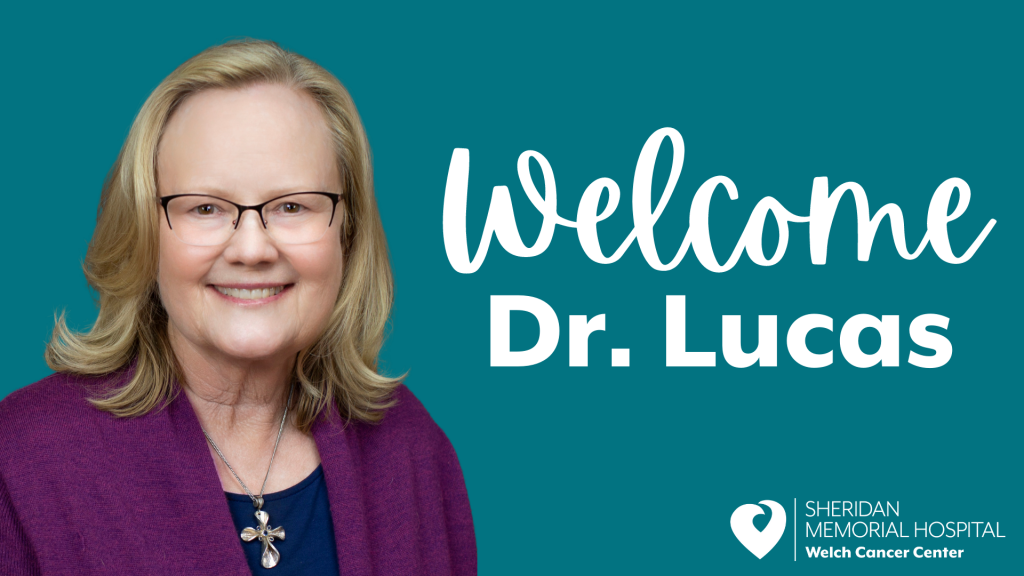
Board President Richard Garber shares, “we are thrilled to welcome J.T. to our Foundation Board of Directors. In my time spent with J.T., it is evident that he is a driven, philanthropic, outgoing individual who is going to bring great insight and energy to our board.” Along with the officers and directors, Foundation staff share in the excitement to welcome J.T. as part of the board. “J.T. is a passionate, motivated individual that is an outstanding addition to our well-rounded board,” explains Chief Development Officer Cody Sinclair. “J.T. shares his excitement and passion with individuals of all ages and wants to help develop this community positively for the generations to come. He has already shown initiative in learning more about Sheridan Memorial Hospital and the work of The Foundation and how he can make a strong impact.”
J.T. is a Wyoming native that understands the importance of rural healthcare, having grown up in the small town of Saratoga, Wyoming, eventually ending up in Sheridan two years ago. J.T. currently manages shipping operations for Vacutech LLC, operates a flight school at the Sheridan Airport, and is the Vice President of the Sheridan Pilot’s Association – a non-profit organization committed to improving access to flying for aviation enthusiasts of all ages. When his wheels are on the ground, J.T. spends time appreciating all that Wyoming has to offer. From hunting and fishing to golfing and volunteering, he finds plenty to keep him busy on the land and in the clouds. Beyond his new adventure with The Foundation, Mr. Grainger is involved in The Sheridan County Chamber of Commerce and local chapters of Lions Club, Experimental Aircraft Association, National Wild Turkey Federation, Mule Deer Foundation, and Elk Foundation.
With all the exciting projects and work The Foundation is doing, someone who likes to keep moving is a perfect fit for the board. The Foundation looks forward to the experience, energy, and perspective J.T. will bring to the board in the coming year and all we will accomplish for healthcare in our community – together.
To get the most up to date Foundation information and learn more about The Board of Directors, visit sheridanhospital.org/foundation or call Director of Donor Relations – Ada Kirven at 673.2417.