Understanding health insurance can be challenging. Between deductibles, coverage options, medical bills, Medicare plans and enrollment periods, knowing where to start can sometimes feel overwhelming.
Fortunately, Sheridan County residents don’t have to navigate those decisions alone.
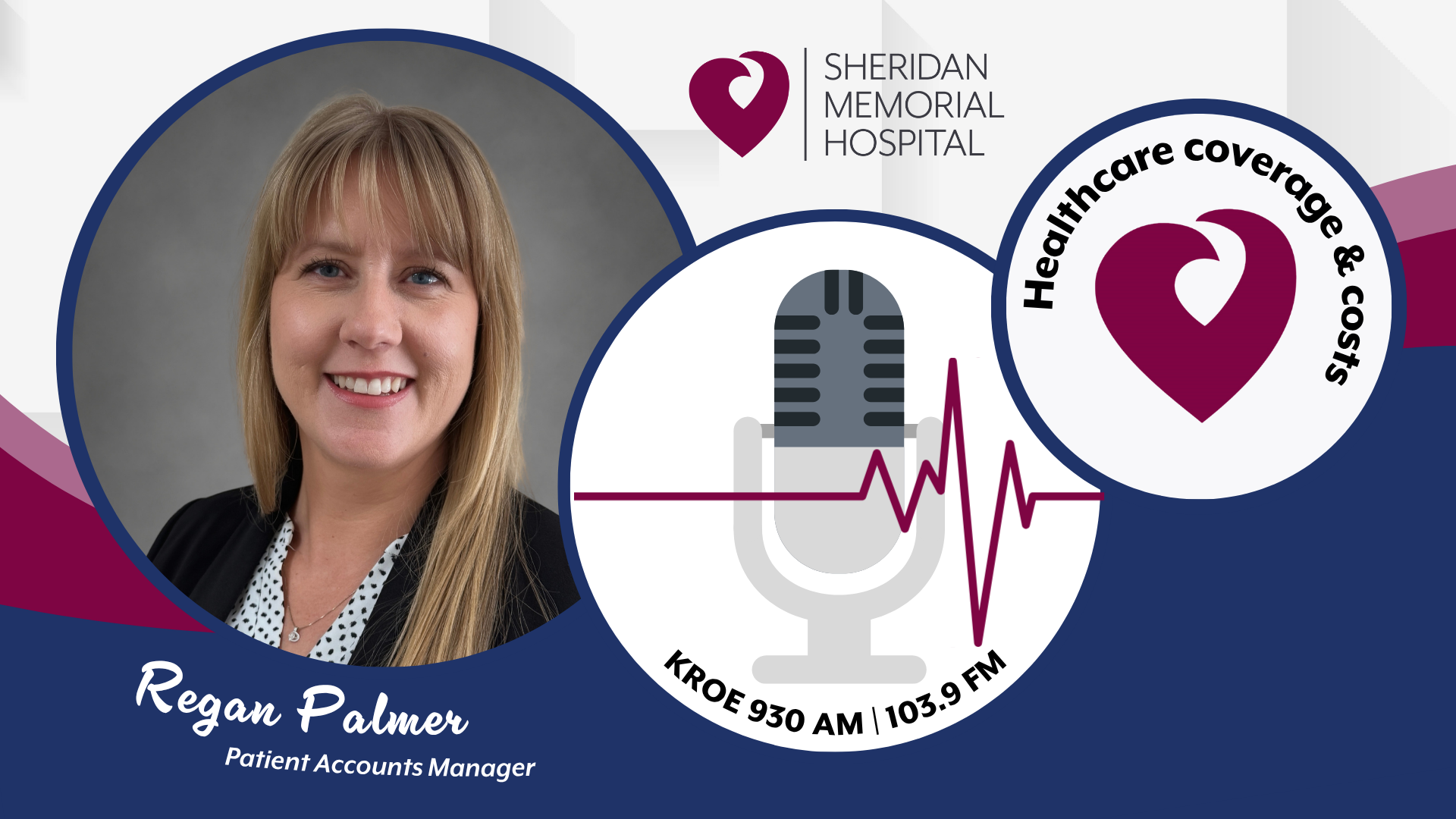
Sheridan Memorial Hospital’s Patient Accounts and Financial Advocates Manager Regan Palmer recently appeared on Sheridan Media’s Public Pulse to discuss the hospital’s financial advocacy services and other resources available to help community members better understand their health care coverage and costs.
The hospital’s financial advocates can assist with a wide range of needs, from understanding insurance coverage to finding resources when an unexpected medical expense creates financial hardship.
For patients without insurance, advocates can help explore available coverage through the Health Insurance Marketplace and determine whether they may qualify for Sheridan Memorial Hospital’s financial assistance program. They can also help individuals navigate Wyoming Medicaid applications and connect them with other community, state and federal resources when appropriate.
Advocates can also help patients explore assistance programs when the cost of a prescribed medication is unaffordable.
Community members do not necessarily need to have a current hospital bill — or even be a current SMH patient — to ask for help understanding their insurance options.
“We love to help the community in any way,” Palmer said. “If we can help you make a good decision from the start, we’re more than happy to talk.”
When someone meets with a financial advocate, the conversation begins with understanding their individual situation. Depending on the reason for the visit, helpful information to bring may include an insurance card, household size and gross income. From there, advocates can help identify options and, when needed, work alongside individuals as they complete applications.
“Oftentimes, it’s a lot easier when we’re sitting with you and walking through those steps, so that you don’t feel overwhelmed,” Palmer said.
A significant portion of Palmer’s Public Pulse conversation focused on another area that can quickly become complicated: Medicare.
Between Medicare Parts A, B and D, Medicare Advantage plans and Medicare supplement, or Medigap, policies, individuals approaching age 65 can face a significant number of decisions about their future health care coverage.
SMH’s financial advocates can help explain those options and serve as an unbiased resource as community members prepare to enroll.
“I don’t know that people usually think that the hospital is going to help me figure out my insurance,” Palmer said. “We are seeing that more and more as people are understanding that Medicare is very complicated and they might need some unbiased help on how to move forward with what they need.”
Palmer encourages people to think beyond their health care needs today when evaluating their options.
“Choose the plan that you would want when you are sick, not the one you think you need when you’re healthy,” she said.
Those conversations can begin well before someone turns 65. Individuals planning for retirement can meet with an advocate to better understand Medicare, potential supplement costs and other considerations ahead of time.
SMH also plans to conduct additional community outreach to patients approaching Medicare eligibility to help connect them with these resources.
Whether someone is preparing for Medicare, struggling to pay an unexpected hospital bill or simply looking at an insurance statement they don’t understand, Palmer emphasized that asking for help can be the best place to start.
Individuals with questions about an SMH medical bill can contact the hospital’s billing team, while those struggling to pay a bill can be connected with a financial advocate. Walk-ins are also welcome, and community members can ask to speak with a financial advocate at the hospital’s front desk.
There is no charge to meet with an SMH financial advocate.
Ultimately, Palmer hopes more people learn that help is available before insurance questions or health care costs become overwhelming.
“It’s not as scary as it seems,” she said. “We’re here to help you see that it is not as scary or complicated as it sounds.”
Learn more about Sheridan Memorial Hospital’s financial advocates at https://www.sheridanhospital.org/billing-services/patient-financial-advocate/. To connect with a financial advocate, call 307.675.4620 or visit the hospital’s main entrance at 1401 West 5th Street in Sheridan and ask to speak with an advocate.
To hear the full conversation, listen to the complete Public Pulse interview below.