
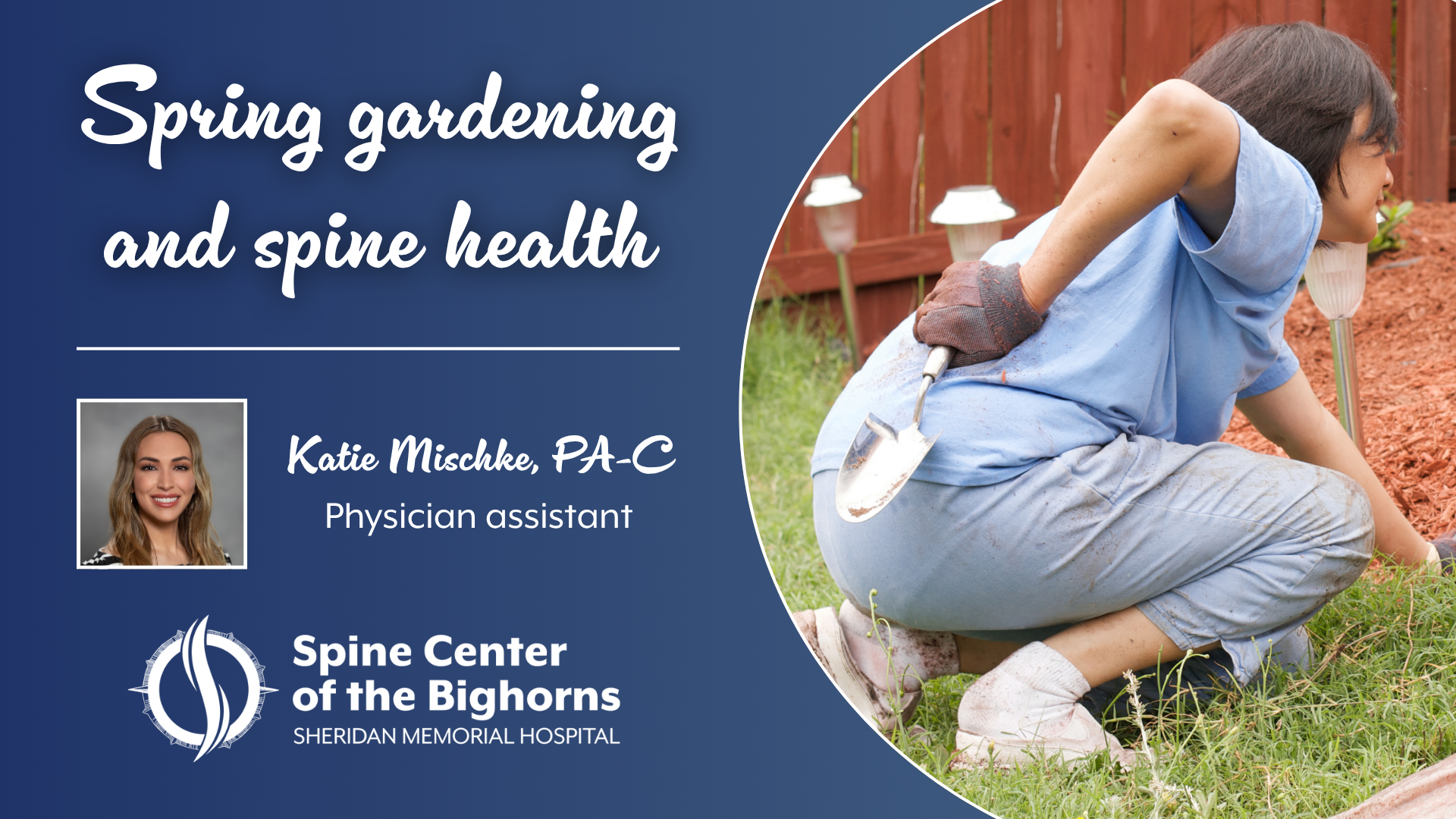
Spring is here, and many people are starting to plan what they’ll plant in their gardens. Gardening is not only a rewarding hobby, but also a great way to relieve stress and improve overall well-being. For many individuals, there’s nothing better than digging in the dirt and cultivating a thriving garden filled with fresh vegetables and fragrant flowers.
It is also a surprisingly effective workout. Lifting, bending, kneeling and squatting all add up over time. In fact, research suggests that an hour of light gardening can burn anywhere from 175 to 300 calories.
While gardening offers physical benefits, it can also come with one common drawback: back pain. It’s a familiar story — someone spends a few hours pulling weeds or planting flowers, and by evening or the next morning, their back is stiff and sore.
Does this mean people with a history of back pain or those who have had spine surgery must give up gardening? Not necessarily. With some modifications, you can continue to flex your green thumb while reducing your risk of injury.
Warm up before you start
Would you jump into a workout at the gym without warming up first? The same principle applies to gardening. This can be as simple as doing a few gentle stretches and taking a quick five-minute walk around the yard.
Practice safe postures and positions
Lifting heavy bags of soil or full watering cans with improper form can strain the discs, muscles and ligaments in your back. Instead, bend your knees, hinge at the hips and keep your back in a neutral, straight position from your neck through your lower back. Hold the object close to your body with both hands and use your legs to lift. Depending on your condition, it may be important to recognize when tasks that involve heavy lifting are best left to others.
Switch things up often
Avoid performing the same task or staying in one position for extended periods. Alternate between activities like digging and pruning every 20 minutes or so to change your body’s position and reduce repetitive stress in any one area.
Make the most of tools and gadgets
Using the right tools can help minimize strain on your back while gardening. Consider the following:
- Wheelbarrows, garden carts or wheeled pot trolleys make it easier to move heavy items without unnecessary lifting.
- Ergonomic garden tools, such as long-handled trowels, can reduce the need for bending during tasks.
- Garden stools, benches or scooters help limit squatting and allow you to maintain a more upright posture.
- Wearable or movable knee pads are a good option if you prefer working at ground level. Cushioned support can reduce pressure on your knees and back, and many designs include handles to assist with standing.
Bring the plants to you
The size and layout of your garden can directly impact your workload and the amount of time you spend on physical labor. Consider alternatives to traditional in-ground gardening, such as raised beds, small kitchen gardens or vertical gardens.
These options allow you to work at a more comfortable height, reduce the need for bending, and are often more manageable overall while still producing a bountiful harvest.
Listen to your body
The bottom line is that your body will let you know when it’s being overworked. If something begins to hurt, take it as a sign to stop and rest. If you feel sore afterward, gentle stretching and light movement can help prevent stiffness and support recovery.
If you’re living with ongoing back pain or notice your symptoms return after each gardening session, the team at the Spine Center of the Bighorns is here to help identify the source of your pain and guide you toward safe, effective treatment options.
Call or text the clinic at 307.675.2633 or click here to learn more.