
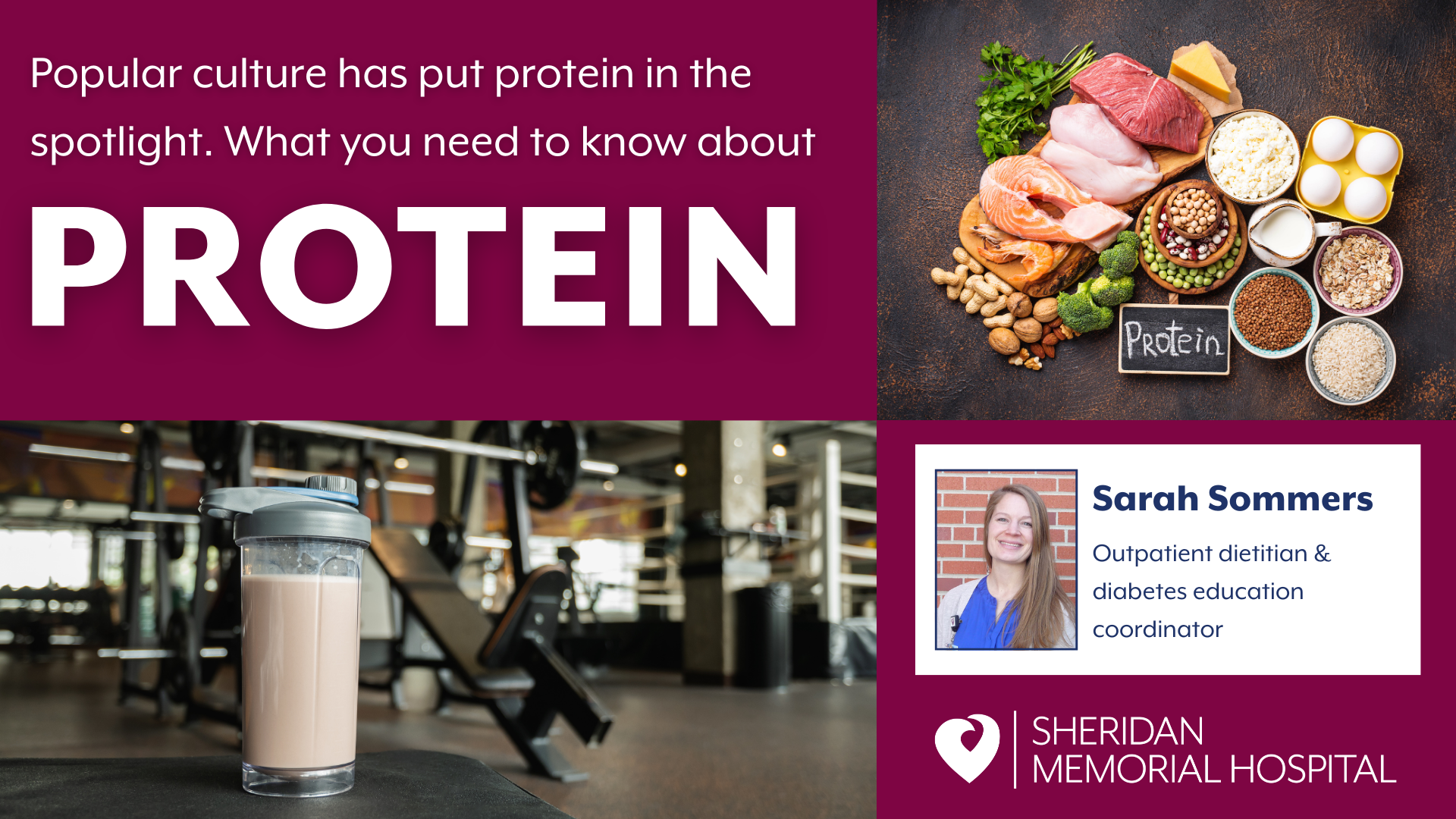
Written by Sarah Sommers, an outpatient dietitian diabetes education coordinator at Sheridan Memorial Hospital.
When it comes to macronutrients, popular culture has put protein in the spotlight. With the recent release of the “2025-2030 Dietary Guidelines for Americans” and the increase in use of GLP-1 medications, many people are focused on increasing their protein intakes.
While protein is essential for health, many misconceptions exist about how much protein is actually needed and how to get it. Here are a few things to consider when focusing on protein in your own diet.
- Protein needs vary. Many people use the simple equation of 1 g protein per kg body weight to determine protein needs, but this isn’t recommended for all individuals. Needs vary by age and children, adolescents and older adults (>65) need more. Factors that may increase protein requirements include advanced age, activity status, healing, health status, total oral intake and more.
- A high protein diet is likely not as high as you think. Evidence exists to suggest a higher protein diet can aid in weight loss, especially with the addition of physical activity. Most popular high protein diets recommend up to a 40% of calories from protein. When looking at the actual research, several studies suggest a diet of around 25% of calories from protein may be effective in weight management. This is still higher than the “typical” American diet, but doesn’t require the addition of protein supplements to achieve.
- Protein is found in a variety of foods. Yes, meat and eggs contain protein, but so do beans, soy products, nuts, seeds and whole grains. While plant proteins may not contain all the essential amino acids needed by the body, they can still easily meet protein needs when consumed as part of a balanced diet. Consuming protein from both plant and animal sources can help meet protein and micronutrient needs.
- Eating more protein is not a silver bullet. For overall health, it is important to eat a balanced diet including nutrient-dense non-starchy vegetables, fruits, whole grains and proteins. Don’t let a focus on protein prevent you from including other healthful foods in your diet. Work with your health care provider or a dietitian to guide you in developing a sustainable and effective nutrition strategy individualized for you.
- High protein intake is not harmful for healthy individuals. For individuals with advanced chronic kidney disease, protein is often limited. Due to this limitation, it was previously thought that excessive protein intake may harm the kidneys. Multiple studies have debunked this myth and found high protein intakes to be safe in healthy individuals.
Protein is important for health and can impact fullness, energy levels, muscle mass, immunity and more. With that in mind, focusing on overall dietary quality, rather than simply focusing on one macronutrient, is the key to supporting long-term health. To improve health, focus on whole foods and small portions and work with your health care provider to design a diet that is right for you.